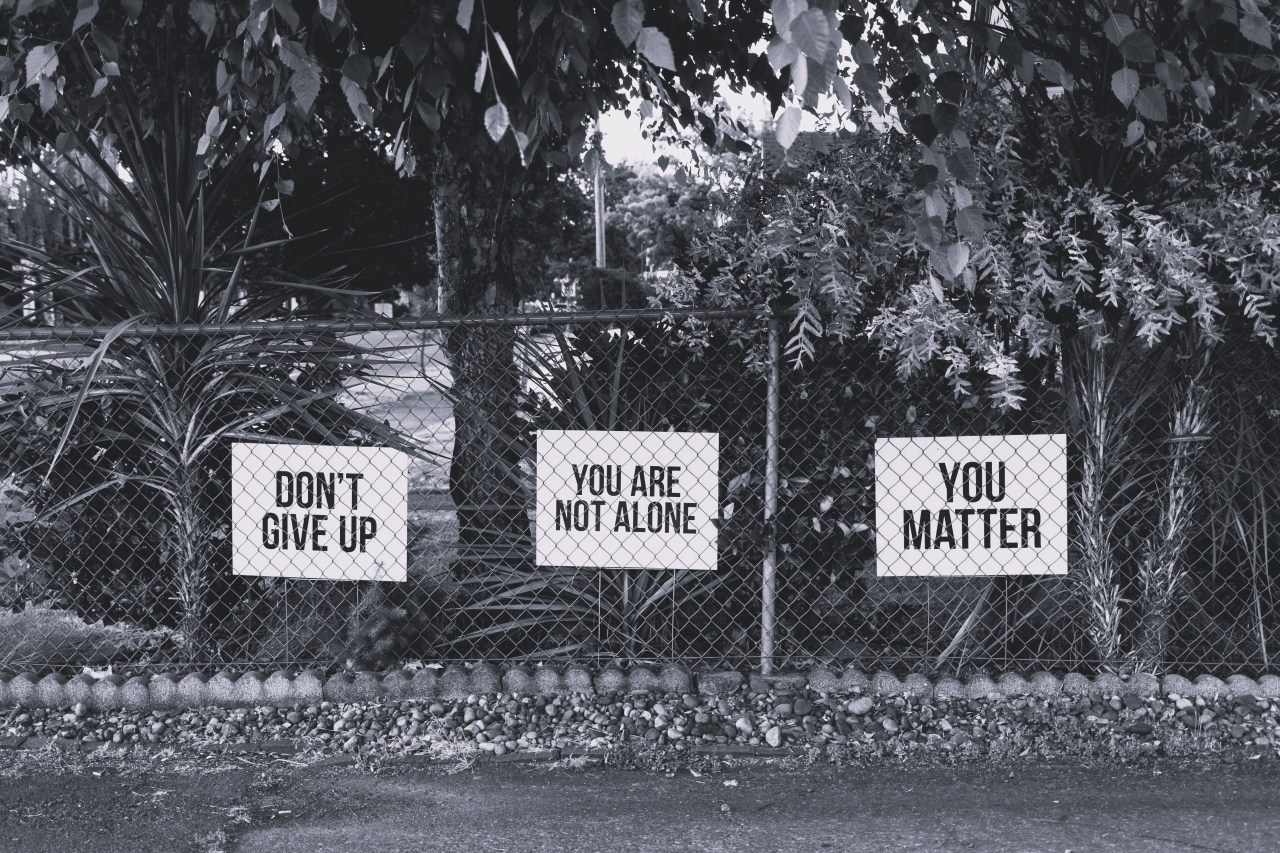
Be The Attitude You Want To Be Around

We’ve all felt it—that lift you get from someone’s positive energy. The kind of vibe that makes a room feel warmer, lighter, better. We seek it out, gravitate toward it, and sometimes, we depend on it. But here’s a truth that changed everything for me:

Instead of waiting to be around the energy you want, be it.

Don’t get me wrong—we need good people in our lives. Community, support, and encouragement are vital. But real change happens when you stop outsourcing your attitude—and start showing up as the person you wish you could find.


I Wasn’t Always That Person

When I was deep in my darkness, I avoided positive people. They annoyed me. I didn’t trust their joy. I assumed it was fake. And, if I’m being honest, I didn’t want them to see the way I was living.

But beneath all that judgment was jealousy.

I admired them. I just didn’t believe I could ever be like them.

Recovery taught me otherwise.

It showed me that joy can be genuine. That light isn’t fake—it’s earned. And I could earn it, too.

So I made a promise to myself: I would become the person I wanted to be around.

Not overnight. But one day at a time.


Give What You Wish to Get

In the beginning, I didn’t feel like I had much to offer. I was still shaky, still figuring it out. But someone reminded me:

Even if you’re just a few steps in, you’ve got something to share.

Because someone else is just starting out. And to them, you might look like a mile ahead.

So I showed up. I told the truth. I dropped the act and chose transparency. And little by little, I built trust in myself by being accountable, being honest, and shifting from asking, “What can I get?” to “What can I give?”

And I found that even on my worst days, if I could help someone else, it helped me too.

Sometimes, two bad days colliding can spark one good one.


Attitude Is Energy

Gratitude was a big part of this shift. When I started focusing on what I had instead of what I lacked, everything changed.

Even the hard things didn’t feel impossible anymore—because I wasn’t tackling them alone. I learned to ask for help. That was huge for me.

Asking for help didn’t make me weak. It made me real.

And in asking, I often gave someone else the gift of showing up. We got closer. We built something.

Because we all need help sometimes.


Become the Energy You Admire

Think about the attitudes you’re drawn to. What do you admire in others? What kind of energy lifts you up?

Now ask yourself:

What if that’s already inside of me?

What if the very thing you’re craving is something you’re meant to cultivate and share?

Start there. Be that. You might just find your truest self waiting on the other side.


SLAY Reflection

Ask yourself:

  • What attitude or energy am I most drawn to?
  • Do I embody that energy—or just chase it in others?
  • What’s stopping me from becoming that kind of person?
  • How can I use gratitude and service to shift my own energy?
  • What’s one small step I can take today to be the vibe I want to be around?

S – L – A – Y

S: See the energy you admire in others.
L: Listen to how your own attitude shows up.
A: Act in alignment with the energy you want to attract.
Y: Yield to your inner strength—it’s always been there.


Call to Action: Join the Conversation
I’d love to hear from you.
What’s the attitude you want to be around—and how are you choosing to embody it in your own life?
Share your story in the comments. Let’s cheer each other on.

And if you know someone who’s working on becoming their best self, send this to them.
Sometimes, all we need is a nudge.
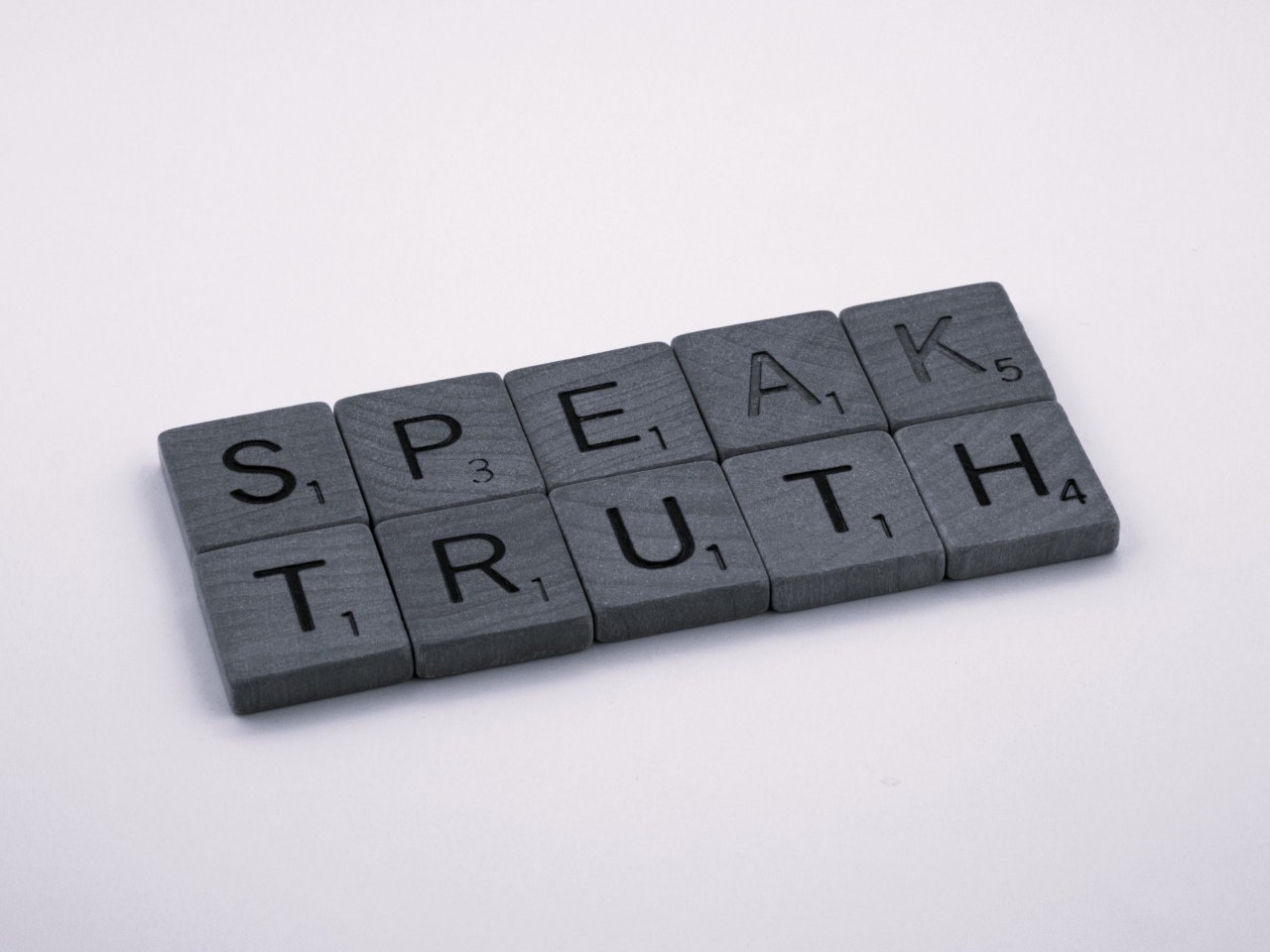
You Can’t Mend If You Bend The Truth

There was a moment in my life when the truth became a matter of survival. I had finally found the courage to ask for help, and the first thing I was told was this: “You’re going to have to get rigorously honest with yourself if you want to get well.”

That word—rigorous—felt terrifying. But I was so low, so broken, that I was willing to try anything. So I said yes.

What I didn’t realize at the time was that living in truth wasn’t just about not lying—it was about letting go of every version of myself I had created to survive. I was terrified of being judged. What if they knew the real me? Would they leave? Would they hate me? Even among people whose stories mirrored mine, I still feared I was the worst of us all.

But the truth was the key to my healing.


You’re Only as Sick as Your Secrets

I’d spent so many years twisting the truth that I didn’t even know what was real anymore. I had lied to others, yes—but more dangerously, I had lied to myself. Especially about the parts of me that hurt the most.

I started small. I shared only what I could in the moment. It wasn’t perfect. But it was honest. And with every truth I spoke, I felt lighter. Less alone. More connected.

I learned that almost anything can be forgiven—as long as we’re willing to be honest about it. People aren’t looking for perfection. They’re looking for sincerity. Most of the time, just saying, “I messed up, and I’m sorry,” is enough. But when we bend or dance around the truth, that connection is lost. The wound remains open.

Half-truths don’t set you free. They keep you locked in a pattern of shame.

The truth might be uncomfortable—but it’s nothing compared to the weight of carrying secrets. When we hide behind lies, we stay sick. We stay small. We stay stuck.


Truth Is the Path to Healing

Before I asked for help, my entire life was a tangled web of excuses and justifications. I bent the truth to protect myself, but it only made things worse. The more I lied, the sicker I became.

The day I began telling the truth—to myself, to others, and to the people I had hurt—was the day I started to get well. It was messy. It was raw. But it was real.

And real is where the healing lives.

It’s easy to tell ourselves that we lie to keep others safe. That we hide things to avoid hurting people. But those are just more lies dressed as protection. The truth is, we lie because we’re afraid.

But if we want to grow, we have to get honest—not just in part, but fully. Healing requires the whole truth. That’s how we clean the wound. That’s how we rebuild trust. That’s how we find peace.

You can’t mend what you won’t face.

Let your purpose lead. It knows the way.


SLAY Reflection

  1. Are there places in your life where you bend the truth? Why?
  2. What would change if you told the full truth—first to yourself, then to others?
  3. Have you experienced healing from being honest, even when it was hard?
  4. Are there secrets you’ve been carrying that are weighing you down?
  5. What’s one small truth you can speak today that might set you free?

S – Speak honestly, even when it’s hard
L – Let go of the stories that keep you stuck
A – Acknowledge the pain, then face it with courage
Y – Yield to truth—it’s the only path to healing


Call to Action: Join the Conversation

I’d love to hear from you.
What’s a truth you were once afraid to share, but feel proud for having told?
Share your story in the comments. Let’s cheer each other on.

And if you know someone who’s been carrying a heavy secret, send this to them.
Sometimes, all we need is a nudge.

If You Feel Like You’re Sliding, Ground Yourself In Gratitude

Because even the smallest anchor can save you from the storm

There are seasons in life when the ground beneath your feet doesn’t feel steady. You’re doing everything “right” — showing up, trying hard, taking care of what needs you — and yet somehow you still feel yourself slipping. Emotionally. Mentally. Spiritually. Energetically.

It starts quietly.

A missed step here.
A spiraling thought there.
A wave of heaviness that settles on your chest and won’t explain itself.

Before you know it, you’re sliding — away from your center, away from your peace, away from the version of you who feels grounded and clear.

I know that feeling well.
We all do.

And when life gets like this, it’s easy to panic.
It’s easy to think: What’s wrong with me? Why am I regressing? Why can’t I hold it together?

But here’s the truth most of us forget:

A slide isn’t a failure.
It’s a signal.
And gratitude is your handhold back to solid ground.


The Quiet Descent We Don’t Notice Until We’re Already Falling

Life rarely knocks us off balance with one big moment. Instead, it’s the slow accumulation of little things:

  • A slight disappointment

  • A broken routine

  • A lingering insecurity

  • A change in circumstance

  • A comment that hits us the wrong way

  • A feeling we don’t want to admit we’re feeling

The slide is subtle.

It begins when we stop listening to ourselves.
When we stop resting.
When we stop checking in on our heart.
When we slip into autopilot because being present feels too heavy.

Suddenly, we’re overwhelmed. Or discouraged. Or disconnected from the person we know we truly are.

The human instinct is to claw our way back through force — push harder, work more, suppress the feeling, pretend it’s not happening.

But the way back isn’t through force.

It’s through grounding.
It’s through presence.
It’s through gratitude.


Gratitude Doesn’t Erase the Hard — It Stabilizes You Inside It

Gratitude gets misunderstood as a way to bypass pain.
But real gratitude doesn’t ignore how you feel.

It simply gives you something to hold onto while you feel it.

Gratitude says:

  • “Yes, this is hard… and here is something still supporting you.”

  • “Yes, you’re tired… and here is something still holding you steady.”

  • “Yes, you’re overwhelmed… and here is something still working in your favor.”

It returns your mind to what is real — not imagined fear, not spiraling emotion, not worst-case scenarios.

Gratitude pulls you out of the fall and reorients you toward truth.

It doesn’t invalidate your struggle.
It anchors you through it.


A Small Gratitude Can Shift a Heavy Heart

When you feel yourself sliding, you don’t need a miracle.
You don’t need a life overhaul.
You don’t need everything to be perfect.

You just need one grounding thought — one spark of gratitude — to interrupt the descent.

It can be as simple as:

  • “I’m grateful for the breath that steadies me.”

  • “I’m grateful for one person who loves me.”

  • “I’m grateful for the strength I don’t always give myself credit for.”

  • “I’m grateful for the lessons that shaped me.”

  • “I’m grateful for this moment of awareness — it means I can choose again.”

Gratitude is not about pretending everything is wonderful.
It’s about remembering that not everything is falling apart.

It’s the shift that gives you back your footing.


Gratitude Helps You Regain Perspective — and Power

When we slide emotionally, our mind tries to convince us that everything is collapsing. Gratitude counters that narrative with something more grounded and true.

It:

  • Softens the panic

  • Brings the nervous system down

  • Helps you see the full picture instead of the distorted one

  • Reconnects you to what’s working, not just what feels wrong

  • Reminds you of your resilience

  • Guides you back to your inner stability

Gratitude says:
“You’ve survived every version of life you thought would break you. You can survive this, too.”

And when you remember that, the slide slows.
When you feel that, the ground steadies.
When you breathe into it, you begin to rise again.


You’re Not Failing — You’re Feeling

There is nothing wrong with you for having moments where your footing slips.
There is nothing wrong with you for needing support.
There is nothing wrong with you for losing your center and finding it again.

Strong people slide.
Resilient people slide.
Healing people slide.

But grounded people know how to climb back.

Gratitude is your rope.
Your anchor.
Your reminder that, even in the wobble, you are held.


SLAY Reflection

S — Sit With Your Truth

Where have you been feeling emotionally unsteady or overwhelmed lately?

L — Look at the Pattern

What small shifts or stressors may have contributed to your sense of “sliding”?

A — Align With Your Values

What gratitude practice — even a simple one — can help you feel grounded in this moment?

Y — Yield to Growth

What becomes possible when you anchor yourself in gratitude instead of fear?


Call to Action: Join the Conversation

I’d love to hear from you.
What gratitude has helped ground you when life feels unsteady?
Share your story in the comments. Let’s cheer each other on.

And if you know someone who’s struggling to find their footing right now, send this to them.
Sometimes, all we need is a nudge.
Peaceful Warrior

I was sitting across from someone the other day who was wearing a cap that said Peaceful Warrior. I watched him, and he certainly did look like a warrior—he was a solid guy—but he also looked grounded, and, as advertised, peaceful.

It reminded me how, as we walk our paths and go to battle each day—fighting for ourselves and those we love—we often don’t do it peacefully. We may start out that way, but once we get caught in the charge of action, the adrenaline, we lose that peace. We lose our serenity. And, often, we lose ourselves to anger, rage, or fear.

The idea of being peaceful among chaos is beautiful. Like a Matrix-style calm, where the action slows around us and we remain still and focused. While we can’t physically create that, we can spiritually and mentally.

So how do we keep the peace in our daily lives, with chaos all around?


Manage Our Fear

Fear sets us into overdrive. It removes calm and peace, puts us into reaction mode, and blinds us to what’s real. To find peace, we need to manage our fears. Remember—fears are not facts. Stick to what’s true. Stay present. Focus on what you can do in each moment to move forward.


Keep Our Intentions Pure

Do things because you want to, not for what they’ll get you or how they’ll make you look. That’s the way of a peaceful warrior. Focus less on the outcome and more on the reasons behind your actions and the journey itself.


Let Go of Old Ideas

Past experiences or old beliefs can limit what we can accomplish. We are evolving every day. Let go of the past. Believe in who you are becoming. When you do, limitations fall away and new possibilities open up.


Avoid Over-Scheduling

We juggle a lot, but when we over-schedule, we lose peace and scramble for control. We risk losing sight of who we’re working to be. Set realistic goals. Focus on each task. If you can’t finish it all today, that’s okay—tomorrow is another chance.


Win or Lose, You Win

Stop framing everything as a win or loss. The fact that you’re trying is a win. If things don’t go as planned, that’s a lesson. Maybe it wasn’t supposed to go your way that day. Now it’s your turn to handle it in a way that builds your growth.


Don’t Judge Your Thoughts

Negative or surprising thoughts will pop up. They’re not your truth unless you let them be. Notice them, ask yourself why they’re there, and let them go. Often, these thoughts come when we’re in H.A.L.T.—hungry, angry, lonely, or tired. Check in with your self-care when negativity creeps in.


SLAY OF THE DAY: Reflect & Rise

  • Do you think of yourself as a peaceful warrior? If yes, why? If not, why not?

  • Are there things you can tackle peacefully and some not? List what you can, and what you cannot. Why do you struggle with the ones on your not list?

  • What can you do to change that?

  • How can you practice being a peaceful warrior, even on the tough days?

  • What will it take for you to lose peace, then find it again—and not let that loss be a loss but a lesson?


Call to Action: Join the Conversation

I’d love to hear from you.
What’s one way you can step into your power as a peaceful warrior today?
Share your story in the comments. Let’s support each other in finding peace.

And if you know someone who’s navigating chaos right now, send this to them.
Sometimes, a little encouragement is all we need to rediscover our peace.

We Never Know Whoes Lives We Touch

Most of the time, we go about our lives unaware of the impact we’re making. We don’t always get to know whose day we made a little brighter—or whose life we helped change entirely—just by showing up. But that doesn’t mean the impact isn’t there.

Years ago, I was attending a support group regularly—committed to being there every Tuesday night. I didn’t think I was doing anything special. I was just showing up, doing the work, and trying to get by. Then one night, a man walked up to me and thanked me.

I didn’t recognize him. I didn’t recall ever having a conversation with him. So I asked why.

He said, “When I first started coming here, I didn’t have anything consistent in my life. But you were here every Tuesday. You were the only consistent thing I had.”

I was stunned. I had no idea that my quiet consistency had become someone else’s anchor.


You Have No Idea Who You’re Inspiring

That story came back to me recently at an orientation meeting for a volunteer program—one I joined to help people in their darkest hours, much like someone once helped me in mine.

A woman sitting beside me raised her hand and shared that she had once received support from the very program we were now volunteering for. It saved her. And now she was there to give back.

That’s the ripple effect in action.

Even on our lowest days, we still have something to offer. Even in our silence, someone might be watching. Even through our quiet perseverance, we may be inspiring someone else to keep going.

It doesn’t take grand gestures. Sometimes it’s a simple smile. A kind word. A warm hug. An act of respect. A bit of compassion. These moments matter more than we know.


You Matter More Than You Think

I’ve learned to treasure those seemingly small moments—the ones where someone feels seen, held, or heard. The moments that remind us: we’re not walking through this world alone.

We’re part of something bigger. A community. A collective. A heartbeat that echoes through every connection we make.

We all have stories to tell. Even on the days when we feel like we’re barely holding it together, those stories carry weight. Especially on those days.

So keep showing up. Keep sharing your truth. Keep offering what you have—even if all you have is a smile. Because someone out there might be praying for exactly that.

You never know who’s watching.
You never know who you’re helping.
You never know whose life you’re touching—just by being you.

SLAY on.


SLAY OF THE DAY: Reflect & Rise

Are you aware of the light you bring to the world—even on your darkest days?

  • Do you notice the people around you, and how your presence might affect them?

  • Have you ever discovered that something you said or did helped someone, even when you didn’t realize it?

  • Do you recognize how your experiences, even the hard ones, can offer hope to others?

  • What small act of kindness can you give today?

  • What moment in your past made you feel seen? How can you give that to someone else?

You matter. Your story matters. Your presence matters. Even when you don’t feel like it.


Call to Action: Join the Conversation

I’d love to hear from you.
What’s one way someone unexpectedly impacted your life—or one way you’ve discovered you helped someone else?
Share your story in the comments. Let’s cheer each other on.

And if you know someone who needs a reminder of how much they matter, send this to them.
Sometimes, all we need is a little light to lead us out of the dark.

Keeping Your Side Of The Street Clean

It’s easy to look at someone else’s mess and call it out. But here’s the truth: we all have our own mess to manage. And if we’re being honest? It’s usually easier to spot someone else’s than to deal with our own.

Lately, I’ve been navigating a major life transition—a season full of change, compromise, and triggers. Most days, I can catch myself before reacting in old ways. But sometimes? I slip. I say or do something that’s not aligned with who I’m becoming. It doesn’t feel great. But I’ve learned something powerful: mistakes don’t define me—how I clean them up does.


Look Inward First

When you’ve made a mess, the first step is owning it. That means pausing long enough to acknowledge where you went wrong—not where someone else did.

Open, honest communication is essential. Admit your part without excuses. I’ve carried the weight of unacknowledged mistakes before, and it’s heavy. You end up walking through life with a dark cloud following you—not because of what someone else did, but because you haven’t owned your part.

Here’s what I’ve learned: most problems can be worked through with a sincere conversation. People are far more forgiving when they sense you’re being real with them.


Apologize. Make It Right.

Humility is not weakness—it’s wisdom.

If you’ve wronged someone, apologize clearly and directly. Skip the over-explaining or blame-shifting. They don’t need to hear all your reasons. They need to feel your sincerity.

Sometimes a heartfelt “I’m sorry” is enough. Other times, you may need to ask how to make it right. Be open to what they say. And remember, making things right isn’t about winning—it’s about restoring trust.

And if your instinct is to defend, justify, or co-blame? Pause. That’s not the work. Your side of the street is yours to clean. Period.


Make the Mess a Message

Mistakes are not dead ends—they’re spotlights on where we need to grow.

Rather than beating yourself up, get curious. What triggered that reaction? What could you do differently next time? Every misstep is a chance to shift your path.

I now try to see these moments not as failures but as feedback. They shine a light on areas I still need to work on, and that’s a gift. It helps me become more self-aware, more emotionally grounded, and more intentional in my relationships.

The goal isn’t to be perfect. It’s to be accountable. Honest. Clean.


Being a SLAYER Means Owning Your Part

At the end of the day, keeping your side of the street clean means taking responsibility for your actions, no matter what someone else does. It means not letting your ego steer the ship. It means choosing peace over pride.

We can’t control others. But we can control how we show up. And when we lead with integrity? That ripple changes everything.

Let your integrity speak louder than your mistakes. That’s how we Slay.


SLAY Reflection

  1. When was the last time you had to own a mistake?
  2. Did you take action to make it right—or avoid it?
  3. How do you typically react when you’ve messed up?
  4. Is there something on your side of the street that needs cleaning?
  5. What could change in your life if you started showing up with more ownership?

S-L-A-Y:

  • See your part clearly
  • Let go of blame and excuses
  • Act with humility and integrity
  • You’re responsible for your energy and actions

Call to Action: Join the Conversation
I’d love to hear from you.
What does keeping your side of the street clean look like for you?
Share your story in the comments. Let’s cheer each other on.

And if you know someone working on showing up better, send this to them.
Sometimes, all we need is a nudge.

Secrets Are Not A Replacement For Boundaries

We’ve all done it—told those “little white lies” to make things easier. Maybe to get out of a bind, avoid a confrontation, or dodge a situation we never felt comfortable with in the first place. We tell ourselves it’s harmless because we don’t want to hurt anyone’s feelings. But if we’re honest? Most of the time, we’re just trying to avoid the discomfort of setting a boundary and speaking our truth.

Boundaries aren’t about being difficult.
They’re about being clear—about our needs, our limits, and how we expect to be treated. They build self-respect and create space for healthier relationships. The truth is, once we get comfortable setting them, life tends to feel less chaotic and more aligned. Boundaries reduce stress because they make our expectations known—no guessing, no games.

But learning how to set boundaries—especially when we’ve spent most of our lives people-pleasing—takes intention, patience, and practice. Here’s how you start:


Prefer to listen? The Audio Blog version is available here.


1. Know Where You Stand

You can’t set a boundary if you’re unsure of how you feel. Check in with yourself. What makes you uncomfortable? What feels unsafe or triggering? Clarity is power.

2. Tap Into How You Feel

Resentment, anxiety, dread—these are often signs that a boundary needs to be set. What emotion is coming up, and why? Naming the feeling helps you respond with intention instead of reaction.

3. Be Clear

Once you know your truth, communicate it plainly. No over-explaining. No apologies. A boundary isn’t a debate—it’s a statement of self-respect.

4. Give Yourself Permission

Setting boundaries doesn’t make you selfish—it makes you self-aware. You are not “too much.” You are worthy of peace and respect.

5. Check In Often

Your needs evolve, and so will your boundaries. Stay aware. Reflect regularly on how situations or people make you feel, and adjust accordingly.

6. Look at Your Patterns

Do you default to caretaking? Do you shut down? Are you conflict avoidant? Recognizing these patterns gives you the power to shift them.

7. Prioritize Self-Care

Boundaries are a form of self-care. You can’t pour from an empty cup. Taking care of you is not a luxury—it’s a necessity.

8. Find Your People

Surround yourself with those who support your growth. Healthy people respect healthy boundaries. And don’t be afraid to reach out for help—it benefits both the giver and receiver.

9. Take Action

Thinking about setting a boundary is not the same as setting it. You have to follow through. Speak up. Be consistent. And don’t shrink when you feel resistance.

10. Start Small, Build Confidence

You don’t have to tackle the toughest boundary first. Practice with low-stakes situations. Build your voice. Build your confidence. Then level up.


Here’s the truth:
Keeping secrets or telling lies to avoid discomfort isn’t kindness—it’s avoidance. And the more you avoid, the more disconnected you become from your truth.

Boundaries are not about controlling others—they’re about honoring yourself.

The more you practice, the more you’ll feel grounded, clear, and connected. That’s the foundation of a life that SLAYS.


SLAY Reflection

Do you struggle to set boundaries? Why?
Have you ever used a “white lie” instead of speaking your truth? What did it cost you?
Do you believe you’re worthy of setting the terms for how you’re treated?
What patterns from your past still influence how you show up today?
What would it look like to protect your peace, unapologetically?


S – Stop hiding behind excuses or silence.
L – Listen to your gut—it’s telling you what you need.
A – Assert your truth with compassion and clarity.
Y – Yield only to what honors your worth.


Call to Action: Join the Conversation
I’d love to hear from you.
Do you struggle with setting boundaries—and if so, why?
Share your story in the comments. Let’s cheer each other on.

And if you know someone who’s learning to speak up for themselves, send this to them.
Sometimes, all we need is a nudge.

You Are Not Alone

There was a time in my life when I felt deeply alone. Not occasionally lonely. Not just on a quiet evening. I mean profoundly alone. I could be surrounded by people, even in a crowded room or a packed stadium, and still feel like I was standing on an island no one else could reach.

At the time, I did not realize I was playing a major role in creating that feeling. I had family who loved me, friends I enjoyed spending time with, and colleagues I looked forward to seeing. On paper, I was anything but alone. But emotionally, I had built walls so thick that connection could not get through.

And those walls were built from fear.

Fear that if people saw the whole me, the imperfect parts, the struggling parts, the uncertain parts, they might not like what they saw. Fear that if I admitted I was not always OK, people might judge me, reject me, or quietly drift away. So I kept smiling. I kept performing. I kept everything that mattered most locked inside.

From the outside, everything looked fine. From the inside, it felt like isolation.


The Illusion of Being Alone

Here is something I learned that changed everything. Feeling alone is not always about who is around you. Often, it is about how much of yourself you allow to be seen.

I could sit with friends, laugh, share stories, and still feel disconnected because I was protecting myself rather than connecting. I was editing my truth in real time. I was maintaining an image rather than building a relationship.

That kind of distance adds up. Over time, it starts to feel like an ocean between you and everyone else. You watch others seem connected and supported while you stand on your own emotional shoreline, wondering why you cannot feel the same.

For me, the turning point came when the effort of hiding became more exhausting than the fear of being seen.


The Moment Everything Shifted

I remember the first time I truly opened up. I was terrified. My hands were shaking. I had never shared what I considered the messy or imperfect parts of my life. I honestly did not know how it would land.

But I also knew something important. Continuing to carry everything alone was not sustainable. Emotionally, mentally, and physically, it was taking a toll.

So I reached out to someone I trusted. I spoke honestly. Not polished. Not perfect. Just real.

And what came back was not judgment. It was understanding. It was compassion. It was love.

That moment cracked something open inside me. It showed me that vulnerability does not push the right people away. It often pulls them closer.


Connection Requires Courage

When I started sharing more openly with others in my life, something remarkable happened. People showed up. They listened. They supported me. They shared their own stories. And suddenly I saw something clearly.

Everyone is carrying something.

Some people hide it better than others. Some people have not yet found safe spaces to share. But the idea that you are the only one struggling is almost always an illusion created by silence.

Connection happens when honesty enters the room.

That does not mean oversharing with everyone. It means choosing safe people and allowing yourself to be known by them.

And yes, sometimes people will step back. That happened to me too. A few relationships changed. But I learned an important lesson. The people who stay when you are real are the people meant to walk alongside you.


Building Your Circle

We are living in a time when connection can happen in more ways than ever before. Geography is less of a barrier. Shared interests bring people together. Communities form around healing, growth, creativity, spirituality, mental health, and personal development.

Your people might already be in your life. Or they might be waiting for you to find them.

The key is willingness.

Willingness to open up. Willingness to risk being seen. Willingness to believe you deserve connection and support.

And if you are part of this State Of Slay community, know this. We are building that circle together. A space where growth, honesty, and support are not just encouraged but celebrated.

There is real strength in community. Individually, we can accomplish incredible things. Together, we become resilient in ways we never imagined.


You Get To Choose Connection

Today, I do not feel alone the way I once did. Not because life is perfect. Not because challenges disappeared. But because I no longer isolate myself emotionally.

I choose connection.

I choose honesty.

I choose to let people in.

And when you do that, you realize something powerful. You were never truly alone. You were just carrying more by yourself than you needed to.

You do not have to do that anymore.

You are not alone.


SLAY Reflection

S — See the Truth
When do you feel most alone? Is it actually about who is around you or what you are holding back?

L — Let Yourself Be Seen
Is there someone safe you could open up to this week? What stops you?

A — Allow Support
How does it feel when someone truly listens to you? Can you let yourself receive that?

Y — Your Next Step
What is one small action you can take today to build connection instead of isolation?


Call to Action: Join the Conversation

I would love to hear from you.
When have you felt alone, and what helped you reconnect with others?
Share your story in the comments. Let’s cheer each other on.

And if you know someone who might need this reminder, send this to them.
Sometimes, all we need is a nudge.