
Everyone Feels Broken Sometimes

There was a time when I thought I was the only one struggling.

The only one who felt lost.

The only one who felt like everyone else had somehow figured out life, while I was quietly falling apart behind the scenes.

I would look around and see people succeeding, smiling, building careers, raising families, and moving through life with what appeared to be confidence and certainty.

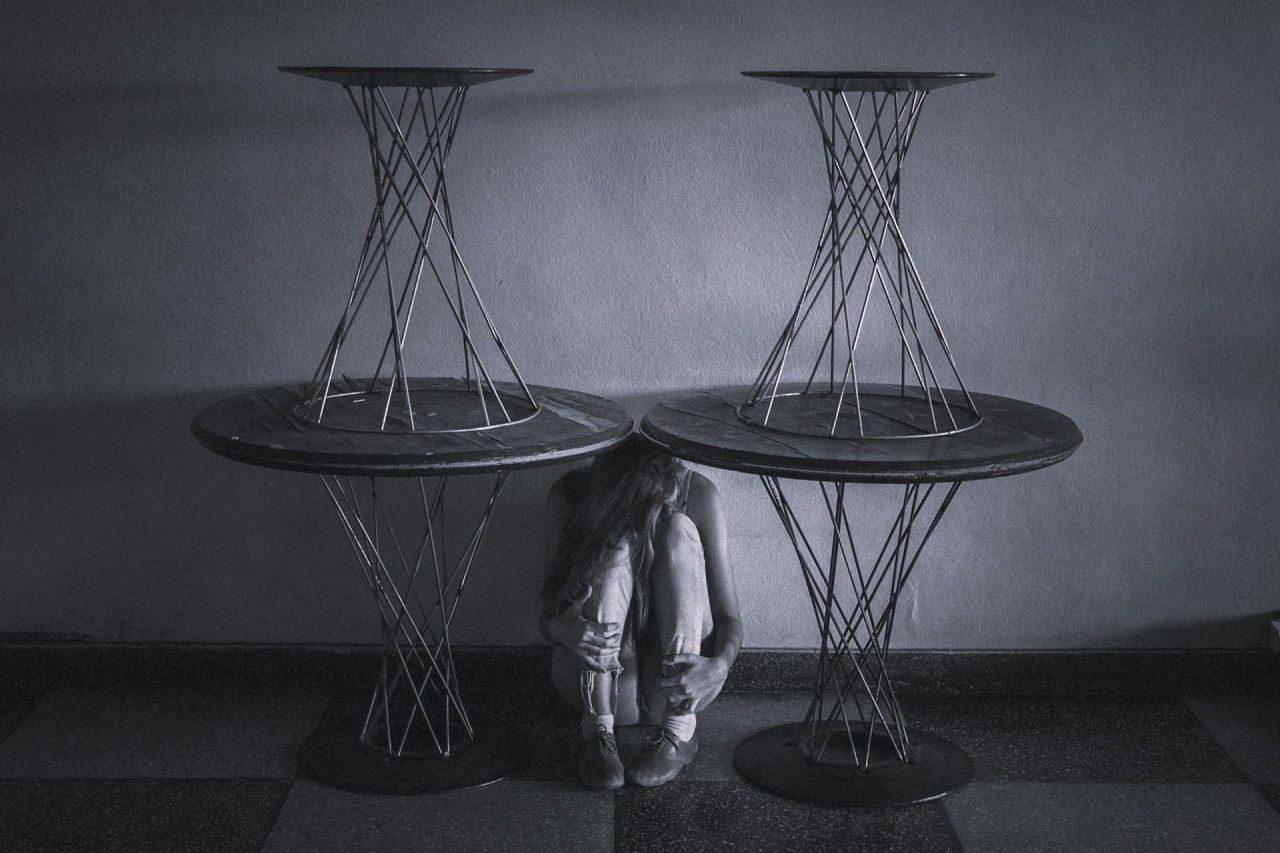
Meanwhile, I felt broken.

Not all the time. But enough that I worried there was something fundamentally wrong with me.

What I have learned since then is something I wish I had understood much sooner.

Everyone feels broken sometimes.

Even the people who look like they have it all together.


Prefer to listen? The Audio Blog version is available here.


Broken Does Not Mean Defective

One of the biggest mistakes we make is believing that feeling broken means something is wrong with us.

It doesn’t.

Being human means experiencing loss, disappointment, heartbreak, uncertainty, grief, failure, and fear.

Those experiences leave marks.

They challenge us. They change us. They force us to grow in ways we never expected.

Feeling broken is often a natural response to carrying something heavy.

It is not proof that you are damaged beyond repair.


I Thought I Had to Hide It

For years, I worked hard to appear fine.

I thought strength meant keeping it together.

Keeping the smile on. Keeping the mask in place. Making sure no one knew how much I was struggling.

And from the outside, I probably looked okay.

But inside, I felt disconnected.

Because hiding your pain creates distance.

Not only between you and others, but between you and yourself.


We Compare Our Reality to Someone Else’s Highlight Reel

Part of the reason so many people feel alone in their struggles is because we rarely see the whole story.

We see accomplishments.

We see milestones.

We see curated snapshots of people’s lives.

What we don’t always see are the sleepless nights, the self-doubt, the setbacks, the anxiety, the grief, and the battles they fight privately.

So we assume we are the only ones struggling.

We are not.


Some Seasons Are Meant to Break You Open

This may be one of the hardest truths to accept.

Sometimes life breaks apart the things that no longer fit.

The beliefs that limit us.

The relationships that no longer serve us.

The identities we have outgrown.

And while it can feel like everything is falling apart, sometimes what is really happening is that something deeper is being rebuilt.

Not overnight.

But gradually.


I Stopped Trying to Be Unbreakable

There was a point where I realized I was exhausting myself trying to be strong all the time.

Trying to be the person who could handle everything.

The person who never needed help.

The person who always had the answers.

And eventually, I understood that real strength looks different.

Real strength is honesty.

Real strength is vulnerability.

Real strength is admitting when you are struggling and allowing yourself to be supported.


Broken Things Can Still Be Beautiful

One of the most healing shifts in perspective came when I stopped seeing my struggles as evidence that I was failing.

Instead, I started seeing them as evidence that I was living.

That I was trying.

That I was learning.

That I was growing.

Every scar told a story.

Every setback taught a lesson.

Every difficult season revealed something I needed to understand.


You Are Allowed to Not Have It All Together

There is so much pressure to have answers.

To be productive.

To stay positive.

To always be moving forward.

But the truth is, none of us have it all together all the time.

We all have moments where we question ourselves.

Moments where we feel overwhelmed.

Moments where we feel broken.

And those moments do not make us weak.

They make us human.


Healing Is Not a Straight Line

One of the reasons people become discouraged is because they expect healing to be linear.

They think once they start feeling better, they should stay better.

But growth does not work that way.

Some days you feel strong.

Some days you feel fragile.

Some days, you feel like you have made incredible progress.

And some days you feel like you are right back where you started.

You are not.

You are moving through the process.


Connection Begins With Honesty

The irony is that the things we are most afraid to share are often the things that connect us.

When we are honest about our struggles, other people recognize themselves in our story.

They realize they are not alone.

And so do we.

That is where connection lives.

Not in perfection.

But in truth.


You Are Not Alone in This

If you are feeling broken right now, I want you to remember something.

You are not the only one.

You are not failing.

You are not beyond hope.

You are a human being moving through a difficult season.

And difficult seasons do not last forever.

Keep going.

Keep showing up.

Keep being gentle with yourself.

Because the same heart that feels broken today is also capable of healing.


There Is Nothing Wrong With You

You do not need to be fixed.

You do not need to become someone else.

You do not need to pretend everything is okay.

You simply need to keep moving forward one step at a time.

Feeling broken is not a permanent identity.

It is a moment.

A season.

An experience.

And like every season before it, this one will pass.


SLAY Reflection

S — See the Struggle
What part of your life feels heavy or overwhelming right now?

L — Look With Compassion
How would you speak to a friend who was feeling the same way?

A — Acknowledge Your Humanity
Can you allow yourself to be imperfect without judging yourself for it?

Y — Your Next Step
What is one small act of kindness you can offer yourself today?


Call to Action: Join the Conversation

I’d love to hear from you.
Have you ever gone through a season where you felt broken, only to discover later that it was part of your growth?

Share your story in the comments. Let’s cheer each other on.

And if you know someone who might need this reminder, send this to them.

Sometimes, all we need is a nudge.

Anything You Lose by Not Being Real Was Fake

One of the most freeing realizations you can have is this:

Anything you lose by not being honest about who you are was never truly meant for you to keep.

Not the relationship.
Not the friendship.
Not the approval.
Not the version of belonging that only existed as long as you stayed small, quiet, agreeable, or performative.

Because real connection survives truth.

What falls apart when you become authentic was often built on performance in the first place.


Prefer to listen? The Audio Blog version is available here.


A LOT OF PEOPLE ARE LOVED FOR WHO THEY PRETEND TO BE

That’s the painful part.

Many people spend years carefully shaping themselves into whoever they think will be most accepted.

More agreeable.
Less emotional.
Less outspoken.
Less honest.
Less themselves.

They learn to say what keeps the peace.
Hide what feels inconvenient.
Shrink the parts of themselves that might make other people uncomfortable.

And over time, they become exhausted trying to maintain an identity that was never fully real to begin with.

Because pretending may gain acceptance.

But it often costs self-respect.


PEOPLE-PLEASING CAN CREATE VERY LONELY RELATIONSHIPS

On the surface, it may look like connection.

You are liked.
Included.
Wanted.
Needed.

But deep down, there is often anxiety underneath it.

Because when people only know the edited version of you, part of you quietly wonders:

“If I stop performing, will they still stay?”

That fear keeps many people trapped in relationships where authenticity feels dangerous.

So they overextend.
Over-give.
Over-explain.
Overcompensate.

Not because they are weak, but because somewhere along the way, they learned that love had conditions attached to it.


AUTHENTICITY WILL ALWAYS DISAPPOINT PEOPLE WHO BENEFITED FROM YOUR PERFORMANCE

That truth can be uncomfortable.

Sometimes the people who react most negatively to your growth were benefiting from the version of you that abandoned yourself to keep them comfortable.

The version that never said no.
Never had boundaries.
Never challenged unhealthy dynamics.
Never expressed needs honestly.

And when you begin showing up more authentically, some people will call it selfishness simply because they no longer have the same access to your self-sacrifice.

But becoming real is not betrayal.

It is self-respect.


THE RIGHT PEOPLE DO NOT REQUIRE YOU TO HIDE YOURSELF

Healthy relationships do not demand constant performance.

You should not have to earn connection by suppressing your personality, opinions, emotions, needs, or growth.

Real connection allows honesty.

It allows evolution.
Boundaries.
Imperfection.
Humanity.

The right people may not agree with you all the time.
But they will not require you to become emotionally smaller in order to remain lovable.

That is the difference.


LOSING FAKE CONNECTIONS CAN FEEL LIKE REAL GRIEF

Even when the relationship was unhealthy.

Even when the friendship was conditional.

Even when the approval came at the expense of your well-being.

Because letting go of false connections still hurts.

Humans are wired for belonging.

So when people pull away after you become more authentic, it can trigger deep fears of rejection, abandonment, or loneliness.

But losing relationships built on performance is not the same as losing relationships built on truth.

One was sustainable.

The other was survival.


YOU CANNOT BUILD REAL SELF-WORTH WHILE CONSTANTLY ABANDONING YOURSELF

This is where many people become emotionally exhausted.

Trying to keep everyone happy.
Trying to stay accepted.
Trying to avoid rejection at all costs.

But every time you silence yourself to maintain approval, you send yourself a quiet message:

“My real feelings are less important than keeping other people comfortable.”

That slowly erodes self-trust.

Because deep down, your nervous system knows when you are betraying yourself.

And eventually, the emotional cost becomes too heavy to carry.


BEING REAL FILTERS OUT WHAT WAS NEVER ALIGNED

That is not punishment.

That is clarity.

Authenticity has a way of revealing which relationships are rooted in genuine connection and which ones were built around convenience, control, image, or emotional dependency.

And while that process can feel lonely at first, it is also freeing.

Because you stop wasting energy trying to maintain relationships that only survive when you are pretending.

You stop auditioning for acceptance.

You stop shape-shifting to fit rooms that were never built for your real self.


SOME PEOPLE WILL MISUNDERSTAND YOU NO MATTER WHAT

That is part of life.

You can communicate carefully, love deeply, show up consistently, and still be misunderstood by people who only see you through the lens of their own expectations, projections, or limitations.

You cannot control that.

What you can control is whether you abandon yourself trying to manage everyone else’s perception of you.

And that is where freedom begins.

Not when everyone approves of you.
But when you no longer need them to.


REAL PEACE COMES FROM BEING FULLY YOURSELF

Not the polished version.
Not the socially acceptable version.
Not the least disruptive version.

The real version.

The one that has opinions.
Needs.
Boundaries.
Depth.
Growth.
Honesty.

Because at the end of the day, fake acceptance is still fake.

And there is nothing lonelier than being loved for someone you are pretending to be.

The right people will not disappear when you become more authentic.

If anything, authenticity is what allows the right relationships to finally find you.

Because anything you lose by not being real was never truly rooted in the real you to begin with.


SLAY REFLECTION

S — See the Pattern

Where in your life have you been performing instead of showing up authentically?

L — Let Go of the Fear

What are you afraid people might think if you fully expressed who you are?

A — Accept Your Truth

What parts of yourself deserve to be seen instead of hidden?

Y — Yield to Authenticity

How might your life change if you stopped chasing approval and started choosing honesty?


CALL TO ACTION: JOIN THE CONVERSATION

I’d love to hear from you.

Have you ever lost a relationship, friendship, or sense of belonging after finally being honest about who you are?

Share your thoughts in the comments. Let’s grow through it together.

And if you know someone who’s learning to stop performing for acceptance and start embracing their authentic self, send this to them.

Sometimes losing what was never real is the first step toward finding what is.

Popularity Is When Other People Like You; Happiness Is When You Like Yourself

There is a difference between being accepted by others and being at peace with yourself.

And a lot of people spend years chasing the first one while quietly starving the second.

Because popularity feels validating.

The compliments.
The attention.
The approval.
The feeling of being wanted, noticed, included, admired.

For a moment, it can feel like proof that you matter.

But external validation is fragile.

Because if your worth only exists through other people’s opinions, your confidence will constantly rise and fall depending on who is clapping for you that day.

And that is exhausting.


Prefer to listen? The Audio Blog version is available here.


SOME PEOPLE ARE LOVED BY EVERYONE EXCEPT THEMSELVES

That’s the heartbreaking part.

There are people who light up every room they walk into and still go home feeling empty.

People with followers, friends, relationships, and success who still do not feel good enough when they are alone with their own thoughts.

Because popularity and self-worth are not the same thing.

One comes from outside of you.
The other has to come from within.

And no amount of attention can permanently fill a void created by self-rejection.


WE LEARN EARLY TO SEEK APPROVAL

Most of us were taught, directly or indirectly, that being liked meant being valuable.

Be agreeable.
Be easy to love.
Be impressive.
Be successful.
Be who other people want you to be.

So we adapt.

We shape-shift.
People-please.
Perform versions of ourselves that feel acceptable.

And after a while, many people become so focused on maintaining approval that they lose connection with who they actually are.

Because when your identity becomes dependent on being liked, authenticity starts to feel risky.


THE PROBLEM WITH BUILDING YOUR WORTH ON OTHER PEOPLE’S OPINIONS

People are inconsistent.

One day, they praise you.
The next day they misunderstand you.
Celebrate you.
Criticize you.
Include you.
Ignore you.

If your self-esteem depends entirely on external reactions, your emotional world becomes unstable.

You begin chasing validation like oxygen.

Needing reassurance.
Needing applause.
Needing constant confirmation that you are enough.

But happiness does not grow from constantly monitoring how others feel about you.

It grows from learning how you feel about yourself when nobody else is watching.


SELF-LIKE IS DIFFERENT FROM SELF-LOVE

People talk about self-love a lot.

But sometimes the first step is simpler than that.

Sometimes it starts with self-like.

Liking the person you are becoming.
Trusting yourself more.
Feeling proud of your choices.
Enjoying your own company without needing distraction or approval.

Because real happiness is not built on perfection.

It is built on self-acceptance.

And that changes everything.


YOU CANNOT PERFORM YOUR WAY INTO PEACE

This is something many people discover the hard way.

You can be admired and still deeply unhappy.

You can be desired and still feel emotionally unseen.

You can look successful on the outside while feeling disconnected from yourself on the inside.

Because peace does not come from maintaining an image.

It comes from authenticity.

From no longer needing to audition for belonging everywhere you go.

From knowing who you are without constantly needing strangers, friends, family, or social media to confirm it for you.


PEOPLE-PLEASING IS OFTEN SELF-ABANDONMENT IN DISGUISE

A lot of people confuse being liked with being loved.

But if people only love the version of you that stays quiet, agreeable, over-giving, or emotionally convenient, that is not real connection.

That is performance-based acceptance.

And eventually, it becomes exhausting trying to maintain versions of yourself that keep everyone else comfortable while slowly disconnecting from your own needs.

Sometimes happiness begins the moment you stop asking:

“Will they still like me if I say no?”

And start asking:

“Do I even like who I become when I abandon myself to keep everyone else happy?”


THE MOST CONFIDENT PEOPLE ARE NOT ALWAYS THE MOST POPULAR

But they are often the most grounded.

Because confidence rooted in self-worth does not collapse every time someone disapproves.

People who genuinely like themselves understand something important:

Not everyone will understand you.
Not everyone will choose you.
Not everyone will agree with you.

And that is okay.

Because their value is not entirely dependent on outside acceptance.

That kind of confidence feels quieter.

Less performative.
Less desperate.
More stable.

It allows people to stop chasing rooms where they are merely tolerated and start building lives where they feel emotionally safe being themselves.


HAPPINESS IS AN INSIDE RELATIONSHIP

That relationship matters more than most people realize.

How you speak to yourself.
How you care for yourself.
How you treat yourself when you fail.
How you comfort yourself when life hurts.

Because eventually the noise fades.

The applause quiets.
The trends change.
The attention shifts.

And at the end of the day, you still have to live with yourself.

That is why learning to genuinely like who you are matters so much more than temporary approval from others.


YOU ARE ALLOWED TO STOP CHASING VALIDATION

You do not have to earn your worth every day.

You do not have to constantly prove you are lovable.

You do not need universal approval to deserve peace.

Some people will misunderstand you no matter how kind you are.
Some people will project onto you no matter how carefully you communicate.
Some people simply will not be your people.

And that is not failure.

Real happiness begins when your relationship with yourself becomes stronger than your need for outside validation.

Because popularity may bring attention.

But self-acceptance brings peace.

And peace will always outlast applause.


SLAY REFLECTION

S — See the Difference

How much of your confidence is connected to other people’s approval?

L — Look Inward

Do you genuinely enjoy who you are when nobody else is validating you?

A — Accept Yourself

What parts of yourself have you been hiding to stay accepted by others?

Y — Yield to Authenticity

What might change if you focused less on being liked and more on being real?


CALL TO ACTION: JOIN THE CONVERSATION

I’d love to hear from you.

Have you ever realized that being liked by others did not automatically make you happy within yourself?

Share your thoughts in the comments. Let’s grow through it together.

And if you know someone who’s learning to stop chasing validation and start building self-worth from within, send this to them.

Sometimes the most important relationship we will ever heal is the one we have with ourselves.

Slay Say

The Part We Keep Delaying

There are moments in life where clarity quietly arrives long before action does.

Not loudly.
Not dramatically.
Just a quiet knowing that something is no longer aligned.

A relationship.
A habit.
A situation that keeps draining more than it gives.

And yet, people stay.

Not because they are unaware.

Because moving forward often means stepping into discomfort, uncertainty, or loss.

So instead, they linger in the familiar.

They replay conversations. Revisit options. Search for different outcomes while already sensing where things are headed.

But delaying what is inevitable does not create peace.

It usually creates exhaustion.

Growth often begins the moment you stop trying to make something easier to accept and start facing it honestly.

Because deep down, the hardest part is rarely recognition.

It is the willingness to move beyond it.

This is your reminder to stop delaying what your spirit has been trying to tell you.

Slay on.

Unhealed People Don’t Listen With Their Ears, They Listen With Their Triggers

Sometimes people are not reacting to what you actually said.

They are reacting to what it reminded them of.

A past betrayal.
A rejection.
A wound they never fully healed.
A fear they carry into every conversation.

And when someone is deeply triggered, they often stop hearing what is truly being said.

Instead, they hear accusation where there was concern.
Judgment where there was honesty.
Abandonment where there was a boundary.

Because unhealed pain has a way of rewriting conversations in real time.


Prefer to listen? The Audio Blog version is available here.


WE ALL FILTER LIFE THROUGH OUR EXPERIENCES

None of us walk through life untouched.

Our experiences shape us.

The way we communicate.
The way we trust.
The way we interpret tone, conflict, silence, criticism, affection, and disappointment.

That is part of being human.

But when emotional wounds go unaddressed, they can quietly begin controlling how we interpret the people around us.

Especially in difficult conversations.

A simple comment can suddenly feel loaded.
A delayed text can feel like rejection.
Constructive feedback can feel like an attack.

Not because those things are objectively harmful, but because they activated something unresolved underneath the surface.


TRIGGERS ARE OFTEN OLD PAIN WEARING NEW CLOTHES

This is what makes triggers so powerful.

They rarely stay in the present moment.

They pull past experiences into current situations.

Someone who felt constantly criticized growing up may hear correction as humiliation.
Someone who experienced betrayal may struggle to trust reassurance.
Someone abandoned emotionally may interpret distance as rejection, even when none was intended.

The nervous system reacts before logic has time to catch up.

And suddenly the conversation is no longer just about what is happening now.

It becomes connected to everything the person has not healed from before.


NOT EVERY REACTION IS ABOUT YOU

This is an important reminder.

Sometimes people project unresolved pain onto others without realizing they are doing it.

That does not make their feelings fake.
But it does mean their interpretation may not be entirely accurate.

And if you are someone who tends to over-explain, over-apologize, or carry responsibility for everyone else’s emotions, this can become exhausting very quickly.

Because you will keep trying to solve conversations that were never fully about you to begin with.

You cannot heal wounds for someone else.

Especially wounds they are unwilling to acknowledge themselves.


UNHEALED PEOPLE OFTEN HEAR DEFENSE INSTEAD OF LOVE

One of the saddest things about unresolved pain is how it can distort connection.

People who have been hurt deeply sometimes struggle to receive love safely.

They expect hidden motives.
Rejection.
Manipulation.
Abandonment.

So even healthy communication can feel threatening to them.

Boundaries may feel like punishment.
Honesty may feel cruel.
Accountability may feel like rejection.

Not because those things are inherently harmful, but because pain teaches people to stay emotionally guarded.

And when someone lives in survival mode long enough, they stop listening openly.

They start listening defensively.


HEALING CHANGES THE WAY YOU HEAR PEOPLE

One of the clearest signs of healing is not perfection.

It is increased self-awareness.

Healed people still get triggered sometimes.
They still feel emotional pain.
They still misunderstand things occasionally.

But healing creates pause.

It allows someone to ask:

“Am I reacting to what is happening right now… or to something this reminds me of?”

That question alone can transform relationships.

Because it creates space between the trigger and the reaction.

And in that space, communication becomes clearer.

More honest.
More grounded.
Less driven by fear.


IT IS NOT YOUR JOB TO SHRINK YOURSELF TO AVOID SOMEONE ELSE’S TRIGGERS

This matters deeply.

Compassion is important.
Sensitivity matters.
Kindness matters.

But constantly abandoning your own truth to manage another person’s emotional reactions is not healthy communication.

It is emotional survival.

There is a difference between being intentionally hurtful and simply saying something another person does not yet have the tools to process safely.

And if someone consistently twists your intentions, weaponizes vulnerability, or reacts to every boundary as an attack, you may find yourself walking on eggshells trying to avoid setting off another emotional landmine.

That is not connection.

That is fear-based communication.

Healthy relationships allow room for honesty without constant punishment.


SOMETIMES PEOPLE CANNOT MEET YOU WHERE YOU ARE

Not because you are asking for too much.

But because they are still fighting battles within themselves they have not faced honestly.

Unhealed people often struggle with accountability because accountability activates shame.

So instead of reflecting, they deflect.
Instead of listening, they react.
Instead of understanding, they defend.

And while empathy matters, it is also important to recognize when someone’s unresolved pain is creating unhealthy dynamics in your life.

Because love cannot thrive where every conversation becomes emotional warfare.


HEALING REQUIRES HONESTY WITH YOURSELF

Real healing is uncomfortable sometimes.

It requires people to examine not only how they were hurt, but how those wounds may now affect others.

That takes courage.

It is easier to blame.
To project.
To assume bad intentions.
To stay defensive.

But growth begins when someone becomes willing to pause and ask:

Why did this affect me so strongly?
What wound did this touch?
Am I responding to the present moment, or to my past?

That level of self-awareness changes relationships.

Because healing does not just improve how you speak.

It improves how you listen.


THE GOAL IS NOT TO NEVER BE TRIGGERED

The goal is to become aware enough not to hand your triggers the microphone in every conversation.

Because we all carry wounds.

But healing teaches us that our wounds are not meant to control every interaction, relationship, or disagreement we experience.

You deserve relationships where communication feels safe.
Clear.
Grounded.
Mutual.

And that begins with learning to separate present reality from past pain.

Because when people heal, they stop listening only through fear.

They finally begin listening through understanding.


SLAY REFLECTION

S — See the Pattern

Have you ever reacted strongly to something that was actually connected to an older wound?

L — Look Beneath the Trigger

What emotions tend to surface most quickly for you during conflict or difficult conversations?

A — Accept the Responsibility

Where might unresolved pain be shaping the way you interpret others?

Y — Yield to Growth

What would change in your relationships if you paused before reacting defensively?


CALL TO ACTION: JOIN THE CONVERSATION

I’d love to hear from you.

Have you ever realized that a strong emotional reaction was connected to something deeper than the moment itself?

Share your thoughts in the comments. Let’s grow through it together.

And if you know someone who’s learning how to heal old wounds and communicate more openly, send this to them.

Sometimes healing begins the moment we stop reacting automatically and start listening honestly.

Slay Say

WHEN LOYALTY STARTS COSTING YOU YOUR PEACE

There is a difference between working through something and slowly losing yourself inside it.

Some people will continue hurting you while expecting your understanding.

Crossing lines while asking for patience.
Taking from you while offering very little in return.

And because you care, you stay longer than you should.

You explain.
Forgive.
Give second chances that turn into fifth and sixth chances.

Because walking away can feel harsh.

Like maybe you did not try hard enough.
Like maybe leaving means you stopped caring.

But there comes a point where staying becomes the greater betrayal.

Not of them.

Of yourself.

Because love should not require you to constantly overlook your own hurt just to keep the connection alive.

The moment you start sacrificing your peace to maintain someone else’s access to you, something needs to change.

This is your reminder that protecting yourself is not cruelty. It is self-respect.

Slay on.

Let Go of the Life You Planned for the Life That Is Waiting for You

Sometimes the hardest thing to release is not a person.

It’s the life you thought you were going to have.

The timeline.
The dream.
The version of yourself you imagined becoming by now.

And when life moves in a different direction, it can feel deeply personal.

Like somehow you failed because things did not unfold the way you planned.

But maybe life is not falling apart.

Maybe it’s trying to lead you somewhere you never would have gone willingly.


Prefer to listen? The Audio Blog version is available here.


WE SPEND SO MUCH TIME TRYING TO FORCE WHAT NO LONGER FITS

Sometimes we hold onto things because we invested so much into them.

A relationship.
A career path.
A dream.
An identity.

We convince ourselves that if we just try harder, wait longer, or sacrifice more, eventually things will fall into place.

But deep down, many of us already know when something no longer aligns.

We feel it in our exhaustion.
In our anxiety.
In the constant effort it takes to hold everything together.

Still, letting go feels terrifying because plans become attached to our identity.

If this doesn’t work out…
Who am I then?


NOT EVERY ENDING IS A FAILURE

This is something I’ve had to learn over and over again.

Some of the things I cried hardest over were actually redirections.

Doors I begged to stay open eventually revealed why they needed to close.
Situations I thought were destroying me were quietly reshaping me.
Paths I fought to stay on were leading me away from myself.

But when you are in the middle of loss or uncertainty, it rarely feels that way.

It feels unfair.
Disappointing.
Confusing.

Especially when you built your future around something you genuinely believed in.

But life has a way of removing what no longer fits, even when we are not ready to let it go ourselves.


THE LIFE WAITING FOR YOU MAY LOOK DIFFERENT FROM WHAT YOU IMAGINED

And that does not make it lesser.

Sometimes we become so attached to one vision of happiness that we miss the beauty of what is unfolding in front of us.

Because it arrived differently than expected.

Maybe your life does not look the way you thought it would by now.
Maybe your path has taken turns you never anticipated.
Maybe you are rebuilding from something you thought would last forever.

That does not mean your story is over.

Sometimes the life waiting for you is more aligned than the one you planned.

More peaceful.
More authentic.
More honest.

Not because it is perfect, but because it fits who you are becoming now, not who you were years ago.


LETTING GO IS NOT GIVING UP

There is a difference between surrender and defeat.

Giving up says:
“Nothing good will happen for me.”

Letting go says:
“I cannot keep forcing what no longer feels right.”

That takes courage.

Because there is comfort in what’s familiar, even when it hurts us.
There is safety in staying attached to what we know, even when we have outgrown it.

But growth often requires release.

And sometimes the next chapter of your life cannot begin until you stop trying to resurrect the last one.


YOU ARE ALLOWED TO BECOME SOMEONE NEW

One of the hardest parts of change is realizing that your identity may evolve, too.

You are allowed to want different things.
You are allowed to change direction.
You are allowed to outgrow old dreams.

That is not failure.
That is growth.

The person you were five years ago may not be the person you are today.

And maybe that’s a good thing.

Because some versions of ourselves are meant to carry us only so far.


STOP ASKING WHY IT FELL APART

Start asking what it is making room for.

That shift changes everything.

Because sometimes what feels like destruction is actually space being created for something more aligned.

A healthier relationship.
A new purpose.
Peace.
Freedom.
A version of yourself that no longer has to perform or pretend.

You may not understand the redirection yet.

But not understanding it right now does not mean it is wrong.


MAYBE THE LIFE WAITING FOR YOU IS BETTER THAN THE ONE YOU PLANNED

Not easier.
Not perfect.
But truer.

Sometimes we mourn the fantasy of what could have been while overlooking the reality of what actually was.

And sometimes the future we resisted becomes the very thing that frees us.

So if life feels different from what you imagined right now, that does not mean you missed your chance.

Maybe this chapter is not the end of your story.

Maybe it is finally the beginning of a more honest one.


SLAY REFLECTION

S — See the Truth

What are you holding onto simply because it was part of your original plan?

L — Let Yourself Release

What would change if you stopped forcing what no longer fits?

A — Accept the Redirection

Has a past disappointment ever turned out to be protection or growth?

Y — Yield to What’s Next

What might become possible if you trusted the unknown a little more?


CALL TO ACTION: JOIN THE CONVERSATION

I’d love to hear from you.

Have you ever had to let go of the life you planned, only to discover something unexpected waiting for you on the other side?

Share your story in the comments. Let’s cheer each other on.

And if you know someone who’s struggling to release the version of life they thought they were supposed to have, send this to them.

Sometimes, all we need is a reminder that a different path does not mean a lesser one.

Love the Parts of Yourself You Hide From Others

For a long time, I believed there were parts of me that were better left unseen.

The parts that felt messy. Complicated. Not as polished as I wanted them to be.

The thoughts I did not always understand. The emotions that felt too heavy. The experiences I was not proud of.

So I hid them.

I showed the version of myself that felt easier to accept.

Easier to understand. Easier to like.

And for a while, that worked.

But over time, something started to feel off.

Because the more I hid, the more disconnected I became from myself.


Prefer to listen? The Audio Blog version is available here.


Hiding Parts of Yourself Creates Distance

When you hide pieces of who you are, you create a gap.

A gap between who you are and who you allow others to see.

And that gap can feel isolating.

Because even when people connect with you, they are not connecting with the whole of you.

They are connecting with the version you have curated.

And that can make you feel unseen, even when you are surrounded by others.


I Had to Get Honest With Myself

There came a point where I realized that the parts of myself I was hiding were not going anywhere.

They were still there.

Still shaping how I felt. Still influencing how I showed up.

And avoiding them was not helping.

If anything, it was making them louder.

More present. More difficult to ignore.

So I made a choice.

To start looking at those parts with honesty.

Not judgment.


The Parts You Hide Often Hold the Most Insight

The things we try to push away are often the things that have the most to teach us.

Our fears. Our insecurities. Our past experiences.

They are not random.

They are part of our story.

And when we take the time to understand them, they begin to make sense.

Not as flaws.

But as information.


Self-Acceptance Is Not Selective

It is easy to love the parts of yourself that feel strong.

Confident. Capable. Put together.

But real self-acceptance is not selective.

It includes the parts that feel uncertain. Vulnerable. Imperfect.

It is not about approving of everything.

It is about acknowledging everything.


I Learned to Stop Fighting Myself

For a long time, I thought growth meant getting rid of the parts of me I did not like.

Fixing them. Changing them. Making them disappear.

But what I learned is that fighting those parts only created more resistance.

More frustration. More disconnect.

Growth did not come from rejection.

It came from understanding.


You Are Allowed to Be Complex

You are not meant to be one thing.

You are not meant to be perfect.

You are allowed to have layers.

To have contradictions. To have moments of strength and moments of uncertainty.

That does not make you inconsistent.

It makes you human.


Bringing It Into the Light Changes It

The parts of you that feel heavy or uncomfortable often lose their intensity when you bring them into the light.

When you acknowledge them. When you speak about them. When you allow yourself to see them clearly.

What once felt overwhelming becomes manageable.

What once felt defining becomes something you can understand.


You Do Not Have to Share Everything

Loving the parts of yourself you hide does not mean you have to share everything with everyone.

It means you stop hiding from yourself.

It means you stop pretending those parts do not exist.

It means you give yourself permission to be fully seen by you.


That Is Where Confidence Comes From

Confidence is not built by being perfect.

It is built by being honest.

By knowing who you are. By accepting what you find. By showing up as yourself, even when it feels uncomfortable.

Because when you stop hiding from yourself, you stop needing to hide from others.


You Are Worth Loving Fully

Not just the polished version.

Not just the easy parts.

All of it.

The parts you understand and the parts you are still figuring out.

The parts you show and the parts you keep hidden.

They all belong to you.

And they all deserve to be met with compassion.


Start With Acceptance

You do not have to change everything today.

You do not have to fix everything at once.

You just have to start by accepting what is there.

Looking at it with curiosity instead of judgment.

And allowing yourself to be whole.

Because the parts of you that you hide are not the problem.

They are part of the path.


SLAY Reflection

S — See the Hidden Parts
What parts of yourself do you tend to hide from others?

L — Look With Curiosity
What might those parts be trying to show you?

A — Acknowledge Without Judgment
Can you begin to accept those parts instead of rejecting them?

Y — Your Next Step
What is one small way you can show yourself more compassion today?


Call to Action: Join the Conversation

I’d love to hear from you.
Have you ever discovered something about yourself that you once hid, but now understand differently?

Share your story in the comments. Let’s cheer each other on.

And if you know someone who might need this reminder, send this to them.
Sometimes, all we need is a nudge.

Slay Say

Sometimes personal growth shifts dynamics you did not expect. Roles evolve. Conversations change. Familiar patterns no longer fit the person you are becoming.

That adjustment period can feel isolating, even when the direction is right. Growth asks for courage before it offers comfort. But what feels unfamiliar today often becomes alignment tomorrow.

This is your reminder to trust growth even when it temporarily feels uncomfortable.

Slay on.

I Am No Longer Available for People or Things That Make Me Feel Bad

There was a time in my life when I stayed available to everything.

People who drained me.
Situations that unsettled me.
Conversations that left me questioning myself.
Expectations that did not belong to me.

I told myself it was kindness. Loyalty. Patience. Love.

But if I am honest, much of it was fear.

Fear of disappointing others.
Fear of conflict.
Fear of being misunderstood.
Fear of not being liked.

And while I was busy protecting everyone else’s comfort, I was slowly abandoning my own.

That realization changed everything.


Prefer to listen? The Audio Blog version is available here.


Learning That Availability Is a Choice

For a long time, I believed being a good person meant always being accessible. Always accommodating. Always understanding. Always giving the benefit of the doubt, even when my intuition was quietly telling me something was off.

I thought boundaries made me difficult.
I thought saying no made me selfish.
I thought protecting my energy made me cold.

Now I see it differently.

Availability is not a personality trait. It is a choice. And I get to decide where my energy goes.


Not Everything Deserves Access to You

This was a hard truth for me.

Just because someone wants your time does not mean they deserve it.
Just because something once fit your life does not mean it still does.
Just because you can tolerate something does not mean you should.

Growth has taught me that protecting my peace is not selfish. It is necessary.

When something consistently makes me feel small, anxious, depleted, or unsettled, I pay attention now. I no longer override those signals.

My nervous system is wise.
My intuition is wise.
My emotional well-being matters.


Choosing Peace Over Approval

There was a version of me that wanted everyone to understand me.

To approve of me.
To agree with me.
To be comfortable with my choices.

That version of me worked very hard. And she was very tired.

Today, I am less concerned with approval and more committed to alignment.

Peace feels better than permission.
Clarity feels better than constant compromise.
Authenticity feels better than acceptance built on pretending.

And the people meant for me respect that shift.


Walking Away Is Not Failure

One of the biggest lessons I have learned is that leaving something that harms you is not failure. It is wisdom.

It does not mean you did not try.
It does not mean you did not care.
It does not mean you gave up too easily.

Sometimes it means you finally chose yourself.

I used to stay far longer than I should have. In relationships. In environments. In conversations. In expectations.

Now I listen sooner.
I trust myself sooner.
I choose peace sooner.

That is growth.


What This Looks Like in Real Life

Being unavailable for what harms you does not always mean dramatic exits.

Sometimes it looks quiet.

Less explaining.
Less engaging.
Less overextending.
Less tolerating what feels wrong.

Sometimes it is simply choosing not to participate.

That quiet shift can be powerful.


This Is Not About Becoming Hard

Choosing peace does not make you cold.
Having boundaries does not make you unkind.
Protecting your energy does not make you distant.

If anything, it allows you to show up more fully where it matters.

When I stopped pouring energy into what drained me, I had more to give to what nourishes me. More presence. More patience. More authenticity.

That feels like love, not withdrawal.


Your Peace Is Worth Protecting

You do not have to justify wanting to feel safe in your own life.

You do not have to explain why something does not feel right.

You do not have to keep proving your worth by enduring discomfort.

You are allowed to choose environments, relationships, and commitments that support your well-being.

That is not selfish.

That is self-respect.


I Am No Longer Available

I am no longer available for constant tension.
For unnecessary drama.
For energy that feels heavy.
For situations that make me doubt myself.

I am available for growth.
For peace.
For honesty.
For relationships rooted in respect.

And most importantly, I am available for myself.


SLAY Reflection

Let us reflect SLAYER:

S: Where in your life do you feel drained or unsettled
L: What signs has your body or intuition been giving you
A: What is one boundary you could gently introduce
Y: How might your life shift if you prioritized peace over approval


Call to Action: Join the Conversation

I would love to hear from you.
What is one thing you are no longer available for in your life
Share your story in the comments. Let us cheer each other on.

And if you know someone learning to protect their peace, send this to them.
Sometimes all we need is a reminder that we are allowed to choose ourselves.