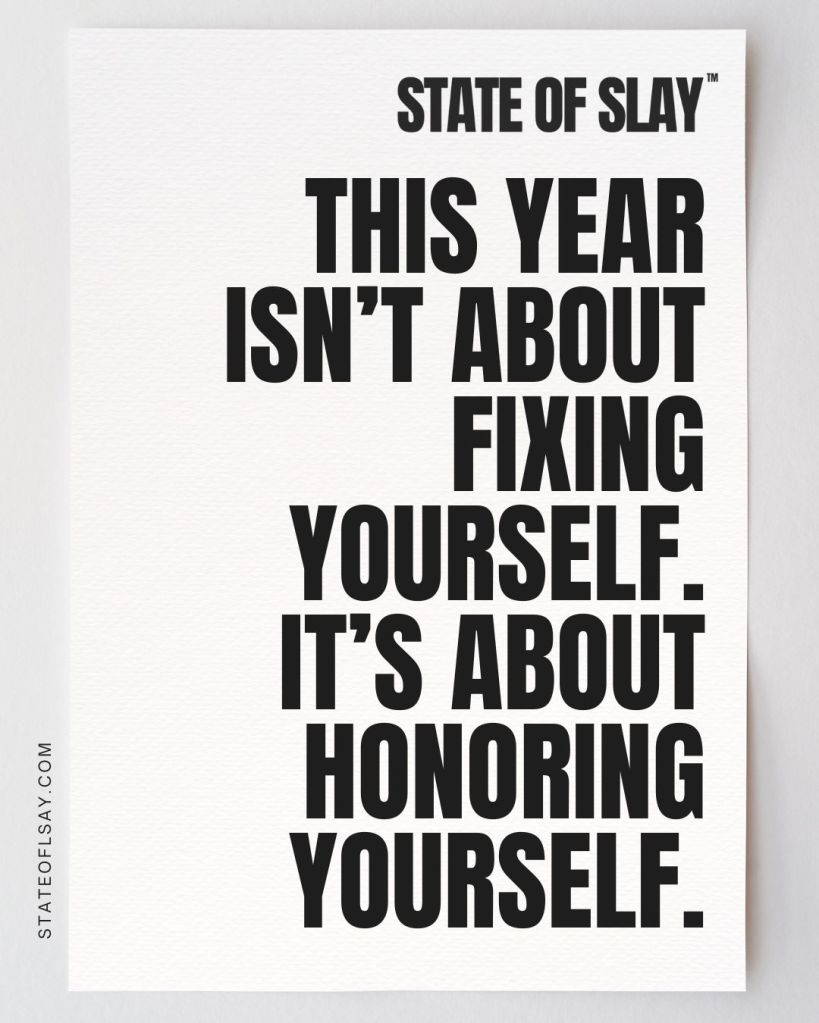
Growth doesn’t have to feel like force. It doesn’t have to feel like pressure, struggle, or constant self-correction.
Sometimes the most powerful shift happens when you slow down long enough to understand who you actually are — not who you’ve been trying to be, performing as, or surviving as.
When you take the time to learn yourself — your values, your rhythms, your truth — growth becomes lighter. More natural. Less exhausting.
You stop pushing uphill against yourself. And start moving forward with yourself.
Honoring who you are now creates the foundation for who you’re meant to become. Not through force. But through alignment.
This is your reminder to learn yourself deeply. When you know who you are, becoming who you’re meant to be no longer feels like a fight — it feels like a flow.
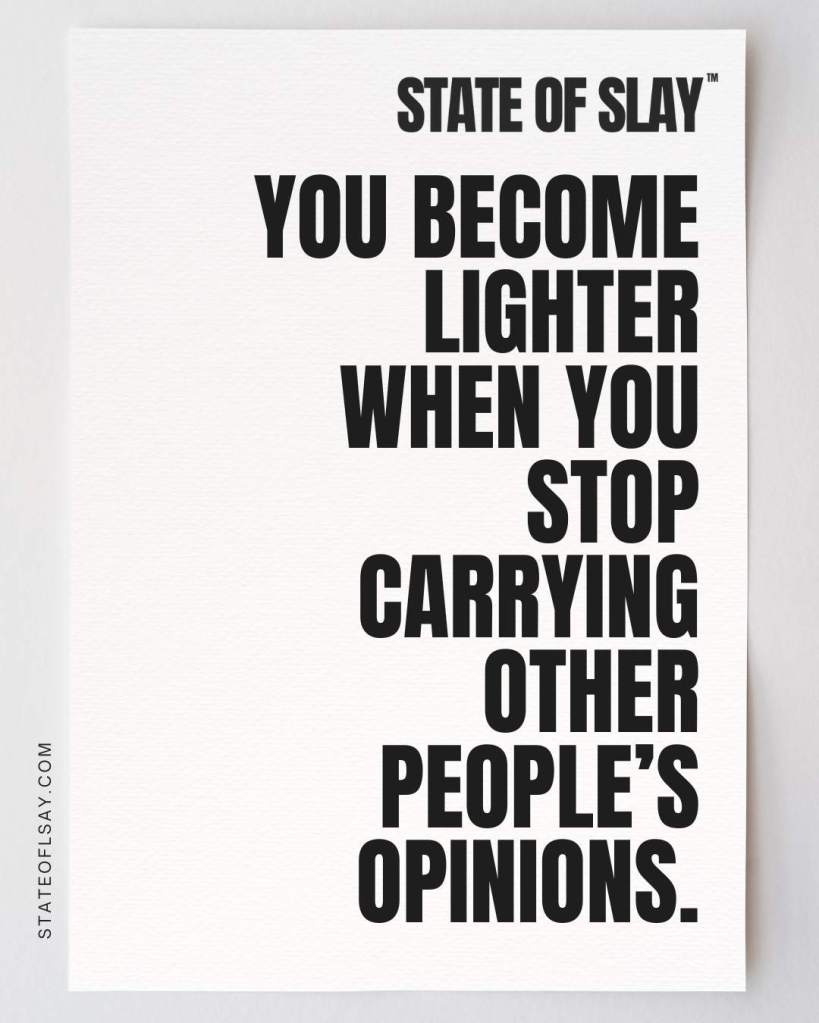
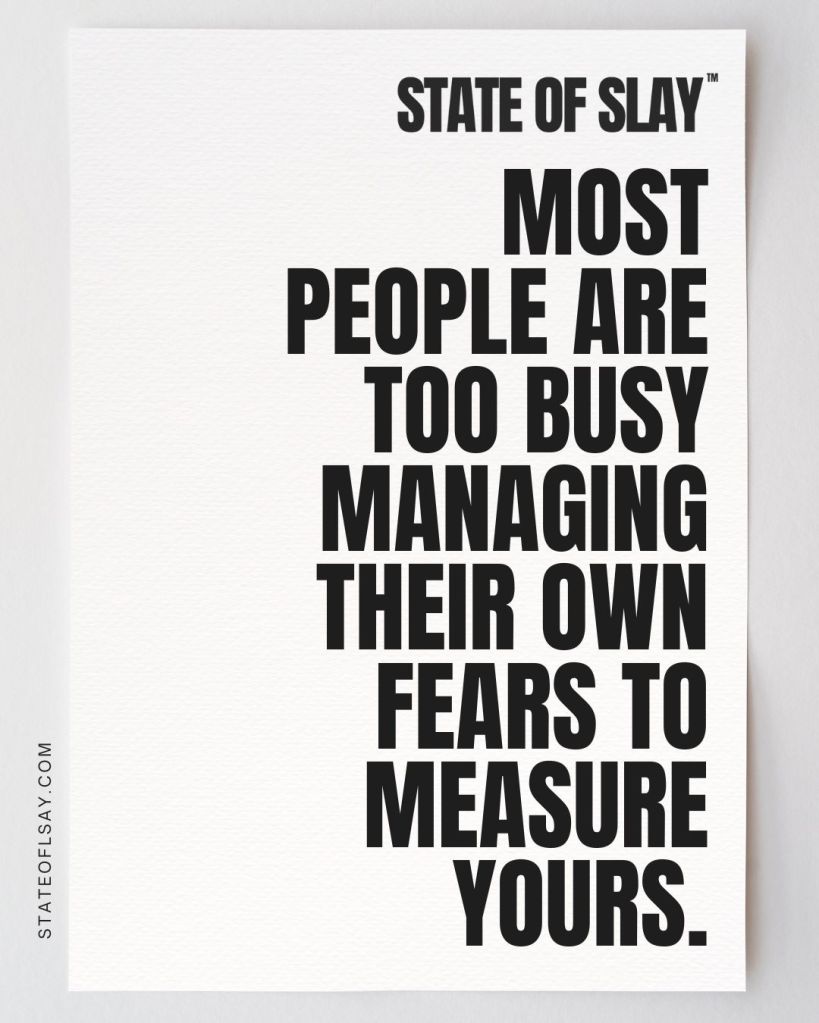
So much of what weighs on you happens quietly, internally. The second-guessing. The overthinking. The fear that you’re being watched, measured, judged.
But most of that pressure isn’t real — it’s imagined. It’s the mind looping through worries that no one else is replaying. While you’re dissecting every move, most people are navigating their own uncertainties, carrying their own doubts, and trying to find their footing too.
You don’t need to be flawless to move forward. You don’t need to shrink to stay safe. You don’t need to carry a spotlight that isn’t actually on you.
Freedom begins when you stop living as if you’re being graded — and start living as if you’re allowed to learn.
This is your reminder to release the unnecessary weight you’re carrying and move with more ease, more grace, and far less fear.
We hold on for many reasons— habit, hope, fear, or the belief that releasing something means we failed.
But letting go isn’t loss. It’s liberation. It’s choosing your peace over your patterns, your growth over your grip, your future over what’s familiar.
Every time you release what no longer supports you— a belief, a memory, a relationship, a burden— you create space for the strength you didn’t know you were missing.
Letting go isn’t the end. It’s who you become on the way up.
This is your reminder: You rise every time you release.
It’s easy to keep your focus on what’s next— the next goal, the next milestone, the next version of yourself. But when your mind is always somewhere ahead, you miss the beauty that’s growing right here.
Healing doesn’t wait for perfect timing. Peace doesn’t arrive once everything falls into place. They happen in the present— in the quiet decisions, the small steps, the moments you choose to stay.
The future will come soon enough, but your roots need now.
This is your reminder: You’re not behind. You’re becoming.
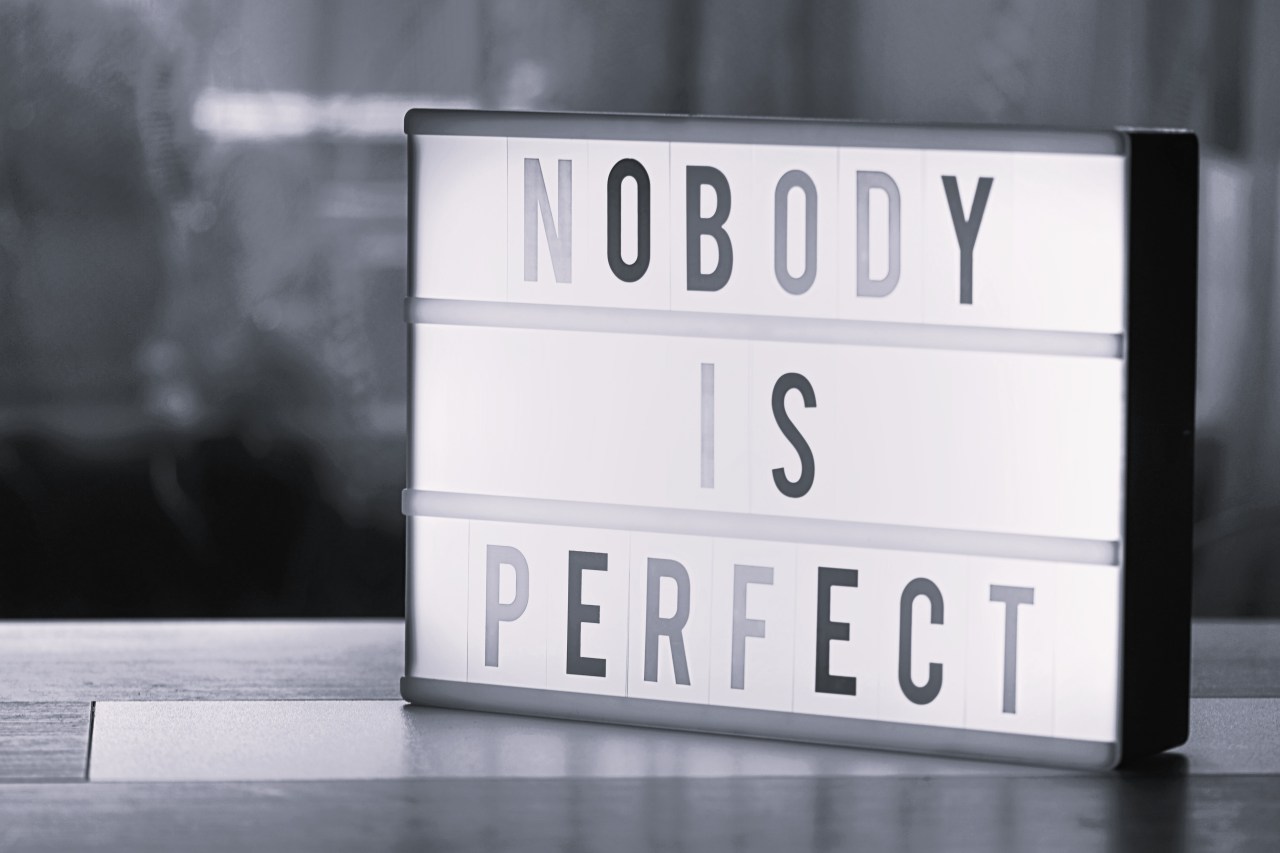
There’s a quiet kind of relief that comes when we finally stop trying to be perfect.
When we stop chasing the illusion that we must always have it together — always strong, always calm, always fine — and start allowing ourselves to be what we already are: human.
It sounds simple, doesn’t it? But for many of us, accepting our humanness feels like the hardest thing in the world.
We live in a culture that celebrates “doing” over “being.” We post our highlight reels but hide our heartbreaks. We praise resilience, but rarely talk about the cracks where that strength is tested.
But the truth is this: you don’t need to be flawless to be worthy of love. You just need to be real.
The Myth of Constant Strength
For years, I believed my worth was measured by how much I could carry without breaking. If I could just hold it together — through the pain, through the loss, through the pressure — then I was strong.
But that wasn’t strength. That was survival.
And survival mode doesn’t allow much room for self-compassion.
It teaches us to suppress what’s uncomfortable, to power through instead of pause, to mistake endurance for courage. But there comes a point when you can’t keep holding your breath through life.
You have to exhale. You have to fall apart a little. You have to allow yourself to feel.
Because it’s in those moments — the messy, unguarded, imperfect ones — that healing actually begins.
Being Human Means Being Messy
We will fail. We will get it wrong. We will say the wrong thing, love the wrong person, trust too quickly, or not enough.
We’ll lash out when we’re scared. We’ll close off when we’re hurt. We’ll regret the silence when we should’ve spoken up.
That’s part of being human.
But what makes us grow is not perfection — it’s awareness. It’s choosing to look at our reflection, not to criticize it, but to understand it.
The work of accepting our humanness begins when we stop asking, “What’s wrong with me?” and start asking, “What is this trying to show me?”
Every mistake, every heartbreak, every uncomfortable moment holds a lesson — not to shame us, but to shape us.
When we stop punishing ourselves for being human, we start to heal.
Perfection Is the Enemy of Peace
We chase perfection because we believe it will make us feel safe.
If we do everything right, no one will leave. If we’re always kind, no one will get angry. If we’re always strong, no one will see our pain.
But perfection isn’t safety — it’s self-abandonment.
Every time we deny our real feelings, we teach ourselves that we’re only lovable when we’re flawless. And that belief keeps us trapped.
You don’t need to earn your right to rest. You don’t need to earn your right to feel. You don’t need to earn your right to be you.
Your humanity is not something to hide — it’s something to honor.
Learning to Meet Yourself with Grace
When you can look at your reflection — tired, imperfect, flawed — and still say, “I love you,” that’s where peace begins.
Grace is not about letting yourself off the hook. It’s about letting yourself be on the hook for your growth without punishing yourself for being human.
It’s telling yourself: Yes, I could’ve done better — and I will. Yes, I hurt someone — and I’ll make it right. Yes, I fell — but I can get back up.
Healing doesn’t require perfection. It requires honesty.
The more honest you are with yourself, the softer life becomes. The more grace you extend inward, the easier it becomes to extend it outward.
That’s how compassion spreads — from the inside out.
The Power of Humility
Humility isn’t about shrinking yourself — it’s about remembering you’re part of something bigger.
When you can say, “I was wrong,” or “I didn’t know,” or “I’m still learning,” you open the door to growth.
When you can ask for help instead of pretending you have it all figured out, you make connection possible.
And when you can forgive yourself — truly forgive — you make peace possible.
That’s the gift of being human. We stumble, we learn, we grow, and then we help someone else do the same.
That’s not weakness. That’s evolution.
How to Practice Accepting Your Humanness
1. Acknowledge your imperfection. Say it out loud: “I’m human.” You’ll feel a wave of release. You don’t have to be everything for everyone.
2. Let yourself feel it all. Anger. Grief. Joy. Fear. Don’t label your emotions as good or bad — they’re messages, not mistakes.
3. Replace judgment with curiosity. Instead of “Why did I do that?” try “What was I feeling when I did that?” Compassion invites understanding.
4. Set down the need to perform. You don’t have to earn love by being perfect. Show up as you are — not as who you think you need to be.
5. Celebrate your humanity. You cry because you care. You ache because you’ve loved. You get back up because you still believe. That’s beautiful.
SLAY Reflection
What part of your humanness do you struggle to accept?
How does perfectionism show up in your daily life?
What’s one mistake from your past that taught you something valuable?
How can you speak to yourself with more compassion this week?
What would it feel like to love yourself as you are, right now?
S – Surrender the need to be perfect
L – Let yourself feel without judgment
A – Accept your flaws as part of your wholeness
Y – Yield to grace and choose love over shame
Call to Action: Join the Conversation
I’d love to hear from you. What’s one way you’re learning to accept your humanness? Share your story in the comments. Let’s cheer each other on.
And if you know someone who’s being too hard on themselves, send this to them. Sometimes, all we need is a reminder that being human is enough.
It’s easy to be patient when life feels light. But when you’re exhausted, overwhelmed, or heavy-hearted— that’s when self-compassion becomes essential.
Low days don’t mean you’ve lost your strength. They mean you’re human.
Grace isn’t something you earn; it’s something you extend to yourself when the world feels too loud and your energy runs thin.
Rest. Recenter. Remember who you are beyond what today feels like.
This is your reminder to treat yourself gently while you find your way back to center.