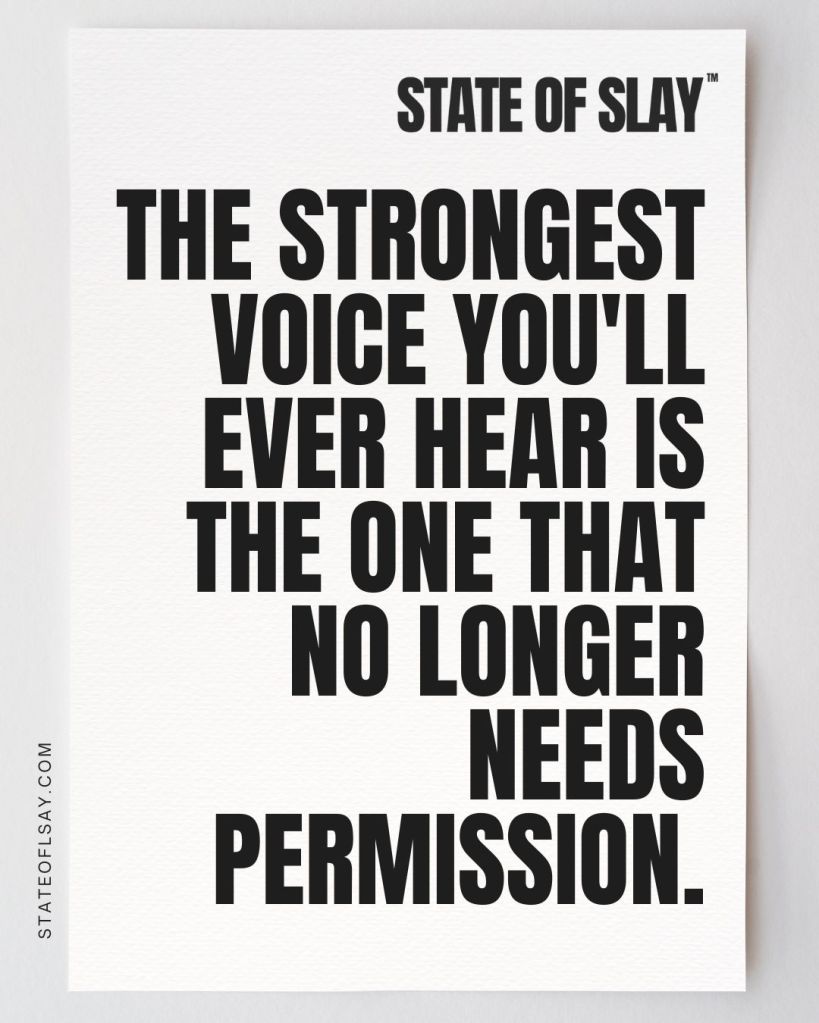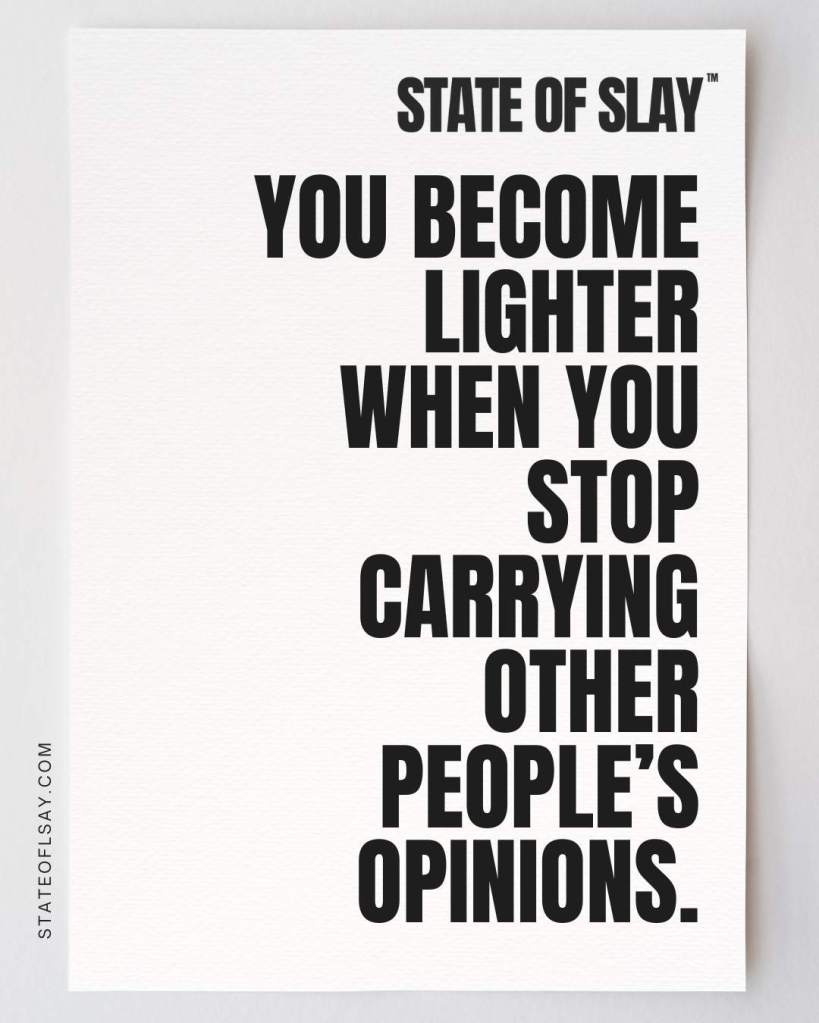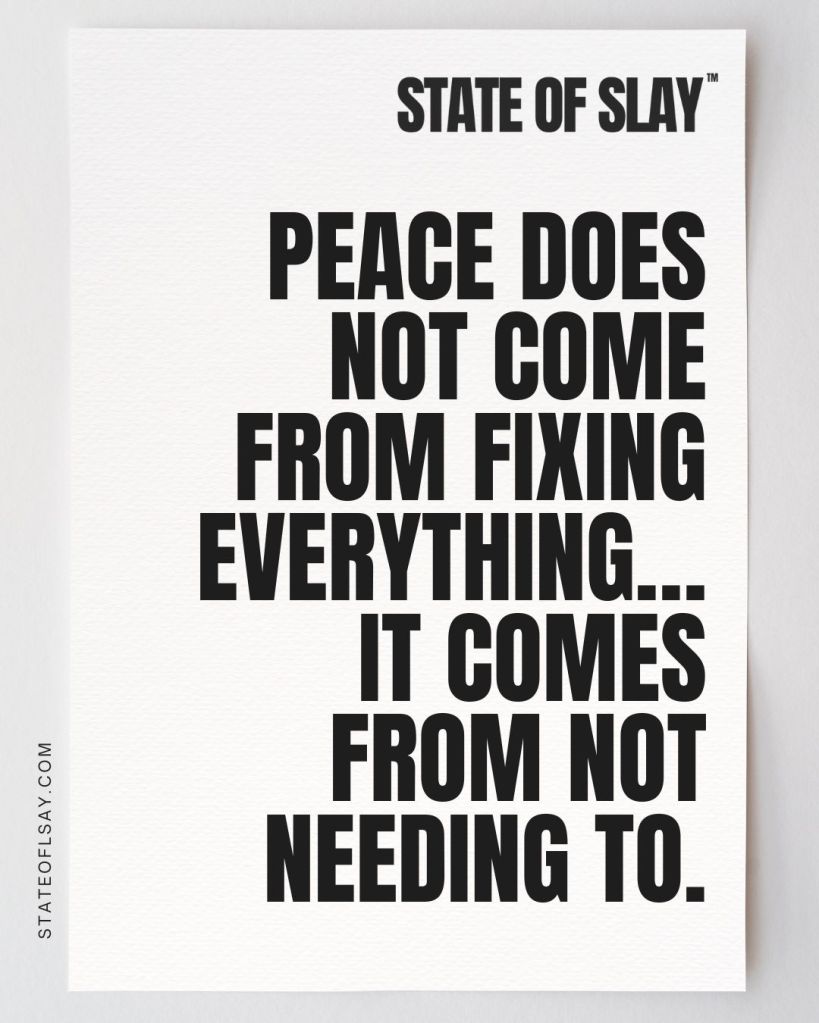
There is a difference between being accepted by others and being at peace with yourself.
And a lot of people spend years chasing the first one while quietly starving the second.
Because popularity feels validating.
The compliments. The attention. The approval. The feeling of being wanted, noticed, included, admired.
For a moment, it can feel like proof that you matter.
But external validation is fragile.
Because if your worth only exists through other people’s opinions, your confidence will constantly rise and fall depending on who is clapping for you that day.
And that is exhausting.
Prefer to listen? The Audio Blog version is available here.
SOME PEOPLE ARE LOVED BY EVERYONE EXCEPT THEMSELVES
That’s the heartbreaking part.
There are people who light up every room they walk into and still go home feeling empty.
People with followers, friends, relationships, and success who still do not feel good enough when they are alone with their own thoughts.
Because popularity and self-worth are not the same thing.
One comes from outside of you. The other has to come from within.
And no amount of attention can permanently fill a void created by self-rejection.
WE LEARN EARLY TO SEEK APPROVAL
Most of us were taught, directly or indirectly, that being liked meant being valuable.
Be agreeable. Be easy to love. Be impressive. Be successful. Be who other people want you to be.
So we adapt.
We shape-shift. People-please. Perform versions of ourselves that feel acceptable.
And after a while, many people become so focused on maintaining approval that they lose connection with who they actually are.
Because when your identity becomes dependent on being liked, authenticity starts to feel risky.
THE PROBLEM WITH BUILDING YOUR WORTH ON OTHER PEOPLE’S OPINIONS
People are inconsistent.
One day, they praise you. The next day they misunderstand you. Celebrate you. Criticize you. Include you. Ignore you.
If your self-esteem depends entirely on external reactions, your emotional world becomes unstable.
You begin chasing validation like oxygen.
Needing reassurance. Needing applause. Needing constant confirmation that you are enough.
But happiness does not grow from constantly monitoring how others feel about you.
It grows from learning how you feel about yourself when nobody else is watching.
SELF-LIKE IS DIFFERENT FROM SELF-LOVE
People talk about self-love a lot.
But sometimes the first step is simpler than that.
Sometimes it starts with self-like.
Liking the person you are becoming. Trusting yourself more. Feeling proud of your choices. Enjoying your own company without needing distraction or approval.
Because real happiness is not built on perfection.
It is built on self-acceptance.
And that changes everything.
YOU CANNOT PERFORM YOUR WAY INTO PEACE
This is something many people discover the hard way.
You can be admired and still deeply unhappy.
You can be desired and still feel emotionally unseen.
You can look successful on the outside while feeling disconnected from yourself on the inside.
Because peace does not come from maintaining an image.
It comes from authenticity.
From no longer needing to audition for belonging everywhere you go.
From knowing who you are without constantly needing strangers, friends, family, or social media to confirm it for you.
PEOPLE-PLEASING IS OFTEN SELF-ABANDONMENT IN DISGUISE
A lot of people confuse being liked with being loved.
But if people only love the version of you that stays quiet, agreeable, over-giving, or emotionally convenient, that is not real connection.
That is performance-based acceptance.
And eventually, it becomes exhausting trying to maintain versions of yourself that keep everyone else comfortable while slowly disconnecting from your own needs.
Sometimes happiness begins the moment you stop asking:
“Will they still like me if I say no?”
And start asking:
“Do I even like who I become when I abandon myself to keep everyone else happy?”
THE MOST CONFIDENT PEOPLE ARE NOT ALWAYS THE MOST POPULAR
But they are often the most grounded.
Because confidence rooted in self-worth does not collapse every time someone disapproves.
People who genuinely like themselves understand something important:
Not everyone will understand you. Not everyone will choose you. Not everyone will agree with you.
And that is okay.
Because their value is not entirely dependent on outside acceptance.
That kind of confidence feels quieter.
Less performative. Less desperate. More stable.
It allows people to stop chasing rooms where they are merely tolerated and start building lives where they feel emotionally safe being themselves.
HAPPINESS IS AN INSIDE RELATIONSHIP
That relationship matters more than most people realize.
How you speak to yourself. How you care for yourself. How you treat yourself when you fail. How you comfort yourself when life hurts.
Because eventually the noise fades.
The applause quiets. The trends change. The attention shifts.
And at the end of the day, you still have to live with yourself.
That is why learning to genuinely like who you are matters so much more than temporary approval from others.
YOU ARE ALLOWED TO STOP CHASING VALIDATION
You do not have to earn your worth every day.
You do not have to constantly prove you are lovable.
You do not need universal approval to deserve peace.
Some people will misunderstand you no matter how kind you are. Some people will project onto you no matter how carefully you communicate. Some people simply will not be your people.
And that is not failure.
Real happiness begins when your relationship with yourself becomes stronger than your need for outside validation.
Because popularity may bring attention.
But self-acceptance brings peace.
And peace will always outlast applause.
SLAY REFLECTION
S — See the Difference
How much of your confidence is connected to other people’s approval?
L — Look Inward
Do you genuinely enjoy who you are when nobody else is validating you?
A — Accept Yourself
What parts of yourself have you been hiding to stay accepted by others?
Y — Yield to Authenticity
What might change if you focused less on being liked and more on being real?
CALL TO ACTION: JOIN THE CONVERSATION
I’d love to hear from you.
Have you ever realized that being liked by others did not automatically make you happy within yourself?
Share your thoughts in the comments. Let’s grow through it together.
And if you know someone who’s learning to stop chasing validation and start building self-worth from within, send this to them.
Sometimes the most important relationship we will ever heal is the one we have with ourselves.
Build Your Life on Purpose, Not People or Possessions is a lesson I had to learn the hard way.
There was a time when I tied my happiness to things outside of me.
To people. To outcomes. To moments I believed would finally make everything feel complete.
If this relationship works, I will be happy. If I achieve this, I will feel fulfilled. If I get this thing, I will feel secure.
And sometimes, for a moment, I did.
But it never lasted.
Because anything that lives outside of you can shift, change, or disappear. And when your happiness is tied to something that is not stable, your sense of peace becomes unstable too.
Prefer to listen? The Audio Blog version is available here.
External Attachments Create Internal Instability
It is natural to care about people. To value experiences. To enjoy the things we work hard for.
But when we attach our identity and happiness to them, we give away our center.
People change. Circumstances shift. Possessions lose their meaning. Achievements fade into the next goal.
And when those things are what we rely on to feel whole, we are constantly adjusting, constantly chasing, constantly trying to hold onto something that was never meant to define us.
That is not peace.
That is pressure.
I Had to Redefine What Fulfillment Meant
There were moments in my life when I truly believed that happiness would arrive once everything lined up.
Once the relationship was right. Once the career felt secure. Once, life looked the way I imagined it should.
But what I learned is that fulfillment is not something you arrive at.
It is something you build.
And what you build it on matters.
When I began to shift my focus away from external validation and toward internal direction, everything started to feel different.
Not easier.
But steadier.
Goals Give You Direction Without Taking Your Power
Goals are different from attachments.
A goal is something you move toward. It gives you purpose, direction, and momentum.
But it does not define your worth.
It does not control your identity.
And most importantly, it stays with you even when everything else changes.
When you tie your life to goals, you are grounding yourself in growth rather than circumstance.
You are choosing progress over dependency.
And that is where real empowerment begins.
People Should Be Part of Your Life, Not the Center of It
This does not mean you stop valuing relationships.
It means you stop building your identity around them.
Healthy relationships enhance your life.
They support you. They grow with you. They add to your experience.
But they are not meant to carry the weight of your happiness.
When someone becomes the center of your world, you risk losing yourself in the process.
And when that relationship shifts, as all things do, it can feel like everything is falling apart.
Keeping yourself at the center changes that.
Possessions Do Not Create Lasting Fulfillment
We are often told that success looks like what we have.
The house. The car. The lifestyle.
And while there is nothing wrong with enjoying those things, they are not designed to create lasting happiness.
Possessions can enhance your experience.
But they cannot replace purpose.
And without purpose, even the most beautiful things can feel empty over time.
Purpose Creates Stability
When your life is tied to goals that reflect who you are becoming, your sense of self becomes more grounded.
You are no longer waiting for something or someone to complete you.
You are actively participating in your own growth.
That creates stability.
Because even when circumstances change, your direction remains.
You still know who you are.
You still know where you are going.
You Carry Your Fulfillment With You
One of the most freeing realizations is this.
You do not have to wait for the right person, the right moment, or the right situation to feel fulfilled.
You can create that within yourself.
Through your goals. Through your growth. Through the choices you make every day.
When your life is tied to something internal, something you are actively building, fulfillment becomes something you carry with you.
Not something you chase.
Build a Life That Cannot Be Taken From You
People will come and go.
Circumstances will change.
Things will be gained and lost.
That is part of life.
But when your sense of purpose is rooted in your goals, your growth, and your direction, you create something that cannot be taken from you.
A life that is not dependent on external conditions.
A life that is built from the inside out.
And that is where true happiness lives.
SLAY Reflection
S — See the Attachment Where in your life are you tying your happiness to a person, outcome, or possession?
L — Look at the Impact How does that attachment affect your sense of stability and peace?
A — Align With Purpose What goal could you focus on that reflects your growth and values?
Y — Your Next Step What is one small step you can take today toward building a life rooted in purpose?
Call to Action: Join the Conversation
I’d love to hear from you. Have you ever shifted your focus from external validation to internal goals, and what changed for you? Share your story in the comments. Let’s cheer each other on.
And if you know someone who might need this reminder, send this to them. Sometimes, all we need is a nudge.
There was a time when my past followed me everywhere.
Not physically, of course. But emotionally, mentally, and spiritually, it was always there. Old memories, regrets, mistakes, and moments I wished had gone differently replayed in my mind like a story that never reached its ending.
For a long time, I believed holding on to those memories was important. I told myself I needed to remember them so I would never repeat them. I believed revisiting those moments meant I was learning from them.
But eventually I realized something.
I was not learning from my past.
I was living inside it.
And when we stay emotionally rooted in yesterday, we miss the life unfolding right in front of us.
Prefer to listen? The Audio Blog version is available here.
The Past Is Meant to Teach, Not Trap
Our past experiences matter. They shape who we are, what we value, and how we see the world.
The lessons we learn from difficult moments can make us stronger, wiser, and more compassionate.
But there is a difference between learning from the past and carrying it everywhere we go.
When we replay old mistakes constantly, relive painful conversations, or keep punishing ourselves for choices we can no longer change, the past stops being a teacher.
It becomes a prison.
And prisons are not where growth happens.
I Had to Learn to Release My Story
For years, I defined myself by parts of my past that I was not proud of.
I held onto moments where I felt I had failed, hurt someone, or lost control of my life. Those memories felt like permanent labels attached to who I was.
Letting go of them felt dangerous. It almost seemed like forgetting meant I was ignoring responsibility.
But I slowly began to understand that releasing the past does not mean pretending it never happened.
It means allowing it to be what it was. A moment in time. Not the identity I would carry forever.
When I stopped reliving those moments and instead focused on who I was becoming, something shifted.
I finally felt free to grow.
Holding On Keeps Old Pain Alive
When we refuse to let the past rest, we keep the emotions connected to it alive.
Regret. Anger. Shame. Resentment.
Those emotions continue to influence how we see ourselves and others. They shape our reactions, our confidence, and our willingness to trust.
In many ways, holding onto the past can recreate the pain again and again.
We suffer from events that are no longer happening.
And that suffering prevents us from fully experiencing the present.
Forgiveness Creates Space for Living
One of the most powerful ways to release the past is through forgiveness.
Sometimes that forgiveness is directed toward another person. Sometimes it is directed toward ourselves.
Self-forgiveness can be especially difficult because we often believe we should have known better, done better, or handled things differently.
But growth means recognizing that we were operating with the awareness we had at the time.
Forgiveness does not erase responsibility. It allows healing to begin.
And healing makes space for a different future.
The Present Deserves Your Attention
Life only happens in one place.
Right now.
The conversations we have today, the choices we make today, and the people we become today shape the direction of our lives far more than any memory from years ago.
When we release our grip on the past, our energy returns to the present moment.
We begin to see opportunities we once overlooked. We become more open to connection, creativity, and possibility.
And we stop measuring our worth against moments that no longer exist.
Growth Requires Forward Movement
Letting the past rest is not about denial. It is about direction.
We acknowledge what happened. We take responsibility where it is needed. We learn from it.
Then we move forward.
Growth cannot occur when we are emotionally anchored to yesterday.
It happens when we allow ourselves to evolve.
Every new decision we make has the power to shape who we become next.
And that future deserves our attention far more than the past deserves our attachment.
Release What No Longer Serves You
Your past may explain parts of your story, but it does not have to control the rest of it.
The mistakes, heartbreaks, and regrets you carry do not define the person you are becoming.
They are chapters. Not the entire book.
Let them teach you.
Let them inform you.
But do not let them imprison you.
Because if you refuse to let the past die, it will keep you from living the life waiting for you now.
SLAY on.
SLAY Reflection
S — See the Weight What parts of your past do you still carry emotionally today?
L — Look for the Lesson What did those experiences teach you that can guide you moving forward?
A — Allow Forgiveness Is there someone you need to forgive, including yourself, to release that weight?
Y — Your Next Step What would your life feel like if you allowed the past to stay where it belongs?
Call to Action: Join the Conversation
I’d love to hear from you. Have you ever experienced a moment where letting go of the past helped you finally move forward?
Share your story in the comments. Let’s cheer each other on.
And if you know someone who might need this reminder, send this to them. Sometimes, all we need is a nudge.
There was a time when I thought clarity would fix everything.
If someone misunderstood me, I explained more. If they questioned my motives, I justified them. If tension arose, I tried harder to communicate. I believed that if I just found the right words, the right tone, the right explanation, everything would resolve.
Sometimes it did.
But sometimes, no matter how clearly I spoke, the misunderstanding remained. And eventually I realized something uncomfortable but incredibly freeing.
Not everyone wants understanding.
Some people are committed to their version of you.
And explaining yourself endlessly does not change that.
Prefer to listen? The Audio Blog version is available here.
The Difference Between Confusion And Resistance
Healthy relationships allow space for clarification. Misunderstandings happen. Conversations help. Growth follows.
But there is a difference between someone seeking understanding and someone resisting it.
When someone genuinely wants clarity, they listen. They ask questions. They reflect. There is movement toward resolution.
When someone is dedicated to misunderstanding you, explanations become circular. Nothing shifts. Intentions get distorted. And you leave conversations feeling drained rather than connected.
Recognizing that difference protects your energy.
I Learned This The Hard Way
For years, I overexplained myself.
I thought it was a responsibility. I thought it showed maturity. I thought it prevented conflict.
Sometimes it was simply fear. Fear of rejection. Fear of being judged. Fear of being seen inaccurately.
So I tried to control perception through explanation.
But control is an illusion.
Eventually, I saw that constant explaining was not creating understanding. It was creating exhaustion.
And that realization changed how I approached communication.
You Are Allowed To Be Understood By The Right People
Not everyone is your audience.
That statement once felt harsh to me. Now it feels empowering.
The people meant to be in your life generally seek understanding, not ammunition. They listen with curiosity, not suspicion. They care about connection more than being right.
Those relationships feel different. Lighter. More stable.
And once you experience that, you realize how unnecessary constant self-justification really is.
Boundaries Protect Emotional Health
Boundaries are not walls. They are clarity.
Choosing not to overexplain is often a boundary. It does not mean you lack accountability. It means you recognize when further explanation will not lead to growth.
Boundaries say:
I will communicate clearly once. I will answer sincere questions. But I will not chase validation or exhaust myself trying to change fixed perceptions.
That boundary protects peace.
And peace supports mental wellness.
Silence Can Be A Form Of Strength
Silence used to scare me.
I worried it meant giving up. Losing ground. Appearing weak.
Now I understand silence differently.
Sometimes silence reflects confidence. Sometimes it reflects acceptance. Sometimes it reflects wisdom.
Not every misunderstanding requires correction. Not every opinion requires rebuttal. Not every assumption deserves energy.
Choosing when to speak is powerful.
Choosing when not to speak can be even more powerful.
Authentic Living Reduces The Need To Explain
The more aligned I became with my values, the less I felt the urge to justify myself.
When your actions match your beliefs, internal clarity replaces external validation. You still care about relationships. You still value communication. But you are less dependent on universal approval.
And that shift is freeing.
You begin living from authenticity rather than perception management.
That is where real confidence grows.
Let People Have Their Perspective
This was another difficult lesson.
You can present facts, intentions, and context. But you cannot control interpretation. Everyone filters information through their own experiences, fears, and expectations.
And that is human.
Allowing others their perspective does not mean you agree with it. It simply means you release the need to control it.
That release creates emotional space.
And emotional space creates peace.
SLAY Reflection
Let’s reflect, SLAYER:
S: Do you find yourself over-explaining to avoid misunderstanding or conflict?
L: How does that habit affect your energy and emotional well-being?
A: Where might a gentle boundary reduce the need for constant explanation?
Y: How would your life feel if you trusted that the right people will seek understanding naturally?
Call to Action: Join the Conversation
I’d love to hear from you. Have you experienced a moment where you stopped over-explaining and chose peace instead? What changed for you? Share your story in the comments. Let’s cheer each other on.
And if you know someone who needs permission to stop exhausting themselves explaining their intentions, send this to them. Sometimes, all we need is a nudge.
There was a time when I believed every ending was a loss.
If a relationship faded, if someone stepped away, if a friendship dissolved, I assumed I had failed somehow. I replayed conversations. I questioned my worth. I wondered what I could have done differently.
And sometimes there were lessons to learn. Accountability matters. Growth matters. Self-reflection matters.
But there came a moment when I noticed something I could not ignore.
Peace.
Not immediately. Not dramatically. But gradually, quietly, consistently. The absence of certain people or situations brought calm instead of chaos.
And that realization shifted everything.
Because sometimes what we call loss is actually relief.
Prefer to listen? The Audio Blog version is available here.
Peace Is Powerful Information
Peace is data.
If someone’s absence lowers your anxiety, reduces tension, or allows you to feel more like yourself, that is worth paying attention to. It does not necessarily mean the other person is bad. It simply means the dynamic was not healthy for you.
Not every connection is meant to last forever.
Some people enter our lives to teach us boundaries. Some show us what we need. Some reveal what we deserve. And some simply outgrow alignment with who we are becoming.
That is not failure.
That is evolution.
Growth Changes Relationships
As we grow, our needs change. Our values sharpen. Our tolerance for certain behaviors shifts. What once felt normal may start to feel draining.
I experienced this firsthand.
As I committed more deeply to healing, honesty, and self-respect, some relationships no longer fit. Conversations felt forced. Energy felt mismatched. Peace felt compromised.
Letting go was uncomfortable at first.
But staying would have been more uncomfortable in the long run.
Growth often requires recalibration.
And that includes relationships.
Letting Go Is Not Always Rejection
It is easy to interpret distance as rejection. I certainly did.
But many times, distance is simply alignment adjusting.
Sometimes two people are both growing, just in different directions. Sometimes, timing changes compatibility. Sometimes healing requires space.
And sometimes peace requires distance.
Recognizing that helped me release resentment and guilt.
Because letting go can be an act of self-respect, not hostility.
You Are Allowed To Choose Peace
This was one of the hardest lessons for me.
I used to believe choosing peace was selfish. That maintaining relationships at any cost was the kinder choice. That discomfort was just part of connection.
But chronic tension is not connection.
Consistent anxiety is not intimacy.
Emotional exhaustion is not loyalty.
Peace is not something you earn by enduring discomfort. It is something you protect by making aligned choices.
And you are allowed to protect it.
Absence Can Clarify Value
When someone leaves your daily orbit, clarity often follows.
You see patterns more clearly. You notice emotional shifts. You understand what you were tolerating versus what you truly needed.
Sometimes that clarity leads to reconnection later in a healthier way. Sometimes it confirms the separation was necessary.
Both outcomes can be valid.
The goal is not permanence.
The goal is well-being.
Loss And Relief Can Coexist
It is important to acknowledge this nuance.
You can miss someone and still feel more peaceful without them. You can appreciate what was while accepting what is. You can hold gratitude and boundaries simultaneously.
Human emotions are layered.
Allowing that complexity creates emotional maturity.
And emotional maturity supports healthier future connections.
Choosing Peace Supports Growth
Peace creates space.
Space for clarity. Space for healing. Space for creativity. Space for joy.
When your nervous system is not constantly bracing for stress, your energy becomes available for growth instead of survival.
That shift changes everything.
And often, it begins by acknowledging that peace is not accidental.
It is intentional.
SLAY Reflection
Let’s reflect, SLAYER:
S: Have you ever felt more peaceful after a relationship or situation ended?
L: What did that peace reveal about your needs or boundaries?
A: Are there dynamics currently in your life that feel more draining than supportive?
Y: What step could you take to protect your peace while remaining compassionate?
Call to Action: Join the Conversation
I’d love to hear from you. Have you experienced a situation where someone’s absence created unexpected peace, and what did you learn from it? Share your story in the comments. Let’s cheer each other on.
And if you know someone navigating change in relationships, send this to them. Sometimes, all we need is a nudge.
Fear doesn’t always arrive as chaos. Sometimes it shows up quietly — in overthinking, in hesitation, in the stories you tell yourself about what might happen.
You don’t stop living because something is happening. You stop living because you imagine it might.
And over time, those imagined outcomes begin to shape your choices, your risks, your voice, and your freedom.
Not every thought deserves authority. Not every fear deserves belief. Not every worry deserves a vote in your future.
This is your reminder toquestion the thoughts that limit you, challenge the fears that confine you, and choose movement over mental captivity.
Not everyone knows how to sit with themselves. Some people fill the silence with noise, distraction, or disruption — not because you invited it, but because your calm reminds them of what they avoid.
Peace can feel threatening to someone who hasn’t learned how to rest inside themselves. So they poke. They provoke. They project.
This isn’t a reflection of your openness or your strength. It’s a signal to protect your quiet.
Stillness is not weakness. It’s discernment. It’s clarity. It’s a boundary you don’t have to explain.
This is your reminder: You are allowed to keep your peace intact. You don’t need to absorb someone else’s unrest to be compassionate.
More goals. More habits. More productivity. More people. More commitments.
So when we feel stuck, our instinct is to pile on — another plan, another promise, another version of ourselves we think we need to become.
But real growth doesn’t usually happen that way.
You grow faster by subtraction rather than addition.
By removing what drains you instead of constantly trying to become more.
Prefer to listen? The Audio Blog version is available here.
Why We Think More Is the Answer
From a young age, we’re conditioned to believe that expansion comes from accumulation.
If something isn’t working, we add effort. If we’re unhappy, we add distractions. If we’re insecure, we add validation.
But more doesn’t automatically mean better.
More can mean overwhelmed. More can mean misaligned. More can mean further away from yourself.
Growth that relies only on addition often ignores the real issue — that something no longer belongs.
Subtraction Creates Space for Clarity
When you remove what isn’t aligned, something powerful happens.
Your energy returns. Your focus sharpens. Your nervous system calms.
Subtraction creates space — and space is where clarity lives.
You can’t hear your own voice when your life is too loud. You can’t feel aligned when everything is pulling at you.
Sometimes the most productive thing you can do is let go.
What Subtraction Often Looks Like
Growth by subtraction doesn’t always look dramatic.
It can look like:
Stepping back from relationships that drain you
Letting go of habits that numb instead of heal
Releasing roles you’ve outgrown
Saying no without overexplaining
Stopping the pursuit of approval
These choices may feel uncomfortable at first — especially if you’re used to earning your worth through doing or giving.
But discomfort doesn’t mean wrong. It often means necessary.
Why Letting Go Feels So Hard
Subtraction challenges identity.
When you remove something, you’re forced to ask: Who am I without this?
That fear keeps many people stuck. They’d rather carry what’s heavy than face the uncertainty of what’s next.
But holding on doesn’t preserve who you are — it prevents who you’re becoming.
Growth requires trust. Trust that what’s meant for you will meet you where you are, not where you were.
Subtraction Is an Act of Self Trust
Every time you let go of something that no longer fits, you’re telling yourself:
I trust my instincts. I trust my boundaries. I trust that I don’t need to earn rest, peace, or alignment.
Subtraction isn’t quitting. It’s refining.
It’s choosing quality over quantity. Alignment over obligation. Depth over noise.
Growth Isn’t Always About Becoming It’s About Releasing
We romanticize transformation as becoming something new.
But often, growth is about returning to what was already there — buried under expectations, pressure, and self betrayal.
When you subtract what doesn’t belong, you don’t lose yourself.
You reveal yourself.
Less Makes Room for What Matters
When you stop carrying what isn’t yours, you have room for what is.
More presence. More peace. More creativity. More connection.
Not because you chased them — but because you made space for them.
That’s how growth accelerates.
You Don’t Have to Add to Be Enough
If you’re feeling behind, overwhelmed, or disconnected, ask yourself this:
What am I holding onto that I don’t need anymore?
Growth doesn’t always ask you to do more.
Sometimes it asks you to release.
And that release might be the thing that finally lets you move forward.
SLAY Reflection
Let’s reflect, SLAYER:
S: What in your life feels heavy, draining, or misaligned right now? L: What have you been afraid to let go of — and why? A: What could shift if you removed one thing instead of adding another? Y: How might your growth accelerate if you trusted subtraction as part of the process?
Call to Action: Join the Conversation
I’d love to hear from you. What’s something you let go of that helped you grow faster or feel more aligned? Share your story in the comments. Let’s cheer each other on.
And if you know someone overwhelmed by “doing more,” send this to them. Sometimes, all we need is a nudge.