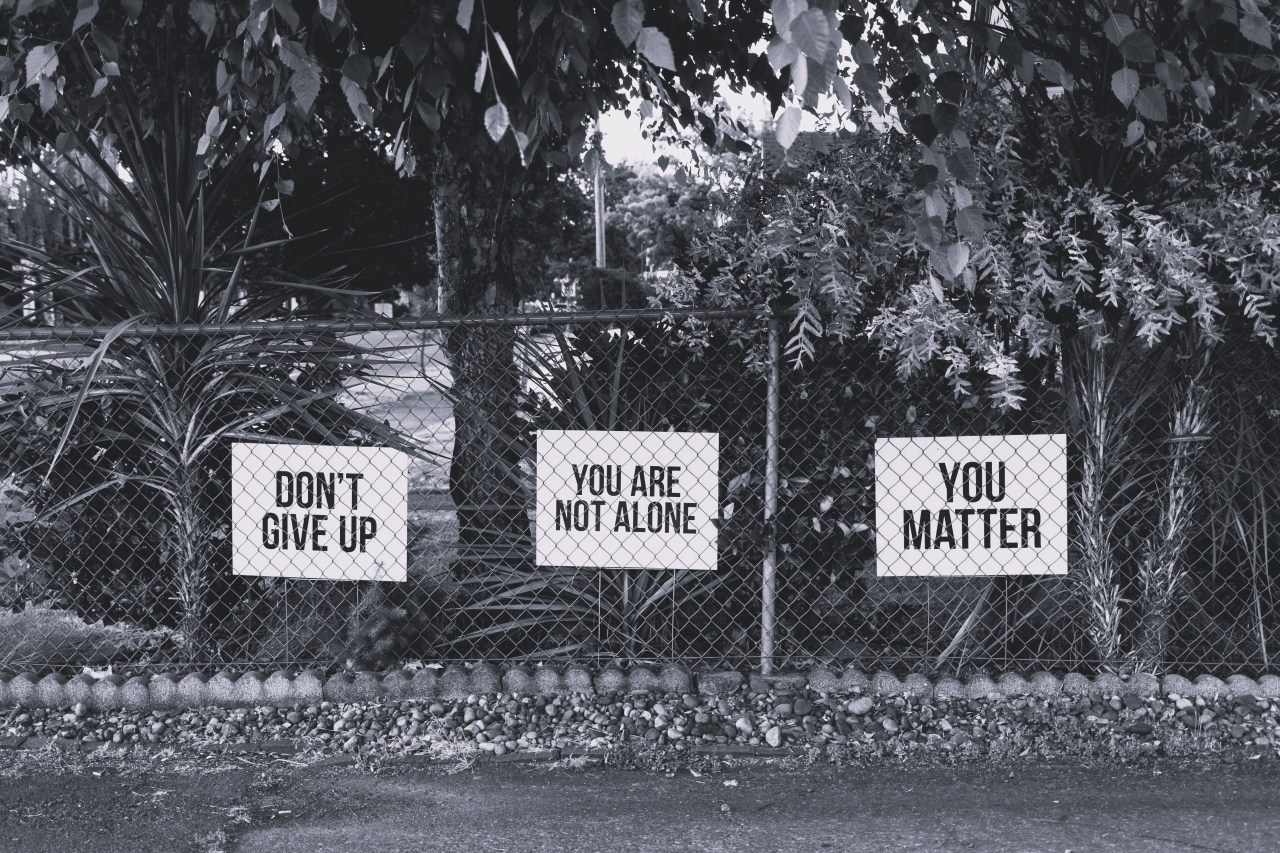
We’re Only As Sick As Our Secrets

For a long time, my entire life was a secret.

I hid what I was thinking.
I hid what I was doing.
I hid how I was really feeling.

I carried shame, confusion, and anger quietly, convincing myself that keeping everything inside was somehow safer than letting anyone see the truth. I believed secrecy gave me control.

Instead, it made me sick.

Very sick.

And the hardest truth to accept was this:
I was the one holding myself there.


The Illusion of Control That Secrets Create

When we keep secrets, it often feels like protection.

We tell ourselves we’re avoiding judgment.
We think we’re sparing others.
We believe silence keeps us in control.

But secrets don’t protect us — they isolate us.

They keep us from asking for help.
They keep us from being known.
They keep us trapped in our own minds.

I believed that if no one knew, I could manage it on my own. But what I was really doing was cutting myself off from the very things that could have helped me heal.


The Moment the Truth Lost Its Power

Everything changed the first time I asked for help.

The first time I said out loud what I had been hiding.

That’s when I heard a phrase that landed like a weight in my chest:

“You’re only as sick as your secrets.”

It was devastating — and freeing — all at once.

Because suddenly, I could see how much suffering I had endured not because of what I’d done, but because I refused to speak it. The moment I shared my truth, it lost its grip on me.

There was nothing left to hide.

And in that openness, I found freedom.


Shame Thrives in Silence

Secrets feed shame.

They whisper that we are bad people.
That we’re unlovable.
That no one would understand.

But shame lies.

There is nothing you’ve done that someone else hasn’t already done, felt, or survived. We like to believe our pain makes us uniquely broken — but the truth is, our experiences connect us far more than they separate us.

When we share our truth, what we usually meet is not punishment — but understanding. Compassion. Connection.

And sometimes, in telling our story, we give someone else permission to tell theirs.


Why I’m Not Afraid to Share My Story

People often ask me if I’m afraid to share my truth publicly.

Do I worry about judgment?
Do I fear what people might think?

And the answer is no.

Because the people who matter most in my life already know my story — the broad strokes, the truth of where I’ve been and who I am now. I told them years ago, and in doing so, I was released from the bondage of my past.

I own my story.
I own my choices.
And I also know I am no longer that person.

There is power in that clarity — far more power than silence ever gave me.


Secrecy Makes Us Vulnerable Honesty Makes Us Safe

The kind of “power” secrets give us is false.

It feels like control, but it actually leaves us exposed — to ourselves, to our darkness, and sometimes to people who would exploit what we hide.

Honesty removes that leverage.

When you are open, there is nothing to hold over you. No threat. No fear of being found out. You get to stand in truth instead of hiding behind it.

And that truth doesn’t just heal you — it protects you.


Sharing Your Truth Builds Real Connection

Being honest about where we’ve come from allows people to understand us more fully.

It deepens relationships.
It opens communication.
It builds trust.

Sometimes it also keeps us physically or emotionally safe — especially when others need to understand our boundaries, our triggers, or the reasons we must protect ourselves from certain people or situations.

Your truth gives context to your needs.

And context invites compassion.


Freedom Lives on the Other Side of Secrecy

At the end of the day, you hold the key to your freedom.

Keeping secrets you believe are “unshareable” doesn’t protect you — it imprisons you. It keeps you from intimacy, from support, and from fully living your life.

You don’t have to tell everyone everything.
But you do need to tell someone.

Because secrecy keeps pain alive — and truth allows it to heal.

You are only as sick as your secrets.

Don’t let them own you.


SLAY Reflection

Let’s reflect, SLAYER:

S: Are there parts of your life or past you’ve never shared with anyone?
L: What fears keep you holding those secrets?
A: What do you believe would happen if you spoke your truth out loud?
Y: How might your life change if you chose honesty over hiding?


Call to Action: Join the Conversation

I’d love to hear from you.
Have you ever experienced freedom after sharing something you thought you had to hide?
Share your story in the comments. Let’s cheer each other on.

And if you know someone who’s carrying secrets that are weighing them down, send this to them.
Sometimes, all we need is a nudge.

Sometimes You Just Need A Good Cry

We’re often taught to hold it together, to keep a straight face, to brush it off. For years, I believed that crying meant I was weak—that I wasn’t strong enough, brave enough, or resilient enough. So I did what many of us do: I stuffed it down. I distracted myself. I numbed out. I pretended I was fine.

Until I couldn’t anymore.

Eventually, the pain started leaking through the cracks. It came out in moments I couldn’t control—late at night, alone on the floor, sobbing into the silence. I was breaking down in private because I didn’t feel safe enough to break open in front of anyone else.


Permission to Feel

In my June SLAY TALK LIVE livestream, I shared how someone once gave me a gift I didn’t know I needed: permission to feel sad.

It was such a simple moment. I was fighting back tears in front of a friend, terrified they’d think less of me. I had built this perfectly polished image, and I wasn’t about to let a few tears ruin it.

But then, they looked at me and said gently, “It’s okay to cry.” And just like that, the dam broke.

What followed wasn’t pretty. It was messy. Emotional. Overwhelming. Years of grief, heartbreak, disappointment, and pain all rose to the surface. But instead of pushing it back down, I let it out—in front of someone else. I stopped hiding.

And the most surprising thing? It didn’t push them away. It brought us closer.


Crying Isn’t Weakness—It’s Release

No, I wasn’t crying on cue or sobbing through every meeting. But when I felt the tears come, I didn’t edit myself. I let them roll. And each time, I reminded myself: this is healthy, this is human.

It turns out, crying didn’t make me less lovable. It made me real. And it connected me to others who had felt the same pain—or were still working through it.

Unexpressed pain doesn’t just disappear. It stores itself in your body, in your mind, and in your relationships.

When we don’t let ourselves feel, we carry that weight in unhealthy ways. It shows up as anxiety, illness, irritability, or disconnection. There is no strength in pretending it’s not there. But there is deep, quiet power in releasing it.

Of course, timing matters. There are appropriate spaces to let it all out—and when the tears come unexpectedly, you can still honor them. I’ve excused myself from meetings, slipped into a restroom, cried it out, washed my face, and come back lighter. There’s nothing wrong with needing a moment.


Let Your Truth Show

The people who deserve a place in your life won’t shame you for being emotional. They’ll hold space. They’ll nod in understanding. They might even cry with you.

You don’t have to go through life with your emotions locked behind a wall. Vulnerability invites connection. And connection brings healing.

There’s always a reason we feel what we feel. Sometimes it’s grief. Sometimes it’s anger. Sometimes, it’s the echo of something unhealed. If we ignore it, we stay stuck. But if we honor it, we grow.

Tears can be a sign. That a person or situation isn’t right for you. Or that something buried deep inside is asking to be seen. Sometimes, it’s just that you’re finally safe enough to feel.

So let yourself feel. Get sloppy. Get snotty. Get real. Sometimes, a good cry is the most powerful thing you can do.

Let the healing begin.


SLAY Reflection

  1. Do you let people see your emotions? Why or why not?
  2. What’s your relationship with crying—do you see it as strength or weakness?
  3. When was the last time you gave yourself permission to cry?
  4. Is there something you’ve been holding in that needs to be released?
  5. Who in your life can hold space for your tears without judgment?

S – Sit with what’s rising instead of stuffing it down
L – Let the tears come, even if they feel uncomfortable
A – Accept that feeling doesn’t make you fragile—it makes you whole
Y – Yield to healing by letting yourself release what hurts


Call to Action: Join the Conversation

I’d love to hear from you.
What emotions have you been holding in that might be ready to be released?
Share your story in the comments. Let’s cheer each other on.

And if you know someone who’s afraid to cry, send this to them.
Sometimes, all we need is a nudge.

I’m Not Perfect, I’m Flawsome!

The photo that accompanies this post is one I never thought I’d share.

I’ve had it since 2003, and aside from the person who took it, I showed it to only one other person for years. Before I stepped onto this journey, there was no way I would have let anyone see it. In truth, it’s taken me more than a decade of healing to feel ready to share it at all.

That photo isn’t a picture of someone who had it together.
It isn’t the version of me I worked so hard to present to the world.

It’s a picture of a woman in pain.
In fear.
Holding on by a thread.

I look at her now and I recognize her immediately. She’s still inside me. But today, I feel compassion for her instead of shame. I understand what she was carrying. I understand why she was afraid. And I appreciate her—because she didn’t stay there.

She kept going.

And that’s what made her flawsome.


What Flawsome Really Means to Me

Flawsome isn’t pretending we don’t have flaws.
It’s not polishing them up or hiding them better.

Flawsome is learning to celebrate them.

It’s letting go of the impossible standard of perfection and choosing something real instead. Because perfection doesn’t exist—and chasing it only keeps us stuck in self-judgment.

Flawsome is turning the parts of yourself you once hated into sources of strength. It’s living authentically, loving yourself fully, and recognizing that who you are—right now—is already worthy.

Perfection isn’t attainable.
But flawsomeness is.


How I Learned to Become Flawsome

This didn’t happen overnight.

It came from learning who I actually am, not who I thought I needed to be. From loving myself unconditionally—even the parts I wanted to reject. From letting my freak flag fly instead of trying to tuck it away.

And yes, it came from forgiveness. Again.

Forgiving myself for the choices I made when I didn’t know better.
Forgiving myself for the years I spent believing I was unlovable.
Forgiving myself for thinking my flaws made me less-than.

Letting go of that judgment freed me in ways I never expected.


Loving Yourself Is the Work

I had to learn to look at myself with love—the same love I so easily offered to others.

To stop living in the past, replaying mistakes that couldn’t be undone.
To stop living in the future, chasing a version of myself I thought I had to become.

The only place healing actually happens is now.

I learned to focus on what I’m good at. To celebrate my strengths instead of obsessing over what I thought was broken. To build on my talents and share them with others.

One of the most powerful parts of being flawsome is letting other people see it. When we own who we are, we give others permission to do the same.


The Woman in That Photo Didn’t Stay There

There’s nothing flawsome about the woman in that photo—except this:

She didn’t give up.

With every bit of strength she had, she fought for herself. She started a journey toward healing and self-love. It wasn’t pretty. It wasn’t fast. And yes, she put herself through hell for years after that picture was taken.

But she got there.

And now, that woman is me—writing these words.

That’s flawsome.


If You’re Struggling Right Now

If you’re feeling lost, empty, beaten down, or hopeless—please hear this:

Today can be the first day of the rest of your life.

You don’t need to have it all figured out. You just need to decide that you’re worth fighting for. The journey won’t be easy, but I promise you—it’s worth every step.

And you don’t walk it alone.

You have all of us SLAYERS walking beside you.

So go out there today and be flawsome.


SLAY Reflection

Let’s reflect, SLAYER:

S: What parts of yourself have you labeled as flaws?
L: How have those “flaws” actually shaped your strength or resilience?
A: What would change if you looked at yourself with compassion instead of judgment?
Y: How can you begin turning what you’ve judged into something flawsome?

Make a commitment today to stop judging yourself. When something comes up that you usually criticize, pause. Smile. Ask yourself how you can respond with love instead.

You’re learning.
Be kind to yourself on the way to SLAYDOM.
And never forget—you are flawsome.


You Are Not Alone

There was a time in my life when I felt deeply alone. Not occasionally lonely. Not just on a quiet evening. I mean profoundly alone. I could be surrounded by people, even in a crowded room or a packed stadium, and still feel like I was standing on an island no one else could reach.

At the time, I did not realize I was playing a major role in creating that feeling. I had family who loved me, friends I enjoyed spending time with, and colleagues I looked forward to seeing. On paper, I was anything but alone. But emotionally, I had built walls so thick that connection could not get through.

And those walls were built from fear.

Fear that if people saw the whole me, the imperfect parts, the struggling parts, the uncertain parts, they might not like what they saw. Fear that if I admitted I was not always OK, people might judge me, reject me, or quietly drift away. So I kept smiling. I kept performing. I kept everything that mattered most locked inside.

From the outside, everything looked fine. From the inside, it felt like isolation.


The Illusion of Being Alone

Here is something I learned that changed everything. Feeling alone is not always about who is around you. Often, it is about how much of yourself you allow to be seen.

I could sit with friends, laugh, share stories, and still feel disconnected because I was protecting myself rather than connecting. I was editing my truth in real time. I was maintaining an image rather than building a relationship.

That kind of distance adds up. Over time, it starts to feel like an ocean between you and everyone else. You watch others seem connected and supported while you stand on your own emotional shoreline, wondering why you cannot feel the same.

For me, the turning point came when the effort of hiding became more exhausting than the fear of being seen.


The Moment Everything Shifted

I remember the first time I truly opened up. I was terrified. My hands were shaking. I had never shared what I considered the messy or imperfect parts of my life. I honestly did not know how it would land.

But I also knew something important. Continuing to carry everything alone was not sustainable. Emotionally, mentally, and physically, it was taking a toll.

So I reached out to someone I trusted. I spoke honestly. Not polished. Not perfect. Just real.

And what came back was not judgment. It was understanding. It was compassion. It was love.

That moment cracked something open inside me. It showed me that vulnerability does not push the right people away. It often pulls them closer.


Connection Requires Courage

When I started sharing more openly with others in my life, something remarkable happened. People showed up. They listened. They supported me. They shared their own stories. And suddenly I saw something clearly.

Everyone is carrying something.

Some people hide it better than others. Some people have not yet found safe spaces to share. But the idea that you are the only one struggling is almost always an illusion created by silence.

Connection happens when honesty enters the room.

That does not mean oversharing with everyone. It means choosing safe people and allowing yourself to be known by them.

And yes, sometimes people will step back. That happened to me too. A few relationships changed. But I learned an important lesson. The people who stay when you are real are the people meant to walk alongside you.


Building Your Circle

We are living in a time when connection can happen in more ways than ever before. Geography is less of a barrier. Shared interests bring people together. Communities form around healing, growth, creativity, spirituality, mental health, and personal development.

Your people might already be in your life. Or they might be waiting for you to find them.

The key is willingness.

Willingness to open up. Willingness to risk being seen. Willingness to believe you deserve connection and support.

And if you are part of this State Of Slay community, know this. We are building that circle together. A space where growth, honesty, and support are not just encouraged but celebrated.

There is real strength in community. Individually, we can accomplish incredible things. Together, we become resilient in ways we never imagined.


You Get To Choose Connection

Today, I do not feel alone the way I once did. Not because life is perfect. Not because challenges disappeared. But because I no longer isolate myself emotionally.

I choose connection.

I choose honesty.

I choose to let people in.

And when you do that, you realize something powerful. You were never truly alone. You were just carrying more by yourself than you needed to.

You do not have to do that anymore.

You are not alone.


SLAY Reflection

S — See the Truth
When do you feel most alone? Is it actually about who is around you or what you are holding back?

L — Let Yourself Be Seen
Is there someone safe you could open up to this week? What stops you?

A — Allow Support
How does it feel when someone truly listens to you? Can you let yourself receive that?

Y — Your Next Step
What is one small action you can take today to build connection instead of isolation?


Call to Action: Join the Conversation

I would love to hear from you.
When have you felt alone, and what helped you reconnect with others?
Share your story in the comments. Let’s cheer each other on.

And if you know someone who might need this reminder, send this to them.
Sometimes, all we need is a nudge.