
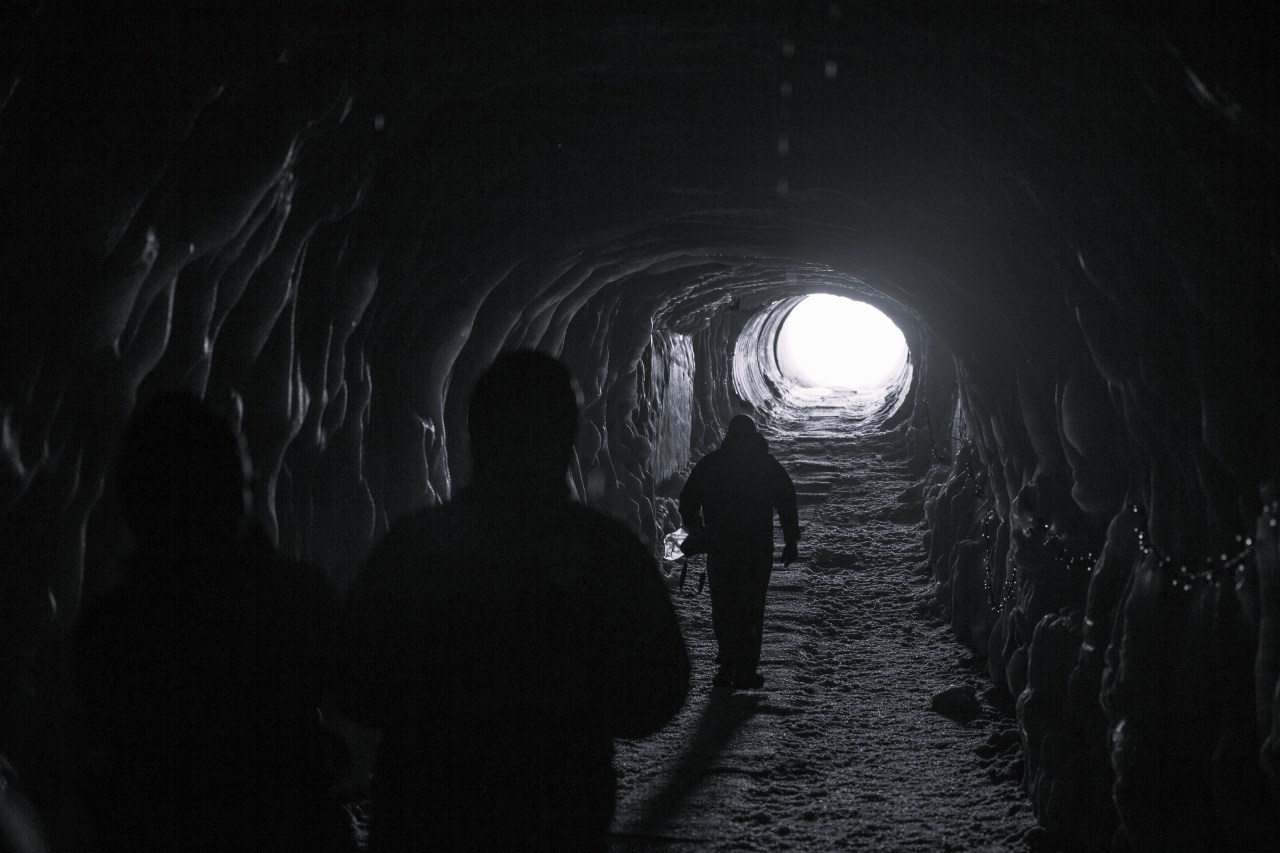
When We Find The Courage To Change We Give Others Hope They Can Also

If there’s one thing I know for certain, it’s this:
Courage doesn’t just change our lives — it creates space for others to change theirs.

But courage rarely announces itself with clarity. It usually arrives quietly, disguised as exhaustion, fear, or the realization that we simply can’t keep living the way we’ve been living.

For a long time, I didn’t recognize that the smallest spark of hope could become the bravest decision I ever made. I didn’t understand that my willingness to change wouldn’t just save me — it would ripple outward in ways I never expected.

But it did.
And it all started with someone else’s courage.


Prefer to listen? The Audio Blog version is available here.


The Moment Someone Else’s Courage Became My Lifeline

More than a decade ago, I was drowning.

Not metaphorically — truly drowning in despair, in silence, in thoughts that terrified me. I had learned to function on the outside while falling apart on the inside. I didn’t see a future. I didn’t see a way out. I didn’t see myself as someone worth saving.

And then someone shared their story with me.

They weren’t preaching. They weren’t trying to fix me. They simply let me see their truth — the messy, painful, unpolished parts of their journey.
And for the first time in a very long time, I felt something stir inside me:

Hope.

It wasn’t loud. It wasn’t dramatic.
But it was real.

That tiny spark became the courage I didn’t know I was capable of. It gave me just enough strength to reach out and say, “I need help.”

And that single moment changed everything.


When Our Lives Start Unraveling, the Truth Reveals Itself

Before that breakthrough, I worked hard to pretend I was fine. I justified. I minimized. I avoided. I told myself I just needed to push through.

But deep down, I knew my life was unraveling.

I knew the weight I was carrying was too heavy. I knew the numbness was getting darker. I knew I was losing myself.

That’s the thing about internal truth — even when we hide it, it never stops whispering. And the longer we run, the louder it becomes.

When I finally faced what was happening, it wasn’t graceful. It wasn’t heroic. It was raw, terrifying, and humbling.

But it was honest.

And honesty is where healing begins.


Asking for Help Was the Bravest Thing I Ever Did

When I reached out for help, I didn’t do it because I believed I was worth saving.
I did it because I was desperate.

But here’s the beautiful part: desperation can be a doorway.
Sometimes the darkest moments are what make courage possible.

I admitted the truth — not just to others, but to myself.
I acknowledged how bad things had gotten.
I asked for support.
I allowed someone to walk with me through the darkness.

That choice didn’t just change my trajectory — it gave me my life back.

And once I began healing, something unexpected happened:
I wanted others to feel the relief, the hope, the clarity I was finding. I wanted to share what had helped me, the way someone had shared with me.

But I learned a life-changing lesson:


You Can’t Make Someone Change — but You Can Show Them It’s Possible

In my eagerness, I tried to help people who weren’t ready.
I offered advice they didn’t ask for.
I pushed when I should have simply stood beside them.

Because change can’t be forced.
Not for me.
Not for you.
Not for anyone.

People move when they are ready — not when we decide they should be.

But even when someone isn’t ready, they’re watching our courage.
They’re watching the way we transform.
They’re watching the way we choose to show up differently.

And sometimes, without realizing it, our healing becomes their hope.


Your Growth Gives Someone Else Permission to Grow

We never fully know who’s inspired by our courage.

Your decision to get help.
Your willingness to change.
Your honesty about your past.
Your commitment to healing.
Your refusal to stay stuck.

These things matter.

They matter more than you think.

Just by living your truth — not perfectly, not publicly, just truthfully — you become a mirror for possibility.
You become a reminder that change is possible.
You become evidence that pain isn’t the end of the story.

And someone, somewhere, may take their first brave step because you took yours.


Courage Isn’t Loud — It’s Contagious

Courage doesn’t have to roar.
Sometimes it whispers.
Sometimes it shakes.
Sometimes it shows up as a trembling hand reaching out for help.

But every act of courage sends a message:

If I can do this, maybe you can too.

That’s the quiet magic of growth.
It doesn’t just elevate your life — it lights the way for others.

You don’t have to preach.
You don’t have to convince.
You don’t have to prove anything.

All you have to do is live your truth.

The rest happens on its own.


SLAY Reflection

Let’s reflect, SLAYER:

S: Where in your life have you felt the first spark of courage to change?
L: Who inspired you by sharing their story, and how did their courage impact yours?
A: What is one step — even a small one — that you feel called to take toward healing or growth?
Y: How might your journey give hope to someone else who’s struggling?


Call to Action: Join the Conversation

I’d love to hear from you.
When has someone else’s courage inspired you to change — or where do you feel called to be brave today?
Share your story in the comments. Let’s cheer each other on.

And if you know someone who’s trying to find their courage, send this to them.
Sometimes, all we need is a nudge.
Sometimes You Face Difficulties Because You’re Doing Something Right

There’s a belief many of us carry without ever questioning it:
If things feel hard, we must be doing something wrong.

So when resistance shows up — discomfort, fear, pushback, uncertainty — we assume it’s a sign to turn around. To retreat. To go back to what’s familiar.

But sometimes, the opposite is true.

Sometimes you face difficulties not because you’re off track — but because you’re finally on the right one.

Especially when you’re choosing something new. Something honest. Something that honors who you actually are instead of who you’ve always been expected to be.


Familiar Paths Feel Easier Because They’re Familiar Not Because They’re Right

We are creatures of habit.

We do what we’ve been taught.
What we’ve seen modeled.
What feels easiest in the moment.

Even when those patterns don’t serve us, they feel safe because they’re known.

But “easy” doesn’t always mean aligned.
And “comfortable” doesn’t always mean healthy.

Sometimes the path that looks smooth is the one leading you further away from yourself. And the path that feels difficult is the one asking you to grow into someone new.

New choices almost always come with new discomfort — not because they’re wrong, but because they’re unfamiliar.


The Cost of Taking the Easier Softer Route

For a long time, I chose what felt easier on the surface.

I avoided conflict.
I tried to minimize attention.
I looked for solutions that required the least resistance.

But those choices didn’t bring peace — they brought consequences.

I didn’t get what I needed.
And when I did, it often came through manipulation, avoidance, or dishonesty with myself. I ended up doing far more emotional labor trying to maintain something that never truly fit.

What I thought was “keeping the peace” was actually betraying myself.

And over time, that betrayal showed up as anxiety, resentment, and exhaustion.


People Pleasing Is a Survival Strategy Not a Solution

Many of us learn early on that being agreeable feels safer than being honest.

So we prioritize other people’s comfort.
We swallow our needs.
We tell ourselves it’s not worth the trouble.

But unspoken needs don’t disappear — they turn inward.

They become anger.
They become sadness.
They become numbness.

And eventually, the weight of living out of alignment becomes unbearable.

That’s often the moment when people turn to outside fixes — anything to quiet the voice inside that says, This isn’t right.

I did too.

I tried to numb myself.
To silence the discomfort.
To convince myself I could stay somewhere I didn’t belong.

But I couldn’t — because I wasn’t supposed to be there.


The Truth Always Finds You

We can hide from the truth for a while — sometimes even for years.

But deep down, we always know when we’re not living authentically. When we’re shrinking. When we’re dimming ourselves to fit into spaces that don’t allow us to grow.

And when we finally start making decisions that honor our truth — maybe for the first time — the difficulties that arise can feel overwhelming.

But those difficulties aren’t punishments.

They’re signs that you’re walking where you’ve never walked before.


New Difficulties Mean New Growth

The challenges that show up when you choose yourself feel hard because they’re unfamiliar — not because they’re wrong.

They require courage instead of compliance.
Honesty instead of avoidance.
Boundaries instead of people pleasing.

But here’s what matters:
These difficulties are far healthier than the ones you lived with while betraying yourself.

Fear shows up when we’re letting go of old versions of ourselves.
Uncertainty shows up when we’re stepping into something real.

That doesn’t mean stop.

It means keep going.


Doing the Right Thing Doesn’t Mean Everyone Will Understand

Choosing what’s right for you doesn’t mean you don’t care about others. It means you care enough about your life to live it truthfully.

If you’ve chosen the right people, they’ll want the best for you — even when it’s uncomfortable. They may walk beside you through the difficulty.

And if they don’t — that tells you something too.

Sometimes growth requires moving forward without everyone coming along.
Or continuing relationships in a different way.

That isn’t cruelty.
It’s clarity.


Only You Can Walk the Path That’s Meant for You

Only you know what’s right for your life.
Only you can do the work to build it.
Only you can walk through the fear that stands between where you are and where you’re meant to be.

Difficulties don’t always mean danger.
Sometimes they mean direction.

So suit up, SLAYER.
Step onto the path that asks more of you — because it gives more back.

You’re not alone.
Plenty of us are walking beside you.
And we’re cheering you on.


SLAY Reflection

Let’s reflect, SLAYER:

S: Where in your life are you choosing what’s familiar instead of what’s true?
L: When have you ignored your needs to avoid discomfort or conflict?
A: What difficulty might actually be a sign that you’re on the right path?
Y: What would honoring yourself look like today — even if it feels uncomfortable?


Call to Action: Join the Conversation

I’d love to hear from you.
Where have you faced difficulty because you were finally doing something right?
Share your story in the comments. Let’s cheer each other on.

And if you know someone who’s questioning their path because it feels hard, send this to them.
Sometimes, all we need is a nudge.
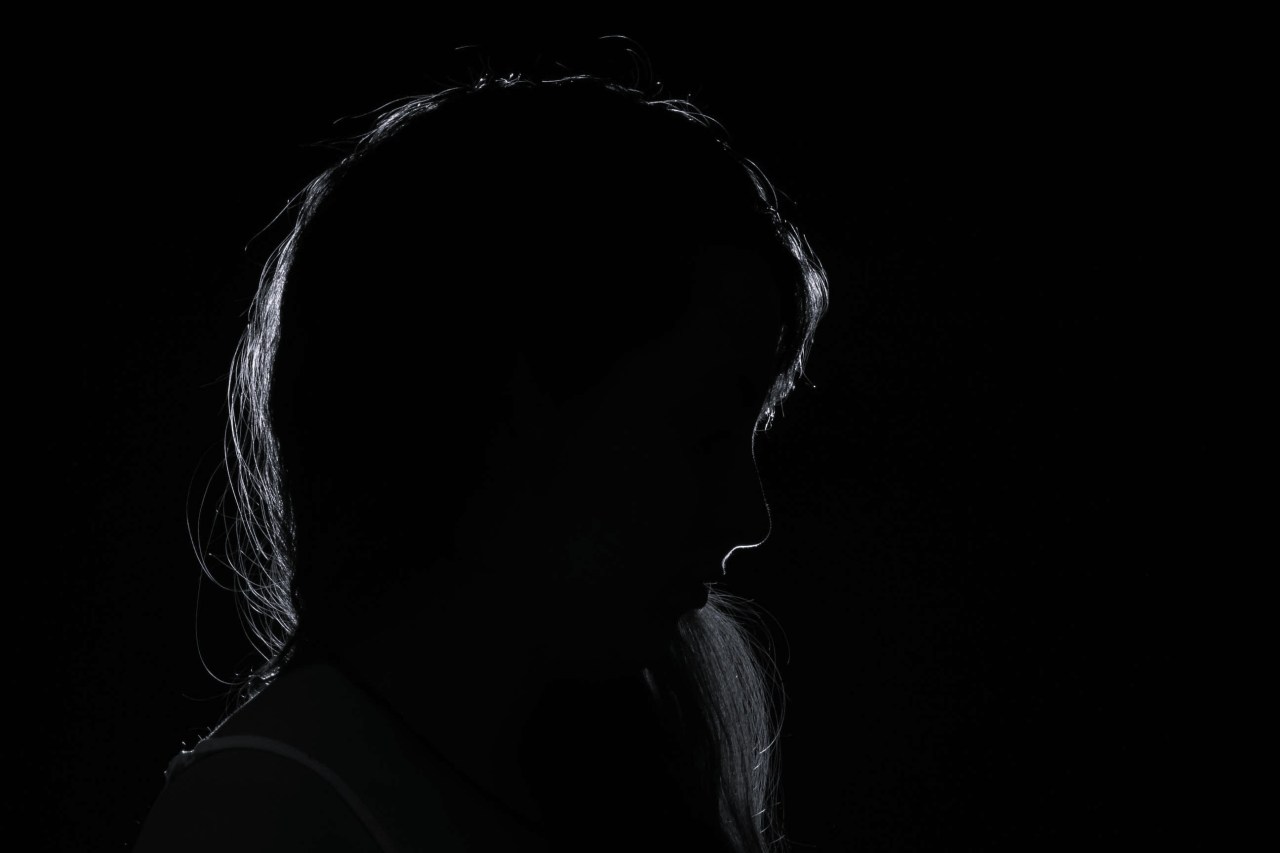
Wanting To Be Forgotten

For a long time, I didn’t want to stand out.

I wanted to blend into the background. To disappear into the scenery. I believed that if I stayed unnoticed, no one would see what I was so certain was true about me—that I wasn’t worthy, wasn’t good enough, didn’t belong.

So I learned how to hide in plain sight.

That might sound strange given the profession I chose, but acting became the perfect disguise. I could hide behind characters. Behind scripts. Behind versions of myself that felt safer than the truth. And in that way, I wasn’t so different from anyone else. We all learn to play roles. To adapt. To become what we think is acceptable so questions aren’t asked and attention doesn’t linger too long.

When the risk of being singled out feels dangerous, we camouflage ourselves and hope we’re forgotten.


The Masks We Wear to Avoid Being Seen

Some of us don’t just blend in—we carefully construct a persona.

A version of ourselves that feels more likable. More acceptable. Less risky. We hope that if the persona is convincing enough, the real us will disappear completely.

For me, this created a quiet kind of torment.

I didn’t want to stand out, yet I desperately wanted to be liked. I wanted the version of myself I had created to be noticed and validated, while the real me stayed hidden.

It was an impossible contradiction.
A game I could never win.

The more masks I wore, the more disconnected I became. I had been playing different roles for so long that I no longer knew who I was underneath them all.


When Hiding Becomes Survival

As my mental illness took hold, the desire to disappear grew stronger.

I felt like life was moving forward without me. Like everyone else was advancing while I stayed stuck, running from a darkness that never stopped chasing me. When it caught up, it dragged me backward again.

I didn’t want anyone to see that.

So I hid.

I hid the fear.
I hid the despair.
I hid the exhaustion of pretending I was okay.

My illness told me I was forgettable. That I didn’t matter. That if I were gone, no one would even notice.

And the most dangerous part?
I believed it.


Letting the Light In Changed Everything

Everything shifted the moment I told a trusted friend the truth.

For the first time, I stopped hiding. I let the masks fall away. I let the light in.

What was revealed wasn’t polished or put together. It was broken. Lost. Empty. Afraid.

And instead of being judged or rejected, I was met with compassion.

No one hurt me.
No one shamed me.
No one turned away.

I was met with encouragement, hope, and love.

Standing there in my vulnerability was terrifying—but for the first time in my life, I was fully myself. No roles. No performance. No pretending.

And it felt like relief.


Pretending Is Exhausting and It Keeps Us Sick

Pretending takes work.

It requires constant vigilance. Constant fear of being “found out.” Constant self-monitoring to make sure the mask doesn’t slip.

And the truth is, pretending doesn’t protect us—it slowly erodes us.

It keeps us disconnected.
It keeps us anxious.
It keeps us stuck in survival mode.

For me, pretending kept me sick. And I was getting sicker.

Healing didn’t come from becoming someone else. It came from finally allowing myself to be who I was—without apology.


Learning You Are Enough As You Are

It took time to build self-love. To learn self-respect. To reach a place where I no longer felt the need to hide.

But I made it there.

Today, I know this: whatever my best self looks like in any given moment is enough. If I fall or make a mistake, I can repair, learn, and try again—as long as I stay true to myself.

I no longer want to be forgotten.

I want to be of service.
I want to help.
I want to share my story.

Not for approval. Not for validation. But because it’s my truth—and there is nothing to be ashamed of in that.

I own my story.
I own my truth.
And when I walk in that honesty, I know I am exactly where I’m meant to be.

That is what I want to be remembered for.


You Were Never Meant to Disappear

If you’ve spent your life trying to stay hidden, hear this:

You don’t deserve to be forgotten.
You don’t need to erase yourself to be accepted.
You don’t need a mask to be worthy.

The world doesn’t need a more palatable version of you.
It needs you.

Your real voice.
Your real heart.
Your real presence.

That is who we remember.


SLAY Reflection

Let’s reflect, SLAYER:

S: In what ways do you hide or minimize yourself in your daily life?
L: What part of you feels “unacceptable,” and where did that belief come from?
A: What would it look like to remove one mask and show up more honestly?
Y: If you stopped trying to be forgotten, who could you allow yourself to become?


Call to Action: Join the Conversation

I’d love to hear from you.
Have you ever tried to disappear to protect yourself—and what helped you start showing up again?
Share your story in the comments. Let’s cheer each other on.

And if you know someone who’s hiding because they don’t feel worthy of being seen, send this to them.
Sometimes, all we need is a nudge.

When Someone Tries To Shame Us, It Only Shames Them

Most of us have experienced it at some point.

Someone calls us out for not knowing something.
Mocks a decision we made.
Ridicules us for a mistake.
Speaks with just enough condescension to make us feel small.

Shame has a way of landing fast and hard — especially when we’re already feeling vulnerable. And in that moment, it can trigger an old, familiar ache: the part of us that once believed we were “less than,” “different,” or “not good enough.”

But here’s the truth we often forget when shame is directed at us:
When someone tries to shame you, it says far more about them than it ever does about you.

Shame is not strength.
It’s insecurity in disguise.


Shame Is a Projection Not a Truth

People who are grounded in themselves don’t need to humiliate others. They don’t gain confidence by tearing someone down. They don’t feel threatened by curiosity, learning, or different experiences.

When someone tries to shame you for not knowing something or for making a choice they believe was “obvious,” what they’re really doing is projecting their own discomfort.

It’s the need to feel superior.
The need to be right.
The need to appear knowledgeable or important.

And more often than not, that behavior is rooted in low self-esteem — not high confidence.

Shame is rarely about education or growth.
It’s about power.


Why Shame Hurts Even When We Know Better

Even when we intellectually understand that shame isn’t about us, it can still sting.

Why?

Because shame targets our most tender places — the parts of us shaped by past experiences, criticism, rejection, or moments when we were made to feel wrong for simply being human.

On the wrong day, at the wrong moment, someone’s words can slip past our logic and land directly in our nervous system.

That doesn’t mean you’re weak.
It means you’re human.

And it’s exactly why compassion — for yourself first — matters so much in these moments.


We All Come From Different Places And That Matters

No two people arrive at life with the same background, education, experiences, or opportunities. We learn different things at different times, through different paths.

That’s what makes conversations interesting.
That’s what creates diversity of thought.
That’s what keeps us growing.

It is impossible — and unreasonable — to expect anyone to know everything.

There is no shame in learning.
There is no shame in asking questions.
There is no shame in saying, “I don’t know.”

In fact, there is far more strength in curiosity than in pretending you already have all the answers.


When I Realized I Had Been on the Other Side

I can say this honestly: I haven’t always handled this perfectly.

Before I was living the life I live now, before I found self-love, self-worth, and self-respect, I had moments where I tried to elevate myself by putting someone else down.

And if I’m being truthful, I know exactly why.

I felt insecure.
I felt less than.
I felt like I needed to prove something.

Belittling someone else gave me a temporary sense of control — a fleeting boost that never lasted. And afterward, it always felt worse. Heavier. More disconnected.

Once I started living in alignment with who I truly am, that behavior didn’t just stop feeling good — it felt wrong.

Because when you build real confidence, you no longer need to steal it from someone else.


Compassion Without Tolerance

Understanding why someone shames doesn’t mean excusing it.

You can have compassion and boundaries.
You can recognize someone’s pain without accepting their behavior.
You can see the truth without internalizing it.

I don’t tolerate shaming behavior anymore — but I also don’t take it personally.

Because I know what it looks like when someone isn’t in a good place.
And I know it has nothing to do with me.


You Are Not Required to Know Everything

Let this be your reminder:

You are not required to know everything.
You are not required to be perfect.
You are not required to justify your learning curve.

There is power in humility.
There is power in growth.
There is power in owning where you are without apology.

When someone tries to shame you, remember this:
If it wasn’t you, it would be someone else.

That tells you everything you need to know.


You Control What You Carry Forward

You can’t control how others behave.
But you can control what you absorb.

You get to decide whether someone else’s insecurity becomes your burden — or whether you set it down and walk away lighter.

And here’s the truth that matters most:
Knowing who you are is far more powerful than knowing whatever someone thinks you should know.

You don’t need to shrink.
You don’t need to defend.
You don’t need to explain your worth.

Just be you.
That is enough.


SLAY Reflection

Let’s reflect, SLAYER:

S: Have you ever been shamed for something you didn’t know or a decision you made? How did it make you feel?
L: Looking back, can you see how that moment reflected the other person’s insecurity rather than your worth?
A: Have you ever been on the other side and shamed someone else? What was going on inside you at the time?
Y: How can you choose self-respect and compassion the next time shame shows up — whether from someone else or within yourself?


Call to Action: Join the Conversation

I’d love to hear from you.
Have you experienced someone trying to shame you — and how did you handle it?
Share your story in the comments. Let’s cheer each other on.

And if you know someone who’s carrying shame that isn’t theirs, send this to them.
Sometimes, all we need is a nudge.

Freedom: Outside Those Fences, We Build Ourselves

There was a time in my life when I was unraveling quietly.

On the outside, I was functioning. On the inside, I was doing everything I could to hide how lost I felt. During that season, a dear friend came to stay with me for a few days. We never talked about what I was going through. He didn’t ask questions. He didn’t call me out. He simply saw me.

Before he left, he handed me a movie and said he thought I should watch it.

The movie was Instinct. I had never seen it. I set it on my coffee table, where it sat for months — untouched. When I finally watched it, I remember thinking it was well done, thoughtfully acted… but I didn’t understand why he’d given it to me.

It wasn’t until years later, after I had begun my healing journey, that I understood exactly what he was trying to tell me.

In the film, a character struggling to find his place in the world writes a farewell letter that includes this line:

“Freedom is not just a dream. It’s there, on the other side of those fences we build all by ourselves.”

When that line finally landed, it hit me like a wave.

My friend wasn’t offering advice.
He was offering truth.


The Fences We Build to Feel Safe Often Keep Us Trapped

Every one of us builds fences.

We build them to protect ourselves from pain, disappointment, rejection, and loss. We tell ourselves they’re necessary — that they keep us safe.

But often, those fences don’t just keep people out.
They keep us in.

The longer we stay behind them, the louder the negative chatter in our minds becomes. Fear grows comfortable. Doubt feels familiar. And the idea of stepping beyond what we know — even if what we know is painful — starts to feel terrifying.

What we call a “safety zone” slowly becomes a cage.

And from inside it, we watch others live. Love. Risk. Grow.
While we tell ourselves stories about why we can’t.


The Illusion of Safety

Here’s the hard truth:
You are not actually safe behind emotional fences.

You’re not safe from your own thoughts.
You’re not safe from resentment.
You’re not safe from the slow erosion of joy.

Survival may feel like safety — but it isn’t freedom.

When we hide, we don’t stop pain from existing. We just stop ourselves from experiencing the fullness of life that exists alongside it.

And eventually, hiding costs more than risking ever could.


Tearing Down the Fence Doesn’t Have to Happen All at Once

The good news is this: you don’t have to demolish everything overnight.

If the idea of tearing down your fences sends anxiety through your body, start smaller. Tear a hole. Open a gate. Peek through the slats.

You don’t need a wrecking ball — you need willingness.

For me, though, I tore everything down at once.

It was terrifying.

I felt exposed. Raw. Vulnerable. Like I was standing naked in front of the world, waiting to be judged.

But something unexpected happened when the fences came down.

The world came in — because I invited it to.

And I learned something powerful: the world wasn’t nearly as dangerous as I believed. There were others like me. Others who were afraid. Others who were healing.

And when we stood together, we became stronger.
Braver.
More alive.


Freedom Comes From Discernment, Not Isolation

We often tell ourselves that walls keep us safe, but real safety comes from discernment.

From choosing the right people.
The right environments.
The right truths.

Freedom doesn’t mean recklessness. It means living authentically while making informed, conscious choices.

Yes, we’ve all been hurt before.
But that was the old us.

The SLAYER standing here today has learned.
Has grown.
Has wisdom.

We don’t move forward by closing our hearts — we move forward by opening them to what aligns with who we are now.


Boundaries Are Not Fences

This is where boundaries come in.

Boundaries are not walls meant to isolate you.
They are guidelines that protect your freedom.

They communicate what is and isn’t acceptable access to you.

For me, boundaries often sound like:

  • Honesty is required

  • My time is respected

  • I’m spoken to with kindness

  • Distance is allowed when something isn’t healthy

Boundaries shift depending on the relationship and the season — and that’s okay. We are constantly evolving, and clarity requires checking in with ourselves often.

When something doesn’t feel right, that’s information.

Ask yourself:
What do I need right now to feel safe and free?


Asking for What You Need Is an Act of Freedom

One of the most liberating things you can do is ask for what you want and need.

Not everyone will be able to give it to you — and that’s okay.

But as SLAYERS, we don’t hide our needs behind fences anymore. We speak them clearly. We honor ourselves openly.

And when we do that, walls become unnecessary.

Because freedom isn’t found in hiding.
It’s found in truth.


You Were Never Meant to Live Behind the Fence

Freedom lives outside the structures we built from fear.

It lives in courage.
In connection.
In choosing alignment over avoidance.

You are not your past.
You are not the fear that once protected you.
You are not meant to stay confined.

You are meant to run free.


SLAY Reflection

Let’s reflect, SLAYER:

S: Where in your life have you built fences instead of boundaries?
L: What fears are keeping you behind those walls?
A: What is one belief, habit, or relationship you could loosen your grip on to create more freedom?
Y: What would it look like to step outside the fence — even just a little?


Call to Action: Join the Conversation

I’d love to hear from you.
Where do you notice yourself hiding instead of living — and what would freedom look like for you right now?
Share your story in the comments. Let’s cheer each other on.

And if you know someone who’s ready to step beyond their fences, send this to them.
Sometimes, all we need is a nudge.