Most of us have used the words sympathy and empathy interchangeably.
I know I have.
At first glance, they seem almost identical.
Both involve caring.
Both involve compassion.
Both are responses to someone else’s pain.
But understanding the difference between sympathy and empathy completely changed the way I show up for the people I love.
Because sometimes people are not looking for advice.
They are not looking for solutions.
They are not looking for someone to rescue them.
They are looking for someone willing to understand them.
And there is a world of difference between trying to fix someone’s pain and choosing to sit beside them while they find their way through it.
That is where empathy begins.
Prefer to listen? The Audio Blog version is available here.
SYMPATHY SEES THE PAIN
Sympathy recognizes that someone is hurting.
It says,
“I’m so sorry you’re going through this.”
“I hate that this happened.”
“That must be incredibly difficult.”
There is kindness in sympathy.
It acknowledges suffering.
It lets someone know their pain has been noticed.
There is absolutely a place for sympathy.
But sympathy often stands at the edge of someone else’s experience.
It recognizes the struggle without necessarily stepping into it.
EMPATHY STEPS INTO THE EXPERIENCE
Empathy is different.
Empathy is not about having the perfect words.
It is about being willing to understand another person’s experience without making it about yourself.
It says,
“I may not know exactly how this feels for you, but I’m here.”
“You don’t have to carry this alone.”
“I don’t need to fix it to stay with you.”
Empathy closes the distance.
It reminds people they are not isolated in their suffering.
Sometimes that presence is far more healing than any advice we could ever offer.
PEOPLE RARELY NEED TO BE FIXED
This was one of the hardest lessons I had to learn.
When someone I cared about was hurting, my instinct was to help.
Offer solutions.
Find answers.
Make the pain disappear.
It came from a place of love.
But often it missed what they actually needed.
Many people are not looking for someone to solve their problem.
They are looking for someone willing to stay with them while they solve it themselves.
There is a profound difference.
Trying to fix someone can unintentionally communicate that their emotions need to end before they are acceptable.
Empathy says something entirely different.
It says, “You don’t have to rush through this. I’m staying.”
EMPATHY REQUIRES HUMILITY
One of the biggest misconceptions about empathy is that it requires having lived through the exact same experience.
It doesn’t.
You do not have to lose the same person.
Face the same diagnosis.
Experience the same heartbreak.
Or carry the same burden.
Empathy begins with humility.
It says,
“I don’t know exactly what this feels like for you, but I want to understand.”
That willingness creates connection.
Pretending to understand when you do not often creates distance instead.
THE BEST RESPONSE IS NOT ALWAYS WORDS
We often feel pressure to say something meaningful.
To find the perfect sentence.
To make someone feel better.
But some moments cannot be fixed with language.
Sometimes the most compassionate response is simply being present.
Listening without interrupting.
Holding space without filling every silence.
Allowing someone to tell their story without rushing them toward healing.
Presence is often more powerful than advice.
WHY EMPATHY CREATES DEEPER CONNECTIONS
Pity creates distance.
Empathy creates connection.
Pity quietly says,
“I feel sorry for you.”
Empathy says,
“I’m here with you.”
One places someone beneath us.
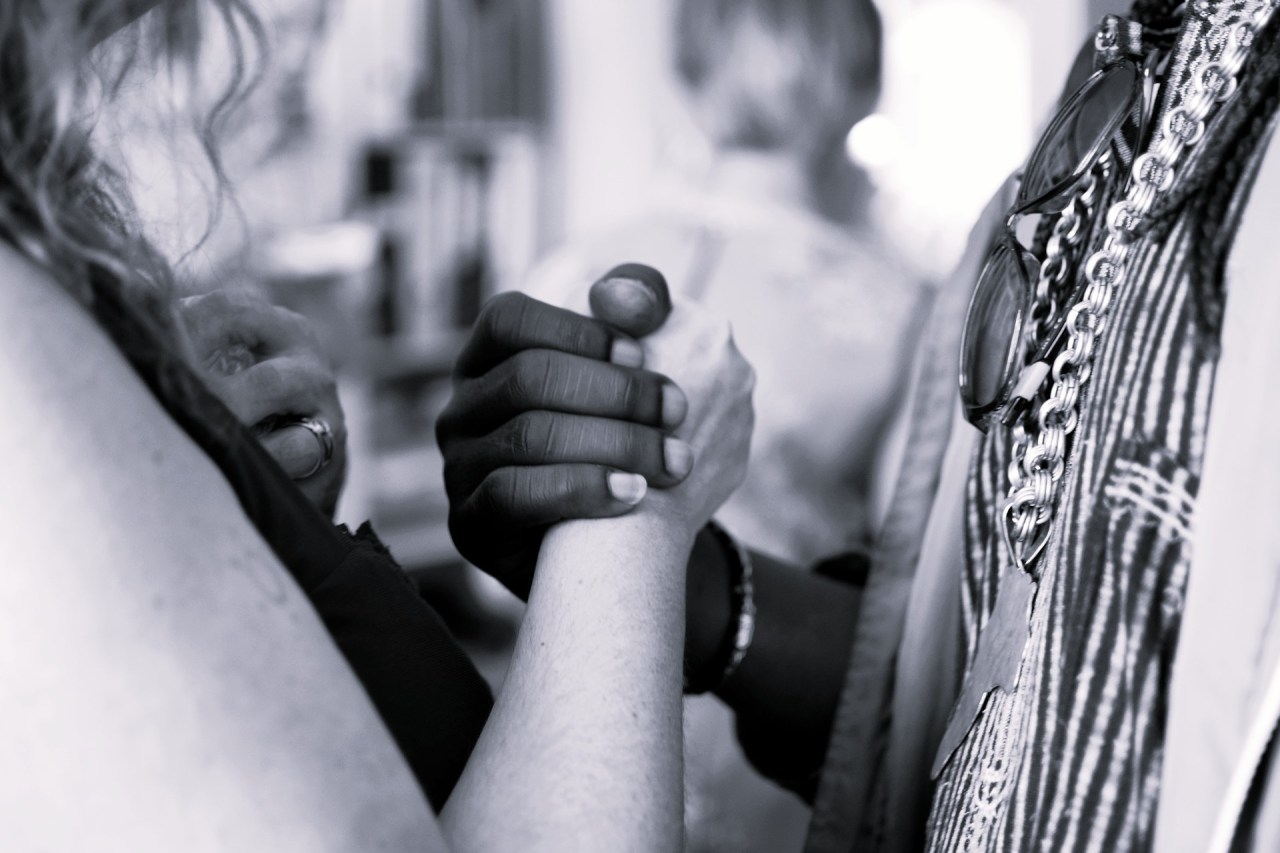
The other sits beside them.
That difference may seem subtle.
But to the person who is hurting, it can feel life-changing.
People rarely remember every word you said.
They remember how safe you made them feel.
LISTENING IS AN ACT OF LOVE
We have all seen conversations where someone shares something deeply personal, only to have the focus quickly shifted elsewhere.
Someone immediately tells their own story.
Offers unsolicited advice.
Explains what they would do.
Or begins searching for solutions before the other person has even finished speaking.
Most of the time, those responses come from kindness.
But kindness without listening can still leave someone feeling unseen.
Sometimes listening is the greatest act of love we can offer.
Not because silence solves the problem.
Because being heard helps people feel less alone while they solve it themselves.
EMPATHY MAKES PEOPLE FEEL SAFE
Think about the people you trust most.
Chances are they are not the people who always had the perfect advice.
They are the people who made you feel safe enough to tell the truth.
Safe enough to cry.
Safe enough to admit you were struggling.
Safe enough to say, “I’m not okay.”
That is the gift of empathy.
It creates spaces where authenticity becomes possible.
And those spaces have the power to change lives.
WE CAN ALL BECOME MORE EMPATHETIC
Empathy is not a personality trait that some people are born with and others are not.
It is a practice.
It grows every time we become more curious than judgmental.
Every time we ask instead of assume.
Every time we listen instead of preparing our response.
Every time we choose presence over performance.
Like every meaningful skill, it becomes stronger the more intentionally we practice it.
UNDERSTANDING IS SOMETIMES THE GREATEST GIFT
Years from now, people may not remember exactly what you said during one of the hardest moments of their life.
But they will remember how you made them feel.
Whether they felt judged.
Whether they felt dismissed.
Whether they felt rushed.
Or whether they finally felt understood.
Stop trying to fix people.
Start trying to understand them.
Because sympathy reminds people they are not invisible.
Empathy reminds them they are not alone.
And sometimes, feeling understood is the first step toward healing.
SLAY REFLECTION
S — See the Difference
When someone you care about is struggling, is your first instinct to solve the problem or simply be present?
L — Listen More Deeply
How might listening without trying to fix the situation change the conversation?
A — Acknowledge Their Experience
Can you allow someone else’s pain to be theirs without comparing it to your own?
Y — Your Next Step
Who in your life could benefit from your presence more than your advice this week?
CALL TO ACTION: JOIN THE CONVERSATION
I’d love to hear from you.
Has someone ever helped you simply by making you feel understood instead of trying to fix your situation?
Share your story in the comments. Let’s cheer each other on.
And if you know someone who might need this reminder, send this to them.
Sometimes, all we need is a nudge.