
We Are Smarter When We Listen, We Are Stronger When We Share

There is a quiet misconception that strength means having all the answers.

That intelligence is measured by how much we know.

That confidence comes from speaking first.

For a long time, I believed that too.

I thought being prepared meant having something to say.

That contributing meant offering advice.

That leadership meant leading the conversation.

But life has a remarkable way of teaching us otherwise.

Some of the smartest people I have ever met were not the ones doing the most talking.

They were the ones asking the best questions.

And some of the strongest people I have ever known were not the ones carrying every burden alone.

They were the ones willing to let others help carry it.

We become smarter when we listen.

We become stronger when we share.


Prefer to listen? The Audio Blog version is available here.


LISTENING IS AN UNDERRATED SUPERPOWER

Most people listen with one goal in mind.

To respond.

They begin forming their answer before the other person has finished speaking.

They wait for a pause instead of seeking understanding.

But true listening asks something different.

It asks us to become curious.

To suspend judgment.

To set aside our assumptions long enough to genuinely hear another perspective.

When we do that, something remarkable happens.

Our world becomes larger.

Because every person knows something we don’t.


YOU CANNOT LEARN WHILE YOU ARE TALKING

One of the simplest truths I have learned is this.

When I am speaking, I am usually repeating something I already know.

When I am listening, I have the opportunity to learn something new.

That is not to say our voice is unimportant.

It is.

But wisdom often grows in the moments we choose to receive instead of perform.

Listening expands us in ways talking alone never can.


SHARING IS NOT A SIGN OF WEAKNESS

Many of us were taught that strength meant handling everything ourselves.

Don’t complain.

Don’t burden people.

Figure it out.

Keep going.

While resilience is valuable, isolation is not.

We were never designed to carry every challenge alone.

Sharing our struggles is not giving up.

It is inviting connection.

And connection has a remarkable way of making even the heaviest burdens feel lighter.


VULNERABILITY CREATES TRUST

Trust is rarely built through perfection.

It is built through honesty.

The moment someone says,

“I’m struggling.”

“I don’t know.”

“I could use some help.”

Something changes.

Walls begin to come down.

People stop relating to the image.

They begin relating to the person.

Vulnerability reminds us that we are not alone in our imperfections.

It creates the kind of trust that pretending never can.


THE BEST CONVERSATIONS ARE A TWO-WAY STREET

Think about the conversations that have stayed with you.

They probably were not lectures.

They were exchanges.

Moments where both people felt heard.

Where ideas moved in both directions.

Where curiosity mattered more than being right.

The healthiest relationships work the same way.

Listening creates understanding.

Sharing creates connection.

Together, they create trust.


WE GROW THROUGH DIFFERENT PERSPECTIVES

Every person experiences life through a different lens.

Different families.

Different cultures.

Different successes.

Different disappointments.

When we genuinely listen, we borrow another person’s perspective for a moment.

We begin seeing possibilities we would never have discovered on our own.

Growth often begins with the simple willingness to admit that someone else may have something valuable to teach us.


YOU DO NOT HAVE TO CARRY EVERYTHING ALONE

Many people quietly believe that asking for help somehow diminishes their strength.

In reality, the opposite is often true.

It takes courage to admit when you need support.

It takes confidence to acknowledge that you do not have every answer.

It takes wisdom to recognize that community has always been one of humanity’s greatest strengths.

Strong people are not people who never need help.

Strong people are willing to receive it.


EVERY PERSON HAS SOMETHING TO TEACH YOU

One of my favorite reminders is that every person you meet knows something you do not.

Sometimes it is knowledge.

Sometimes it is perspective.

Sometimes it is resilience.

Sometimes it is kindness.

Sometimes it is simply a different way of seeing the world.

When you approach conversations with that mindset, every interaction becomes an opportunity to grow.

Listening transforms ordinary conversations into extraordinary teachers.


SHARED BURDENS BECOME LIGHTER

There is something powerful about hearing someone say,

“Me too.”

Not because it solves the problem.

Because it removes isolation.

Pain often grows in silence.

Healing often begins in connection.

The moment we realize we are not the only person carrying a particular struggle, hope quietly enters the room.

That is the power of sharing.

It reminds us that we were never meant to face life alone.


THE STRONGEST PEOPLE DO BOTH

The strongest people I know have something in common.

They listen deeply.

They share honestly.

They are curious enough to learn from others.

And humble enough to let others learn from them.

They understand that wisdom is not measured by how much they speak.

And strength is not measured by how much they carry alone.

We are smarter when we listen.

We are stronger when we share.

So ask more questions.

Listen with genuine curiosity.

Share without shame.

Because the conversations that change your life are rarely the ones where you did all the talking.

They are the ones where everyone walked away feeling seen, heard, and a little less alone.


SLAY REFLECTION

S — See Your Habits
Do you spend more time listening to understand or listening to respond?

L — Learn From Others
Who in your life has a perspective that could help you grow if you truly listened?

A — Acknowledge Your Need
Is there something you’ve been carrying alone that would become lighter if you shared it?

Y — Your Next Step
What is one conversation you can have this week where you intentionally listen more deeply and share more honestly?


CALL TO ACTION: JOIN THE CONVERSATION

I’d love to hear from you.

Has there been a conversation that changed your life simply because someone truly listened or because you finally felt safe enough to share?

Share your story in the comments. Let’s cheer each other on.

And if you know someone who might need this reminder, send this to them.

Sometimes, all we need is a nudge.
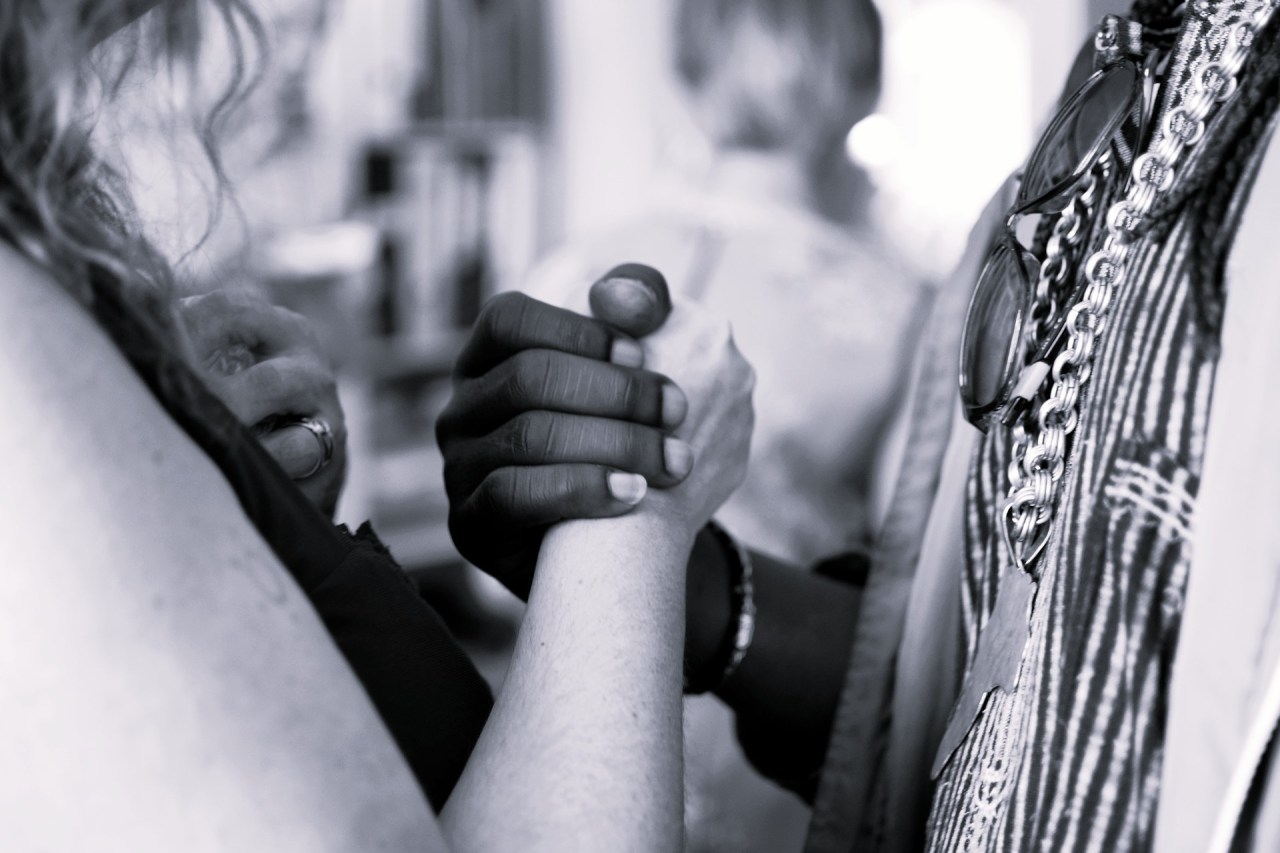
Stop Trying to Fix People and Start Trying to Understand Them

Most of us have used the words sympathy and empathy interchangeably.

I know I have.

At first glance, they seem almost identical.

Both involve caring.

Both involve compassion.

Both are responses to someone else’s pain.

But understanding the difference between sympathy and empathy completely changed the way I show up for the people I love.

Because sometimes people are not looking for advice.

They are not looking for solutions.

They are not looking for someone to rescue them.

They are looking for someone willing to understand them.

And there is a world of difference between trying to fix someone’s pain and choosing to sit beside them while they find their way through it.

That is where empathy begins.


Prefer to listen? The Audio Blog version is available here.


SYMPATHY SEES THE PAIN

Sympathy recognizes that someone is hurting.

It says,

“I’m so sorry you’re going through this.”

“I hate that this happened.”

“That must be incredibly difficult.”

There is kindness in sympathy.

It acknowledges suffering.

It lets someone know their pain has been noticed.

There is absolutely a place for sympathy.

But sympathy often stands at the edge of someone else’s experience.

It recognizes the struggle without necessarily stepping into it.


EMPATHY STEPS INTO THE EXPERIENCE

Empathy is different.

Empathy is not about having the perfect words.

It is about being willing to understand another person’s experience without making it about yourself.

It says,

“I may not know exactly how this feels for you, but I’m here.”

“You don’t have to carry this alone.”

“I don’t need to fix it to stay with you.”

Empathy closes the distance.

It reminds people they are not isolated in their suffering.

Sometimes that presence is far more healing than any advice we could ever offer.


PEOPLE RARELY NEED TO BE FIXED

This was one of the hardest lessons I had to learn.

When someone I cared about was hurting, my instinct was to help.

Offer solutions.

Find answers.

Make the pain disappear.

It came from a place of love.

But often it missed what they actually needed.

Many people are not looking for someone to solve their problem.

They are looking for someone willing to stay with them while they solve it themselves.

There is a profound difference.

Trying to fix someone can unintentionally communicate that their emotions need to end before they are acceptable.

Empathy says something entirely different.

It says, “You don’t have to rush through this. I’m staying.”


EMPATHY REQUIRES HUMILITY

One of the biggest misconceptions about empathy is that it requires having lived through the exact same experience.

It doesn’t.

You do not have to lose the same person.

Face the same diagnosis.

Experience the same heartbreak.

Or carry the same burden.

Empathy begins with humility.

It says,

“I don’t know exactly what this feels like for you, but I want to understand.”

That willingness creates connection.

Pretending to understand when you do not often creates distance instead.


THE BEST RESPONSE IS NOT ALWAYS WORDS

We often feel pressure to say something meaningful.

To find the perfect sentence.

To make someone feel better.

But some moments cannot be fixed with language.

Sometimes the most compassionate response is simply being present.

Listening without interrupting.

Holding space without filling every silence.

Allowing someone to tell their story without rushing them toward healing.

Presence is often more powerful than advice.


WHY EMPATHY CREATES DEEPER CONNECTIONS

Pity creates distance.

Empathy creates connection.

Pity quietly says,

“I feel sorry for you.”

Empathy says,

“I’m here with you.”

One places someone beneath us.

The other sits beside them.

That difference may seem subtle.

But to the person who is hurting, it can feel life-changing.

People rarely remember every word you said.

They remember how safe you made them feel.


LISTENING IS AN ACT OF LOVE

We have all seen conversations where someone shares something deeply personal, only to have the focus quickly shifted elsewhere.

Someone immediately tells their own story.

Offers unsolicited advice.

Explains what they would do.

Or begins searching for solutions before the other person has even finished speaking.

Most of the time, those responses come from kindness.

But kindness without listening can still leave someone feeling unseen.

Sometimes listening is the greatest act of love we can offer.

Not because silence solves the problem.

Because being heard helps people feel less alone while they solve it themselves.


EMPATHY MAKES PEOPLE FEEL SAFE

Think about the people you trust most.

Chances are they are not the people who always had the perfect advice.

They are the people who made you feel safe enough to tell the truth.

Safe enough to cry.

Safe enough to admit you were struggling.

Safe enough to say, “I’m not okay.”

That is the gift of empathy.

It creates spaces where authenticity becomes possible.

And those spaces have the power to change lives.


WE CAN ALL BECOME MORE EMPATHETIC

Empathy is not a personality trait that some people are born with and others are not.

It is a practice.

It grows every time we become more curious than judgmental.

Every time we ask instead of assume.

Every time we listen instead of preparing our response.

Every time we choose presence over performance.

Like every meaningful skill, it becomes stronger the more intentionally we practice it.


UNDERSTANDING IS SOMETIMES THE GREATEST GIFT

Years from now, people may not remember exactly what you said during one of the hardest moments of their life.

But they will remember how you made them feel.

Whether they felt judged.

Whether they felt dismissed.

Whether they felt rushed.

Or whether they finally felt understood.

Stop trying to fix people.

Start trying to understand them.

Because sympathy reminds people they are not invisible.

Empathy reminds them they are not alone.

And sometimes, feeling understood is the first step toward healing.


SLAY REFLECTION

S — See the Difference
When someone you care about is struggling, is your first instinct to solve the problem or simply be present?

L — Listen More Deeply
How might listening without trying to fix the situation change the conversation?

A — Acknowledge Their Experience
Can you allow someone else’s pain to be theirs without comparing it to your own?

Y — Your Next Step
Who in your life could benefit from your presence more than your advice this week?


CALL TO ACTION: JOIN THE CONVERSATION

I’d love to hear from you.

Has someone ever helped you simply by making you feel understood instead of trying to fix your situation?

Share your story in the comments. Let’s cheer each other on.

And if you know someone who might need this reminder, send this to them.

Sometimes, all we need is a nudge.

Speak Up Even If Your Voice Shakes

There was a time when silence felt safer.

Safer than saying what I really thought. Safer than expressing what I needed. Safer than risking how someone might respond.

So I stayed quiet.

I swallowed words that wanted to come out. I avoided difficult conversations. I convinced myself that keeping the peace was more important than speaking the truth.

But over time, that silence came at a cost.

Because every time I chose not to speak, I was choosing not to stand up for myself.


Prefer to listen? The Audio Blog version is available here.


Silence Does Not Protect You, It Hides You

It can feel like staying quiet keeps things stable.

No conflict. No discomfort. No immediate consequences.

But silence does not actually protect you.

It hides you.

Your needs go unmet. Your boundaries remain unclear. Your voice becomes smaller each time you choose not to use it.

And eventually, that silence turns into frustration. Resentment. Disconnection.

Not just from others.

From yourself.


I Had To Learn To Use My Voice

Speaking up did not come naturally to me.

There were moments when my heart would race, my hands would shake, and my thoughts would feel scattered. Even when I knew what I wanted to say, getting the words out felt overwhelming.

But I started small.

I spoke up in situations that felt manageable. I practiced expressing my thoughts without over-explaining or apologizing for them. I reminded myself that my voice mattered, even if it was not perfect.

And slowly, something began to shift.

The more I used my voice, the stronger it became.


Courage Does Not Mean Comfort

One of the biggest misconceptions about courage is that it feels confident.

Most of the time, it does not.

Courage often feels like fear.

It feels like uncertainty. Like vulnerability. Like stepping into something unknown.

But courage is not about feeling ready.

It is about acting anyway.

Speaking up even when your voice shakes is courage in its purest form.


Your Voice Is Part Of Your Identity

Your thoughts, your feelings, your perspective all matter.

When you silence them, you are not just avoiding a moment.

You are disconnecting from a part of who you are.

Using your voice is not about being loud or dominating conversations.

It is about being honest.

It is about allowing yourself to be seen and heard.

And that kind of authenticity creates deeper, more meaningful connections.


Not Everyone Will Receive It Well

This is important.

Speaking your truth does not guarantee that everyone will agree with you, understand you, or respond the way you hope.

And that can be uncomfortable.

But the goal of using your voice is not to control how others respond.

It is to honor yourself.

The right people will respect your honesty, even if they do not fully agree. And those who cannot may simply not be aligned with where you are going.

That clarity is valuable.


Boundaries Begin With Expression

You cannot have healthy boundaries without communication.

If people do not know what you need, what you are comfortable with, or what you expect, they cannot meet you there.

Speaking up creates clarity.

It defines what is acceptable and what is not. It allows you to participate in your relationships rather than quietly adapting to them.

And that participation is what creates balance.


You Do Not Need Perfect Words

This was something I struggled with.

I thought I needed to say things perfectly. That I needed to find the exact right words, tone, and timing.

But perfection is not required.

Honesty is.

Sometimes your voice will shake. Sometimes your words will not come out exactly as you planned.

And that is okay.

Because showing up imperfectly is still showing up.

And that matters more than saying nothing at all.


Every Time You Speak You Grow

Each time you choose to express yourself, you build confidence.

You strengthen your sense of self. You reinforce your value. You remind yourself that your voice deserves space.

And over time, what once felt terrifying becomes more natural.

Not because fear disappears.

But because your trust in yourself grows stronger than your fear.


SLAY Reflection

S — See the Silence
Where in your life are you holding back from speaking your truth?

L — Look at the Fear
What are you afraid might happen if you speak up?

A — Acknowledge Your Voice
What is something you have been wanting to say but have not?

Y — Your Next Step
What is one small way you can begin using your voice today?


Call to Action: Join the Conversation

I’d love to hear from you.
Have you ever spoken up in a moment when it felt difficult, and what did that experience teach you?

Share your story in the comments. Let’s cheer each other on.

And if you know someone who needs the reminder that their voice matters, send this to them.
Sometimes, all we need is a nudge.
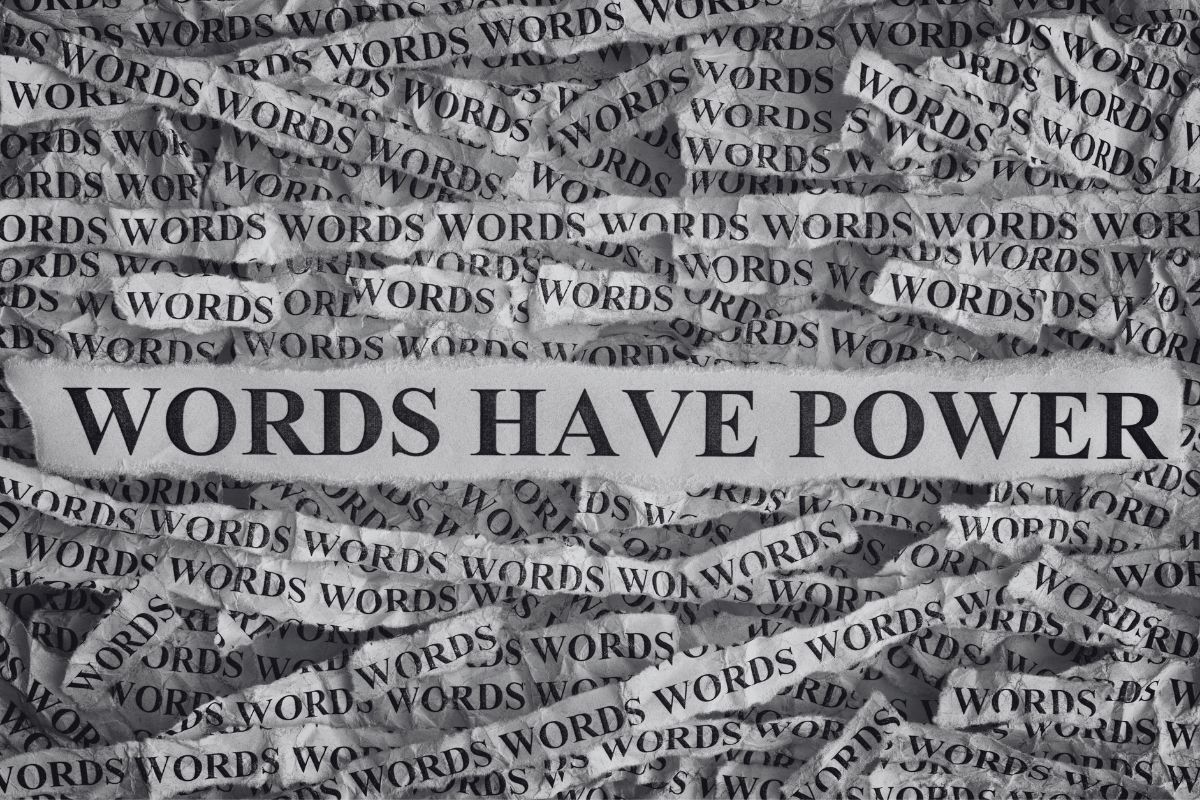
Words Can Hurt And Words Can Heal

Words can build bridges.
Words can burn them down.

They can make someone feel seen, valued, loved—or they can tear open wounds that never fully heal. The truth is, words are some of the most powerful tools we have. And yet, many of us throw them around carelessly, forgetting that once spoken, they can’t be taken back.

We’re living in a world that feels more divided and reactive than ever. Which is why this matters so much: the way we speak—to others and to ourselves—matters. It always has. And it always will.


Prefer to listen? The Audio Blog version is available here.


The Language of My Past

Before I began walking this path, I used words as weapons.
I used them to hurt, to manipulate, to control the narrative.

Even more painfully, I used them on myself. Quietly. Cruelly. I would tell myself I wasn’t good enough, that I didn’t deserve love, that I was destined to fail. And those words? They stuck. They festered. They kept me small.

I remember being told early in my recovery that I had a barbed tongue. At the time, I almost wore it like a badge of honor—proof I could defend myself in any verbal battle. But really, I was just scared. I was always in fear. And fear made me lash out. It made me forget that love—real love—starts with what we say when no one else is listening.


The Way You Speak to Yourself Shapes Everything

If you wouldn’t say it to someone you love, why say it to yourself?

That was the question that changed everything for me. Because the truth is, we’re always listening to our own inner dialogue. And when we speak harshly to ourselves, our body, heart, and mind all take that in.

So I started small.
I started with one kind sentence a day.
Sometimes I didn’t believe it. Sometimes it felt fake.
But I kept going.

And eventually, those gentle words turned into something bigger: compassion. Forgiveness. Even love.

Speak Like It Matters—Because It Does

When I shifted the way I spoke to myself, something else changed: the way I spoke to others. And sometimes that was easier—giving kind words to others, even when I couldn’t give them to myself. But what I found is that the more kindness I gave away, the more I saw myself as someone capable of kindness. The cycle slowly started to shift.

Today, I try to ask myself before I speak:
Will these words hurt or heal?

That one question has the power to change a conversation. A relationship. A life. Let your words be the ones that bring light—not pain.

SLAY on.


SLAY OF THE DAY: Reflect & Rise

  • Do you pause before you speak, or do your words just pour out?
  • Have your words ever hurt someone you love? What happened?
  • How do you speak to yourself—especially when you’re struggling?
  • Can you remember a time when your words helped someone heal?
  • What would change if you made kindness your default language?

Call to Action: Join the Conversation
I’d love to hear from you.
What’s one small way you can use your words today to heal instead of hurt—either for yourself or someone else?
Share your story in the comments. Let’s cheer each other on.

And if you know someone who’s been hard on themselves lately, send this to them.
Sometimes, the right words come at the right time—and change everything.