When a Child is Shamed for Feelings, They Don’t Stop Feeling—They Stop Trusting

There’s a heartbreaking truth many of us come to learn too late:

When a child is shamed for having feelings, they don’t stop feeling. They stop trusting.

They stop trusting their emotions. They stop trusting their voice. And eventually, they stop trusting themselves.

We often teach kids—intentionally or not—that certain feelings are too much, too messy, too inconvenient. That anger is bad. That sadness is weakness. That fear is overreacting. We hush them. We roll our eyes. We tell them to “get over it” or “calm down.” But what we’re really saying is: Your feelings don’t belong here.

And that message doesn’t just sting in the moment. It stays.


The Seeds of Self-Doubt

When we shame a child’s feelings, we’re not teaching emotional regulation—we’re teaching emotional suppression.

Instead of learning how to navigate their emotions, they learn to ignore them, question them, or feel guilt and embarrassment for even having them in the first place.

They start asking:

  • “Why am I so sensitive?”
  • “What’s wrong with me?”
  • “Why can’t I just be normal?”

These questions don’t come from nowhere. They come from a world that told them, early on, that their natural responses were somehow wrong.


Unlearning the Silence

As adults, many of us carry this conditioning into our relationships, our workplaces, and our inner dialogue. We still quiet our feelings. We second-guess our instincts. We feel shame for emotions that are perfectly human.

But here’s the thing: Our feelings don’t go away just because we learned to hide them.

They find other ways to come out—through anxiety, depression, emotional outbursts, or chronic people-pleasing. The body keeps the score. The heart remembers.

Healing begins when we give ourselves permission to feel again. To validate what was once invalidated. To trust that our emotions have something to teach us, not something to be ashamed of.


Reparenting Starts With Awareness

Maybe you were that child. Maybe you’re still carrying the weight of being told to “toughen up” or “stop crying.”

Or maybe you’ve caught yourself repeating those phrases to someone else—not out of cruelty, but because it’s what you were taught.

Here’s the good news: You can stop the cycle.

You can start by:

  • Saying “I hear you” instead of “you’re overreacting.”
  • Asking “What are you feeling?” instead of “What’s wrong with you?”
  • Letting your own emotions be seen, so others feel safe showing theirs.

You don’t need to have all the answers. You just need to be a safe place.


SLAY Reflection

Ask yourself:

  • Was I shamed for showing emotion as a child?
  • How did that shape the way I express or suppress feelings today?
  • Do I trust my emotional responses—or do I second-guess them?
  • How can I begin validating my emotions, rather than hiding or judging them?
  • What would it feel like to create space for someone else to share, without judgment?

S – L – A – Y

S: See where your emotional patterns began.
L: Listen to your inner voice with compassion.
A: Allow your feelings to surface without shame.
Y: Yield to the wisdom your emotions are offering.


Call to Action: Join the Conversation
I’d love to hear from you.
Were you taught to suppress your emotions as a child—and how has that shaped your journey?
Share your story in the comments. Let’s cheer each other on.

And if you know someone who’s learning to feel again, send this to them.
Sometimes, all we need is a nudge.


Authenticity Is a Higher Vibration Than Joy and Love

We spend so much of our lives chasing happiness, love, and the so-called “good vibes.” But what if the real key to alignment isn’t about always being joyful or even feeling loved? What if the most powerful shift we can make is to be authentic?

Because here’s the truth: authenticity is a higher vibration than joy and love.


Prefer to listen? The Audio Blog version is available here.


The Truth About Vibration

Energy doesn’t lie. And when you’re pretending, pleasing, or performing, your vibration lowers—even if you’re smiling through it.

Joy without truth is performative. Love without boundaries is self-abandonment.

Authenticity, however, is rooted in truth. It’s grounded in presence. It’s the real you. And when we operate from that space, we emit the clearest, most powerful frequency we have. We show up aligned—and everything around us responds to that.


Real Over Perfect

There was a time when I thought I had to look happy to be happy. Smile through the pain. Be grateful when I was struggling. Be kind even when I was breaking.

But fake it ‘til you make it can only take you so far.

The day I stopped trying to be perfect and started being real—everything changed. People connected more deeply with me. My relationships became healthier. I became healthier. Because I wasn’t trying to stay high-vibe. I was trying to stay real.

And that is the vibe the universe actually responds to.


How Authenticity Heals

When we give ourselves permission to be real, we invite others to do the same. We create safety. We foster trust. We show others what it looks like to live in truth, not performance.

Authenticity says:

  • I feel this, even if it’s messy.
  • I’m not perfect, and I don’t have to be.
  • I can still be lovable, even when I’m struggling.

And that is where true love and joy can actually take root. Not in the performance of being okay—but in the truth of being whole.


Authenticity Is a Practice

Being authentic doesn’t mean sharing everything or letting your emotions run unchecked. It means showing up honestly.

It means:

  • Saying no when you mean no.
  • Speaking up when something matters.
  • Honoring your feelings without needing to justify them.

It means being clear about who you are—and being okay with the fact that not everyone will get it. Because your alignment matters more than approval.


The Frequency of Truth

Your truth has its own frequency. When you live it, you attract what’s meant for you. You repel what isn’t. You stop chasing and start receiving.

Authenticity isn’t a trend. It’s a vibration.

And the more you live it, the more powerful you become. Not because you’re trying to be powerful—but because there’s nothing stronger than someone who is fully themselves.


SLAY Reflection

  1. Where in your life are you performing instead of being real?
  2. What does authenticity feel like in your body?
  3. What would it look like to choose authenticity over approval?
  4. Have you mistaken being “high vibe” with being emotionally bypassing?
  5. What part of your truth are you ready to reclaim?

S-L-A-Y:

  • Speak your truth, even when it shakes
  • Let go of the need to be liked
  • Align with your values, not someone else’s
  • You are your most powerful when you are real

Call to Action: Join the Conversation
I’d love to hear from you.
Where in your life are you ready to get real?
Share your story in the comments. Let’s cheer each other on.

And if you know someone who’s stuck in performance mode, send this to them.
Sometimes, all we need is a reminder.

Slay Say

Stop Seeking Healing from the Hurt

True healing doesn’t come from the people who caused the pain.

It comes when you stop looking for closure, validation, or understanding from those who never had the capacity to give it.

Let this be a reminder to reclaim your power—and choose peace on your own terms.

New Podcast Episode Alert

Slayers, I’ve got something super special to share with you today! I had the absolute joy and honor of being a guest on the Girls Talk Healthy Aging podcast, and the episode just dropped!

🎙️ Episode 80: “Discovering Your True Self: With Carrie Genzel”
Hosted by the dynamic duo Alli Kerr and Shawna Kaminski, this conversation dives deep into authenticity, self-discovery, and the journey of aligning with who you truly are.

We talked about embracing our evolving selves, shedding the labels and expectations that no longer serve us, and how I’ve navigated my own path—personally, spiritually, and creatively. It’s raw, real, and full of the kind of honest talk I know you come here for.

Whether you’re in a season of reinvention or simply curious about the ways we grow and show up fully in our truth, this episode is for YOU.

Here’s how you can listen: 👉 Spotify

👇 YouTube version embedded right here so you can watch/listen:

I’m so grateful to Alli and Shawna for holding such a beautiful, open space and allowing me to share my story. Give it a listen, and if it speaks to you, I’d love to hear your thoughts in the comments.

Slay On!

When You See Your Worth You Find It Harder To Stay Around Those Who Don’t

We are what we allow.

And when we allow people to treat us as if we’re not worthy—when we accept behavior that belittles us or dims our light—we start to believe we deserve it.

But our worth isn’t something other people get to define. It doesn’t come from approval, status, or success. It comes from within. From who we are, what we value, and how we show up in the world. True worth is self-sourced. And once we see it clearly, it becomes much harder to stay around people who don’t.


Before I Knew My Worth

When I was living in the dark, I didn’t believe I had any worth.

I made choices that reflected that belief. I tolerated disrespect. I spoke to myself with cruelty. I stayed in environments that diminished me. I confused success with self-worth and chased external validation to feel like I mattered. And when I didn’t get it, the old narrative played on a loop: You’re not good enough.

I lived like someone who had no value—because I didn’t believe I did.

It wasn’t until I stepped onto the path of recovery that I started to challenge that story. At first, I couldn’t even look in the mirror. I couldn’t say, “I love you” to myself. The words got stuck in my throat.

But slowly, with support from others who had been there, I started to find glimmers of self-worth. I made a list of what I liked about myself. On days when that felt impossible, I wrote down the opposite of the harsh thoughts I was thinking—and used that as my starting point.


Building from Within

I did the work. I stayed the course. And slowly, something shifted.

Acts of kindness, both given and received, started to restore me. I gave back where I could. I surrounded myself with people who saw me clearly. I honored the little girl inside me who had never felt safe, and promised her I wouldn’t abandon her again.

With each step, my self-worth grew.

And as it did, my tolerance shrank.

I no longer accepted treatment that chipped away at my light. I no longer stayed in rooms where I felt unseen. I started seeking out people who inspired me, who respected themselves, and who respected me too. Because once you see your own worth, you can’t unsee it—and you won’t settle for less.


Worth Doesn’t Wait for Permission

You don’t have to earn your worth. You don’t have to prove it. You just have to see it—and then live like it matters.

Surround yourself with people who reflect that truth back to you. And when you feel yourself dimming to fit into a space that doesn’t honor you, step back and ask: Is this what I deserve? Or am I shrinking to make someone else comfortable?

You have value just as you are. The right people will recognize it. But most importantly: you will.

SLAY on.


SLAY Reflection: Where Are You Honoring Your Worth?

  • Do you believe you have worth? If not, where did that belief come from?
  • Are you surrounding yourself with people who reflect your worth—or diminish it?
  • What’s one thing you love about yourself? Say it out loud. Write it down.
  • Have you ever tolerated behavior that made you feel small? Why?
  • What’s one way you can stand in your worth today?

Call to Action: Join the Conversation

I’d love to hear from you.
What’s one way you’ve reclaimed your worth—and how did it change what (or who) you allowed in your life?
Share your story in the comments. Let’s cheer each other on.

And if you know someone who’s forgotten how worthy they are, send this to them.
Sometimes, all we need is a reminder to rise.

H.O.W.

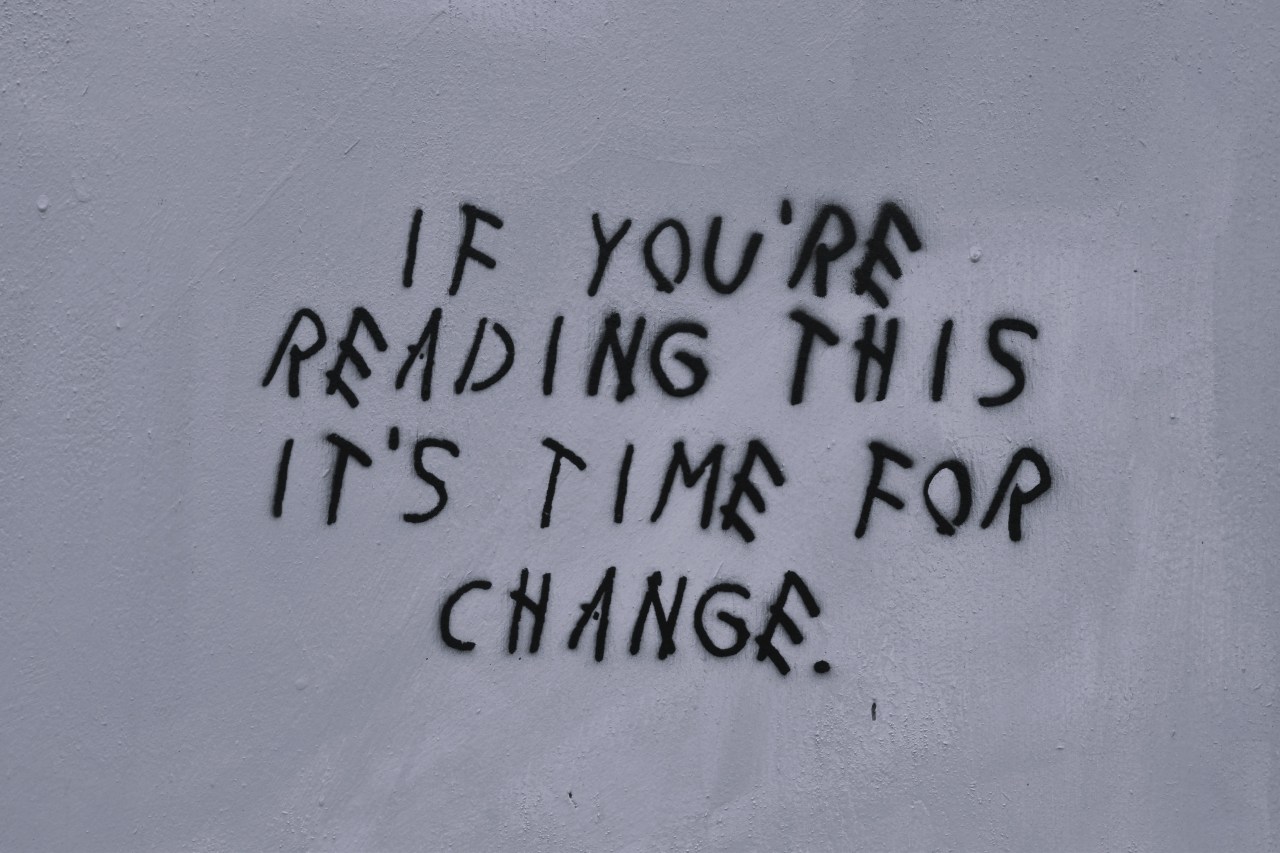
Before I started this path, I wished for change daily. I hoped something—or someone—would swoop in and fix everything. But I wasn’t honest about what was really going on. I blamed others. I minimized my pain. I lived in denial.

What I didn’t realize was that my life wouldn’t get better just because I wanted it to. Wishing doesn’t work without action. And action requires honesty, openness, and willingness.

H.O.W. may sound simple, but when you’re living in darkness, it can feel impossible. Denial lies to you. It convinces you to bury the truth, avoid the mirror, and keep digging deeper into the hole.

But once I got desperate enough, I stopped digging. I looked up. I told the truth. And for the first time in a long time, I was willing to climb.


Change Starts with You

The day I got honest about the mess I’d made was the day everything started to shift.

I saw the wreckage I had caused—not just in my life, but in the lives of people who had tried to love me. I stopped blaming. I started owning. I opened myself to new ideas, new tools, new people who could guide me.

And I became willing—not just to admit my mistakes, but to fix them. That’s where real healing lives. That’s where the change I had longed for finally began to show up.

It wasn’t perfect. It wasn’t fast. But it was real.


Ask Yourself H.O.W.

When you’re ready to change but don’t know how, ask yourself:

  • Am I being honest about what’s really going on?
  • Am I open to doing things differently?
  • Am I willing to take uncomfortable—but necessary—action?

If the answer to any of those is no, you’re not stuck—you’re just not ready yet.

But if the answer is yes?

Get ready. Life is about to shift.

SLAY on.


SLAY Reflection: How Are You Showing Up for Change?

  • Do you wish for change in your life? What would it look like?
  • Are you being honest with yourself about where you are and what needs to shift?
  • How open are you to doing things in a new way?
  • What’s one thing you’re willing to try today—even if it’s uncomfortable?
  • Have you seen the power of H.O.W. in action before? What changed?

Call to Action: Join the Conversation

I’d love to hear from you.
What’s one way you can practice honesty, open-mindedness, or willingness this week?
Share your story in the comments. Let’s cheer each other on.

And if you know someone who’s ready for change but doesn’t know where to start, send this to them.
Sometimes, all we need is a roadmap—and a nudge.

A Little Honesty Goes A Long Way

Coming from a life of hiding my truth, living in fear of being found out, and wanting to appear to be more than I was, I understand dishonesty. I lived a dishonest life, even from myself, so how could I be honest with others? I lied even when I didn’t need to, unaware of the weight of those lies. My life became a tangled web until I couldn’t keep track of it all, and the only truth left was that everything was unmanageable, and I had fallen so far into darkness I wasn’t sure I could find my way out.

Thankfully, someone came into my life and shared his honesty with me. That act gave me hope.

When I began walking the path of recovery, I had to learn to be honest, starting with myself. I had to stop believing the lies that kept me sick and face the truth. I had to get rigorously honest if I wanted to build a new life from the foundation up. That foundation had to be honesty. So, I rolled up my sleeves and got to work.

Facing the truth wasn’t always easy. It meant looking at my past actions, what I’d said, the harm I’d done to myself and others. My lies always pointed fingers outward, but the truth—the honest truth—was that I played a role in my pain and chaos. Letting go of my fear of judgment, I began to speak my truth. Even though my head told me not to, I charged ahead anyway. And on the other end of that honesty, I found support. People didn’t reject me or push me away—they offered their hand, their understanding, and their ear. As I shared my truth, my guilt, anger, and fear started to melt away.

I was taught, and continue to learn, to be honest about my intentions, my time, and what I am truly willing and able to contribute. It was scary at first, but as I practiced it, the results were always better. That doesn’t mean there weren’t disappointments or frustrations, but they were far fewer than when I was saying what I thought others wanted to hear.

The truth is, most people want the truth—not some made-up story to save face. Being honest shows not only respect for yourself but also for others. It shows vulnerability and opens the door for collaboration, understanding, and solutions we might not have found on our own. When we are honest, we have nothing to hide. And when we’re not spending our energy hiding, we are free.

Sometimes, we enter situations with the best intentions and realize the reality doesn’t match. Instead of pretending or keeping up appearances, try being honest. You may find that instead of working against you, others will work with you toward a solution. Even if things don’t go the way you hoped, the act of being honest itself is a win because you are speaking your truth, instead of pretending to be something—or someone—you’re not.

Be honest about who you are, what you can offer, and what you can truly give. As they say, the truth will set you free. And that freedom? It’s all in your hands.

SLAY on.


SLAY OF THE DAY: Reflect & Rise

  • Do you tend to be honest with others? If not, why?

  • Are you honest with yourself? If not, why not?

  • Has dishonesty caused you trouble in the past? How might things have changed if you’d been honest?

  • What can you do today to be more honest, with yourself and others?

  • Are you afraid of honesty? Why?

  • How can you begin letting go of fear and speak your truth?


Call to Action: Join the Conversation
I’d love to hear from you.
What’s one truth you’re ready to speak today—about yourself or to someone else?
Share your story in the comments. Let’s cheer each other on.

And if you know someone struggling to be honest with themselves, send this to them.
Sometimes, all we need is permission to tell the truth.

Do You Like Yourself?

I used to say yes. To your face, I’d smile and say, “Of course I do!” But inside, the truth was always no.

From as far back as I can remember, I felt I wasn’t good enough. I thought I was weird, different, and if you knew who I really was, you wouldn’t like me. I set impossible standards for myself, and every time I couldn’t meet them, I’d beat myself up. Over the years, those unrealistic expectations grew bigger—and so did my self-hatred.

I had a constant, negative narrative running in my head, berating myself for not measuring up. My lack of self-love dragged me to darker places, until I stopped caring about my well-being. I took dangerous chances with my life, not because I wanted to die, but because I didn’t care if I lived.

It was only through a friend that I found the courage to reach out for help. That was the beginning of a new path—and the road from self-hatred to self-love was bumpy, messy, and full of stumbles. But it was worth every single one.


Starting with Forgiveness

When I began this journey, I couldn’t even look in the mirror and say, “I love you.” Just thinking about it makes me sad now. But I knew if I was ever going to like myself, I had to start by forgiving myself. And that wasn’t something I could do alone. I worked with a mental health professional and found support in groups of people walking the same path. Their guidance helped me move forward and start believing that I was worth forgiveness.


Gratitude and Giving Back

Gratitude was a key step. In the beginning, it felt nearly impossible, but I was encouraged to start with just one thing each day—one thing I was grateful for, and one thing I liked about myself. Some days I struggled to find even one, but I’d write it down and carry it in my pocket. Whenever I felt discouraged or fearful, I’d take it out and remind myself.

And then there was giving back. Early in my journey, I was shown that we always have something to give, even if we don’t think we do. Simply sharing our truth, asking someone how their day is, or offering a kind word can lift not just them, but also us. No matter how far down we may feel, someone else may feel even lower, and reaching out creates a connection.


Reflection in a Time of Pause

During this time of social distancing and isolation, when the world feels paused, we have an opportunity to ask ourselves: do I like who I am? If not, why? This is the perfect time to explore those feelings and make positive changes. And if we struggle to find things we like about ourselves, it’s okay to ask a trusted friend or family member what they see in us. Sometimes, seeing ourselves through their eyes helps us find the light.


SLAY OF THE DAY: Reflect & Rise

  • Would you say you like yourself? If not, why not?

  • If you do, what do you like about yourself?

  • Have you always liked yourself? If not, what changed?

  • If you don’t like yourself, was there a time when you did? What changed?

  • What can you do today to find something you like about yourself?

  • What are you grateful for today?

Focus on those things, SLAYER. Challenge yourself to discover more in the days to come. Ask others for their insights. Make sure the reasons you tell yourself don’t keep you stuck in negativity. And if they do, ask why you’re holding onto them. Learn to let them go, or forgive yourself for them. Self-love—or even just self-like—is waiting. Take that first step today.


Call to Action: Join the Conversation

I’d love to hear from you.
What’s one thing you like about yourself today?
Share it in the comments. Let’s cheer each other on.

And if you know someone who needs this message, send it to them.
Sometimes, a little reminder is all it takes to start a journey.

When Your Past Comes Back

I recently got a phone call from someone in the same industry as me—a person I’ve known for years. They called to say some kind things that truly meant a lot. But what triggered this call was a conversation they’d had with someone I used to consider a close friend.

This former friend had abruptly ended our friendship years ago when I confronted them about behavior I found troubling—putting ambition and personal gain above authentic relationships. Fast forward to now, and they were using my name to connect with people in the industry, as if we were still close. This wasn’t the first time I’d learned they were leveraging my name, but hearing it again stirred something deep inside me.


The Stirring of Old Wounds

At first, I was stunned. Then, the anger bubbled up. How dare they use my name after cutting me off? They had no right. But as my hands trembled and my mind raced with all the things I could say, I stopped.

I took a deep breath.

Here’s the truth: calling them out, lashing back—it wouldn’t change the past or make me feel better. In fact, it would likely pull me into a spiral of frustration and negativity. Instead, I simply told the caller the truth—that this person was no longer a part of my life. I kept it factual, free of venom. I trusted the person on the other end to connect the dots.


Choosing Light Over Darkness

Not long after, I was on a video call where this same person, my former friend, appeared. They made a point to say they were there because of me. I smiled tightly and said nothing. I realized then: the truth would reveal itself in time. It always does.

What I’ve learned on this path is to stay true to myself. It’s not about winning an argument or proving someone wrong. It’s about preserving my peace, keeping my side of the street clean, and focusing on what brings me light and joy.


Letting Go of the Scorecard

Life isn’t about keeping score. People will hurt us, sometimes deeply. But carrying those grievances around only weighs us down. Every time we dwell on them, we feed the darkness instead of the light.

I’ve learned that when someone tries to pull me back into old wounds, I can choose to let go. I can choose to focus on what fills me with light. I can refuse to be dragged down a path that dims my soul.


Moving Forward with Strength

We all face moments when our past rears its head. The question is: how do we respond? Do we pick up the bitterness, or do we lay it down and walk away?

I choose to walk forward, with grace, resilience, and an unwavering commitment to my own well-being.

SLAY on.


SLAY OF THE DAY: Reflect & Rise

  • Have you ever confronted someone about an old hurt? How did that feel?

  • If you felt relief at the moment, did it last? Or did it leave you feeling hollow?

  • Do you find it hard to let things go, or do you feel pulled to dive back in?

  • How do you feel after going back—empowered or depleted?

  • Can you shift your focus to the present and release the chains of the past?

The past is a weight we don’t need to carry. Set yourself free today.


Call to Action: Join the Conversation

I’d love to hear from you.
What’s one way you’ve chosen light over darkness in your past?
Share your story in the comments. Let’s cheer each other on.

And if you know someone who’s struggling to let go of an old hurt, send this to them.
Sometimes, all we need is a gentle reminder: we have the power to move forward.

Accept The Gifts

For many of us, it isn’t easy asking for help or accepting it. During this time, it’s near impossible to do everything on our own. Life, very often, presents opportunities for us to not only humble ourselves and ask for what we need but also offers a chance for someone else to step up and be of service.

I’ve written before that it’s okay to ask for help. In fact, when we do, most of the time, it not only helps us but also helps the person we ask. It’s funny how that works. Just like when we need to talk to someone about what we’re going through—the person we open up to usually gets just as much out of the conversation as we do.


Releasing the Armor

When I was living in the dark, it was very difficult for me to ask for help. I thought it was a sign of weakness. I was proud to push through on my own, no matter what the collateral damage was. There were times when I’d gotten myself into situations I couldn’t get out of and was forced to ask for help, and I’d beat myself up for doing it. Or, in my twisted thinking, I’d justify it—I thought the help was owed to me because of past grievances, some imagined, some real.

Eventually, I realized that asking for help was not only necessary but an act of courage. That first reach-out was terrifying, but it was also a huge relief. It was the moment I took my power back.


Practicing the Art of Acceptance

Learning to continue asking for help and accepting the gifts that came my way was its own journey. For me, finding acceptance in myself and learning to love myself was the key to accepting gifts from others—and from life. I’m not just talking about physical gifts. Gifts come in many forms: a smile, a warm hug, a kind word.

I had to learn to believe I was worthy of receiving these gifts. I had to trust there wasn’t an ulterior motive and that these gestures were given from the heart. It took time, but the more I learned to simply say thank you and accept them, the easier it became. And the more I gave of myself—my time, my kindness—the more I understood the power of these simple gestures.


Don’t Steal the Gift

When we refuse a gift or brush off a compliment, we’re telling the giver they’re wrong. That doesn’t feel good to anyone. To simply say thank you and leave it at that is a practice of grace. It allows us to learn to accept good things and allows the other person the experience of giving.

Right now, we can all benefit from both giving and receiving. But it’s essential for our spirit and self-worth to practice receiving with gratitude. When we do, it fills our hearts, shows us we’re worthy of kindness, and reminds us we deserve good things.

Don’t let pride or discomfort block these moments. Nothing happens by mistake. There’s a reason for the giver and the receiver, and it may be bigger than either of you can imagine. If you feel compelled to give, do it. If you’re the lucky recipient, smile, say thank you, and know you were chosen for a reason.


SLAY OF THE DAY: Reflect & Rise

  • Do you have a hard time accepting gifts? Why do you think that is?

  • What was the last gift you accepted? How did it make you feel?

  • What was the last gift you gave? How did that make you feel?

  • Can you see how important it is to accept the gifts that come your way?

  • Why do you feel others deserve gifts more than you do? Why do you think you’re not worthy?

You are worthy, SLAYER. Gifts come into our lives to show us something, to lift our spirits, or to bring us closer together. Trust that the gifts coming your way are there for a reason. Say thank you, and feel it in your heart.


Call to Action: Join the Conversation

I’d love to hear from you.
What’s one gift—big or small—you’ve accepted lately, and how did it make you feel?
Share your story in the comments. Let’s support each other.

And if you know someone who needs this reminder, send this to them.
Sometimes, a simple gesture says: “You’re worthy of good things, too.”