Write A Letter Of Forgiveness To Your Younger Self

I was new on this path, grappling with the weight of my past—the realization of where I had ended up, the choices I had made, and the harm I had done to myself. It felt almost too much to bear.

Then someone suggested something I’ll never forget:

Write a letter of forgiveness to your younger self.


Prefer to listen? The Audio Blog version is available here.


Facing the Hurt

That suggestion stopped me in my tracks. The thought of facing the harm I had done to that innocent, hopeful little girl inside me made my heart sink.

I could see her—vulnerable, full of dreams—and I had failed her. Time and time again, I had ignored her needs, tried to extinguish her light.

But I wasn’t at a point to resist anything that might help me heal. So, I picked up a pen.

I didn’t plan or overthink. I just started writing. I pictured her face and humbly asked for her forgiveness. I poured out all the ways I had let her down, all the times I ignored her worth.

The tears came, but the apology flowed.

I was told to leave nothing out—whatever I held back might keep me sick. So, I wrote it all. And then I read it aloud.

Hearing it, facing it, was hard. But that letter didn’t just end in apology. It ended in a promise: a vow to love her better, to make choices that nurtured her and honored her existence.

That letter became my compass.


Keeping the Promise

When the days were hard, when the negative self-talk got loud, it was easy to throw myself under the bus. But it was harder to throw that little girl under there with me after making her a promise.

Seeing her face in my mind pushed me to keep going. As I healed, I pictured her smiling, cheering me on.

Every milestone became a love letter back to her.

Later, I wrote another letter—to the version of me who didn’t know better, who lacked the tools or courage to navigate life in a healthy way. I apologized to her too. And in that apology, I made a commitment: to learn, to grow, to make amends by living in the light.

A Path to Freedom

These letters were powerful steps in my journey of forgiveness. They opened the door to forgiving not just myself, but others too.

But it all started with me.

We’ve all let our younger selves down. We’ve all made choices we regret, or harbored resentment for things we didn’t know or couldn’t handle at the time. Writing these letters, making those promises—they can set us free.

So get your pen, SLAYER. You may have a letter to write today.

SLAY on.


SLAY OF THE DAY: Reflect & Rise

  • Do you harbor resentment toward yourself for your past?
  • What do you resent?
  • Do you believe you knew better or should have done better? How?
  • Do you look back and feel like you failed your younger self? In what ways?
  • What can you do today to make amends for that?
  • How can you find forgiveness for yourself?
  • How can you protect and honor your younger self today?

Forgive yourself for what you didn’t know. Aim to do better today. And when the days get hard, fiercely protect that younger version of yourself—you deserve it.


Call to Action: Join the Conversation

I’d love to hear from you.
What would you say in a letter to your younger self today?
Share your story in the comments. Let’s support each other’s healing journey.

And if you know someone who’s been hard on themselves, send this to them.
Sometimes, all it takes is knowing we’re not alone.
Make Your Life A Masterpiece

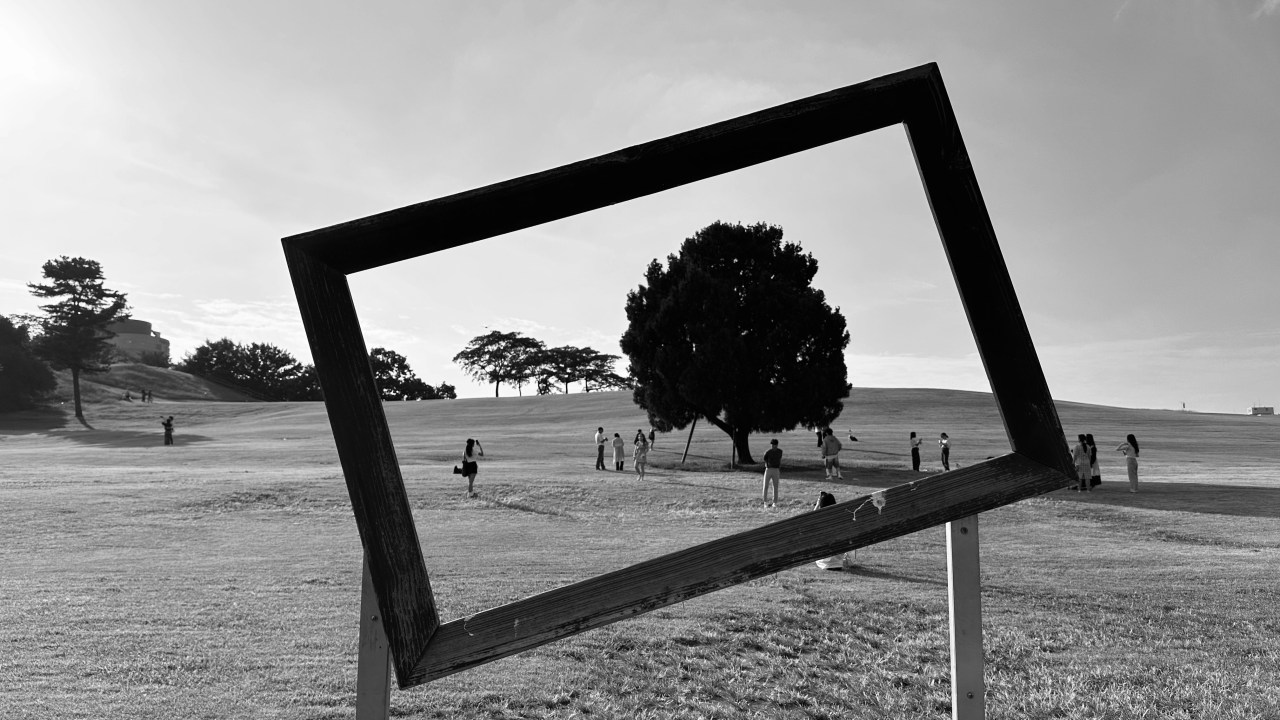
This week, we’re staying with family, surrounded by beautiful art. On every wall hangs a piece of our hostess’s work or contributions from others. I find myself getting lost in the stories these pieces tell—their artistry and expression of life. It made me think: we are all the artists of our own lives. We hold the brush, and we can fill our days with expressions of who we are.

You don’t have to be an artist to create a masterpiece. Masterpieces can be found in the way we care for our family, in the hobbies that bring us joy, in a dance, a kind word, or a simple act of love. Anything that expresses our spirit and who we truly are becomes our art.

But life can bog us down. We get caught up in obligations, societal expectations, or the need to present a curated version of ourselves to the world. We forget to live out loud and express our authentic selves in whatever form that takes.


Finding Light in the Darkness

When I was lost in my disease, my life was devoid of color. I couldn’t imagine that I had anything beautiful to contribute to the world. My mind convinced me that any light I once had was gone. As an artist, that belief was soul-crushing.

But when I committed to getting better, I fought every day to rediscover the color in my heart. I clung to gratitude—anything that would keep me moving toward light instead of darkness. Slowly, the color crept back in. I learned that I was capable of many masterpieces, more than I had ever imagined. Some days, my masterpiece was simply a smile.

Our masterpieces start from within. How we choose to express them is deeply personal and uniquely ours.


Art Is Everywhere

As I sit here, surrounded by this art, I am struck by the passion and beauty poured into each piece. These works inspire me—and perhaps they can inspire you—to create your own art. Your expression may look different, but the essence is the same: honoring your spirit and sharing it with the world.

On a day-to-day level, masterpieces can take any form. A heartfelt conversation. A helping hand. A gesture of love. These acts, however small, are works of art that reflect the beauty inside you.


SLAY Reflection: What Is Your Masterpiece?

  1. How do you express your true spirit to the world?

  2. What beauty in your life can you share more freely?

  3. In what new ways can you let your light shine?

  4. Have you held back your creativity or gifts? Why?

  5. What’s one small way you can share your masterpiece today?

You have a gift to share, SLAYER. Your light may just inspire someone else to begin their masterpiece. So pick up your brush and create.

SLAY on.


Call to Action: Join the Conversation
I’d love to hear from you.
How do you share your own light, and what’s one masterpiece you’re ready to create?
Share your story in the comments. Let’s cheer each other on.

And if you know someone who’s feeling stuck or uninspired, send this to them.
Sometimes, all we need is a little spark.

Be A Conduit Of Good For Others

Before I began this journey, I often did good deeds—but if I’m honest, many were tied to expectations. I sought recognition, appreciation, or something in return. My actions, though seemingly kind, were often self-serving.

When I stepped into recovery, I was met with unconditional support. People offered help without expecting anything back. It baffled me. I waited for the catch, but it never came. Instead, they simply said, “Pay it forward.”

At first, I didn’t grasp the depth of that phrase. But as I started to help others without expecting anything, I felt a shift. Supporting someone else lifted me, too. It reminded me that even in my lowest moments, I had something to offer.


The Power of Selfless Acts

Helping others became a cornerstone of my recovery. Not grand gestures, but simple acts: a smile, a kind word, a listening ear. These moments connected me to others and grounded me in my own healing.

I learned that when I offer support without strings attached, it not only aids someone else but also reinforces my own growth. It’s a two-way street of healing and connection.


Letting Go of Expectations

True kindness doesn’t come with a scoreboard. When I stopped expecting reactions or rewards, my actions became more genuine. If someone didn’t respond as I’d hoped, I learned to let it go, sending them silent well-wishes instead.

This shift freed me from disappointment and allowed me to act from a place of authenticity and compassion.


Small Gestures, Big Impact

Being a conduit of good doesn’t require monumental efforts. It’s in the everyday moments: holding the door, offering a compliment, or simply being present. These small acts can have profound effects on someone’s day—and on our own hearts.

SLAY OF THE DAY: Reflect & Rise

  • Do you look for ways to be a conduit of good in your daily life?

  • Have you experienced someone paying it forward for you? How did that make you feel?

  • What can you offer to someone today?

  • How does giving without expectation shift your perspective?

  • How can you cultivate compassion for others—and yourself?


Call to Action: Join the Conversation
I’d love to hear from you.
What’s one way you’ll be a conduit of good today?
Share your story in the comments. Let’s cheer each other on.

And if you know someone who might need a little hope, send this to them.
Sometimes, we just need a reminder that we matter.


Would you like me to create a WordPress excerpt and tags to go with this?

Pushing Yourself Until You Break

I used to push myself until I broke.

Whether it was exercise, my to-do list, or unrealistic expectations, I was constantly competing with myself to do more, to be more. Sure, it’s healthy to set goals, but not at the cost of your well-being. I thought pushing myself to the limit proved my worth. But it wasn’t sustainable—and it wasn’t healthy.


When You Don’t Like Yourself, You Push Too Hard

The truth was, I didn’t like myself.

I set impossible expectations and used them as a weapon against myself. I’d force myself to work out, even when sick. I’d overschedule until I was drowning. And when I couldn’t meet those unrealistic goals, I’d berate myself for failing. I never let myself rest or breathe—I was always on the go, always one step from a breakdown.

I realize now that this was my way of proving something to myself and to the world. I wanted people to see me as a superwoman who could do it all. I hoped to impress or intimidate them enough to avoid questions. But deep down, I was trapped in a toxic cycle.


Learning to Love Myself—and Find Balance

When I learned to love myself, I also learned to adjust my expectations.

I started practicing self-care, giving myself breaks, and embracing my human limitations. I realized that not completing everything on my to-do list didn’t make me a failure—it made me human. Today, I still feel frustrated when I don’t get everything done, but I’ve learned to let it go. I can always tackle it tomorrow.

Now, I focus on balance. I still juggle a lot, but I make space for flexibility. I prioritize moments with myself or someone I care about. I no longer need a completed list to feel worthy. My worth comes from listening to what I need each day, not what my ego demands.


Honor Yourself and Your Limits

Listen to yourself. Push where you want to grow, but not at the expense of your peace. Set goals and do your best—but know your best will change from day to day. The key is to put you at the top of your to-do list.

SLAY on.


SLAY OF THE DAY: Reflect & Rise

  • Do you set unrealistic expectations for yourself? List three.

  • What makes them unrealistic? Why do you set them?

  • What can you do to make them more realistic?

  • What can you do to continue setting realistic goals in your life?

  • How do you react when you don’t meet a goal?

  • Do you feel the need to one-up others? Why?

  • Does your ego push you past your limits to exhaustion? What can you do to stop?

Self-love and self-care should always come first. The goals you reach will be sweeter because you’ll achieve them when you’re ready—not when your ego says so.


Call to Action: Join the Conversation

I’d love to hear from you.
What’s one small step you can take today to prioritize self-care and set realistic goals?
Share your story in the comments. Let’s support each other.

And if you know someone pushing themselves too hard, send this to them.
Sometimes, the best reminder is a simple “You’re enough.”

The Person Who Doesn’t Value You Is Blocking You From The One Who Will

Why do we stay?
Why do we stay when we’re not appreciated, understood, supported, or loved?
Why do we hold on when someone doesn’t see our value—or worse, tries to diminish it?

There are reasons.
And then there are excuses.

But the truth is this: when we stay in places where we’re not seen, there’s no room for someone who will see us.


When You Don’t See Your Own Value

Before I stepped onto this path, I never considered whether someone valued me—or if I truly valued them. I brought people into my life based on what I needed in the moment. I thought I cared, and maybe I did. But I didn’t value them as whole, spiritual beings—because I didn’t value myself.

I didn’t think I was worthy.
Not of love.
Not of kindness.
Not of real connection.

So I stayed where I wasn’t valued because, deep down, I didn’t believe I deserved to be.


Healing Changes Everything

That changed when I made the decision to get well.
Through recovery, I worked on self-love, self-worth, and self-respect. And with every honest step I took, I began to see my own value—and I started seeking people who could see it, too.

It’s easy to find yourself in a relationship or friendship where your light slowly dims. Where you stop being seen. Where you’re asked to make yourself smaller to make someone else feel big.

But the real question is:
Have you stopped showing your true self? Have you dulled your light to fit in?


Letting Go to Let the Right Ones In

We don’t have to make ourselves smaller to be loved.

If something feels off… if your needs aren’t heard… if blame is being placed on you again and again—it’s time to pause and take a real, honest look.

When someone sees your worth, you’ll know.
There will be respect, support, and a genuine desire to help you grow.

You can’t be open to receive that love if you’re holding on to someone who doesn’t value you.
Let go. Create space. Open your heart.

You might just make room for the greatest love of your life.

SLAY on.


SLAY OF THE DAY: Reflect & Rise

  • Do you feel valued in your relationships?

  • If not, why are you still staying?

  • What value do you see in yourself today? What value are you ignoring?

  • Describe yourself in 5 words. What do they reveal about your truth?

  • Who in your life truly sees and supports you—and who doesn’t?

You hold the key to who you allow into your life.
Only open the door for those who see your light—and help it shine even brighter.


Call to Action: Join the Conversation
I’d love to hear from you.
What’s one way you’ve reclaimed your worth and made room for better in your life?
Share your story in the comments. Let’s cheer each other on.

And if you know someone who’s holding on to a relationship that’s dimming their light, send this to them.
Sometimes, all we need is a reminder: we’re worth more.

Results vs. Rewards

Before I started this journey, I was very rewards-oriented. If I did something nice for someone, I expected something in return—or at the very least, an acknowledgment of my good deed. And if I didn’t get that, I’d hold onto one heck of a resentment. I wouldn’t say anything about it until I could throw a zinger at them later—a quick-witted one-liner meant to sting.

I was good at those, too. I even prided myself on them.

I thought if I did the right thing, the universe owed me something good in return. But it rarely worked that way. Because when you go into a situation with an expectation, you’re not going in with a pure heart—or the right frame of mind.


Doing It for the Right Reasons

I’ve talked about this before: we should never enter into anything unless we want to do it—and don’t expect anything in return.

Oh, that’s right. That’s the only reason to do anything. Because you want to. Period.

It’s the only way to keep your intentions pure. It’s the only way not to be let down when your expectations aren’t met.

When I’m having a challenging day—or I’m just plain grumpy—it happens. I’ll do something nice for someone without them knowing. It could be paying for someone’s coffee or putting money in a meter that’s about to expire. It might be something bigger. But the point is, I do it without expecting a reward.

But here’s the twist: we do get something in return. A result. And a result is far more important than a reward.


Esteemable Acts Build Self-Esteem

Sure, it’s nice to get a reward. I think we can all agree. But if that’s your sole purpose for doing something, you’re going to be disappointed—often.

It’s the result of doing something that truly matters. When we do esteemable acts, we build self-esteem. We begin to like who we are, respect who we are, and learn to trust who we are.

I had to learn this when I made the choice to get better. I had to make a conscious decision to practice it each day.

It felt strange at first—to do something nice without the other person knowing. I was told that if they found out, it didn’t count and I’d have to find something else. So, I turned it into a little game. Like a positive secret.

I used the same cleverness I once used to manipulate people to figure out how to do something kind without them finding out it was me. It actually became fun. And the more I looked for those moments, the more I found them.

The result? My mind stayed positive because I was looking for positive things to do. And that kept me living in the light. No reward could do that for me. A reward might shine a light on me temporarily, but it wouldn’t keep the light on in my life day after day.


Choosing the Path of Growth

We live in a world that’s very reward-oriented. It’s easy to fall into the expectation of getting something for doing something.

But we SLAYERS are better than that.

We’re about growth, learning, and striving to do better. What we want are results.

Results that help us build a strong foundation. Results that keep us on the right path, doing the right things, and remembering why we’re doing them.

Esteemable acts build self-esteem. They help us shed the feeling of being “less-than” or deficient. They quiet those negative voices because we’re not just doing what’s best for us—we’re also considering those around us.

SLAY on.


SLAY OF THE DAY: Reflect & Rise

Do you do things and expect a reward? What happens if you don’t get one, or aren’t acknowledged for your good deed?

Do you feel negatively toward that person? What if you didn’t expect a reward? What if you just did good things to do them—without expecting anything in return?

I challenge you, SLAYER, to do three good things for three different people this week without them knowing. If they find out, it doesn’t count, and you’ll need to find something else.

Write down how you feel after doing them. Then write down how you feel compared to before you did them.

Keep going, SLAYER. When we look for the good, we find the good.


Call to Action: Join the Conversation

I’d love to hear from you.
What’s one small act of kindness you’re committing to this week—just because?
Share your thoughts and stories in the comments. Let’s inspire each other to keep growing.

And if you know someone who could use this message, share it with them.
Sometimes, the best rewards come from giving freely.

Sometimes All Someone Wants To Hear Is, I’m Sorry

There are moments when nothing can be done—when there’s no way to fix a situation or make it better. And in those moments, sometimes all someone wants to hear is, “I’m sorry.” Even if we’re not responsible for what happened, acknowledging someone’s experience can mean the world.


A Simple Yet Powerful Gesture

I think back to my life before walking this path, and how much it would have meant to hear those words. The power of a heartfelt “I’m sorry” is incredible. It connects us, makes us feel seen and valued, and reminds us that our feelings matter.

I remember sharing my story with someone I trusted, and when she gently put her hand on mine and said, “I’m sorry,” it felt like a wave of warmth washed over me. She had nothing to do with the events that led me to that moment, but her simple words were the first real validation of my pain and struggle. It helped me exhale. It helped me start to let go.


Owning Our Part

When we do have something to apologize for, those words carry even more weight. Saying “I’m sorry” for something we did—whether intentionally or not—shows strength. It honors the other person and ourselves. It’s not about weakness or surrender, but about standing in our truth and striving to be better.

As SLAYERS, we’re constantly working on ourselves. Yes, we’ll slip. Yes, we’ll make mistakes. But admitting our wrongs and saying, “I’m sorry,” can mend broken relationships and open the door to healing.


A Path to Healing

There’s magic in those words. “I’m sorry” can be the start of a new chapter, whether it’s in a relationship scarred by past pain or for someone still carrying the weight of old wounds. Sometimes, the apology won’t come from the person who caused the hurt. But when it comes from someone who cares—someone willing to listen and extend compassion—it still holds power. It’s a first step toward healing.

SLAY on.


SLAY OF THE DAY: Reflect & Rise

  • Do you struggle to say “I’m sorry”? Why?

  • What do you think it says about you if you apologize?

  • Have you ever seen “I’m sorry” as a sign of weakness? Can you shift that perspective?

  • Do you appreciate hearing someone say they’re sorry, even if they weren’t directly involved? How does it make you feel?

  • Do you offer that same compassion to others when they’re hurting? Why or why not?


Call to Action: Join the Conversation
I’d love to hear from you.
When was the last time you heard—or said—“I’m sorry”? How did it change the moment?
Share your thoughts in the comments. Let’s build each other up with honesty and compassion.

And if you know someone who’s been holding on to pain, send this to them.
Sometimes, just hearing those words is a step toward healing.

You Don’t Have To Be Perfect, You Just Have To Be

I used to believe I had to be perfect to show up.

Perfect timing. Perfect skills. Perfect hair, even. And if things didn’t line up just right—if I didn’t line up just right—I’d sit it out. I’d pass on the opportunity. I’d talk myself out of the dream. Looking back, I can’t count the chances I missed because I let perfectionism run the show.

But perfection is a lie we tell ourselves when we’re scared.

It gives us a reason to wait, to hide, to stay small. We convince ourselves we’re not ready, not worthy, not enough—so we don’t begin. But here’s the truth: Perfection is not required. Showing up is.


Prefer to listen? The Audio Blog version is available here.


It’s Never Going to Look Perfect—Do It Anyway

No one has it all figured out. No plan is bulletproof. No path is paved just right. Life is messy, and we’re messy too.

The trick is to move forward anyway.

Start with what you’ve got. Doubt? Bring it. Fear? Take it with you. Confusion? Totally normal. You don’t need to wait for the moment to be perfect—you just need to be brave enough to begin.

It reminds me of being a kid on the playground, standing in front of a merry-go-round already spinning. I’d spot my opening, take a breath, and jump. Was it scary? Sure. But it was also thrilling. I didn’t need a guarantee—I just needed to go for it.

So why do we stop doing that?

Because we’ve fallen. We’ve been judged. We’ve been told to wait until we’re “ready.” But the only way to be ready is to start anyway.


Flaws and All, You’re Already Enough

Let me say this loud for the people in the back:

You are already worthy of showing up.

You don’t have to be “fixed” or “perfect” or polished to begin. The real magic happens when you show up as you are. That’s what makes you relatable. That’s what makes you real.

You are perfect in your imperfection. Unique. Valuable. Needed.

And when you let go of chasing perfect, something incredible happens—you start living. You stop waiting. You begin to believe in what’s possible for you.

So whatever it is you’ve been putting off—start it. Show up. Say yes. Jump in. Your life isn’t waiting for perfect. It’s waiting for you.


SLAY Reflection

  1. What’s one thing you’ve avoided because you were waiting for the “perfect” moment?
  2. How has perfectionism kept you from living fully?
  3. What would it feel like to show up just as you are?
  4. What’s one small step you can take this week toward something you’ve been putting off?
  5. Can you write down 5 things that make you uniquely you—and remind yourself why they matter?

S-L-A-Y:

  • Start without needing it to be perfect.
  • Listen to your inner voice—not your inner critic.
  • Accept yourself as you are, flaws and all.
  • You are the magic you’ve been waiting for.

Call to Action: Join the Conversation
I’d love to hear from you.
What have you been putting off because it wasn’t perfect?
Share your story in the comments. Let’s cheer each other on.

And if you know someone who’s stuck waiting for the “right time,” send this to them.
Sometimes, all we need is a nudge.

If You Don’t Bend, You’ll Break

I used to think being stubborn made me strong.
I wore my “wood-head” nickname like a badge of honor, proud that no one could get me to change my mind once it was made up. I believed my rigidity protected me.
But what it really did was keep me stuck.
I was unyielding, closed off, and resistant to change. And eventually, I broke.
I hit the floor, empty and out of options. My stubbornness wasn’t strength—it was a wall between me and growth, between me and peace.


Turning Stubbornness into Strength

When I finally made the choice to walk a better path, I realized I could channel that same stubbornness into something good.
I learned to use it to push through the tough days, to hold myself accountable, and to keep moving forward even when old behaviors tried to pull me back.
Instead of fighting against myself, I started fighting for myself.


The Power of Flexibility

Life is always changing, tossing curveballs our way. If we cling to what’s familiar, we stay stuck. But when we’re willing to bend, to try a new direction, we create space for something better.
Flexibility doesn’t mean giving up your values—it means recognizing when it’s worth letting go, shifting perspective, or simply approaching something with a fresh mind.
It’s about learning to move with grace and openness, discovering that the “new way” might just be the better way.


Breaking Free from the Safe Zone

Being stubborn felt safe. It gave me a sense of control. But it also kept me from experiencing new opportunities, relationships, and growth.
Have you ever pretended to “try” something new, just to prove it wouldn’t work? I did that too. But I’ve learned that true trying means approaching with a positive, open heart, willing to embrace whatever outcome arises.


SLAY OF THE DAY: Reflect & Rise

  • Are you stuck in your ways of how things should be done? Why do you think you are?

  • What do you think will happen if things aren’t done your way?

  • Is this something that threatens your well-being, or just your comfort zone?

  • Can you think of a time when you tried something new, and the result was a positive surprise? How did that feel?

  • This week, I challenge you to bend—try something new, or approach something familiar in a different way.

  • Write them down. See how many new things you can add to your list, and then reflect on the results.


Call to Action: Join the Conversation

I’d love to hear from you.
What’s one thing you’ll try differently this week?
Share your story in the comments. Let’s inspire each other to be flexible and open to new possibilities.

And if you know someone stuck in their old ways, send this to them.
Sometimes, a nudge is all it takes to start bending in the right direction.

SLAY on.

Contrary Action

When I first began this path, I had to rewire the way I thought—completely.

My mind defaulted to negativity. It convinced me people were against me. It whispered that I’d never make it, that I didn’t belong, that failure was inevitable. And because I believed it, I acted on it. That belief nearly cost me everything.

So when I committed to healing—to getting better, to learning how to love myself and live differently—I had to learn something new: contrary action.


Prefer to listen? The Audio Blog version is available here.


What Is Contrary Action?

Quite simply, contrary action means doing the opposite of what you would normally do—especially if what you’ve always done hasn’t brought you peace, joy, or healing.

It’s breaking patterns.
It’s pausing before reacting.
It’s asking: What’s the loving, honest response here?

That pause is the magic.

At State of Slay™, I’ve said it before and I’ll say it again—life is not a game show.
There is no prize for the fastest answer.
And most of the time, our fastest answer is coming from an old wound or old wiring.


A Different Way to Respond

In the beginning, I had to practice contrary action nearly every time I opened my mouth—or even thought about opening my mouth.
It didn’t come naturally. In fact, it felt strange.
Awkward. Uncomfortable. Like backing down.

But here’s what I learned:

  • I wasn’t backing down—I was growing up.
  • I wasn’t avoiding conflict—I was choosing peace.
  • I wasn’t shrinking—I was showing up for myself in a new, more aligned way.

Old me might’ve lied to get what I wanted, manipulated to stay in control, or started a fight just to feel something.
New me? Learned to take a breath. To tell the truth. To walk away if needed.
That shift changed everything.


Building a New Foundation

Practicing contrary action gave me something I hadn’t had in a long time: self-esteem.

Every time I did the right thing—even when it felt weird or hard—it built a new brick in the foundation I now stand on.
And once I started building that self-esteem, I didn’t want to do things that tore it down.

Was it always easy? No.
Did I mess up sometimes? Absolutely.
But the more I practiced contrary action, the more I started to trust myself—and life began to open up in ways I couldn’t have imagined.


10 Ways to Practice Contrary Action

Here are a few simple ways you can try it today:

  1. Give someone a compliment when you’re feeling jealous or insecure.
  2. Own your part instead of seeking revenge.
  3. Take a walk instead of reaching for something to numb the feeling.
  4. Breathe deeply instead of lashing out.
  5. Visualize the life you want instead of reliving your worst decisions.
  6. Remember a win when fear tells you to quit.
  7. Take time for yourself instead of saying there’s never enough time.
  8. Say no with love instead of saying yes out of guilt.
  9. Go to bed instead of scrolling endlessly.
  10. Speak about dreams instead of gossip.

Each time you choose contrary action, you’re choosing yourself.
You’re choosing growth.
You’re choosing a future that looks nothing like your past.


SLAY Reflection: Where Can You Shift?

  1. Do you tend to react quickly without thinking?
    What’s usually the result?
  2. Have old patterns led you into places you didn’t want to go?
    How did it feel?
  3. What could’ve gone differently if you had paused—or chosen contrary action?
  4. Where in your life could you try the opposite of what you’d normally do?
    How might that change things?
  5. Who can you talk to when you’re unsure how to respond?
    Could their insight offer a healthier way forward?

Call to Action: Join the Conversation

I’d love to hear from you.
What’s one way you can practice contrary action this week—especially when your first instinct is to go back to old patterns?
Share your story in the comments. Let’s cheer each other on.

And if you know someone who’s stuck in the same old loops, send this to them.
Sometimes, all we need is a new way to move forward.