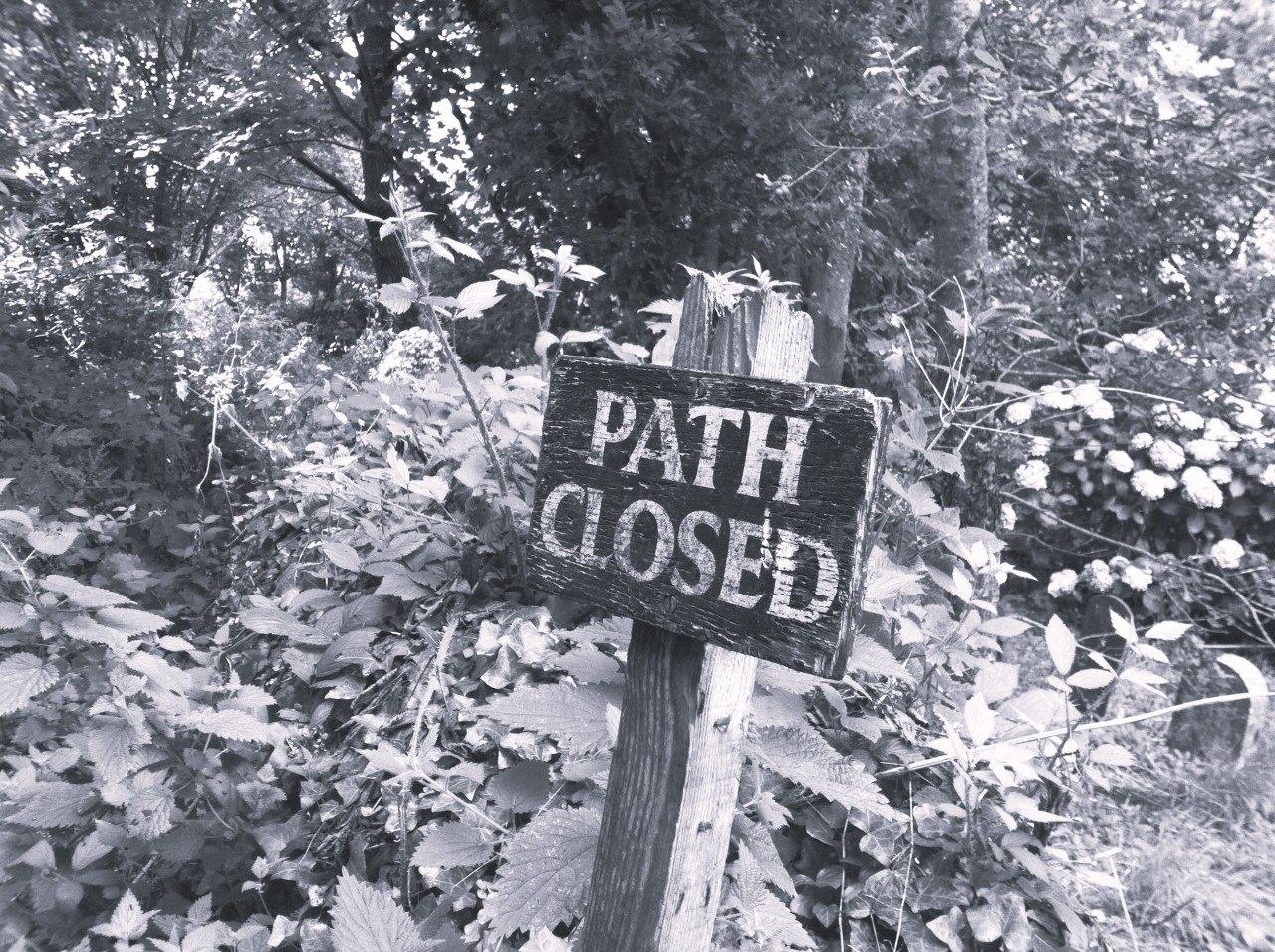
You Don’t Have to Be an Influencer to Make an Influence

We live in a world that measures impact by numbers.

Followers.
Likes.
Views.
Shares.

Somewhere along the way, we started believing that influence requires visibility — that if you don’t have a platform, a brand, or a loud presence online, your voice doesn’t matter.

But that simply isn’t true.

You don’t have to be an influencer to make an influence.

Real influence doesn’t come from being seen by thousands.
It comes from being felt by someone.


Influence Is Not the Same as Attention

Attention is loud.
Influence is quiet.

Attention looks like being watched.
Influence looks like being remembered.

Influence happens in moments no algorithm ever tracks:

  • When you listen instead of interrupt
  • When you show kindness without needing credit
  • When you speak truth gently but honestly
  • When you choose integrity even when no one is watching

Some of the most influential people in our lives never posted a thing. They didn’t try to lead. They simply lived in a way that made others feel safer, braver, or more understood.

That kind of influence doesn’t fade when the screen goes dark.


The Smallest Actions Often Carry the Greatest Weight

We tend to underestimate the impact of everyday moments.

A conversation that makes someone feel seen.
A boundary that gives someone else permission to set their own.
A decision to choose yourself that inspires someone watching quietly.

You may never know who noticed.
You may never hear the thank-you.
You may never see the ripple.

But it exists.

Influence doesn’t announce itself. It moves quietly, person to person, moment to moment.

And often, the people who influence us the most are the ones who never tried to.


You Are Influencing More Than You Realize

Whether you intend to or not, your life is speaking.

Your choices.
Your reactions.
Your boundaries.
Your courage.

Someone is watching how you handle disappointment. How you talk about yourself. How you treat people who can’t do anything for you. How you walk through hard seasons.

You don’t need to be perfect to be influential. You just need to be honest.

Because authenticity resonates far more deeply than performance ever could.


Influence Comes From Alignment Not Approval

Many people chase influence by trying to be liked.

They soften their truth.
They avoid discomfort.
They stay quiet when they should speak.

But real influence comes from alignment — from living in a way that reflects who you truly are, even when it’s inconvenient.

When you live aligned, you give others permission to do the same.

That’s influence.

When you stop people-pleasing and start self-respecting, someone else learns they can too. When you choose growth over familiarity, someone else finds the courage to move. When you show up as yourself, without apology, someone else feels less alone.


You Don’t Need a Stage to Lead

Leadership doesn’t require a microphone.

Some of the strongest leaders lead by example — in families, friendships, workplaces, and communities. They model what it looks like to take responsibility, to repair mistakes, to stay curious, to choose compassion without self-abandonment.

They don’t seek recognition.
They don’t need applause.

They simply live their values.

And people notice.

Influence rooted in character lasts longer than influence rooted in popularity.


Your Presence Matters More Than Your Reach

We often confuse reach with impact.

Reach is how many people you touch.
Impact is how deeply you touch them.

You can reach thousands and change nothing.
You can reach one person and change everything.

Never underestimate the power of showing up fully in the spaces you already occupy. The room you’re in. The relationship you’re in. The moment you’re in.

That’s where influence lives.


Influence Is Built in Integrity

What you do when no one is watching matters.
What you choose when it’s hard matters.
How you treat yourself matters.

Influence isn’t about convincing others to follow you — it’s about being someone worth following.

And that starts with how you live when there’s nothing to gain.


You Are Already Enough to Make a Difference

If you’ve ever felt like your voice is too small, your life too ordinary, or your reach too limited, let this be your reminder:

You don’t need a title.
You don’t need a platform.
You don’t need permission.

Your kindness matters.
Your honesty matters.
Your courage matters.

You are influencing more than you know — just by being you.


SLAY Reflection

Let’s reflect, SLAYER:

S: Who has influenced you in your life without ever seeking attention or recognition?
L: Where in your life do you underestimate the impact of your presence or choices?
A: How could you live more intentionally, knowing your actions matter?
Y: What would change if you trusted that who you are is already enough to make an influence?


Call to Action: Join the Conversation

I’d love to hear from you.
Who has made a meaningful influence in your life without being “visible” — or where do you see yourself making one quietly?
Share your story in the comments. Let’s cheer each other on.

And if you know someone who feels unseen or insignificant, send this to them.
Sometimes, all we need is a nudge.

You Can Forgive Someone Without Giving Them Access to You

Forgiveness is freedom, not a front-row pass

There’s a moment in healing that feels like a crossroads.
You’ve done the work.
You’ve cried the tears.
You’ve processed the pain.
And you finally arrive at forgiveness — not to excuse what was done, but to release what it did to you.

But then comes the question that catches so many of us off guard:

Does forgiving someone mean they get to come back?

For years, I thought the answer was yes.

I believed forgiveness meant reconciliation.
I believed healing meant returning to the way things were.
I believed I had to reopen the door simply because I had released the hurt.

But with time, experience, heartbreak, boundary-setting, and a few painfully earned lessons, I learned the truth:

You can forgive someone and still deny them access to you.
Forgiveness is a gift you give yourself.
Access is a privilege they have to earn.

Those two things are not the same.


Forgiveness Isn’t a Free Pass

Forgiveness is often misunderstood. Many people think it means:

  • “We’re good now.”
  • “It wasn’t that bad.”
  • “Let’s forget it happened.”
  • “The relationship should go back to normal.”

But forgiveness does not rewrite history. It does not minimize harm. It does not pretend you weren’t hurt.

Forgiveness simply means:
“I’m releasing the emotional hold this has on me.”

It’s internal.
It’s personal.
It’s sacred.

Forgiveness is about you finding peace — not about making someone else comfortable.

You can forgive someone and still say:

  • “I no longer trust you.”
  • “Your behavior hasn’t changed.”
  • “My boundaries matter.”
  • “This relationship is not safe for me.”
  • “I choose to love myself enough to step away.”

And every one of those statements can exist perfectly alongside forgiveness.


Access Requires Accountability

Here’s the part most people don’t understand:

Forgiveness is unconditional.
Access is not.

Access requires:

  • Changed behavior
  • Accountability
  • Consistency
  • Respect
  • Emotional safety
  • Mutual effort

If someone wants a place in your life, their actions should reflect it.
Their words should align with their behavior.
Their presence should feel safe, not draining.
Their energy should add, not take.

You don’t deny access out of spite.
You deny access because your peace is non-negotiable.

It is not punishment.
It is protection.

People who truly care about you will understand that.
People who don’t will call it “overreacting” or “holding a grudge,” simply because they no longer benefit from your openness.


Forgiveness Without Reconciliation Is Still Forgiveness

A lot of people grew up being taught that forgiveness meant you had to:

  • rebuild relationships
  • pretend nothing happened
  • stay connected
  • be endlessly available

But that version of forgiveness keeps you trapped.
It keeps you small.
It keeps you in cycles of harm.

Forgiveness without reconciliation is still forgiveness.
You can release resentment without reopening the door.
You can wish someone well from a distance.
You can send them love and keep them out of your life.

There is power in that duality:

“I forgive you.
And you still don’t get access to me.”

Both can be true.
Both can be healthy.
Both can be healing.


Protecting Your Peace Is an Act of Self-Respect

There comes a point where you stop asking:

“Do they deserve another chance?”

And start asking:

“Does this support my peace, my growth, and my well-being?”

Sometimes the answer is yes.
Sometimes it’s no.
Sometimes it’s “not right now.”

And sometimes it’s “never again.”

Choosing distance is not bitterness.
It’s clarity.
It’s self-respect.
It’s honoring the version of you who finally learned what they deserve.

There is nothing unkind about protecting your emotional, mental, or physical safety.
There is nothing cruel about refusing to reenter the same cycle.
There is nothing wrong with outgrowing people who continue to harm you — even if you love them.

Protecting your peace is not a betrayal of love —
it’s a commitment to yourself.


Rebuilding Is a Choice, Not an Obligation

Some people will change.
Some people will grow.
Some people will show up differently.

And if that happens — and if you want to rebuild — that choice is yours.

But rebuilding should never come from guilt.
Or pressure.
Or obligation.
Or fear of what other people will think.

A relationship can only be rebuilt on:

  • truth
  • accountability
  • honesty
  • change
  • mutual respect
  • time
  • consistency

Not empty promises or short-term effort.

You decide what access looks like.
You decide what level of connection you’re open to.
You decide whether the door is closed, cracked, or locked.

You don’t owe anyone an explanation.
Your healing is not a group decision.


Forgiveness Sets You Free — Not Them

One of the most liberating things you’ll ever learn is this:

Forgiveness is not for them.
It’s for you.

It frees your mind.
It clears your heart.
It releases the emotional weight tethering you to the past.

But it does not require:

  • returning
  • reconciling
  • reconnecting
  • reopening
  • reengaging

Your healing does not depend on the relationship surviving.
Some chapters end so you can reclaim your peace.
Some endings are the closure you’ve been searching for.
Some boundaries are the doorway to your freedom.

Allowing someone access again is an entirely separate choice — one they must earn, not one automatically granted because you chose your own healing.


SLAY Reflection

S — Sit With Your Truth

What relationship in your life have you maintained out of obligation rather than genuine safety or connection?

L — Look at the Pattern

Have you confused forgiveness with permission in the past? What did that lead to?

A — Align With Your Values

What boundaries need to be honored for you to feel emotionally safe again?

Y — Yield to Growth

How can you release the hurt while still protecting your peace moving forward?


Call to Action: Join the Conversation

I’d love to hear from you.
When have you forgiven someone but still chosen distance — and how did that decision support your healing?
Share your story in the comments. Let’s cheer each other on.

And if you know someone who’s working on releasing hurt without reopening old wounds, send this to them.
Sometimes, all we need is a nudge.
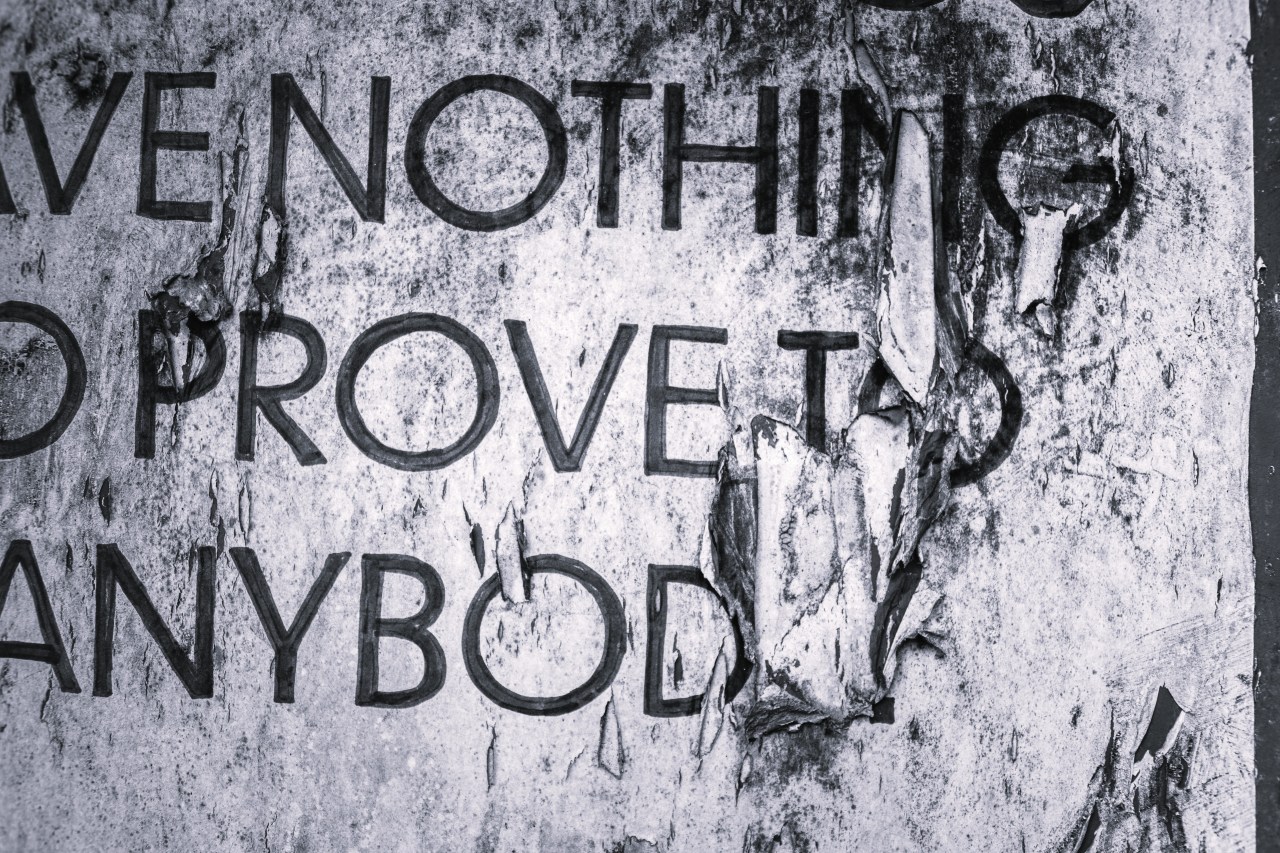
Slay Say

HEALING DOESN’T ALWAYS LOOK LIKE HARMONY

It can feel like you’re turning your back on everything familiar—but what if you’re turning the page instead?
Growth isn’t always gentle. Sometimes it’s loud. Sometimes it’s lonely. But choosing a new direction doesn’t mean rejecting your roots—it means rising from them.
You’re not abandoning your story.
You’re rewriting the ending.

SLAY on!

Find Your People, Find Your Truth

For most of my life, I felt like a chameleon. I’d shift and mold myself to fit the people I was around. I convinced myself that if I acted the way they wanted—or the way I thought they wanted—I’d finally belong. But deep down, it didn’t feel right. And often, I’d leave those interactions feeling drained and wondering, “What’s wrong with me?”

I’d watch others with envy. They seemed to flow effortlessly through social situations, forming connections with ease. I couldn’t understand why it felt so hard for me. Why did it feel like everyone else had the key to belonging, while I was stuck on the outside looking in? I’d analyze every interaction, wondering what I did wrong, why I couldn’t seem to fit.

The truth is, it wasn’t about being wrong. It was about being in the wrong rooms.


The Missing Piece: Discovering Self-Truth

It wasn’t until I began my journey of self-discovery that the truth hit me: there was nothing wrong with me. I just wasn’t with the right people. I wasn’t being true to myself, and I wasn’t choosing connections that were aligned with who I really was—because, if I’m honest, I didn’t even know who I really was.

I’d spent so long being a version of myself that I thought others wanted me to be, that I lost touch with my core. The parts of me that were silly, passionate, curious, and maybe a little bit weird were buried under layers of trying to fit in. I muted my personality. I downplayed my dreams. I laughed at jokes I didn’t find funny. I agreed with opinions I didn’t fully believe in. All because I thought that was the way to be accepted.

But acceptance built on pretending is fragile. It’s conditional. It’s a house of cards ready to collapse the moment you stop performing.

Those people I admired weren’t more skilled or more likable than me—they were just authentic. They were showing up as themselves, unfiltered and unafraid. I, on the other hand, was performing a version of me I thought was acceptable. And in doing so, I was hiding the parts of myself that actually made me unique and magnetic.


Why Authenticity Feels So Hard

For so many of us, the idea of being our true selves feels risky. Maybe we’ve been hurt in the past when we showed vulnerability. Maybe we’ve faced rejection, criticism, or ridicule. Maybe we grew up in environments where it wasn’t safe to be fully seen. Over time, we learn to armor up. We put on masks. We adapt.

But here’s the thing: that armor may protect us from pain, but it also shields us from connection. When we hide our truth, we also hide our light.

The reason social situations felt so hard for me wasn’t because I was broken or unlikable. It was because I wasn’t showing up as me. I was exhausted from pretending. And deep down, I felt the ache of knowing that I wasn’t being true to myself.


The Shift: Coming Home to Yourself

Everything changed when I started to get curious about who I really was. I asked myself hard questions:

  • What do I truly value?
  • What brings me joy?
  • What kind of people energize me instead of draining me?
  • What parts of myself have I been hiding, and why?

The answers were both surprising and freeing. I realized that the right people—the ones who would become my “chosen family”—weren’t the ones I had to impress. They were the ones who loved me for me. They were the ones who felt easy to be around, where conversations flowed, laughter was real, and silence was comfortable.

I stopped chasing approval from people who didn’t value my authenticity. I started prioritizing connections that felt reciprocal, nourishing, and aligned with my values. Slowly, my circle shifted. And with it, so did my confidence.


Finding Your People

Finding your people doesn’t happen overnight. It takes patience and courage. It requires being honest with yourself about the relationships in your life:

  • Are you giving more than you’re receiving?
  • Do you feel energized or depleted after spending time with them?
  • Do you feel safe enough to be fully yourself?

If the answer to any of those questions is “no,” it might be time to reevaluate.

Here’s what I’ve learned: the right people will get you. You won’t have to explain yourself or perform. They’ll love your quirks, celebrate your wins, and hold space for your struggles. They’ll lift you up, not tear you down.

And the beautiful thing is, when you start showing up as your true self, you naturally attract those people. Authenticity is magnetic. When you let your real light shine, it draws others who resonate with that light.


The Liberation of Letting Go

One of the hardest but most liberating steps is letting go of relationships that no longer serve you. It doesn’t mean those people are bad or wrong; it just means they’re not your people.

Letting go creates space—space for new connections, space for self-growth, and space for deeper alignment. It allows you to breathe easier, to trust more, and to open your heart to those who are meant to walk this journey with you.

I promise you this: when you find your people, you’ll look back and realize that you were never broken or wrong. You were simply waiting for the right connections to show you how beautiful and worthy you’ve always been.


Your Light Is Needed

Here’s what I want you to remember, SLAYER: you don’t have to dim your light to fit in. The world doesn’t need a watered-down version of you. It needs you—fully, unapologetically, courageously you.

When you find your people, everything clicks into place. Life feels easier. Conversations feel more meaningful. Connections deepen. And you start to trust yourself in ways you never thought possible.

Because finding your people isn’t just about them—it’s about you finding yourself. It’s about coming home to your truth and realizing that you were never meant to fit in. You were meant to stand out.


SLAY Reflection

Take a moment to reflect and journal on these questions, SLAYER:

  • S: Where in your life are you still trying to fit in instead of standing out?
  • L: What relationships make you feel most like yourself? How can you nurture those?
  • A: Who or what do you need to let go of to make space for the right people?
  • Y: What’s one brave step you can take today to embrace your authenticity and attract your true community?

Call to Action: Join the Conversation

I’d love to hear from you.
Have you found your people, or are you still searching?
Share your story in the comments. Let’s cheer each other on.

And if you know someone who’s struggling to find their place, send this to them.
Sometimes, all we need is a nudge.

At A Rare Loss For Words

It’s not often I’m at a loss for words. Ask anyone who knows me well, and they’ll tell you—I’ve always got something to say. But lately? Lately, I’ve felt more shaken. Disheartened. I’ve struggled to find the right words in the face of what feels like an unraveling of the world around me.

If you’ve been reading the blog or following State of Slay™ for a while, you know I try to focus on growth, light, and resilience. I look for the lesson. The shift. The silver lining. And I’ve been trying to do that even as it feels like the people and places around me are falling apart.

Yesterday, it hit hard. I sat in my car, parked outside a store, completely unable to get out. I was paralyzed by the weight of it all—the lies, the selfishness, the lack of empathy. I’ve been feeling it for a while now: the anxiety of living in a place that doesn’t feel safe, the exhaustion of building something meaningful in uncertain times, the strain of trying to uplift others when I’m struggling to hold myself up.

A friend recently said they missed my positive energy. I mentioned I’d been a little low, and they replied that they’d noticed—but didn’t ask why. Didn’t check in. I get it. We all have a lot going on. But if we lose that connection—if we stop checking in on each other—what do we have left?

I know how I’ve made it this far: community. Support. A deep belief that light exists, even when it’s dim. My flame may be flickering, but it’s not out. And I know where to look to ignite it again.


When Darkness Feeds Itself

Before recovery, I thrived in the dark. I fed off negativity. I surrounded myself with people who mirrored my pain—people who used me, hurt me, and validated my belief that I wasn’t worthy of love or light. I clung to the victim narrative because it was easier than owning my part.

That mindset? It’s poison. It makes you believe that happiness is something someone else gives you. But real happiness—the kind that lasts—comes from living with integrity. From taking responsibility for our actions, our energy, and our healing.

Recovery taught me that the road to peace is paved with truth. That my actions, not my intentions, define who I am. That I get to choose how I show up in the world. And that means something, especially in times like these.


Be the Person You’re Proud Of

We’re all going through something. Some days are heavier than others. But now more than ever, we need to lift each other up—not tear each other down. We need to ask the extra question, send the check-in text, give the benefit of the doubt.

We need to be someone we can be proud of.

A few months ago, I asked: When all of this is over, will you be proud of who you were?

If you hesitate to answer, it’s time to get honest.

Choose compassion. Choose kindness. Choose truth. Choose to be the light—even if your flame is just a spark right now.

SLAY on.


SLAY Reflection: Are You Someone You’d Be Proud Of?

  • Have you been living in integrity—with yourself and others?
  • Where have you fallen short? What can you do to make it right?
  • Are you showing up for others—or just for yourself?
  • What has your energy been like lately? How are you affecting the spaces you enter?
  • What’s one action you can take today to reconnect—with others and with yourself?

Call to Action: Join the Conversation

I’d love to hear from you.
What’s one thing you’ve done recently that made you proud—or one thing you want to do to course-correct?
Share your story in the comments. Let’s cheer each other on.

And if you know someone who’s feeling disconnected or dim, send this to them.
Sometimes, all we need is a little light to find our way back.

Be A Light, Not A Fixer

It’s in our nature to want to help—especially when someone we care about is struggling. We offer advice. We brainstorm solutions. We try to fix what’s broken. But more often than not, people don’t want to be fixed. They want to be seen. Heard. Accepted. And the greatest gift we can offer them isn’t a fix—it’s our light.


When Advice Isn’t What’s Needed

Before walking this path, I never wanted advice.

When someone tried to tell me how to live or what to do, I’d shut down. My ears would ring with resistance. I wasn’t ready to hear it—even when it came from love.

What did make a difference? Watching someone who had been where I was… live differently. Heal differently. Shine differently. Their life, not their advice, became the spark that lit something in me. It was their example—not their instruction—that showed me another way was possible.


We’re Not Here to Fix

Seeing someone in pain can awaken our need to act. We want to step in. To fix. To redirect. But when that urge becomes overwhelming or obsessive, it’s worth asking: What’s really going on inside me?

Being a fixer can sometimes be about control—about our discomfort with someone else’s struggle. But healing doesn’t work that way. It can’t be forced. It can only be chosen.

We’re most powerful when we walk the walk. When we focus on our own healing, our own growth, our own joy—and let that speak for itself.


Let Your Light Speak

Years ago, someone from my past reached out unexpectedly. We hadn’t always gotten along, and they’d never asked me for advice before. But something had shifted. They saw how I’d changed. How I was living. And they wanted to know how.

That conversation never would’ve happened if I’d tried to force a message down their throat. But because I simply lived my truth—and shared my light—they were able to find their own courage to ask for more.

Being a light isn’t about being perfect. It’s about being real. Radiating kindness. Living with integrity. And creating space where others can feel safe enough to begin their own healing.

So the next time you feel the pull to fix someone, pause. Instead, ask yourself how you can shine a little brighter today—and trust that your light is doing more than you think.

SLAY on.


SLAY Reflection: Are You a Fixer or a Light?

  • Do you often feel the urge to fix others? Where does that come from?
  • What usually happens when you try to solve someone else’s problems?
  • Have you been inspired by someone simply by the way they live? What stood out?
  • Are you open to letting others find their path in their own time?
  • How can you focus more on being an example rather than a solution?

Call to Action: Join the Conversation

I’d love to hear from you.
How have you learned to shine instead of fix?
Share your story in the comments. Let’s cheer each other on.

And if you know someone who’s feeling the weight of wanting to fix it all, send this to them.
Sometimes, all we need is a shift—from fixing to shining.

Adversity Shows Us Who We Are

In my journey, I’ve been through deep adversity before, and it has always shown me who I am. I haven’t always liked what I’ve seen, but I’ve come to understand that I have the power to change it.


Facing Ourselves

In our daily lives, we often fill our days with busyness—things that distract us from what we may not want to face about ourselves: our behaviors, our patterns, and the places we choose to live emotionally day after day. It’s easy to focus on other people, on places and things, and avoid the inner work that requires honesty. For much of my adult life, I did exactly that. I numbed, distracted, and ran from myself until I hit an emotional and spiritual bottom. Suddenly, I had no choice but to face who I truly was.

It wasn’t easy. I had spent so long running from my feelings and stuffing down the emotions I didn’t want to admit even existed. Looking at myself felt nearly impossible. But adversity leaves us with two choices: give up and sink deeper or choose to fight for our lives.


Surrender Is Strength

The adversity I faced with my mental health forced me into a corner. To survive, I had to surrender and ask for help. The word surrender used to feel like weakness to me. I thought it was something only people who weren’t strong did. But the moment I let go, the moment I admitted I couldn’t do it alone, was the strongest decision I ever made.

That act of surrender allowed me to take my power back. It was only the start—I had to continue to be honest about myself and my past. That honesty wasn’t always easy, but if I was ever going to build a life worth living, I had to stop hiding behind lies and half-truths. I had to commit to showing up for myself fully.


Looking in the Mirror

When the curtain is pulled back and all you’re left with is a mirror, there is no moment more humbling. I stood there and saw hate, sadness, and defeat staring back at me. But I was encouraged to find even one small good thing, one spark of light. It was hard at first, but even the smallest bit of goodness was a starting point. From there, I could begin to rebuild.

The journey from self-hatred to self-love wasn’t easy, but every step, every tear, and every hard truth was worth it. Today, I can look in the mirror with compassion and gratitude for how far I’ve come.


Adversity in the Present

Today, we face a new kind of adversity. It’s one that isn’t of our own making, but it affects every part of our lives. As we’re forced to slow down, to pause the busyness we’ve come to rely on, this adversity is holding up a mirror once again.

This time offers us the opportunity to see who we truly are. If we don’t like what we see, life is giving us a chance to change. Maybe that’s one of the greatest lessons from this pause: a reset, an opportunity to return to ourselves and realign with what really matters.

This is a time to shine—not only for ourselves but for those who need our light. It’s an invitation to reflect, to reset, and to emerge stronger and more grounded.

Are you liking what adversity is showing you? If not, it’s time to get to work.

SLAY on.


SLAY OF THE DAY

  • Have there been times in your life where adversity has shown you who you are?

  • Did you like what you saw?

  • What did you do to change that?

  • During this time of adversity, are you liking what you’re seeing?

  • What don’t you like? What can you do to change it?

  • Reflect and make some changes. Love yourself through them, and remember: we’re all walking through this together.


Call to Action: Join the Conversation

I’d love to hear from you.
What has adversity shown you about yourself, and how are you working to change or embrace that?
Share your story in the comments. Let’s cheer each other on.

And if you know someone who’s navigating their own adversity, send this to them.
Sometimes, all we need is a nudge.

You Can Get Anything Done If You Don’t Need Credit For It

We live in a world obsessed with recognition—likes, shares, shout-outs. But what if your greatest impact comes from what no one sees? What if your legacy isn’t built on applause, but on quiet action? What if you stopped needing credit and just… did the thing?

That was a tough pill for me to swallow. I used to chase validation like it was the prize. If I didn’t get credit, did it even count? I justified everything I did—calling it generous, kind, helpful—but really, I wanted to be seen. I wanted acknowledgment. I wanted control. But all of that masked a deeper truth: I needed to feel enough.

When I began my recovery journey, I was given a powerful suggestion: do something kind for someone—and don’t tell anyone about it. At first, that felt… impossible. If no one knew, how could I feel worthy? But I tried it anyway. And you know what? It worked. Doing good for the sake of doing good shifted something in me.


You Don’t Need Credit to Be Powerful

Let’s be real—most of us were raised in a world where “good behavior” came with gold stars. We learned that praise = worth. But here’s the truth:

When you stop seeking applause, you start discovering real power.

Doing the right thing just because it’s right builds integrity, resilience, and self-trust. It silences the inner critic. It quiets the noise. And it rewires our motivation—not for performance, but for purpose.

If your only fuel is someone else’s approval, you’ll run out of gas fast. But when you’re moved by values, by love, by truth—you become unstoppable.


Get Focused On the Mission—Not the Applause

Too often we place the success of something on whether or not it’s recognized. We post, we share, we wait for the reaction—and when it doesn’t come? We question ourselves. We downplay the win. We wonder if it was worth it.

But here’s the thing: You get to be proud even if no one claps.

The moment you detach from needing praise, you become free. Free to create. Free to give. Free to lead. When your validation comes from within, the outside world can’t shake you.

That’s how you build self-esteem—by doing esteemable acts, especially when no one is watching. Your self-worth isn’t in their hands. It never was.


Do It for You—And Let That Be Enough

Start by asking yourself: Why am I doing this? Is it to feel connected? To make a difference? To step into your purpose? Let that be your anchor.

And when you do something kind, bold, or brave? Sit with it. Let the moment speak for itself. No need to announce it. No need to chase praise. You already did the thing.

That’s the win. That’s the reward. That’s the work.

You are enough—without the tag, the trophy, or the credit. Just you, showing up in quiet, powerful ways. That’s the kind of SLAY that shifts the world.


SLAY Reflection

  1. Do you struggle with needing validation after you’ve achieved something?
  2. How does seeking credit impact your relationships—with others or yourself?
  3. Have you ever done something anonymously or without recognition? How did it feel?
  4. What motivates you more—acknowledgment or impact?
  5. What would change if you started measuring success by how you feel rather than how you’re seen?

S-L-A-Y:

  • Serve from a place of purpose, not praise.
  • Let go of the need for credit.
  • Act with integrity—especially when no one’s watching.
  • You define your own worth.

Call to Action: Join the Conversation
I’d love to hear from you.
Have you ever done something powerful without needing credit? How did that change you?
Share your story in the comments. Let’s cheer each other on.

And if you know someone who’s stuck waiting for approval, send this to them.
Sometimes, all we need is a nudge.
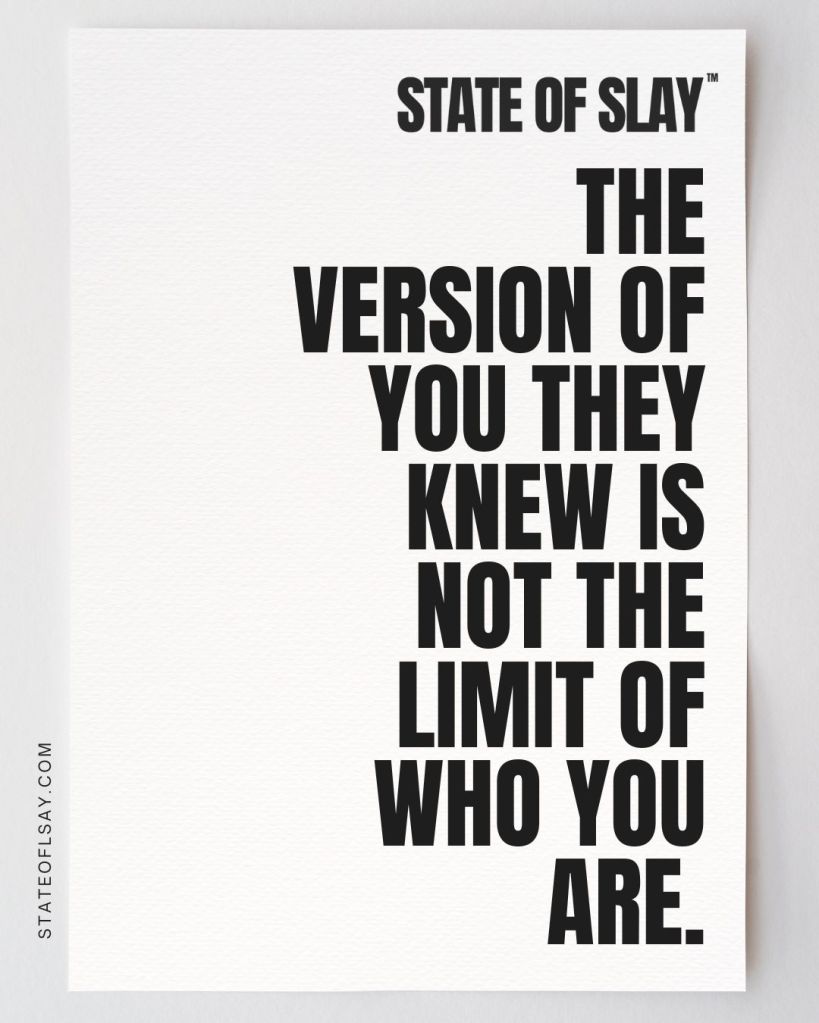
Guilt Is Trying To Control The Past, Fear Is Trying To Control The Future

All we have control over is the right here and now. And even then, really, we only have control over how we respond to it. Sure, we can take action to work toward a goal, or choose actions that align with our best selves, but control, in the way we often seek it, is an illusion.

When we try to control the uncontrollable, we send ourselves spinning off into a task we cannot complete. Many times, our need or want for control manifests itself in guilt and fear. We feel guilt over what we have done in the past, over words unspoken or actions not taken. We feel fear about what has yet to happen, worrying we won’t do what we should or won’t get what we want. Neither of these places is a healthy place to live.

Instead of pouring energy into trying to control what has already happened or what has yet to come, we should focus on what we can do in this given moment.


The Trap of Guilt and Fear

When I was living in the dark, I spent a lot of time in the past and the future. The present felt lonely and terrifying. Even though I found no real comfort in reliving the past or projecting into the future, it still seemed better than facing where I was.

I spent thousands of hours berating myself over past moments, decisions, and imagined better responses. I sat paralyzed with fear over what might come next. This cycle of guilt and fear kept me sick for years, until finally the present moment became too unbearable to ignore.


Learning to Stay in the Now

It took a lot of courage to sit in the present, to truly listen, to sit still, and to focus only on what was in front of me. It was deeply uncomfortable at first. My anxiety would spike. But I was told to breathe through it, to find some comfort there. It took a lot of breathing, but the breath was the key to walking through my anxious thoughts and learning to stay rooted in the here and now.

Like any new behavior, the more it is practiced, the easier it gets—leaving room for days when it still feels almost impossible. But with willingness, it’s a practice that can be strengthened.


Reflection and Awareness

Today, my mind still wanders back to the past or into the future, but I know I can’t control either. When it happens, I take note of why. Is there unfinished business? Is my mind leaping forward because I’m avoiding something in the present?

I’ve learned that I can’t control life—past, present, or future—but I can control how I respond to it. I can control the actions I take to prepare for what’s to come and the steps I take to stay true to my path today.


The Freedom of Presence

It’s easy to escape the present by dwelling on the past or fretting over the future. But doing so robs us of the moments right in front of us—the ones that deserve our respect and love.

We all have an abundance of choices each day. All we can do is the best we can in each moment. Yes, we may look back and wish we’d done things differently, but instead of guilt, we can use those lessons to guide us. When we implement those lessons in our present day, we free ourselves from unnecessary fear about the future.

All we truly have is right here, right now. The next move is yours to make—choose the one that keeps you grounded.

SLAY on.


SLAY OF THE DAY:

  • Do you tend to live in the past or future?

  • What is the result of that?

  • How does it help you? How does it harm you?

  • What keeps you from living in the present moment?

  • How can you change that?

  • What do you try to control in your life? Are you able to?

  • How does it affect you when you can’t?

  • Do you suffer from guilt or fear? How so?
    SLAYER, the action we can take is in this moment—everything else is out of our hands. Use this moment to do something your future self will thank you for.


Call to Action: Join the Conversation

I’d love to hear from you.
Do you find yourself stuck in guilt or fear? How do you bring yourself back to the present moment?
Share your story in the comments. Let’s cheer each other on.

And if you know someone who’s wrestling with guilt or fear, send this to them.
Sometimes, all we need is a nudge.

You Don’t Have To Be A Bully To Win

Choosing Strength Without Losing Yourself

There’s a moment many of us can point to — where we made ourselves smaller so someone else could feel bigger. Where we let a louder voice drown out our quieter truth. Where we convinced ourselves that the only way to keep peace, keep harmony, keep connection… was to let someone else take the spotlight or the power.

I’ve been there more times than I can count.

And for a long stretch of my life, I believed a dangerous lie:
That the only way to win was to push, dominate, or overpower.
That the world rewarded sharp edges, not steady hearts.
That kindness was weakness, and compassion was a liability.

Except… every time I tried to step into that version of “strength,” I felt like I was abandoning myself. Winning didn’t feel like winning if I had to step out of integrity to get there. It felt hollow. It felt false. It felt like I was playing a role someone else demanded of me.

It took years to understand what I know now:

The loudest person in the room isn’t the strongest — just the loudest.
Real power doesn’t need to humiliate anyone to stand tall.
And you never have to be a bully to win.


The Myth of “Hardness” as Power

So many of us grew up observing people who led with fear, not respect. Maybe it was in our home, our school, our workplace, or even our friendships. People who believed intimidation equaled leadership. People who measured their worth through dominance. People who confused cruelty with competence.

Maybe those were the people who seemed to get rewarded. They got attention. They got results. They got their way.

And somewhere along the line, we internalized the belief that:

  • If we wanted to succeed, we had to be more like them.

  • If we stayed soft, we’d get run over.

  • If we stayed compassionate, we’d get crushed.

But here’s the truth we weren’t taught:

Strength without empathy is insecurity.
Confidence without humility is ego.
Power without kindness is fear dressed as control.

None of that is leadership.
None of that is winning.
None of that is sustainable.

Power built on intimidation crumbles the moment someone refuses to be intimidated.


Kindness Is Not Weakness — It’s Precision

People often misunderstand compassion. They confuse it with people-pleasing. They mistake boundaries for cruelty and softness for passivity.

But kindness is not a lack of backbone.
Kindness is not the absence of truth.
Kindness is not silence in the face of harm.

Kindness is precision.
It’s the ability to see clearly when others act from fear.
It’s the ability to hold your shape instead of collapsing into theirs.
It’s the bravery to choose integrity even when someone else chooses force.

Kindness is strength with the volume turned down — and the clarity turned up.

Winning with kindness means:

  • You don’t betray yourself.

  • You don’t hurt others to lift yourself higher.

  • You don’t weaponize your voice or your power.

  • You don’t step outside your values to gain validation.

It means you succeed as yourself, not as a costume someone else taught you to wear.


Standing Strong Without Striking Back

There is a quiet moment — the moment between hurt and response — where we decide who we want to be.

When someone else raises their voice, throws their weight around, or tries to provoke a reaction, you get to choose:

Do you match their energy?
Or do you rise above it?

Do you let their behavior define the moment?
Or do you let your integrity define you?

Choosing not to bully back is not weakness.
Choosing not to belittle is not submission.
Choosing not to retaliate is not letting them win.

It’s choosing peace over chaos.
It’s choosing self-respect over reactivity.
It’s choosing your future over a moment of validation.

Strength isn’t proven through force — it’s proven through discipline.


Winning By Staying in Integrity

Here’s what no one tells you:

When you stop engaging in someone else’s game, they lose control of the scoreboard.

Winning without bullying looks like:

  • Setting a boundary and sticking to it.

  • Walking away from disrespect instead of debating it.

  • Saying “No” without explanation or apology.

  • Refusing to match someone else’s cruelty.

  • Choosing peace even when chaos tempts you.

  • Being confident enough not to dominate.

  • Leading by example, not intimidation.

When you choose integrity, you reclaim the power they hoped you’d abandon.

When you choose grounding, you interrupt the cycle.

When you choose compassion — for yourself and others — you create a new standard of strength.

And when you stop trying to outperform someone’s ego, you start outperforming your own past.


You Win Every Time You Don’t Become What Hurt You

What if winning isn’t about beating someone else?

What if winning is:

  • Becoming who you needed when you were younger

  • Responding instead of reacting

  • Growing instead of repeating patterns

  • Standing tall without stepping on anyone

  • Being the person who breaks generational cycles

  • Choosing softness in a world that worships hardness

What if the real victory is becoming someone you’re proud of?

Because every time you refuse to become what tried to break you, you win.

Every time you choose compassion over ego, you win.

Every time you stay rooted instead of rattled, you win.

Every time you lead with integrity, you win.

You don’t have to be a bully to win.
You just have to be brave enough to stay yourself.


SLAY Reflection

Take a moment and check in with yourself. Let these questions guide what comes next:

S — Sit With Your Truth

Where in your life have you believed you had to act harder, sharper, or louder just to be heard?

L — Look at the Pattern

Who taught you that compassion was weakness? And were they actually strong — or simply scared?

A — Align With Your Values

How can you choose strength with kindness in the next conflict or challenge?

Y — Yield to Growth

What becomes possible when you stop fighting battles that require you to betray yourself?


Call to Action: Join the Conversation

I’d love to hear from you.
When have you chosen integrity over intimidation, and how did it change the outcome?
Share your story in the comments. Let’s cheer each other on.

And if you know someone who’s trying to find their power without losing their kindness, send this to them.
Sometimes, all we need is a nudge.