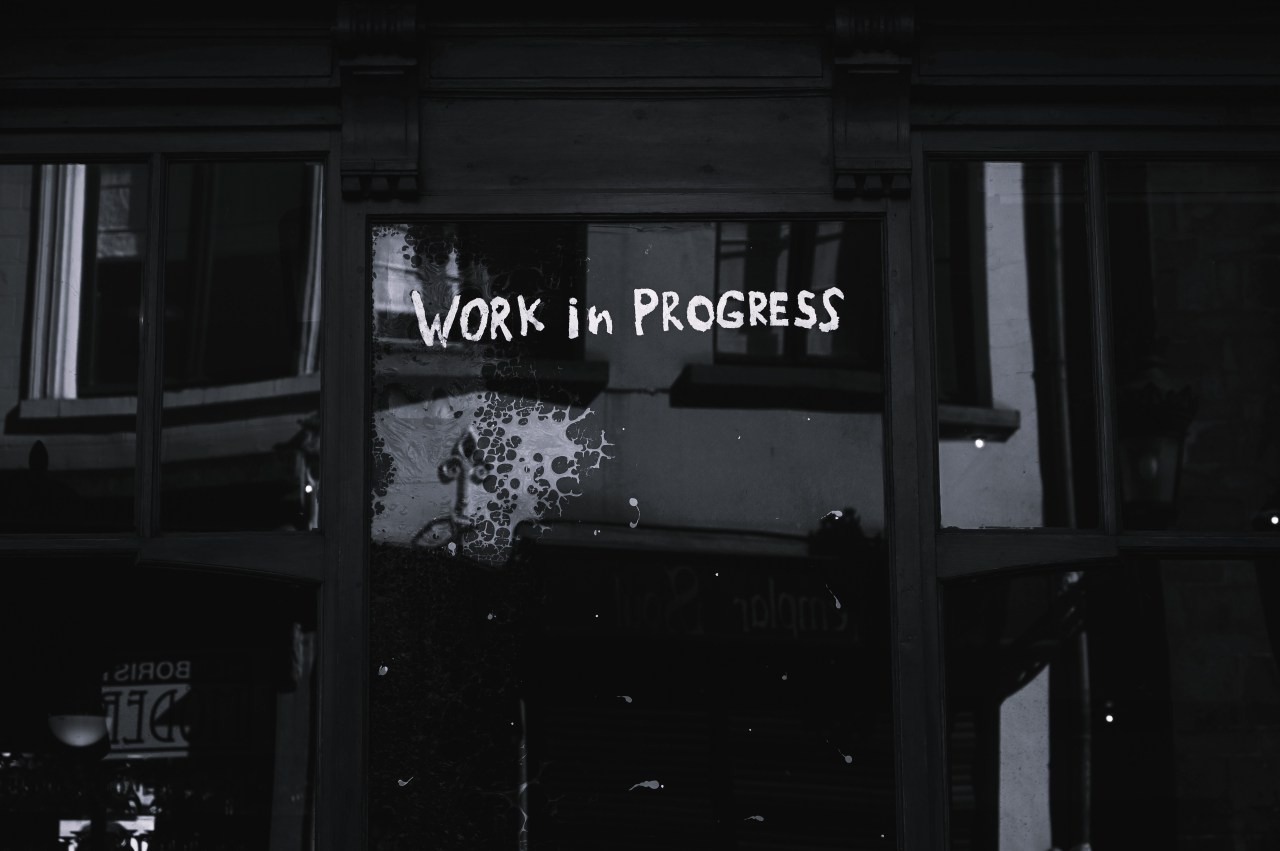
Your Mind Replays What Your Heart Cannot Delete

We’ve all been there—tossing and turning, unable to fall asleep, replaying a conversation or event from the past. Wishing we had responded differently. Wondering why it still hurts. Telling ourselves to let it go—but we can’t.

Our mind replays what our heart hasn’t yet released.

It’s like our brain is trying to rewrite the story to heal us, but instead, the loop only deepens the ache. Until we learn to extract the lesson, offer ourselves grace, and let go of what we can’t change, we keep ourselves stuck in the pain of yesterday.


Before the Release: The Cycle of Replay

Before walking this path, I never let anything go.

I was a walking vessel of resentment. Conversations looped in my head for days, weeks—sometimes years. I’d even replay them out loud, alone in my room, beating myself up for not saying the “right” thing or for freezing in the moment.

The weight of those replays followed me into new relationships and opportunities like a ball and chain. Every fresh connection felt like a repeat of the old one. I filtered every interaction through the pain and fear I hadn’t dealt with. Eventually, I started to isolate—bitterly and often.

And yes, my heart hurt. A lot. But what I didn’t realize was that I was choosing to stay in that hurt every time I pressed play again.


Rewriting the Loop

It wasn’t until I began prioritizing my peace—my healing—that I realized how much control I had.

Letting go didn’t mean letting someone else off the hook. It meant letting me off the hook. No longer dragging around conversations that had already ended or wounds that no longer served me.

I began to ask: What can I take from this? What’s mine to own? And what do I need to release?

Sometimes, yes, the harm done wasn’t my fault. But the replay? That was on me.

By valuing my peace over my pain, I slowly turned the volume down on the noise—and finally found some quiet.


You Can Mute the Past

We may not be able to delete every painful moment from our hearts—but we can learn to mute the noise. To press stop on the loop. To extract the wisdom and throw out the rest.

Because the longer we replay what hurt us, the longer we stay hurt.

Let it teach you. Then let it go.

SLAY on.


SLAY Reflection: Are You Replaying or Releasing?

  • Do you find yourself mentally revisiting the same events or conversations? Why?
  • How does that impact your mood, energy, and relationships?
  • What would change if you gave yourself permission to let it go?
  • What can you learn from that moment instead of reliving it?
  • How might your life shift if you muted the loop—and chose peace instead?

Call to Action: Join the Conversation

I’d love to hear from you.
What’s one loop you’re ready to stop replaying—and what’s one way you’ll start letting it go?
Share your story in the comments. Let’s cheer each other on.

And if you know someone who’s stuck in replay mode, send this to them.
Sometimes, all we need is a new way to rewrite the story.
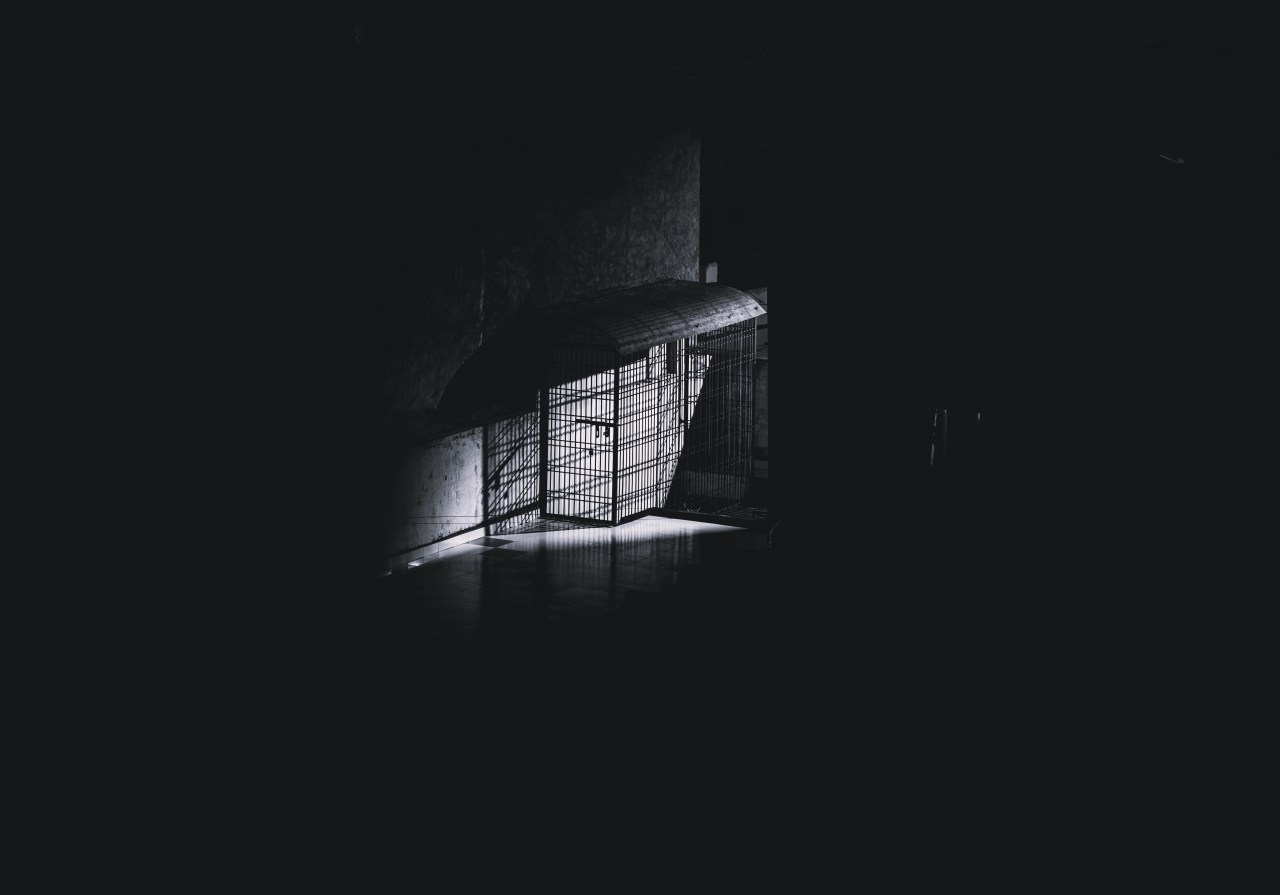

Choosing Between Character And Comfort

We’ve all heard it before: nothing grows in the comfort zone. And yet, how often do we stay there—stuck, cozy, and convinced that if we just wait long enough, life might change for us? Spoiler alert: it doesn’t. Growth, healing, and real transformation require us to choose character over comfort. Every single time.


When Comfort Becomes a Cage

Before I began this journey, I was driven in my career but paralyzed in my personal, mental, and spiritual life. I stuck with what I knew—old patterns, destructive habits, relationships that didn’t serve me—because it felt familiar. Comfortable, even.

But comfort can be deceiving. What I thought was a safe place was actually a cage I had built with my own hands. And the longer I stayed there, the darker it became. Things didn’t magically get better—they got worse. I wasn’t growing, I was withering. And still, I stayed, because discomfort felt scarier than decline.

Until it didn’t. Until staying stuck became scarier than change. That’s when I reached out from the darkness. That’s when I chose the light.


The Shift Toward Character

When I finally said yes to healing, I had to make peace with being uncomfortable. Growth didn’t feel good at first. It felt hard. But I kept showing up. I dug my heels in and used that stubbornness—the same stubbornness that once held me back—to push me forward.

Little by little, I shifted my focus from staying comfortable to building character. And you know what happened? That new discomfort became my new normal. And over time, it started to feel like home.

I began to recognize something important: when I feel uncomfortable now, it usually means I’m growing. Stretching. Evolving. That discomfort is a signal I’m doing something right, not wrong.

And when life feels too comfortable again? That’s when I check in with myself. Have I stopped stretching? Settled for less? Avoided the next step out of fear? If so, it’s time to move.


Growth Doesn’t Come From Playing Small

It’s easy to stay where we are—especially when we know it, even if it doesn’t serve us. But we are not meant to play small. We are meant to rise, expand, and become the fullest version of ourselves.

The discomfort you feel? That might be the edge of your breakthrough.

Choose character. Choose growth. Choose to step forward, even when it’s scary. Your potential is waiting for you outside the lines you’ve drawn.

SLAY on.


SLAY Reflection: Step Into the Uncomfortable

  • Are you stuck in your comfort zone? What signs are showing up for you?
  • How might staying comfortable be holding you back from the life you want?
  • What would it look like to choose growth, even if it feels hard?
  • What past experience taught you that discomfort leads to breakthrough?
  • What small, brave step can you take today to choose character over comfort?

Call to Action: Join the Conversation

I’d love to hear from you.
What’s one way you’re choosing growth over comfort right now?
Share your story in the comments. Let’s cheer each other on.

And if you know someone who’s stuck in a comfort zone, send this to them.
Sometimes, all we need is a nudge toward the edge of possibility.

It Starts In Our Thoughts

I used to believe my biggest problem was everything outside of me. The people. The situations. The pain I carried. But when I got still—really still—I realized something that rocked me to my core: my real issue was my thinking.

That truth was a hard pill to swallow. I saw myself as smart, self-sufficient, capable. So to admit that my own mind was the source of my suffering? That was humbling. But it was also the key to my healing.


When Your Mind Becomes the Battlefield

For years, I tried to fix my life with outside solutions. Food, alcohol, work, relationships—anything to distract or numb the noise in my head. But no matter what I used, the chaos always came back.

Because the problem wasn’t what was around me. The problem was what was going on inside me.

My thinking had become a bully, one that convinced me I was broken, unworthy, and doomed to stay that way. And the more I listened, the more I suffered.


Admitting the Truth (and Taking Back My Power)

The turning point came when I hit my emotional and spiritual bottom. I had to face the truth: My best thinking had gotten me here.

So I stopped trying to outthink the pain, and I started getting help. Recovery work. Support groups. Therapy. People who understood this path and weren’t afraid to tell the truth. The more I shared, the less power my thoughts had over me.

I began learning new tools—meditation, reframing, gratitude. I started asking for perspective instead of assuming my perspective was fact. And I promised myself I would stay teachable, because the moment I think I know it all? That’s when I’m in trouble.


Watch Your Thoughts—They Become Your Reality

Our thoughts shape our perception. And our perception shapes our choices. If your thoughts are rooted in shame, fear, or scarcity, your life will reflect that.

But when you begin to challenge those thoughts, you shift your reality.

Today, I ask myself:

  • Is this thought true, or just familiar?
  • Is it coming from love or fear?
  • Does this thought serve the version of me I’m becoming?

You don’t have to believe everything you think. And you don’t have to let your mind run the show.


You Can Rewrite the Story

If your thoughts have been taking you down, know this: you can take back the pen. You are not your thoughts. You are the one witnessing them.

With support, honesty, and consistency, you can rewire your mind. You can heal what once felt permanent. And you can choose thoughts that empower rather than destroy.

Don’t let your thoughts bully you out of the life you’re here to live. Shine a light on them. Bring them into the open. Then take one brave step in a new direction.

SLAY on.


SLAY Reflection

  1. When has your thinking gotten you into trouble?
  2. What are the recurring negative thoughts you notice most often?
  3. Have you ever challenged a thought and discovered it wasn’t true?
  4. What tools help you shift into a more positive mindset?
  5. What’s one belief you’re ready to release today?

S-L-A-Y:

  • See your thoughts clearly and call them out.
  • Let go of the need to control them all—just notice.
  • Ask for support and seek out truth-tellers.
  • You are not your thoughts—you are your healing.

Call to Action: Join the Conversation
I’d love to hear from you.
What thought are you ready to stop believing today?
Share your story in the comments. Let’s cheer each other on.

And if you know someone who’s stuck in a negative thought loop, send this to them.
Sometimes, all we need is a nudge.

What Are You Going To Do About It?

We all have those days—the ones where everything feels off, and the voice in our head won’t stop pointing out what’s wrong. It’s easy to slip into negativity. To complain, spiral, and believe we’re stuck. But when the clouds gather, there’s one question that cuts through the noise:

What are you going to do about it?


Negativity Can Become a Habit

There was a time when negativity was my default. No matter what I had or how good things should’ve been, I’d find the flaw. I’d vent, criticize, and stay stuck in that cycle—not realizing I was cementing the very misery I wanted to escape.

I told myself I was making changes. But in reality, I was chasing quick fixes—temporary solutions that numbed the discomfort without addressing the root. The result? A deeper hole, darker thoughts, and more reasons to stay stuck.

It’s not just that complaining feeds negativity. It’s that it validates it. Every time I repeated my negative thoughts out loud, I gave them more power. And the more I listened, the more they became my truth.


The Power of Action

When I finally asked for help and began my healing journey, I realized how much control I actually had. Not over others. Not over circumstances. But over how I respond.

If I woke up expecting a bad day, that’s exactly what I got. But when I shifted my mindset—when I took intentional steps to create good—I started experiencing good. Not perfect. But better. Brighter.

The truth is: no one is coming to save us. We can receive support, yes. But lasting change comes when we take ownership. When we stop waiting for our life to fix itself and choose to be the one who takes action.

That’s where self-love kicks in. Not the feel-good fluff, but the real work: showing up for yourself when it’s hard. Creating small wins. Caring for your body, your mind, your spirit—even when it feels easier to quit.


From Reaction to Response

It’s easy to fall into victim mode. But that doesn’t mean we’re helpless. The shift happens the moment we pause and ask:

What can I do about this—right now?

Can I get up and go for a walk? Take a deep breath? Make a to-do list? Reach out to someone? Focus on gratitude? Take one small action that reminds me I’m in charge of my own energy?

You don’t have to fix everything at once. But doing something breaks the cycle.

Because staying in the same place and expecting a different outcome? That’s a trap. And you’re too powerful to stay stuck.


Progress Over Perfection

No one gets it right every day. Some days will be messy. You’ll slip. You’ll spiral. That’s okay.

But if you keep showing up—even imperfectly—you’ll build momentum. And over time, those small choices add up.

  • You’ll feel stronger.
  • You’ll feel braver.
  • You’ll start to believe in your own worth.

You deserve a life that feels good from the inside out. And it starts with asking yourself the hard question—and answering it with love.

So next time you catch yourself complaining, pause. Ask:

What am I going to do about it?

Then take the first step.


SLAY Reflection

  1. Do you notice yourself slipping into negative thinking often? What triggers it?
  2. How do you usually respond when those thoughts arise?
  3. What small action helps shift you out of a negative space?
  4. Do you believe you deserve a better experience? If not, why?
  5. What’s one positive step you can commit to today?

S-L-A-Y:

  • Spot the spiral
  • Lean into self-awareness
  • Act with intention
  • You hold the power to change your day

Call to Action: Join the Conversation I’d love to hear from you.
When you feel stuck in negative thinking, what’s one thing you do to break the cycle?
Share your story in the comments. Let’s cheer each other on.

And if you know someone who’s been feeling overwhelmed or defeated, send this to them.
Sometimes, all we need is a nudge.

Fighting Your Own Battle

Most of us have heard the phrase: Be kind, for everyone is fighting a battle you know nothing about. It’s a gentle reminder to extend grace to others. But here’s the truth that hits a little deeper: Sometimes we do know what battle someone is facing—and we’re still trying to fight our own.

It’s hard enough to stay present in our own struggle. Add in someone else’s chaos, triggers, or unresolved pain, and suddenly your progress feels shaky, your peace interrupted, your healing…unraveled.


I Had to Learn to Fight for Myself First

For years, I didn’t know how to fight my own battle. I carried old wounds, outdated beliefs, and habits that didn’t serve me—but they were familiar. They felt like truth.

Over time, I found my stride. I learned to live with my battle in a way that felt healthy, loving, and sustainable. But the journey wasn’t smooth. I assumed that because I was working so hard to grow, change, and heal…everyone else was too.

Spoiler alert: They weren’t.

That assumption pulled me down more than once. I had to stop seeing people for their potential and start meeting them exactly where they were. It wasn’t my job to rescue anyone or walk their path for them.

I had to protect my own peace—not because I was better, but because I was responsible for keeping myself well. And that meant accepting that not everyone is ready to do their work. Not everyone wants to. Not everyone knows how. And that’s not my battle to fight.


Other People’s Battles Are Not Yours to Lose

There will be people in your life who trigger things you thought you’d healed. It might not even make sense in the moment. But their words, tone, or behavior can hit a nerve connected to a wound from long ago.

Or maybe they remind you of yourself—an older version of you, or a part of you you’re still trying to change. And instead of compassion, you find yourself feeling judgmental or impatient.

When that happens, pause. Ask yourself:

Is this really about them—or is it about something unhealed in me?

We can’t control how others show up. But we can decide how much power we give them. If you’re agitated, it’s your responsibility to ask why.

That doesn’t mean blaming yourself. It means getting curious about your own reactions.

If someone’s behavior is affecting your peace and you can’t fix the issue—walk away. Let it go. Preserve your space. Protect your peace.


Focus on Your Fight

Your path is yours. So is your pace.

You’re allowed to heal slowly. You’re allowed to outgrow what you’ve outlived. You’re allowed to say, “I love you, but I’m focusing on me right now.”

And you’re also allowed to ask:

Why does this bother me? What is this trying to teach me?

You can’t fight someone else’s battle. They can’t fight yours. And trying to do so only distracts you from your own healing.

You’ve worked too hard to let someone else’s war pull you back into old patterns.

So stay the course. Fight clean. Protect your energy. Stay on your path.

You’re not just fighting—you’re winning. One healthy boundary at a time.


SLAY Reflection

Ask yourself:

  • Are you letting someone else’s energy throw you off track?
  • Do you take on other people’s battles to avoid your own?
  • What triggers you—and what does that trigger reveal about your healing?
  • Can you separate what’s yours from what’s not yours to carry?
  • What boundary can you set today to protect your peace?

S – L – A – Y

S: See what’s truly yours to carry.
L: Listen to what your agitation is telling you.
A: Act by protecting your peace, even if it means walking away.
Y: Yield to your own path—it’s where your healing lives.


Call to Action: Join the Conversation
I’d love to hear from you.
Have you ever found yourself fighting someone else’s battle instead of your own?
Share your story in the comments. Let’s cheer each other on.

And if you know someone who’s struggling to stay in their own lane, send this to them.
Sometimes, all we need is a nudge.

Do You Like To Star In Your Own Junkologue?

We all have a past. We all have pain. But some of us don’t just carry it—we perform it. Over and over. Like a monologue we’ve rehearsed so well, it becomes our identity. If that sounds familiar, you might be starring in what I call your junkologue.

It’s that loop where you retell the same stories of pain, betrayal, and hardship—not to heal, but to get a reaction. Maybe it’s sympathy. Maybe it’s validation. Maybe it’s just to be seen. But here’s the thing: living in your junk keeps you from living in your truth.


Are You Telling It or Reliving It?

There’s a difference between sharing your story and clinging to it. We often convince ourselves we’re “working through” something when in reality, we’re rehashing it to stay stuck.

Before I found the courage to get help, I was the lead in my junkologue. I told my tales of pain like war stories—always the victim, never the villain. I’d exaggerate to gain sympathy or manipulate situations to my advantage. It wasn’t humility. It was a form of emotional exhibitionism—a way to keep myself small while trying to feel important.

I told myself I was being vulnerable. But I wasn’t. I was addicted to the attention my wounds gave me. And the people who stuck around? They were often stuck in their own junk too. Misery doesn’t just love company—it curates it.


The Shift From Performance to Purpose

Everything changed when I started asking the hard questions: Why am I telling this story? What am I hoping to gain? Am I using it to inspire—or to indulge?

That’s when I discovered what true humility really meant. It wasn’t putting myself down publicly for applause. It was being honest about my part in the story. It was making amends, not just confessions.

Now, if I share a piece of my past, it’s with purpose—to support, connect, or guide. Not to center myself in pain, but to show what healing looks like.

Your junkologue doesn’t have to be your identity. It can be your origin story—but only if you let yourself grow beyond it.


What’s Your Motivation?

Your story is powerful. But ask yourself: Are you using it to heal—or to hide?

  • Are you sharing to connect, or to compete?
  • Are you expressing yourself, or performing a role?
  • Are you owning your part—or just retelling how others hurt you?

If you’re constantly the victim in every version of your story, it might be time to zoom out. See your patterns. See your choices. See your growth.

Because you are not your worst moments. You are not your junk. You are who you decide to become next.


Being a SLAYER Means Owning the Mic With Intention

We’ve all survived things. But survival isn’t the goal—thriving is.

So the next time you feel the urge to share your junkologue, pause. Ask yourself: Is this for healing, or habit? Is this story helping me evolve—or keeping me stuck?

When we tell our stories with ownership, honesty, and heart, they lift us—and those listening. When we tell them for attention or control, they keep us in the shadows.

You get to choose which version you tell. And more importantly—you get to choose what comes next.

Step out of your junkologue, and into your power. That’s how we Slay.


SLAY Reflection

  1. Do you tend to repeat certain stories from your past? Why?
  2. How do you feel during and after sharing those stories?
  3. What are you hoping others will give you when you share them?
  4. Are you honest about your part in those stories?
  5. What could shift if you reframed your story as a source of strength, not pain?

S-L-A-Y:

  • Share with purpose, not pity
  • Let go of old narratives that no longer serve
  • Acknowledge your part and your progress
  • You control the next chapter of your story

Call to Action: Join the Conversation
I’d love to hear from you.
Do you ever catch yourself performing your junkologue? What helps you shift into healing mode instead?
Share your story in the comments. Let’s cheer each other on.

And if you know someone who’s stuck in the loop of their old story, send this to them.
Sometimes, all we need is a nudge.

Giving Love To Get Love

We often hear that love is meant to be unconditional—yet many of us struggle to live that truth. Giving love can feel risky. What if it’s not returned? What if it’s overlooked? But here’s the hard truth: when we give love with the expectation of getting it back, we cancel out the purity of the love we are offering.

Love that comes with strings attached isn’t love at all—it’s manipulation in disguise.


The Motives Behind Our Love

If you’ve ever caught yourself giving love to gain approval, recognition, or affection, you’re not alone. Many of us fall into people-pleasing or approval-seeking patterns without realizing it. But true love is not a transaction.

When you give love only to get it back, you’re no longer operating from the heart. You’re playing a game of give-and-take that diminishes both your sense of worth and the authenticity of the connection. Love is love, period. Anything else is a tactic—not truth.


Learning to Check Your Heart

I’ve been there. I’ve given love with the secret hope of getting something in return: validation, security, even power. It took honesty and accountability for me to see that this wasn’t really love—it was ego.

Early in my recovery, I was told something that stopped me in my tracks: “Don’t give love if you expect anything in return.” At first, that sounded impossible. How could I give without hoping for even a little acknowledgment? But the more I practiced it, the more I understood: love without expectation is the only love that strengthens both the giver and the receiver.

And here’s the surprising part—when love did come back to me, it felt even more powerful. Because I knew it wasn’t coerced or earned—it was freely given, just as mine was.


The Freedom of Pure Love

We all have motives. That doesn’t automatically make our love wrong. But when love becomes a tool for control—when it’s about getting rather than giving—it loses its meaning. It won’t fill the void we’re trying to fix.

The truth is, love doesn’t need to be returned to be valuable. Every time you give love without expectation, you affirm your own worth. You remind yourself that your heart is strong enough to love without conditions. And when love does return, it’s not a reward—it’s a gift.


SLAY Reflection

  • Do you give love without expecting it in return—or do you secretly hope for something back?

  • When you’ve given love with motives, how did it feel different from giving freely?

  • What happens to your sense of self when you love without conditions?

  • Can you recall a time you received love that was given without expectation? How did it impact you?

  • How can you begin practicing unconditional love today, even in small ways?


S – Stop and check your intentions before giving love.
L – Let go of the scorecard. Love isn’t a tally sheet.
A – Accept that love is enough on its own.
Y – Yield to the freedom that comes from giving without strings.


Call to Action: Join the Conversation
I’d love to hear from you.
Have you ever caught yourself giving love to get something back? What shifted when you began to love without expectation?
Share your story in the comments. Let’s cheer each other on.

Be The Attitude You Want To Be Around

We’ve all felt it—that lift you get from someone’s positive energy. The kind of vibe that makes a room feel warmer, lighter, better. We seek it out, gravitate toward it, and sometimes, we depend on it. But here’s a truth that changed everything for me:

Instead of waiting to be around the energy you want, be it.

Don’t get me wrong—we need good people in our lives. Community, support, and encouragement are vital. But real change happens when you stop outsourcing your attitude—and start showing up as the person you wish you could find.


I Wasn’t Always That Person

When I was deep in my darkness, I avoided positive people. They annoyed me. I didn’t trust their joy. I assumed it was fake. And, if I’m being honest, I didn’t want them to see the way I was living.

But beneath all that judgment was jealousy.

I admired them. I just didn’t believe I could ever be like them.

Recovery taught me otherwise.

It showed me that joy can be genuine. That light isn’t fake—it’s earned. And I could earn it, too.

So I made a promise to myself: I would become the person I wanted to be around.

Not overnight. But one day at a time.


Give What You Wish to Get

In the beginning, I didn’t feel like I had much to offer. I was still shaky, still figuring it out. But someone reminded me:

Even if you’re just a few steps in, you’ve got something to share.

Because someone else is just starting out. And to them, you might look like a mile ahead.

So I showed up. I told the truth. I dropped the act and chose transparency. And little by little, I built trust in myself by being accountable, being honest, and shifting from asking, “What can I get?” to “What can I give?”

And I found that even on my worst days, if I could help someone else, it helped me too.

Sometimes, two bad days colliding can spark one good one.


Attitude Is Energy

Gratitude was a big part of this shift. When I started focusing on what I had instead of what I lacked, everything changed.

Even the hard things didn’t feel impossible anymore—because I wasn’t tackling them alone. I learned to ask for help. That was huge for me.

Asking for help didn’t make me weak. It made me real.

And in asking, I often gave someone else the gift of showing up. We got closer. We built something.

Because we all need help sometimes.


Become the Energy You Admire

Think about the attitudes you’re drawn to. What do you admire in others? What kind of energy lifts you up?

Now ask yourself:

What if that’s already inside of me?

What if the very thing you’re craving is something you’re meant to cultivate and share?

Start there. Be that. You might just find your truest self waiting on the other side.


SLAY Reflection

Ask yourself:

  • What attitude or energy am I most drawn to?
  • Do I embody that energy—or just chase it in others?
  • What’s stopping me from becoming that kind of person?
  • How can I use gratitude and service to shift my own energy?
  • What’s one small step I can take today to be the vibe I want to be around?

S – L – A – Y

S: See the energy you admire in others.
L: Listen to how your own attitude shows up.
A: Act in alignment with the energy you want to attract.
Y: Yield to your inner strength—it’s always been there.


Call to Action: Join the Conversation
I’d love to hear from you.
What’s the attitude you want to be around—and how are you choosing to embody it in your own life?
Share your story in the comments. Let’s cheer each other on.

And if you know someone who’s working on becoming their best self, send this to them.
Sometimes, all we need is a nudge.

Creativity Takes Courage

It takes real courage to put your creativity out into the world. When we express ourselves creatively—whether through art, writing, music, or any other outlet—we’re exposing a part of ourselves. We’re showing something personal and vulnerable. And that can be scary.

The fear of criticism, rejection, or being told we’re “not enough” can stop us from ever taking that leap. So many people let their creative spark die out because they’re afraid of what others might say—or worse, what they might say to themselves. But here’s the truth: your creativity is a gift. And the world needs to see it.


Overcoming the Fear

Before I found my own courage, fear kept me small. My creative fire was there, but it was often snuffed out by my own doubts. Opportunities would come my way, and instead of stepping into them, I let the voice in my head—the one telling me I wasn’t good enough—hold me back.

That voice, that negative “committee” in my head, whispered things like: “You’re wasting your time,” “You’re not talented,” or “You’ll embarrass yourself.” And for a while, I listened. I let those fears rob me of moments where I could have shined. I let them convince me that I wasn’t worthy of good things.

It wasn’t until I started learning to love myself—truly love myself—that I found the strength to fight back against those lies. I realized that fear was never the truth. The antidote was embracing vulnerability, leaning into my creative spark, and trusting that I was enough as I was.


Your Unique Light

Every single one of us is born with talents. They’re uniquely ours, and it’s up to us to nurture them and share them with the world. When you embrace your creativity and let your voice be heard, you give others permission to do the same.

It may feel like a leap of faith at first. But every time you step into your creativity—whether it’s a small act or a grand gesture—you’re building confidence. You’re feeding that inner flame.

Trust in the creative force inside you. Let it guide you. Believe that what you have to offer is not only enough, but valuable. When you embrace your gifts, fine-tune them, and share them, you inspire others to do the same. And sometimes, your greatest talent is simply having the courage to show up and express who you are.


SLAY OF THE DAY

  • Do you believe in yourself and your creative talents?
  • When opportunities arise, do you share your creativity, or do you hold back? Why?
  • What inspires you about the creativity of others?
  • Have you had a positive experience sharing your creative gifts? How did that make you feel?
  • If a past experience wasn’t positive, what could you have done differently to change that?
  • How have you grown by expressing your creativity?
  • What’s one courageous step you can take today to share your creative fire?

Call to Action: Join the Conversation

I’d love to hear from you.
What’s one creative step you’ll take today that makes you feel brave?
Share your thoughts in the comments. Let’s inspire each other to let our creative flames burn brighter.

And if you know someone who’s holding back their creative gifts, share this with them.
Sometimes, we all need a reminder that we’re capable of more.

If You’re Strong Enough To Destroy Something, You’re Strong Enough To Repair It

There was a time when I believed strength meant walking away.
Ending things.
Burning it all down before anyone could get too close.

And I had a lot of strength.

But I didn’t always use it for good.

Especially toward the end of certain chapters in my life, I used my strength to destroy:
Relationships. Opportunities. Myself.

Sometimes intentionally.
Other times, impulsively.
But almost always out of fear.

Fear of being exposed.
Fear of being seen as damaged.
Fear of being me.

So I built walls. I pushed people out. I burned bridges and convinced myself I didn’t have the strength to fix any of it.

But that wasn’t true.

What I didn’t have was the humility to try.

I had the strength all along. I just didn’t yet understand what real strength looked like.

Because real strength doesn’t lie in the destruction.
It lives in the repair.

It’s easy to tear something down.
It’s much harder to own your part and build something better in its place.

But that’s where we grow.
That’s where healing happens.

When I began to get better, I slowly learned how to channel that strength in a new direction.
One that looked more like forgiveness.
Like compassion.
Like showing up for myself and the people I loved.

I stopped using my strength to protect the wound and started using it to heal.

Here’s what else I learned:

That voice in your head—the one that says you’re “stronger alone” or that you’re “cutting off what doesn’t serve you”—sometimes it’s not wisdom.

Sometimes it’s fear talking.
Sometimes it’s pain pretending to be power.

There’s a difference between walking away to honor yourself and walking away to avoid yourself.

I’ve done both.

I’ve ended relationships and convinced myself I was doing the strong thing… when really, I was just afraid to look at the part I played in their breakdown.

It’s easier to point the finger.
It’s harder to say, “I chose this dynamic.”
“I allowed this behavior.”
“I contributed to the pain.”

But that’s the work.

That’s the kind of strength that transforms everything.

And here’s the beautiful part:

The more we practice using our strength to build, the more of it we gain.
Just like self-esteem comes from estimable acts, our inner strength multiplies when we use it for repair, growth, and truth.

We become stronger when we’re brave enough to face ourselves.

To say the hard thing.
To make the amends.
To walk toward the mess instead of away from it.

Because if you’re strong enough to destroy something…

You’re strong enough to repair it.


SLAY Reflection

S – SHOW UP: Are you using your strength to avoid, escape, or destroy? Or to face, heal, and rebuild?

L – LEARN: What’s one moment where your strength showed up in a way that surprised you?

A – ACCEPT: Can you accept that real strength might look like softness, honesty, or vulnerability?

Y – YOU MATTER: What’s something broken that you still have the power to repair?

BONUS: What could change if you used your strength for good—starting today?


Call to Action: Join the Conversation

I’d love to hear from you.
Have you ever used your strength to heal something you once damaged?
Share your story in the comments. Let’s cheer each other on.

And if you know someone who’s struggling with what it means to be strong, send this to them.
Sometimes, all we need is a nudge.