You Can’t Change The Past, But You Can Change How It Affects You

There is no going back.

No rewinding. No editing. No alternate ending where we made the perfect choice every time. The past is fixed. It happened. And for a long time, I let mine define me.

Before I began this healing journey, I used my past as proof that I was a victim. I told those stories in ways that supported that narrative. Sometimes I wanted sympathy. Sometimes I wanted validation. Sometimes I wanted an excuse for behavior I knew was not aligned with who I truly wanted to be.

And here is the truth I eventually had to face.

In many of those situations, I had a role. Sometimes a small one. Sometimes a big one. But denying that kept me stuck. It kept me repeating patterns. It kept me living in yesterday instead of building today.

The moment I committed to honesty, especially with myself, everything began to shift.


Owning Your Story Changes Its Power

Taking responsibility is not about blame. It is about freedom.

When I stopped pointing outward and started looking inward, I began to see patterns. Choices I had made. People I had allowed into my life. Boundaries I had not set. Truths I had ignored.

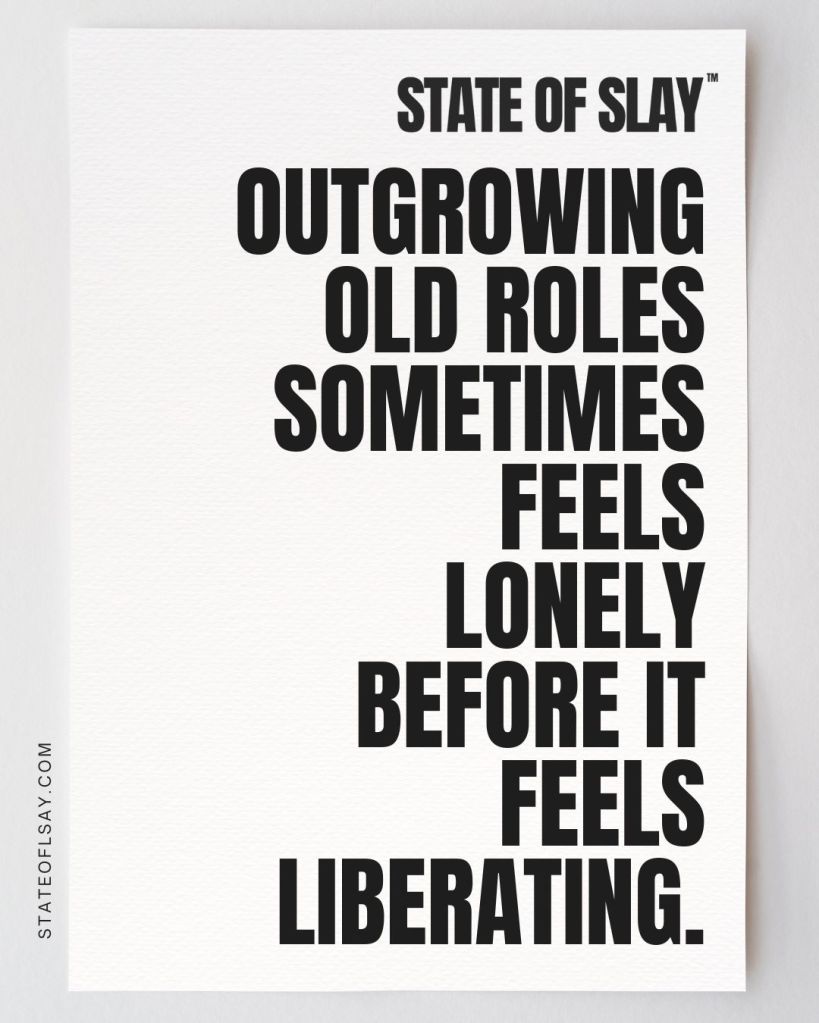
At first, that realization was uncomfortable. I had built an identity around being wronged. Letting go of that identity felt like losing something familiar.

But what I gained was far greater.

Clarity. Growth. Self respect. And the ability to change.

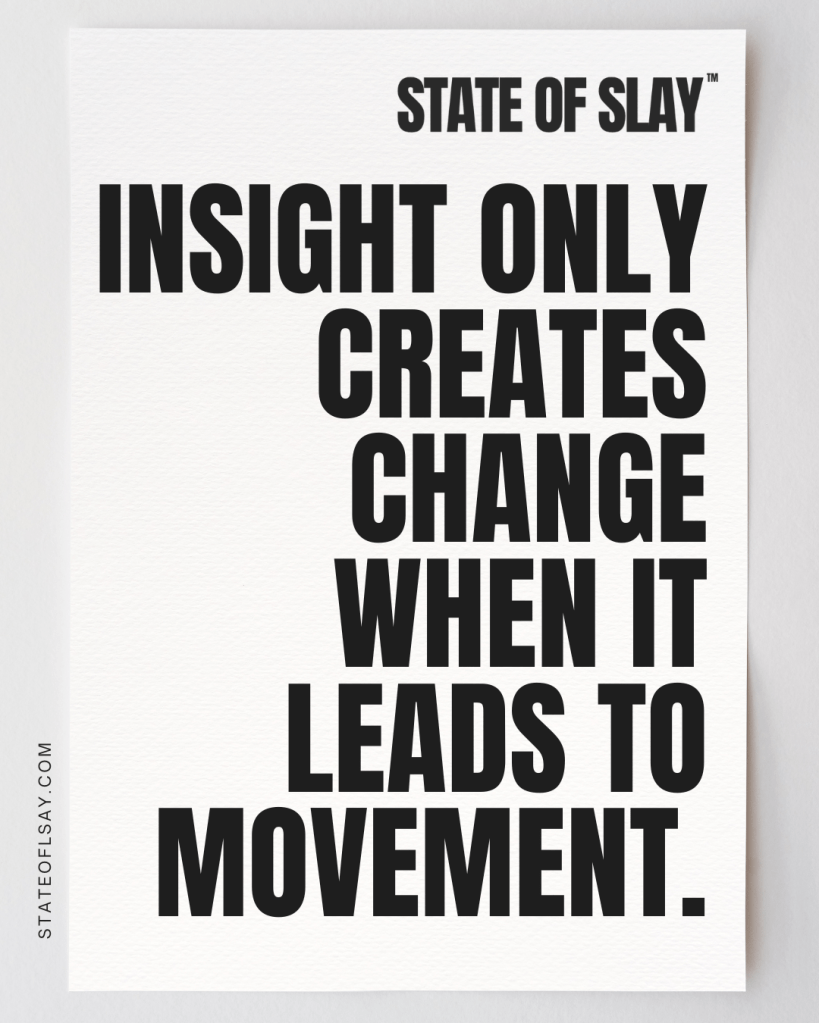
Once you see your patterns, you can interrupt them.

And that is where transformation begins.


The Past Only Has The Power You Give It

I used to carry shame, anger, and frustration everywhere I went. Those emotions colored how I saw myself and others. They influenced my reactions. They shaped my expectations.

But when I started living more honestly, those emotions began to loosen their grip.

I learned to ask different questions:

What did I learn?
What would I do differently now?
What boundaries do I need moving forward?
What forgiveness is necessary for peace?

Sometimes forgiveness was for someone else. Sometimes it was for myself. Often it was both.

And slowly, the past stopped feeling like a prison and started feeling like a teacher.


Patterns Become Signals Instead Of Traps

One of the biggest gifts of reflection is recognition.

When you understand your patterns, familiar situations begin to feel different. You notice warning signs earlier. You pause before reacting. You make decisions with awareness instead of autopilot.

Early on, I often did not know what the “right” response was. So I learned something important.

Pause.

Life is not a game show. There is no prize for responding fastest. Taking time to think, to ask questions, or to seek guidance is not weakness. It is wisdom.

And with practice, better decisions become more natural.

That is growth in action.


Changing Today Rewrites Tomorrow

You cannot rewrite the past, but you absolutely shape what comes next.

When we act with honesty, integrity, and awareness, the weight of past mistakes lightens. They stop defining us because we are no longer repeating them.

We admit when we are wrong. We make amends when possible. We learn. We adjust. We grow.

And suddenly, the past becomes context instead of identity.

That shift is powerful.

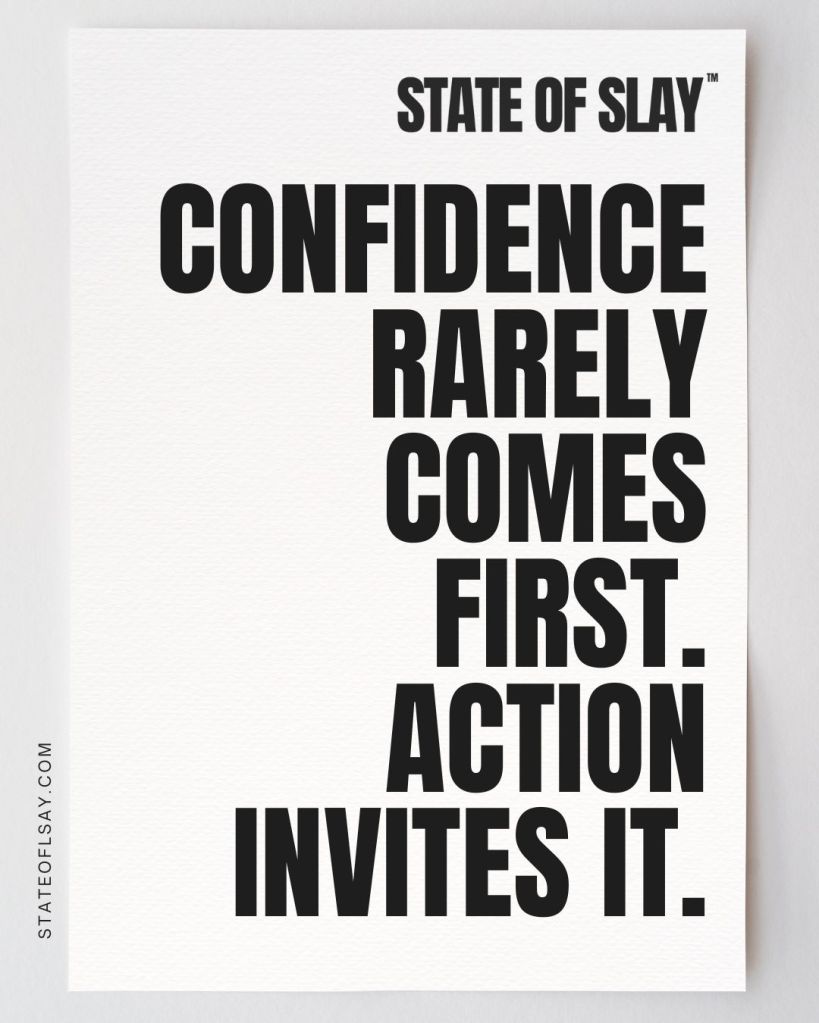
It creates space for self respect. Confidence. Peace.


Healing Requires Compassion Too

Responsibility does not mean harsh self judgment.

Some experiences truly were outside our control. Some situations were painful, unfair, or confusing. Acknowledging that is part of healing too.

The key is balance.

Accountability where we had choice. Compassion where we did not.

Both are necessary for emotional freedom.

And both allow us to move forward without dragging the past behind us.


You Are Allowed To Outgrow Who You Were

This might be the most important part.

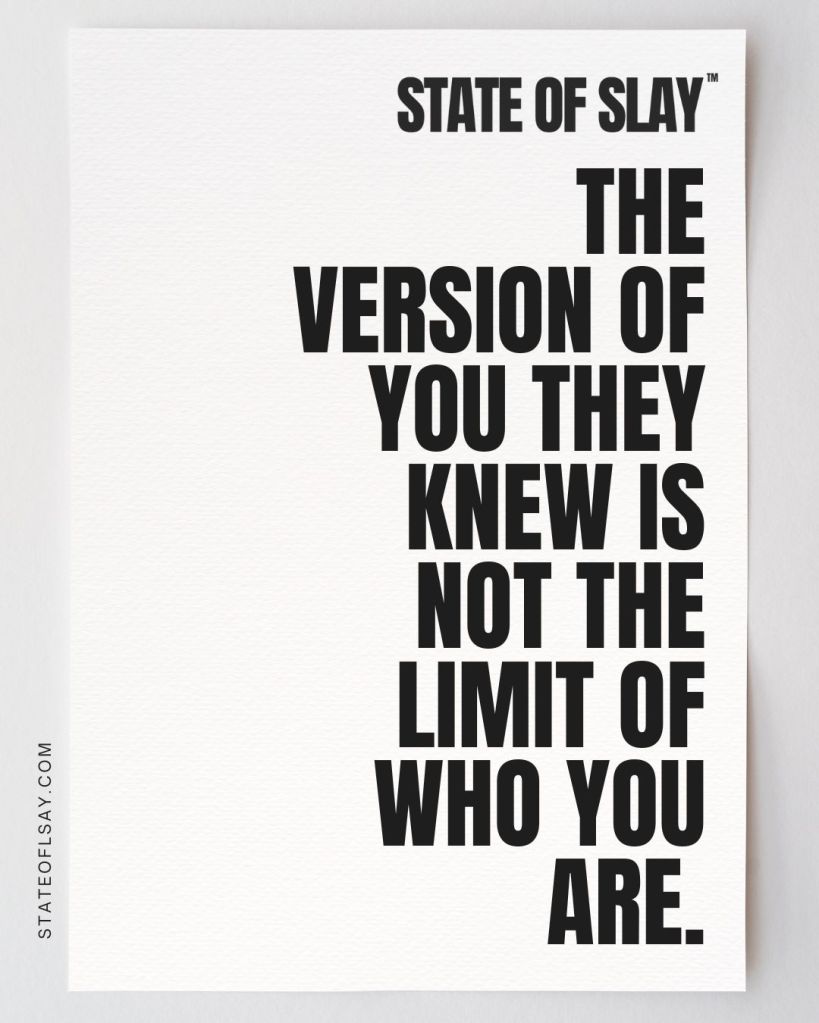
You are not required to remain the person you were during your hardest seasons.

Growth means evolution. Awareness means change. Healing means forward movement.

Your past informs you.

It does not imprison you.

And every day offers a chance to choose differently.


SLAY Reflection

Let’s reflect, SLAYER:

S: When you think about your past, what emotions come up most strongly?

L: What patterns or choices do you now recognize that you could approach differently today?

A: Where might forgiveness, either for yourself or someone else, create more peace in your life?

Y: What is one small action you can take today that reflects who you are becoming rather than who you were?


Call to Action: Join the Conversation

I’d love to hear from you.
How have you learned to reinterpret your past so it supports your growth instead of holding you back?
Share your story in the comments. Let’s cheer each other on.

And if you know someone who needs permission to move forward without being defined by yesterday, send this to them.
Sometimes, all we need is a nudge.
Falling Down Is Part Of The Process

When we step into a new chapter—filled with intention, purpose, and growth—we often expect things to go smoothly. We’re showing up, doing the work, making better choices… shouldn’t that mean we’re past the hard parts?

Not quite.

Falling down is part of the process. Always has been. Always will be.

I’ve learned more from my falls than I ever have from my wins. Those stumbles gave me new tools, revealed blind spots, and taught me that even when there isn’t a clear solution, I’m strong enough to get back up again.

Falling isn’t failure—it’s feedback.


Setbacks Aren’t Stop Signs

It’s easy to feel discouraged when things don’t go the way we hoped.

When you’re working so hard to be better, live authentically, and move forward, setbacks can feel personal. It’s frustrating. It’s deflating. But here’s the truth: setbacks don’t mean you’re off track—they mean you’re on it.

Every fall is an opportunity to pause, reflect, and ask:

  • What did this moment teach me?

  • What was my part in it?

  • What new tool or insight can I take forward from here?

If everything went perfectly all the time, we wouldn’t learn much. We wouldn’t build strength. And we definitely wouldn’t develop the resilience we need for long-term growth.


Every Fall Is Just Information

Let’s take the drama out of the fall.

Not every stumble is a crisis. Not every setback is a disaster. Sometimes it’s just a signpost that says: Not this way. Try another.

When we start to look at our missteps as information—not identity—we take back our power.

A fall doesn’t mean you’re broken. It means something needed your attention.

Maybe you weren’t doing what you needed to do.
Maybe you missed a red flag.
Maybe the lesson was simply about learning how to stand back up.

Whatever the reason, the fall isn’t the end. It’s just part of the path.


Falling Forward with Intention

Some of the most painful moments in my life were the result of my own choices—or lack of action. But with each one, I had a decision to make: let the fall define me, or let it refine me.

If we ignore what the fall is trying to teach us, it’s likely we’ll end up back in that same spot—only this time it’ll hurt more, because we’ll know better.

But if we take the time to reflect, gather what we need, and move forward differently, we turn what was once a painful experience into a stepping stone toward something better.


Keep Showing Up

The key isn’t avoiding every fall. That’s impossible. The key is learning how to rise, gather the lesson, and keep moving.

No matter how hard you fall, you can get back up.
No matter how lost you feel, you can find your way again.

Eventually, you’ll recognize the patterns. You’ll learn where the pitfalls are. And you’ll start to navigate the path with more confidence.

Falling doesn’t mean you’re failing. It means you’re growing.
And growth is never a straight line—it’s a beautifully messy journey.


SLAY Reflection

Let’s reflect together, SLAYER:

  • S: What’s your usual reaction when you fall—do you give up or get curious?

  • L: Can you recall a setback that led to growth or a better decision later on?

  • A: How can you start viewing setbacks as information rather than personal failure?

  • Y: What’s one fall you can reframe today as a stepping stone instead of a stopping point?


Call to Action: Join the Conversation

I’d love to hear from you.
When was the last time you fell, and what did it teach you?
Share your story in the comments. Let’s cheer each other on.

And if you know someone who feels defeated by a recent fall, send this to them.
Sometimes, all we need is a nudge.

Self-Righteous Anger

We’ve all been there.

That moment when you feel completely justified.
You warned them. You told them what would happen. And now—here you are, furious, ready to let loose with every ounce of frustration you’ve stored up.

You’re 100% right…
And still, something feels 100% wrong.

That’s the tricky thing about anger.
It might feel powerful in the moment—but often, it leaves you feeling more hollow than healed.


Prefer to listen? The Audio Blog version is available here.


Our Reactions Are Our Responsibility

If you have a problem with someone, the truth is: that problem is yours to manage.

You decide:

  • Who you engage with

  • How far you let them in

  • What boundaries you set

There will always be people we have to interact with—coworkers, family members, even acquaintances we didn’t choose. But even in those cases, we are still the ones who determine how much access they have to our energy.

This blog connects back to so many past entries:

  • People Pickerchoosing aligned connections

  • Ask For What You Wantclearly stating your needs

  • Intentions: The Truthseekerstaying honest about your “why”

  • Finding Grace in the Gray Areaslearning to live in nuance

It all comes back to this: we are in charge of how we engage.


When We Engage to Feel Superior

Sometimes we step into situations knowing they won’t end well.

Why?
Because deep down, we’re looking for a reason to get angry.
To say “I told you so.”
To feel superior, righteous—even if it’s just for a moment.

Anger, in this form, is seductive.
It gives us a temporary hit of control, of power.
But it fades.
And once it does, we’re left with the truth: we used that anger to fill something inside us.
A need. A hurt. A void.

And it didn’t work.


Lashing Out Isn’t Leadership

When you feel like lashing out, when you feel morally superior, when you want to “teach someone a lesson”—pause.

Ask yourself:

  • Could I have avoided this situation?

  • Did I knowingly enter this dynamic?

  • Am I trying to justify my anger by proving someone wrong?

A lot of self-righteous anger comes from the need to control.
But here’s the hard truth: we can’t control anyone else.
We only control ourselves.

Trying to control others will always lead to the same outcome:

  • Disappointment

  • Resentment

  • Frustration

  • Anger

That’s not power.
That’s a cycle.


Break the Cycle with Compassion

The way out is through awareness, compassion, and boundaries.

We avoid self-righteous anger by:

  • Engaging with people who align with us

  • Setting boundaries with those who don’t

  • Letting go of the illusion that anger makes us strong

  • Staying open, flexible, and willing to grow

  • Being clear with others—and honest with ourselves

And most importantly: not exploding when someone behaves exactly as they always have.

Wishful thinking won’t change a pattern.
Anger won’t either.
But self-awareness will.


Anger Is a Signal, Not a Strategy

Righteous anger might feel satisfying in the moment.
But if the goal is to belittle someone, to control them, or to make yourself feel bigger—it’s not righteous. It’s a reaction.

And reactions are usually about us, not them.

As SLAYERS, we take responsibility for that.
We engage with kindness.
We communicate with clarity.
We protect our energy by refusing to get pulled into battles we don’t need to fight.

So if you’re angry—own it.
Sit with it.
Figure out where it’s coming from.

Then SLAY that dragon—and walk forward in peace.


SLAY Reflection: Are You Fueling the Fire?

  1. Do you knowingly get involved with people or situations that you expect will upset you?
    Why do you think you do that?

  2. Does your anger give you a sense of control or superiority?
    What do you think it’s really covering up?

  3. How does this behavior affect your relationships and your self-esteem?
    What’s the cost?

  4. What would change if you chose not to engage the next time anger arises?
    How could you protect your peace instead?

  5. What would your life look like if you honored your boundaries instead of your ego?
    Can you write down the benefits of releasing the need to be right?


Call to Action: Join the Conversation

I’d love to hear from you.
When was a time you caught yourself reacting from anger instead of truth—and what did you learn from it?
Share your story in the comments. Let’s cheer each other on.

And if you know someone who’s working on letting go of the need to be right, send this to them.
Sometimes, all we need is a nudge.

Don’t Play Victim To The Circumstances You Created

Let’s get real for a moment.

We don’t always make the best choices. Sometimes we act on impulse. Sometimes we ignore red flags. And sometimes, even with every sign pointing us in a better direction, we choose to go the other way—and then cry foul when things fall apart.

But here’s the truth: if we knowingly put ourselves in a bad situation, we don’t get to play the victim when the outcome isn’t what we hoped for.

That might sound harsh, but it’s a lesson many of us—myself included—have had to learn the hard way.


Prefer to listen? The Audio Blog version is available here.


Owning Our Choices

Back when I was living in the dark, I made a lot of questionable choices. And truthfully, I often knew they weren’t the right ones. But I made them anyway. Why? Because deep down I believed I didn’t deserve good things. I believed I was broken. So I acted in ways that reinforced that belief—sabotaging myself, then turning around and asking why the world was so unfair.

What I was really doing was manipulating the narrative to fit the story I had already decided about myself:
I’m a bad person. Bad things happen to me. I deserve it.

It was a cycle of self-sabotage. And every time it backfired—as I knew it would—I’d call out for sympathy. And when that didn’t come fast enough or in the way I wanted? I felt even more victimized.

Sound familiar?


A New Way Forward

Everything changed when I started believing I was worthy of love—and that I deserved good things. When I embraced self-worth, my decision-making shifted. I started making choices that supported the life I wanted, not the one I feared I was stuck in.

Were those decisions always easy? No. But they were rooted in truth. In integrity. In strength.

When we know better and choose better, we don’t need to cry out for sympathy—we stand in our power. We hold ourselves accountable. And we become the kind of person we’re proud of.


You Are Not a Victim of Yourself

This isn’t about perfection. We all mess up. We all learn. Life will always throw curveballs—some we never saw coming. But there’s a difference between an honest misstep and a willful march toward chaos.

If you’ve been given the tools, the truth, the gut feeling—and you still go against it—own the outcome.

That’s not failure. That’s growth.

So when you find yourself at a crossroads, pause. Ask:

  • Am I acting from fear, or from love?
  • Is this the path I truly believe will serve me, or am I just clinging to comfort?

Make decisions from your strength—not your sabotage.

Stand tall. Stand proud. And take responsibility for the life you’re building—one choice at a time.


SLAY OF THE DAY: Reflect & Rise

Do you make decisions that you know aren’t in your best interest?

  • What drives those choices?
  • Do you expect others to rescue you when things go wrong?
  • How do you feel when people don’t show up the way you want them to?
  • What would it look like to choose differently next time?
  • Write a list of 5 reasons you deserve good things in your life. Keep it close.
    Let those reasons guide you toward better choices—choices that bring you peace, not pain.

Call to Action: Join the Conversation

I’d love to hear from you.
What’s one shift you’ve made that helped you stop sabotaging your peace and start standing in your power?
Share your story in the comments. Let’s cheer each other on.

And if you know someone who keeps repeating the same patterns, send this to them.
Sometimes, all we need is a reminder that we’re worth the work.