Slay Say

Follow Your Own Road

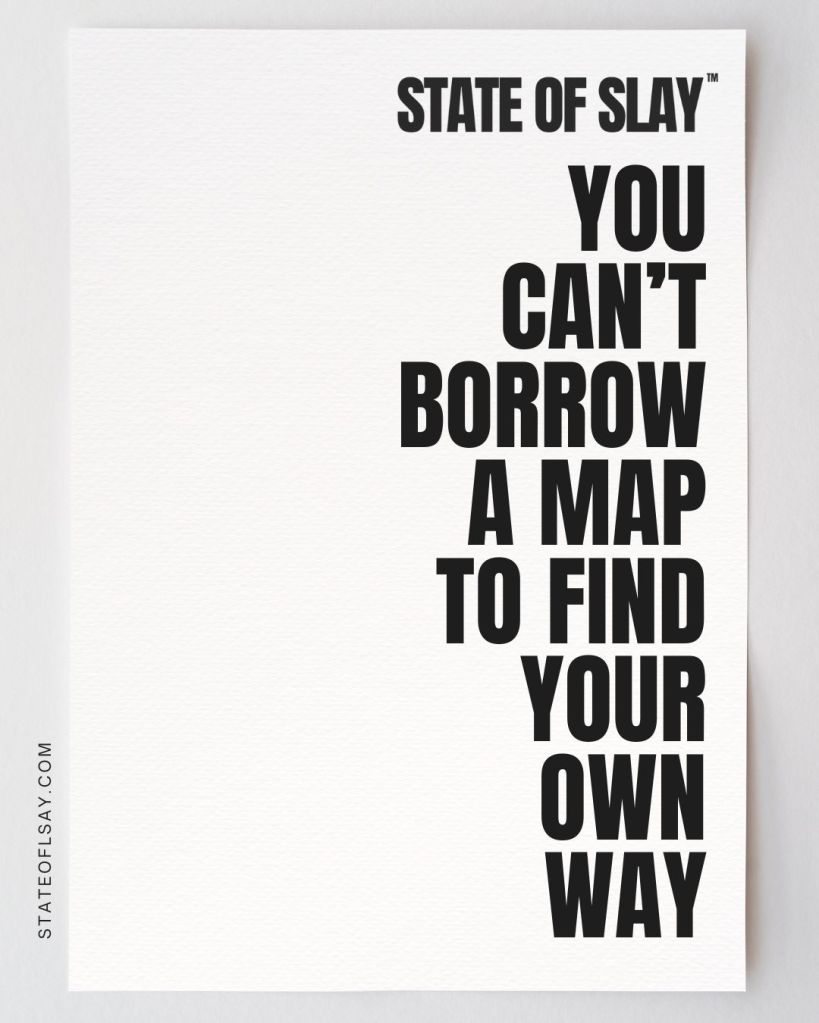
It’s tempting to look at someone else’s journey and think their path could be ours.
But the truth is, following someone else’s map won’t lead you to your destination.

Your journey is unique, filled with your own experiences, lessons, and growth.
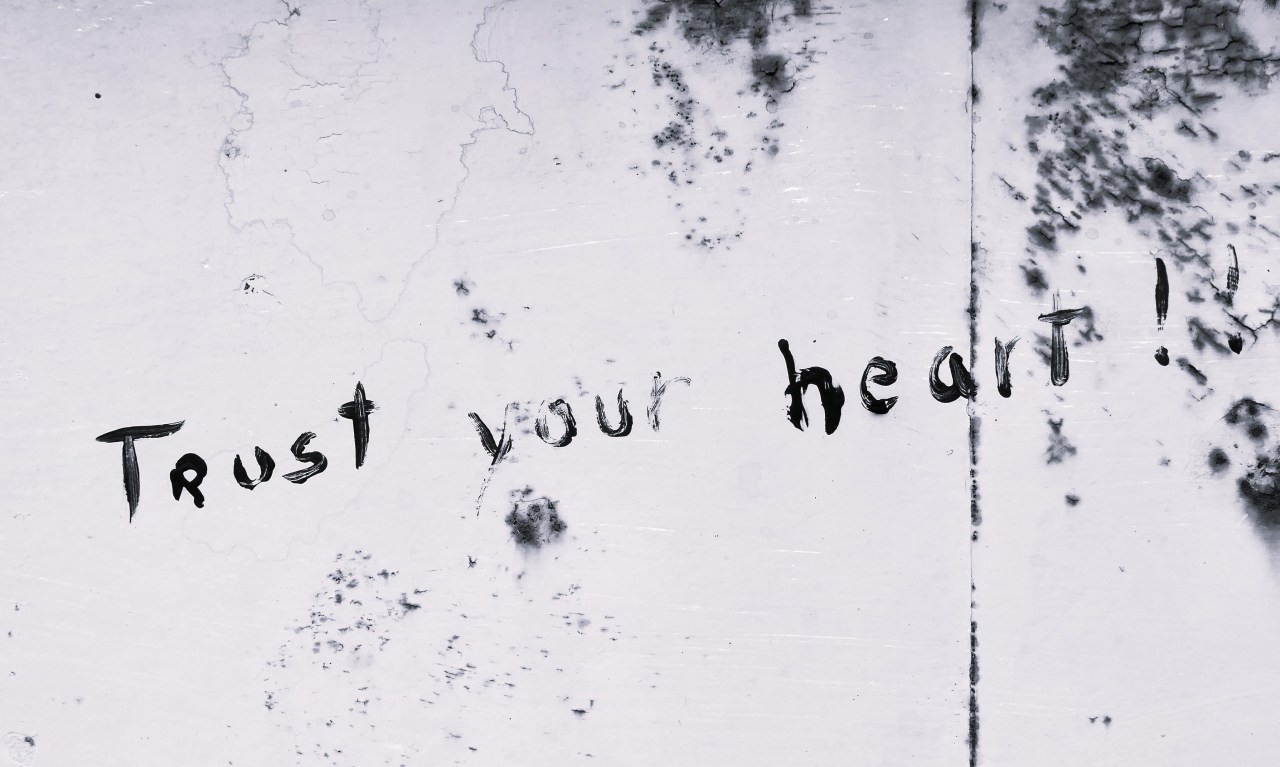
Trust your steps, even when the road is unclear.
Embrace the detours and the unexpected turns—they’re all part of your personal map.

The path to self-discovery isn’t about following others; it’s about forging your own trail.
So, take a deep breath, trust yourself, and keep moving forward.
Your path is unfolding exactly as it should.

SLAY ON.

You Can’t Help Someone Who Doesn’t Want To Help Themselves

We’ve all been there—someone we care about comes to us, overwhelmed by their circumstances. We listen. We offer suggestions. But what they really want is a quick fix, and often, one that lets them off the hook from actually doing the work. Sometimes people just need a break, and it’s kind to help where we can. But more often, the most loving thing we can do is encourage them to help themselves.


My Turning Point

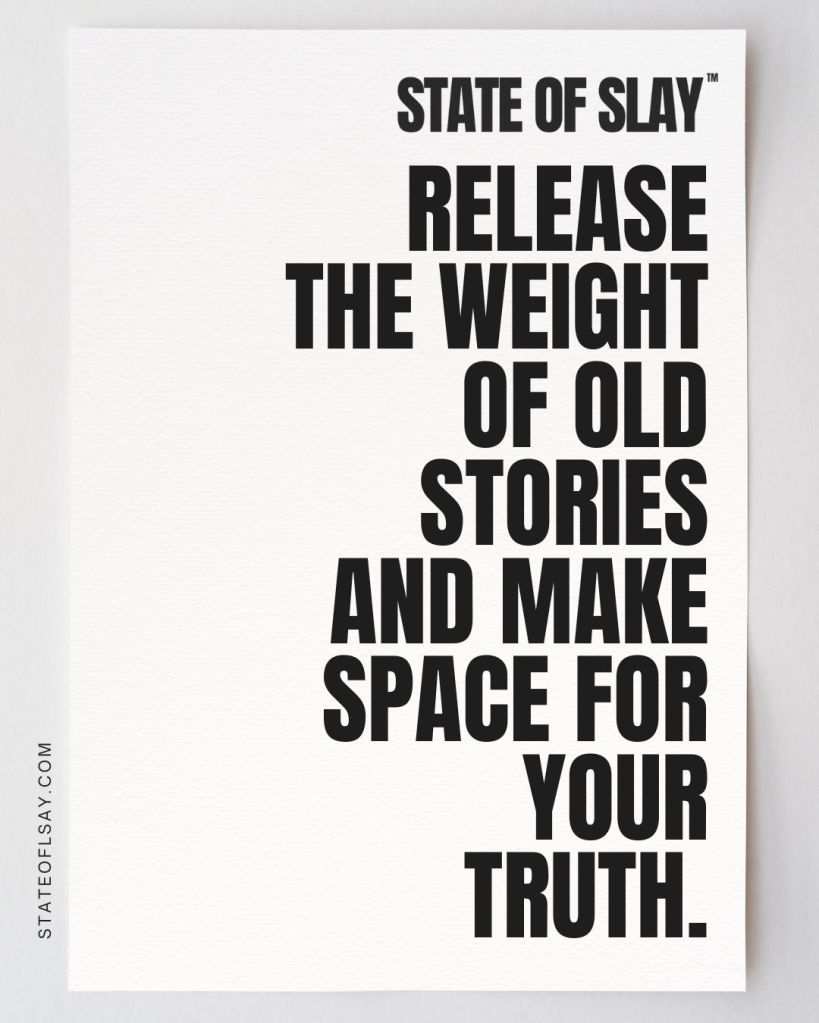
Before I began my recovery journey, I constantly looked to others to rescue me from my own messes. I played the victim, and life felt so unmanageable that it was easier to expect someone else to clean it up.

The truth? My thinking was broken. My perception was skewed. I had no healthy tools or coping mechanisms. So when I finally reached out for real help, I was asked one question that changed everything:

“What are you willing to do?”

And for the first time, I said: Anything.

That was the moment things shifted. I had to fall far enough down into despair before I became willing to fight for my life. And fight I did.

Recovery taught me that this new way of living would only work if I worked it. No one could do it for me. I had to believe I was worth the effort—and that belief became the spark that lit my path forward.

With each milestone I earned, my self-esteem and self-worth grew. I began to think about the younger version of myself—the one I’d neglected, the one I’d hurt. I made a commitment to her that I would never abandon her again. That’s who I fight for now. That’s who I protect.


Why Doing the Work Matters

You can’t do the work for someone else. And if you try, you’re actually robbing them of something vital: the opportunity to grow.

Growth comes from struggle. Strength is built through effort. Confidence is earned through consistency. When we do someone else’s heavy lifting, we deny them the chance to build the muscle they’ll need to stand on their own.

Of course, we can offer support. We can stand beside someone and remind them they’re not alone. But we must let them take the lead. Not only is it healthier for them—it’s healthier for us, too.

Practicing this kind of boundary is a form of self-respect. It’s a reminder that we’re not responsible for fixing everyone’s life. That people-pleasing, over-functioning, and rescuing don’t lead to healing—they often lead to resentment.

You can love someone deeply and still let them do their own work. In fact, that might be the greatest form of love there is.

SLAY on.


SLAY Reflection: Where Are You Over-Functioning?

  • Do you often take responsibility for someone else’s problems? Why?
  • How has doing your own inner work changed your sense of self-worth?
  • What lessons would you have missed if someone else had done the work for you?
  • Can you think of someone in your life who needs to do their own work? What boundary could you set to support them without enabling them?
  • How can standing beside someone—rather than carrying them—be an act of love?

Call to Action: Join the Conversation

I’d love to hear from you.
What’s one way you’ve learned to step back and let someone else do their own work—and how did that shift your relationship with them or yourself?
Share your story in the comments. Let’s cheer each other on.

And if you know someone who’s always trying to rescue others, send this to them.
Sometimes, all we need is a reminder that loving someone doesn’t mean fixing them.

When You See Your Worth You Find It Harder To Stay Around Those Who Don’t

We are what we allow.

And when we allow people to treat us as if we’re not worthy—when we accept behavior that belittles us or dims our light—we start to believe we deserve it.

But our worth isn’t something other people get to define. It doesn’t come from approval, status, or success. It comes from within. From who we are, what we value, and how we show up in the world. True worth is self-sourced. And once we see it clearly, it becomes much harder to stay around people who don’t.


Before I Knew My Worth

When I was living in the dark, I didn’t believe I had any worth.

I made choices that reflected that belief. I tolerated disrespect. I spoke to myself with cruelty. I stayed in environments that diminished me. I confused success with self-worth and chased external validation to feel like I mattered. And when I didn’t get it, the old narrative played on a loop: You’re not good enough.

I lived like someone who had no value—because I didn’t believe I did.

It wasn’t until I stepped onto the path of recovery that I started to challenge that story. At first, I couldn’t even look in the mirror. I couldn’t say, “I love you” to myself. The words got stuck in my throat.

But slowly, with support from others who had been there, I started to find glimmers of self-worth. I made a list of what I liked about myself. On days when that felt impossible, I wrote down the opposite of the harsh thoughts I was thinking—and used that as my starting point.


Building from Within

I did the work. I stayed the course. And slowly, something shifted.

Acts of kindness, both given and received, started to restore me. I gave back where I could. I surrounded myself with people who saw me clearly. I honored the little girl inside me who had never felt safe, and promised her I wouldn’t abandon her again.

With each step, my self-worth grew.

And as it did, my tolerance shrank.

I no longer accepted treatment that chipped away at my light. I no longer stayed in rooms where I felt unseen. I started seeking out people who inspired me, who respected themselves, and who respected me too. Because once you see your own worth, you can’t unsee it—and you won’t settle for less.


Worth Doesn’t Wait for Permission

You don’t have to earn your worth. You don’t have to prove it. You just have to see it—and then live like it matters.

Surround yourself with people who reflect that truth back to you. And when you feel yourself dimming to fit into a space that doesn’t honor you, step back and ask: Is this what I deserve? Or am I shrinking to make someone else comfortable?

You have value just as you are. The right people will recognize it. But most importantly: you will.

SLAY on.


SLAY Reflection: Where Are You Honoring Your Worth?

  • Do you believe you have worth? If not, where did that belief come from?
  • Are you surrounding yourself with people who reflect your worth—or diminish it?
  • What’s one thing you love about yourself? Say it out loud. Write it down.
  • Have you ever tolerated behavior that made you feel small? Why?
  • What’s one way you can stand in your worth today?

Call to Action: Join the Conversation

I’d love to hear from you.
What’s one way you’ve reclaimed your worth—and how did it change what (or who) you allowed in your life?
Share your story in the comments. Let’s cheer each other on.

And if you know someone who’s forgotten how worthy they are, send this to them.
Sometimes, all we need is a reminder to rise.

Carrying A Message Of Hope

It wasn’t a dramatic moment. There were no grand speeches or earth-shattering revelations. Just a quiet, honest story from someone who had been through it, too. A simple retelling of a journey—his lowest lows and the moment he decided to ask for help.

That story gave me the courage to reach out. It was the first spark of hope that told me maybe I didn’t have to stay where I was. Maybe change was possible. Maybe I could begin again.

That is the power of carrying a message of hope. And it’s why I do what I do now.


We All Need a Spark

Hope doesn’t always come with fanfare. Often, it shows up in the form of a shared experience. In someone else’s voice. In a message that says, “You are not alone. I’ve been there, too.”

Especially in challenging times—when life feels uncertain or heavy—those stories matter more than ever. We may feel isolated, ashamed, or like our pain is too much of a burden to place on anyone else. But when someone dares to tell their truth, they give permission for others to speak theirs.

And sometimes, that’s all it takes to change a life.

We weren’t meant to do this alone. I know I couldn’t have walked this path without the people who were willing to share their light when mine had gone dim. Whether it was a friend, a professional, or someone who simply saw me and cared enough to reach out—each one helped carry me forward. Now I do the same.


Your Story Has Power

We often think our story isn’t worth sharing. That it’s too messy, too painful, or not inspirational enough. But that’s not true.

Your story—exactly as it is—might be the one someone else needs to hear. It might be the bridge that helps them cross from fear to courage, from shame to honesty, from isolation to connection. You don’t have to have it all figured out. You just have to be real.

Kindness counts. Connection heals. And hope spreads when we pass it on.


Simple Acts, Big Impact

During difficult seasons, I’ve learned to slow down, keep things simple, and focus on the people, practices, and projects that bring me joy. That is what fuels me.

Hope isn’t loud. Sometimes it’s a quiet hello. A knowing glance. A kind message. A reminder that someone cares.

Today, offer your story. Offer your presence. Offer your hope. You never know who needs it—including you.

SLAY on.


SLAY Reflection: Share the Light

  • Have you ever received hope from someone else’s story? What impact did it have on you?
  • Do you find it easy or difficult to share your truth with others? Why?
  • Is there someone in your life who could benefit from your experience?
  • What stops you from reaching out—and what could help you move through that fear?
  • How can you carry a message of hope in your own way, today?

Call to Action: Join the Conversation

I’d love to hear from you.
Who carried a message of hope to you—and how are you carrying it forward?
Share your story in the comments. Let’s cheer each other on.

And if you know someone who could use a little light, send this to them.
Sometimes, hope is hiding in someone else’s words.

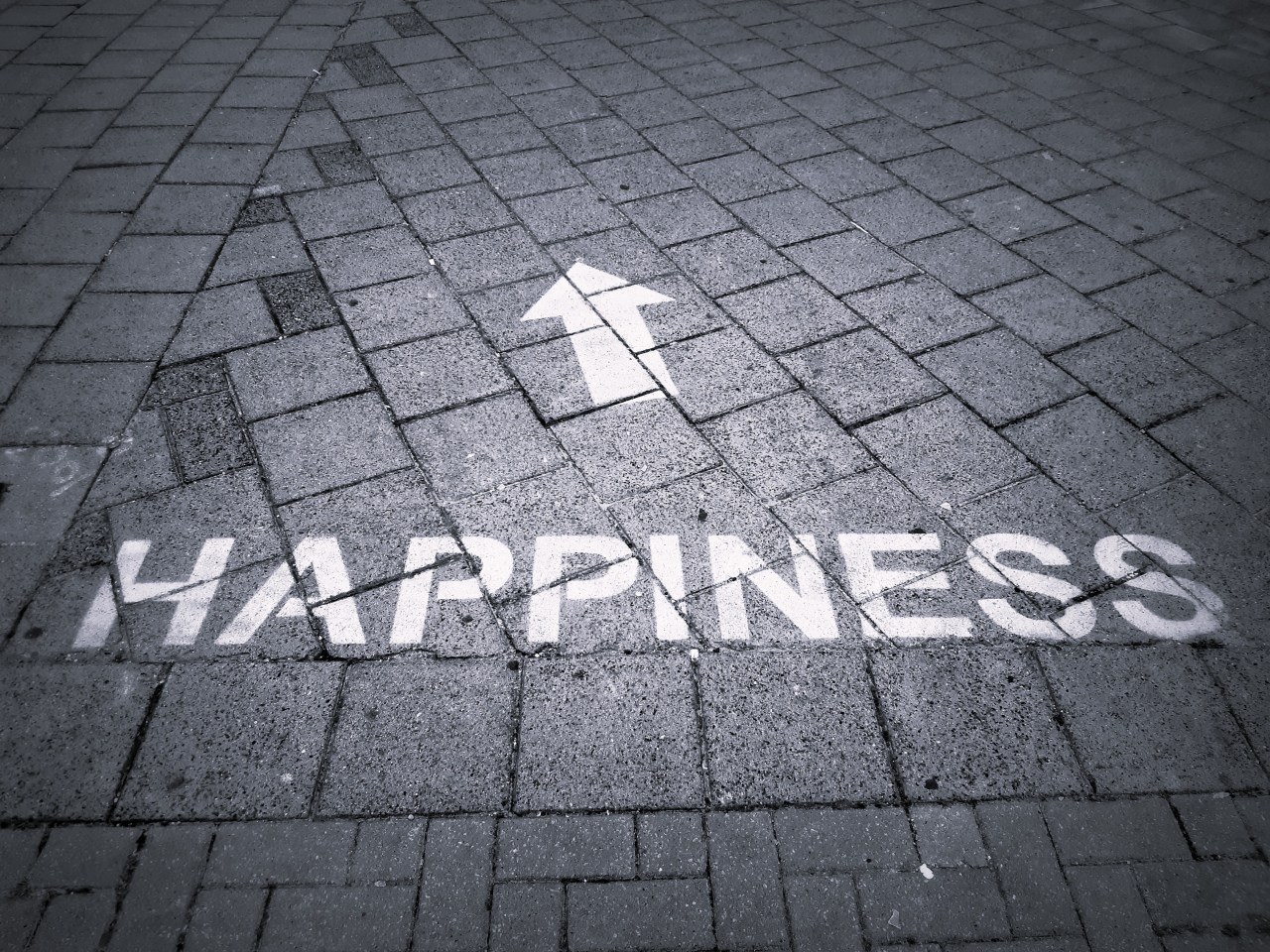
Which Way Are You Going?

I used to know I was heading the wrong way. My decisions were bad, my ego blocked me from seeking help, and my negative thoughts told me I didn’t deserve any better. I was speeding up a one-way street in the wrong direction, fully aware I’d crash eventually—but I kept going. The rush of challenging life, not really caring what happened, kept me hooked. I burned bridges, damaged relationships, and shredded my sense of self. And then one day, inevitably, I crashed. The signs were always there, growing bolder as I barreled toward destruction. I’m grateful I found the courage to stop before the crash became permanent.


The Path Forward

Stepping onto this new path meant a lot of change. I had to prioritize my mental and physical health and focus my energy on moving in the right direction. Along the way, I noticed the signs—those subtle and not-so-subtle signals telling me I was on track. I paid attention, and when I started to veer off course, I made the necessary changes. Sometimes, I didn’t make them right away, but ignoring them didn’t feel good anymore. That old thrill was gone. It left behind the reality that I was sabotaging my progress, so I learned to get back on track.

We always have a choice. We can either do what’s right for us or make excuses. Every day, I had to make a conscious decision to take the next right action. And when I didn’t, I learned to forgive myself and keep moving. Failing is part of the journey, and it’s often where we learn the most. Starting a new path is scary, but as we tune into the signs and share our truth, we step closer to the freedom of leaving the past behind.

Here’s the thing: we don’t have to ride that old road to the end. The exit is there whenever we’re ready.


Time to Reroute

Now, as many of us are experiencing a slower pace, it’s the perfect moment to reflect. What signs have you missed or chosen to ignore? Are you on the right road, headed in the right direction? This time of pause is the perfect opportunity to take a different route—one that might align better with where your heart wants to go. Ask for guidance, look for the signs, and head toward the light.

SLAY on.


SLAY OF THE DAY: Reflect & Rise

  • Do you feel like you’re headed down the right road? If not, why do you stay?

  • What direction would you like to see yourself headed?

  • How can you get there?

  • What do you need to do today to make that change?

  • What has stopped you in the past? How can you overcome that?

  • Write an example of something you’ve overcome. How can you use that experience to fuel the changes you need today?

Remember, we all have the power to change. It may not be easy at first, but it’s possible. Trust that the path meant for you will present itself if you keep looking for the signs.


Call to Action: Join the Conversation

I’d love to hear from you.
What’s one sign you’re noticing that tells you it’s time for a change?
Share your story in the comments. Let’s encourage and inspire one another.

And if you know someone who’s struggling to find their way, send this to them.
Sometimes, a little nudge in the right direction is all it takes.

Sometimes It’s Not The Light That Guides Us But The Darkness That Pushes Us

We often hear that we should follow the light—look for hope, positivity, and healing to guide us forward. But what happens when the light feels too far away? When we can’t see it, let alone follow it?

There was a time in my life when the darkness wasn’t just around me—it was in me. It wrapped itself around everything I was and everything I believed about myself. It suffocated every flicker of light I had left. And the scariest part? I accepted it. I thought I belonged there. I convinced myself that if I just waited long enough, it would somehow resolve itself. But darkness doesn’t heal. It deepens—until you forget what light even looks like.


The Fear That Became Fuel

I’ve shared before that it was someone else’s story—someone brave enough to speak their truth—that gave me a tiny sliver of hope. Just enough to cling to. That story became my lifeline. I wasn’t ready to see my own light yet, but the fear of sinking further into that darkness became the fuel I needed to ask for help.

Sometimes, it’s not inspiration that gets us moving. It’s desperation. It’s the pain of staying the same. It’s the crushing weight of knowing if you don’t do something—anything—you might not make it. That fear can become a gift. A push. A nudge in a direction you’re not sure of, but one that takes you somewhere new. Somewhere better.

I often talk about seeking the light. But I know all too well that sometimes, the light isn’t what gets us started. Sometimes, the darkness is what pushes us toward the light we didn’t even know we were searching for.


The Lies Darkness Tells Us

Darkness is cunning. It doesn’t always show up like the monster under the bed. Sometimes it sounds like safety. Familiarity. Comfort. It whispers, “Stay here. At least here you know what to expect.”

But here’s the truth: darkness may feel familiar, but it is not safe. It convinces us we’re unworthy. It tells us we’re too broken to be seen, too far gone to be helped. It keeps us stuck with stories we’ve outgrown but don’t know how to let go of.

I used to think there was only one “right” way to heal. One perfect path forward. But that belief only kept me stuck longer. It wasn’t until I realized that healing isn’t a straight line—and it doesn’t always begin with light—that I gave myself permission to find my own way. Whether it’s a flicker of inspiration or a fire lit by fear, what matters is that you start.


The Gift of Desperation

They say necessity is the mother of invention, but I believe desperation is the spark of transformation. For me, it was the fear of staying in that deep, dark place that finally opened me up to something new. I call it the gift of desperation.

When what I was doing stopped working, I had to be willing to try something different—even if it scared me. Especially if it scared me. And that willingness, however small, cracked the door open to a new path.

It didn’t look like anyone else’s journey. It was messy. Uneven. Sometimes I was crawling more than walking. But I kept moving. I kept showing up. And little by little, I found my way out of the dark and into something resembling light.


Your Path Doesn’t Have to Look Like Anyone Else’s

There’s no single right way to heal, grow, or change. No template. No “should.” The truth is, we all have different catalysts. For some, it’s hope. For others, it’s heartbreak. For many of us, it’s both.

What matters is direction. If you’re moving toward a better version of yourself—whether by chasing the light or running from the dark—you’re on the right path.

The key is to remain open. To trust that no matter what’s behind you, what’s ahead can be better. And that willingness to shift—even if just a little—can create space for something powerful.


You Don’t Have to Stay Where You Started

If you’re in a dark place right now, I want you to know: you don’t have to stay there. The fact that you’re reading this means there’s still a flicker of light in you. Hold onto that. Feed it.

And if you can’t find your own light just yet, borrow someone else’s. Let their story, their voice, or even their presence guide you until you find your own strength. Sometimes the push of darkness is the very thing that leads us to the path we were meant to walk.

Always look for the light. But if you can’t see it yet, let the darkness give you the push you need for a better view.


SLAY Reflection

Take a moment to reflect, SLAYER:

  • S: Do you make changes by moving toward the light—or away from the darkness?

  • L: What moments in your life were driven by fear, and where did they lead you?

  • A: How can you reframe your current struggles as a push toward something better?

  • Y: What small shift can you make today to move forward, even if the light isn’t visible yet?


Call to Action: Join the Conversation

I’d love to hear from you.
Have you ever been pushed by darkness toward a better place?
Share your story in the comments. Let’s cheer each other on.

And if you know someone who’s feeling stuck in the dark, send this to them.
Sometimes, all we need is a nudge.

Hope

Hope saved my life.
Not overnight, not all at once. But slowly—almost imperceptibly—it pulled me forward when I couldn’t move on my own.

It didn’t start with a grand epiphany or a lightning-bolt moment. It started with a story. Someone shared their truth with me, and in that moment, something shifted. Their honesty lit a tiny spark in the darkness I was drowning in. That spark became a lifeline.

The hope I felt wasn’t loud or bright. It was dim, shaky, barely enough to hold on to. But it was enough. Enough to make me take action. Enough to give me the belief—however fragile—that things could get better.


The Patience of Hope

We live in a world that worships instant results. We want everything now—answers, change, healing, clarity. But hope doesn’t follow a schedule. It’s not something we can demand.

Hope is about trust. Trusting that something better is possible, even when we can’t see it. It asks us to let go of the timeline we think we’re entitled to and surrender to the process of becoming.

And that’s hard. Really hard.

But hope and patience are deeply connected. When we trust in hope, we create space. We soften our grip. We stop trying to control outcomes that were never ours to dictate. Hope is not about sitting still—it’s about steady movement, one small act of faith at a time, guided by the belief that this season will not last forever.


Letting Hope Lead

There’s a difference between wishing and hoping. Wishing is passive. It keeps us stuck. Hope, on the other hand, moves us. It opens our hearts, sharpens our focus, and lifts our heads. It whispers, “Keep going.”

We’re not always asked to see the full path. Often, we’re only given the next step. Hope is what fuels us to take it. It teaches us that we don’t need to have everything figured out in order to move forward—we just need to be willing.

When we push and force, we strangle the very thing we’re hoping for. Life flows in ways we can’t always see. Hope allows us to be guided by something greater than our expectations. It gives us the strength to walk the path, even when we don’t know where it’s leading.


The Gift That Grows

Hope expands when it’s shared. That’s part of why I started this blog—to pass on the spark that was once passed on to me.

You never know who needs your light. You never know who’s one story, one smile, one reminder away from holding on just a little longer. Sharing hope doesn’t require answers or fixing someone’s pain. It only asks that we show up and say, “I see you. I’ve been there. And it can get better.”

If I hadn’t been given that kind of hope years ago, I don’t know where I’d be. But because someone shared it with me, I get to be here now, sharing it with you. That’s the cycle of healing. That’s the quiet power of hope.


Hold On to Hope—And Pass It On

Whatever you’re facing today, I want you to know that hope is still available. Even if it feels out of reach, even if all you can manage is a single breath of belief—start there.

Hope doesn’t require certainty. Just willingness. Just a little bit of faith that things can change. And when you feel it rise, even in the smallest way, share it. Hope grows when it’s given.

We’re all walking through something. We’re all holding pieces of each other’s healing. And we are never alone in that.


SLAY Reflection

Take some time to reflect and reconnect with hope:

  • S: Do you feel hopeful right now? If not, what might be dimming your light?

  • L: Who has shared hope with you in the past, and how did it impact your journey?

  • A: Have you shared hope with someone else? What did that look like, and how did it feel?

  • Y: What’s one small way you can nurture or share hope today, even if it’s just with yourself?


Call to Action: Join the Conversation

I’d love to hear from you.
What does hope look like in your life right now?
Share your story in the comments. Let’s cheer each other on.

And if you know someone who’s struggling to hold on, send this to them.
Sometimes, all we need is a nudge.

Self-Honesty

If we want to grow—really grow—there’s one non-negotiable step we can’t skip: self-honesty.
Not filtered. Not justified. Not softened for comfort. Just the raw, unfiltered truth.

For a long time, I didn’t even realize I wasn’t being honest with myself. I had an explanation for everything—why I did what I did, why it wasn’t my fault, and why I was still the one who got hurt. I wasn’t lying, I told myself—I was surviving. I genuinely believed that. I wasn’t aware of how deep my self-deception ran.

But here’s the thing about dishonesty: even when we fool others, we can never fully fool ourselves. Deep down, we know. And that knowing creates pain—a pain that grows louder the longer we run from it.


When the Lies Catch Up

Looking back, I realize how much effort it took to keep up the act. I was always spinning, justifying, defending, and denying. I wasn’t just lying to others—I was lying to myself. And even though I appeared to have control, my life was unraveling beneath the surface.

I had a story for everything, and in most versions, I was the victim. It worked—until it didn’t. Eventually, the weight of my own dishonesty caught up with me. I felt like I was being swallowed by guilt and shame, and I had to numb myself just to function.

But that small, persistent voice—the one that wouldn’t stay quiet—kept whispering the truth: You know better. You were meant for more than this.
And as much as I tried to silence that voice, it was the only part of me still fighting for the life I deserved.


The Moment That Changed Everything

The turning point came when I couldn’t run anymore. I hit a wall—a moment where the lies I’d told myself stopped working.

I was tired. I was broken. And for the first time, I was honest.

Not just with others, but with myself.

I admitted everything. The damage I’d caused. The pain I’d tried to outrun. The truth I’d buried under ego and fear. I reached out to the people I’d hurt. I owned my choices. And I made a plan to get help.

It wasn’t easy. But it was freeing.

Because the moment I took responsibility was the moment I took my power back.


The Truth Will Set You Free (But First, It’ll Break You Open)

Self-honesty is messy. It means looking at the parts of yourself you’ve tried to ignore. It means taking off the mask and seeing who’s really underneath.

And for many of us, it means accepting that we were the ones standing in our own way. That we made choices that hurt not just others, but ourselves.

But that’s also where freedom begins.

Once I saw how much of my pain was self-inflicted, I realized something powerful: If I created this mess, I can also create something better.

That truth was hard to swallow, but it was also hopeful. Because it meant I didn’t have to wait for anyone else to change. It was up to me. I had the power to break the cycle—and build something real in its place.


Self-Honesty is Self-Love in Action

We talk a lot about self-love. But the most loving thing we can do for ourselves is tell the truth—even when it’s hard. Especially when it’s hard.

Self-honesty isn’t about beating ourselves up. It’s about calling ourselves in, not calling ourselves out. It’s saying, “I know you made choices you’re not proud of. But you don’t have to keep living that story. You can change.”

And that’s what I did. I took ownership. I made amends. I learned from my mistakes. And I committed to a new way of living—one built on truth, not performance.

Was it easy? No.
Was it worth it? Absolutely.


You Can’t Heal What You Won’t Face

If something in your life isn’t working, ask yourself this:
Am I being honest about what’s really going on?

Not just honest with others. Honest with yourself.

Because if we want to live a life that feels good, not just good enough, we have to face the hard truths. We have to stop spinning stories and start taking responsibility.

It’s uncomfortable. It’s humbling. But it’s also the beginning of real change.

The life you want? It starts with telling the truth. To yourself. For yourself.


SLAY Reflection

Let’s reflect, SLAYER:

  • S: Where in your life have you been avoiding the truth?

  • L: What patterns or habits have you justified, even when you knew they were harmful?

  • A: What’s one honest conversation you need to have—with yourself or someone else?

  • Y: What would living in full self-honesty look like for you, and what would it free you to become?


Call to Action: Join the Conversation

I’d love to hear from you.
Where has self-honesty transformed your life—or where do you feel called to be more honest today?
Share your story in the comments. Let’s cheer each other on.

And if you know someone who’s struggling to face the truth, send this to them.
Sometimes, all we need is a nudge.

When Your Past Comes Back

I recently got a phone call from someone in the same industry as me—a person I’ve known for years. They called to say some kind things that truly meant a lot. But what triggered this call was a conversation they’d had with someone I used to consider a close friend.

This former friend had abruptly ended our friendship years ago when I confronted them about behavior I found troubling—putting ambition and personal gain above authentic relationships. Fast forward to now, and they were using my name to connect with people in the industry, as if we were still close. This wasn’t the first time I’d learned they were leveraging my name, but hearing it again stirred something deep inside me.


The Stirring of Old Wounds

At first, I was stunned. Then, the anger bubbled up. How dare they use my name after cutting me off? They had no right. But as my hands trembled and my mind raced with all the things I could say, I stopped.

I took a deep breath.

Here’s the truth: calling them out, lashing back—it wouldn’t change the past or make me feel better. In fact, it would likely pull me into a spiral of frustration and negativity. Instead, I simply told the caller the truth—that this person was no longer a part of my life. I kept it factual, free of venom. I trusted the person on the other end to connect the dots.


Choosing Light Over Darkness

Not long after, I was on a video call where this same person, my former friend, appeared. They made a point to say they were there because of me. I smiled tightly and said nothing. I realized then: the truth would reveal itself in time. It always does.

What I’ve learned on this path is to stay true to myself. It’s not about winning an argument or proving someone wrong. It’s about preserving my peace, keeping my side of the street clean, and focusing on what brings me light and joy.


Letting Go of the Scorecard

Life isn’t about keeping score. People will hurt us, sometimes deeply. But carrying those grievances around only weighs us down. Every time we dwell on them, we feed the darkness instead of the light.

I’ve learned that when someone tries to pull me back into old wounds, I can choose to let go. I can choose to focus on what fills me with light. I can refuse to be dragged down a path that dims my soul.


Moving Forward with Strength

We all face moments when our past rears its head. The question is: how do we respond? Do we pick up the bitterness, or do we lay it down and walk away?

I choose to walk forward, with grace, resilience, and an unwavering commitment to my own well-being.

SLAY on.


SLAY OF THE DAY: Reflect & Rise

  • Have you ever confronted someone about an old hurt? How did that feel?

  • If you felt relief at the moment, did it last? Or did it leave you feeling hollow?

  • Do you find it hard to let things go, or do you feel pulled to dive back in?

  • How do you feel after going back—empowered or depleted?

  • Can you shift your focus to the present and release the chains of the past?

The past is a weight we don’t need to carry. Set yourself free today.


Call to Action: Join the Conversation

I’d love to hear from you.
What’s one way you’ve chosen light over darkness in your past?
Share your story in the comments. Let’s cheer each other on.

And if you know someone who’s struggling to let go of an old hurt, send this to them.
Sometimes, all we need is a gentle reminder: we have the power to move forward.

Adversity Shows Us Who We Are

In my journey, I’ve been through deep adversity before, and it has always shown me who I am. I haven’t always liked what I’ve seen, but I’ve come to understand that I have the power to change it.


Facing Ourselves

In our daily lives, we often fill our days with busyness—things that distract us from what we may not want to face about ourselves: our behaviors, our patterns, and the places we choose to live emotionally day after day. It’s easy to focus on other people, on places and things, and avoid the inner work that requires honesty. For much of my adult life, I did exactly that. I numbed, distracted, and ran from myself until I hit an emotional and spiritual bottom. Suddenly, I had no choice but to face who I truly was.

It wasn’t easy. I had spent so long running from my feelings and stuffing down the emotions I didn’t want to admit even existed. Looking at myself felt nearly impossible. But adversity leaves us with two choices: give up and sink deeper or choose to fight for our lives.


Surrender Is Strength

The adversity I faced with my mental health forced me into a corner. To survive, I had to surrender and ask for help. The word surrender used to feel like weakness to me. I thought it was something only people who weren’t strong did. But the moment I let go, the moment I admitted I couldn’t do it alone, was the strongest decision I ever made.

That act of surrender allowed me to take my power back. It was only the start—I had to continue to be honest about myself and my past. That honesty wasn’t always easy, but if I was ever going to build a life worth living, I had to stop hiding behind lies and half-truths. I had to commit to showing up for myself fully.


Looking in the Mirror

When the curtain is pulled back and all you’re left with is a mirror, there is no moment more humbling. I stood there and saw hate, sadness, and defeat staring back at me. But I was encouraged to find even one small good thing, one spark of light. It was hard at first, but even the smallest bit of goodness was a starting point. From there, I could begin to rebuild.

The journey from self-hatred to self-love wasn’t easy, but every step, every tear, and every hard truth was worth it. Today, I can look in the mirror with compassion and gratitude for how far I’ve come.


Adversity in the Present

Today, we face a new kind of adversity. It’s one that isn’t of our own making, but it affects every part of our lives. As we’re forced to slow down, to pause the busyness we’ve come to rely on, this adversity is holding up a mirror once again.

This time offers us the opportunity to see who we truly are. If we don’t like what we see, life is giving us a chance to change. Maybe that’s one of the greatest lessons from this pause: a reset, an opportunity to return to ourselves and realign with what really matters.

This is a time to shine—not only for ourselves but for those who need our light. It’s an invitation to reflect, to reset, and to emerge stronger and more grounded.

Are you liking what adversity is showing you? If not, it’s time to get to work.

SLAY on.


SLAY OF THE DAY

  • Have there been times in your life where adversity has shown you who you are?

  • Did you like what you saw?

  • What did you do to change that?

  • During this time of adversity, are you liking what you’re seeing?

  • What don’t you like? What can you do to change it?

  • Reflect and make some changes. Love yourself through them, and remember: we’re all walking through this together.


Call to Action: Join the Conversation

I’d love to hear from you.
What has adversity shown you about yourself, and how are you working to change or embrace that?
Share your story in the comments. Let’s cheer each other on.

And if you know someone who’s navigating their own adversity, send this to them.
Sometimes, all we need is a nudge.