Patience Is To Sit In Your Suffering

Patience is a skill I never had when I was living in the dark. I wanted what I wanted—and I wanted it now. If something took longer than I thought it should, I unraveled. I’d stew in my own anxiety, convinced that worrying over it somehow meant I was “doing something.” But it never helped. In fact, it only made things worse.

The reality is, I was causing myself more pain by holding on.

Suffering Is Optional (But It Doesn’t Feel That Way)

When I started my journey toward healing, I had to face a hard truth: patience isn’t passive. It’s active. It’s powerful. It’s choosing to sit still when every part of you wants to control, manipulate, and fast-forward the process.

I was taught something simple, yet profound—do the footwork and let go. And actually let go. Not say I would, then sit in agony while pretending to surrender. That took time. It still does. But every time I allowed myself to sit in discomfort, without reacting, something shifted.

Here’s what I learned: the suffering didn’t come from the waiting—it came from the clinging.

Letting Go of the Illusion of Control

So much of my anxiety came from the belief that I had to manage everything. I believed I had the best plan, the right answers, and the perfect timeline. But that was just my ego talking. And when I realized how wrong I’d been before—how lost and broken I felt trying to run the show—it humbled me.

I had to accept that I wasn’t the director of the universe. That my vision was limited. That maybe—just maybe—there was a bigger plan unfolding, and my job was to participate, not dictate.

That’s where the power of patience lives. Not in forcing, but in trusting. Not in pushing, but in practicing peace. And the more I practiced, the less I suffered.

Choosing Peace Over Pressure

Let’s be honest—letting go is not easy. Especially when we care deeply about the outcome. But once we start to realize that the suffering is self-inflicted—that it’s not coming from the waiting, but how we wait—it becomes easier to breathe through it.

The truth is, when we choose to surrender, we reclaim our power.

Patience doesn’t mean inaction. It means taking the action that’s yours, and then releasing what isn’t. It means being OK with not knowing, trusting that the right things will unfold in the right time. That may feel uncomfortable at first. But comfort isn’t the goal—freedom is.

And freedom comes when we stop clinging to control and let go of the suffering we’ve been dragging around.

SLAY on.


SLAY OF THE DAY: Reflect & Release

  • Do you try to force outcomes instead of letting things unfold?

  • What’s the cost of that tension—emotionally, mentally, physically?

  • How do you feel when you’re able to truly let go?

  • What fear is keeping you in the suffering?

  • What step can you take today to release control and choose peace?

Suffering shows us where we’re clinging. Let it be your invitation to let go.


Call to Action: Join the Conversation
I’d love to hear from you.
What’s one area of your life where you’re holding on instead of letting go?
Share your story in the comments. Let’s cheer each other on.

And if you know someone who’s struggling to sit in the waiting, send this to them.
Sometimes, all we need is permission to pause.

Name Your Fear

I spent years in the dark, without realizing that fear was driving nearly every decision I made.
I was afraid of not getting what I wanted.
Afraid of losing what I had.
Afraid of not being good enough.
Afraid of what others thought of me.
Afraid you already knew what a horrible person I was.

Fear whispered lies and distortions at every turn, clouding my judgment and leading me down a spiral of bad decisions. And once those decisions were made, fear crept in again—this time afraid I’d be found out for them.
I lived in constant irritability and discontent.


The Fog of Fear

Fear doesn’t always show up loud and obvious.
It disguises itself.
It justifies itself.
For me, it was like a low-lying fog—ever-present, making it hard to see the next steps.

When I committed to getting honest with myself, I began to confront my fears. At first, I wouldn’t have said I was afraid of much—except the trajectory of my disease. I knew if I didn’t face my fears, they’d consume me.
But naming them? That took time, and guidance from others.

I had to learn to trust—both the people supporting me and myself. When you live in fear, trust evaporates. You’re stuck in fight-or-flight, always waiting for the next trauma.
Learning to live with honesty and peace was a new concept.


Step by Step

I slowed down.
I started asking myself: What’s the next right thing?
And when I didn’t know, I asked for help.
I had to push through the fear of asking.

As I peeled back the layers of myself, the fears began to reveal themselves—each one an opportunity to heal. Slowly, those fears fell away, replaced by better decisions and a clearer sense of the life I wanted to create.

Letting go of fear also allowed me to share my true self without being paralyzed by the thought of being judged or “not enough.”
The same vulnerabilities that once kept me isolated became the bridges that connected me with others—and helped others still stuck in fear.


What Are You Really Afraid Of?

Right now, many of us live with fear—understandably so, given the world’s circumstances.
But how many of those fears are real?
How many are imagined?
How many can we actually name?

You can’t let go of fear you won’t name.

Find it.
Flush it out.
Let it go.

Because you deserve a life built on freedom, not fear.

SLAY on.


SLAY OF THE DAY: Reflect & Rise

  • Would you say you are someone who lives in fear?

  • What are you afraid of?

  • Do you know what you are afraid of?

  • Which fears are real, and which are imagined?

  • Where do those fears come from?

  • What steps can you take to let go of imagined fears?

  • How can you approach real fears in your life with clarity and strength?

  • How does holding onto fear help or hurt you?

Remember:
Some fear is healthy. It keeps us safe.
But most fear just holds us back.
Look at your fears today, Slayer.
Figure out why you’re holding on.
Don’t let fear rob you of your best life.


Call to Action: Join the Conversation

I’d love to hear from you.
What’s one fear you’re ready to name—and take a step toward letting go of today?
Share your thoughts in the comments. Let’s support each other’s journeys.

And if you know someone who might be feeling stuck in fear, send this to them.
Sometimes, naming a fear is the first step to reclaiming your power.

When Your Past Comes Back

I recently got a phone call from someone in the same industry as me—a person I’ve known for years. They called to say some kind things that truly meant a lot. But what triggered this call was a conversation they’d had with someone I used to consider a close friend.

This former friend had abruptly ended our friendship years ago when I confronted them about behavior I found troubling—putting ambition and personal gain above authentic relationships. Fast forward to now, and they were using my name to connect with people in the industry, as if we were still close. This wasn’t the first time I’d learned they were leveraging my name, but hearing it again stirred something deep inside me.


The Stirring of Old Wounds

At first, I was stunned. Then, the anger bubbled up. How dare they use my name after cutting me off? They had no right. But as my hands trembled and my mind raced with all the things I could say, I stopped.

I took a deep breath.

Here’s the truth: calling them out, lashing back—it wouldn’t change the past or make me feel better. In fact, it would likely pull me into a spiral of frustration and negativity. Instead, I simply told the caller the truth—that this person was no longer a part of my life. I kept it factual, free of venom. I trusted the person on the other end to connect the dots.


Choosing Light Over Darkness

Not long after, I was on a video call where this same person, my former friend, appeared. They made a point to say they were there because of me. I smiled tightly and said nothing. I realized then: the truth would reveal itself in time. It always does.

What I’ve learned on this path is to stay true to myself. It’s not about winning an argument or proving someone wrong. It’s about preserving my peace, keeping my side of the street clean, and focusing on what brings me light and joy.


Letting Go of the Scorecard

Life isn’t about keeping score. People will hurt us, sometimes deeply. But carrying those grievances around only weighs us down. Every time we dwell on them, we feed the darkness instead of the light.

I’ve learned that when someone tries to pull me back into old wounds, I can choose to let go. I can choose to focus on what fills me with light. I can refuse to be dragged down a path that dims my soul.


Moving Forward with Strength

We all face moments when our past rears its head. The question is: how do we respond? Do we pick up the bitterness, or do we lay it down and walk away?

I choose to walk forward, with grace, resilience, and an unwavering commitment to my own well-being.

SLAY on.


SLAY OF THE DAY: Reflect & Rise

  • Have you ever confronted someone about an old hurt? How did that feel?

  • If you felt relief at the moment, did it last? Or did it leave you feeling hollow?

  • Do you find it hard to let things go, or do you feel pulled to dive back in?

  • How do you feel after going back—empowered or depleted?

  • Can you shift your focus to the present and release the chains of the past?

The past is a weight we don’t need to carry. Set yourself free today.


Call to Action: Join the Conversation

I’d love to hear from you.
What’s one way you’ve chosen light over darkness in your past?
Share your story in the comments. Let’s cheer each other on.

And if you know someone who’s struggling to let go of an old hurt, send this to them.
Sometimes, all we need is a gentle reminder: we have the power to move forward.

It’s OK To Feel Out Loud

I used to believe that showing my feelings meant weakness.
For most of my adult life, I stuffed down every emotion I thought was “bad,” “embarrassing,” or would put a negative light on me.

When those feelings bubbled up, I’d shame myself. I told myself I was stronger for not showing them. And I looked down on others who wore their emotions on their sleeves.

I thought I was in control.
But the truth was, I was being controlled—by fear, by self-judgment, by the belief that emotions were dangerous.

And it worked… until it didn’t.


The Truth About Suppressed Emotions

Eventually, I couldn’t hold it all in anymore.
Those feelings I refused to acknowledge started eating me up inside. They fueled the negative self-talk that looped in my mind, telling me I was “less than,” “unworthy,” and “weak.”

I had to learn—slowly, painfully—that feeling my feelings wasn’t dangerous.
Trying to keep them hidden was.

When I finally reached out for help, I stripped away the distractions and coping mechanisms that kept me from facing how I truly felt.

It was terrifying. I felt exposed, raw, and fragile.
At first, I thought I couldn’t handle it. The emotions overwhelmed me, and my anxiety spiked. But I was encouraged to breathe through them, to sit with them, and to talk with others who understood.

Even then, I tried to keep up appearances.
I remember sitting in a support group, listening to another woman share her truth, and recognizing my own story in hers. My eyes filled with tears, but I fought to keep them hidden.

A friend noticed. She placed a gentle hand on my knee and said, “It’s OK to be sad.”
It was the first time anyone had given me permission to just… feel.

So I let go. And I cried.


The Power of Feeling Out Loud

That moment changed me.
I realized that suppressing my feelings wasn’t strength—it was isolation.

Over time, I learned that sharing my feelings—when safe and appropriate—allowed me to connect with others. It helped me release the weight I carried alone.

I gave others permission to feel their feelings, too.
I discovered that when we let ourselves feel out loud, we remind others that they’re not alone.


Your Feelings Deserve Space

There’s nothing wrong with having feelings—sadness, fear, anger, joy, love.
But there’s something deeply harmful in denying them.

When we stuff them down, they don’t disappear.
They fester, attaching themselves to other experiences, or exploding when we least expect it.

Letting your feelings out is not a sign of weakness—it’s a sign of honesty. It’s a way of staying connected to your truth.

Feel your feelings. Feel them out loud. Let them move through you, and then let them go.

SLAY on.


SLAY OF THE DAY: Reflect & Rise

  • Do you share your feelings, or do you keep them bottled up?

  • If you don’t, what holds you back?

  • If you do, how does it feel afterward?

  • Have you always been open with your feelings, or was there a time you hid them?

  • What changed?

  • What feelings do you still struggle to show?

  • What might happen if you let them out today?

Find the courage to feel, SLAYER.
Let your feelings out. Let them go.
Free yourself from the weight you’ve been carrying.


Call to Action: Join the Conversation
I’d love to hear from you.
What feelings do you find hardest to express, and what’s one small step you can take today to give those feelings space?
Share your story in the comments. Let’s support each other in honoring our emotions.

And if you know someone who might need a reminder that it’s OK to feel out loud, send this to them.
Sometimes, a gentle nudge is all we need to step into our truth.

It Starts In Our Thoughts

I used to believe my biggest problem was everything outside of me. The people. The situations. The pain I carried. But when I got still—really still—I realized something that rocked me to my core: my real issue was my thinking.

That truth was a hard pill to swallow. I saw myself as smart, self-sufficient, capable. So to admit that my own mind was the source of my suffering? That was humbling. But it was also the key to my healing.


When Your Mind Becomes the Battlefield

For years, I tried to fix my life with outside solutions. Food, alcohol, work, relationships—anything to distract or numb the noise in my head. But no matter what I used, the chaos always came back.

Because the problem wasn’t what was around me. The problem was what was going on inside me.

My thinking had become a bully, one that convinced me I was broken, unworthy, and doomed to stay that way. And the more I listened, the more I suffered.


Admitting the Truth (and Taking Back My Power)

The turning point came when I hit my emotional and spiritual bottom. I had to face the truth: My best thinking had gotten me here.

So I stopped trying to outthink the pain, and I started getting help. Recovery work. Support groups. Therapy. People who understood this path and weren’t afraid to tell the truth. The more I shared, the less power my thoughts had over me.

I began learning new tools—meditation, reframing, gratitude. I started asking for perspective instead of assuming my perspective was fact. And I promised myself I would stay teachable, because the moment I think I know it all? That’s when I’m in trouble.


Watch Your Thoughts—They Become Your Reality

Our thoughts shape our perception. And our perception shapes our choices. If your thoughts are rooted in shame, fear, or scarcity, your life will reflect that.

But when you begin to challenge those thoughts, you shift your reality.

Today, I ask myself:

  • Is this thought true, or just familiar?
  • Is it coming from love or fear?
  • Does this thought serve the version of me I’m becoming?

You don’t have to believe everything you think. And you don’t have to let your mind run the show.


You Can Rewrite the Story

If your thoughts have been taking you down, know this: you can take back the pen. You are not your thoughts. You are the one witnessing them.

With support, honesty, and consistency, you can rewire your mind. You can heal what once felt permanent. And you can choose thoughts that empower rather than destroy.

Don’t let your thoughts bully you out of the life you’re here to live. Shine a light on them. Bring them into the open. Then take one brave step in a new direction.

SLAY on.


SLAY Reflection

  1. When has your thinking gotten you into trouble?
  2. What are the recurring negative thoughts you notice most often?
  3. Have you ever challenged a thought and discovered it wasn’t true?
  4. What tools help you shift into a more positive mindset?
  5. What’s one belief you’re ready to release today?

S-L-A-Y:

  • See your thoughts clearly and call them out.
  • Let go of the need to control them all—just notice.
  • Ask for support and seek out truth-tellers.
  • You are not your thoughts—you are your healing.

Call to Action: Join the Conversation
I’d love to hear from you.
What thought are you ready to stop believing today?
Share your story in the comments. Let’s cheer each other on.

And if you know someone who’s stuck in a negative thought loop, send this to them.
Sometimes, all we need is a nudge.
Looking Through Your Own Tinted Glasses

I’ve been thinking a lot lately about how we see life through our own lens. How easy it is to adjust the tint to suit the story we want to tell—or the one we’re trying to avoid.

Because the truth is, when we keep those glasses on, we keep ourselves from seeing what’s real.


The Comfortable Distortion

When I was living in the dark, I wore every shade of tinted glasses you can imagine. I’d change the lens to match my mood, my fears, or the lies I was telling myself.

Reality? I didn’t want to face it. It was too painful. Too overwhelming. Too raw.

So I hid. I convinced myself that my version of the story—my distorted, safer version—was enough. I ignored the cracks in my life, the hurt I was causing myself and others, and I justified it all with the filters I chose to wear.

But eventually, the truth caught up with me. And when it did, I realized how small and dark my world had become.


Taking Off the Glasses

It wasn’t easy. Seeing life without those filters meant facing the choices I’d made, the damage I’d done, and the lies I’d told. It meant admitting that I was the one holding myself back.

But in that hard truth, I found something I hadn’t expected: hope.

I discovered that even when the view was painful, it was honest. It was real. And it gave me a path forward.

As I began my journey of recovery, I learned to live in reality. To lean on others who were also learning to live in their truth. To reach out for help when my reality felt overwhelming.

And over time, I realized that reality—messy, uncomfortable, imperfect—is where life really happens.


Seeing Life Clearly

These days, I still feel the temptation to slip those tinted glasses back on when life gets hard. But I remind myself that hiding doesn’t solve anything. It just keeps me stuck.

Reality can be painful. But it’s also where growth lives. It’s where connections deepen, where healing begins, and where we finally get to see ourselves—truly see ourselves.

And the more I practice living in the clear, the more I realize how much beauty there is in truth.

SLAY on.


SLAY OF THE DAY: Reflect & Rise

Do you tend to hide behind tinted glasses to avoid facing your truth?
What fears or stories are you using those lenses to cover up?
What might your life look like if you took them off today?
How can you begin practicing honesty with yourself and those around you?
What’s one small step you can take today to start living in the clear?


Call to Action: Join the Conversation

I’d love to hear from you.
What’s one truth you’re ready to face today?
Share your story in the comments. Let’s cheer each other on.

And if you know someone who’s struggling to see reality, send this to them.
Sometimes, a small nudge is all it takes to lift the veil.

Your Apology Should Be As Loud As Your Offence

Apologizing isn’t always easy. Admitting we were wrong, or that we said or did something to hurt someone, is a humbling experience. But there comes a time when each of us must face this truth, and when we do, we should make our apology just as loud as our offense.

Too often, apologies are mumbled or whispered, offered in hushed tones or hidden behind a wall of shame. But a true apology calls for courage and clarity. It should be voiced with the same strength and presence as the offense itself.


Before the Apology

Before I started walking this path, I almost never apologized. I always found a way to justify my behavior—no matter how wrong it was. My thinking back then convinced me that not only did I not owe anyone an apology, but maybe they owed me one. But deep down, I knew better. That unspoken guilt festered and fed into the narrative that I wasn’t a good person.

Living that way kept me sick and stuck in the darkness. When I committed to getting well and living with rigorous honesty, the weight of my past came into focus. I saw the damage I had caused and realized how many apologies I owed. And not just whispered apologies—real ones, offered with the strength of my voice and the fullness of my heart.


Learning to Apologize

I learned that an apology couldn’t be self-serving. It wasn’t about making myself feel better or easing my guilt. It wasn’t about forcing the other person to forgive me. It was about owning my part—completely and honestly.

I also learned that timing and sincerity matter. Apologies should be made when we are truly ready to take full responsibility, with no excuses or attempts to share the blame. I had to keep my side of the street clean, and that included owning my part, no matter how small it seemed.

Standing up and apologizing with the same intensity as the offense wasn’t easy. But it was healing. Over time, those sincere apologies helped mend relationships and build self-respect. They also taught me to think twice before slipping back into old behaviors.


A Path to Growth

Admitting where we were wrong might feel uncomfortable, but living with the guilt and damage of unacknowledged actions is far worse. An apology should come from a sincere heart and be delivered with clarity and conviction.

When we take responsibility and apologize with strength, we show respect for the person we wronged and for ourselves. And when we can’t directly make amends, we commit to changing the behaviors that led us there.

As SLAYERS, we don’t shy away from our mistakes. We stand tall, admit when we’re wrong, and use each apology as an opportunity to grow stronger and more self-aware.


SLAY OF THE DAY:

  • Do you find it hard to apologize when you’re wrong?

  • Do you acknowledge your part, or do you place the blame on others?

  • How many times have you had to apologize for the same behavior?

  • Who do you owe an apology to today? What’s stopping you?

  • When was the last time you apologized, and how did that feel?

  • How did the other person respond? How did that change your relationship?

  • When was the last time someone apologized to you? How did that make you feel?

Use each apology as a stepping stone to becoming stronger, more self-aware, and more connected with others. SLAY on.


Call to Action: Join the Conversation

I’d love to hear from you.
What’s one apology you’ve been holding back?
Share your story in the comments. Let’s lift each other up.

And if you know someone who needs to hear this, send it to them.
Sometimes, all we need is a nudge.

Not Everything That Weighs You Down Is Yours To Carry

This week has been heavy.
Not just in the day-to-day busyness, but emotionally, mentally, spiritually.

And as I took a step back, I asked myself a question I’ve learned to come back to again and again:
Is all of this mine to carry?

The answer?
No.
But that hasn’t stopped me from dragging it around—tight-chested, overwhelmed, and bone-tired.

Like many of us, I juggle a lot every day.
And most of the time, I believe I can handle it all.
Until I can’t.
Until I hit a wall.
And when I do, I don’t always meet myself with grace.
Sometimes, I meet myself with frustration and shame.

Even when I know better, I still find myself slipping into old habits—trying to carry it all.
No one is asking me to.
Help is there if I reach for it.
But there I go, dragging the weight of the world across some invisible finish line I made up in my head.

It’s time to pause.
To take a breath—or a few—and ask myself what I’ve picked up along the way that never belonged to me in the first place.


We Learn to Carry What We Don’t Need

Before recovery, I carried everything.
It never occurred to me that I could set anything down.

The emotional weight.
The resentment.
The guilt.
The responsibility for people and problems that were never mine to begin with.

I just kept going—until I couldn’t.

Eventually, I hit a wall.
Hard.
And that wall was the wake-up call I needed.
I couldn’t live that way anymore.
It was slowly destroying me.

So I asked for help.
Not just with what I was carrying—but with how I lived.


Learning to Let Go of What’s Not Yours

Through recovery, I discovered something profound:
A lot of what I was carrying wasn’t mine.

Some of it was inherited—passed down through family, expectations, trauma.
Some of it I volunteered to carry—because I wanted to feel helpful, needed, or in control.

And some of it… I carried on purpose to sabotage myself.
To stay small.
To stay exhausted.
To prove that I couldn’t do more, be more, live more.

That’s the hard truth.
Sometimes, we don’t just carry what’s not ours—we choose it.

But once I got honest with myself, I realized I had a choice.
To let go.
To say no.
To only carry what actually belonged to me.

And that changed everything.


What’s Yours—and What’s Not

There will always be people who would gladly let you carry their weight.
There will be moments when you try to carry someone else’s pain, fear, or responsibility—uninvited.

But that doesn’t mean you have to.

Being helpful doesn’t mean taking on someone else’s journey.
Being strong doesn’t mean carrying more than you should.
Being loving doesn’t mean sacrificing yourself.

We are responsible for ourselves.
For our peace.
For honoring what we need.

That starts with putting down what was never yours to carry in the first place.


SLAY Reflection: What Are You Carrying?

  1. Do you tend to carry more weight than you need to—physically, emotionally, or mentally?
    What does that weight feel like?

  2. What are you carrying that doesn’t actually belong to you?
    Who gave it to you—and why did you accept it?

  3. Are there responsibilities, emotions, or expectations you’ve taken on to feel valuable or in control?
    How are they serving you? How are they hurting you?

  4. What would it feel like to put that weight down—even just a little?
    What would change?

  5. What can you do today to lighten your load and honor your limits?
    Where can you say no, ask for help, or simply rest?


Call to Action: Join the Conversation

I’d love to hear from you.
What’s one burden you’ve been carrying that isn’t actually yours—and how are you learning to let it go?
Share your story in the comments. Let’s cheer each other on.

And if you know someone who’s overwhelmed by weight they were never meant to carry, send this to them.
Sometimes, all we need is a nudge.
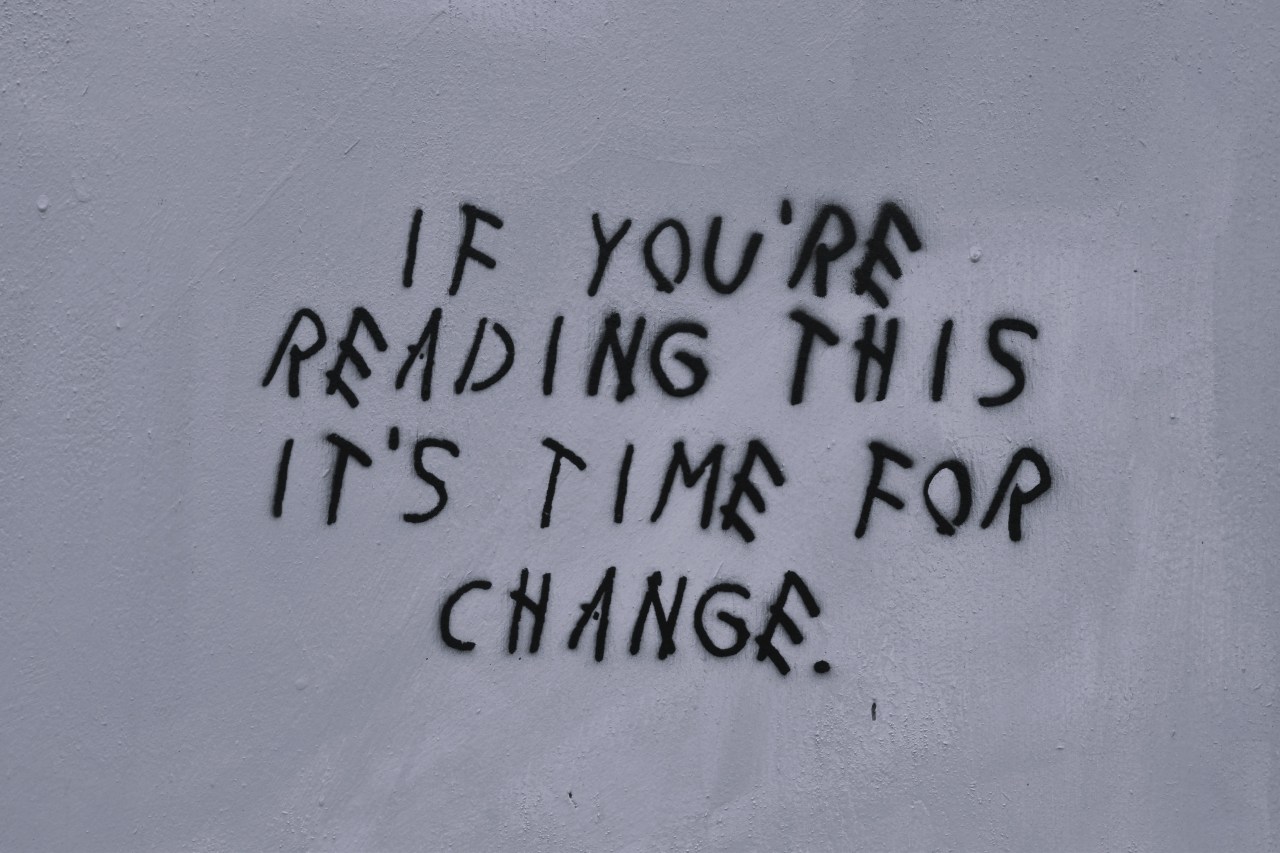
If It Costs You Your Peace It’s Too Expensive

I used to let my stubbornness steal my peace.
If there was something I wanted, I was hellbent on making it happen—no matter the cost. I believed that pushing, forcing, and controlling the outcome was how you “won.” But all I really won was anxiety, burnout, and a whole lot of frustration.

Peace?
I didn’t even know what that looked like. And in my mind, if I had to sacrifice it to get what I wanted, so be it.

I also let relationships rob me of my peace. I gave them too much power, placed too much value on maintaining certain connections—whether or not they were good for me.
My life was one big internal tug-of-war between what I wanted and what was actually happening.

I was never at peace. And I didn’t realize just how much that was costing me.


Peace Is the New Priority

When I started this path, I was told something that stuck with me:
Your peace is more important than anything you’re chasing.

At first, I wasn’t sure how to take that. I thought it meant giving up. But it didn’t. It meant shifting my priorities—choosing myself.

It didn’t mean stop going after what I want. It meant not letting the pursuit of it wreck me in the process.

If what I’m chasing is costing me my peace?
It’s too expensive.

That became my new measuring stick.


When the Price Is Too High

When I feel anxiety start to build, when I feel myself getting defiant, angry, or obsessive—I know.
Whatever I’m chasing has tipped the scale.
It’s no longer about the goal—it’s about control.
And that’s when I have to step back.

This way of thinking was completely foreign to me at first.
I used to believe that pushing through the pain, sacrificing myself for the win, was what strength looked like.
I thought that was self-care—doing whatever it took to succeed.

But it wasn’t self-care. It was self-abandonment.
And I didn’t know the difference until I got honest about what peace actually meant.


Real Peace Is Rooted in Self-Love

Today, I know better.

True self-care doesn’t bulldoze you to the finish line.
It doesn’t demand you give up your mental, emotional, or spiritual well-being in the name of achievement or connection.

Real peace is quiet.
Gentle.
Steady.
And the more I protect it, the more clarity I have.

I no longer force things into being.
I no longer chase what isn’t meant for me.
I no longer need to prove I’m right or make something “work” when every sign tells me it’s not aligned.

That doesn’t mean I don’t work hard. I do.
It just means I work in a way that doesn’t betray myself in the process.


Peace Over Proving

Now when something feels “off,” I pause. I check in with myself.
Is this discomfort a sign I’m stepping out of my comfort zone—or is it warning me that my peace is at risk?

There’s a difference.

One is growth. The other is self-sacrifice.

Today, I choose peace. I protect it. I guard it like the sacred thing it is—because I’ve learned that nothing I want is worth losing it.

So when something feels forced or frantic, I ask myself:
Is it costing me my peace?
If the answer is yes, then it’s not worth it.


SLAY Reflection: Is It Worth Your Peace?

  1. What things or people are you allowing to steal your peace right now?
    What’s the result of that?
  2. Why do you continue to chase things at the cost of your well-being?
    Is it a habit, fear, or need for control?
  3. What does peace actually feel like for you?
    And when was the last time you truly felt it?
  4. What boundaries could you set to protect your peace more consistently?
    What might change if you did?
  5. What can you do today—right now—to honor your peace above all else?
    Because it is not replaceable.


    Call to Action: Join the Conversation

    I’d love to hear from you.
    What’s one thing you’ve had to walk away from in order to protect your peace?
    Share your story in the comments. Let’s cheer each other on.

    And if you know someone who’s struggling to choose peace over pressure, send this to them.
    Sometimes, all we need is a nudge.
Silence Isn’t Empty—It’s Full of Answers

There was a time when silence terrified me.

Back when I was living in the dark, silence didn’t feel still or serene—it felt suffocating. The moment things got quiet, my head got loud. I filled every corner of my life with noise: music in my ears, background TV, endless scrolling, constant distractions. Yoga? I had long quit that. Sitting alone for an hour with my thoughts? No thank you. I was afraid of what I’d hear.

But here’s what I’ve learned on the other side of that fear:
Silence isn’t empty. It’s full of answers.


What We Avoid Is Often What We Need

When I made the choice to get better, I had to learn how to sit with myself.
With my thoughts.
With the truth.
With the shame.
And ultimately—with the peace that waited beneath it all.

It didn’t happen overnight. At first, I had to work hard to ignore the lies my mind still wanted to tell me. But little by little, the static in my head started to quiet. And what I found in that silence wasn’t danger—it was guidance. Clarity.
Peace.

I realized that the silence I’d run from wasn’t trying to hurt me—it was trying to help me. I just had to be well enough to hear what it was saying.


Cleaning House to Find the Calm

In order to make peace with silence, I had to do some serious housecleaning. I worked to replace negative self-talk with words that were loving, kind, and true. I took ownership of my actions, stopped blaming everyone else, and started healing the parts of me that kept replaying old stories.

It wasn’t easy. My old patterns wanted me to believe I was always the victim, that life just happened to me. But I learned that I had choices. And even when I couldn’t control what was happening, I could still choose how I responded.

Taking responsibility gave me back my power—and that is when silence started to feel safe.

Today, silence is where I reset. It’s where I check in with myself. It’s where I listen to what I really need.
It’s no longer something I fear—it’s something I crave.


Let Silence Speak

Silence isn’t the enemy.
It’s the sacred space where our soul gets a chance to speak.

So the next time you find yourself wanting to reach for the noise—pause. Ask yourself what you’re afraid to hear. Because what scares us in the quiet is often the very thing trying to guide us forward.

Let silence be a space of peace, of presence, and of power.
SLAY on.


SLAY OF THE DAY: Reflect & Rise

Are you afraid of silence? Or have you found comfort in it?

  • What comes up for you when things get quiet?

  • Are you filling your time with noise or distractions to avoid something?

  • What’s one thing you’ve learned when you’ve allowed yourself to sit in stillness?

  • How can you use silence today to guide a decision, check in with yourself, or realign with what matters?

  • What would it take for you to see silence as a friend, not a threat?

The answers are already inside you. You just have to get quiet enough to hear them.


Call to Action: Join the Conversation

I’d love to hear from you.
What’s something silence has revealed to you that you wouldn’t have discovered otherwise?
Share your story in the comments. Let’s cheer each other on.

And if you know someone who avoids stillness because they’re afraid of what they’ll hear, send this to them.
Sometimes, what we fear is where the healing begins.