
Confirmation Bias

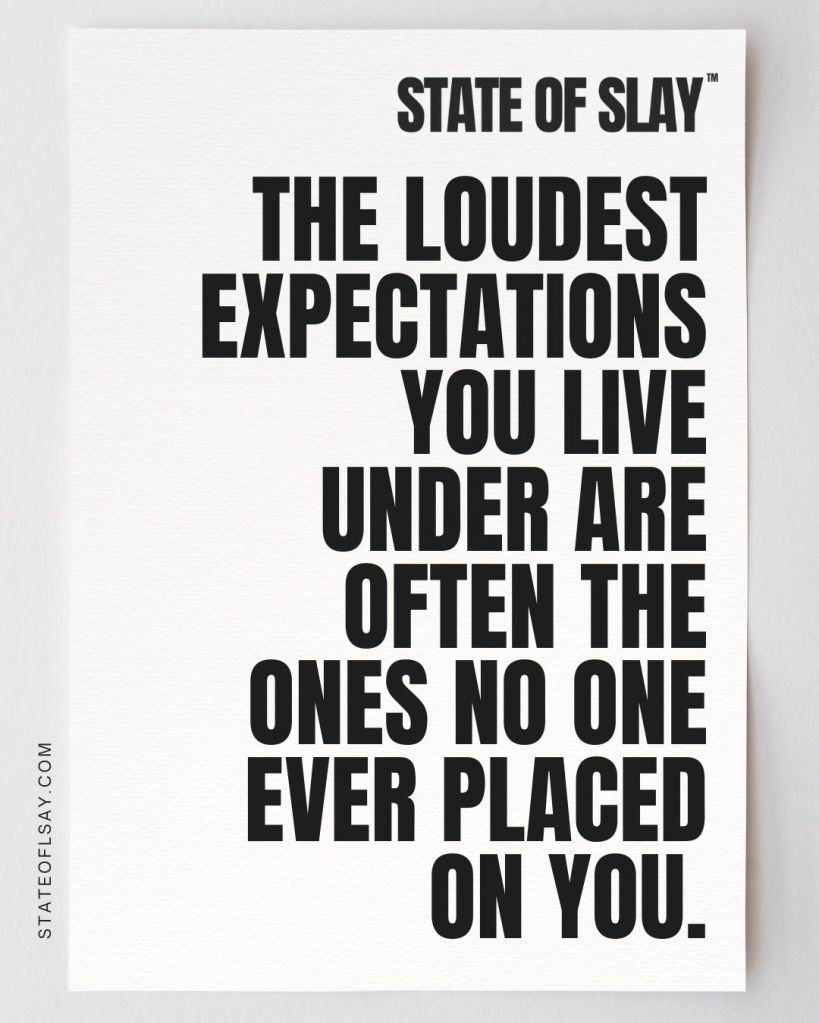
We all want to believe we’re right. That the thoughts we have are the truth. That what we fear is valid. That what we suspect about others is accurate. And so, often without realizing it, we go looking for proof. Not for the truth—but for what we already believe.

That’s confirmation bias.

And it can quietly wreck everything from our relationships to our self-worth.


What Are You Trying to Prove?

Here’s the thing about the human brain: it’s not always looking for truth. It’s looking for evidence that confirms what it already believes.

If your brain believes you’re not good enough, it will dismiss compliments and zero in on criticism.

If your brain thinks no one can be trusted, it will interpret a delayed text or a short tone as betrayal.

If you believe someone doesn’t like you, you’ll search their face and their actions for the tiniest piece of proof—and you’ll find it, even if it isn’t real.

We all do it. It’s human.

But when we act on that bias instead of reality, we reinforce the story we already believe—and miss the opportunity for connection, growth, and healing.


When I Believed the Worst

For a long time, I believed I was unworthy. That no matter how hard I tried, it was never enough. That I would always be the one left behind.

So I looked for proof.

I clung to any sign of rejection. I dismissed care or kindness because I assumed it wouldn’t last. I assumed I was being judged, even when no one was paying attention to me.

I thought I was being self-aware. I thought I was protecting myself.

But what I was really doing was building a case against myself, collecting data that wasn’t even true. And every time I gave weight to a moment of perceived rejection, I was closing a door. I was missing a chance to see that maybe the story I was telling myself wasn’t the whole truth.

And if it wasn’t the truth? Maybe I wasn’t broken after all.


How to Break the Bias

Awareness is everything.

Next time you find yourself thinking, “See? I knew it,” pause.

Ask yourself:

What am I trying to prove right now? And is this actually true—or just familiar?

Confirmation bias feels like safety. It feels like control. But really, it’s just an old loop. One you can break.

Try asking someone you trust for a reality check. Or write down your belief and then list the evidence for and against it.

Better yet, ask yourself: Would I talk to someone I love the way I’m talking to myself right now?


SLAY Reflection

Ask yourself:

  • What beliefs do I keep trying to prove?
  • Where did those beliefs come from?
  • How is confirmation bias limiting my relationships?
  • Do I trust my thoughts more than I trust what’s real?
  • What would it feel like to look for evidence of the opposite being true?

S – L – A – Y

S: Spot the belief that keeps repeating.
L: Listen for the moment you start searching for proof.
A: Ask yourself what else could be true.
Y: Yield to possibility. It’s where healing begins.


Call to Action: Join the Conversation
I’d love to hear from you.
What’s a belief you’ve spent a long time trying to prove—and what happened when you questioned it?
Share your story in the comments. Let’s cheer each other on.

And if you know someone who’s stuck in a loop of self-doubt, send this to them.
Sometimes, all we need is a nudge.

Name Your Brain

Ever catch yourself spiraling into self-doubt or reacting like the sky is falling… when it’s really not? You’re not alone. That voice in your head—the one that catastrophizes, criticizes, or convinces you you’re not enough—it has a mind of its own.

So what if you gave it a name?

That’s right. Name your brain. Give that voice a personality, an identity, a little flair. Why? Because separating you from your thoughts helps you manage them with more clarity—and maybe even a little compassion.


Why Naming Your Brain Works

When you name your brain, you create space between you and the mental noise. You stop treating every thought as truth and start seeing them for what they really are: patterns. Most of them were wired in long ago—through experiences, messaging, and survival mode. But they’re not your whole story.

Let’s say your brain loves worst-case scenarios. It goes from “I made a mistake” to “I’m going to lose everything” in under five seconds. Instead of spiraling with it, what if you said:

“Okay, here comes that same old voice again. We’ve heard this one before—and we’re not falling for it.”

Naming helps you shift from fear to awareness. You start to notice your patterns, question them, and choose a new response. It turns down the emotional intensity and gives you the power back.


What’s Your Brain’s Personality?

Start by observing. When stress hits, how does your brain talk to you?

  • Is it hypercritical? (“You’ll never get this right.”)
  • Dramatic? (“This is a disaster!”)
  • Perfectionist? (“Not good enough. Try harder.”)
  • People-pleaser? (“Don’t speak up. You’ll upset them.”)

Now give that voice a name and a persona. Think of it like casting a character. Your name can be oddly specific, or just descriptive—whatever helps you take the edge off and reclaim your power.

For me, naming my brain made me think of it in a different way—less like a runaway train and more like an annoying voice or committee that would show up and try to spoil my day. Giving it a name helped me keep it in perspective. It gave me something specific to talk back to—and even tell to take a hike.

I mean, I wouldn’t put up with someone else saying the kinds of things my brain sometimes did—so why would I take that abuse from myself?

These days, when that voice pops in, I can say: “I hear you, but we’re not doing that today.” And it really does help.


From Reaction to Redirection

Once your brain has a name, you can start redirecting instead of reacting.

“Thanks for your concern, but I’ve got this.”

“We’ve heard enough from that old voice—let’s listen to truth instead.”

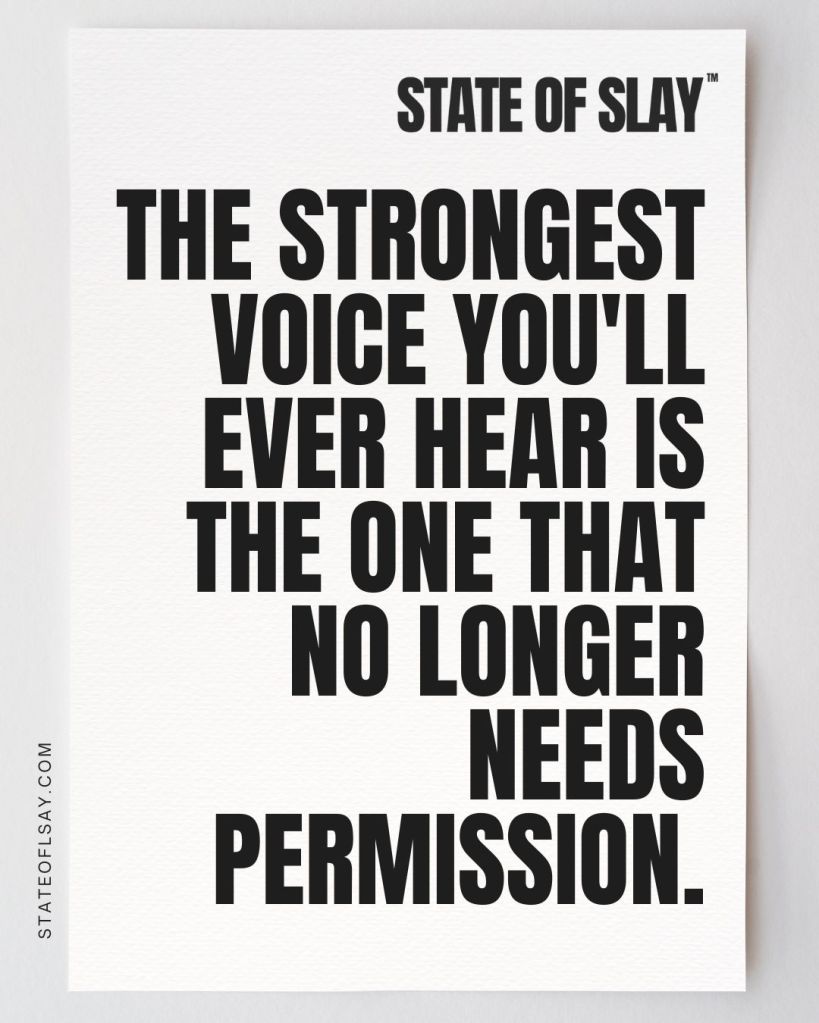
You’re not ignoring your emotions—you’re choosing to respond differently. That’s the real flex. When you stop giving your inner critic the mic, you make space for the wiser, calmer, more grounded version of you to speak.


Naming Isn’t Silly—It’s Self-Awareness

This practice is rooted in mindfulness and psychology. Creating mental distance from unhelpful thoughts is a proven way to disrupt negative cycles and build emotional resilience.

It’s not about dismissing your feelings. It’s about shifting from “this is me” to “is this me—or is this an old pattern or story?” It’s about knowing your truth, staying present, and calling out those old thoughts—and showing them the door.

The name is just a tool to help you step into that choice. Again and again.


Who Do You Want Driving the Bus?

At the end of the day, your brain will keep doing what it’s always done—unless you take the wheel. When your old mental pattern starts driving toward chaos, anxiety, or shame, you get to say:

“Thanks for the warning, but I’m steering us in a different direction.”

Empowerment starts when you realize you are not your thoughts. You’re the observer. The narrator. The author. You can write a different story—and still let those old characters pop in from time to time, without giving them control.


SLAY Reflection

  1. What type of thoughts show up when you’re stressed, insecure, or overwhelmed?
  2. What name would you give the voice that fuels those thoughts?
  3. How does it feel to separate yourself from that voice?
  4. What kinds of things does your brain say that you no longer believe?
  5. How can you start responding with curiosity and compassion instead of judgment?

S-L-A-Y:

  • Separate yourself from your thoughts
  • Label the patterns
  • Acknowledge the impact
  • You are in charge of your response

Call to Action: Join the Conversation
I’d love to hear from you.
Have you ever given your brain a name? What would you call the voice that tries to take over?
Share your story in the comments. Let’s cheer each other on.

And if you know someone who’s stuck in a spiral of self-doubt, send this to them.
Sometimes, all we need is a nudge.

Slay Say

Truth Without Testing

We often accept the thoughts we think every day as truth—without ever asking where they came from or if they’re even real.
But your dominant assumptions are more than thoughts.
They’re blueprints, quietly sculpting how you see yourself… and how you show up in the world.

If you never stop to question the story, you might keep building a life on someone else’s beliefs.
This is your reminder to pause, get curious, and challenge what you’ve been living on autopilot.

Your mind is listening.
Make sure it’s following a truth that’s actually yours.

SLAY on!

Let Them

This one hits close to home.
Because for a long time, I didn’t know how to let people be who they are.
I was always trying to manage, to steer, to shape the outcome I wanted.
Even when it was wrapped in good intentions, it was still control.

The truth is, trying to change someone—whether it’s their behavior, their choices, or how they show up—only leaves you drained, resentful, and disappointed.
Why? Because it’s not your job.
It never was.

The moment I truly understood that…
The moment I stopped trying to micromanage other people’s lives, reactions, or growth…
Was the moment I started finding peace.


The Mindset Shift That Changed Everything

Let them.

Let them say what they want.
Let them make their choices.
Let them believe what they believe.
Let them walk away—or come back—or stay exactly the same.

Because it’s not your responsibility to make someone become who you want them to be.
And it’s not your failure when they don’t.

The need to control others is often rooted in fear.
Fear of abandonment.
Fear of chaos.
Fear that if someone doesn’t change, you won’t be okay.

But guess what?
You will be okay.
Because your peace, your healing, your worth—none of it depends on someone else getting it right.


Expectations Are Heavy

Most of us don’t realize how much energy we spend trying to get someone to meet our expectations.
We want them to act differently, to love better, to show up the way we imagined they would.

And when they don’t?
We get frustrated.
We get hurt.
We spiral.

But here’s the uncomfortable truth:
They never agreed to those expectations.

They’re being who they are.
And we’re the ones trying to rewrite their character in our story.

What if instead of trying to change them—we just let them?


Letting Go Is a Boundary

“Let them” isn’t passive.
It’s powerful.

It’s not about giving up.
It’s about letting go of what was never yours to hold in the first place.

Let them be who they are—so you can stay rooted in who you are.

It’s a boundary.
A decision to protect your energy by not chasing down someone else’s growth.

When you stop investing in the outcome you wish for and start accepting the truth of what is, you reclaim your power.

You also make space for people who can meet you where you are.
Who choose to show up.
Who don’t need to be changed, convinced, or coerced.


Peace Lives in Acceptance

Let them believe the lie.
Let them ghost you.
Let them not understand your heart.
Let them leave the group chat.
Let them love someone else.
Let them misunderstand you.
Let them think they’re right.
Let them talk behind your back.

And while they do?

Let yourself grow.
Let yourself feel.
Let yourself heal.
Let yourself move on.
Let yourself love without attachment.
Let yourself stay soft and strong at the same time.

You are not here to force alignment.
You are here to be aligned—with yourself.


SLAY Reflection: Where Are You Holding On Too Tightly?

  1. Who in your life are you trying to manage, fix, or control?
    What are you hoping to change—and why?
  2. How has that effort affected your peace, energy, or self-worth?
    What are you losing in the process?
  3. What would it look like to “let them” be exactly who they are?
    What fear comes up when you consider that?
  4. How can you create a boundary that protects your energy without trying to change theirs?
    What could you gain by stepping back?
  5. What’s one relationship or situation where “letting them” would bring you more emotional freedom?
    How can you start that shift today?

Call to Action: Join the Conversation

I’d love to hear from you.
What’s one way you’ve learned to let someone be who they are—and how did that shift your peace?
Share your story in the comments. Let’s cheer each other on.

And if you know someone who’s holding on too tightly, send this to them.
Sometimes, all we need is a nudge.
Just Because You Hit A Bottom Doesn’t Mean You Have To Stay There

For most of us, there’s been a time when we’ve hit bottom.
And for many of us, there have been many.

But just because you find yourself at a bottom doesn’t mean you have to stay there.
In fact, sometimes hitting bottom can be the very thing that propels you upward—it can be a turning point, a wake-up call, a catalyst for change.

What matters most is that you recognize it as a bottom.
And then decide you’re not going to live there.


You Don’t Have to Ride It All the Way to the Dump

Looking back, I had many bottoms before I hit the one that finally brought me to my knees.

There were so many moments I should have asked for help…
So many warning signs I ignored…
So many nights I let myself spiral deeper into darkness.

But the truth is: we’re ready when we’re ready.

And if we’re lucky, we get that one moment—the one where something shifts, where the fear becomes too loud to ignore, and we finally ask for help.

For me, that moment came from fear.
Fear of where my mental illness had taken me.
Fear of where it might take me next.

I don’t know why that particular night was different.
There were many terrifying nights before it.
But that night, I got scared enough to pick up the phone.

And in doing so, I opened the door to my own recovery.


The Power of Saying “Enough”

There’s a saying I love:
“You don’t have to ride the truck all the way to the dump.”

You can get off at any time.

Even in the darkest place, even at your lowest, you have a choice.
You always have the option to get off the path that’s dragging you down.
But you have to believe that it’s possible.
And you have to take action.

When I was deep in my illness, I felt powerless.
Like I was strapped to a runaway train.
But that wasn’t true.

I always had a ticket off that train.
And the moment I picked up the phone and asked for help, I used it.

That one action—speaking my truth—shifted everything.

I didn’t have all the answers yet.
I still had work to do.
But the secret I had been carrying was out.
The weight I had been holding got lighter.
And for the first time, I realized I was in control of my recovery.


Recognizing the Bottom for What It Is

It’s so important to notice your bottoms.
To recognize when you’ve fallen harder than usual.
To acknowledge when you’re staying down longer than you want to.

Because that moment of awareness?
That’s the moment you can begin to rise.

We all fall.
We all struggle.
But no one has to stay in the pit.

Freedom starts with acceptance.
The willingness to see where you are—and the courage to choose something better.

A bottom doesn’t have to be the end of your story.
It can be the beginning of your comeback.


From Rock Bottom to Rise

A bottom might just be the biggest blessing in disguise.

It might be the one thing that finally gets your attention.
The one thing that cracks you open.
The one thing that forces you to stop, reflect, and change direction.

You don’t have to stay down.
You don’t have to prove anything to anyone by suffering longer.

Your story is still being written.
And a bottom can be the moment you choose a new chapter.

Use it to rise. Use it to SLAY.


SLAY Reflection: What Is Your Bottom Telling You?

Has a past bottom ever helped you grow or pivot in a new direction?
How can you use that lesson now?

Have you ever hit a bottom in your life?
What were the signs? What did it feel like?

Have you hit multiple bottoms?
What made the most recent one different?

Are you currently in a bottom?
If so, what are you doing about it—or avoiding?

What’s holding you back from asking for help or making a change?
What could shift if you took just one small step?


Call to Action: Join the Conversation

I’d love to hear from you.
What helped you recognize a bottom in your life—and what did you do to rise from it?
Share your story in the comments. Let’s cheer each other on.

And if you know someone who’s struggling to climb out of a hard place, send this to them.
Sometimes, all we need is a nudge.

Just Because You Make Mistakes Doesn’t Mean You Are A Mistake

We all make mistakes.
It’s how we grow. It’s how we learn.
Sometimes we learn to do things differently, and sometimes we simply learn that mistakes are just part of the process—an oops, not an identity.

But there’s a dangerous turning point many of us reach:
When we start to believe that we are the mistake.

That’s when mistakes stop being lessons and start becoming labels.
And when we internalize our failures, we block our own growth.


Prefer to listen? The Audio Blog version is available here.


The Trap of Perfectionism

When I was living in the dark, I believed I was a mistake.
Every time I messed up—even just a little—I used it as proof that I was broken, unworthy, or incapable.

I set impossibly high standards for myself, and when I didn’t meet them, I punished myself emotionally.

  • I beat myself up.
  • I questioned my worth.
  • I kept mental score of every misstep.

Perfection wasn’t just the goal—it was the requirement.
And every time I fell short, I used it as another reason to feel like I had failed at life.


The Permission to Mess Up

Everything changed when I got help.
I was told something I had never even considered:
It’s okay to make mistakes. In fact, it’s encouraged.

Mistakes meant I was trying.
Mistakes meant I was doing something new.
Mistakes meant I was taking action—even if the outcome didn’t go as planned.

That shift in thinking opened the door to something I hadn’t felt in a long time: freedom.

I stopped needing to be perfect and started focusing on being present.
I learned to ask, What can this mistake teach me? instead of, What does this say about me?


Listening to the Signs

Another thing I began to notice?
I made more mistakes when I wasn’t taking care of myself.

If I was tired, overwhelmed, underfed, or overworked—my errors increased.
And instead of blaming myself, I started seeing those slip-ups as signals.

  • Maybe I needed rest.
  • Maybe I needed better boundaries.
  • Maybe I needed to slow down.

Mistakes became more than just missteps—they became a check-in.
An opportunity to notice where I might be neglecting my own needs.


Mistakes That Lead to Magic

Here’s the other thing:
Some of my biggest mistakes?
They’ve led me to some of the most beautiful parts of my life.

If I hadn’t taken the wrong turn, I wouldn’t have found the right path.
If I hadn’t said yes when I probably should have said no, I wouldn’t have learned what a real yes feels like.

We don’t always know in the moment, but sometimes what we call a mistake is actually just a redirection.
A plot twist with a purpose.


The Only Real Mistake?

The only mistake you can make is not taking action because you’re afraid of failing.
Playing it safe. Holding back. Staying small. That’s where real regret grows.

Life isn’t about getting it right all the time.
It’s about trying.
Learning.
Adjusting.
And trying again.

Mistakes are just part of the road.
They’re not roadblocks. They’re guides.

And they are never who you are.


SLAY Reflection: What Are You Learning?

  1. Do you tend to beat yourself up when you make a mistake?
    What does your inner voice sound like in those moments?
  2. Have any of your past mistakes led to something unexpectedly positive?
    What did you learn?
  3. What can you do to be more forgiving of yourself when you mess up?
    What would you say to a friend in your position?
  4. Are you holding back from taking action out of fear of making a mistake?
    What might shift if you gave yourself permission to just try?
  5. How can you begin turning your mistakes into tools for learning instead of weapons for self-punishment?
    What would change if you saw them as stepping stones instead of stop signs?


Call to Action: Join the Conversation

I’d love to hear from you.
What’s one mistake you’ve learned from—and how did it help you grow?
Share your story in the comments. Let’s cheer each other on.

And if you know someone who’s being too hard on themselves, send this to them.
Sometimes, all we need is a nudge.

You Become The Fears You Dwell On

Most of us have fears.
It’s part of being human.
But when we give too much focus and energy to fear, we risk becoming exactly what we fear most.

Fear can be sneaky like that. It creeps in, takes root, and grows stronger the more we feed it. Eventually, it can start to shape how we think, how we act, and even how we show up in the world—often without us even realizing it.

Fear can become a self-fulfilling prophecy.
What we focus on, we feed.
And what we feed, grows.


Fear Is an Invitation

I’ve written before about attracting the kind of energy we want in our lives.
When we live in fear—or negativity—that’s often what ends up circling back to us.

It’s not magic. It’s not instant karma.
It’s energy.
It’s focus.
It’s the silent agreement we make with our fears every time we let them lead.

When I was living in my illness, I was consumed by fear.
It was everywhere—under the surface of every thought, every decision.
And the more I ignored it, the more power it had.
I didn’t want to face it, so I tried to numb it, outrun it, distract myself from it.

But fear doesn’t disappear just because we look away.
It waits. It grows. And eventually, I started to become what I feared most.


When Fear Becomes Identity

I was aware of what was happening.
And still, I didn’t stop it.

I fed my fears with avoidance, with negative thinking, with silence.
And my fear evolved into a kind of paralysis—I couldn’t see a way out, and I wasn’t asking for one.

But then a different kind of fear showed up—the kind that keeps us safe.
The kind that whispers, “You can’t keep going like this.”
The kind that leads to action.

I was terrified of being judged, of being labeled “crazy,” of being too far gone to help.
But I was also terrified of where my life was headed if I didn’t get help.

And that good fear? It won.
I reached out.
I asked for help.
And for the first time, I found a door out.


Reclaiming Power Over Fear

I’ve learned that I don’t have to live in fear.
I still feel it, yes—because again, I’m human.
But I don’t live there anymore.

I’ve learned to acknowledge it when it shows up and then move through it.

Today, I focus on:

  • What I want to see in my life
  • What I hope for
  • What positive energy I can put into the world

I’ve built a spiritual connection that guides me and keeps me grounded.
I stay open to signs and nudges from the universe.
And I trust that fear is not something I have to surrender to.
It’s something I can listen to—but not let lead.


Use Fear as a Signal—Not a Sentence

Fear can be a compass.
Sometimes it points to the exact place where we need to do the most work.

Ask yourself:

  • What am I really afraid of?
  • What small action could I take to begin facing that fear?
  • What would it feel like to stop giving that fear so much power?

This is a challenging time.
But it’s also the perfect time to focus on the good you want to create—for yourself, for your family, for your life.

You don’t have to become what you fear.
You can choose something different.

You can choose to SLAY.


SLAY Reflection: How Are You Using Your Fear?

  1. Do you tend to live in fear or let fear guide your decisions?
    What are you most afraid of right now?
  2. Do you notice yourself becoming what you fear?
    What behaviors or beliefs might be feeding that?
  3. What action could you take today to work through your fear—just one small step?
    What would shift if you took it?
  4. How does fear affect your energy and mindset?
    What happens when you redirect your focus?
  5. How can you bring more positive action into your life today?
    Where can you reclaim your power?

Call to Action: Join the Conversation

I’d love to hear from you.
What’s one fear you’re ready to stop feeding, and what action can you take today to move through it?
Share your story in the comments. Let’s cheer each other on.

And if you know someone who’s stuck in fear or letting it lead their life, send this to them.
Sometimes, all we need is a nudge.

Live Between Always and Never

We often live life on autopilot.
We repeat the same routines, stick to the same beliefs, and follow the same patterns—not because they’re working, but because they’re familiar.

We tell ourselves this is just how we are.
We find comfort in the certainty of always and never.
But here’s the thing—certainty doesn’t always lead to progress.

I’ve written before about living in the gray, the in-between.
It’s in that space where change actually happens.
Where new ideas take root.
Where we make space for growth and possibility.

The middle is where transformation begins.


The Trap of Always and Never

Before I walked the path I’m on now, I was all about the extremes.
Always. Never.
I thought I knew what was best for me and I wasn’t interested in hearing otherwise.

I wasn’t happy—but I also wasn’t willing to change.

I stayed stuck. I stayed sick.
And I kept doing the same things over and over, expecting different results.

That wasn’t just frustrating—it was exhausting.
But it was also a product of my mindset.
I was clinging to always and never like a shield, and it was keeping me from moving forward.


The Power of Maybe

Everything began to shift when I allowed just a little room for maybe.

Maybe there’s another way.
Maybe I don’t know everything.
Maybe if I try something different, I’ll get a different result.

Recovery taught me that change only comes when you’re open to it.
I had to let go of the way I had always done things and be willing to try something new.

Was it uncomfortable? Yes.
Was it worth it? Absolutely.

Not everything I tried worked.
But trying was the point.
There were lessons in the failure—and confidence in the attempt.

Even now, I catch myself falling into that never mindset.
But I’ve learned to challenge it.
Because the best things in my life today?
They came from saying yes to something new.
From living in the middle.
From staying open.


Let Go of What’s Holding You Back

Stubbornness might feel like safety, but it often blocks growth.
It keeps us locked in patterns that no longer serve us.
It makes life smaller.

Living between always and never invites in the unknown—and yes, that can be scary.
But it also makes space for beauty, surprise, connection, and healing.

There’s a whole world you haven’t tried yet.
New waters to wade into.
New experiences that could change everything.

You’ll never know how warm the water is unless you take the first step in.


SLAY Reflection: Are You Open to the Middle?

  1. Do you tend to stick to the way you’ve always done things?
    What impact has that had on your life?
  2. Have you ever said no to something new—and later regretted it?
    What was the opportunity, and what did you learn?
  3. What parts of your life would you like to see change?
    Are you willing to try something different to make that happen?
  4. What are some small ways you could move away from always and never?
    How could you make room for maybe or I’ll try?
  5. What’s one thing you can say yes to today that pushes you out of your comfort zone?
    What could open up if you did?

Call to Action: Join the Conversation

I’d love to hear from you.
What’s one moment in your life when saying “maybe” instead of “never” led to something unexpected—or even life-changing?
Share your story in the comments. Let’s cheer each other on.

And if you know someone who’s stuck in patterns that aren’t serving them, send this to them.
Sometimes, all we need is a nudge.

You Attract What You Are, Not What You Want

How many times have you asked yourself,
Why do I keep attracting the same kinds of people?
Why do the same patterns keep showing up in my life?
Why does it feel like I’m stuck in a loop?

It’s easy to think we’re just unlucky—or cursed with bad timing or bad energy.
But the truth is often more revealing: we attract what we put out.

And sometimes, what we think we’re putting out…
isn’t what we’re actually radiating at all.


Prefer to listen? The Audio Blog version is available here.


What You Are Speaks Louder Than What You Want

We might see ourselves as kind, supportive, open-hearted people.
We might aspire to positivity, confidence, love, and light.
But if our actions and mindset don’t align with that energy…
we’ll keep attracting something very different.

What shows up in your life isn’t a reflection of your intentions.
It’s a reflection of your state of being.

That’s the hard truth. And also the empowering one.


My Experience: Living in the Dark

When I was deep in my illness, I often wondered why negativity seemed to follow me.
I’d joke that I must’ve done something awful in a past life.

But it wasn’t the universe punishing me—it was me.
It was my thoughts.
My energy.
My expectations.
And my refusal to face how much negativity I was quietly living in.

I tried to be a good person.
I wanted good things.
But my inner dialogue was toxic.
Even when something good would happen, I’d sabotage it with fear, doubt, or shame.

I didn’t feel like a negative person.
But I was living like one.
And the results matched that energy.


You Can’t Fool the Energy Around You

When I began my recovery, I started to see the pattern clearly.

If I expected the worst—I got it.
If I looked for the bad—I found it.
If I pretended to be positive—but was silently drowning in self-judgment—it didn’t matter.
Because energy doesn’t lie.

It wasn’t enough to want better.
I had to become better.

When I did the work—honest, vulnerable, sometimes painful work—things began to shift.

More light came into my life.
More supportive people.
More peace.

Did negativity disappear? Of course not.
But I stopped being drawn to it—and it stopped being drawn to me.


Live It to Attract It

We don’t attract what we hope for.
We attract who we are.

So if the patterns in your life aren’t what you want, don’t just ask, “Why does this keep happening?”
Ask:
“What energy am I really putting into the world?”
“Am I living the way I want to be loved, supported, and respected?”

Because life doesn’t respond to who you say you are.
It responds to how you live.

When you align your heart, mind, and actions with who you want to become—
That’s when the shift happens.
That’s when the energy changes.
And that’s when the right people and opportunities begin to show up.


SLAY Reflection: What Are You Attracting?

  1. Are you attracting people or situations that leave you feeling drained or dissatisfied?
    What patterns do you notice?
  2. What don’t you like about what’s showing up—and could it reflect something within you?
    How might your mindset or habits be contributing?
  3. Are you being honest with yourself about the energy you’re giving off?
    What might need to shift?
  4. What would it look like to live as the version of you you want to attract?
    What’s one step toward that today?
  5. How would your life change if you aligned your energy with your true values?
    What would start showing up?

Call to Action: Join the Conversation

I’d love to hear from you.
What’s one shift you’ve made that changed what you were attracting into your life—and how did it impact you?
Share your story in the comments. Let’s cheer each other on.

And if you know someone who keeps wondering why the same patterns keep repeating, send this to them.
Sometimes, all we need is a nudge.
A Permanent Solution To A Temporary Problem

When I was living in the dark, I believed every problem was forever.
Each issue felt massive, heavy, and permanent.
I didn’t think in steps—I thought in panic.
And when I finally acted, it was usually out of desperation instead of intention.

I didn’t face things as they came.
I waited.
I hoped things would magically resolve themselves.
And when they didn’t, I reacted impulsively.
The result?
I made permanent decisions for temporary problems.

Back then, I only had two tools in my emotional toolkit: fight or flight.
And neither got me where I wanted to go.


Living in Avoidance Creates Bigger Problems

I often felt overwhelmed just by life itself.
So when a real issue came up, it was too much.
I ignored it.
I pushed it aside.
And when it inevitably resurfaced—louder, heavier, messier—I made whatever decision would make it go away the fastest.

But the quickest choice isn’t always the right one.
And those choices came at a cost.

Doors closed.
Friendships ended.
I isolated myself even more.

It wasn’t because I was heartless or careless.
It was because I was exhausted, reactive, and afraid.
And I didn’t trust that I could handle hard things in a healthy way.


What Recovery Taught Me About Decisions

When I began my journey in recovery, one of the first things I heard was:
“Live life on life’s terms.”

That didn’t sound like fun.
But neither was the anxiety of constantly avoiding things, or the shame of regret from acting out of fear.

So I tried something new.

I started addressing things as they came up.
I got honest about what was happening.
I asked for help when I needed it.
And I made the best decision I could with the information I had.

Then—I let it go.

Even typing that?
It still feels like a deep exhale.


The Power of Responding, Not Reacting

Here’s what I learned:
When you meet problems in the moment, you keep them in their right size.

You don’t allow them to grow into something overwhelming.
You don’t back yourself into a corner.
You don’t hit the panic button and take drastic action that you’ll later wish you hadn’t.

You give yourself the chance to choose a solution, not a reaction.

Because the truth is, a lot of the things we avoid aren’t actually that big.
They only feel big because we’ve been sitting in fear, feeding them with delay.

But when you face a problem early and with intention, you take back your power.
You act instead of react.
And you protect your peace in the process.


You Deserve Better Than Regret

These days, it’s easy to feel like everything is too much.
But avoidance won’t make it easier.
And quick-fix decisions rarely leave us proud of how we showed up.

You don’t need to solve everything perfectly.
You just need to do the next right thing.
Address what needs your attention, make the best decision you can, and then—let it go.

Honor yourself enough to stop running from the things that need your care.
You are capable.
And you deserve peace, not permanent regret from a temporary storm.


SLAY Reflection: Are You Choosing Peace or Panic?

  1. Do you tend to ignore problems until they become bigger than they need to be?
    How has that affected your life?
  2. What emotions drive your decision-making—clarity or anxiety?
    What patterns do you notice?
  3. Have you ever made a permanent choice in a moment of panic?
    What did you learn from that experience?
  4. What would it feel like to address issues with intention instead of urgency?
    How could that shift your daily peace?
  5. What’s one problem you’ve been avoiding that you can face today—with care, calm, and clarity?
    What’s the next small step?

Call to Action: Join the Conversation

I’d love to hear from you.
What’s one moment where you learned the value of pausing instead of panicking—and how did it shape your choices going forward?
Share your story in the comments. Let’s cheer each other on.

And if you know someone who’s caught in reactive patterns, send this to them.
Sometimes, all we need is a nudge.