Tell Your Brain the Kind of Day You’re Going to Have

Have you ever noticed how your mornings set the tone for everything that follows? The moment you wake up, before your feet even hit the floor, your brain is already scanning for cues about what kind of day it’s going to be. And here’s the truth: what you tell your brain, your brain will look for.

That means if you wake up thinking, Ugh, this is going to be a hard day, your brain will search for every piece of evidence to confirm it. If you start the day with, I’m choosing peace today, your brain will find moments to validate that choice.

Your mindset is like a compass—point it in one direction, and your day will naturally start aligning with it. The question is, are you pointing it toward chaos or calm? Toward frustration or gratitude? Toward fear or courage?


Your Brain Believes What You Feed It

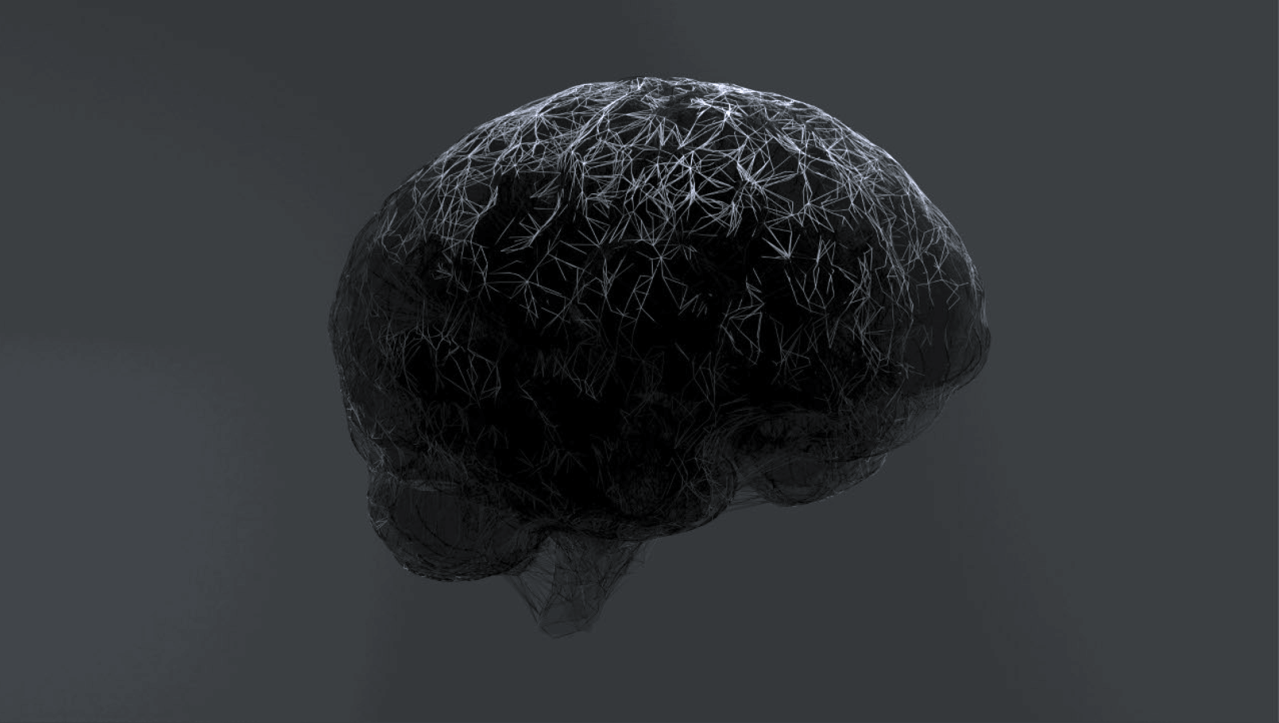
Here’s what’s fascinating: our brains are designed with something called the reticular activating system (RAS). It acts like a filter, deciding what gets your attention. When you tell your brain to focus on something—whether consciously or unconsciously—it scans your environment to find it.

Think of it like when you buy a new car, and suddenly you start seeing that same make and model everywhere. It’s not that the cars weren’t there before—it’s that your brain is now wired to notice them.

Your thoughts work the same way.

If you tell yourself, This meeting is going to be a disaster, your brain will notice every sigh, every side-eye, and every awkward silence. If you tell yourself, I can handle this with grace, your brain will pick up on the support, the nods, the opportunities to speak with confidence.

This is why starting your day with intentional thoughts is so powerful. Your brain is always listening.


The Power of Morning Scripts

The way you script your morning can shift everything. Here are some examples:

  • Instead of: Today’s going to be so stressful.
    Try: Today I’m choosing peace, no matter what comes my way.
  • Instead of: I’m so tired, this day is going to drag.
    Try: I have enough energy to handle what matters most today.
  • Instead of: Nobody respects me at work.
    Try: I respect myself, and I show up in a way that earns respect.

These aren’t empty affirmations. They are instructions for your brain. And when your brain has instructions, it follows them.


Frustration, Stress, and the Choice We Overlook

Life is going to throw things at you—that’s not optional. Someone cuts you off in traffic, a coworker sends a passive-aggressive email, your plans get derailed.

But here’s the key: those external things don’t decide the quality of your day. You do.

The outside world can invite you to be upset, but you are the one who accepts or declines that invitation.

When you catch yourself spiraling into negativity, pause and ask:
What did I just tell my brain about this moment? Did I tell it to look for the worst, or did I give it something else to notice?

It’s in those pauses that power lives.


Rewiring Takes Practice

If you’ve spent years waking up dreading the day or rehearsing worst-case scenarios, it’s going to take practice to redirect that thought pattern. And that’s okay.

Every time you catch yourself choosing the old script—This is going to be awful—and instead replace it with a new one—I’ve handled worse, and I will handle this too—you are literally rewiring your brain.

The more you do it, the easier it gets. Eventually, your default setting changes. Instead of your brain scanning for stress, it starts scanning for strength. Instead of looking for failure, it starts looking for possibility.


Tell Your Brain Where to Go

Think of your brain like a GPS. If you program it with the wrong address, you’ll end up somewhere you don’t want to be. But when you give it the right directions, it will get you closer to where you want to go.

So before you argue with someone, before you step into that meeting, before you check your email—set the address.

Tell your brain:

  • I’m going to stay calm.
  • I’m going to choose compassion.
  • I’m going to focus on solutions, not problems.

And watch how your day reroutes to align with it.


SLAY Reflection

  1. What’s the first thought you usually have when you wake up? Does it serve you or sabotage you?
  2. How often do you give your brain negative instructions without realizing it?
  3. What would it feel like to intentionally start your day with a thought that empowers you?
  4. When was the last time you caught yourself spiraling, and what did you do to redirect it?
  5. What’s one phrase you can start telling yourself tomorrow morning to shift your entire day?

S – Script your mornings with intentional thoughts
L – Let your brain look for evidence that supports your peace
A – Align your mindset with the day you want to create
Y – Yield to positivity and refuse to accept the invitation to chaos


Call to Action: Join the Conversation

I’d love to hear from you.
What’s the phrase you tell yourself that shifts the entire direction of your day?
Share your story in the comments. Let’s cheer each other on.

And if you know someone who’s stuck in negative loops, send this to them.
Sometimes, all we need is a reminder that our brains believe what we tell them.

I Heal Out Loud Because I Nearly Died in Silence

Silence almost killed me.

For years, I bottled everything inside—pain, fear, shame, grief, anger—because I thought speaking it out loud would make me weak, unworthy, or too much. I believed that my feelings were a burden, that no one wanted to hear the truth, and that the safest way to exist was behind a mask.

But here’s the thing about silence: it doesn’t protect you—it suffocates you.

When we swallow our pain instead of releasing it, it eats away at us. The secrets, the shame, the unspoken words—they pile up until they feel unbearable. And for me, they almost were.

That’s why today, I heal out loud. Because staying silent nearly cost me everything.


The Danger of Silent Suffering

We live in a culture that often rewards keeping it together. Smile when you’re breaking inside. Say you’re fine when you’re anything but. Push through no matter how heavy the weight.

I wore that mask for years. I said yes when I wanted to say no. I smiled when I wanted to scream. I denied myself the very human right to feel, because I thought silence kept me safe.

But silence didn’t keep me safe—it made me sick. It fed my depression, deepened my shame, and convinced me that I was alone. And when you believe you’re alone, hopelessness creeps in. That’s a dangerous place to live.

Unspoken pain doesn’t disappear—it festers. And the more we bury it, the more it convinces us we don’t deserve light.


Why Healing Out Loud Matters

Healing out loud doesn’t mean sharing every detail of your life with the world. It doesn’t mean turning your pain into a performance.

It means refusing to carry it alone anymore. It means telling the truth—to yourself, to someone you trust, to a community that understands.

For me, healing out loud started with small steps: admitting to a friend that I wasn’t okay, reaching out for help, speaking the words I had locked away for so long. Each time I spoke, the silence lost some of its power.

When you voice your truth, you cut shame off at the knees. Shame can’t survive in the light.

And as I began to heal out loud, something unexpected happened: people leaned in. They said, “Me too.” They shared their own stories. They told me I wasn’t alone.


The Power of Vulnerability

We think silence makes us strong, but real strength comes from vulnerability.

It takes courage to say: I’m hurting. I’m scared. I need help.

And yet, that’s where transformation begins. Vulnerability is not weakness—it’s the bridge to connection, compassion, and healing.

I learned that my silence kept people out, but my vulnerability drew them close. It built trust. It created bonds rooted in honesty instead of performance. And it allowed me to step into the fullness of who I am—messy, imperfect, human, but alive.

Healing out loud is how we reclaim our power from the very things that tried to silence us.


From Surviving to Thriving

The shift from silent suffering to speaking my truth didn’t happen overnight. It was clumsy, scary, and uncomfortable. But every time I let the words out, I felt a little lighter.

And slowly, my healing turned into living.

I stopped existing just to survive the day. I started building a life rooted in truth, love, and connection. I surrounded myself with people who could hold space for my story without judgment. And I realized that sharing my voice not only saved me—it helped others too.

Because when you heal out loud, you give others permission to do the same. You become a mirror that reflects back courage, honesty, and hope.


Practical Ways to Heal Out Loud

If you’ve been living in silence, here are a few ways to begin:

  • Name it. Write down what hurts, what scares you, what you’ve been carrying. Naming it is the first step to releasing it.
  • Speak it to someone safe. Choose a trusted friend, mentor, therapist, or support group. Let your truth be heard by someone who can hold it with care.
  • Create a ritual of release. Journaling, prayer, meditation, or even saying your truth out loud in private can help shift it from inside to outside.
  • Set boundaries with silence. You don’t owe your story to everyone. Healing out loud means choosing where and when to share, with intention.
  • Celebrate your courage. Every time you speak instead of stuffing it down, acknowledge your strength. Healing is a practice, not a performance.

A New Way to Live

I heal out loud now, not because it’s easy, but because I know what silence nearly cost me. I know the danger of secrets. I know the weight of carrying pain alone.

Healing out loud doesn’t erase the scars. It transforms them into reminders of resilience, proof that you can walk through the fire and come out stronger.

Your voice matters. Your truth matters. You matter.

So, if you’ve been silenced by shame, fear, or judgment—let today be the day you begin to speak. Whisper if you have to. Write it if you can’t yet say it. Share it with one safe person.

Because silence takes life, but truth gives it back.


SLAY Reflection

  1. Where in your life have you been silencing your truth?
  2. How has that silence affected your health, relationships, or self-worth?
  3. Who is one safe person you could begin sharing your truth with?
  4. What fears come up when you imagine speaking out loud?
  5. What freedom might you find if you allowed yourself to heal out loud?

S – Speak your truth instead of burying it
L – Let others in who can hold space for your story
A – Acknowledge the courage it takes to be vulnerable
Y – Yield to healing by bringing light to your silence


Call to Action: Join the Conversation

I’d love to hear from you.
Have you ever found freedom in sharing what you once kept silent?
Share your story in the comments. Let’s cheer each other on.

And if you know someone who’s struggling in silence, send this to them.
Sometimes, hearing “me too” is what saves us.

Slay Say

WHEN PROTECTION BEGINS WITH YOU

You weren’t always guarded, seen, or nurtured when you were small. But protection isn’t just for children—it’s something you can learn to give yourself now.

When you grow into the person who would’ve shielded your younger self, you reclaim safety, dignity, and the peace you longed for.

This is your reminder: you can be your own defender.

SLAY on!

Grow Into the Person Who Would Have Protected You as a Child

There’s a tender truth many of us carry quietly: as children, we weren’t always given the protection, love, or safety we deserved. Whether it was neglect, criticism, chaos, or simply the absence of someone to stand up for us, those early experiences leave marks.

But here’s the gift that healing gives us: we can grow into the very person we needed back then.

We can become the protector, the nurturer, the advocate—the voice we longed for when we were small.

And when we do that, we not only honor the child we once were—we free the adult we are today.


The Wounds We Carry From Childhood

As children, we’re like sponges. We absorb the words, actions, and silences of the adults around us.

If you were constantly criticized, you may still struggle with perfectionism.
If you were ignored, you may still feel unworthy of attention.
If you were shamed for your feelings, you may still doubt your right to have them.

These patterns don’t just disappear when we grow up. They echo in our relationships, our choices, and the way we see ourselves. And yet—those echoes don’t define us.

What defines us is how we choose to respond now.


Becoming the Protector You Needed

So, what does it mean to grow into the person who would have protected you as a child?

It means listening to yourself without judgment.
It means setting boundaries where none existed before.
It means saying the words you once longed to hear.

For me, that looked like finally telling myself: “You’re safe now. You matter. You don’t have to earn love—you already deserve it.”

I began practicing what I never heard enough of as a child, and in doing so, I gave my inner child something powerful: safety.


Reparenting Yourself

One of the most healing practices I’ve learned is reparenting—becoming the parent I always needed.

That means:

  • Showing compassion when I make a mistake instead of berating myself.
  • Nurturing myself with rest, food, and care when I feel depleted.
  • Speaking up in situations where I once would have shrunk or stayed silent.
  • Celebrating wins—no matter how small—because joy deserves to be noticed.

When you reparent yourself, you begin to break the cycle. You no longer hand the baton of pain to the next generation—you hand them a blueprint of healing.


Protecting Your Present Self

It’s not just about healing the child within—it’s about protecting the adult you are now.

That means not letting people treat you the way others once did.
That means saying no without apology.
That means refusing to bend yourself to fit into spaces that don’t value you.

Because here’s the truth: every time you protect yourself today, you’re also protecting the child inside you.

You’re proving to them that they matter. That they are safe. That someone finally has their back.


The Power of Forgiveness—For Yourself

Growing into the protector also means letting go of the guilt and shame you may still carry.

You were just a child. You did not deserve the pain you went through.

But now, as an adult, you may need to forgive yourself for the coping mechanisms you developed—whether that was numbing, hiding, or lashing out. Those were survival tools. They were never proof that you were broken—they were proof that you wanted to live.

Forgiving yourself is part of becoming the guardian you needed. Because a good protector doesn’t punish a child for trying to survive—they honor their courage.


A Love Letter to Your Younger Self

Take a moment. Picture yourself as a child.

See the face. The innocence. The hurt. The hope.

Now say to them: “I’m here now. I won’t leave you. I will keep you safe.”

When you grow into the person who would have protected you, you’re giving that child the promise they always deserved. And you’re giving your adult self the strength to move forward with love, resilience, and freedom.


SLAY Reflection

  1. What did you most need as a child that you didn’t always receive?
  2. In what ways do you still criticize yourself the way others once criticized you?
  3. What boundaries could you set today that would have protected your younger self?
  4. How can you practice reparenting in your daily life?
  5. If you could say one thing to your younger self right now, what would it be?

S – Speak kindly to yourself, especially in moments of failure
L – Let your inner child feel seen, safe, and loved
A – Align your actions with the protector you needed
Y – Yield to healing, even when it feels uncomfortable


Call to Action: Join the Conversation

I’d love to hear from you.
What have you done to become the protector your younger self needed?
Share your story in the comments. Let’s cheer each other on.

And if you know someone who’s working to heal their inner child, send this to them.
Sometimes, all we need is a reminder that it’s never too late to give ourselves the love and protection we always deserved.

Laugh in the Places You Cried

There’s something profoundly healing about returning to the places that once broke you—and finding yourself laughing there.

It doesn’t erase what happened. It doesn’t mean the tears weren’t valid. But it does mean you’ve grown. It means that grief, loss, or hardship no longer has the same power over you that it once did.

To laugh in the places you cried is not about pretending the pain never happened—it’s about showing yourself that joy can exist there too. It’s proof of resilience. It’s a reminder that your story didn’t end in the sorrow of that moment.


Pain Leaves Marks—But So Does Joy

The truth is, we all carry places inside us that feel haunted by memory. A room you once walked out of in tears. A street where your heart shattered. A house where you fought, lost, or grieved.

For a long time, those places can feel unbearable. You avoid them, you numb yourself, or you pretend they don’t matter. But eventually, life has a way of bringing you back.

And when it does, you’re not the same person who stood there before.

When you can laugh in the same space where you once cried, you prove that your spirit is bigger than your suffering. You transform the memory. You remind yourself that you are not stuck in the story of what happened there.


Your Scars Tell the Story of Your Strength

Think of the scars you carry—not just on your body, but on your heart. They’re proof that something hurt you, but also proof that you healed.

Your tears were real, but so is your laughter.

That’s the beauty of allowing yourself to live fully in both. You don’t have to deny the moments that broke you. But you also don’t have to live there forever.

When you let joy back into the places that once felt like endings, you’re not betraying your pain. You’re honoring it by showing what came after.


Turning Memory Into Medicine

For me, there have been places I thought I could never face again—rooms where I felt humiliated, benches where I cried from heartbreak, doorways I left with shame.

At first, I avoided them. I told myself it was better to never go back. But life pulled me there anyway. And when I found myself standing in those same spaces, I realized something powerful:

I could either let the pain live there forever, or I could write a new chapter.

The first time I laughed in one of those places, it felt strange—like I was trespassing on sacred ground reserved only for grief. But the truth is, grief doesn’t own that ground. I do. And so do you.

Every time you smile, laugh, or find joy in a space where you once broke down, you reclaim a piece of yourself that once felt lost.


You’re Not Erasing the Past—You’re Expanding It

Let’s be clear: laughing in the places you cried doesn’t mean you’ve forgotten. It doesn’t mean you’ve dismissed what happened or denied your feelings.

It means you’ve grown enough to hold both truths at once.

Yes, you were hurt here.
Yes, you cried here.
Yes, you thought you might never move past it.

And yes—you are also capable of joy here now.

That’s not erasure. That’s expansion. You’ve made room for more than one emotion, more than one story, more than one version of yourself.


Healing Is Circular, Not Linear

Sometimes we think healing means “moving on” and never looking back. But often, healing looks like returning to old ground with new eyes.

You circle back—not to stay stuck in the past, but to measure how far you’ve come.

And when you can laugh where you once cried, you see the full circle of your healing. You’re no longer in survival mode. You’re no longer defined by that wound. You’ve created space for something bigger: life after pain.


Reclaim Your Spaces

What if the places that broke you could become the places that build you?

That café where you ended things with someone toxic could also be the café where you laugh with a friend years later.

That park bench where you grieved could also be the park bench where you sit and watch a sunset in peace.

That room where you cried in shame could also be the room where you stand today with pride.

Your past doesn’t get the final word. You do.


SLAY Reflection

  1. What space in your life feels tied to a painful memory?
  2. How would it feel to reclaim that space with joy?
  3. Can you think of a time when you surprised yourself by laughing in a place that once felt heavy?
  4. How did that shift your perspective on healing?
  5. What step can you take this week to create a new memory in an old space?

S – See the spaces that still carry your pain
L – Let yourself imagine joy returning there
A – Allow both tears and laughter to exist in the same place
Y – Yield to healing that expands, not erases


Call to Action: Join the Conversation

I’d love to hear from you.
Have you ever laughed in a place you once cried—and how did it change you?
Share your story in the comments. Let’s cheer each other on.

And if you know someone who’s still haunted by the places they’ve cried, send this to them.
Sometimes, all we need is a reminder that healing makes room for joy too.

Invisible to What Isn’t Love

There’s a quiet kind of power that comes from living in love, in truth, and in alignment with who you are. It doesn’t scream for attention. It doesn’t need to prove itself. It simply is. And when you settle into that place—your authentic place—you’ll notice something miraculous: the noise, the chaos, the lies, the drama, the things that used to pull you under, can’t even touch you anymore.

It’s like you become invisible to everything that doesn’t match your frequency.

That’s not magic. That’s alignment.


Love Is the Foundation

When I talk about love here, I don’t mean the hearts-and-flowers version of love that gets wrapped up in greeting cards or romanticized movies. I mean the kind of love that starts inside you—the radical, unconditional love that says:

  • I am worthy.
  • I am enough.
  • I don’t need to perform, please, or prove my value.

When you stand in that kind of love, you stop chasing after scraps of validation. You stop bending yourself into pieces just to keep others comfortable. You recognize that your energy, your time, your spirit are sacred.

And that love becomes your shield. Not a shield that hardens you, but one that keeps out anything that doesn’t reflect back respect, kindness, or reciprocity.


Truth Sets You Free

Living in truth can be terrifying at first. Many of us were taught to hide pieces of ourselves to stay safe, to keep the peace, or to earn approval. For years, I wore masks—smiling when I wasn’t okay, saying “yes” when everything inside me screamed “no,” bending my truth so others wouldn’t have to face theirs.

But here’s the thing: bending your truth breaks you.

When I finally began to speak honestly—about what I needed, what I felt, and what I believed—I was terrified people would leave. And you know what? Some did. But the ones who stayed? They were the ones who truly saw me.

Truth is a filter. It doesn’t cost you real love. It only costs you illusions.


Alignment Makes You Untouchable

Alignment is what happens when your actions, your words, and your values finally match. It’s when your “yes” means yes, your “no” means no, and your energy flows in the direction of your highest good instead of being drained by people-pleasing, perfectionism, or fear.

When you’re aligned, you don’t need to force anything. You don’t need to beg, explain, or overcompensate. You simply are, and that “being” is enough.

And here’s where the magic happens: the things that are not love, not truth, not aligned—they literally can’t find you anymore. They bounce off. The drama you used to get pulled into suddenly looks exhausting. The games people play feel irrelevant. The old triggers don’t stick because you’ve outgrown the version of yourself that needed to engage with them.

You become invisible to what’s beneath you, because you’re no longer on that frequency.


The Power of Choosing What You Align With

Here’s what I know for sure:

  • If you align with fear, fear will find you.
  • If you align with shame, shame will chase you.
  • If you align with love, truth, and integrity, only those things can stay.

It doesn’t mean life will be free of challenges. But it does mean you’ll have the strength, clarity, and resilience to meet them without losing yourself.

And it’s in that space that you realize: peace isn’t about controlling your surroundings—it’s about controlling your alignment within them.


How to Stay in Love, Truth, and Alignment

It sounds simple, but it’s a daily practice. Here are some ways I stay anchored when the world tries to pull me out of myself:

  1. Pause before reacting. Ask: Am I about to respond from fear, or from love?
  2. Check your motives. Are you acting to be seen, validated, or liked—or because it’s aligned with your values?
  3. Revisit your boundaries. If something drains you, it’s not aligned with your truth.
  4. Speak honestly. Even if your voice shakes. Even if it costs you approval.
  5. Choose peace over proving. You don’t need to convince anyone of your worth.

The Gift of Invisibility

Being invisible to what isn’t love, truth, or alignment isn’t about ignoring reality. It’s about being so rooted in your truth that lies can’t hook you. It’s about being so anchored in love that hate has nowhere to land.

It’s about being so aligned that drama looks for someone else to feed on—because you’ve stopped giving it energy.

And that, SLAYER, is freedom.


SLAY Reflection

  1. Where in your life are you still bending your truth to keep the peace?
  2. What practices help you return to self-love when you feel unworthy?
  3. Who or what drains your energy because it’s not aligned with your values?
  4. How does it feel when you fully act from alignment?
  5. What’s one area of your life where you can choose love, truth, and alignment this week?

S – Stand firm in your truth, even when it’s uncomfortable
L – Let love, not fear, be your guide
A – Align your actions with your values, daily
Y – Yield to your highest self and let the rest fall away


Call to Action: Join the Conversation

I’d love to hear from you.
What shifted when you chose to stay in love, stay in truth, and stay aligned?
Share your story in the comments. Let’s cheer each other on.

And if you know someone who’s struggling with people-pleasing, fear, or chaos—send this to them.
Sometimes, all we need is a reminder that alignment makes us untouchable.

Temporary People Teach Us Permanent Lessons

We don’t always get to choose who comes into our lives—or how long they stay. Some people walk with us for a lifetime, others for only a season. And while temporary people may leave as quickly as they came, their impact often lingers.

Sometimes it’s beautiful. Sometimes it’s heartbreaking. But always—it’s instructive.

Because even the ones who don’t stay teach us something we carry forward. Temporary people leave permanent lessons.


The Pain of Goodbyes and the Gift They Leave Behind

When someone exits your life, it can feel like rejection, abandonment, or loss. You may replay every moment, wondering what you could have done differently to make them stay. But here’s the truth: their leaving isn’t always about you.

Temporary people teach us boundaries. They teach us what we will and will not accept.
They teach us value. Sometimes by showing us what we deserve—and sometimes by showing us what we don’t.

Not all lessons are gentle. But every lesson has purpose.


What Temporary People Reflect Back to Us

Every person who crosses our path acts as a mirror. Some reflect our best qualities back at us—reminding us of the love, kindness, or courage we already hold. Others reflect the wounds we still carry, highlighting the work that’s left undone.

If you’ve ever noticed how one relationship reveals your need for boundaries, while another pushes you toward forgiveness, that’s no accident. Temporary people show us where we’re growing, and where we’re still stuck.

Even the ones who hurt us—sometimes especially the ones who hurt us—end up guiding us toward our truth.


Not Everyone Is Meant to Stay

We live in a culture that glorifies “forever.” Forever friends. Forever love. Forever loyalty. But life doesn’t always work that way.

The truth is, some people are only meant to walk us part of the way. They show up for a chapter, not the whole book. And that’s okay.

Because their role is not to stay—it’s to move us forward. To give us the lesson, the shift, the wake-up call we couldn’t have gotten any other way.

When we cling to people who were only meant to be temporary, we rob ourselves of the lesson. When we let them go with gratitude, we keep the gift they came to bring.


Choosing Growth Over Grief

It’s natural to grieve when someone leaves. But we don’t have to get stuck in the story of what “could have been.”

Instead, we can ask:
What did I learn from this connection?
How did this person shift me?
What strength did I discover because of them?

Sometimes the hardest people to release leave behind the clearest lessons. They teach us self-respect. They teach us resilience. They teach us that we can survive the leaving—and even thrive after it.

You may not have chosen their exit, but you can choose what you carry forward.


SLAY Reflection

  1. Who in your past was only meant to be temporary, but taught you something lasting?
  2. What lesson are you still carrying from a relationship that didn’t last?
  3. Do you find yourself holding on to people who were never meant to stay? Why?
  4. How does it feel to shift from grief to gratitude when you think of temporary people?
  5. What permanent strength or wisdom do you have today because someone left?

S – See the role they played in your growth
L – Let go of what wasn’t meant to last
A – Acknowledge the lessons they gave you
Y – Yield to gratitude instead of grief


Call to Action: Join the Conversation

I’d love to hear from you.
Who was a “temporary person” in your life, and what permanent lesson did they leave behind?
Share your story in the comments. Let’s cheer each other on.

And if you know someone struggling to let go of someone who was never meant to stay, send this to them.
Sometimes, all we need is a reminder that even endings carry gifts.

Slay Say

The Weight Was Never Yours

We often clutch what was never meant for us—regrets, expectations, the heavy burdens of things we can’t control. Our minds replay them, our hearts ache with them, and we end up carrying weight that was never ours to hold. True strength is not in forcing yourself to bear it but in recognizing when to set it down. Release is not weakness—it’s freedom.

This is your reminder to…
Choose peace over pressure. Your heart deserves rest, not heaviness.

SLAY on!

Just Because Someone Gave Up on You, Don’t Give Up on Yourself

There’s a particular kind of pain that comes when someone you believed in—someone you trusted—decides you’re no longer worth the effort. It might be a partner, a friend, a family member, or even an employer.

Sometimes they drift away quietly. Sometimes they slam the door. And sometimes, they make sure you hear exactly why you didn’t make the cut.

It’s human to internalize those moments. To question what’s wrong with you. To wonder if they saw something you didn’t. But here’s the truth—their decision to give up on you is about them, not you.


Their Choice Is Not Your Worth

When someone gives up on you, it’s easy to translate that into, “I’m not enough.” But what they’re really saying is, “I’m not willing, able, or ready to invest in this anymore.”

That’s not the same thing as saying you have no value.

We often assume that other people’s actions are direct reflections of who we are. But in reality, they’re reflections of their capacity, their priorities, their fears, and their choices. Someone’s inability or unwillingness to see your worth does not erase your worth.

When we take someone else’s abandonment as proof that we should abandon ourselves, we hand over our power. And once that happens, their absence gets to dictate the rest of our story.

You don’t owe them that power.


Self-Trust Is Your Lifeline

When the dust settles, what you’re left with is you. And that’s where the real work begins.

Self-trust isn’t built in grand declarations—it’s built in small, consistent acts of showing up for yourself. It’s saying, “I still choose me, even when they didn’t.”

Here’s the thing: if you keep believing in yourself, you always have another chapter to write.

Yes, it hurts when someone walks away. But you’re still standing. You still have dreams, talents, and the ability to create a life you love. You still have the capacity to love yourself fiercely, even if others failed to.

The most powerful way to respond when someone gives up on you is to prove—to yourself—that you never will.


Let Their Exit Teach You, Not Break You

People leaving can be clarifying. Painful? Absolutely. But clarifying.

When someone exits your life, you get the chance to ask:

  • Was I shrinking myself to keep them close?
  • Did I rely on their validation more than my own?
  • Was I ignoring red flags because I didn’t want to lose them?

The end of a relationship, friendship, or opportunity can feel like a collapse—but it can also be a clearing. A chance to rebuild in a way that’s more aligned with who you are now.

Sometimes someone’s departure forces you to look at your own patterns, boundaries, and needs in a way you never would have otherwise.

If you use the pain as data, it can actually serve you.


Your Story Isn’t Over Because They Left

It’s tempting to see someone’s departure as the end of something essential—as if the part of you that existed with them can’t survive without them. But your life is bigger than their role in it.

Think of the people you haven’t even met yet. The experiences you haven’t had. The opportunities that wouldn’t have been possible if you stayed where you were.

The world is full of people who will believe in you. People who will stand beside you, support you, and challenge you to grow—not shrink.

But the most important believer you’ll ever have is the one staring back at you in the mirror.


Refuse to Abandon Yourself

Here’s the bottom line:

  • Someone else’s choice to walk away does not define you.
  • You are allowed to grieve, but you are not required to quit on yourself.
  • You can acknowledge the hurt without adopting it as your identity.

The real loss would be if you decided their decision was the final say in your worth.

Keep showing up. Keep writing your story. Keep choosing you—over and over again.

Because the day you give up on yourself is the day you stop being open to the possibilities that are still ahead.

And trust me… there are so many.


SLAY Reflection

  1. Who in your life has walked away, and how did it impact your self-belief?
  2. In what ways have you relied on others for validation?
  3. How can you build more self-trust right now?
  4. What lesson did you learn from someone leaving your life?
  5. What’s one action you can take this week to invest in yourself?

S – Stand in your worth, even when others don’t
L – Let go of those who cannot meet you where you are
A – Affirm your value daily, without waiting for outside approval
Y – Yield to growth, even when it comes through loss


Call to Action: Join the Conversation

I’d love to hear from you.
When someone gave up on you, what did you do to keep believing in yourself?
Share your story in the comments. Let’s cheer each other on.

And if you know someone who’s questioning their worth because someone walked away, send this to them.
Sometimes, all we need is a nudge.

Learning to Love the Thing You Wish Hadn’t Happened

There are moments in life that split time in two.

There’s before it happened.
And there’s after it happened.

And sometimes, that “it” is something you would give anything to erase. A betrayal. A loss. A mistake. A failure. Something that shook you so deeply that, even years later, you still catch yourself saying, “If only that had never happened…”

I’ve been there. More than once.

For a long time, I believed the only way to be truly happy again was to go back—back to the way things were before the pain, before the fallout, before the day that changed everything. But the truth is, there is no going back. There’s only forward. And learning to move forward doesn’t mean pretending it didn’t hurt, or even pretending you’re glad it happened.

It means learning to love what it taught you.

It means finding peace in the fact that this unwanted thing—this thing you thought would break you—has also shaped you into the version of yourself you are now.


The Lie We Tell Ourselves About “If Only”

When something painful happens, our minds get stuck in loops. We replay conversations. We imagine different choices. We rewrite endings that never came.

It’s a way of bargaining with reality: If only it hadn’t happened, I’d be happier. If only it hadn’t happened, I’d be whole.

But here’s the truth no one wants to admit—those loops keep us chained to the very thing we want freedom from. Every time we run through the “if only” scenario, we hand over our present to a past we cannot change.

And if we’re not careful, we start defining ourselves by the wound instead of the healing.


What It Really Means to Love the Thing You Wish Hadn’t Happened

Loving what you wish hadn’t happened doesn’t mean excusing it, approving of it, or romanticizing pain. It’s not toxic positivity, and it’s not saying, “Everything happens for a reason” as a way to shut down your feelings.

It’s about recognizing that you did survive it. That it’s part of your story. And that by accepting it instead of resisting it, you can take back your power.

When you love what you wish hadn’t happened, you’re saying:

  • “I see what this taught me, even if I never wanted the lesson.”
  • “I won’t let this moment define my future in a way that keeps me small.”
  • “I can carry this with me without letting it weigh me down.”

That shift—acceptance over resistance—is where freedom begins.


Turning Pain Into Purpose

If I look back at my own life, the moments I once wished away have given me some of my greatest strengths.

The heartbreak that shattered me? It taught me how to listen to my intuition.

The loss that felt unbearable? It taught me to love harder and to cherish the present.

The mistake I swore I’d never recover from? It humbled me, made me more compassionate, and connected me to people I never would have met otherwise.

When you learn to love what you wish hadn’t happened, you’re essentially mining your pain for gold. You’re pulling the wisdom from the rubble. You’re saying, “If I have to carry this, I will make sure it makes me stronger.”


Choosing to See the Gift

This is the hardest part—seeing the gift in the thing you never wanted.

Sometimes the gift isn’t obvious. It’s not wrapped neatly with a bow. It might take years before you see how something awful set the stage for something better.

But I believe this: Every wound has the potential to be the very thing that builds your wings.

That doesn’t happen automatically. It happens when you choose to look for the lessons. When you decide that your story will not end in tragedy, but in transformation.


You Don’t Have to Like It to Learn From It

There’s a misconception that acceptance means approval. It doesn’t. You can still hate what happened. You can still grieve it, still wish it had been different.

Acceptance is simply saying, “It happened. I can’t change that. But I can choose how I live with it.”

And sometimes, “living with it” means integrating it into your story in a way that honors your growth instead of your grief.


From Scar to Strength

Your pain is not who you are.

It’s part of your story, but it’s not your identity. The thing you wish hadn’t happened might always sting a little, but with time, the sting fades, and the scar becomes proof—not of what hurt you, but of what couldn’t break you.

When you reach the point where you can love that scar, when you can look at it and think, That’s where I grew the most, you’ve taken back what was stolen from you.

That’s when the thing you once wished away becomes the thing that shaped you into the person you were always meant to be.


SLAY Reflection

  1. What’s one event in your life you still wish had never happened?
  2. How has holding onto resistance kept you tied to it?
  3. What’s one strength, lesson, or relationship you have today because of it?
  4. How would your life look if you could accept it fully?
  5. What’s one small step you can take this week toward making peace with it?

S – Stop replaying the “if only” loop
L – Look for the lessons, even if they’re small
A – Accept that it’s part of your story, not all of it
Y – Yield to the growth it’s given you


Call to Action: Join the Conversation

I’d love to hear from you.
What’s one thing you wish had never happened—and how has it unexpectedly shaped you for the better?
Share your story in the comments. Let’s cheer each other on.

And if you know someone who’s stuck wishing they could erase the past, send this to them.
Sometimes, all we need is a nudge.