
The First Step Toward Answers Is Being Brave Enough to Ask the Question

There’s a moment — quiet, subtle, easy to miss — when your life begins to shift.
It’s the moment you finally stop pretending you already know. The moment you stop running from the truth. The moment you decide that not knowing is no longer scarier than staying stuck.

That moment is a question.

We don’t talk enough about how much courage it takes to ask one. Because asking a real, honest, soul-level question isn’t just seeking information — it’s opening a door you can’t close again. It’s admitting you want something different. It’s acknowledging that what you’ve been doing is no longer enough.

And for many of us, that is the hardest step of all.


Why We Fear the Questions We Need to Ask

We fear the answers, yes — but often, we fear the asking even more.

Because asking a question means:

  • I might hear something I don’t want to hear.
  • I might have to change.
  • I might be seen.
  • I might learn the truth.

So we avoid it. We distract ourselves. We pretend we’re fine. We convince ourselves we already know how it will go.

But avoidance is its own kind of prison.
And silence is its own kind of answer.

When we refuse to ask the questions that could heal us, save us, free us, or grow us, we stay stuck in a life that feels too small for who we are becoming.


The Questions That Change Everything

Real transformation doesn’t come from having all the answers.
It comes from being willing to ask the uncomfortable questions — the ones that scrape at the truth.

Questions like:

  • What am I afraid to admit?
  • What is this really about?
  • What am I pretending not to know?
  • What do I need?
  • What would I choose if I believed I deserved better?

These are the questions that crack things open.
These are the questions that stop the cycle.
These are the questions that begin your becoming.

And yes — they require courage.
But courage isn’t the absence of fear. Courage is asking the question while your voice trembles.


Answers Don’t Arrive Without an Invitation

There’s a spiritual truth that I learned early in my healing journey:

You cannot receive answers to questions you’re too afraid to ask.

Life will not force clarity on you.
Healing will not push its way in.
Growth will not drag you forward.

You have to invite it.

You have to ask:

  • Why does this pattern keep repeating?
  • What part of me still needs to be healed?
  • What is this trying to teach me?

When you ask the question, the universe, your intuition, your higher self — whatever language you use — finally has somewhere to deliver the answer.

Asking the question is the knock on the door.
The answer is what steps through.


Bravery Looks Like Curiosity, Not Certainty

We think bravery requires confidence.
But most of the bravery in my life came in moments where I didn’t feel certain at all.

Bravery looked like:

  • sitting with someone and saying, “I don’t know how to fix this — can we talk?”
  • looking in the mirror and whispering, “Why do I keep hurting myself this way?”
  • asking for help long before I believed I deserved it
  • admitting I didn’t have control — and never really did

Questions are not weakness.
Questions are self-respect.
Questions are the beginning of wisdom.

The bravest people I know aren’t the ones with the answers — they’re the ones willing to keep asking.


You Deserve the Life That Lives Beyond the Question

There is a version of you waiting on the other side of one brave question.

A more grounded you.
A more peaceful you.
A more aligned, self-aware, self-honoring you.

But you cannot reach her — cannot step into her — if you’re unwilling to ask what needs to be asked.

Whether it’s a question about love, healing, boundaries, forgiveness, purpose, or truth, your life expands the moment you become brave enough to be curious.

Asking the question doesn’t guarantee the answer will be easy.
But not asking guarantees nothing will change.

SLAYER, don’t let fear keep you from the clarity that could change your entire life.

Ask.
Be curious.
Be brave.

Your answers are waiting.


SLAY Reflection

  1. What important question have you been avoiding — and why?
  2. What fear shows up when you imagine asking it?
  3. How might your life shift if you allowed yourself to seek clarity?
  4. What question could help you break a repeating pattern in your life?
  5. What small act of courage can you take this week to open the door to the answers you need?

  • S – Seek clarity instead of avoiding discomfort
  • L – Let curiosity lead you toward truth
  • A – Ask bravely, even when you’re afraid
  • Y – Yield to the wisdom that arrives when you open the door

Call to Action: Join the Conversation

I’d love to hear from you.
What question are you finally brave enough to ask yourself?
Share your story in the comments. Let’s cheer each other on.

And if you know someone who’s been afraid to seek the truth, send this to them.
Sometimes, the right question is the beginning of a new life.

What Armor Do You Reach For When You’re Afraid?

There’s a moment—sometimes so small you almost miss it—when fear slips inside you before you even realize what has happened. A tightening in the chest. A clenching of the jaw. A sudden urge to run, hide, shut down, lash out, or pretend you don’t feel what you feel.

Most of us don’t recognize these reactions as fear. We call them personality traits, or coping mechanisms, or “just how I am.” But beneath the surface, fear is often the quiet puppeteer pulling the strings. And every time fear rises, we reach for the same armor we learned long ago.

Armor that once protected us…
Now keeps us from becoming who we’re meant to be.

Understanding the armor you reach for is one of the most powerful forms of self-awareness you can develop. Because once you recognize it, you can choose differently. You can choose growth instead of protection. Truth instead of avoidance. Healing instead of hiding.


The Armor We Learn Before We Know Any Better

None of us are born armored. We learn our protection.

As children, we pick up patterns based on what made us feel safe:

  • Some of us learned to become invisible.
  • Some learned to become perfect.
  • Some learned to be pleasers.
  • Some learned to be fighters.
  • Some learned to stay busy so we’d never have to feel.
  • Some learned to make others laugh so no one would see our pain.

We didn’t choose these traits freely; they were survival. They were our shield against the painful, confusing, or overwhelming moments of our early lives.

And because they worked for a time, we carried them with us.

But armor that protects a child often imprisons an adult.


Fear Disguises Itself as Strength

Fear rarely announces itself. It cloaks itself in behaviors that appear strong or controlled:

  • Overthinking (so you never make the wrong move)
  • Perfectionism (so no one can criticize you)
  • Anger (so you never have to feel vulnerable)
  • People-pleasing (so no one can abandon you)
  • Numbing (so you never have to feel the hurt)
  • Withdrawal (so you stay safe from conflict)

These behaviors look like strength from the outside, but inside they feel like panic. We cling to them because we’re terrified of what might happen if we put the armor down.

Fear convinces us that if we stop controlling, pleasing, hiding, avoiding, or performing… we will fall apart.

But the truth is this:
The armor is what’s keeping us stuck.


What Armor Do You Reach For?

This is not a question to shame you—it’s a question to free you.

Take a moment. Get honest with yourself. When fear rises in your body, when someone triggers an old wound, when a situation feels risky or uncertain, what is your instinctive reaction?

Do you reach for anger?

Does it feel safer to bite first so no one can hurt you?

Do you reach for silence?

Do you disappear into yourself so no one sees you struggle?

Do you reach for control?

Do you plan, micromanage, over-function, or hyper-organize to avoid feeling powerless?

Do you reach for performance?

Do you become who others need you to be instead of who you really are?

Do you reach for perfection?

Do you demand so much from yourself that failure feels impossible—even if joy becomes impossible, too?

Do you reach for self-sufficiency?

Do you refuse to need anyone, even when you’re breaking, because relying on someone feels too dangerous?

Your armor once protected you.
Now it prevents you from receiving the love, connection, and ease you’ve worked so hard to create.


Armor Is a Story We Tell Ourselves

Every form of armor is built on a belief:

  • “If I show how I really feel, they’ll leave.”
  • “If I don’t get it perfect, I’ll be judged.”
  • “If I don’t stay strong, everything will fall apart.”
  • “If I ask for help, they’ll see I’m weak.”
  • “If I let someone close, I’ll get hurt again.”

These stories feel true because they protected us once. But they are outdated. They are echoes from the past masquerading as present-day truth.

And you can rewrite them.


Authentic Strength Requires Vulnerability

Putting your armor down doesn’t mean becoming defenseless. It means choosing a different kind of protection—one rooted in truth, grounded boundaries, and self-trust.

Real strength is:

  • Saying “I’m hurt” instead of lashing out
  • Saying “I need help” instead of pretending you’re fine
  • Saying “No” even when your voice shakes
  • Saying “This bothers me” instead of silently absorbing it
  • Saying “I’m afraid” instead of creating distance

Armor hides you.
Vulnerability reveals you.
Revealing yourself is how you grow.


Taking Off Your Armor, One Layer at a Time

You don’t remove armor by ripping it off overnight. You remove it the way you put it on—slowly, instinctively, intentionally.

Here’s where to begin:

1. Notice your instinct.

Fear has a physical signature. Your shoulders tense, your heartbeat shifts, your stomach tightens. Start paying attention to what happens in your body before your armor snaps into place.

2. Name the armor you’re reaching for.

Call it out: “I’m trying to control.”
Or: “I’m shutting down.”
Naming it disrupts the pattern.

3. Ask what fear is actually saying.

What is the wound underneath? Rejection? Abandonment? Shame?
The armor is the symptom. The fear is the root.

4. Choose a softer response.

Not perfect. Not polished. Just softer.
One breath. One pause. One honest sentence.

5. Celebrate your awareness.

Even catching yourself mid-pattern is growth. Removing armor is a lifelong practice, not a single breakthrough.


You Don’t Have to Live Behind Your Armor

There is a version of you who trusts your own strength.
Who doesn’t need to control everything to feel safe.
Who allows love in, even when it feels unfamiliar.
Who speaks your truth instead of burying it.
Who feels deeply, openly, fearlessly.

That version of you is not created by fear.
It is revealed when you stop hiding behind it.

Your armor is not who you are.
Your armor is who you became when you didn’t feel safe.
And now that you are healing, you can choose differently.


SLAY Reflection

  1. What form of armor do you reach for most often—anger, perfectionism, silence, control, or something else?
  2. What belief sits underneath that armor?
  3. When was the first time you remember needing that protection?
  4. Who would you be without that armor today?
  5. What is one softer, more honest response you can practice this week?

  • S – See your armor with honesty
  • L – Listen to what fear is trying to tell you
  • A – Allow vulnerability to replace old defenses
  • Y – Yield to growth, not protection

Call to Action: Join the Conversation

I’d love to hear from you.
What armor do you reach for when you’re afraid—and what does it protect you from?
Share your story in the comments. Let’s cheer each other on.

And if you know someone who’s ready to outgrow their old defenses, send them this post.
Sometimes, all we need is a reminder that we don’t have to live life behind a shield.

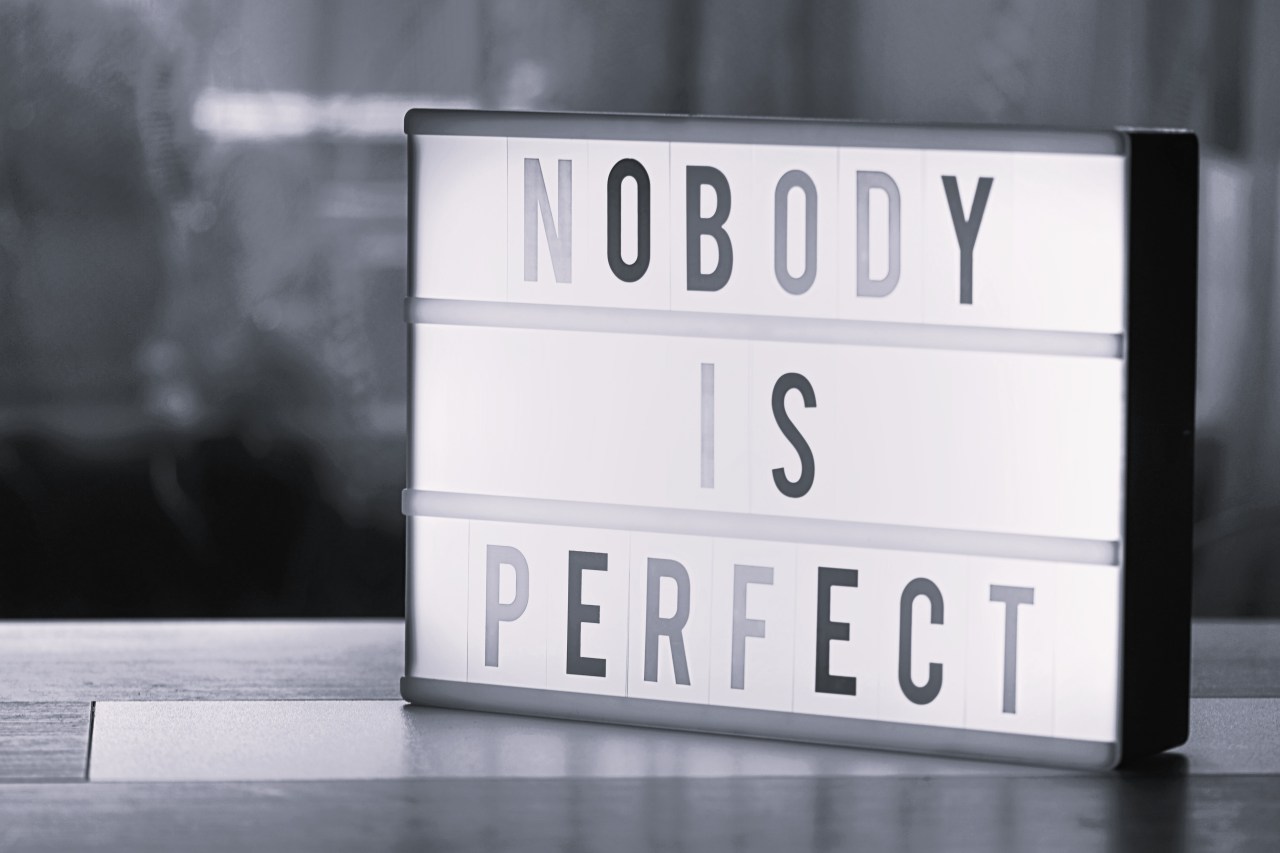
How to Accept Your Humanness and Stop Chasing Perfection

There’s a quiet kind of relief that comes when we finally stop trying to be perfect.

When we stop chasing the illusion that we must always have it together — always strong, always calm, always fine — and start allowing ourselves to be what we already are: human.

It sounds simple, doesn’t it? But for many of us, accepting our humanness feels like the hardest thing in the world.

We live in a culture that celebrates “doing” over “being.” We post our highlight reels but hide our heartbreaks. We praise resilience, but rarely talk about the cracks where that strength is tested.

But the truth is this: you don’t need to be flawless to be worthy of love. You just need to be real.


The Myth of Constant Strength

For years, I believed my worth was measured by how much I could carry without breaking. If I could just hold it together — through the pain, through the loss, through the pressure — then I was strong.

But that wasn’t strength. That was survival.

And survival mode doesn’t allow much room for self-compassion.

It teaches us to suppress what’s uncomfortable, to power through instead of pause, to mistake endurance for courage. But there comes a point when you can’t keep holding your breath through life.

You have to exhale.
You have to fall apart a little.
You have to allow yourself to feel.

Because it’s in those moments — the messy, unguarded, imperfect ones — that healing actually begins.


Being Human Means Being Messy

We will fail. We will get it wrong. We will say the wrong thing, love the wrong person, trust too quickly, or not enough.

We’ll lash out when we’re scared. We’ll close off when we’re hurt. We’ll regret the silence when we should’ve spoken up.

That’s part of being human.

But what makes us grow is not perfection — it’s awareness. It’s choosing to look at our reflection, not to criticize it, but to understand it.

The work of accepting our humanness begins when we stop asking, “What’s wrong with me?” and start asking, “What is this trying to show me?”

Every mistake, every heartbreak, every uncomfortable moment holds a lesson — not to shame us, but to shape us.

When we stop punishing ourselves for being human, we start to heal.


Perfection Is the Enemy of Peace

We chase perfection because we believe it will make us feel safe.

If we do everything right, no one will leave.
If we’re always kind, no one will get angry.
If we’re always strong, no one will see our pain.

But perfection isn’t safety — it’s self-abandonment.

Every time we deny our real feelings, we teach ourselves that we’re only lovable when we’re flawless. And that belief keeps us trapped.

You don’t need to earn your right to rest. You don’t need to earn your right to feel. You don’t need to earn your right to be you.

Your humanity is not something to hide — it’s something to honor.


Learning to Meet Yourself with Grace

When you can look at your reflection — tired, imperfect, flawed — and still say, “I love you,” that’s where peace begins.

Grace is not about letting yourself off the hook. It’s about letting yourself be on the hook for your growth without punishing yourself for being human.

It’s telling yourself:
Yes, I could’ve done better — and I will.
Yes, I hurt someone — and I’ll make it right.
Yes, I fell — but I can get back up.

Healing doesn’t require perfection. It requires honesty.

The more honest you are with yourself, the softer life becomes. The more grace you extend inward, the easier it becomes to extend it outward.

That’s how compassion spreads — from the inside out.


The Power of Humility

Humility isn’t about shrinking yourself — it’s about remembering you’re part of something bigger.

When you can say, “I was wrong,” or “I didn’t know,” or “I’m still learning,” you open the door to growth.

When you can ask for help instead of pretending you have it all figured out, you make connection possible.

And when you can forgive yourself — truly forgive — you make peace possible.

That’s the gift of being human. We stumble, we learn, we grow, and then we help someone else do the same.

That’s not weakness. That’s evolution.


How to Practice Accepting Your Humanness

1. Acknowledge your imperfection.
Say it out loud: “I’m human.” You’ll feel a wave of release. You don’t have to be everything for everyone.

2. Let yourself feel it all.
Anger. Grief. Joy. Fear. Don’t label your emotions as good or bad — they’re messages, not mistakes.

3. Replace judgment with curiosity.
Instead of “Why did I do that?” try “What was I feeling when I did that?” Compassion invites understanding.

4. Set down the need to perform.
You don’t have to earn love by being perfect. Show up as you are — not as who you think you need to be.

5. Celebrate your humanity.
You cry because you care. You ache because you’ve loved. You get back up because you still believe. That’s beautiful.


SLAY Reflection

  1. What part of your humanness do you struggle to accept?
  2. How does perfectionism show up in your daily life?
  3. What’s one mistake from your past that taught you something valuable?
  4. How can you speak to yourself with more compassion this week?
  5. What would it feel like to love yourself as you are, right now?

  • S – Surrender the need to be perfect
  • L – Let yourself feel without judgment
  • A – Accept your flaws as part of your wholeness
  • Y – Yield to grace and choose love over shame

Call to Action: Join the Conversation

I’d love to hear from you.
What’s one way you’re learning to accept your humanness?
Share your story in the comments. Let’s cheer each other on.

And if you know someone who’s being too hard on themselves, send this to them.
Sometimes, all we need is a reminder that being human is enough.

Nothing You Say or Do Is Too Bad to Tell Somebody

For most of my life, I believed there were things about me that were too dark, too shameful, too unforgivable to share. I told myself, no one could handle the truth about me.

So, I kept secrets. I smiled when I was breaking. I said, “I’m fine,” when I wasn’t. I built walls out of silence—strong, tall, and unshakeable.

But what I didn’t know back then was that silence doesn’t protect you. It poisons you.

The belief that “there’s nothing I say or do that is too bad to tell somebody” didn’t come to me easily. It came after years of hiding, years of shame, and years of trying to heal alone.


Shame Thrives in Silence

Shame wants to keep you quiet. It whispers that if anyone knew the truth, they’d leave. That you’d be judged. Rejected. Unlovable.

But here’s what I’ve learned: when you say the thing you’ve been afraid to say, you take away shame’s power.

I’ve watched people share their deepest secrets—addiction, abuse, betrayal, trauma—and instead of being met with disgust, they were met with compassion.

That’s the thing about truth—it connects us.

No matter how different our experiences are, the feelings underneath are universal. Fear. Regret. Guilt. Loneliness. And when we share those feelings, we remind each other we’re human.


The Lie of “Too Much”

Somewhere along the way, many of us learned that vulnerability equals weakness. That we should keep it together, hold it in, and never show the messy parts.

We learned to say, “It’s no big deal,” when it was.
We learned to minimize our pain so others wouldn’t feel uncomfortable.
We learned to smile instead of speak.

But here’s the truth: you are not “too much.” You are not too broken, too complicated, or too far gone.

The things you’re afraid to say out loud are often the things that will set you free.

When you find someone safe—a therapist, a friend, a sponsor, a mentor—and tell them what you’ve been holding, it stops controlling you.

You break the cycle of secrecy.
You interrupt the story shame keeps replaying.
You step into healing.


The Power of Being Heard

When I finally opened up about the things I thought were “too bad to tell anybody,” I was terrified. My voice shook. My stomach twisted. I almost didn’t go through with it.

But I did.

And when I did, something incredible happened—I didn’t fall apart. I was held.

That moment taught me something I’ll never forget:

The human heart is built to hold not only our own pain, but the pain of others too.

We are meant to carry one another.

Healing happens in connection. It happens when someone looks at you and says, “Me too.”

That simple acknowledgment is enough to make the walls you’ve built start to crumble.


You Are Not Your Mistakes

You are not the things you’ve done. You are not the worst decision you’ve made. You are not the shame someone else handed you.

We all make mistakes. We all have moments we wish we could rewrite. But those moments don’t define you—they refine you.

When you find the courage to speak your truth, you stop living in fear of being found out. You realize that nothing you’ve done disqualifies you from love, belonging, or forgiveness.

And the more honest you become, the freer you get.

Honesty is the antidote to shame.


How to Begin Speaking Your Truth

If you’ve spent your life believing there are things too bad to share, here’s where to start:

  1. Find a safe person. This could be a trusted friend, a sponsor, or a counselor. Safety is key.
  2. Start small. You don’t have to unload everything at once. Begin with what feels manageable.
  3. Be honest with yourself first. Write it down, say it out loud to the mirror, or pray about it. Naming your truth gives it form.
  4. Expect discomfort. Vulnerability is brave, and bravery rarely feels comfortable.
  5. Stay open to compassion. People can surprise you. Let them.

The point isn’t to confess for pity—it’s to connect for healing.


Freedom Lives in the Light

Every time you tell the truth about your story, you let the light in.

You start to see that your worst moments were also your teachers. That the parts of you you’ve tried to bury have shaped your strength, empathy, and resilience.

And once you realize that, you can’t go back.

You can’t go back to pretending you’re fine.
You can’t go back to silencing yourself.
You can’t go back to believing you’re unworthy of love.

Because once you’ve been met with compassion where you expected judgment, you know the truth:

There is nothing you can say or do that is too bad to tell somebody.

Not because it wasn’t bad—but because you’re still worthy. Always have been. Always will be.


SLAY Reflection

  1. What’s one truth you’ve been afraid to speak?
  2. Who in your life feels safe enough to share it with?
  3. How has silence kept you stuck?
  4. What might freedom look like if you let someone in?
  5. How can you show that same compassion to someone else today?

S – Speak your truth, even if your voice shakes
L – Let go of the shame that keeps you small
A – Allow yourself to be seen and supported
Y – Yield to healing—connection over isolation


Call to Action: Join the Conversation

I’d love to hear from you.
What truth did you finally speak—and how did it change you?
Share your story in the comments. Let’s cheer each other on.

And if you know someone who’s carrying something they think is “too bad to tell anybody,” send this to them.
Sometimes, all it takes is one brave share to set someone free.

Slay Say

Speak Even If Not Everyone Listens

Not everyone will understand your truth. Some may dismiss it, ignore it, or even resist it. But that doesn’t mean your voice has no value.

Your words will find their way to the ones who are ready to hear them, the ones who need the reminder, the encouragement, or the strength your voice carries.

This is your reminder that silence serves no one. Keep speaking. Keep sharing. Your voice will reach the hearts it was meant for.

Slay on!

I Heal Out Loud Because I Nearly Died in Silence

Silence almost killed me.

For years, I bottled everything inside—pain, fear, shame, grief, anger—because I thought speaking it out loud would make me weak, unworthy, or too much. I believed that my feelings were a burden, that no one wanted to hear the truth, and that the safest way to exist was behind a mask.

But here’s the thing about silence: it doesn’t protect you—it suffocates you.

When we swallow our pain instead of releasing it, it eats away at us. The secrets, the shame, the unspoken words—they pile up until they feel unbearable. And for me, they almost were.

That’s why today, I heal out loud. Because staying silent nearly cost me everything.


The Danger of Silent Suffering

We live in a culture that often rewards keeping it together. Smile when you’re breaking inside. Say you’re fine when you’re anything but. Push through no matter how heavy the weight.

I wore that mask for years. I said yes when I wanted to say no. I smiled when I wanted to scream. I denied myself the very human right to feel, because I thought silence kept me safe.

But silence didn’t keep me safe—it made me sick. It fed my depression, deepened my shame, and convinced me that I was alone. And when you believe you’re alone, hopelessness creeps in. That’s a dangerous place to live.

Unspoken pain doesn’t disappear—it festers. And the more we bury it, the more it convinces us we don’t deserve light.


Why Healing Out Loud Matters

Healing out loud doesn’t mean sharing every detail of your life with the world. It doesn’t mean turning your pain into a performance.

It means refusing to carry it alone anymore. It means telling the truth—to yourself, to someone you trust, to a community that understands.

For me, healing out loud started with small steps: admitting to a friend that I wasn’t okay, reaching out for help, speaking the words I had locked away for so long. Each time I spoke, the silence lost some of its power.

When you voice your truth, you cut shame off at the knees. Shame can’t survive in the light.

And as I began to heal out loud, something unexpected happened: people leaned in. They said, “Me too.” They shared their own stories. They told me I wasn’t alone.


The Power of Vulnerability

We think silence makes us strong, but real strength comes from vulnerability.

It takes courage to say: I’m hurting. I’m scared. I need help.

And yet, that’s where transformation begins. Vulnerability is not weakness—it’s the bridge to connection, compassion, and healing.

I learned that my silence kept people out, but my vulnerability drew them close. It built trust. It created bonds rooted in honesty instead of performance. And it allowed me to step into the fullness of who I am—messy, imperfect, human, but alive.

Healing out loud is how we reclaim our power from the very things that tried to silence us.


From Surviving to Thriving

The shift from silent suffering to speaking my truth didn’t happen overnight. It was clumsy, scary, and uncomfortable. But every time I let the words out, I felt a little lighter.

And slowly, my healing turned into living.

I stopped existing just to survive the day. I started building a life rooted in truth, love, and connection. I surrounded myself with people who could hold space for my story without judgment. And I realized that sharing my voice not only saved me—it helped others too.

Because when you heal out loud, you give others permission to do the same. You become a mirror that reflects back courage, honesty, and hope.


Practical Ways to Heal Out Loud

If you’ve been living in silence, here are a few ways to begin:

  • Name it. Write down what hurts, what scares you, what you’ve been carrying. Naming it is the first step to releasing it.
  • Speak it to someone safe. Choose a trusted friend, mentor, therapist, or support group. Let your truth be heard by someone who can hold it with care.
  • Create a ritual of release. Journaling, prayer, meditation, or even saying your truth out loud in private can help shift it from inside to outside.
  • Set boundaries with silence. You don’t owe your story to everyone. Healing out loud means choosing where and when to share, with intention.
  • Celebrate your courage. Every time you speak instead of stuffing it down, acknowledge your strength. Healing is a practice, not a performance.

A New Way to Live

I heal out loud now, not because it’s easy, but because I know what silence nearly cost me. I know the danger of secrets. I know the weight of carrying pain alone.

Healing out loud doesn’t erase the scars. It transforms them into reminders of resilience, proof that you can walk through the fire and come out stronger.

Your voice matters. Your truth matters. You matter.

So, if you’ve been silenced by shame, fear, or judgment—let today be the day you begin to speak. Whisper if you have to. Write it if you can’t yet say it. Share it with one safe person.

Because silence takes life, but truth gives it back.


SLAY Reflection

  1. Where in your life have you been silencing your truth?
  2. How has that silence affected your health, relationships, or self-worth?
  3. Who is one safe person you could begin sharing your truth with?
  4. What fears come up when you imagine speaking out loud?
  5. What freedom might you find if you allowed yourself to heal out loud?

S – Speak your truth instead of burying it
L – Let others in who can hold space for your story
A – Acknowledge the courage it takes to be vulnerable
Y – Yield to healing by bringing light to your silence


Call to Action: Join the Conversation

I’d love to hear from you.
Have you ever found freedom in sharing what you once kept silent?
Share your story in the comments. Let’s cheer each other on.

And if you know someone who’s struggling in silence, send this to them.
Sometimes, hearing “me too” is what saves us.

Slay Say

Let the Shadows Fall Away

Not everyone is meant to walk beside you when you begin to shine.

As you step into your truth, the people who only saw your potential in pieces may start to fade. And that’s okay.
You weren’t made to shrink, edit, or filter who you are just to be accepted.

The more you show up fully—without apology—the more you create space for relationships rooted in real connection, not performance.

Let go of the need to be understood by everyone.
The right ones will never be afraid of your light.

SLAY ON.

Find Your People, Find Your Truth

For most of my life, I felt like a chameleon. I’d shift and mold myself to fit the people I was around. I convinced myself that if I acted the way they wanted—or the way I thought they wanted—I’d finally belong. But deep down, it didn’t feel right. And often, I’d leave those interactions feeling drained and wondering, “What’s wrong with me?”

I’d watch others with envy. They seemed to flow effortlessly through social situations, forming connections with ease. I couldn’t understand why it felt so hard for me. Why did it feel like everyone else had the key to belonging, while I was stuck on the outside looking in? I’d analyze every interaction, wondering what I did wrong, why I couldn’t seem to fit.

The truth is, it wasn’t about being wrong. It was about being in the wrong rooms.


The Missing Piece: Discovering Self-Truth

It wasn’t until I began my journey of self-discovery that the truth hit me: there was nothing wrong with me. I just wasn’t with the right people. I wasn’t being true to myself, and I wasn’t choosing connections that were aligned with who I really was—because, if I’m honest, I didn’t even know who I really was.

I’d spent so long being a version of myself that I thought others wanted me to be, that I lost touch with my core. The parts of me that were silly, passionate, curious, and maybe a little bit weird were buried under layers of trying to fit in. I muted my personality. I downplayed my dreams. I laughed at jokes I didn’t find funny. I agreed with opinions I didn’t fully believe in. All because I thought that was the way to be accepted.

But acceptance built on pretending is fragile. It’s conditional. It’s a house of cards ready to collapse the moment you stop performing.

Those people I admired weren’t more skilled or more likable than me—they were just authentic. They were showing up as themselves, unfiltered and unafraid. I, on the other hand, was performing a version of me I thought was acceptable. And in doing so, I was hiding the parts of myself that actually made me unique and magnetic.


Why Authenticity Feels So Hard

For so many of us, the idea of being our true selves feels risky. Maybe we’ve been hurt in the past when we showed vulnerability. Maybe we’ve faced rejection, criticism, or ridicule. Maybe we grew up in environments where it wasn’t safe to be fully seen. Over time, we learn to armor up. We put on masks. We adapt.

But here’s the thing: that armor may protect us from pain, but it also shields us from connection. When we hide our truth, we also hide our light.

The reason social situations felt so hard for me wasn’t because I was broken or unlikable. It was because I wasn’t showing up as me. I was exhausted from pretending. And deep down, I felt the ache of knowing that I wasn’t being true to myself.


The Shift: Coming Home to Yourself

Everything changed when I started to get curious about who I really was. I asked myself hard questions:

  • What do I truly value?
  • What brings me joy?
  • What kind of people energize me instead of draining me?
  • What parts of myself have I been hiding, and why?

The answers were both surprising and freeing. I realized that the right people—the ones who would become my “chosen family”—weren’t the ones I had to impress. They were the ones who loved me for me. They were the ones who felt easy to be around, where conversations flowed, laughter was real, and silence was comfortable.

I stopped chasing approval from people who didn’t value my authenticity. I started prioritizing connections that felt reciprocal, nourishing, and aligned with my values. Slowly, my circle shifted. And with it, so did my confidence.


Finding Your People

Finding your people doesn’t happen overnight. It takes patience and courage. It requires being honest with yourself about the relationships in your life:

  • Are you giving more than you’re receiving?
  • Do you feel energized or depleted after spending time with them?
  • Do you feel safe enough to be fully yourself?

If the answer to any of those questions is “no,” it might be time to reevaluate.

Here’s what I’ve learned: the right people will get you. You won’t have to explain yourself or perform. They’ll love your quirks, celebrate your wins, and hold space for your struggles. They’ll lift you up, not tear you down.

And the beautiful thing is, when you start showing up as your true self, you naturally attract those people. Authenticity is magnetic. When you let your real light shine, it draws others who resonate with that light.


The Liberation of Letting Go

One of the hardest but most liberating steps is letting go of relationships that no longer serve you. It doesn’t mean those people are bad or wrong; it just means they’re not your people.

Letting go creates space—space for new connections, space for self-growth, and space for deeper alignment. It allows you to breathe easier, to trust more, and to open your heart to those who are meant to walk this journey with you.

I promise you this: when you find your people, you’ll look back and realize that you were never broken or wrong. You were simply waiting for the right connections to show you how beautiful and worthy you’ve always been.


Your Light Is Needed

Here’s what I want you to remember, SLAYER: you don’t have to dim your light to fit in. The world doesn’t need a watered-down version of you. It needs you—fully, unapologetically, courageously you.

When you find your people, everything clicks into place. Life feels easier. Conversations feel more meaningful. Connections deepen. And you start to trust yourself in ways you never thought possible.

Because finding your people isn’t just about them—it’s about you finding yourself. It’s about coming home to your truth and realizing that you were never meant to fit in. You were meant to stand out.


SLAY Reflection

Take a moment to reflect and journal on these questions, SLAYER:

  • S: Where in your life are you still trying to fit in instead of standing out?
  • L: What relationships make you feel most like yourself? How can you nurture those?
  • A: Who or what do you need to let go of to make space for the right people?
  • Y: What’s one brave step you can take today to embrace your authenticity and attract your true community?

Call to Action: Join the Conversation

I’d love to hear from you.
Have you found your people, or are you still searching?
Share your story in the comments. Let’s cheer each other on.

And if you know someone who’s struggling to find their place, send this to them.
Sometimes, all we need is a nudge.

Go Where Your Voice is Needed

There comes a time in life when you realize—not every space is meant for you. Not every conversation needs your input. And not every audience is ready—or even willing—to hear what you have to say.

For years, I believed I had to be everywhere, say everything, and make sure I was heard. Even if it meant squeezing into spaces that didn’t feel right. I thought that was how you made an impact. Be louder. Be present. Be seen.

But experience has taught me something far more powerful:

True empowerment comes from going where your voice is needed, not where it’s merely tolerated.

It’s a shift from trying to fit in to standing tall where you belong.


The Myth of Being Everywhere

We’re bombarded with messages telling us to “show up everywhere.” Post more. Be visible. Stay relevant. Hustle harder.

But visibility does not equal value.

When you stretch yourself thin trying to be in all the rooms, you lose something essential—clarity. The more you chase attention, the more disconnected you become from your true message.

Impact isn’t about volume. It’s about resonance.

The power of your voice isn’t in how many people hear it, but in who hears it and how deeply it connects.

Quality over quantity. Alignment over attention.

Your voice deserves to be heard in spaces where it is valued—where it can make a real difference.


How to Know Where Your Voice is Needed

Not every invitation is an opportunity.

Some spaces want what you represent, not who you are. You might be included to check a box, but your actual voice? It’s sidelined.

That’s not your room.

Ask yourself:

  • Does this space genuinely value my voice?
  • Is my presence here aligned with my purpose?
  • Am I heard and respected, not just seen?

If the answers are no, it’s not your place to pour your energy into.

You deserve spaces where your contribution matters.


Stepping Out of Your Comfort Zone

It’s human nature to stick with the familiar. But sometimes, the places we’ve outgrown are holding us back.

Finding where your voice is needed often means stepping outside your comfort zone.

Try new communities. Enter unfamiliar conversations. Build fresh connections.

You might be surprised how much common ground you discover when you truly see and hear others. Different backgrounds, same dreams. Different paths, shared values.

That’s where genuine community begins—with curiosity, openness, and the courage to explore beyond what feels safe.


Building Meaningful Connections

As we grow, so do our relationships. Not everyone who started with you is meant to go the distance. And that’s okay.

Invest in connections that:

  • Encourage your growth
  • Challenge you in meaningful ways
  • Support and celebrate your voice

The right connections won’t just tolerate your voice. They’ll make space for it. They’ll value it. They’ll help you carry it further.


The Power of Walking Away

One of the hardest lessons I’ve learned is knowing when to walk away.

Leaving a space that doesn’t align with you isn’t failure. It’s wisdom.

When you walk away from what no longer serves you, you create space for what does. For the right people. For meaningful conversations. For opportunities that honor your voice.

Walking away is a declaration of self-worth. You’re not here to prove yourself in rooms that don’t value you. The right spaces will invite you in, not because they have to, but because they want to hear what you have to say.


The Ripple Effect of Showing Up Authentically

When you focus your energy where it’s truly needed, you create a ripple effect.

You may not always see the immediate impact, but:

  • A story you share helps someone feel less alone.
  • A truth you speak encourages someone else to find their voice.
  • A perspective you offer opens minds and hearts.

Impact isn’t always loud.

It’s the quiet strength of showing up authentically, in the right spaces, at the right time. That’s where real change begins.


State of Slay™: The Return

Even as I stepped away to focus on other parts of my life, the State of Slay™ blogs never truly went silent. More people have been reaching out, telling me they’ve been revisiting old posts, finding guidance, connection, and reminders that they’re not alone.

And as you may have noticed, I’ve quietly been writing and uploading new posts over the last few weeks—preparing for this very moment.

So today, on the 8th anniversary of the launch of State of Slay™, I want to say it loud and clear: I’m back.

This next chapter will bring new energy, fresh stories, and the same commitment to real, vulnerable dialogue that started it all. If you’ve been wondering when the blogs would return, this is your answer.

I’m here. My voice is here. State of Slay™ is here.


Final Thoughts: Go Where Your Voice is Needed

You don’t need to force yourself into spaces that don’t align with you.

Instead:

  • Seek out rooms that resonate with your values.
  • Build relationships that amplify your voice.
  • Step out of your comfort zone to discover new communities.
  • Know when to walk away from what no longer fits.
  • Speak your truth where it will be heard and valued.

When you go where your voice is needed, you don’t just create change—you create connection, fulfillment, and purpose.

That’s where the real magic happens.


SLAY OF THE DAY

  • Are you investing energy in spaces that no longer align with your purpose?
  • What communities or conversations feel aligned with your voice?
  • When was the last time you stepped out of your comfort zone to explore something new?
  • Who in your life helps amplify your voice?
  • What’s one intentional step you can take today to bring your voice where it’s needed?

Call to Action: Join the Conversation

I’d love to hear from you.
Where is your voice needed right now?
Share your thoughts in the comments. Let’s support each other in finding those spaces.

And if you know someone who needs this reminder—send it their way.
We rise when we lift each other up.

No One Knows What Happens Quietly

I’ve been thinking a lot lately about the things we don’t see. The pain people carry. The stories they don’t share. The struggles that never make it to the surface.

Because the truth is, no one knows what happens quietly.


Behind the Brave Face

When I was living in the dark, I wore a mask. Every day, I put on a brave face and told the world I was fine—even though I was anything but.

It became a reflex. A way to survive.

And I know I’m not alone in that.

We live in a world where “I’m fine” is often code for “I’m barely holding it together.” And it’s easy to miss the signs. It’s easy to take people at face value and forget that everyone is carrying something.

So now, when I interact with someone—whether it’s a friend, a stranger, or the person ringing up my groceries—I try to remember that I have no idea what they might be going through. I might be stepping into their quiet moment.


Hitting the Pause Button

I’m not perfect at this. There are days when someone’s energy or reaction triggers me, too. But I try to pause. To not react out of my own pain or assumptions.

Because the truth is, sometimes someone’s anger, withdrawal, or silence isn’t about me at all. It’s a symptom of something deeper. Something they haven’t said. Something they feel they can’t say.

That’s why compassion matters.

That’s why curiosity matters.

And that’s why I try to lead with both.


When We Stay Quiet, We Suffer Alone

One of the most heartbreaking things I’ve learned is this:

When people don’t feel safe enough to speak their truth, they often believe they have no way out.

Not just emotionally—but tragically, sometimes, physically.

When we silence our pain—out of fear, shame, or the belief that no one will understand—it festers. And in that silence, so many people feel hopeless, isolated, and unseen.

They start to believe the lie that their story is too much… that they are too much.

And when there’s no outlet, no connection, no safe space to speak from the darkness,
some believe the only way to end their pain is to end everything.

That’s why sharing your story matters.

Because when you let someone see your truth, you give them permission to share theirs.
You remind them that connection is still possible.
That healing isn’t something they have to do alone.

Your vulnerability can be someone else’s lifeline.

And their story might just help you, too.


Be the Safe Space

The world can be loud. But people’s pain often isn’t.

So as you move through your day, try to remember:

You may be stepping into someone’s quiet.
Their unspoken grief. Their silent struggle. The story they haven’t found words for yet.

Be gentle.
Be kind.
Be the space where it’s safe to take the mask off.

And if you’re the one wearing the mask today—I see you. I’ve been you. And you are not alone.

SLAY on.


SLAY OF THE DAY: Reflect & Rise

  • Have you ever told someone you were “fine” when you weren’t?
  • What were you really feeling underneath?
  • Do you assume the worst when someone reacts strongly—or do you pause to consider what they might be carrying?
  • How can you be more compassionate to the quiet struggles of others?
  • What would it take for you to speak honestly about your own?

Call to Action: Join the Conversation
I’d love to hear from you.
What helps you stay compassionate when you don’t know someone’s full story?
Share your thoughts in the comments. Let’s support each other with softness.

And if you know someone who’s struggling in silence, send this to them.
Sometimes, a small act of kindness says: “I see you.”