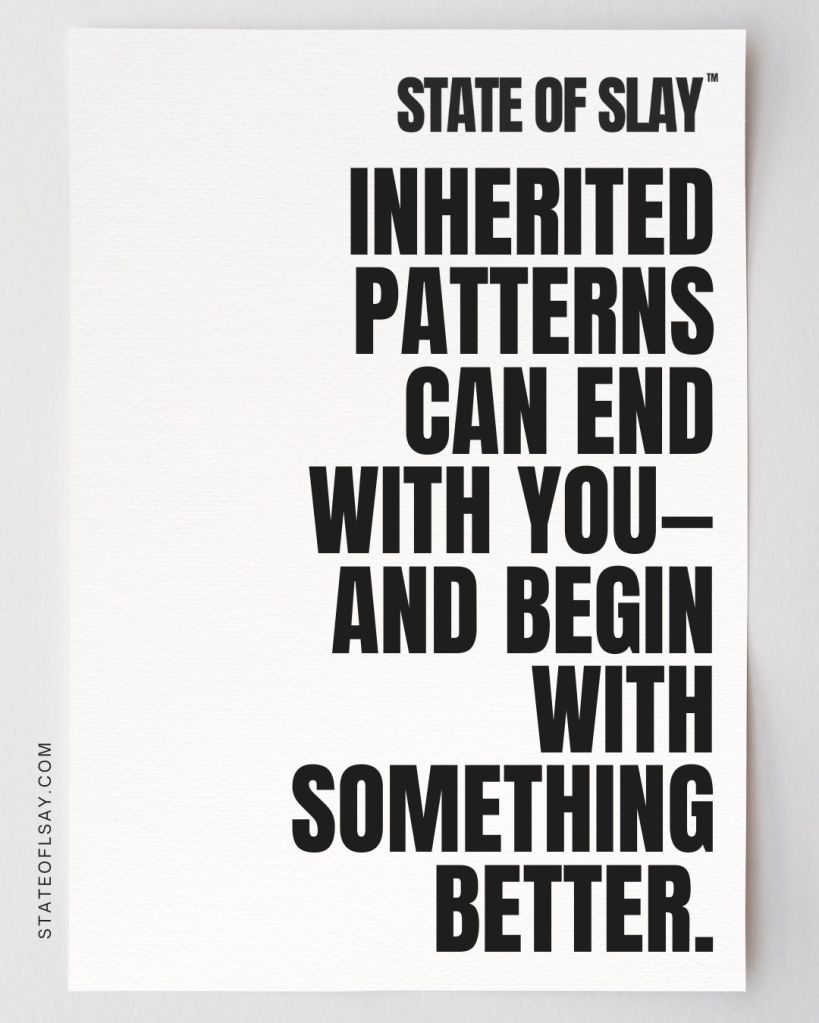
Survival Mode Is Meant to Save Your Life Not Become Your Life

There are seasons in life where survival mode is necessary. Where getting through the day is an act of bravery. Where your nervous system is on high alert, your heart is guarded, and your only goal is to make it to tomorrow.

Survival mode isn’t weakness.
It’s instinct.
It’s protection.
It’s your body and mind stepping in when things feel unsafe, overwhelming, or unbearable.

But survival mode was never meant to be permanent.

It’s meant to save your life, not define it.

And yet, so many of us stay there far longer than we should — not because we want to, but because it becomes familiar. Predictable. Safer than the unknown.

The danger isn’t entering survival mode.
The danger is building a life inside it.


When Survival Mode Becomes Your Default

Survival mode doesn’t always look dramatic. Sometimes it’s quiet. Functional. Even impressive from the outside.

You’re productive but disconnected.
Independent but exhausted.
Strong but numb.
Capable but constantly bracing for impact.

You tell yourself you’re fine because you’re still standing. Still working. Still showing up. But inside, everything feels tight. Restricted. On edge.

You’re not living — you’re managing.

When survival mode becomes your baseline, your nervous system forgets what safety feels like. Rest feels foreign. Joy feels suspicious. Peace feels temporary.

You stay alert because letting your guard down once cost you something.
And your body remembers.

But living in survival mode long-term comes at a price — emotionally, mentally, physically, and spiritually.


Survival Mode Kept You Alive Honor That

Before we talk about leaving survival mode, let’s be clear about something important:

Survival mode served a purpose.

It helped you endure what you couldn’t escape.
It helped you function when you couldn’t fall apart.
It helped you stay alive when the alternative felt unbearable.

There is no shame in that.

But honoring survival mode doesn’t mean staying there forever. Gratitude doesn’t require permanence. You can thank the coping mechanisms that carried you — without allowing them to cage you.

What once protected you may now be limiting you.
What once kept you safe may now be keeping you small.

And that doesn’t mean you failed — it means you’ve grown.


You Can’t Heal While You’re Still Bracing for Impact

Healing requires safety.
Growth requires space.
Peace requires permission.

Survival mode doesn’t allow for any of those things.

When you’re constantly preparing for the next threat, your body stays tense. Your mind stays guarded. Your heart stays armored. There’s no room to soften — and without softness, healing can’t land.

You might notice this showing up as:

  • Difficulty relaxing even when things are good
  • Feeling guilty for resting
  • Expecting something bad to happen when things feel calm
  • Struggling to trust happiness or stability
  • Staying busy to avoid feeling

This isn’t because you’re broken.
It’s because your system learned that staying alert was safer than being open.

But what kept you alive is not what will help you thrive.


Leaving Survival Mode Can Feel Scarier Than Staying

Here’s the part no one talks about enough:
Leaving survival mode can feel terrifying.

When survival has been your identity, peace can feel unfamiliar. Stillness can feel unsafe. And healing can bring up emotions you didn’t have time to feel when you were just trying to survive.

Survival mode is exhausting — but it’s predictable.
Healing is freeing — but it’s unknown.

So you stay guarded.
You stay busy.
You stay “fine.”

Not because you don’t want more — but because more requires vulnerability.

And vulnerability feels risky when you’ve been hurt before.


You Are Allowed to Want More Than Survival

There comes a moment — sometimes quiet, sometimes loud — when something inside you says:
I don’t want to live like this anymore.

Not because life is falling apart.
But because you’re tired of holding it together.

That moment isn’t weakness.
It’s wisdom.

You are allowed to want ease.
You are allowed to want joy.
You are allowed to want a life that feels expansive instead of constricted.

Choosing to leave survival mode doesn’t mean you forget what you’ve been through. It means you refuse to let your past trauma dictate your future.

It means choosing regulation over reaction.
Presence over protection.
Living over enduring.


Healing Is Learning That You’re Safe Now

Leaving survival mode is a process — not a switch.

It looks like learning how to rest without guilt.
Learning how to feel without panicking.
Learning how to trust yourself again.

It means teaching your nervous system that the danger has passed — even when it doesn’t fully believe you yet.

You don’t rush it.
You don’t force it.
You gently remind yourself again and again:

I am safe now.
I don’t have to brace anymore.
I can exhale.

Healing is not about erasing what happened — it’s about expanding beyond it.


You Deserve a Life That Feels Like Living

Survival mode kept you breathing.
Healing lets you breathe deeply.

You weren’t meant to live clenched, guarded, and constantly on edge. You weren’t meant to mistake exhaustion for strength or numbness for stability.

You were meant to feel joy without fear.
To rest without apology.
To live without constantly scanning for danger.

Survival mode is a chapter — not the whole story.

And if you’re reading this, it might be time to turn the page.


SLAY Reflection

Let’s reflect, SLAYER:

S: Where in your life are you still operating from survival instead of safety?
L: What coping mechanisms once helped you survive but may now be limiting your growth?
A: What would it look like to give yourself permission to rest, soften, or receive support?
Y: How would your life feel if survival was no longer your default?


Call to Action: Join the Conversation

I’d love to hear from you.
Where do you notice survival mode showing up in your life and what would healing look like for you right now?
Share your story in the comments. Let’s cheer each other on.

And if you know someone who’s been surviving longer than they should have to, send this to them.
Sometimes, all we need is a nudge.

An Arrow Can Only Be Shot by Pulling It Backwards

There’s a powerful lesson tucked inside one of life’s simplest metaphors: an arrow can only be launched by first being pulled backwards.

At first, that pull feels like resistance. Pressure. Setback. You’re yanked away from where you want to go, pulled into discomfort, frustration, and sometimes even pain. But the truth is this: without that tension, without that backward stretch, there is no forward release.

Life’s pullbacks are not punishments—they are preparation.

The key is to not get stuck staring at the ground when life pulls you back. Instead, steady yourself, take aim, and get ready. Because what feels like a setback now may be the very momentum that propels you toward something greater.


The Backward Pull Feels Personal

When life pulls us back, it rarely feels neutral. It feels personal.

The relationship ends. The job falls through. The opportunity disappears. Suddenly, it feels like life is conspiring against us, stripping away what we wanted most. And in the middle of that loss, it can feel impossible to see any kind of trajectory forward.

But here’s the truth: the arrow doesn’t know it’s being pulled back to soar further—it only feels the tension. And we’re the same way.

The backward pull of life is often the exact energy we need to realign, refocus, and prepare for a different kind of future.


Take Aim: Purpose in the Pause

An arrow doesn’t just fly aimlessly—it’s aimed. The backward pull isn’t random; it’s part of the process.

When life feels like it’s dragging you back, the invitation is to pause and take aim.

Ask yourself:

  • What am I being redirected toward?
  • What lessons am I meant to carry from this moment?
  • What strength am I building through this resistance?

Taking aim doesn’t mean you’ll have all the answers right away. It means you choose not to waste the pullback. You align yourself with purpose, even if the target feels blurry.


The Release: Trusting the Launch

When the arrow is finally released, it doesn’t hesitate. It doesn’t fight the momentum. It doesn’t question the trajectory. It simply flies.

That’s the moment you’ve been stretched for.

The release is the job that finally matches your calling, the relationship that respects your worth, the moment you realize your strength has carried you further than you thought possible. It’s not about erasing the pullback; it’s about realizing that every inch of that resistance fueled the flight.


The Power of Perspective

Pullbacks and setbacks will always come. But here’s the difference between staying stuck and soaring forward: perspective.

If you see the pullback as failure, you’ll stay grounded. If you see it as preparation, you’ll find the courage to aim higher.

Every backward tug is an opportunity to grow resilience, clarity, and faith. It’s proof that you’re still in motion—that life is stretching you for something greater.


Your Bow, Your Aim, Your Flight

Remember, you are both the archer and the arrow.

You get to choose:

  • Do you fight the pull and call it defeat?
  • Or do you trust the stretch, take aim, and let yourself fly?

The setbacks won’t define you. The release will.

So the next time life pulls you back, don’t panic. Don’t lose heart. Steady your grip. Breathe. Take aim. And get ready—because you are about to soar.


SLAY Reflection

  1. Where in your life right now do you feel like you’re being pulled backwards?
  2. How can you reframe that pullback as preparation instead of punishment?
  3. What’s one target you want to take aim at, even if it feels blurry today?
  4. How can you use resistance as fuel for your momentum?
  5. What would trusting the release look like for you?

S – See setbacks as setups, not endings
L – Let the pullback strengthen your aim
A – Align with purpose, not panic
Y – Yield to the release and trust your flight


Call to Action: Join the Conversation

I’d love to hear from you.
What pullback in your life ended up being the momentum you needed to soar?
Share your story in the comments. Let’s cheer each other on.

And if you know someone who feels stuck in a setback, send this to them.
Sometimes, all we need is a reminder that the stretch is preparing us for the flight.

Laugh in the Places You Cried

There’s something profoundly healing about returning to the places that once broke you—and finding yourself laughing there.

It doesn’t erase what happened. It doesn’t mean the tears weren’t valid. But it does mean you’ve grown. It means that grief, loss, or hardship no longer has the same power over you that it once did.

To laugh in the places you cried is not about pretending the pain never happened—it’s about showing yourself that joy can exist there too. It’s proof of resilience. It’s a reminder that your story didn’t end in the sorrow of that moment.


Pain Leaves Marks—But So Does Joy

The truth is, we all carry places inside us that feel haunted by memory. A room you once walked out of in tears. A street where your heart shattered. A house where you fought, lost, or grieved.

For a long time, those places can feel unbearable. You avoid them, you numb yourself, or you pretend they don’t matter. But eventually, life has a way of bringing you back.

And when it does, you’re not the same person who stood there before.

When you can laugh in the same space where you once cried, you prove that your spirit is bigger than your suffering. You transform the memory. You remind yourself that you are not stuck in the story of what happened there.


Your Scars Tell the Story of Your Strength

Think of the scars you carry—not just on your body, but on your heart. They’re proof that something hurt you, but also proof that you healed.

Your tears were real, but so is your laughter.

That’s the beauty of allowing yourself to live fully in both. You don’t have to deny the moments that broke you. But you also don’t have to live there forever.

When you let joy back into the places that once felt like endings, you’re not betraying your pain. You’re honoring it by showing what came after.


Turning Memory Into Medicine

For me, there have been places I thought I could never face again—rooms where I felt humiliated, benches where I cried from heartbreak, doorways I left with shame.

At first, I avoided them. I told myself it was better to never go back. But life pulled me there anyway. And when I found myself standing in those same spaces, I realized something powerful:

I could either let the pain live there forever, or I could write a new chapter.

The first time I laughed in one of those places, it felt strange—like I was trespassing on sacred ground reserved only for grief. But the truth is, grief doesn’t own that ground. I do. And so do you.

Every time you smile, laugh, or find joy in a space where you once broke down, you reclaim a piece of yourself that once felt lost.


You’re Not Erasing the Past—You’re Expanding It

Let’s be clear: laughing in the places you cried doesn’t mean you’ve forgotten. It doesn’t mean you’ve dismissed what happened or denied your feelings.

It means you’ve grown enough to hold both truths at once.

Yes, you were hurt here.
Yes, you cried here.
Yes, you thought you might never move past it.

And yes—you are also capable of joy here now.

That’s not erasure. That’s expansion. You’ve made room for more than one emotion, more than one story, more than one version of yourself.


Healing Is Circular, Not Linear

Sometimes we think healing means “moving on” and never looking back. But often, healing looks like returning to old ground with new eyes.

You circle back—not to stay stuck in the past, but to measure how far you’ve come.

And when you can laugh where you once cried, you see the full circle of your healing. You’re no longer in survival mode. You’re no longer defined by that wound. You’ve created space for something bigger: life after pain.


Reclaim Your Spaces

What if the places that broke you could become the places that build you?

That café where you ended things with someone toxic could also be the café where you laugh with a friend years later.

That park bench where you grieved could also be the park bench where you sit and watch a sunset in peace.

That room where you cried in shame could also be the room where you stand today with pride.

Your past doesn’t get the final word. You do.


SLAY Reflection

  1. What space in your life feels tied to a painful memory?
  2. How would it feel to reclaim that space with joy?
  3. Can you think of a time when you surprised yourself by laughing in a place that once felt heavy?
  4. How did that shift your perspective on healing?
  5. What step can you take this week to create a new memory in an old space?

S – See the spaces that still carry your pain
L – Let yourself imagine joy returning there
A – Allow both tears and laughter to exist in the same place
Y – Yield to healing that expands, not erases


Call to Action: Join the Conversation

I’d love to hear from you.
Have you ever laughed in a place you once cried—and how did it change you?
Share your story in the comments. Let’s cheer each other on.

And if you know someone who’s still haunted by the places they’ve cried, send this to them.
Sometimes, all we need is a reminder that healing makes room for joy too.

Slay Say

Stop pouring into empty cups—it’s time to honor your own.

We teach people how to treat us by what we allow, what we stop, and what we walk away from. If you keep making others a priority while they treat you as an afterthought, you’re not being kind—you’re abandoning yourself.The truth is, you don’t need to beg for a seat at a table where you’re only ever offered crumbs. You deserve to sit where your presence is seen, valued, and celebrated.

This isn’t about becoming hard or unkind. It’s about protecting your energy and making room for relationships that meet you with the same care you give so freely.

This is your reminder to stop pouring into places that never pour back.

Don’t give priority where you’re treated as an option.

SLAY on!

You Can’t Speak Butterfly Language to Caterpillar People

There comes a moment in growth—real, soul-deep growth—where you start to see things differently. You think differently. Feel differently. You’ve been through the fire, and now you move lighter, clearer, freer. But what happens when the people around you haven’t caught up?

What happens when they’re still speaking caterpillar, and you’ve turned into a butterfly?

It’s one of the hardest parts of healing. You want to be understood, to be supported, to be met with the same energy you now bring to the table. But not everyone will get it. Not everyone is meant to. Some people are still living in the version of you that fit them. And that version? The one who shrunk, people-pleased, kept the peace, and didn’t make waves? That’s who they miss.

But you don’t owe anyone a version of yourself that you’ve outgrown.


Don’t Waste Your Wings Explaining Yourself to Those Who Refuse to Fly

The more you evolve, the less you’ll feel the need to explain yourself. That’s not arrogance—it’s alignment.

You’re not obligated to shrink your truth to make someone else comfortable. You’re not here to convince them of your growth, your healing, or your worth. If someone is committed to misunderstanding you, no amount of butterfly talk will make them listen.

They don’t speak your language. They haven’t earned the right to interpret your transformation.

So instead of wasting your energy justifying your boundaries, your peace, your purpose—protect that energy. You’ve worked too hard to unlearn survival mode only to get pulled back into it trying to prove you’ve changed.

Let your life speak for itself. Let your peace do the talking.


You’re Not Better—You’re Just Becoming

Growth doesn’t make you superior. It makes you aware. And with awareness comes choice.

You don’t have to cut people off with cruelty. But you also don’t have to carry the weight of relationships that ask you to deny your truth. Just because you love someone doesn’t mean you can grow beside them.

Some people will stay rooted in fear, gossip, chaos, control. They’ll look at your wings and call them dramatic. Call them selfish. Call them fake. That’s okay.

Let them.

You don’t need their permission to evolve. Your transformation isn’t up for debate.


Fly Anyway

If you’ve been dimming your shine to stay digestible—stop.

If you’ve been translating your truth into someone else’s comfort—stop.

If you’ve been waiting for them to catch up—you don’t have to anymore.

Butterflies don’t explain how they became butterflies. They just fly.

You’re allowed to protect your peace without guilt. You’re allowed to walk away from dynamics that drain you. You’re allowed to outgrow places, people, and patterns that no longer serve you—even if they once did.

That’s not disloyal. That’s evolution.

So the next time someone tries to pull you back into the old version of yourself, remember: you’re not who you used to be. And that’s a good thing.

You’re speaking butterfly now. Not everyone is meant to understand.


SLAY Reflection

  1. Who in your life still expects you to be the person you’ve outgrown?
  2. What version of yourself are you most proud of leaving behind?
  3. Do you feel the need to explain your healing journey to others?
  4. How does it feel when someone doesn’t “get” your growth?
  5. What’s one way you can protect your peace this week—without apology?

S – Speak your truth without over-explaining
L – Let go of needing approval for your evolution
A – Align with people who see and support the real you
Y – Yield to your transformation, even if it’s misunderstood


Call to Action: Join the Conversation

I’d love to hear from you.
Who have you had to stop explaining yourself to—and how did it free you?
Share your story in the comments. Let’s cheer each other on.

And if you know someone who’s trying to fly while others are pulling them down, send this to them.
Sometimes, all we need is a nudge.
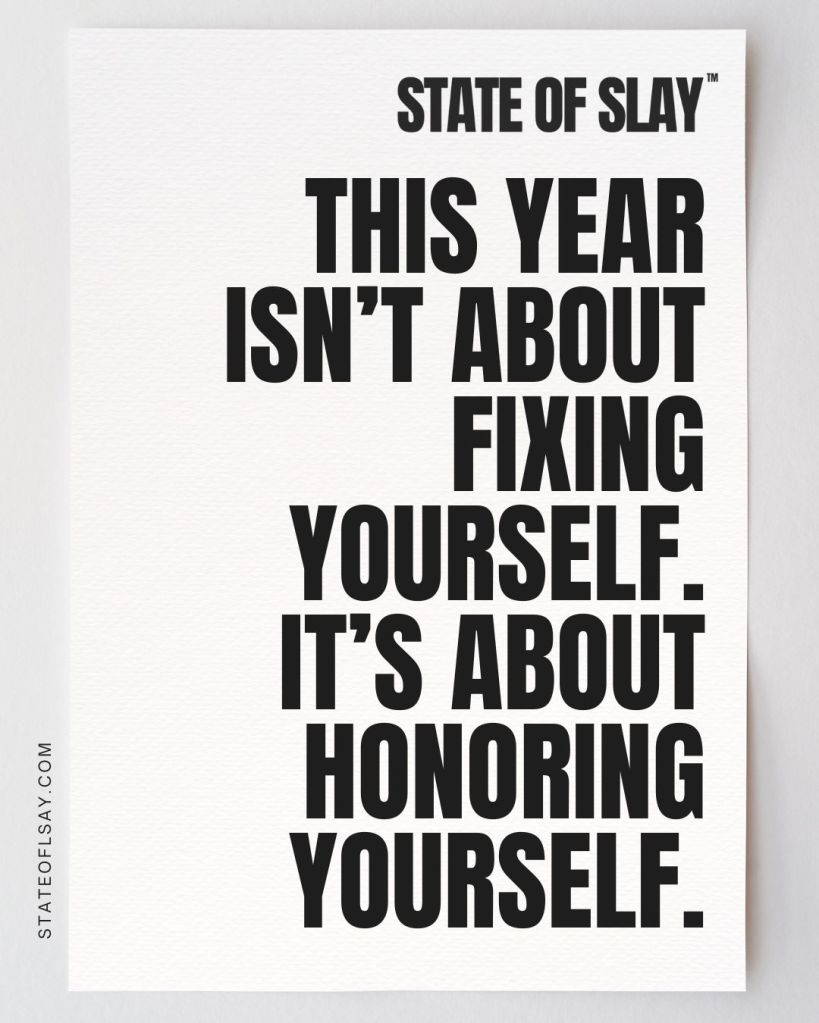
Slay Say

TRUST THE STRENGTH YOU’RE BUILDING

Comfort is fleeting.
It’s easy to map out your life for the good days, the smooth seasons, the times when everything flows.

But those aren’t the days that test the strength of your foundation.

True growth happens when you shape your future with resilience in mind—when you build a life that can hold you steady through the storms, not just the sunshine.

This is your reminder: The stronger you become in the hard moments, the more unshakable your path forward will be.

SLAY on!

Letting Go Doesn’t Mean Forgetting

There are moments in life that mark us so deeply, they carve their names into our memory. A love we lost. A chapter that closed too soon. A person who changed us forever. And when we talk about letting go, it can feel like we’re being asked to erase those parts of our story—to forget, to move on, to pretend it never meant as much as it did.

But letting go doesn’t mean forgetting. It means learning how to carry the past with you without letting it weigh you down.

There is a quiet kind of strength in remembering. In holding onto what once made your heart full, not to relive it or rewrite it—but to honor it. Letting go is not an erasure. It’s an act of transformation.


You Can Turn the Page Without Tearing It Out

I used to think that moving on meant forgetting. That in order to stop the ache, I had to pretend the past didn’t exist. But the truth is, the ache only grew louder when I tried to silence it.

Grief, loss, heartbreak—they don’t disappear just because we’re tired of feeling them. They soften when we allow them to be part of us. When we stop fighting them. When we let them shape us, instead of shame us.

The chapters that break us open are still part of our story. They don’t need to be rewritten. They need to be remembered. With tenderness. With clarity. With the understanding that they taught us something essential about who we are.

So no, you don’t need to forget. You just need to stop clutching the past so tightly that your hands aren’t free to receive what’s next.


Memory Is Not the Enemy

We’re told to move on. To get over it. To stop living in the past. And while yes, healing requires forward motion, it doesn’t require amnesia.

You can move forward and still feel. You can carry love and loss in the same breath.

Letting go is not about abandoning your memories. It’s about finding the strength to acknowledge them—even the painful ones—and still take the next step.

I had to learn how to hold space for both: the ache of what was, and the hope of what could be. And in doing that, I discovered something surprising:

The past doesn’t hold me hostage when I stop trying to run from it.

Instead, it becomes something I carry—not with regret, but with reverence.


Life Moves On, and So Can You

There’s a moment in every healing journey when you realize: you can miss what was, love who you were, and still choose to turn the page.

Letting go is not a betrayal of the past. It’s a commitment to your future.

You can bring everything you’ve learned with you. The beauty. The brokenness. The truth. All of it.

Letting go is about making peace with what no longer fits, not because it wasn’t real, but because you are growing.

So don’t rush to forget. Don’t erase what made you feel. Let the memories come. Let them stay. Just don’t let them stop you from living the life that’s waiting for you now.

Let your purpose lead. It knows the way.


SLAY Reflection

  1. Is there something in your past you’ve been trying to forget in order to move on?
  2. How might you carry it differently—with tenderness instead of pain?
  3. What have your most difficult moments taught you about yourself?
  4. Are you ready to stop running and start remembering?
  5. What would turning the page look like for you today?

S – Sit with your memories, even the hard ones
L – Let yourself feel without needing to fix
A – Accept what was, and honor how it shaped you
Y – Yield to growth—even when it hurts


Call to Action: Join the Conversation

I’d love to hear from you.
What is something from your past that you now carry with love instead of pain?
Share your story in the comments. Let’s cheer each other on.

And if you know someone who’s struggling to let go, send this to them.
Sometimes, all we need is a nudge.

Slay Say

YOU GET TO BUILD SOMETHING NEW

Not everything passed down needs to be carried forward.
Cycles of hurt, silence, or survival may have paved your path—
but that doesn’t mean they have to shape your future.

You’re not here to repeat.
You’re here to restore.
To choose with intention.
To lead with clarity.
And to become the version of yourself your lineage didn’t know was possible.

This is your reminder to be the shift they never saw coming.

SLAY on!

Slay Say

NOT EVERYONE CLAPS WHEN YOU RISE

We don’t lose people when we grow—we reveal them.
Not everyone who starts the journey with you is meant to finish it beside you.
Your success may make others uncomfortable, but that doesn’t mean you should shrink.
Let go of the need for approval and keep climbing.
The ones who are meant to walk with you won’t fear your elevation—they’ll fuel it.

This is your reminder:
You don’t need universal applause to be on the right path.
Just the courage to keep going.

SLAY on!

Authenticity Is a Higher Vibration Than Joy and Love

We spend so much of our lives chasing happiness, love, and the so-called “good vibes.” But what if the real key to alignment isn’t about always being joyful or even feeling loved? What if the most powerful shift we can make is to be authentic?

Because here’s the truth: authenticity is a higher vibration than joy and love.


The Truth About Vibration

Energy doesn’t lie. And when you’re pretending, pleasing, or performing, your vibration lowers—even if you’re smiling through it.

Joy without truth is performative. Love without boundaries is self-abandonment.

Authenticity, however, is rooted in truth. It’s grounded in presence. It’s the real you. And when we operate from that space, we emit the clearest, most powerful frequency we have. We show up aligned—and everything around us responds to that.


Real Over Perfect

There was a time when I thought I had to look happy to be happy. Smile through the pain. Be grateful when I was struggling. Be kind even when I was breaking.

But fake it ‘til you make it can only take you so far.

The day I stopped trying to be perfect and started being real—everything changed. People connected more deeply with me. My relationships became healthier. I became healthier. Because I wasn’t trying to stay high-vibe. I was trying to stay real.

And that is the vibe the universe actually responds to.


How Authenticity Heals

When we give ourselves permission to be real, we invite others to do the same. We create safety. We foster trust. We show others what it looks like to live in truth, not performance.

Authenticity says:

  • I feel this, even if it’s messy.
  • I’m not perfect, and I don’t have to be.
  • I can still be lovable, even when I’m struggling.

And that is where true love and joy can actually take root. Not in the performance of being okay—but in the truth of being whole.


Authenticity Is a Practice

Being authentic doesn’t mean sharing everything or letting your emotions run unchecked. It means showing up honestly.

It means:

  • Saying no when you mean no.
  • Speaking up when something matters.
  • Honoring your feelings without needing to justify them.

It means being clear about who you are—and being okay with the fact that not everyone will get it. Because your alignment matters more than approval.


The Frequency of Truth

Your truth has its own frequency. When you live it, you attract what’s meant for you. You repel what isn’t. You stop chasing and start receiving.

Authenticity isn’t a trend. It’s a vibration.

And the more you live it, the more powerful you become. Not because you’re trying to be powerful—but because there’s nothing stronger than someone who is fully themselves.


SLAY Reflection

  1. Where in your life are you performing instead of being real?
  2. What does authenticity feel like in your body?
  3. What would it look like to choose authenticity over approval?
  4. Have you mistaken being “high vibe” with being emotionally bypassing?
  5. What part of your truth are you ready to reclaim?

S-L-A-Y:

  • Speak your truth, even when it shakes
  • Let go of the need to be liked
  • Align with your values, not someone else’s
  • You are your most powerful when you are real

Call to Action: Join the Conversation
I’d love to hear from you.
Where in your life are you ready to get real?
Share your story in the comments. Let’s cheer each other on.

And if you know someone who’s stuck in performance mode, send this to them.
Sometimes, all we need is a reminder.