
Put Your Own Mask On First

We hear it every time we board a plane: “In the event of a loss in cabin pressure, secure your own mask before assisting others.” It’s one of those instructions that seems counterintuitive—especially for the givers, the fixers, the caretakers among us. But when you stop to really think about it, it’s not just an airline safety rule—it’s a life lesson.

For a long time, I didn’t put on my own mask first. I’d jump in to help anyone else—whether they asked or not—believing it made me strong, loving, dependable. I was the one people could count on. But quietly, I was falling apart. I was suffocating. And I didn’t even realize it until I was gasping for air.


You Can’t Pour From an Empty Cup

We’ve all heard that saying, but how many of us actually live it?

If you’ve been conditioned to believe your worth is tied to your usefulness, rest might feel selfish. Saying no might feel wrong. Asking for space might trigger guilt. But here’s the truth: constantly abandoning yourself to show up for others isn’t noble—it’s a fast track to burnout, resentment, and disconnection.

When you give from depletion, your help comes with a cost. You’re exhausted. You’re short-fused. You’re giving, but secretly hoping for a thank you, some recognition, a return on your emotional investment. And when that doesn’t come? It hurts. Because beneath all that self-sacrifice, you’re still human.

Putting your own mask on first isn’t selfish—it’s survival. It’s sustainability. It’s strength. When you’re nourished, rested, grounded—you give from overflow, not from emptiness. And everyone benefits from that version of you.


Self-Care Isn’t a Luxury—It’s a Responsibility

Somewhere along the way, we started seeing self-care as optional—as a bubble bath or a bonus. But self-care is how you keep yourself whole. It’s how you stay aligned. It’s the system check that makes sure you’re not running on fumes.

It’s not always glamorous. Sometimes, self-care is a boundary. Sometimes it’s canceling plans. Sometimes it’s letting someone else figure it out, even when you could fix it. It’s trusting that people can handle their own discomfort—and that it’s not your job to keep everything calm.

The truth is, constantly putting others first is often rooted in fear: What if they get mad? What if they leave? What if they think I’m selfish?

But ask yourself this: If you keep abandoning yourself to meet everyone else’s needs, what are you teaching them? That your needs don’t matter. That you’ll always sacrifice yourself. That love looks like martyrdom.

It doesn’t.


Show Up for You—First

Putting your own mask on first means taking inventory of your energy. It means asking: Am I okay? What do I need right now? Am I being honest about my limits?

When you start showing up for yourself, everything shifts. Your relationships become more balanced. Your boundaries become clearer. You stop saying yes when you mean no. You stop fixing what isn’t yours. And you start building a life that includes you.

This doesn’t mean you stop helping others. It just means you stop bleeding out for them. You choose to care without collapsing. You choose to support without suffocating. You choose to love from wholeness—not from empty lungs.

You’re not here to save everyone. You’re here to be you. And that’s more than enough.

So the next time you feel that urge to abandon yourself to keep the peace, to overextend just to be liked, or to put everyone ahead of you—pause. Breathe. Reach for your own mask first.

That’s not weakness. That’s wisdom.


SLAY Reflection

  1. Do you feel guilty putting your needs before others? Why?
  2. What areas of your life have suffered because you’ve neglected yourself?
  3. When was the last time you truly paused and checked in with you?
  4. How would your life change if you consistently put your needs first?
  5. What’s one small act of self-care you can commit to today?

S – Stop and assess what you really need
L – Let go of guilt tied to prioritizing yourself
A – Allow yourself to rest, recharge, and reset
Y – Yield to your own healing so you can truly thrive


Call to Action: Join the Conversation

I’d love to hear from you.
What does putting your own mask on first look like for you—and how has it changed your life?
Share your story in the comments. Let’s cheer each other on.

And if you know someone who always puts themselves last, send this to them.
Sometimes, all we need is a nudge.

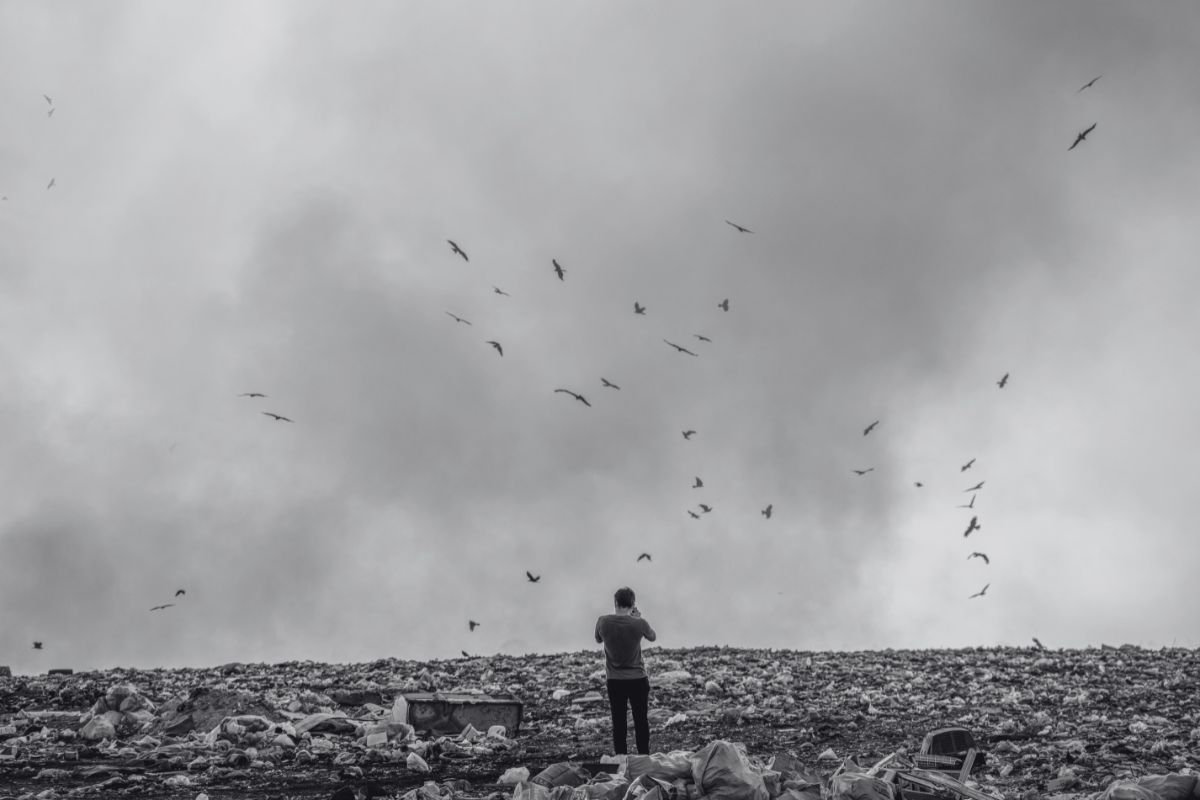
Release The Need To Judge Yourself Negatively

Why are we always so hard on ourselves?

We hold ourselves to impossible standards, judge our every move, and then wonder why we feel stuck, small, and not good enough.
We speak to ourselves in ways we’d never speak to someone else—calling ourselves idiots, failures, brain-dead, or worse.

And we may not even realize we’re doing it.
That inner dialogue becomes so automatic, so embedded in our thinking, that the jabs feel normal.
But they’re not.
And worse—they’re harmful.

Those words don’t just disappear.
They settle into our energy, into our nervous system, into the way we show up in the world.
And over time, they become the very thing that holds us back from becoming who we are meant to be.


The Judgments That Keep Us Stuck

Before I began my journey in recovery, I judged myself constantly.

Nothing I did was ever “good enough.”
Even when I succeeded, I’d discredit it—call it luck, minimize the achievement, or immediately nitpick what wasn’t perfect.

My expectations were so high, they were built to break me.
And they did. Over and over.

The voice in my head wasn’t just critical—it was cruel.
It kept me sick. It convinced me I’d never be enough. It told me to give up before I even tried.
And I believed it.
I lived inside that mental prison for years.

I’d get these little bursts of self-confidence, moments where I felt like maybe I could do something great.
But the voice always returned—louder, meaner, and more persuasive.
It was a cycle that drained me and kept me from healing.


The Turning Point: Choosing to Get Better

When I finally made the decision to seek help, one of the first things I had to face was my own thinking.

I had to get honest about the way I spoke to myself.
And what I discovered?
I had become my own worst bully.

If anyone else had said the things I said to myself, I never would have stood for it.
So why was I allowing it to happen in my own mind?

That realization changed everything.

I began to:

  • Forgive myself for the judgment
  • Unlearn the habit of self-abuse
  • Practice self-compassion, even when it felt unfamiliar
  • Focus on progress, not perfection

And slowly, something started to shift.
The voice got quieter.
The harsh words faded.
And I started to celebrate myself—for real.


Make Room for Grace

No one gets it right all the time.
We all make mistakes.
We all fall short sometimes.

But that doesn’t mean we’re failures.
It means we’re human.

Mistakes are how we grow.
They help us refine our goals, improve our preparation, and get clearer on what we really want.

And when you set realistic goals—ones that allow for learning, flexibility, and growth—you give yourself a chance to succeed.
Even the smallest win becomes a reason to celebrate.


You Are a Work in Progress (And That’s a Good Thing)

You are not the voice in your head that tells you you’re not enough.
You are not your mistakes.
You are not your worst day.

You are a work in progress—a beautiful, evolving human being.
And your job is not to be perfect.
Your job is to keep going.

So speak to yourself with kindness.
Encourage yourself like you would a best friend.
Celebrate every step, every shift, every bit of progress.

You’re doing better than you think.


SLAY Reflection: How Do You Speak to You?

  1. Do you judge yourself harshly?
    How does that show up in your thoughts or self-talk?
  2. What do you tell yourself when you make a mistake or fall short?
    Would you say the same to someone you love?
  3. How has your inner critic held you back?
    Where would you be if that voice got quieter?
  4. What daily habit could help you be kinder to yourself?
    Affirmations, journaling, gratitude?
  5. What can you do today to encourage and celebrate yourself?
    Start now—pick one thing you’re proud of and name it out loud.


Call to Action: Join the Conversation

I’d love to hear from you.
What’s one negative thing you’ve told yourself that you’re ready to replace with kindness?
Share your story in the comments. Let’s cheer each other on.

And if you know someone who’s struggling with self-judgment, send this to them.
Sometimes, all we need is a nudge.

Just Because You Hit A Bottom Doesn’t Mean You Have To Stay There

For most of us, there’s been a time when we’ve hit bottom.
And for many of us, there have been many.

But just because you find yourself at a bottom doesn’t mean you have to stay there.
In fact, sometimes hitting bottom can be the very thing that propels you upward—it can be a turning point, a wake-up call, a catalyst for change.

What matters most is that you recognize it as a bottom.
And then decide you’re not going to live there.


You Don’t Have to Ride It All the Way to the Dump

Looking back, I had many bottoms before I hit the one that finally brought me to my knees.

There were so many moments I should have asked for help…
So many warning signs I ignored…
So many nights I let myself spiral deeper into darkness.

But the truth is: we’re ready when we’re ready.

And if we’re lucky, we get that one moment—the one where something shifts, where the fear becomes too loud to ignore, and we finally ask for help.

For me, that moment came from fear.
Fear of where my mental illness had taken me.
Fear of where it might take me next.

I don’t know why that particular night was different.
There were many terrifying nights before it.
But that night, I got scared enough to pick up the phone.

And in doing so, I opened the door to my own recovery.


The Power of Saying “Enough”

There’s a saying I love:
“You don’t have to ride the truck all the way to the dump.”

You can get off at any time.

Even in the darkest place, even at your lowest, you have a choice.
You always have the option to get off the path that’s dragging you down.
But you have to believe that it’s possible.
And you have to take action.

When I was deep in my illness, I felt powerless.
Like I was strapped to a runaway train.
But that wasn’t true.

I always had a ticket off that train.
And the moment I picked up the phone and asked for help, I used it.

That one action—speaking my truth—shifted everything.

I didn’t have all the answers yet.
I still had work to do.
But the secret I had been carrying was out.
The weight I had been holding got lighter.
And for the first time, I realized I was in control of my recovery.


Recognizing the Bottom for What It Is

It’s so important to notice your bottoms.
To recognize when you’ve fallen harder than usual.
To acknowledge when you’re staying down longer than you want to.

Because that moment of awareness?
That’s the moment you can begin to rise.

We all fall.
We all struggle.
But no one has to stay in the pit.

Freedom starts with acceptance.
The willingness to see where you are—and the courage to choose something better.

A bottom doesn’t have to be the end of your story.
It can be the beginning of your comeback.


From Rock Bottom to Rise

A bottom might just be the biggest blessing in disguise.

It might be the one thing that finally gets your attention.
The one thing that cracks you open.
The one thing that forces you to stop, reflect, and change direction.

You don’t have to stay down.
You don’t have to prove anything to anyone by suffering longer.

Your story is still being written.
And a bottom can be the moment you choose a new chapter.

Use it to rise. Use it to SLAY.


SLAY Reflection: What Is Your Bottom Telling You?

Has a past bottom ever helped you grow or pivot in a new direction?
How can you use that lesson now?

Have you ever hit a bottom in your life?
What were the signs? What did it feel like?

Have you hit multiple bottoms?
What made the most recent one different?

Are you currently in a bottom?
If so, what are you doing about it—or avoiding?

What’s holding you back from asking for help or making a change?
What could shift if you took just one small step?


Call to Action: Join the Conversation

I’d love to hear from you.
What helped you recognize a bottom in your life—and what did you do to rise from it?
Share your story in the comments. Let’s cheer each other on.

And if you know someone who’s struggling to climb out of a hard place, send this to them.
Sometimes, all we need is a nudge.

Just Because You Make Mistakes Doesn’t Mean You Are A Mistake

We all make mistakes.
It’s how we grow. It’s how we learn.
Sometimes we learn to do things differently, and sometimes we simply learn that mistakes are just part of the process—an oops, not an identity.

But there’s a dangerous turning point many of us reach:
When we start to believe that we are the mistake.

That’s when mistakes stop being lessons and start becoming labels.
And when we internalize our failures, we block our own growth.


The Trap of Perfectionism

When I was living in the dark, I believed I was a mistake.
Every time I messed up—even just a little—I used it as proof that I was broken, unworthy, or incapable.

I set impossibly high standards for myself, and when I didn’t meet them, I punished myself emotionally.

  • I beat myself up.
  • I questioned my worth.
  • I kept mental score of every misstep.

Perfection wasn’t just the goal—it was the requirement.
And every time I fell short, I used it as another reason to feel like I had failed at life.


The Permission to Mess Up

Everything changed when I got help.
I was told something I had never even considered:
It’s okay to make mistakes. In fact, it’s encouraged.

Mistakes meant I was trying.
Mistakes meant I was doing something new.
Mistakes meant I was taking action—even if the outcome didn’t go as planned.

That shift in thinking opened the door to something I hadn’t felt in a long time: freedom.

I stopped needing to be perfect and started focusing on being present.
I learned to ask, What can this mistake teach me? instead of, What does this say about me?


Listening to the Signs

Another thing I began to notice?
I made more mistakes when I wasn’t taking care of myself.

If I was tired, overwhelmed, underfed, or overworked—my errors increased.
And instead of blaming myself, I started seeing those slip-ups as signals.

  • Maybe I needed rest.
  • Maybe I needed better boundaries.
  • Maybe I needed to slow down.

Mistakes became more than just missteps—they became a check-in.
An opportunity to notice where I might be neglecting my own needs.


Mistakes That Lead to Magic

Here’s the other thing:
Some of my biggest mistakes?
They’ve led me to some of the most beautiful parts of my life.

If I hadn’t taken the wrong turn, I wouldn’t have found the right path.
If I hadn’t said yes when I probably should have said no, I wouldn’t have learned what a real yes feels like.

We don’t always know in the moment, but sometimes what we call a mistake is actually just a redirection.
A plot twist with a purpose.


The Only Real Mistake?

The only mistake you can make is not taking action because you’re afraid of failing.
Playing it safe. Holding back. Staying small. That’s where real regret grows.

Life isn’t about getting it right all the time.
It’s about trying.
Learning.
Adjusting.
And trying again.

Mistakes are just part of the road.
They’re not roadblocks. They’re guides.

And they are never who you are.


SLAY Reflection: What Are You Learning?

  1. Do you tend to beat yourself up when you make a mistake?
    What does your inner voice sound like in those moments?
  2. Have any of your past mistakes led to something unexpectedly positive?
    What did you learn?
  3. What can you do to be more forgiving of yourself when you mess up?
    What would you say to a friend in your position?
  4. Are you holding back from taking action out of fear of making a mistake?
    What might shift if you gave yourself permission to just try?
  5. How can you begin turning your mistakes into tools for learning instead of weapons for self-punishment?
    What would change if you saw them as stepping stones instead of stop signs?


Call to Action: Join the Conversation

I’d love to hear from you.
What’s one mistake you’ve learned from—and how did it help you grow?
Share your story in the comments. Let’s cheer each other on.

And if you know someone who’s being too hard on themselves, send this to them.
Sometimes, all we need is a nudge.

You Become The Fears You Dwell On

Most of us have fears.
It’s part of being human.
But when we give too much focus and energy to fear, we risk becoming exactly what we fear most.

Fear can be sneaky like that. It creeps in, takes root, and grows stronger the more we feed it. Eventually, it can start to shape how we think, how we act, and even how we show up in the world—often without us even realizing it.

Fear can become a self-fulfilling prophecy.
What we focus on, we feed.
And what we feed, grows.


Fear Is an Invitation

I’ve written before about attracting the kind of energy we want in our lives.
When we live in fear—or negativity—that’s often what ends up circling back to us.

It’s not magic. It’s not instant karma.
It’s energy.
It’s focus.
It’s the silent agreement we make with our fears every time we let them lead.

When I was living in my illness, I was consumed by fear.
It was everywhere—under the surface of every thought, every decision.
And the more I ignored it, the more power it had.
I didn’t want to face it, so I tried to numb it, outrun it, distract myself from it.

But fear doesn’t disappear just because we look away.
It waits. It grows. And eventually, I started to become what I feared most.


When Fear Becomes Identity

I was aware of what was happening.
And still, I didn’t stop it.

I fed my fears with avoidance, with negative thinking, with silence.
And my fear evolved into a kind of paralysis—I couldn’t see a way out, and I wasn’t asking for one.

But then a different kind of fear showed up—the kind that keeps us safe.
The kind that whispers, “You can’t keep going like this.”
The kind that leads to action.

I was terrified of being judged, of being labeled “crazy,” of being too far gone to help.
But I was also terrified of where my life was headed if I didn’t get help.

And that good fear? It won.
I reached out.
I asked for help.
And for the first time, I found a door out.


Reclaiming Power Over Fear

I’ve learned that I don’t have to live in fear.
I still feel it, yes—because again, I’m human.
But I don’t live there anymore.

I’ve learned to acknowledge it when it shows up and then move through it.

Today, I focus on:

  • What I want to see in my life
  • What I hope for
  • What positive energy I can put into the world

I’ve built a spiritual connection that guides me and keeps me grounded.
I stay open to signs and nudges from the universe.
And I trust that fear is not something I have to surrender to.
It’s something I can listen to—but not let lead.


Use Fear as a Signal—Not a Sentence

Fear can be a compass.
Sometimes it points to the exact place where we need to do the most work.

Ask yourself:

  • What am I really afraid of?
  • What small action could I take to begin facing that fear?
  • What would it feel like to stop giving that fear so much power?

This is a challenging time.
But it’s also the perfect time to focus on the good you want to create—for yourself, for your family, for your life.

You don’t have to become what you fear.
You can choose something different.

You can choose to SLAY.


SLAY Reflection: How Are You Using Your Fear?

  1. Do you tend to live in fear or let fear guide your decisions?
    What are you most afraid of right now?
  2. Do you notice yourself becoming what you fear?
    What behaviors or beliefs might be feeding that?
  3. What action could you take today to work through your fear—just one small step?
    What would shift if you took it?
  4. How does fear affect your energy and mindset?
    What happens when you redirect your focus?
  5. How can you bring more positive action into your life today?
    Where can you reclaim your power?

Call to Action: Join the Conversation

I’d love to hear from you.
What’s one fear you’re ready to stop feeding, and what action can you take today to move through it?
Share your story in the comments. Let’s cheer each other on.

And if you know someone who’s stuck in fear or letting it lead their life, send this to them.
Sometimes, all we need is a nudge.
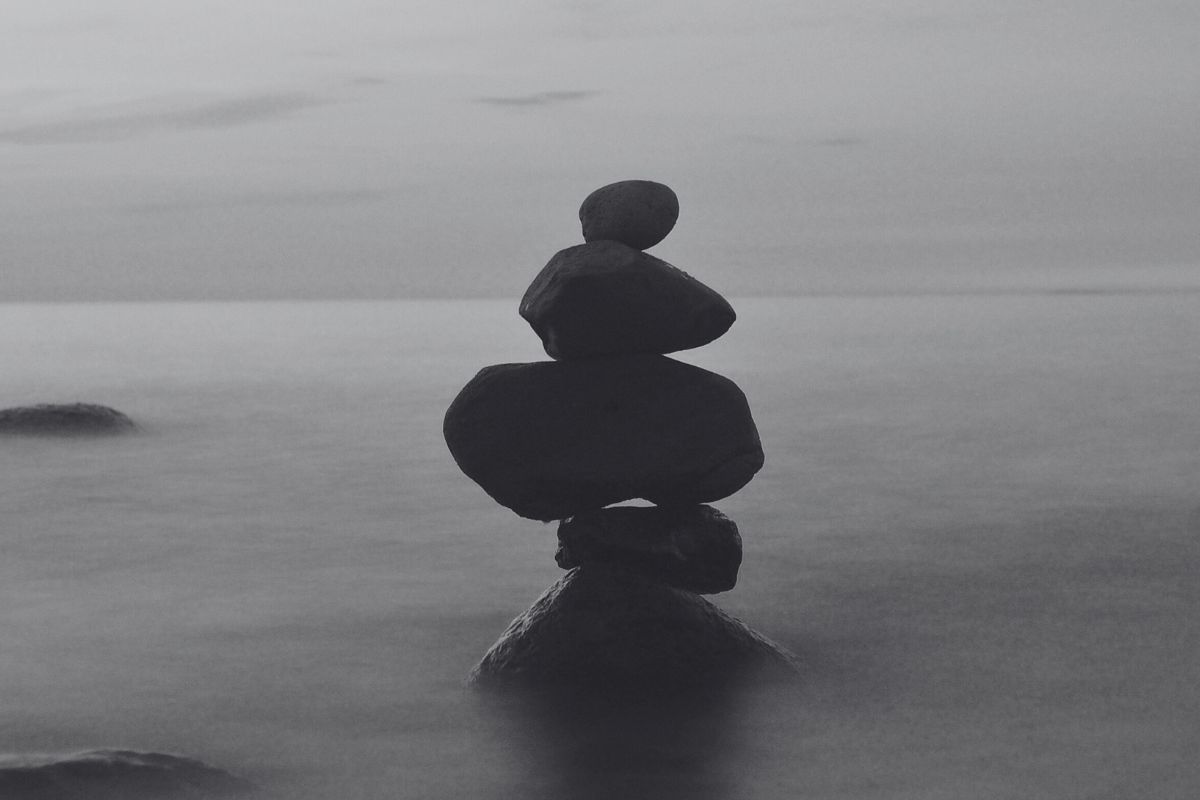
Live Between Always and Never

We often live life on autopilot.
We repeat the same routines, stick to the same beliefs, and follow the same patterns—not because they’re working, but because they’re familiar.

We tell ourselves this is just how we are.
We find comfort in the certainty of always and never.
But here’s the thing—certainty doesn’t always lead to progress.

I’ve written before about living in the gray, the in-between.
It’s in that space where change actually happens.
Where new ideas take root.
Where we make space for growth and possibility.

The middle is where transformation begins.


The Trap of Always and Never

Before I walked the path I’m on now, I was all about the extremes.
Always. Never.
I thought I knew what was best for me and I wasn’t interested in hearing otherwise.

I wasn’t happy—but I also wasn’t willing to change.

I stayed stuck. I stayed sick.
And I kept doing the same things over and over, expecting different results.

That wasn’t just frustrating—it was exhausting.
But it was also a product of my mindset.
I was clinging to always and never like a shield, and it was keeping me from moving forward.


The Power of Maybe

Everything began to shift when I allowed just a little room for maybe.

Maybe there’s another way.
Maybe I don’t know everything.
Maybe if I try something different, I’ll get a different result.

Recovery taught me that change only comes when you’re open to it.
I had to let go of the way I had always done things and be willing to try something new.

Was it uncomfortable? Yes.
Was it worth it? Absolutely.

Not everything I tried worked.
But trying was the point.
There were lessons in the failure—and confidence in the attempt.

Even now, I catch myself falling into that never mindset.
But I’ve learned to challenge it.
Because the best things in my life today?
They came from saying yes to something new.
From living in the middle.
From staying open.


Let Go of What’s Holding You Back

Stubbornness might feel like safety, but it often blocks growth.
It keeps us locked in patterns that no longer serve us.
It makes life smaller.

Living between always and never invites in the unknown—and yes, that can be scary.
But it also makes space for beauty, surprise, connection, and healing.

There’s a whole world you haven’t tried yet.
New waters to wade into.
New experiences that could change everything.

You’ll never know how warm the water is unless you take the first step in.


SLAY Reflection: Are You Open to the Middle?

  1. Do you tend to stick to the way you’ve always done things?
    What impact has that had on your life?
  2. Have you ever said no to something new—and later regretted it?
    What was the opportunity, and what did you learn?
  3. What parts of your life would you like to see change?
    Are you willing to try something different to make that happen?
  4. What are some small ways you could move away from always and never?
    How could you make room for maybe or I’ll try?
  5. What’s one thing you can say yes to today that pushes you out of your comfort zone?
    What could open up if you did?

Call to Action: Join the Conversation

I’d love to hear from you.
What’s one moment in your life when saying “maybe” instead of “never” led to something unexpected—or even life-changing?
Share your story in the comments. Let’s cheer each other on.

And if you know someone who’s stuck in patterns that aren’t serving them, send this to them.
Sometimes, all we need is a nudge.
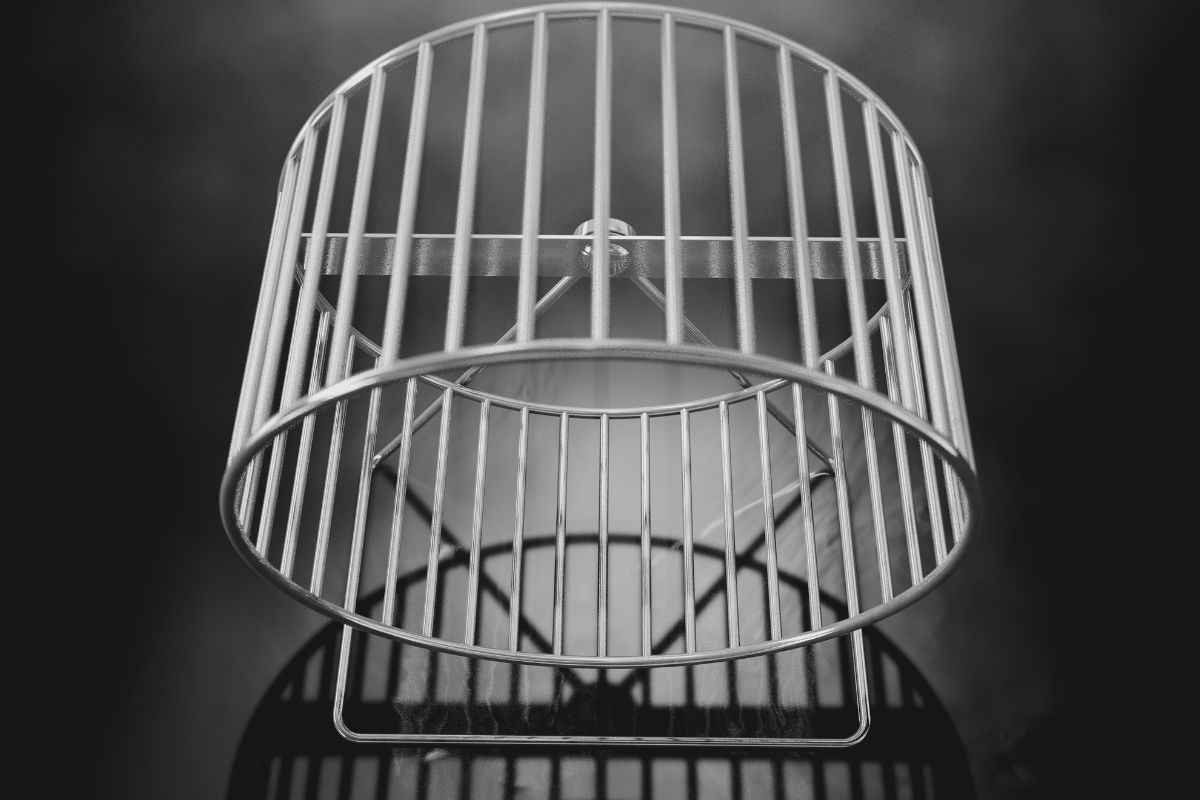
Reality Has Two Sides: The Grim and The Pleasant

Reality isn’t just one thing.
It’s not all light. It’s not all dark.
It lives in the in-between—where truth, growth, and resilience are found.

Sometimes, especially when the world feels heavy, we lean into one side more than the other.
We might cling to the positive and avoid anything unpleasant.
Or we might become so focused on the negative that we lose sight of anything good at all.

But true clarity comes from being able to hold both sides—
To acknowledge what’s difficult while still seeking what’s beautiful.


When Reality Felt Like a Trap

When I was deep in my illness, the word “reality” felt like a punishment.
I wanted to escape it as much as possible.
So I did—by distraction, by denial, by diving into anything that gave me a quick fix of false peace.

Substances, shopping, friendships, exercise—whatever would pull me away from the darkness I was living in.
But the darkness always found its way back in.
Because I wasn’t looking at life clearly.
I was stuck in a one-lens view of the world—and that view was grim.

Even when something good happened, I didn’t trust it.
I expected it to be taken away.
And in that fear, I would sabotage the very light I craved.

I thought life was cruel.
But in truth, I was stuck in a loop of my own perspective.


The Shift Begins with Perspective

When I made the commitment to seek help, one of the biggest lessons I had to learn was this:

Life is both beautiful and brutal.
It contains joy and pain.
Peace and discomfort.
Light and shadow.

If I wanted to heal, I couldn’t keep turning away from the parts I didn’t want to see.
I had to look at life for what it was—and stop trying to control it through avoidance or fantasy.

One of my mentors compared life to the ocean—always ebbing and flowing.
Sometimes calm, sometimes crashing, but never still.
Even the moments that feel still are part of the movement.

That metaphor saved me.
Because it reminded me that hard times do pass.
And the good times don’t need to be clung to—they’re part of a rhythm.

I didn’t need to hide from reality.
I needed to learn how to ride the waves.


Balance is Where Power Lives

It’s easy to fall into extremes.
To live in denial and pretend everything is fine.
Or to spiral into the darkness and believe everything is falling apart.

But when we live in one extreme, we lose our power.
We stop making intentional choices.
We stop growing.

Reality, in its most honest form, gives us space to do something.
To help others.
To show up for ourselves.
To feel our feelings, without letting them control us.
To face what’s hard and still reach for what’s good.

It’s not about pretending everything is fine.
And it’s not about assuming it never will be.

It’s about finding the balance between the grim and the pleasant—
and choosing to live with eyes open and a heart that stays willing.


SLAY Reflection: How Do You See the World?

  1. Do you tend to view life through only one lens—either the positive or the negative?
    Which one do you default to?
  2. How has that perspective affected your emotional or spiritual well-being?
    What have you gained—or lost—by living that way?
  3. What makes it uncomfortable to see both sides of reality?
    Where do you feel resistance?
  4. What would it look like to live in the in-between more often?
    How could that help you make more grounded decisions?
  5. How can you honor both your challenges and your joy this week?
    What small shift could move you toward balance?

Call to Action: Join the Conversation

I’d love to hear from you.
What’s one way you’ve learned to live in the balance between the difficult and the beautiful—and how has it changed your relationship with reality?
Share your story in the comments. Let’s cheer each other on.

And if you know someone who’s struggling to stay centered in uncertain times, send this to them.
Sometimes, all we need is a nudge.

Take Yourself Off The Wheel

Nothing changes if nothing changes.
For years, I did the same things over and over again, expecting different results.
I thought if I kept applying the same approach—harder, louder, longer—somehow life would finally cooperate.

It didn’t.

Every time I repeated the same behavior, I got the same result.
The only thing that changed was how frustrated and exhausted I became.
And when I hit that familiar wall of fear, frustration, and anxiety, the noise in my head got louder—until it drowned out everything else.
I felt stuck. Paralyzed. Powerless.

But the truth?
I had the power all along.
It started with one bold choice: stepping off the wheel I’d been running on for years.


Change Is Uncomfortable—And That’s Okay

Change can feel scary.
Unfamiliar.
Uncomfortable.

Sometimes that discomfort makes us hesitate.
Other times, it’s self-sabotage in disguise—we tell ourselves it’s safer to stay where we are.
That we’re not capable of change.
That we don’t deserve it.
That nothing will really be different anyway.

But that’s a lie.
There is always a way out—or at least a better way forward.
We just have to be willing to take it.


Discomfort Means You’re Growing

If it feels uncomfortable, that’s probably a sign you’re doing the right thing.
It means you’re stepping into new territory.
It means you’re trying something different.
It means you’re finally breaking the cycle.

Change is rarely easy.
But staying stuck is harder.

What helped me most was shifting how I thought about change—not as something to fear, but as something that could bring growth, healing, and expansion.

We aren’t meant to stay where we are forever.
We’re meant to evolve.
To move forward.
To learn and grow.

And that means we have to be willing to do things differently, even when it feels awkward, messy, or uncertain.


The Power of a Single Step

Stepping off the wheel doesn’t require a perfect plan.
It just requires a step.

Even if the first thing you try doesn’t work, you’ll learn something.
That one step might be what sets everything else in motion.
The journey is the point—not just the outcome.

We are not victims of our circumstances.
We may not control every situation, but we can always control how we show up, how we respond, and what we’re willing to change.

Without that inner work, even if we move into new circumstances, we may find ourselves facing the same old patterns in a new setting.

Real change starts from the inside.


It’s Time to Get Off the Wheel

Change takes effort.
But that effort is an investment in you.
In your dreams.
In the life you want.
In the person you’re becoming.

Be willing.
Be curious.
Be brave enough to say yes to what’s new, even if it feels a little scary at first.

You’ve been running in circles long enough.
It’s time to stop the spin.
Jump off the wheel.
And walk forward—with purpose.


SLAY Reflection: Are You Ready to Do Things Differently?

  1. Do you find yourself resisting change?
    What feels uncomfortable or threatening about it?
  2. Are you happy with where you are in life?
    If not, what steps have you taken—or avoided—to shift it?
  3. What patterns have you repeated that no longer serve you?
    Why do you think you’ve stayed in them?
  4. What is one small change you can make today that would move you forward?
    What would it feel like to say yes to that?
  5. What truth are you avoiding because it would require change?
    And what freedom might be waiting on the other side?

Call to Action: Join the Conversation

I’d love to hear from you.
What’s one change you’ve made—or know you need to make—to get off the wheel and create real momentum in your life?
Share your story in the comments. Let’s cheer each other on.

And if you know someone who’s stuck in a cycle they’re ready to break, send this to them.
Sometimes, all we need is a nudge.

Examine What You Tolerate

I used to tolerate a lot.
From other people.
From myself.

I let things slide to avoid conflict.
I ignored red flags because I didn’t want to make waves—or because I was too emotionally and mentally exhausted to face the truth.
And so I allowed bad behavior to take up space in my life, even when it was actively hurting me.

But life isn’t meant to be tolerated.
It’s meant to be lived.
To be enjoyed.
To challenge us, to teach us, and to help us grow.

When we start making excuses for the people, places, and patterns in our lives just so we can “get through” them, we’re not being brave—we’re betraying ourselves.


Tolerating the Things That Keep Us Down

When I was living in the dark, I let most things go—unless I was looking for a fight.
And on the days I was angry at myself, I was often searching for someone else to blame.

I played the victim like it was my role in life.
I pointed fingers outward instead of inward.
And I tolerated behaviors in myself I knew deep down were harmful.

That was the first place I had to start when I began my recovery:
What was I tolerating in myself that was keeping me sick?


Justifying What Needs to Go

I had made excuse after excuse for the choices I was making.
One bad decision would snowball into another, and I would justify every one of them.

I ignored warning signs.
I surrounded myself with people and situations that reinforced my belief that I wasn’t worthy of more.
And I used those experiences as proof that I was a victim of life, rather than someone who had the power to change.

Even when good people showed up in my life, I didn’t know how to let them in.
I had grown more comfortable with pain than with peace.
And that realization was sobering.


From Tolerating to Choosing

As I got honest with myself, I began to see just how much of my pain I had been allowing.
And once I saw it, I couldn’t unsee it.

So I took a stand.

First with myself—by refusing to continue the behaviors that hurt me.
Then outward—by looking at every person, place, and pattern through the lens of self-love.

If it wasn’t helping me grow…
If it wasn’t rooted in respect, support, or truth…
It had to go.

Letting go wasn’t always easy.
But every goodbye made more space for peace.


The Practice of Daily Self-Respect

Even now, as life moves fast and new challenges arise, I have to keep checking in.
When I start tolerating things that don’t serve me, I feel it.
The darkness creeps back in.
The negative voices get louder.
And I know—it’s time to realign.

Self-love isn’t a one-time decision.
It’s a daily practice.
And part of that practice is examining what you’re tolerating—and having the courage to release what no longer honors you.


SLAY Reflection: What Are You Still Tolerating?

  1. What have you been tolerating in your life that feels heavy, harmful, or out of alignment?
    Why are you still holding onto it?
  2. How have your own actions contributed to the pain or frustration you feel?
    What patterns need to be disrupted?
  3. Are there people or relationships in your life that take more than they give?
    What would it feel like to set boundaries—or let them go?
  4. What excuses have you made for staying in situations that don’t serve you?
    Where did those excuses come from?
  5. What would change if you stopped tolerating what hurts you—and started choosing what heals you?
    What’s the first step?

Call to Action: Join the Conversation

I’d love to hear from you.
What’s one thing you’ve tolerated for too long—and how are you ready to honor yourself by letting it go?
Share your story in the comments. Let’s cheer each other on.

And if you know someone who’s carrying things they no longer have to, send this to them.
Sometimes, all we need is a nudge.

Today I Will Not Stress Over Things I Cannot Control

Easier said than done, right?
Especially now.
It feels like everything—from the world at large to our daily lives—is spiraling beyond our control.

And it’s true: most of life really is outside of our hands.
No matter how hard we try to will something into existence or change an outcome, some things just are.
But here’s the truth I’ve come to live by:
I may not be able to control what happens around me—but I can control how I respond to it.
And that’s where the power is.


The Illusion of Control

When I was living in the dark, I was consumed by control.
Trying to manage everything and everyone.
Manipulating, bargaining, obsessing—believing that if I could just control the situation, I could finally feel safe.

But no matter how hard I tried, life had other plans.
It didn’t care how hard I worked to bend it to my will.
And I exhausted myself trying.

The more I tried to control, the more unmanageable everything became.
It didn’t just wear me out—it wore me down.
My mental health suffered.
My self-worth took a hit.
And I lost myself in the process.


Letting Go Was the Turning Point

When I finally made the decision to change my life, I was told something that made me flinch:
You have to accept that you can’t control everything.”

That one sentence lit up every fear I had.
I didn’t want to hear it.
But I needed to.

Because as terrifying as letting go felt, holding on was doing more damage.

So I started small.
I worked on myself.
I practiced gratitude.
I focused on the good.
And I gave back where I could.

Slowly, the need to control started to loosen its grip.
And I began to feel something I hadn’t felt in a long time: peace.


The Freedom in Acceptance

Letting go doesn’t mean giving up.
It means accepting reality as it is—and choosing to move forward anyway.
It means doing what you can, where you are, with what you have.

It means focusing on your choices, your behavior, your energy—not the chaos around you.

And when you feel that old need for control creeping in?
Put the focus back on yourself.
Or do something kind for someone else.
It’s a powerful reset.

Because the truth is, trying to control what’s out of your hands only ends up controlling you.


What I Can Do Today

There are still plenty of things I can’t control—and many of them deeply disturb me.
But I’ve learned that obsessing over what I can’t change doesn’t help.

What does help?
Doing what I can.

I show up for myself.
I show up for others.
I make better choices.
And I leave the rest.

Because acceptance isn’t giving up—it’s breaking free.


SLAY Reflection: Where Are You Holding On Too Tight?

  1. Do you stress over things that are out of your control?
    What are they—and how do they affect your peace?

  2. How has your need for control shaped your relationships, habits, or mental health?
    What patterns do you see?

  3. What’s one area of your life where you could let go a little more today?
    How would that feel?

  4. What are you really afraid of when you try to control everything?
    Is it fear of failure? Rejection? Uncertainty?

  5. What would shift if you focused on your response, rather than the outcome?
    Where can you put your energy to use in a healthier way?


Call to Action: Join the Conversation

I’d love to hear from you.
What’s one thing you’re ready to stop stressing over because you’ve realized it’s out of your control?
Share your story in the comments. Let’s cheer each other on.

And if you know someone who’s stuck in the loop of control and frustration, send this to them.
Sometimes, all we need is a nudge.