
Nothing Fear-Based Is Real

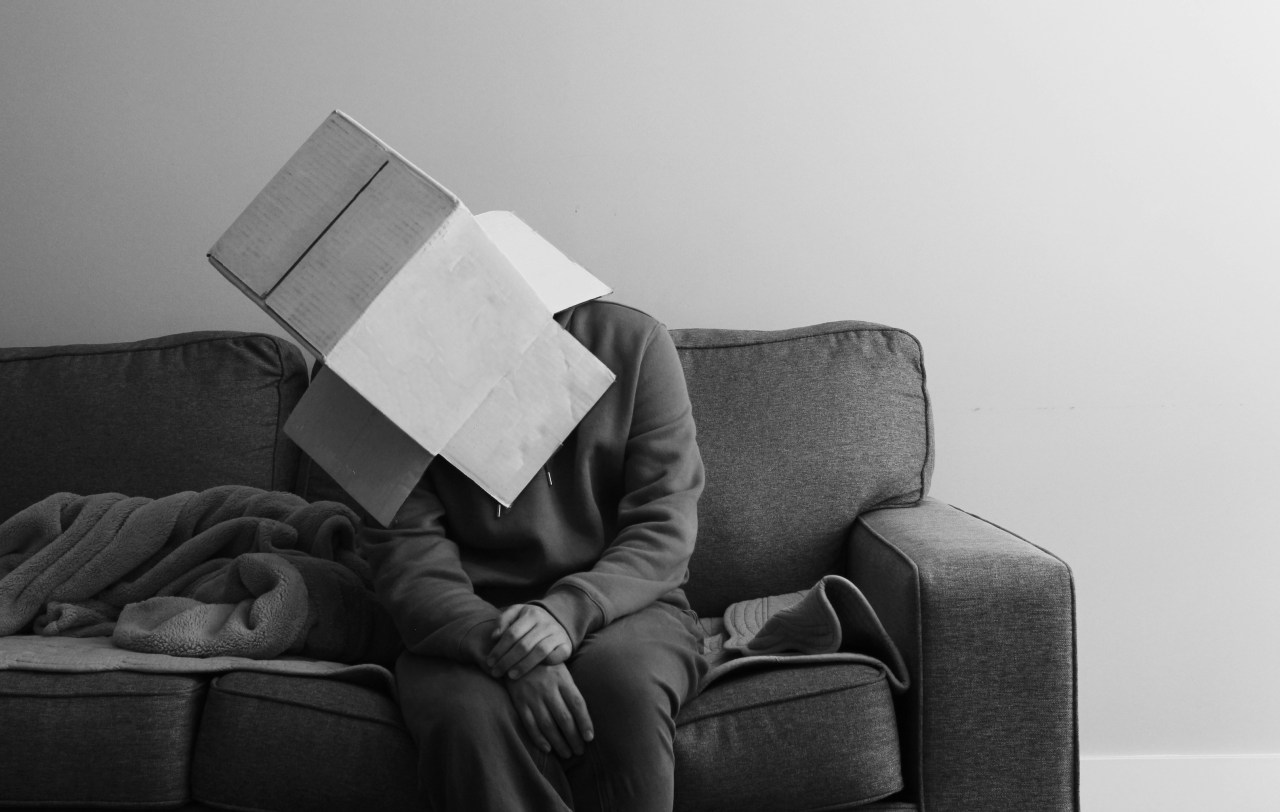
Fear is a liar—but it’s a convincing one. I didn’t always know I was living in fear. In fact, for most of my life, I thought I was just being careful. But when I finally got honest with myself, I realized every decision I made was rooted in fear—fear of not being enough, fear of losing what I had, fear of being judged, fear of being alone.

And none of it was real.


Fear Doesn’t Live in the Present

Fear loves to play in the shadows of the past and the “what ifs” of the future. But when we ground ourselves in this moment, we realize that most of the things we’re afraid of? Aren’t actually happening.

When I finally started to live in the present, my fears—those loud, relentless voices—quieted down. They didn’t vanish overnight, but they lost their grip. Fear thrives on secrecy and silence. When I finally opened up about my truth, I wasn’t met with rejection. I was met with compassion. That was the moment I learned that fear’s power depended entirely on my willingness to believe it.


When You Speak the Truth, Fear Loses Its Voice

Fear told me that if I shared what I was going through, people would walk away. That I’d be labeled “crazy.” That no one would understand. And for a long time, I believed it.

But the moment I found the courage to speak up, something miraculous happened: no one ran. Instead, they leaned in. They listened. They helped. And in that moment, I realized: my fear had been lying to me all along.

Fear is cunning. It will dress up as protection. It will whisper old stories from the past and pretend they still apply. But when we act in contrary motion—when we move forward anyway—we take our power back.


Feel the Fear, Then Do It Anyway

Fear still shows up in my life, but now I know to ask:

  • Is this fear true right now?
  • Is this fear based on fact or just feeling?
  • Am I responding to reality or a recycled lie?

I’ve learned to breathe, to pause, and to stay present. And when fear tries to get loud again, I remind myself: “Fear kills more dreams than failure ever will.”

That’s not just a quote—it’s a truth I’ve lived.


The Power to Break Free Has Always Been Yours

There’s a difference between the fear that keeps us safe and the fear that keeps us small. The latter is what robs us of opportunity, connection, and joy. And here’s the truth: you are not powerless against it.

The more you speak your truth, the weaker fear becomes. And the more you move in spite of fear, the stronger you become. So today, choose truth over fear. Choose growth over comfort. Choose you.

Fear may knock, but it doesn’t get to live here anymore.

SLAY on.


SLAY Reflection

  1. Do you let fear control your life or stop you from going after what you want?
  2. What past situations did fear prevent you from experiencing fully?
  3. Can you identify a recent moment where fear held you back? How could you respond differently next time?
  4. When have you done something despite fear? How did that make you feel?
  5. If fear wasn’t in the driver’s seat, what would you pursue today?

S-L-A-Y:

  • See fear for what it is—a story, not a sentence.
  • Let yourself feel it, but don’t let it lead.
  • Act in spite of it.
  • You get to reclaim the pen and write a new ending.

Call to Action: Join the Conversation
I’d love to hear from you.
What’s one fear you’re ready to stop believing in today?
Share your story in the comments. Let’s cheer each other on.

And if you know someone who’s letting fear write their story, send this to them.
Sometimes, all we need is a nudge.

Guilt Is Trying To Control The Past, Fear Is Trying To Control The Future

All we have control over is the right here and now. And even then, really, we only have control over how we respond to it. Sure, we can take action to work toward a goal, or choose actions that align with our best selves, but control, in the way we often seek it, is an illusion.

When we try to control the uncontrollable, we send ourselves spinning off into a task we cannot complete. Many times, our need or want for control manifests itself in guilt and fear. We feel guilt over what we have done in the past, over words unspoken or actions not taken. We feel fear about what has yet to happen, worrying we won’t do what we should or won’t get what we want. Neither of these places is a healthy place to live.

Instead of pouring energy into trying to control what has already happened or what has yet to come, we should focus on what we can do in this given moment.


The Trap of Guilt and Fear

When I was living in the dark, I spent a lot of time in the past and the future. The present felt lonely and terrifying. Even though I found no real comfort in reliving the past or projecting into the future, it still seemed better than facing where I was.

I spent thousands of hours berating myself over past moments, decisions, and imagined better responses. I sat paralyzed with fear over what might come next. This cycle of guilt and fear kept me sick for years, until finally the present moment became too unbearable to ignore.


Learning to Stay in the Now

It took a lot of courage to sit in the present, to truly listen, to sit still, and to focus only on what was in front of me. It was deeply uncomfortable at first. My anxiety would spike. But I was told to breathe through it, to find some comfort there. It took a lot of breathing, but the breath was the key to walking through my anxious thoughts and learning to stay rooted in the here and now.

Like any new behavior, the more it is practiced, the easier it gets—leaving room for days when it still feels almost impossible. But with willingness, it’s a practice that can be strengthened.


Reflection and Awareness

Today, my mind still wanders back to the past or into the future, but I know I can’t control either. When it happens, I take note of why. Is there unfinished business? Is my mind leaping forward because I’m avoiding something in the present?

I’ve learned that I can’t control life—past, present, or future—but I can control how I respond to it. I can control the actions I take to prepare for what’s to come and the steps I take to stay true to my path today.


The Freedom of Presence

It’s easy to escape the present by dwelling on the past or fretting over the future. But doing so robs us of the moments right in front of us—the ones that deserve our respect and love.

We all have an abundance of choices each day. All we can do is the best we can in each moment. Yes, we may look back and wish we’d done things differently, but instead of guilt, we can use those lessons to guide us. When we implement those lessons in our present day, we free ourselves from unnecessary fear about the future.

All we truly have is right here, right now. The next move is yours to make—choose the one that keeps you grounded.

SLAY on.


SLAY OF THE DAY:

  • Do you tend to live in the past or future?

  • What is the result of that?

  • How does it help you? How does it harm you?

  • What keeps you from living in the present moment?

  • How can you change that?

  • What do you try to control in your life? Are you able to?

  • How does it affect you when you can’t?

  • Do you suffer from guilt or fear? How so?
    SLAYER, the action we can take is in this moment—everything else is out of our hands. Use this moment to do something your future self will thank you for.


Call to Action: Join the Conversation

I’d love to hear from you.
Do you find yourself stuck in guilt or fear? How do you bring yourself back to the present moment?
Share your story in the comments. Let’s cheer each other on.

And if you know someone who’s wrestling with guilt or fear, send this to them.
Sometimes, all we need is a nudge.

Looking Through Your Own Tinted Glasses

I’ve been thinking a lot lately about how we see life through our own lens. How easy it is to adjust the tint to suit the story we want to tell—or the one we’re trying to avoid.

Because the truth is, when we keep those glasses on, we keep ourselves from seeing what’s real.


The Comfortable Distortion

When I was living in the dark, I wore every shade of tinted glasses you can imagine. I’d change the lens to match my mood, my fears, or the lies I was telling myself.

Reality? I didn’t want to face it. It was too painful. Too overwhelming. Too raw.

So I hid. I convinced myself that my version of the story—my distorted, safer version—was enough. I ignored the cracks in my life, the hurt I was causing myself and others, and I justified it all with the filters I chose to wear.

But eventually, the truth caught up with me. And when it did, I realized how small and dark my world had become.


Taking Off the Glasses

It wasn’t easy. Seeing life without those filters meant facing the choices I’d made, the damage I’d done, and the lies I’d told. It meant admitting that I was the one holding myself back.

But in that hard truth, I found something I hadn’t expected: hope.

I discovered that even when the view was painful, it was honest. It was real. And it gave me a path forward.

As I began my journey of recovery, I learned to live in reality. To lean on others who were also learning to live in their truth. To reach out for help when my reality felt overwhelming.

And over time, I realized that reality—messy, uncomfortable, imperfect—is where life really happens.


Seeing Life Clearly

These days, I still feel the temptation to slip those tinted glasses back on when life gets hard. But I remind myself that hiding doesn’t solve anything. It just keeps me stuck.

Reality can be painful. But it’s also where growth lives. It’s where connections deepen, where healing begins, and where we finally get to see ourselves—truly see ourselves.

And the more I practice living in the clear, the more I realize how much beauty there is in truth.

SLAY on.


SLAY OF THE DAY: Reflect & Rise

Do you tend to hide behind tinted glasses to avoid facing your truth?
What fears or stories are you using those lenses to cover up?
What might your life look like if you took them off today?
How can you begin practicing honesty with yourself and those around you?
What’s one small step you can take today to start living in the clear?


Call to Action: Join the Conversation

I’d love to hear from you.
What’s one truth you’re ready to face today?
Share your story in the comments. Let’s cheer each other on.

And if you know someone who’s struggling to see reality, send this to them.
Sometimes, a small nudge is all it takes to lift the veil.

Suicide By Installment

When I look back at how I used to live, I can clearly see how my behaviors and choices led me to the edge of my emotional, spiritual, and physical bottom. I didn’t wake up every day actively wanting to die, but it felt like I was slowly choosing to end my suffering through the choices I was making—death by installment.

At the time, I couldn’t see another solution to the pain I was in. I wasn’t sharing my struggles with anyone, so the only voice I heard was the negative one in my head, and it told me I was right. I wouldn’t have said I was on a path of self-destruction, but now, standing nearly 14 years beyond my worst, I can see it clearly.


Recognizing the Patterns

It’s always easier to see patterns in hindsight—the choices, the behaviors, the downward slide. When you’re in it, it’s much harder to see just how far you’ve fallen. Often, the people around us can see it, but while we’re caught in the spiral, we’re rarely willing to hear it.

In my life, there were countless signs that my actions were compromising my safety, health, and spirit. There were moments that should have been wake-up calls. But instead of asking for help, I brushed them off and kept going.

At first, I lived in denial. When things went wrong, I’d tell myself it wasn’t that bad. But denial eventually gave way to shame, guilt, and finally, apathy. I stopped caring. And when you stop caring about your own well-being, you’re playing a dangerous game—one that could end in disaster.

I’m incredibly fortunate that someone came into my life who recognized what was happening. They shared their story of recovery with me, and for the first time, I saw hope. They showed me that a different life was possible—if I was willing to work for it. Thankfully, I was.


The Power of Choice

Many of us engage in self-harming behaviors—whether it’s neglecting our physical health, ignoring our mental and spiritual wellness, or taking risks that put us in danger. Sometimes it’s subtle, and sometimes it’s glaring. But no matter how it shows up, it’s a slow march toward destruction.

The truth is, we hold the key to our own well-being. It takes rigorous honesty and humility to look at the choices we’re making and ask ourselves: Are these choices serving me? Or am I slowly writing a story of decline, one installment at a time?


A Turning Point

For me, the turning point came when I was willing to face the truth—that I was living in a way that was harming me, that I was denying myself the life I deserved. I had to be honest, with myself and with others, and I had to surrender.

That surrender wasn’t weakness. It was strength. It was reclaiming my power and choosing to live.


Where Are You Today?

We all make choices every day. Some lead us closer to the light, and some drag us deeper into the shadows. The question is: Are you making choices that honor your life and your worth?

If you’re on a path that’s slowly breaking you down, it’s time to stop. It’s time to ask for help, to speak your truth, to make a different choice. You deserve more. But first, you have to believe that.


SLAY OF THE DAY:

  • Looking back at your life, do you feel you’ve made choices that serve you? If not, why not?

  • Have you changed the way you live to reflect more positive, life-affirming choices?

  • Are you still making choices that harm you or lead you down a destructive path?

  • What can you do today to stop this cycle?

  • Do you believe you deserve to live a healthy, fulfilling life? If not, why not?

You matter, SLAYER. I believe that. Now it’s time for you to believe it, too. Take that first step—share your truth with someone you trust, and open yourself to finding a new way forward. SLAY on.


Call to Action: Join the Conversation

I’d love to hear from you.
What’s one change you can make today to choose a healthier, more fulfilling path?
Share your story in the comments. Let’s cheer each other on.

And if you know someone who might need this message, send it to them.
Sometimes, all we need is a nudge.

Overthinking Overtalking

There is so much power in a pause—not just from our mouths, but from our minds.

Before walking this path, I was always thinking and talking too much. Worried that I wasn’t going to get what I wanted or that I would lose what I had, my mind and mouth were always running. Part of it was my desire to control the uncontrollable—people, places, and things around me. And part of it was that I didn’t trust myself, or that I was enough or had done enough.

My overthinking and overtalking would kick in, exhausting me and causing my mind to spiral as I tried to figure out every possible angle. I had to learn to trust myself—and the footwork I had done. I had to believe that I, and it, were enough.


The Root of the Noise

Reaching that point took a lot of work. When I stepped onto this path, I realized that I didn’t trust myself or believe I was enough in any way that counted. To counteract that feeling, I overthought and overtalked, hoping to appear prepared and to prove I had something of value to add. But in reality, I was only closing myself off from the world.

I was so determined to think and talk my way through life that I wasn’t listening, observing, or just being in the moment. It’s in those quiet spaces where we learn and take in the most. Not knowing how to calm my mind, I let it—and my mouth—run wild, assuming I’d hit the mark eventually if I just kept shooting in the general direction. I wasted a lot of energy shooting in the dark.


Learning to Trust Myself

Learning to love myself and to accept that I was enough became the turning point. It became less important to prove that to others. I knew I was enough, and that was enough.

I learned to slow down—through breathing, pausing, and listening. It’s amazing what we learn when we listen and allow ourselves to not know everything. I committed to saying yes to new things, to learning what I truly liked, rather than assuming or condemning something before even trying it. Once I opened myself up, I realized how little I did know.

The answers tend to come in those quiet spaces—in the moments when we stop, find some peace, and just be. And finding that peace took time and trust. I had always felt I had good intuition, so I began to connect with that place, practicing it daily. When I’m uncertain about the next right thing, I go there to listen for the answers. They don’t always come when I’d like, but they do when they’re meant to.

I also discovered the magic of writing. When I sit and write how I feel, I’m always amazed at the insights that emerge. The answers begin to form right before my eyes.


The Power of Listening

Today, I often find myself quiet—not because I don’t have anything to say, but because I know something better might come if I just listen. And when I know I’ve done what I can, I let it go and allow it to unfold as it’s meant to. I don’t get in the way or continue doing the work I’ve already done, hoping I can force the outcome. I’ve learned the hard way that I cannot.

Allow yourself to listen and find the answers. None of us knows everything, and you might be amazed at what’s right in front of you, showing you the way. Leave room for exploration, humility, and direction. You might be surprised at what you discover if you step aside and let it in.


SLAY OF THE DAY:

  • Do you tend to overthink and overtalk? How does it show up for you?

  • Why do you think you do this? Have you always done it?

  • How does it harm you? How can you create space today to pause and just listen?

  • When have answers come to you because you allowed yourself to be quiet? Write down an example.

  • Remember: when we let go and listen, we give the answers space to come in.


Call to Action: Join the Conversation

I’d love to hear from you.
What’s one way you’ll practice quieting your mind and listening for the answers today?
Share your story in the comments. Let’s cheer each other on.

And if you know someone who struggles with overthinking or overtalking, send this to them.
Sometimes, all we need is a nudge.

Fighting Your Own Battle

Most of us have heard the phrase: Be kind, for everyone is fighting a battle you know nothing about. It’s a gentle reminder to extend grace to others. But here’s the truth that hits a little deeper: Sometimes we do know what battle someone is facing—and we’re still trying to fight our own.

It’s hard enough to stay present in our own struggle. Add in someone else’s chaos, triggers, or unresolved pain, and suddenly your progress feels shaky, your peace interrupted, your healing…unraveled.


I Had to Learn to Fight for Myself First

For years, I didn’t know how to fight my own battle. I carried old wounds, outdated beliefs, and habits that didn’t serve me—but they were familiar. They felt like truth.

Over time, I found my stride. I learned to live with my battle in a way that felt healthy, loving, and sustainable. But the journey wasn’t smooth. I assumed that because I was working so hard to grow, change, and heal…everyone else was too.

Spoiler alert: They weren’t.

That assumption pulled me down more than once. I had to stop seeing people for their potential and start meeting them exactly where they were. It wasn’t my job to rescue anyone or walk their path for them.

I had to protect my own peace—not because I was better, but because I was responsible for keeping myself well. And that meant accepting that not everyone is ready to do their work. Not everyone wants to. Not everyone knows how. And that’s not my battle to fight.


Other People’s Battles Are Not Yours to Lose

There will be people in your life who trigger things you thought you’d healed. It might not even make sense in the moment. But their words, tone, or behavior can hit a nerve connected to a wound from long ago.

Or maybe they remind you of yourself—an older version of you, or a part of you you’re still trying to change. And instead of compassion, you find yourself feeling judgmental or impatient.

When that happens, pause. Ask yourself:

Is this really about them—or is it about something unhealed in me?

We can’t control how others show up. But we can decide how much power we give them. If you’re agitated, it’s your responsibility to ask why.

That doesn’t mean blaming yourself. It means getting curious about your own reactions.

If someone’s behavior is affecting your peace and you can’t fix the issue—walk away. Let it go. Preserve your space. Protect your peace.


Focus on Your Fight

Your path is yours. So is your pace.

You’re allowed to heal slowly. You’re allowed to outgrow what you’ve outlived. You’re allowed to say, “I love you, but I’m focusing on me right now.”

And you’re also allowed to ask:

Why does this bother me? What is this trying to teach me?

You can’t fight someone else’s battle. They can’t fight yours. And trying to do so only distracts you from your own healing.

You’ve worked too hard to let someone else’s war pull you back into old patterns.

So stay the course. Fight clean. Protect your energy. Stay on your path.

You’re not just fighting—you’re winning. One healthy boundary at a time.


SLAY Reflection

Ask yourself:

  • Are you letting someone else’s energy throw you off track?
  • Do you take on other people’s battles to avoid your own?
  • What triggers you—and what does that trigger reveal about your healing?
  • Can you separate what’s yours from what’s not yours to carry?
  • What boundary can you set today to protect your peace?

S – L – A – Y

S: See what’s truly yours to carry.
L: Listen to what your agitation is telling you.
A: Act by protecting your peace, even if it means walking away.
Y: Yield to your own path—it’s where your healing lives.


Call to Action: Join the Conversation
I’d love to hear from you.
Have you ever found yourself fighting someone else’s battle instead of your own?
Share your story in the comments. Let’s cheer each other on.

And if you know someone who’s struggling to stay in their own lane, send this to them.
Sometimes, all we need is a nudge.

Silence Isn’t Empty—It’s Full of Answers

There was a time when silence terrified me.

Back when I was living in the dark, silence didn’t feel still or serene—it felt suffocating. The moment things got quiet, my head got loud. I filled every corner of my life with noise: music in my ears, background TV, endless scrolling, constant distractions. Yoga? I had long quit that. Sitting alone for an hour with my thoughts? No thank you. I was afraid of what I’d hear.

But here’s what I’ve learned on the other side of that fear:
Silence isn’t empty. It’s full of answers.


What We Avoid Is Often What We Need

When I made the choice to get better, I had to learn how to sit with myself.
With my thoughts.
With the truth.
With the shame.
And ultimately—with the peace that waited beneath it all.

It didn’t happen overnight. At first, I had to work hard to ignore the lies my mind still wanted to tell me. But little by little, the static in my head started to quiet. And what I found in that silence wasn’t danger—it was guidance. Clarity.
Peace.

I realized that the silence I’d run from wasn’t trying to hurt me—it was trying to help me. I just had to be well enough to hear what it was saying.


Cleaning House to Find the Calm

In order to make peace with silence, I had to do some serious housecleaning. I worked to replace negative self-talk with words that were loving, kind, and true. I took ownership of my actions, stopped blaming everyone else, and started healing the parts of me that kept replaying old stories.

It wasn’t easy. My old patterns wanted me to believe I was always the victim, that life just happened to me. But I learned that I had choices. And even when I couldn’t control what was happening, I could still choose how I responded.

Taking responsibility gave me back my power—and that is when silence started to feel safe.

Today, silence is where I reset. It’s where I check in with myself. It’s where I listen to what I really need.
It’s no longer something I fear—it’s something I crave.


Let Silence Speak

Silence isn’t the enemy.
It’s the sacred space where our soul gets a chance to speak.

So the next time you find yourself wanting to reach for the noise—pause. Ask yourself what you’re afraid to hear. Because what scares us in the quiet is often the very thing trying to guide us forward.

Let silence be a space of peace, of presence, and of power.
SLAY on.


SLAY OF THE DAY: Reflect & Rise

Are you afraid of silence? Or have you found comfort in it?

  • What comes up for you when things get quiet?

  • Are you filling your time with noise or distractions to avoid something?

  • What’s one thing you’ve learned when you’ve allowed yourself to sit in stillness?

  • How can you use silence today to guide a decision, check in with yourself, or realign with what matters?

  • What would it take for you to see silence as a friend, not a threat?

The answers are already inside you. You just have to get quiet enough to hear them.


Call to Action: Join the Conversation

I’d love to hear from you.
What’s something silence has revealed to you that you wouldn’t have discovered otherwise?
Share your story in the comments. Let’s cheer each other on.

And if you know someone who avoids stillness because they’re afraid of what they’ll hear, send this to them.
Sometimes, what we fear is where the healing begins.

If You Feel Like You’re Sliding, Ground Yourself In Gratitude

Because even the smallest anchor can save you from the storm

There are seasons in life when the ground beneath your feet doesn’t feel steady. You’re doing everything “right” — showing up, trying hard, taking care of what needs you — and yet somehow you still feel yourself slipping. Emotionally. Mentally. Spiritually. Energetically.

It starts quietly.

A missed step here.
A spiraling thought there.
A wave of heaviness that settles on your chest and won’t explain itself.

Before you know it, you’re sliding — away from your center, away from your peace, away from the version of you who feels grounded and clear.

I know that feeling well.
We all do.

And when life gets like this, it’s easy to panic.
It’s easy to think: What’s wrong with me? Why am I regressing? Why can’t I hold it together?

But here’s the truth most of us forget:

A slide isn’t a failure.
It’s a signal.
And gratitude is your handhold back to solid ground.


The Quiet Descent We Don’t Notice Until We’re Already Falling

Life rarely knocks us off balance with one big moment. Instead, it’s the slow accumulation of little things:

  • A slight disappointment

  • A broken routine

  • A lingering insecurity

  • A change in circumstance

  • A comment that hits us the wrong way

  • A feeling we don’t want to admit we’re feeling

The slide is subtle.

It begins when we stop listening to ourselves.
When we stop resting.
When we stop checking in on our heart.
When we slip into autopilot because being present feels too heavy.

Suddenly, we’re overwhelmed. Or discouraged. Or disconnected from the person we know we truly are.

The human instinct is to claw our way back through force — push harder, work more, suppress the feeling, pretend it’s not happening.

But the way back isn’t through force.

It’s through grounding.
It’s through presence.
It’s through gratitude.


Gratitude Doesn’t Erase the Hard — It Stabilizes You Inside It

Gratitude gets misunderstood as a way to bypass pain.
But real gratitude doesn’t ignore how you feel.

It simply gives you something to hold onto while you feel it.

Gratitude says:

  • “Yes, this is hard… and here is something still supporting you.”

  • “Yes, you’re tired… and here is something still holding you steady.”

  • “Yes, you’re overwhelmed… and here is something still working in your favor.”

It returns your mind to what is real — not imagined fear, not spiraling emotion, not worst-case scenarios.

Gratitude pulls you out of the fall and reorients you toward truth.

It doesn’t invalidate your struggle.
It anchors you through it.


A Small Gratitude Can Shift a Heavy Heart

When you feel yourself sliding, you don’t need a miracle.
You don’t need a life overhaul.
You don’t need everything to be perfect.

You just need one grounding thought — one spark of gratitude — to interrupt the descent.

It can be as simple as:

  • “I’m grateful for the breath that steadies me.”

  • “I’m grateful for one person who loves me.”

  • “I’m grateful for the strength I don’t always give myself credit for.”

  • “I’m grateful for the lessons that shaped me.”

  • “I’m grateful for this moment of awareness — it means I can choose again.”

Gratitude is not about pretending everything is wonderful.
It’s about remembering that not everything is falling apart.

It’s the shift that gives you back your footing.


Gratitude Helps You Regain Perspective — and Power

When we slide emotionally, our mind tries to convince us that everything is collapsing. Gratitude counters that narrative with something more grounded and true.

It:

  • Softens the panic

  • Brings the nervous system down

  • Helps you see the full picture instead of the distorted one

  • Reconnects you to what’s working, not just what feels wrong

  • Reminds you of your resilience

  • Guides you back to your inner stability

Gratitude says:
“You’ve survived every version of life you thought would break you. You can survive this, too.”

And when you remember that, the slide slows.
When you feel that, the ground steadies.
When you breathe into it, you begin to rise again.


You’re Not Failing — You’re Feeling

There is nothing wrong with you for having moments where your footing slips.
There is nothing wrong with you for needing support.
There is nothing wrong with you for losing your center and finding it again.

Strong people slide.
Resilient people slide.
Healing people slide.

But grounded people know how to climb back.

Gratitude is your rope.
Your anchor.
Your reminder that, even in the wobble, you are held.


SLAY Reflection

S — Sit With Your Truth

Where have you been feeling emotionally unsteady or overwhelmed lately?

L — Look at the Pattern

What small shifts or stressors may have contributed to your sense of “sliding”?

A — Align With Your Values

What gratitude practice — even a simple one — can help you feel grounded in this moment?

Y — Yield to Growth

What becomes possible when you anchor yourself in gratitude instead of fear?


Call to Action: Join the Conversation

I’d love to hear from you.
What gratitude has helped ground you when life feels unsteady?
Share your story in the comments. Let’s cheer each other on.

And if you know someone who’s struggling to find their footing right now, send this to them.
Sometimes, all we need is a nudge.

Ignoring The Facts Doesn’t Make Them Go Away

You can’t pretend the facts don’t exist.
You may ignore them, twist them, or bury them deep—but they don’t vanish.

When we avoid truth—because it’s too painful, too inconvenient, or too scary—we don’t protect ourselves. We injure ourselves.

Truth, no matter how sharp, is the foundation for growth. Without grounding in what is, we drift into fiction, stories, and confusion.


The Temptation to Deny

Feelings are persuasive. Our minds can convince us “this isn’t happening,” “that person didn’t mean it,” or “I’ll worry tomorrow.”

I used to be a master at it. I saw only what I wanted to see to preserve my story. Over time, I blurred the line between fact and fantasy until I couldn’t tell the difference.

But ignoring the truth doesn’t erase it—it delays the consequences. The costs only build: regret, confusion, broken relationships, self-betrayal.

Avoidance is a short-term refuge with long-term bankruptcy.


When Facts Feel Too Heavy to Hold

Sometimes the facts we need to face are terrifying.

  • “This relationship is toxic.”

  • “I’m not being honest with myself.”

  • “I’ve been settling.”

The pull to deny them is real. It’s easier to live in a comfortable lie than wrestle with the weight of truth.

But the irony is this: truth brings liberation. Even when it hurts, it frees you from the prison of your own illusions.


What the Facts Give You

When you embrace reality—even the parts you don’t like—you gain:

  • Clarity. You see what’s actually happening, not what you fear is happening.

  • Authority. You can act from truth, not fear.

  • Power. You no longer cede control to illusions or assumptions.

  • Growth. You move forward with integrity instead of spinning in confusion.

Facts aren’t magic. They don’t always heal instantly. But they give you the platform to heal intentionally.


How to Face the Facts

It takes courage—and consistency. But here’s how you begin:

  1. Ask yourself: What do I know to be true?
    In moments of chaos, pause. What fact can you anchor to—no matter how small?

  2. Stop arguing with evidence.
    When you catch yourself resisting what’s clear, name it: “I’m fighting the facts because I’m scared.”

  3. Document what you see.
    Journaling, voice notes, voice memos—let the truth come out in the light.

  4. Let the facts guide action.
    Knowing something is true isn’t passive. Use it to make decisions, to set boundaries, to course-correct.

  5. Practice radical acceptance.
    Acceptance doesn’t mean liking what is. It means not wasting your energy resisting it. Use your focus for forward motion.


Truth in the Toolbox

I now carry “facts” in my SLAY toolbox—tools I use daily.
They help me discern between inner drama and real problems.
They help me take responsibility where I need it, and release what isn’t mine.
They help me walk confidently in my life, not guided by fear.

Yes, sometimes facts will cut deep. But you’re meant to walk through the fire—not be burned by it.


SLAY Reflection

  1. What facts in your life are you avoiding or denying?

  2. How has ignoring them hurt you—emotionally, mentally, relationally?

  3. What’s one small truth you can own today (even if it feels scary)?

  4. How might your life shift if you stopped arguing with evidence?

  5. What action can you take now based on what is, not what you wish it were?


S – Stop ignoring what you already know
L – Let truth, not fear, be your guide
A – Act from what you see, not what you imagine
Y – Yield to integrity—let your life be shaped by real facts


Call to Action: Join the Conversation

I’d love to hear from you.
What’s one fact you’ve been avoiding—and how could facing it change your life?
Share your reflection in the comments. Let’s grow together in honesty.

And if you know someone who’s trapped by denial or stories, send this to them.
Sometimes, truth is the first arrow we need to slay illusions.

Peaceful Warrior

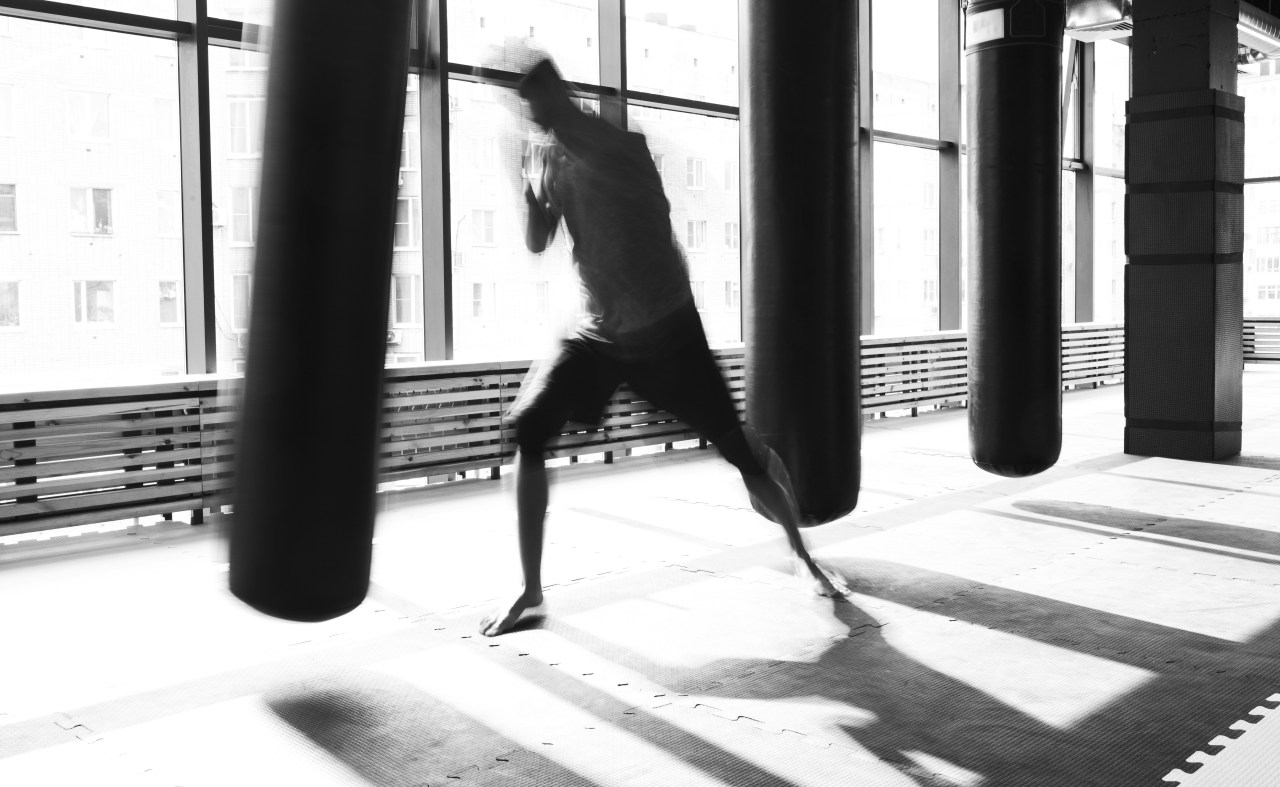
I was sitting across from someone the other day who was wearing a cap that said Peaceful Warrior. I watched him, and he certainly did look like a warrior—he was a solid guy—but he also looked grounded, and, as advertised, peaceful.

It reminded me how, as we walk our paths and go to battle each day—fighting for ourselves and those we love—we often don’t do it peacefully. We may start out that way, but once we get caught in the charge of action, the adrenaline, we lose that peace. We lose our serenity. And, often, we lose ourselves to anger, rage, or fear.

The idea of being peaceful among chaos is beautiful. Like a Matrix-style calm, where the action slows around us and we remain still and focused. While we can’t physically create that, we can spiritually and mentally.

So how do we keep the peace in our daily lives, with chaos all around?


Manage Our Fear

Fear sets us into overdrive. It removes calm and peace, puts us into reaction mode, and blinds us to what’s real. To find peace, we need to manage our fears. Remember—fears are not facts. Stick to what’s true. Stay present. Focus on what you can do in each moment to move forward.


Keep Our Intentions Pure

Do things because you want to, not for what they’ll get you or how they’ll make you look. That’s the way of a peaceful warrior. Focus less on the outcome and more on the reasons behind your actions and the journey itself.


Let Go of Old Ideas

Past experiences or old beliefs can limit what we can accomplish. We are evolving every day. Let go of the past. Believe in who you are becoming. When you do, limitations fall away and new possibilities open up.


Avoid Over-Scheduling

We juggle a lot, but when we over-schedule, we lose peace and scramble for control. We risk losing sight of who we’re working to be. Set realistic goals. Focus on each task. If you can’t finish it all today, that’s okay—tomorrow is another chance.


Win or Lose, You Win

Stop framing everything as a win or loss. The fact that you’re trying is a win. If things don’t go as planned, that’s a lesson. Maybe it wasn’t supposed to go your way that day. Now it’s your turn to handle it in a way that builds your growth.


Don’t Judge Your Thoughts

Negative or surprising thoughts will pop up. They’re not your truth unless you let them be. Notice them, ask yourself why they’re there, and let them go. Often, these thoughts come when we’re in H.A.L.T.—hungry, angry, lonely, or tired. Check in with your self-care when negativity creeps in.


SLAY OF THE DAY: Reflect & Rise

  • Do you think of yourself as a peaceful warrior? If yes, why? If not, why not?

  • Are there things you can tackle peacefully and some not? List what you can, and what you cannot. Why do you struggle with the ones on your not list?

  • What can you do to change that?

  • How can you practice being a peaceful warrior, even on the tough days?

  • What will it take for you to lose peace, then find it again—and not let that loss be a loss but a lesson?


Call to Action: Join the Conversation

I’d love to hear from you.
What’s one way you can step into your power as a peaceful warrior today?
Share your story in the comments. Let’s support each other in finding peace.

And if you know someone who’s navigating chaos right now, send this to them.
Sometimes, a little encouragement is all we need to rediscover our peace.