Kindness Is Contagious

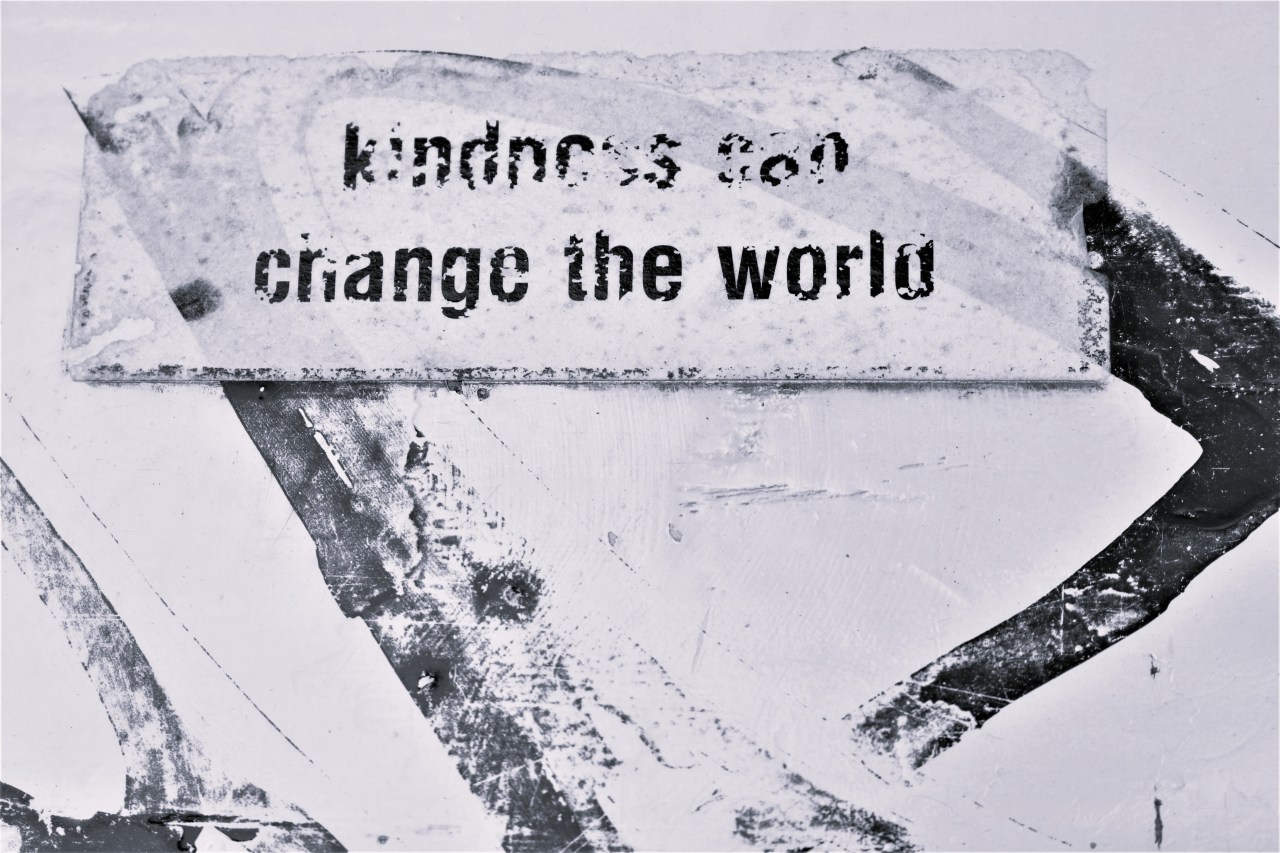
Kindness. It’s something we should all be happy to spread around, and it only takes a second. These days, when we’re out in the world, the energy around us is often filled with nervousness, frustration, fear, or just the urge to get back home safely. Amidst all that, we should always remember to be kind.


The Power of a Simple Gesture

We’re all in the same boat. Some are still trying to get essentials and supplies, navigating through aisles, following store arrows, finding empty shelves, or limits on how much they can buy. And if you’re like me, you can feel that energy and begin to take it on as your own. But that’s where kindness comes in—because the antidote to all of that is kindness.

When I focus on being kind, it calms me. It keeps me steady, considerate, and compassionate toward others who are navigating those same aisles, looking for the same things. When a moment presents itself—whether it’s a smile, a thank you, or a small act of service—I see the result in the eyes of the person in front of me. It changes their energy. We all have the power to be kind. And especially now, we should be wielding it like a superpower.


A Shift from Self to Service

When I was living in the dark, I still had that power, but most of the time I chose not to use it. I was focused on what life could give me, what I could take, and how life had let me down. That mindset kept me sick, miserable, and isolated. Sure, there were moments of kindness, but for the most part, I was too wrapped up in myself.

When I began my recovery journey, I was told that a big part of my healing would come from being of service to others. I didn’t believe I had anything to give at first. But I was reminded that I could always be kind. Just focusing on kindness shifted my thinking and lifted my mood as I stepped out each day. Even when I didn’t feel up to it, I was told those were the days I needed to lean into kindness even more.

And they were right.

Even on my darkest days, when I mustered up kindness for someone else, it changed me. It brought light into a dark moment. Kindness is contagious not just for those receiving it—but for us too.


Little Acts, Big Impact

Today, I make a point of looking for those moments of kindness. Even a simple “hello” or “how are you” can shift the energy. Just yesterday at the pharmacy, I asked the man behind the counter how he was. He looked at me, paused, smiled, and said, “I’m fine, and thank you for asking.” His energy lifted. We shared a brief, pleasant exchange, and both of us felt the power of kindness.


Spreading Light in Uncertain Times

It’s easy to rush through life, hyper-focused on the tasks at hand. But let’s not forget the others out there who may be under stress, fear, or anxiety. Let’s take an extra moment to check in, to say thank you to the front-line workers, the grocery clerks, the baristas, the people taking our temperatures. Let them know they are seen and appreciated.

We’re all in this together. Why not spread something good while we’re out there? Let your kindness be a light in an uncertain time.

SLAY on.


SLAY OF THE DAY: Reflect & Rise

  • When you’re out in the world, do you make a point of being kind?

  • If not, why not?

  • How do you feel when someone says or does something kind for you?

  • How do you feel when you offer kindness to someone else?

  • Have you made an extra effort to be kind lately? If not, why?

  • Has someone been extra kind to you? How did that feel?

That feeling is a gift we can offer to anyone we see—and it’s a gift we’ll get back when we do.


Call to Action: Join the Conversation

I’d love to hear from you.
What’s one simple act of kindness you can offer today—big or small?
Share your story in the comments. Let’s lift each other up.

And if you know someone who could use a little kindness, send this to them.
Sometimes, all it takes is a reminder that kindness is powerful.
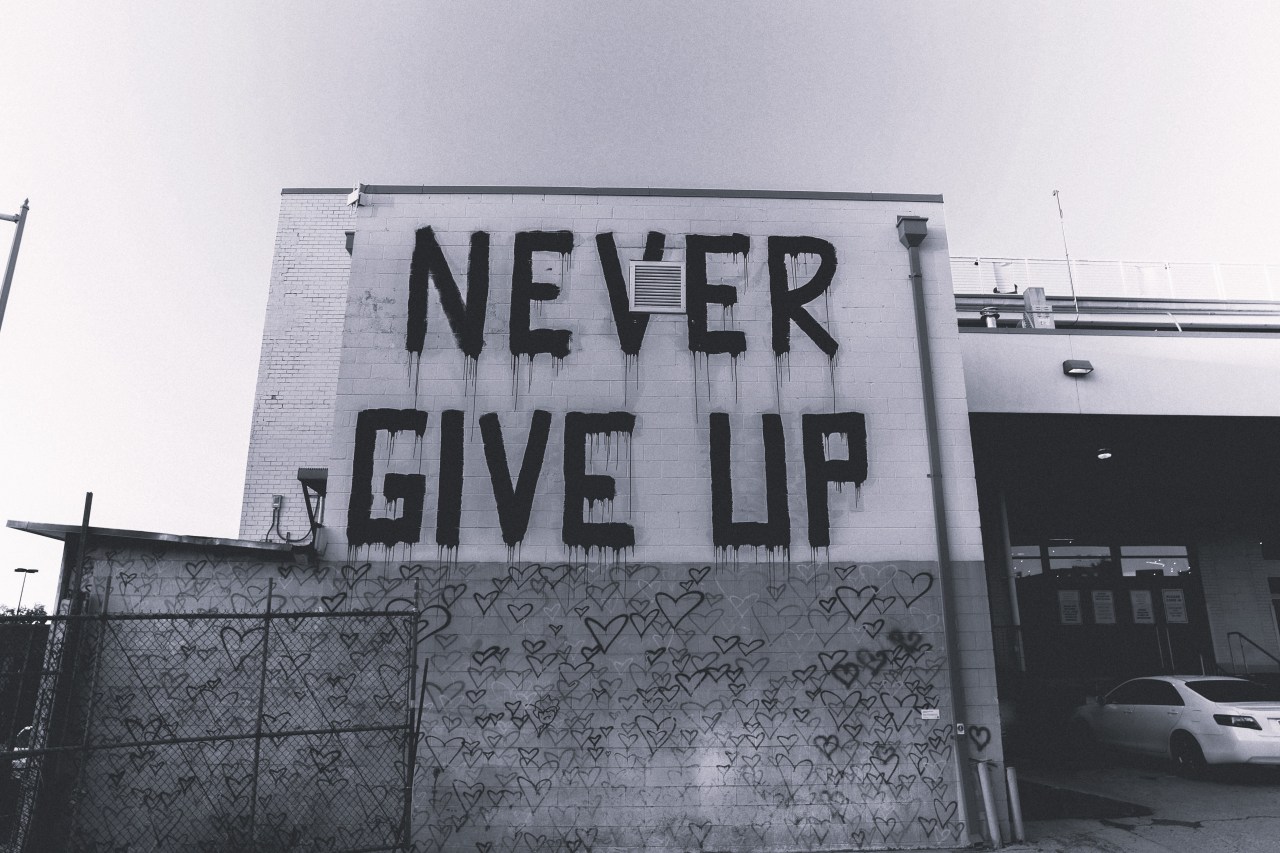
Perseverance

I used to think perseverance was only for certain things—like career goals or material achievements. But when it came to my mental health, I was quick to throw in the towel. The moment a setback occurred, my inner critic would scream, “Why bother? You’ll fail anyway.” And too often, I listened.

But I learned something: true perseverance—the kind that transforms you—isn’t about pushing through only when it’s easy or convenient. It’s about showing up for yourself, even when the path is rocky, the finish line invisible, and the negative voices loud.

There were times I clung to perseverance for external wins but abandoned it for the internal work—the work that mattered most. I believed the lie that I didn’t deserve good things. But when I finally committed to my recovery, I discovered that same perseverance, channeled into my healing, could produce powerful results.


The Power of Persistence

When you ask most successful people their secret, they’ll likely tell you: perseverance. They didn’t give up. It seems like common sense, but how often do we stop just shy of the finish line? Or give up before the miracle happens?

There’s no published timeline for how long we have to keep going without seeing results. That’s where many falter. But if you can’t stop thinking about it—if giving up feels like losing a part of yourself—then keep going. That’s your sign.

Sometimes, perseverance isn’t about bull-headedness. It’s about flexibility, too. If a particular path isn’t working, the lesson might be to pivot. But often, it’s about staying the course—especially when it comes to your own well-being.


Lessons Learned

Before recovery, I used perseverance to chase things that didn’t nourish me. Now, I channel it into what matters: my mental, emotional, and spiritual health. It’s not easy. There are still days when the voices of doubt and fear creep in. But I’ve learned to keep going, to fight for the life I want, and to trust that even the smallest steps count.

The finish line may be hidden, but it’s there. The only way to see it is to keep moving forward. Don’t let the setbacks define you. Let your perseverance become your strength.


SLAY OF THE DAY: Reflect & Rise

  • Would you say you have perseverance?

  • Write out some examples of when you’ve shown perseverance. What was the result?

  • Do you consistently have perseverance, or only in certain areas?

  • What stops you from persevering?

  • When have you failed to persevere? Why?

  • What can you do to cultivate perseverance in those areas?

  • What challenges do you face in maintaining perseverance?

  • How can you channel it into things that nurture your growth and healing?


Call to Action: Join the Conversation

I’d love to hear from you.
What’s one thing in your life you’re determined to keep going for, no matter what?
Share your story in the comments. Let’s lift each other up.

And if you know someone who’s struggling to stay the course, send this to them.
Sometimes, all we need is a reminder that perseverance is worth it.

Name Your Fear

I spent years in the dark, without realizing that fear was driving nearly every decision I made.
I was afraid of not getting what I wanted.
Afraid of losing what I had.
Afraid of not being good enough.
Afraid of what others thought of me.
Afraid you already knew what a horrible person I was.

Fear whispered lies and distortions at every turn, clouding my judgment and leading me down a spiral of bad decisions. And once those decisions were made, fear crept in again—this time afraid I’d be found out for them.
I lived in constant irritability and discontent.


The Fog of Fear

Fear doesn’t always show up loud and obvious.
It disguises itself.
It justifies itself.
For me, it was like a low-lying fog—ever-present, making it hard to see the next steps.

When I committed to getting honest with myself, I began to confront my fears. At first, I wouldn’t have said I was afraid of much—except the trajectory of my disease. I knew if I didn’t face my fears, they’d consume me.
But naming them? That took time, and guidance from others.

I had to learn to trust—both the people supporting me and myself. When you live in fear, trust evaporates. You’re stuck in fight-or-flight, always waiting for the next trauma.
Learning to live with honesty and peace was a new concept.


Step by Step

I slowed down.
I started asking myself: What’s the next right thing?
And when I didn’t know, I asked for help.
I had to push through the fear of asking.

As I peeled back the layers of myself, the fears began to reveal themselves—each one an opportunity to heal. Slowly, those fears fell away, replaced by better decisions and a clearer sense of the life I wanted to create.

Letting go of fear also allowed me to share my true self without being paralyzed by the thought of being judged or “not enough.”
The same vulnerabilities that once kept me isolated became the bridges that connected me with others—and helped others still stuck in fear.


What Are You Really Afraid Of?

Right now, many of us live with fear—understandably so, given the world’s circumstances.
But how many of those fears are real?
How many are imagined?
How many can we actually name?

You can’t let go of fear you won’t name.

Find it.
Flush it out.
Let it go.

Because you deserve a life built on freedom, not fear.

SLAY on.


SLAY OF THE DAY: Reflect & Rise

  • Would you say you are someone who lives in fear?

  • What are you afraid of?

  • Do you know what you are afraid of?

  • Which fears are real, and which are imagined?

  • Where do those fears come from?

  • What steps can you take to let go of imagined fears?

  • How can you approach real fears in your life with clarity and strength?

  • How does holding onto fear help or hurt you?

Remember:
Some fear is healthy. It keeps us safe.
But most fear just holds us back.
Look at your fears today, Slayer.
Figure out why you’re holding on.
Don’t let fear rob you of your best life.


Call to Action: Join the Conversation

I’d love to hear from you.
What’s one fear you’re ready to name—and take a step toward letting go of today?
Share your thoughts in the comments. Let’s support each other’s journeys.

And if you know someone who might be feeling stuck in fear, send this to them.
Sometimes, naming a fear is the first step to reclaiming your power.

Sometimes It’s Not The Light That Guides Us But The Darkness That Pushes Us

We often hear that we should follow the light—look for hope, positivity, and healing to guide us forward. But what happens when the light feels too far away? When we can’t see it, let alone follow it?

There was a time in my life when the darkness wasn’t just around me—it was in me. It wrapped itself around everything I was and everything I believed about myself. It suffocated every flicker of light I had left. And the scariest part? I accepted it. I thought I belonged there. I convinced myself that if I just waited long enough, it would somehow resolve itself. But darkness doesn’t heal. It deepens—until you forget what light even looks like.


The Fear That Became Fuel

I’ve shared before that it was someone else’s story—someone brave enough to speak their truth—that gave me a tiny sliver of hope. Just enough to cling to. That story became my lifeline. I wasn’t ready to see my own light yet, but the fear of sinking further into that darkness became the fuel I needed to ask for help.

Sometimes, it’s not inspiration that gets us moving. It’s desperation. It’s the pain of staying the same. It’s the crushing weight of knowing if you don’t do something—anything—you might not make it. That fear can become a gift. A push. A nudge in a direction you’re not sure of, but one that takes you somewhere new. Somewhere better.

I often talk about seeking the light. But I know all too well that sometimes, the light isn’t what gets us started. Sometimes, the darkness is what pushes us toward the light we didn’t even know we were searching for.


The Lies Darkness Tells Us

Darkness is cunning. It doesn’t always show up like the monster under the bed. Sometimes it sounds like safety. Familiarity. Comfort. It whispers, “Stay here. At least here you know what to expect.”

But here’s the truth: darkness may feel familiar, but it is not safe. It convinces us we’re unworthy. It tells us we’re too broken to be seen, too far gone to be helped. It keeps us stuck with stories we’ve outgrown but don’t know how to let go of.

I used to think there was only one “right” way to heal. One perfect path forward. But that belief only kept me stuck longer. It wasn’t until I realized that healing isn’t a straight line—and it doesn’t always begin with light—that I gave myself permission to find my own way. Whether it’s a flicker of inspiration or a fire lit by fear, what matters is that you start.


The Gift of Desperation

They say necessity is the mother of invention, but I believe desperation is the spark of transformation. For me, it was the fear of staying in that deep, dark place that finally opened me up to something new. I call it the gift of desperation.

When what I was doing stopped working, I had to be willing to try something different—even if it scared me. Especially if it scared me. And that willingness, however small, cracked the door open to a new path.

It didn’t look like anyone else’s journey. It was messy. Uneven. Sometimes I was crawling more than walking. But I kept moving. I kept showing up. And little by little, I found my way out of the dark and into something resembling light.


Your Path Doesn’t Have to Look Like Anyone Else’s

There’s no single right way to heal, grow, or change. No template. No “should.” The truth is, we all have different catalysts. For some, it’s hope. For others, it’s heartbreak. For many of us, it’s both.

What matters is direction. If you’re moving toward a better version of yourself—whether by chasing the light or running from the dark—you’re on the right path.

The key is to remain open. To trust that no matter what’s behind you, what’s ahead can be better. And that willingness to shift—even if just a little—can create space for something powerful.


You Don’t Have to Stay Where You Started

If you’re in a dark place right now, I want you to know: you don’t have to stay there. The fact that you’re reading this means there’s still a flicker of light in you. Hold onto that. Feed it.

And if you can’t find your own light just yet, borrow someone else’s. Let their story, their voice, or even their presence guide you until you find your own strength. Sometimes the push of darkness is the very thing that leads us to the path we were meant to walk.

Always look for the light. But if you can’t see it yet, let the darkness give you the push you need for a better view.


SLAY Reflection

Take a moment to reflect, SLAYER:

  • S: Do you make changes by moving toward the light—or away from the darkness?

  • L: What moments in your life were driven by fear, and where did they lead you?

  • A: How can you reframe your current struggles as a push toward something better?

  • Y: What small shift can you make today to move forward, even if the light isn’t visible yet?


Call to Action: Join the Conversation

I’d love to hear from you.
Have you ever been pushed by darkness toward a better place?
Share your story in the comments. Let’s cheer each other on.

And if you know someone who’s feeling stuck in the dark, send this to them.
Sometimes, all we need is a nudge.

Hope

Hope saved my life.
Not overnight, not all at once. But slowly—almost imperceptibly—it pulled me forward when I couldn’t move on my own.

It didn’t start with a grand epiphany or a lightning-bolt moment. It started with a story. Someone shared their truth with me, and in that moment, something shifted. Their honesty lit a tiny spark in the darkness I was drowning in. That spark became a lifeline.

The hope I felt wasn’t loud or bright. It was dim, shaky, barely enough to hold on to. But it was enough. Enough to make me take action. Enough to give me the belief—however fragile—that things could get better.


The Patience of Hope

We live in a world that worships instant results. We want everything now—answers, change, healing, clarity. But hope doesn’t follow a schedule. It’s not something we can demand.

Hope is about trust. Trusting that something better is possible, even when we can’t see it. It asks us to let go of the timeline we think we’re entitled to and surrender to the process of becoming.

And that’s hard. Really hard.

But hope and patience are deeply connected. When we trust in hope, we create space. We soften our grip. We stop trying to control outcomes that were never ours to dictate. Hope is not about sitting still—it’s about steady movement, one small act of faith at a time, guided by the belief that this season will not last forever.


Letting Hope Lead

There’s a difference between wishing and hoping. Wishing is passive. It keeps us stuck. Hope, on the other hand, moves us. It opens our hearts, sharpens our focus, and lifts our heads. It whispers, “Keep going.”

We’re not always asked to see the full path. Often, we’re only given the next step. Hope is what fuels us to take it. It teaches us that we don’t need to have everything figured out in order to move forward—we just need to be willing.

When we push and force, we strangle the very thing we’re hoping for. Life flows in ways we can’t always see. Hope allows us to be guided by something greater than our expectations. It gives us the strength to walk the path, even when we don’t know where it’s leading.


The Gift That Grows

Hope expands when it’s shared. That’s part of why I started this blog—to pass on the spark that was once passed on to me.

You never know who needs your light. You never know who’s one story, one smile, one reminder away from holding on just a little longer. Sharing hope doesn’t require answers or fixing someone’s pain. It only asks that we show up and say, “I see you. I’ve been there. And it can get better.”

If I hadn’t been given that kind of hope years ago, I don’t know where I’d be. But because someone shared it with me, I get to be here now, sharing it with you. That’s the cycle of healing. That’s the quiet power of hope.


Hold On to Hope—And Pass It On

Whatever you’re facing today, I want you to know that hope is still available. Even if it feels out of reach, even if all you can manage is a single breath of belief—start there.

Hope doesn’t require certainty. Just willingness. Just a little bit of faith that things can change. And when you feel it rise, even in the smallest way, share it. Hope grows when it’s given.

We’re all walking through something. We’re all holding pieces of each other’s healing. And we are never alone in that.


SLAY Reflection

Take some time to reflect and reconnect with hope:

  • S: Do you feel hopeful right now? If not, what might be dimming your light?

  • L: Who has shared hope with you in the past, and how did it impact your journey?

  • A: Have you shared hope with someone else? What did that look like, and how did it feel?

  • Y: What’s one small way you can nurture or share hope today, even if it’s just with yourself?


Call to Action: Join the Conversation

I’d love to hear from you.
What does hope look like in your life right now?
Share your story in the comments. Let’s cheer each other on.

And if you know someone who’s struggling to hold on, send this to them.
Sometimes, all we need is a nudge.

Self-Honesty

If we want to grow—really grow—there’s one non-negotiable step we can’t skip: self-honesty.
Not filtered. Not justified. Not softened for comfort. Just the raw, unfiltered truth.

For a long time, I didn’t even realize I wasn’t being honest with myself. I had an explanation for everything—why I did what I did, why it wasn’t my fault, and why I was still the one who got hurt. I wasn’t lying, I told myself—I was surviving. I genuinely believed that. I wasn’t aware of how deep my self-deception ran.

But here’s the thing about dishonesty: even when we fool others, we can never fully fool ourselves. Deep down, we know. And that knowing creates pain—a pain that grows louder the longer we run from it.


When the Lies Catch Up

Looking back, I realize how much effort it took to keep up the act. I was always spinning, justifying, defending, and denying. I wasn’t just lying to others—I was lying to myself. And even though I appeared to have control, my life was unraveling beneath the surface.

I had a story for everything, and in most versions, I was the victim. It worked—until it didn’t. Eventually, the weight of my own dishonesty caught up with me. I felt like I was being swallowed by guilt and shame, and I had to numb myself just to function.

But that small, persistent voice—the one that wouldn’t stay quiet—kept whispering the truth: You know better. You were meant for more than this.
And as much as I tried to silence that voice, it was the only part of me still fighting for the life I deserved.


The Moment That Changed Everything

The turning point came when I couldn’t run anymore. I hit a wall—a moment where the lies I’d told myself stopped working.

I was tired. I was broken. And for the first time, I was honest.

Not just with others, but with myself.

I admitted everything. The damage I’d caused. The pain I’d tried to outrun. The truth I’d buried under ego and fear. I reached out to the people I’d hurt. I owned my choices. And I made a plan to get help.

It wasn’t easy. But it was freeing.

Because the moment I took responsibility was the moment I took my power back.


The Truth Will Set You Free (But First, It’ll Break You Open)

Self-honesty is messy. It means looking at the parts of yourself you’ve tried to ignore. It means taking off the mask and seeing who’s really underneath.

And for many of us, it means accepting that we were the ones standing in our own way. That we made choices that hurt not just others, but ourselves.

But that’s also where freedom begins.

Once I saw how much of my pain was self-inflicted, I realized something powerful: If I created this mess, I can also create something better.

That truth was hard to swallow, but it was also hopeful. Because it meant I didn’t have to wait for anyone else to change. It was up to me. I had the power to break the cycle—and build something real in its place.


Self-Honesty is Self-Love in Action

We talk a lot about self-love. But the most loving thing we can do for ourselves is tell the truth—even when it’s hard. Especially when it’s hard.

Self-honesty isn’t about beating ourselves up. It’s about calling ourselves in, not calling ourselves out. It’s saying, “I know you made choices you’re not proud of. But you don’t have to keep living that story. You can change.”

And that’s what I did. I took ownership. I made amends. I learned from my mistakes. And I committed to a new way of living—one built on truth, not performance.

Was it easy? No.
Was it worth it? Absolutely.


You Can’t Heal What You Won’t Face

If something in your life isn’t working, ask yourself this:
Am I being honest about what’s really going on?

Not just honest with others. Honest with yourself.

Because if we want to live a life that feels good, not just good enough, we have to face the hard truths. We have to stop spinning stories and start taking responsibility.

It’s uncomfortable. It’s humbling. But it’s also the beginning of real change.

The life you want? It starts with telling the truth. To yourself. For yourself.


SLAY Reflection

Let’s reflect, SLAYER:

  • S: Where in your life have you been avoiding the truth?

  • L: What patterns or habits have you justified, even when you knew they were harmful?

  • A: What’s one honest conversation you need to have—with yourself or someone else?

  • Y: What would living in full self-honesty look like for you, and what would it free you to become?


Call to Action: Join the Conversation

I’d love to hear from you.
Where has self-honesty transformed your life—or where do you feel called to be more honest today?
Share your story in the comments. Let’s cheer each other on.

And if you know someone who’s struggling to face the truth, send this to them.
Sometimes, all we need is a nudge.

It’s OK To Feel Out Loud

I used to believe that showing my feelings meant weakness.
For most of my adult life, I stuffed down every emotion I thought was “bad,” “embarrassing,” or would put a negative light on me.

When those feelings bubbled up, I’d shame myself. I told myself I was stronger for not showing them. And I looked down on others who wore their emotions on their sleeves.

I thought I was in control.
But the truth was, I was being controlled—by fear, by self-judgment, by the belief that emotions were dangerous.

And it worked… until it didn’t.


The Truth About Suppressed Emotions

Eventually, I couldn’t hold it all in anymore.
Those feelings I refused to acknowledge started eating me up inside. They fueled the negative self-talk that looped in my mind, telling me I was “less than,” “unworthy,” and “weak.”

I had to learn—slowly, painfully—that feeling my feelings wasn’t dangerous.
Trying to keep them hidden was.

When I finally reached out for help, I stripped away the distractions and coping mechanisms that kept me from facing how I truly felt.

It was terrifying. I felt exposed, raw, and fragile.
At first, I thought I couldn’t handle it. The emotions overwhelmed me, and my anxiety spiked. But I was encouraged to breathe through them, to sit with them, and to talk with others who understood.

Even then, I tried to keep up appearances.
I remember sitting in a support group, listening to another woman share her truth, and recognizing my own story in hers. My eyes filled with tears, but I fought to keep them hidden.

A friend noticed. She placed a gentle hand on my knee and said, “It’s OK to be sad.”
It was the first time anyone had given me permission to just… feel.

So I let go. And I cried.


The Power of Feeling Out Loud

That moment changed me.
I realized that suppressing my feelings wasn’t strength—it was isolation.

Over time, I learned that sharing my feelings—when safe and appropriate—allowed me to connect with others. It helped me release the weight I carried alone.

I gave others permission to feel their feelings, too.
I discovered that when we let ourselves feel out loud, we remind others that they’re not alone.


Your Feelings Deserve Space

There’s nothing wrong with having feelings—sadness, fear, anger, joy, love.
But there’s something deeply harmful in denying them.

When we stuff them down, they don’t disappear.
They fester, attaching themselves to other experiences, or exploding when we least expect it.

Letting your feelings out is not a sign of weakness—it’s a sign of honesty. It’s a way of staying connected to your truth.

Feel your feelings. Feel them out loud. Let them move through you, and then let them go.

SLAY on.


SLAY OF THE DAY: Reflect & Rise

  • Do you share your feelings, or do you keep them bottled up?

  • If you don’t, what holds you back?

  • If you do, how does it feel afterward?

  • Have you always been open with your feelings, or was there a time you hid them?

  • What changed?

  • What feelings do you still struggle to show?

  • What might happen if you let them out today?

Find the courage to feel, SLAYER.
Let your feelings out. Let them go.
Free yourself from the weight you’ve been carrying.


Call to Action: Join the Conversation
I’d love to hear from you.
What feelings do you find hardest to express, and what’s one small step you can take today to give those feelings space?
Share your story in the comments. Let’s support each other in honoring our emotions.

And if you know someone who might need a reminder that it’s OK to feel out loud, send this to them.
Sometimes, a gentle nudge is all we need to step into our truth.

How Does This Make Us Better?

Every challenge carries a choice. It can break us—or it can shape us.

Some of the hardest moments in my life are also the ones that changed me the most. Even the night I nearly lost my life—by all accounts, a night I shouldn’t have survived—eventually became a turning point. That experience didn’t just shake me, it redefined me. Not instantly, and not without pain, but over time, it became the spark for something more.

At first, I didn’t feel lucky to be alive. I felt guilty. I questioned whether my life was worth saving. What had I done to deserve another chance? Was I doing enough with the life I had?

But as I worked through the survivor’s guilt, something shifted. I began to see the opportunity in front of me—not just to live, but to give back. To take stock of my life. To use my pain for purpose.

And that’s what ultimately inspired me to create this blog—to take the hardest parts of my journey and turn them into a light for someone else.


The Darkness Doesn’t Last Forever

When you’re in the middle of it—whatever it is—it’s hard to imagine things getting better.

I remember thinking the darkness was permanent. That I’d never see light again. I hid. I shut down. I told myself if I admitted how bad things were, people would think I was broken.

But that wasn’t true.

The truth is, it took someone else shining their light to help me find my own. One person shared their story. One person reached out. And that small gesture gave me just enough hope to believe that maybe—just maybe—things could change.

Fighting my way out took honesty, stamina, and support. And I didn’t do it alone. I still don’t. Fourteen years later, I still lean on the people in my corner. Because healing isn’t a one-time event—it’s a daily choice.


Turn the Pain Into Purpose

As I began to untangle my past, I started to see how it could be used for good.

The darkness I had once resented became a foundation for something bigger. A way to connect with others. A way to offer hope. A way to create change.

The truth is, we don’t just “get through” hard things. We grow through them.

Every difficult season gave me a tool—resilience, compassion, boundaries, forgiveness. And with each tool, life became a little more manageable.

I’ve learned to ask for help. I’ve learned how to stay in the light. And I’ve learned that even when I don’t have the answers, I can reach out to someone who does.

None of this happened in isolation. And it wasn’t meant to. We’re not built to walk this path alone.


We’re Always in This Together

There’s a hashtag I see a lot: #WereInThisTogether. And while it’s been used to describe difficult global seasons, the truth is—it applies to all of life.

We are always in this together.
It’s easy to forget that when things are going well. But in moments of pain, we remember: we need each other.

And when we remember that, we grow stronger—not just as individuals, but as a collective.

When we rise, we lift others with us.
When we heal, we make space for others to do the same.


Choosing to Come Out Better

Right now, we all have a little more time to think. Life has slowed down, and in the pause, there’s a chance to reflect.

So here’s a question worth asking: How does this make me better?

Not how does this break me—but how can I use this to grow?
How can I take this struggle, this shift, this pause—and turn it into purpose?

That’s where real transformation happens. In the questions. In the actions. In the moments we choose light over darkness, connection over isolation, growth over fear.

We all have room to grow. We all have ways to get better. The choice is ours—every single day.

So what will you choose today?


SLAY Reflection

Take a moment, SLAYER, and reflect:

  • S: Have difficult times in your life led to personal growth? What did you learn?

  • L: Are there past challenges you now see as defining moments? What shifted?

  • A: What can you take from your current season and use to grow or help someone else?

  • Y: What’s one positive change you can commit to today that will lead you closer to your best self?


Call to Action: Join the Conversation

I’d love to hear from you.
What lessons have you taken from your darkest moments, and how did they shape who you are today?
Share your story in the comments. Let’s cheer each other on.

And if you know someone who’s still in the dark, send this to them.
Sometimes, all we need is a nudge.

Our Dark Past Is The Greatest Possession We Have

There was a time when I thought my pain would consume me. Now, I know—it shaped me. Our darkest moments hold the power to help others find light. The only question is: are you willing to share them?


The Unimaginable Becomes a Gift

When I was deep in my darkest season, I couldn’t imagine ever looking back and seeing value in it. Survival itself felt uncertain. There was no part of me that thought these experiences would one day be considered my greatest possession. But that changed.

It wasn’t until I found recovery that I started to understand. I saw firsthand how someone else’s story could offer hope. One man’s courage to speak his truth gave me the strength to try and heal mine. His vulnerability saved my life. That was the beginning of everything.


The Power of Sharing Our Story

Early on, I didn’t believe my story held any value. I thought I needed to be “further along” to help someone else. But then, someone newer than me on this path looked at my progress with awe—and I realized we all have something to offer, no matter where we are.

Whether you’re in the thick of healing or years into your journey, someone else needs to hear what you’ve lived through. You don’t need a polished narrative or a perfect ending. Just your truth. That truth might be the very thing that keeps someone else going.


Letting Go of Shame

For a long time, I only shared the highlight reel. The idea of speaking about my pain? Terrifying. I feared judgment, labels, being seen as broken. But the truth is—I was already saying worse things to myself in silence. And pretending was exhausting.

Letting go of that fear and finally sharing my truth didn’t just help others—it saved me. The freedom that came from owning my past, rather than hiding it, was life-changing. The more I opened up, the more I connected. The more I connected, the less alone I felt.


Reclaiming the Narrative

Looking back, it’s almost shocking how much has changed. My darkest chapters no longer control me—they empower me. I’ve taken responsibility, found forgiveness, and made new choices. That transformation gave me back my power.

And maybe the most beautiful part? It allowed me to receive the light of others, too. I no longer walk alone. None of us have to. We can walk together—on our own paths, side by side—with the courage to show up exactly as we are.

There’s no greater victory than turning your pain into purpose. And no greater connection than meeting someone else in theirs.

SLAY on.


SLAY Reflection

  1. Have you found meaning in your darkest moments? What did they teach you?
  2. Is there a part of your story you’re still afraid to share? Why?
  3. Has someone else’s vulnerability ever helped you heal? What impact did it have?
  4. How can you begin to turn your past into a source of light for others?
  5. What would it feel like to release shame and step fully into your truth?

S-L-A-Y:

  • Speak your truth, even if your voice shakes.
  • Let your past be a bridge, not a burden.
  • Acknowledge your growth—and honor it.
  • You can help someone else heal by being real.

Call to Action: Join the Conversation
I’d love to hear from you.
How has your dark past shaped your present strength?
Share your story in the comments. Let’s cheer each other on.

And if you know someone who’s ready to turn their pain into power, send this to them.
Sometimes, all we need is a nudge.

Suicide By Installment

When I look back at how I used to live, I can clearly see how my behaviors and choices led me to the edge of my emotional, spiritual, and physical bottom. I didn’t wake up every day actively wanting to die, but it felt like I was slowly choosing to end my suffering through the choices I was making—death by installment.

At the time, I couldn’t see another solution to the pain I was in. I wasn’t sharing my struggles with anyone, so the only voice I heard was the negative one in my head, and it told me I was right. I wouldn’t have said I was on a path of self-destruction, but now, standing nearly 14 years beyond my worst, I can see it clearly.


Recognizing the Patterns

It’s always easier to see patterns in hindsight—the choices, the behaviors, the downward slide. When you’re in it, it’s much harder to see just how far you’ve fallen. Often, the people around us can see it, but while we’re caught in the spiral, we’re rarely willing to hear it.

In my life, there were countless signs that my actions were compromising my safety, health, and spirit. There were moments that should have been wake-up calls. But instead of asking for help, I brushed them off and kept going.

At first, I lived in denial. When things went wrong, I’d tell myself it wasn’t that bad. But denial eventually gave way to shame, guilt, and finally, apathy. I stopped caring. And when you stop caring about your own well-being, you’re playing a dangerous game—one that could end in disaster.

I’m incredibly fortunate that someone came into my life who recognized what was happening. They shared their story of recovery with me, and for the first time, I saw hope. They showed me that a different life was possible—if I was willing to work for it. Thankfully, I was.


The Power of Choice

Many of us engage in self-harming behaviors—whether it’s neglecting our physical health, ignoring our mental and spiritual wellness, or taking risks that put us in danger. Sometimes it’s subtle, and sometimes it’s glaring. But no matter how it shows up, it’s a slow march toward destruction.

The truth is, we hold the key to our own well-being. It takes rigorous honesty and humility to look at the choices we’re making and ask ourselves: Are these choices serving me? Or am I slowly writing a story of decline, one installment at a time?


A Turning Point

For me, the turning point came when I was willing to face the truth—that I was living in a way that was harming me, that I was denying myself the life I deserved. I had to be honest, with myself and with others, and I had to surrender.

That surrender wasn’t weakness. It was strength. It was reclaiming my power and choosing to live.


Where Are You Today?

We all make choices every day. Some lead us closer to the light, and some drag us deeper into the shadows. The question is: Are you making choices that honor your life and your worth?

If you’re on a path that’s slowly breaking you down, it’s time to stop. It’s time to ask for help, to speak your truth, to make a different choice. You deserve more. But first, you have to believe that.


SLAY OF THE DAY:

  • Looking back at your life, do you feel you’ve made choices that serve you? If not, why not?

  • Have you changed the way you live to reflect more positive, life-affirming choices?

  • Are you still making choices that harm you or lead you down a destructive path?

  • What can you do today to stop this cycle?

  • Do you believe you deserve to live a healthy, fulfilling life? If not, why not?

You matter, SLAYER. I believe that. Now it’s time for you to believe it, too. Take that first step—share your truth with someone you trust, and open yourself to finding a new way forward. SLAY on.


Call to Action: Join the Conversation

I’d love to hear from you.
What’s one change you can make today to choose a healthier, more fulfilling path?
Share your story in the comments. Let’s cheer each other on.

And if you know someone who might need this message, send it to them.
Sometimes, all we need is a nudge.