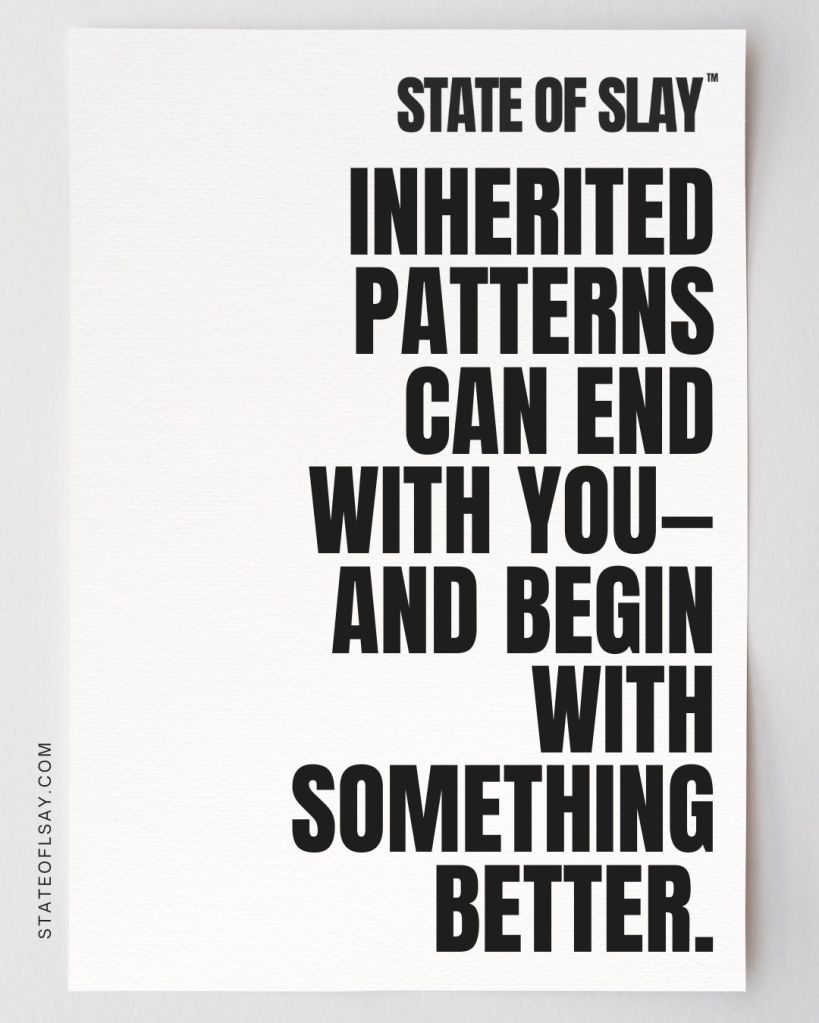
Chase Purpose, Not People

There was a time in my life when I was constantly chasing people—their attention, their approval, their love.

I thought if I could earn it, maybe I’d finally feel like I was enough.

But no matter how much I gave, how much I bent, or how much of myself I lost in the process…
it never felt like enough.

Because it was never supposed to be.

I wasn’t meant to chase people.
I was meant to chase purpose.
And so were you.


When We Abandon Ourselves

When we get stuck in the cycle of proving our worth to others, we end up abandoning ourselves.

We ignore what lights us up.
We try to become what we think they want.
We twist. We shrink. We perform.

We lose the very parts of ourselves that were never meant to be hidden.

And the worst part?
The more we shape-shift to please, the more invisible we become—to others and to ourselves.


Purpose Doesn’t Need to Be Impressed

Purpose is steady.
It doesn’t need applause.
It doesn’t need permission.

It doesn’t ask you to chase it—only to follow.

When I started focusing on my purpose—my healing, my growth, my creativity, my peace—it all got clearer.

I could see what was aligned.
I could feel who was for me and who never was.
The people who truly belonged in my life didn’t need to be convinced. They didn’t need to be chased. They just showed up.

And not for what I could do for them.
But for who I was becoming.


Let Purpose Lead

The truth is:
You are never too much for the right people.
And you are never not enough for the path that was made for you.

So if you’re feeling left out, overlooked, or unseen—it might not be because something’s wrong with you.

It might be because you’re not meant to follow them.

You’re meant to follow you.

Let your purpose lead.
It knows the way.


SLAY Reflection

Do you ever find yourself chasing people instead of aligning with your purpose?
What does “chasing purpose” look like in your life right now?
Who in your life supports your growth without needing you to earn their love?
What’s one step you can take today to move closer to your purpose?
How might your life shift if you stopped proving yourself and started honoring yourself?

S — Show up for yourself
L — Let go of needing approval
A — Align with your purpose
Y — Yield to what feels right, not who feels familiar


Call to Action: Join the Conversation

I’d love to hear from you.
What’s something you’ve stopped chasing in order to start honoring your purpose?
Share your story in the comments. Let’s cheer each other on.

And if you know someone who’s trying to hold onto people instead of themselves, send this to them.
Sometimes, all we need is a nudge.

When a Child is Shamed for Feelings, They Don’t Stop Feeling—They Stop Trusting

There’s a heartbreaking truth many of us come to learn too late:

When a child is shamed for having feelings, they don’t stop feeling. They stop trusting.

They stop trusting their emotions. They stop trusting their voice. And eventually, they stop trusting themselves.

We often teach kids—intentionally or not—that certain feelings are too much, too messy, too inconvenient. That anger is bad. That sadness is weakness. That fear is overreacting. We hush them. We roll our eyes. We tell them to “get over it” or “calm down.” But what we’re really saying is: Your feelings don’t belong here.

And that message doesn’t just sting in the moment. It stays.


The Seeds of Self-Doubt

When we shame a child’s feelings, we’re not teaching emotional regulation—we’re teaching emotional suppression.

Instead of learning how to navigate their emotions, they learn to ignore them, question them, or feel guilt and embarrassment for even having them in the first place.

They start asking:

  • “Why am I so sensitive?”
  • “What’s wrong with me?”
  • “Why can’t I just be normal?”

These questions don’t come from nowhere. They come from a world that told them, early on, that their natural responses were somehow wrong.


Unlearning the Silence

As adults, many of us carry this conditioning into our relationships, our workplaces, and our inner dialogue. We still quiet our feelings. We second-guess our instincts. We feel shame for emotions that are perfectly human.

But here’s the thing: Our feelings don’t go away just because we learned to hide them.

They find other ways to come out—through anxiety, depression, emotional outbursts, or chronic people-pleasing. The body keeps the score. The heart remembers.

Healing begins when we give ourselves permission to feel again. To validate what was once invalidated. To trust that our emotions have something to teach us, not something to be ashamed of.


Reparenting Starts With Awareness

Maybe you were that child. Maybe you’re still carrying the weight of being told to “toughen up” or “stop crying.”

Or maybe you’ve caught yourself repeating those phrases to someone else—not out of cruelty, but because it’s what you were taught.

Here’s the good news: You can stop the cycle.

You can start by:

  • Saying “I hear you” instead of “you’re overreacting.”
  • Asking “What are you feeling?” instead of “What’s wrong with you?”
  • Letting your own emotions be seen, so others feel safe showing theirs.

You don’t need to have all the answers. You just need to be a safe place.


SLAY Reflection

Ask yourself:

  • Was I shamed for showing emotion as a child?
  • How did that shape the way I express or suppress feelings today?
  • Do I trust my emotional responses—or do I second-guess them?
  • How can I begin validating my emotions, rather than hiding or judging them?
  • What would it feel like to create space for someone else to share, without judgment?

S – L – A – Y

S: See where your emotional patterns began.
L: Listen to your inner voice with compassion.
A: Allow your feelings to surface without shame.
Y: Yield to the wisdom your emotions are offering.


Call to Action: Join the Conversation
I’d love to hear from you.
Were you taught to suppress your emotions as a child—and how has that shaped your journey?
Share your story in the comments. Let’s cheer each other on.

And if you know someone who’s learning to feel again, send this to them.
Sometimes, all we need is a nudge.

Love on a Leash

There’s a kind of love that doesn’t feel like love at all. It looks the part—smiles, sweet words, even grand gestures—but underneath, it’s tethered to expectations, rules, and unspoken conditions. It’s love, but only if. That’s love on a leash.

Love on a leash says: “I’ll love you if you behave a certain way.” Or worse, “I’ll love you when you’re less of this and more of that.” Sometimes, the leash comes from others. But just as often? We hold the leash ourselves.

We believe we must be a specific version of ourselves to be lovable. We shrink. We twist. We contort our identities to avoid rejection, or worse—abandonment. We believe we’re only worthy of love if we’re easy to handle, always agreeable, or constantly achieving.

And over time? That leash tightens. We stop reaching. We stop expressing. We stop showing up as who we really are.


I Know That Leash All Too Well

I’ve felt it—the pull of wanting to be loved so badly that I’d trade my truth for someone else’s comfort. The tension of walking on eggshells just to keep the peace. The guilt that rises when I try to set a boundary, even a healthy one, because I fear I’ll lose the connection if I do.

But here’s what I’ve learned:

Any love that demands you abandon yourself isn’t love. It’s control.

Love shouldn’t feel like a leash. It should feel like a safe place to land.


Real Love Doesn’t Require a Performance

Authentic love sees the real you. It invites all your parts—your fire and your softness, your growth and your mess. It doesn’t flinch at your vulnerability. It honors it.

And the same goes for how we love ourselves.

When we hold ourselves to impossible standards, we put our own hearts on a leash. We tell ourselves we’ll be worthy when we’re thinner, calmer, more successful, more perfect.

But we’re worthy now. We’ve always been.

You don’t have to earn love by becoming someone else. You get to be loved for who you are.


Releasing the Leash

Letting go of love with conditions means facing our fears. It means risking disapproval. It means standing in our truth, even if someone walks away.

But it also means freedom.

It means deeper connection, greater peace, and the kind of joy that only comes from being fully known and still fully accepted.

It starts with you. How you love yourself. How you speak to yourself. What you tolerate—from others and from your own inner voice.

And maybe most importantly? It starts with the unlearning of what love was never supposed to be.

You don’t have to stay tethered. The leash can come off.

And when it does?

You’ll remember: real love doesn’t confine—it expands.


SLAY Reflection

Ask yourself:

  • Have you ever felt like love came with conditions?
  • Who’s holding the leash—someone else, or you?
  • What stories about love and worth are you still carrying?
  • How can you begin showing yourself more unconditional acceptance?
  • What kind of love do you want to give—and receive—from this point forward?

S – L – A – Y

S: Spot the conditions—where do you feel limited in love? L: Let go of outdated beliefs about what makes you lovable.
A: Affirm your worth without needing to prove it.
Y: Yield to relationships that offer real connection—not just compliance.


Call to Action: Join the Conversation
I’d love to hear from you.
Have you ever experienced love on a leash—and what helped you take it off?
Share your story in the comments. Let’s cheer each other on.

And if you know someone who’s struggling to feel seen for who they truly are, send this to them.
Sometimes, all we need is a nudge.

Authenticity Is a Higher Vibration Than Joy and Love

We spend so much of our lives chasing happiness, love, and the so-called “good vibes.” But what if the real key to alignment isn’t about always being joyful or even feeling loved? What if the most powerful shift we can make is to be authentic?

Because here’s the truth: authenticity is a higher vibration than joy and love.


The Truth About Vibration

Energy doesn’t lie. And when you’re pretending, pleasing, or performing, your vibration lowers—even if you’re smiling through it.

Joy without truth is performative. Love without boundaries is self-abandonment.

Authenticity, however, is rooted in truth. It’s grounded in presence. It’s the real you. And when we operate from that space, we emit the clearest, most powerful frequency we have. We show up aligned—and everything around us responds to that.


Real Over Perfect

There was a time when I thought I had to look happy to be happy. Smile through the pain. Be grateful when I was struggling. Be kind even when I was breaking.

But fake it ‘til you make it can only take you so far.

The day I stopped trying to be perfect and started being real—everything changed. People connected more deeply with me. My relationships became healthier. I became healthier. Because I wasn’t trying to stay high-vibe. I was trying to stay real.

And that is the vibe the universe actually responds to.


How Authenticity Heals

When we give ourselves permission to be real, we invite others to do the same. We create safety. We foster trust. We show others what it looks like to live in truth, not performance.

Authenticity says:

  • I feel this, even if it’s messy.
  • I’m not perfect, and I don’t have to be.
  • I can still be lovable, even when I’m struggling.

And that is where true love and joy can actually take root. Not in the performance of being okay—but in the truth of being whole.


Authenticity Is a Practice

Being authentic doesn’t mean sharing everything or letting your emotions run unchecked. It means showing up honestly.

It means:

  • Saying no when you mean no.
  • Speaking up when something matters.
  • Honoring your feelings without needing to justify them.

It means being clear about who you are—and being okay with the fact that not everyone will get it. Because your alignment matters more than approval.


The Frequency of Truth

Your truth has its own frequency. When you live it, you attract what’s meant for you. You repel what isn’t. You stop chasing and start receiving.

Authenticity isn’t a trend. It’s a vibration.

And the more you live it, the more powerful you become. Not because you’re trying to be powerful—but because there’s nothing stronger than someone who is fully themselves.


SLAY Reflection

  1. Where in your life are you performing instead of being real?
  2. What does authenticity feel like in your body?
  3. What would it look like to choose authenticity over approval?
  4. Have you mistaken being “high vibe” with being emotionally bypassing?
  5. What part of your truth are you ready to reclaim?

S-L-A-Y:

  • Speak your truth, even when it shakes
  • Let go of the need to be liked
  • Align with your values, not someone else’s
  • You are your most powerful when you are real

Call to Action: Join the Conversation
I’d love to hear from you.
Where in your life are you ready to get real?
Share your story in the comments. Let’s cheer each other on.

And if you know someone who’s stuck in performance mode, send this to them.
Sometimes, all we need is a reminder.

Invest In Yourself

When people talk about investments, they usually mean stocks, property, or retirement accounts. But there’s one investment that’s even more critical: you.

Your well-being—mental, emotional, and physical—is the foundation for everything else in your life. When you prioritize yourself, everything else gets better: your relationships, your career, your creativity, your peace of mind. Yet, so many of us wait until we’re completely burned out, overwhelmed, or spiraling to give ourselves the care we need.

It doesn’t have to be that way. It shouldn’t be that way.


Why Investing in Yourself Matters

The truth is, you can’t pour from an empty cup. If you’re constantly giving to others without replenishing yourself, you’re operating from depletion. Eventually, something gives.

Investing in yourself doesn’t mean spa days and bubble baths—though those are lovely. It means making consistent choices that nurture your well-being. It means saying no when something compromises your peace. It means taking the time to listen to your own needs, even if others don’t understand.

For me, investing in myself looked like finally saying yes to therapy. It looked like turning down invitations that drained me, and instead spending quiet time journaling, walking, or simply being. It looked like learning how to support myself the way I’d supported everyone else for years.

It was uncomfortable at first. I worried I was being selfish. But I realized: prioritizing yourself is not selfish—it’s survival. And over time, I saw how much better I could show up for others when I was also showing up for myself.


The ROI of Self-Investment

When you invest in yourself, you start to:

  • Build resilience
  • Strengthen your boundaries
  • Increase your capacity for joy
  • Reconnect with your purpose
  • Attract healthier relationships

And perhaps most importantly, you start to trust yourself more deeply. You become someone you can rely on. That’s powerful.


Start Where You Are

You don’t need to overhaul your life overnight. Start with one intentional choice a day. One small way to say, “I matter.” Maybe it’s drinking a full glass of water first thing in the morning. Maybe it’s taking five minutes to breathe. Maybe it’s setting a boundary you’ve been avoiding.

Whatever it is, let that choice be an act of self-respect.

Because when you invest in your well-being, you’re not just surviving—you’re building a life that supports you.


SLAY Reflection

  1. What does investing in yourself mean to you personally?
  2. What small act of self-care can you commit to today?
  3. Do you feel guilty prioritizing your well-being? Why?
  4. How might your relationships shift if you were more centered and grounded?
  5. What would change if you treated your mental health like a top priority?

S-L-A-Y:

  • Say yes to what nourishes you
  • Let go of guilt and shame
  • Act with intention, not obligation
  • You are worth the effort

Call to Action: Join the Conversation
I’d love to hear from you.
What’s one way you can invest in your well-being this week?
Share your story in the comments. Let’s cheer each other on.

And if you know someone who’s always giving but rarely giving to themselves, send this to them.
Sometimes, all we need is a nudge.

Slay Say

Love From Within

We all want to feel seen. Valued. Chosen.
But chasing validation from others can leave us emptier than before.

Because the most powerful kind of love?
The kind you don’t have to earn.
The kind you give yourself.

Let your inner voice speak with compassion.
Let your worth be non-negotiable.
Let your self-love be louder than your longing.

This is your reminder: You don’t need to be picked to belong to yourself.

SLAY on!

Name Your Brain

Ever catch yourself spiraling into self-doubt or reacting like the sky is falling… when it’s really not? You’re not alone. That voice in your head—the one that catastrophizes, criticizes, or convinces you you’re not enough—it has a mind of its own.

So what if you gave it a name?

That’s right. Name your brain. Give that voice a personality, an identity, a little flair. Why? Because separating you from your thoughts helps you manage them with more clarity—and maybe even a little compassion.


Why Naming Your Brain Works

When you name your brain, you create space between you and the mental noise. You stop treating every thought as truth and start seeing them for what they really are: patterns. Most of them were wired in long ago—through experiences, messaging, and survival mode. But they’re not your whole story.

Let’s say your brain loves worst-case scenarios. It goes from “I made a mistake” to “I’m going to lose everything” in under five seconds. Instead of spiraling with it, what if you said:

“Okay, here comes that same old voice again. We’ve heard this one before—and we’re not falling for it.”

Naming helps you shift from fear to awareness. You start to notice your patterns, question them, and choose a new response. It turns down the emotional intensity and gives you the power back.


What’s Your Brain’s Personality?

Start by observing. When stress hits, how does your brain talk to you?

  • Is it hypercritical? (“You’ll never get this right.”)
  • Dramatic? (“This is a disaster!”)
  • Perfectionist? (“Not good enough. Try harder.”)
  • People-pleaser? (“Don’t speak up. You’ll upset them.”)

Now give that voice a name and a persona. Think of it like casting a character. Your name can be oddly specific, or just descriptive—whatever helps you take the edge off and reclaim your power.

For me, naming my brain made me think of it in a different way—less like a runaway train and more like an annoying voice or committee that would show up and try to spoil my day. Giving it a name helped me keep it in perspective. It gave me something specific to talk back to—and even tell to take a hike.

I mean, I wouldn’t put up with someone else saying the kinds of things my brain sometimes did—so why would I take that abuse from myself?

These days, when that voice pops in, I can say: “I hear you, but we’re not doing that today.” And it really does help.


From Reaction to Redirection

Once your brain has a name, you can start redirecting instead of reacting.

“Thanks for your concern, but I’ve got this.”

“We’ve heard enough from that old voice—let’s listen to truth instead.”

You’re not ignoring your emotions—you’re choosing to respond differently. That’s the real flex. When you stop giving your inner critic the mic, you make space for the wiser, calmer, more grounded version of you to speak.


Naming Isn’t Silly—It’s Self-Awareness

This practice is rooted in mindfulness and psychology. Creating mental distance from unhelpful thoughts is a proven way to disrupt negative cycles and build emotional resilience.

It’s not about dismissing your feelings. It’s about shifting from “this is me” to “is this me—or is this an old pattern or story?” It’s about knowing your truth, staying present, and calling out those old thoughts—and showing them the door.

The name is just a tool to help you step into that choice. Again and again.


Who Do You Want Driving the Bus?

At the end of the day, your brain will keep doing what it’s always done—unless you take the wheel. When your old mental pattern starts driving toward chaos, anxiety, or shame, you get to say:

“Thanks for the warning, but I’m steering us in a different direction.”

Empowerment starts when you realize you are not your thoughts. You’re the observer. The narrator. The author. You can write a different story—and still let those old characters pop in from time to time, without giving them control.


SLAY Reflection

  1. What type of thoughts show up when you’re stressed, insecure, or overwhelmed?
  2. What name would you give the voice that fuels those thoughts?
  3. How does it feel to separate yourself from that voice?
  4. What kinds of things does your brain say that you no longer believe?
  5. How can you start responding with curiosity and compassion instead of judgment?

S-L-A-Y:

  • Separate yourself from your thoughts
  • Label the patterns
  • Acknowledge the impact
  • You are in charge of your response

Call to Action: Join the Conversation
I’d love to hear from you.
Have you ever given your brain a name? What would you call the voice that tries to take over?
Share your story in the comments. Let’s cheer each other on.

And if you know someone who’s stuck in a spiral of self-doubt, send this to them.
Sometimes, all we need is a nudge.

Your Energy Writes the Invitation

Energy isn’t invisible—it’s contagious. The way we move through the world speaks volumes, long before we say a word. That’s why it’s so important to be mindful of the energy we give off. Because whether we mean to or not, we’re always sending out an invitation—and what we invite will show up.


The Energy Exchange is Always On

You don’t have to be in someone’s presence for long to feel their energy. Some people lift a room. Others bring it down. We’ve all felt it. And whether we like it or not, we’re putting out our own energy, too.

If I’m being real, there were times in my life when I walked around spewing frustration, negativity, or fear—and then wondered why the same kept showing up in return. The truth? The energy I put out was the energy I got back. It wasn’t personal. It was physics.


What You Put Out, You Welcome In

I had to learn the hard way that if I didn’t want chaos, I couldn’t keep putting out anxious, defensive energy. If I didn’t want drama, I had to stop contributing to it. The way I spoke to myself, the way I reacted to others, the thoughts I repeated silently—all of it was casting energetic invitations out into the world.

And the guests always showed up.

It took time and effort to shift the energy I was putting out. But once I started leading with calm, openness, kindness—even when I didn’t fully feel it yet—everything around me began to change.


You Don’t Have to Be Perfect, Just Present

Let’s be clear: we all have hard days. You’re not expected to radiate sunshine 24/7. But awareness is key. Ask yourself:

  • Is this the kind of energy I would want to receive?
  • Would I want someone to speak to me the way I’m speaking to them?
  • Am I leading with intention or just reacting?

Your energy doesn’t have to be perfect—but it should be honest, compassionate, and intentional.


A New Kind of Invitation

Today, I try to think of my energy as a handwritten note I send out to the universe. What does it say? Is it welcoming, kind, curious? Or is it guarded, judgmental, defensive? Whatever I send, I know it’s going to bring something back to me.

So I try to send what I’d want to receive: peace, patience, gratitude, joy. And on the days I can’t muster those feelings genuinely? I pause. I breathe. I reflect. Because I’d rather send nothing at all than send something I’ll regret.

You’re always casting invitations. Make them count.

SLAY on.


SLAY Reflection

  1. What kind of energy are you putting into your relationships, conversations, or even your self-talk?
  2. Have you ever noticed the same energy you give off coming back to you?
  3. What would shift if you led with more kindness or curiosity?
  4. Are there moments in your day where you could pause before reacting?
  5. What kind of invitation do you want your energy to send today?

S-L-A-Y:

  • Slow down before you react.
  • Lead with intention, not impulse.
  • Ask yourself what energy you’re inviting.
  • You have the power to shift the energy in any room.

Call to Action: Join the Conversation
I’d love to hear from you.
What’s one shift you can make today in the energy you’re putting out into the world?
Share your story in the comments. Let’s cheer each other on.

And if you know someone who’s stuck in a negative loop, send this to them.
Sometimes, all we need is a nudge.

Stop Waiting To Feel Ready

If I’m being honest, most of the time…I don’t feel ready.

Whether it’s a new opportunity, a big decision, or even sitting down to write something like this—I rarely feel 100% ready. If left to my own devices, I’d keep fine-tuning, researching, adjusting, and second-guessing. I’d wait until everything was “perfect.”

But what I’ve learned on this path is simple and powerful: ready isn’t a feeling—it’s a decision.


The Myth of “Feeling Ready”

We tell ourselves we’ll start when we feel more confident.
We’ll speak up when we feel more prepared.
We’ll leap when we feel less scared.

But the truth is, that feeling of readiness? It doesn’t always show up. And if it does, it usually comes after we’ve already taken action—not before.

The illusion of “readiness” keeps us stuck. We wait, thinking there’s some magical moment where we’ll feel different—bolder, braver, more equipped. But most opportunities don’t wait for us to feel ready.

They ask us to decide to be ready.


The Power of Deciding

In my life, there have been countless times I’ve had to make that decision.

Sometimes it was because of a deadline.
Sometimes it was because an opportunity had an expiration date.
Sometimes I just knew if I didn’t move forward, I’d stay stuck.

And every time, I’ve learned this: I didn’t need to know everything. I just needed to know enough to start.

Being ready doesn’t mean having every answer. It doesn’t mean knowing the full path. It means saying, “I’ve got what I need to take this step, and I’ll figure the next one out as I go.”


Do What’s In Front of Your Hands

One thing I’ve carried with me on my journey is this simple reminder:
Do what’s in front of your hands.

That means staying grounded in the present step—even when your mind wants to jump five steps ahead. Yes, it’s wise to have a vision. I like to look a little ahead, to prepare for what’s coming. But the real growth? It happens in the now.

When you focus on what’s right in front of you—just the next task, the next decision, the next act of courage—you start to build momentum. And that momentum leads to clarity, confidence, and more opportunity.


Progress, Not Perfection

Waiting until you feel ready often comes from a deeper fear of making mistakes. But perfection isn’t the goal—progress is.

You’re allowed to make messy starts.
You’re allowed to learn as you go.
You’re allowed to pivot, evolve, and adjust your plan.

Because the truth is, the journey is the point. It’s not about getting it “right” the first time. It’s about moving forward, learning, and becoming.

You’re not behind. You’re not unqualified. You’re simply standing at the edge of the next thing. And all that’s left is to decide to begin.


Make the Decision Today

If you’ve been waiting for the perfect moment to start, here’s your sign: stop waiting.

Make the decision. Be willing to show up before you feel completely ready. Trust that you’ll grow into each next step—and that you already have everything you need to begin.

The truth is, you won’t always feel ready.
But you can always choose to be.


SLAY Reflection

Let’s check in, SLAYER:

  • S: What are you currently putting off because you don’t feel “ready”?
  • L: What would change if you decided to start anyway?
  • A: Can you identify one small step you can take today, even if you don’t feel prepared?
  • Y: How can you reframe readiness as a mindset instead of a feeling?

Call to Action: Join the Conversation

I’d love to hear from you.
What’s something you’ve been waiting to feel ready for—and how can you choose to begin today instead?
Share your story in the comments. Let’s cheer each other on.

And if you know someone who’s stuck waiting for the “perfect moment,” send this to them.
Sometimes, all we need is a nudge.

Manifest Your Life

I’ve been thinking a lot lately about what it really means to manifest the life you want. For me, right now, it means making my own opportunities, not waiting for things to magically align. It means looking for the voids in what’s already there and figuring out how my talents and gifts can best be utilized. It means seeking inspiration from what already exists, then adding my own spin. It’s not about sitting around and dreaming; it’s about rolling up my sleeves, doing the work, and creating the life I want.


Taking Action Over Dreaming

Manifestation isn’t about wishing or hoping that things will get better. It’s about becoming an active participant in your own journey. I used to think that if I visualized enough, or just stayed positive, the universe would magically deliver. But what I’ve learned is that the universe meets us where we are—and we need to meet it halfway.

Manifesting means being intentional about what we want, but it also means moving with courage toward those goals. It’s about spotting the gaps and opportunities in your life and stepping into them. It’s about creating solutions, not waiting for them.

So I ask myself:

  • What areas of my life feel stagnant?
  • Where do I feel a pull to create something new?
  • How can I take my unique skills and perspectives and bring them to the table?

The Power of Inspired Action

Inspiration is everywhere. Look at what already exists—the businesses, projects, stories—and ask yourself: What’s missing? What would make this better? How can I bring my unique perspective to this space?

For me, this journey has meant embracing the idea that I’m the architect of my life. I’ve stopped waiting for someone to hand me the blueprint. Instead, I’m sketching it myself. That doesn’t mean it’s easy, and it doesn’t mean the plan is always clear, but it does mean I’m taking action rather than waiting for permission.

The universe loves movement. When we act, even in small ways, we generate momentum. We show that we’re serious about the life we’re building. That’s when opportunities start to show up—sometimes in the most unexpected places.


Letting Go of Perfection

One thing that held me back for years was the belief that I had to have it all figured out before I could start. That I needed to know exactly what I was doing, where I was going, and how it was going to turn out. But life doesn’t work that way.

Perfectionism is the enemy of progress. When we wait for the perfect moment or perfect plan, we risk never starting at all. I’ve learned to embrace the idea of starting before I feel ready, of learning as I go, and of adjusting the course as needed.

It’s not about getting it right on the first try—it’s about having the courage to try at all.


Manifestation Through Community

Manifesting your life doesn’t mean doing it all alone. Some of the most beautiful things I’ve created have come from collaborating with others, from sharing ideas and getting feedback, from leaning on a supportive network.

When I’m feeling stuck, I reach out. I ask for input. I listen to stories of how others have overcome challenges. Community fuels creativity, and connection reminds us that we’re not alone in this journey.

If you’re feeling isolated, reach out. Connect with someone who inspires you. Share your ideas. Be open to where the conversation might lead.


Living It Today

Manifesting isn’t about some future version of your life. It’s about living with intention today. It’s about making the most of this moment, taking the next step, and trusting that each step will lead you closer to where you’re meant to be.

So today, I’m asking myself:

  • What small action can I take today that will move me forward?
  • How can I show up for myself in this moment?
  • What can I create today that will make me proud tomorrow?

I’m choosing to live my manifestation in real time—not as a wish, but as a practice.


SLAY OF THE DAY: Reflect & Rise

  • Are you waiting for permission to go after what you want?
  • What opportunities or gaps do you see around you?
  • How can your unique perspective and talents fill those spaces?
  • Are you stuck in perfectionism or fear? What’s one action you can take today?
  • Who can you reach out to for inspiration or support?
  • How can you live your manifestation today, not tomorrow?

Call to Action: Join the Conversation

I’d love to hear from you.
What’s one action you’re ready to take to manifest your life?
Share your story in the comments. Let’s inspire each other to take bold steps.

And if you know someone who’s ready to start manifesting their dreams, send this to them.
Sometimes, all we need is a spark to start creating our own magic.

SLAY on.