Slay Say

You Don’t Need a Stage to Make an Impact

You may never know who’s watching, or whose life you’re silently shifting just by staying the course.
The most meaningful encouragement often doesn’t come with applause—it comes with resonance.

Your courage to keep going, even when no one’s looking, might be the very thing that gives someone else the strength to do the same.

This is your reminder to keep showing up—not for validation, but because your story holds power, even if it unfolds quietly.

SLAY on.

Letting Go Doesn’t Mean Forgetting

There are moments in life that mark us so deeply, they carve their names into our memory. A love we lost. A chapter that closed too soon. A person who changed us forever. And when we talk about letting go, it can feel like we’re being asked to erase those parts of our story—to forget, to move on, to pretend it never meant as much as it did.

But letting go doesn’t mean forgetting. It means learning how to carry the past with you without letting it weigh you down.

There is a quiet kind of strength in remembering. In holding onto what once made your heart full, not to relive it or rewrite it—but to honor it. Letting go is not an erasure. It’s an act of transformation.


You Can Turn the Page Without Tearing It Out

I used to think that moving on meant forgetting. That in order to stop the ache, I had to pretend the past didn’t exist. But the truth is, the ache only grew louder when I tried to silence it.

Grief, loss, heartbreak—they don’t disappear just because we’re tired of feeling them. They soften when we allow them to be part of us. When we stop fighting them. When we let them shape us, instead of shame us.

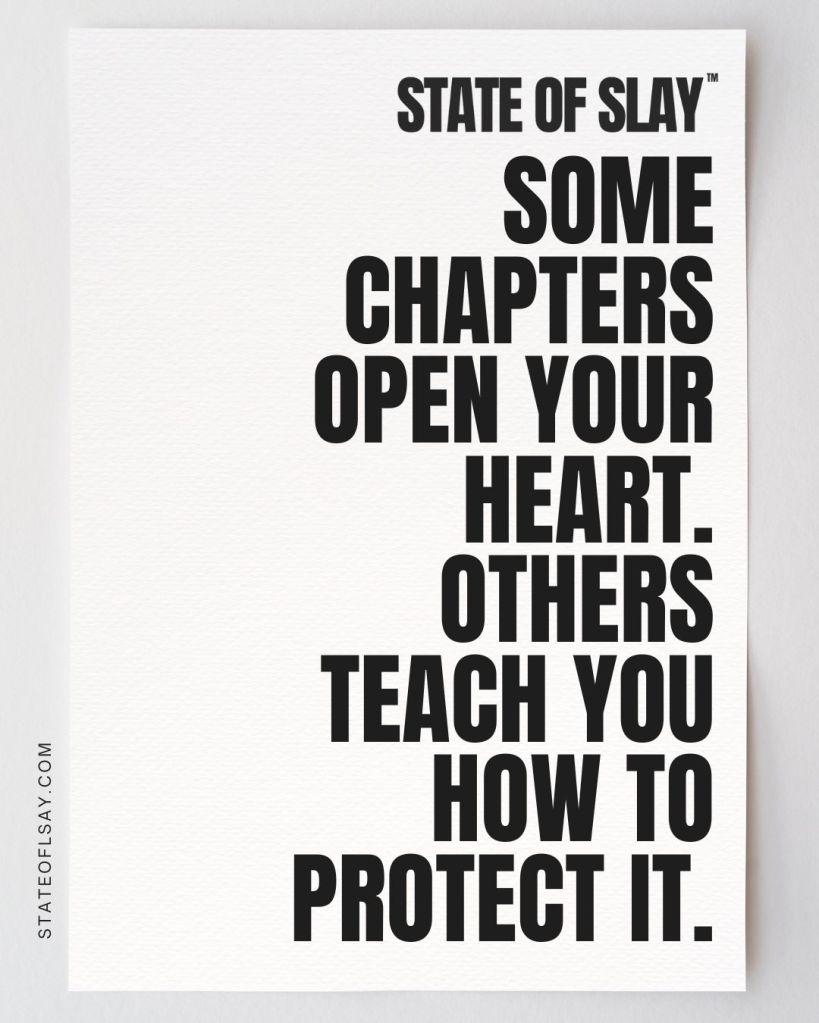
The chapters that break us open are still part of our story. They don’t need to be rewritten. They need to be remembered. With tenderness. With clarity. With the understanding that they taught us something essential about who we are.

So no, you don’t need to forget. You just need to stop clutching the past so tightly that your hands aren’t free to receive what’s next.


Memory Is Not the Enemy

We’re told to move on. To get over it. To stop living in the past. And while yes, healing requires forward motion, it doesn’t require amnesia.

You can move forward and still feel. You can carry love and loss in the same breath.

Letting go is not about abandoning your memories. It’s about finding the strength to acknowledge them—even the painful ones—and still take the next step.

I had to learn how to hold space for both: the ache of what was, and the hope of what could be. And in doing that, I discovered something surprising:

The past doesn’t hold me hostage when I stop trying to run from it.

Instead, it becomes something I carry—not with regret, but with reverence.


Life Moves On, and So Can You

There’s a moment in every healing journey when you realize: you can miss what was, love who you were, and still choose to turn the page.

Letting go is not a betrayal of the past. It’s a commitment to your future.

You can bring everything you’ve learned with you. The beauty. The brokenness. The truth. All of it.

Letting go is about making peace with what no longer fits, not because it wasn’t real, but because you are growing.

So don’t rush to forget. Don’t erase what made you feel. Let the memories come. Let them stay. Just don’t let them stop you from living the life that’s waiting for you now.

Let your purpose lead. It knows the way.


SLAY Reflection

  1. Is there something in your past you’ve been trying to forget in order to move on?
  2. How might you carry it differently—with tenderness instead of pain?
  3. What have your most difficult moments taught you about yourself?
  4. Are you ready to stop running and start remembering?
  5. What would turning the page look like for you today?

S – Sit with your memories, even the hard ones
L – Let yourself feel without needing to fix
A – Accept what was, and honor how it shaped you
Y – Yield to growth—even when it hurts


Call to Action: Join the Conversation

I’d love to hear from you.
What is something from your past that you now carry with love instead of pain?
Share your story in the comments. Let’s cheer each other on.

And if you know someone who’s struggling to let go, send this to them.
Sometimes, all we need is a nudge.

Slay Say

NOT EVERY STORY IS MEANT TO STAY

Not every connection is meant to last—but every one leaves a mark.
The people who enter your life are not all forever people. Some are lessons, others reminders.
What matters most is how you choose to move forward from them.

This is your reminder to reflect on what you’ve learned, not just what you’ve lost.

SLAY on!

You Did Nothing Wrong By Asking To Be Treated Right

There was a time in my life when I second-guessed myself. I would speak up when something didn’t feel good, and then spiral afterward—replaying the moment in my head, wondering if I was overreacting, if I made things awkward, if I should have just stayed quiet.

But here’s the truth I wish I had known sooner:

You did nothing wrong by asking to be treated right.

There is nothing wrong with saying “that hurt my feelings” or “I don’t like how that made me feel.” There is nothing wrong with saying “I deserve better than this.” Because you do. You always have.

What is wrong is how often we’re taught to feel guilty for setting a boundary. We’re told we’re too sensitive, too difficult, too much. So we shrink. We tolerate. We accept less. And with each time we swallow our truth, we chip away at the trust we have with ourselves.

Over time, we begin to question whether we even deserve what we’re asking for. We start to silence ourselves before anyone else even has the chance to.

But the voice inside you that whispers, “this doesn’t feel right”—that voice is sacred. And it deserves to be heard.

We’re often praised for how much we can endure, how quiet we can stay, how agreeable we can be. But healing isn’t about being palatable. It’s about being real.

It’s about letting go of the version of you that never got to speak up, and becoming the version who knows how to say, “I’m not okay with this.”

Because you matter. What you feel matters. What you need matters.


It’s Not Asking for Too Much

It’s not just about the person on the other end of the conversation. It’s about you. Your self-worth. Your healing. Your nervous system. The way you allow yourself to take up space and take care of yourself.

Honoring how you feel isn’t selfish—it’s self-respect.

Asking to be treated with kindness, consistency, and care is not asking for too much. It’s asking for the bare minimum. And if someone can’t meet you there, that’s not your failure. That’s their limitation.

You don’t have to convince people to do the right thing. You just have to be willing to do the right thing for yourself.

Letting people know where your lines are isn’t pushing them away. It’s giving them a clear map of how to love you.

And if they walk away? Let them. Anyone who leaves because you asked for respect was never offering it to begin with.

Protecting your peace is not dramatic. It’s necessary. Saying “no more” is not cruelty. It’s clarity. And standing up for yourself is not a betrayal of others—it’s a commitment to yourself.

When you start honoring what you know to be true, you stop seeking validation from people who never had the capacity to see you clearly.


Trust What You Know

So if you’ve ever walked away from a conversation, a relationship, or a space because your boundaries weren’t honored—let me remind you:

You did not fail.
You did not overreact.
You did not do anything wrong.

You simply chose yourself.
And that is something to be proud of.

You’re not hard to love—just hard to manipulate. And anyone who’s confused by that difference was never meant to hold your heart.

Let your purpose lead. It knows the way.


SLAY Reflection

  1. Have you ever felt guilty for speaking up about how you were treated?
  2. Where in your life are you still tolerating what doesn’t feel good?
  3. What would change if you fully trusted your feelings and instincts?
  4. Who in your life consistently respects your boundaries?
  5. How might your life shift if you believed you weren’t “too much” for simply asking for respect?

S – Speak your truth without apology
L – Let your boundaries be your guide
A – Ask for what honors your worth
Y – Yield to self-respect over people-pleasing


Call to Action: Join the Conversation

I’d love to hear from you.
What’s something you’ve asked for that made you feel proud for standing up for yourself?
Share your story in the comments. Let’s cheer each other on.

And if you know someone who’s second-guessing themselves for speaking up, send this to them.
Sometimes, all we need is a nudge.


Slay Say

YOU GET TO BUILD SOMETHING NEW

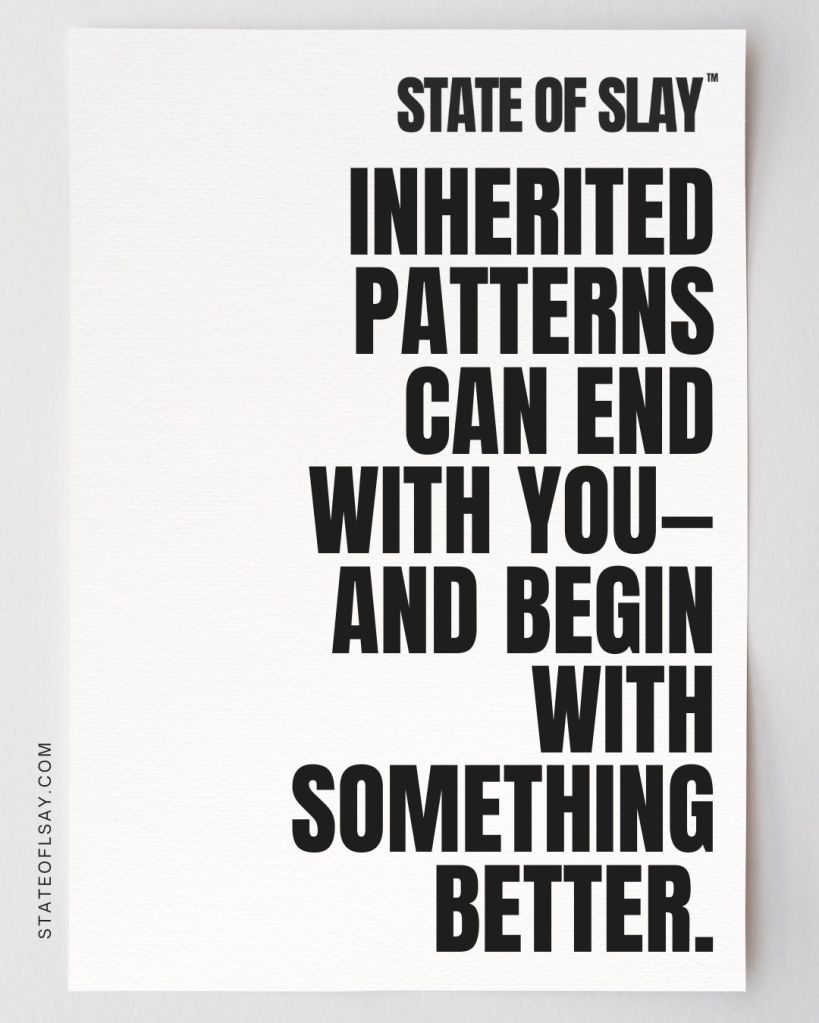
Not everything passed down needs to be carried forward.
Cycles of hurt, silence, or survival may have paved your path—
but that doesn’t mean they have to shape your future.

You’re not here to repeat.
You’re here to restore.
To choose with intention.
To lead with clarity.
And to become the version of yourself your lineage didn’t know was possible.

This is your reminder to be the shift they never saw coming.

SLAY on!

Chase Purpose, Not People

There was a time in my life when I was constantly chasing people—their attention, their approval, their love.

I thought if I could earn it, maybe I’d finally feel like I was enough.

But no matter how much I gave, how much I bent, or how much of myself I lost in the process…
it never felt like enough.

Because it was never supposed to be.

I wasn’t meant to chase people.
I was meant to chase purpose.
And so were you.


When We Abandon Ourselves

When we get stuck in the cycle of proving our worth to others, we end up abandoning ourselves.

We ignore what lights us up.
We try to become what we think they want.
We twist. We shrink. We perform.

We lose the very parts of ourselves that were never meant to be hidden.

And the worst part?
The more we shape-shift to please, the more invisible we become—to others and to ourselves.


Purpose Doesn’t Need to Be Impressed

Purpose is steady.
It doesn’t need applause.
It doesn’t need permission.

It doesn’t ask you to chase it—only to follow.

When I started focusing on my purpose—my healing, my growth, my creativity, my peace—it all got clearer.

I could see what was aligned.
I could feel who was for me and who never was.
The people who truly belonged in my life didn’t need to be convinced. They didn’t need to be chased. They just showed up.

And not for what I could do for them.
But for who I was becoming.


Let Purpose Lead

The truth is:
You are never too much for the right people.
And you are never not enough for the path that was made for you.

So if you’re feeling left out, overlooked, or unseen—it might not be because something’s wrong with you.

It might be because you’re not meant to follow them.

You’re meant to follow you.

Let your purpose lead.
It knows the way.


SLAY Reflection

Do you ever find yourself chasing people instead of aligning with your purpose?
What does “chasing purpose” look like in your life right now?
Who in your life supports your growth without needing you to earn their love?
What’s one step you can take today to move closer to your purpose?
How might your life shift if you stopped proving yourself and started honoring yourself?

S — Show up for yourself
L — Let go of needing approval
A — Align with your purpose
Y — Yield to what feels right, not who feels familiar


Call to Action: Join the Conversation

I’d love to hear from you.
What’s something you’ve stopped chasing in order to start honoring your purpose?
Share your story in the comments. Let’s cheer each other on.

And if you know someone who’s trying to hold onto people instead of themselves, send this to them.
Sometimes, all we need is a nudge.

Slay Say

NOT EVERYONE CLAPS WHEN YOU RISE

We don’t lose people when we grow—we reveal them.
Not everyone who starts the journey with you is meant to finish it beside you.
Your success may make others uncomfortable, but that doesn’t mean you should shrink.
Let go of the need for approval and keep climbing.
The ones who are meant to walk with you won’t fear your elevation—they’ll fuel it.

This is your reminder:
You don’t need universal applause to be on the right path.
Just the courage to keep going.

SLAY on!

When a Child is Shamed for Feelings, They Don’t Stop Feeling—They Stop Trusting

There’s a heartbreaking truth many of us come to learn too late:

When a child is shamed for having feelings, they don’t stop feeling. They stop trusting.

They stop trusting their emotions. They stop trusting their voice. And eventually, they stop trusting themselves.

We often teach kids—intentionally or not—that certain feelings are too much, too messy, too inconvenient. That anger is bad. That sadness is weakness. That fear is overreacting. We hush them. We roll our eyes. We tell them to “get over it” or “calm down.” But what we’re really saying is: Your feelings don’t belong here.

And that message doesn’t just sting in the moment. It stays.


The Seeds of Self-Doubt

When we shame a child’s feelings, we’re not teaching emotional regulation—we’re teaching emotional suppression.

Instead of learning how to navigate their emotions, they learn to ignore them, question them, or feel guilt and embarrassment for even having them in the first place.

They start asking:

  • “Why am I so sensitive?”
  • “What’s wrong with me?”
  • “Why can’t I just be normal?”

These questions don’t come from nowhere. They come from a world that told them, early on, that their natural responses were somehow wrong.


Unlearning the Silence

As adults, many of us carry this conditioning into our relationships, our workplaces, and our inner dialogue. We still quiet our feelings. We second-guess our instincts. We feel shame for emotions that are perfectly human.

But here’s the thing: Our feelings don’t go away just because we learned to hide them.

They find other ways to come out—through anxiety, depression, emotional outbursts, or chronic people-pleasing. The body keeps the score. The heart remembers.

Healing begins when we give ourselves permission to feel again. To validate what was once invalidated. To trust that our emotions have something to teach us, not something to be ashamed of.


Reparenting Starts With Awareness

Maybe you were that child. Maybe you’re still carrying the weight of being told to “toughen up” or “stop crying.”

Or maybe you’ve caught yourself repeating those phrases to someone else—not out of cruelty, but because it’s what you were taught.

Here’s the good news: You can stop the cycle.

You can start by:

  • Saying “I hear you” instead of “you’re overreacting.”
  • Asking “What are you feeling?” instead of “What’s wrong with you?”
  • Letting your own emotions be seen, so others feel safe showing theirs.

You don’t need to have all the answers. You just need to be a safe place.


SLAY Reflection

Ask yourself:

  • Was I shamed for showing emotion as a child?
  • How did that shape the way I express or suppress feelings today?
  • Do I trust my emotional responses—or do I second-guess them?
  • How can I begin validating my emotions, rather than hiding or judging them?
  • What would it feel like to create space for someone else to share, without judgment?

S – L – A – Y

S: See where your emotional patterns began.
L: Listen to your inner voice with compassion.
A: Allow your feelings to surface without shame.
Y: Yield to the wisdom your emotions are offering.


Call to Action: Join the Conversation
I’d love to hear from you.
Were you taught to suppress your emotions as a child—and how has that shaped your journey?
Share your story in the comments. Let’s cheer each other on.

And if you know someone who’s learning to feel again, send this to them.
Sometimes, all we need is a nudge.

Slay Say

Growth starts where ego ends

It’s not always easy to hear what we need to hear. Sometimes, the truth pokes at our pride before it frees us. But if we want to grow, we have to stop treating feedback like failure. Growth asks for humility, curiosity, and the willingness to be wrong. The most powerful people are the ones who stay open—even when it stings.

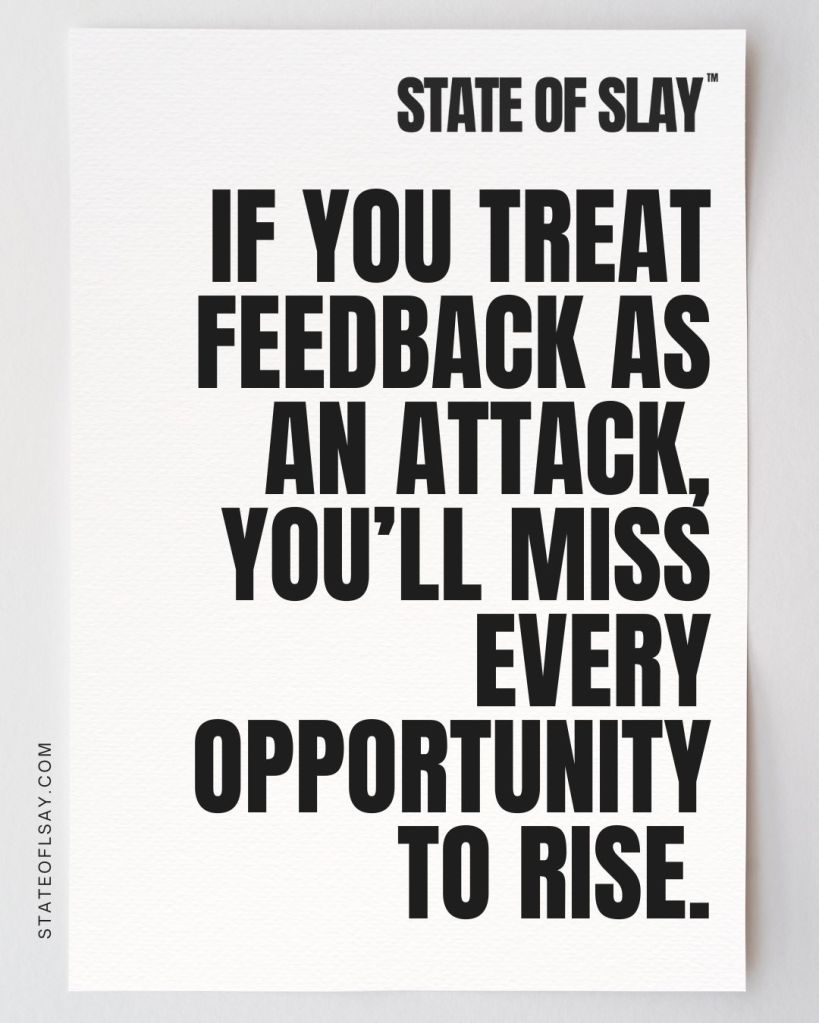
If you treat feedback as an attack, you’ll miss every opportunity to rise.

SLAY on!

Confirmation Bias

We all want to believe we’re right. That the thoughts we have are the truth. That what we fear is valid. That what we suspect about others is accurate. And so, often without realizing it, we go looking for proof. Not for the truth—but for what we already believe.

That’s confirmation bias.

And it can quietly wreck everything from our relationships to our self-worth.


What Are You Trying to Prove?

Here’s the thing about the human brain: it’s not always looking for truth. It’s looking for evidence that confirms what it already believes.

If your brain believes you’re not good enough, it will dismiss compliments and zero in on criticism.

If your brain thinks no one can be trusted, it will interpret a delayed text or a short tone as betrayal.

If you believe someone doesn’t like you, you’ll search their face and their actions for the tiniest piece of proof—and you’ll find it, even if it isn’t real.

We all do it. It’s human.

But when we act on that bias instead of reality, we reinforce the story we already believe—and miss the opportunity for connection, growth, and healing.


When I Believed the Worst

For a long time, I believed I was unworthy. That no matter how hard I tried, it was never enough. That I would always be the one left behind.

So I looked for proof.

I clung to any sign of rejection. I dismissed care or kindness because I assumed it wouldn’t last. I assumed I was being judged, even when no one was paying attention to me.

I thought I was being self-aware. I thought I was protecting myself.

But what I was really doing was building a case against myself, collecting data that wasn’t even true. And every time I gave weight to a moment of perceived rejection, I was closing a door. I was missing a chance to see that maybe the story I was telling myself wasn’t the whole truth.

And if it wasn’t the truth? Maybe I wasn’t broken after all.


How to Break the Bias

Awareness is everything.

Next time you find yourself thinking, “See? I knew it,” pause.

Ask yourself:

What am I trying to prove right now? And is this actually true—or just familiar?

Confirmation bias feels like safety. It feels like control. But really, it’s just an old loop. One you can break.

Try asking someone you trust for a reality check. Or write down your belief and then list the evidence for and against it.

Better yet, ask yourself: Would I talk to someone I love the way I’m talking to myself right now?


SLAY Reflection

Ask yourself:

  • What beliefs do I keep trying to prove?
  • Where did those beliefs come from?
  • How is confirmation bias limiting my relationships?
  • Do I trust my thoughts more than I trust what’s real?
  • What would it feel like to look for evidence of the opposite being true?

S – L – A – Y

S: Spot the belief that keeps repeating.
L: Listen for the moment you start searching for proof.
A: Ask yourself what else could be true.
Y: Yield to possibility. It’s where healing begins.


Call to Action: Join the Conversation
I’d love to hear from you.
What’s a belief you’ve spent a long time trying to prove—and what happened when you questioned it?
Share your story in the comments. Let’s cheer each other on.

And if you know someone who’s stuck in a loop of self-doubt, send this to them.
Sometimes, all we need is a nudge.