See With Your Eyes, Hear With Your Ears

I used to live with blinders on.
Not the kind you wear—but the kind you believe.

I only saw what I wanted to see. I filtered everything through my pain, my fear, and the false narratives I told myself over and over again. If I thought I was a bad person, I looked for proof. If I believed I was unlovable, I focused on every moment that could validate that. If I thought life was unfair, I zeroed in on all the ways I’d been wronged.

I wasn’t seeing the truth—I was seeing my trauma.
And I was listening through it too.


A Filtered Life Isn’t a Full Life

When we don’t see with our eyes and hear with our ears—when we see and hear through the noise of our past or our pain—we miss what’s right in front of us. We convince ourselves of stories that may not be true. We act on distorted feelings. And slowly, we begin to disconnect from reality, from the people around us, and from ourselves.

That’s where I was before I began this path.

My perspective was warped. My sense of truth was tangled in denial and self-destruction. But I couldn’t live that way anymore. And when I started my recovery journey, the very first thing I had to do was get honest—with myself, and with the world around me.


The Moment I Took the Blinders Off

Truth didn’t come all at once—it came in pieces.
Each time I stripped away a lie I had believed, the world became clearer. Each time I sat in the discomfort of a moment instead of running from it, I reclaimed a little more power. I learned how to be present, how to focus on what was right in front of me, and how to listen with compassion.

That’s when I stopped reacting and started responding.

Because here’s what I know now:
We can’t live fully if we’re not looking and listening fully.


The Danger of Disengaging

It’s easy to get lost in our distractions—our phones, our playlists, our screens. But when we do that, we cut ourselves off from the life happening around us.
We ignore truth.
We disconnect from others.
We retreat into the stories we already believe.

But life isn’t meant to be background noise.
It’s meant to be lived, seen, heard, and felt.
And the only way we can do that is by taking off the blinders.


Choose to Show Up

When we truly see and hear what’s happening around us, something shifts. We become part of the world again. We stop reacting through old patterns and start participating in real connection. We begin to move with clarity and intention.

Let go of the need to be right.
Let go of the comfort of the old narrative.
And open yourself to what is actually real, here, now.

Because your truth lives in the present.
All you have to do is look. And listen.

SLAY on.


SLAY OF THE DAY: Reflect & Rise

Are you seeing and hearing the truth—or just what you’ve trained yourself to expect?

  • Do you move through life fully engaged, or are you walking with emotional blinders on?

  • What truths might you be avoiding? What stories do you replay that might not be real?

  • How does this affect your relationships? Your inner peace?

  • When’s the last time you truly paused, took in your surroundings, and responded instead of reacting?

Challenge yourself to listen differently.
Look deeper.
And live fully.


Call to Action: Join the Conversation

I’d love to hear from you.
What’s something you’ve learned to see clearly—once you stopped seeing it through the lens of your past?
Share your story in the comments. Let’s cheer each other on.

And if you know someone who might be stuck in an old story, send this to them.
Sometimes, truth is what sets us free—but only when we choose to see it.
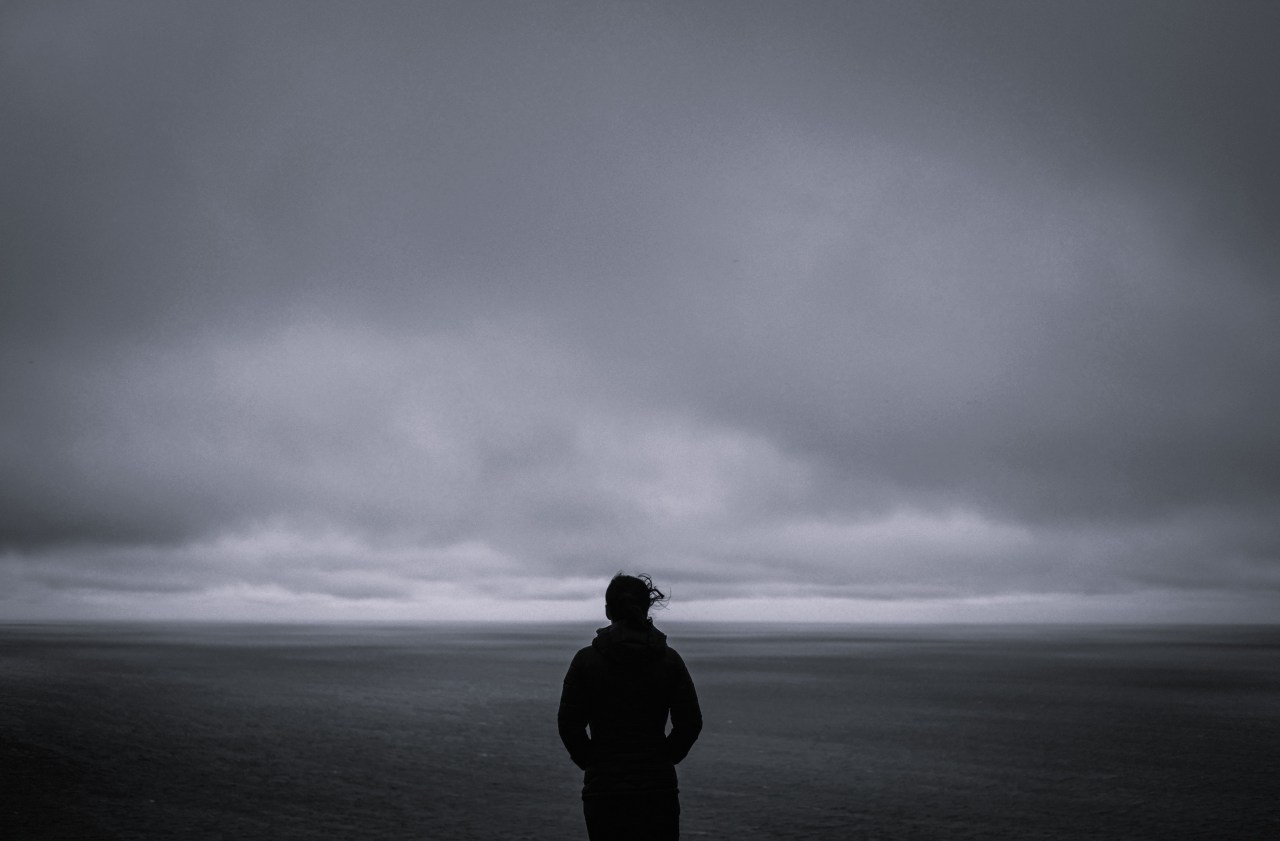
You Can Choose Peace

I didn’t know I could choose peace.

When I was living in the dark, peace wasn’t even a concept I believed in. My mind was in constant chaos—racing with thoughts, shame, regret, and fear. I felt like a prisoner in my own head. The noise never stopped. And because I believed I was broken, I thought I deserved the torment.

I wore the label of “victim” like it was a fact, not realizing that the most painful parts of my story were being written by the choices I was making every day. But here’s the truth I wish I’d known sooner:
Peace isn’t something that just shows up one day. Peace is something we choose.


Peace Starts with a Choice

When I finally admitted I needed help, it was like the door cracked open just enough to let in a sliver of light. That sliver? It was peace. Just a little. Just enough. But it was mine. And it showed me what was possible.

I began to see others who had found peace after chaos. People who had lived in the dark and come out the other side. People who had chosen peace—and in doing so, had chosen themselves. That became my inspiration. And from that moment on, I made a commitment to do the work to find my own.


Rebuilding a Life Around Peace

It wasn’t instant. Peace takes practice. It took a lot of honesty. A lot of humility. I had to stop pretending I was fine and get real about how I felt and what I needed. I had to clear out the chaos—the people, patterns, and beliefs that kept me in turmoil—and make room for something better.

I said yes to new things. I kept my heart open. I focused on love, support, and self-care. And as I leaned more into peace, I started to want it. Crave it. Protect it. That’s the thing about peace—once you taste it, you start building your life around it.

Today, I find peace in many ways—through nature, through connection, through honesty, through stillness. I don’t wait for peace to find me anymore. I go and get it. Every single day.


You Are Worth the Work

Peace is possible. But peace requires effort. It asks us to let go of the lies, face the truth, and show up for ourselves—even when it’s uncomfortable. That’s how we earn it. That’s how we grow into it. And that’s how we become it.

Peace is not perfection. Peace is knowing you’re doing your best. Peace is forgiving yourself.
Peace is choosing love over shame—and presence over panic.

You may not feel it right now. But I promise you, it’s within reach.
You have more power than you think. And you are allowed to use that power to choose peace today.

SLAY on.


SLAY OF THE DAY: Reflect & Rise

Do you believe you’re allowed to have peace—or are you still punishing yourself?

  • Where do you currently find peace, even in small ways?

  • What’s blocking you from feeling peace more often?

  • Are you still surrounding yourself with things (or people) that fuel your chaos?

  • What is one thing you can remove from your life today that is stealing your peace?

  • And what’s one thing you can add to cultivate more of it?

You are not your past.
You are your progress.
And you are worthy of peace.


Call to Action: Join the Conversation

I’d love to hear from you.
What’s one way you’ve created peace in your life—even when it felt impossible?
Share your story in the comments. Let’s cheer each other on.

And if you know someone who feels stuck in the chaos, send this to them.
Sometimes, we all need a reminder that peace is possible—and that we’re allowed to choose it.

The Perceived Danger Of Loneliness

There’s a reason loneliness can feel like danger.

Centuries ago, being alone was a legitimate threat. If you were separated from your tribe, you were more vulnerable to predators and physical harm. That primal instinct still lives in us today—so when loneliness creeps in, it doesn’t always just feel sad. It can feel scary. Like we’re under attack. Like we’re in danger.

But the truth is, in most cases today, that danger is no longer external—it’s internal. And that’s why it can be so hard to recognize and even harder to break free from.


Loneliness Isn’t Just Isolation—It’s Fear

When I was living in the dark, I felt completely alone. And I did feel like I was in danger. The danger of being found out. The danger of being consumed by depression. The danger of not making it out alive. My thoughts became a battlefield, and my body was constantly in survival mode—tight, tense, panicked.

Some of that fear was justified. I was making choices that weren’t safe. But much of it was perceived—fed by my mindset and fueled by the lies I told myself about who I was and what I deserved.

And the lonelier I felt, the more danger I imagined. I convinced myself I was better off alone. That no one would understand. That I didn’t belong.
But that wasn’t true. That was just the fear talking.


The Way Out Is Connection

The moment things began to change was the moment I heard someone else’s story. Someone who had been where I was. Someone who understood the darkness. That tiny moment of connection cracked something open in me—and I found the courage to ask for help.

That help came in the form of community. Of people who weren’t perfect, but who were honest. Who shared their truths. Who didn’t try to fix me, but simply walked with me.

And that’s when the perceived danger began to dissolve. Because I wasn’t doing it alone anymore. I wasn’t in survival mode—I was in connection mode.
And connection, not isolation, is where healing begins.


You’re Not Alone (Even When It Feels Like You Are)

We are never as alone as we think we are. Even in our darkest moments. There is always someone out there who will understand—because they’ve been there too.

And when we share our truth, it connects us. It takes away the power of fear.
When we speak our loneliness out loud, we remind ourselves that we are human—and we give someone else permission to do the same.

You don’t have to suffer in silence. You don’t have to go it alone.
There is always a hand to reach for—and a voice waiting to say, “Me too.”

SLAY on.


SLAY OF THE DAY: Reflect & Rise

Do you associate loneliness with danger? And what does that danger feel like?

  • What thoughts or fears come up when you’re feeling lonely?

  • Do you tend to isolate or reach out?

  • Who can you confide in—right now, today?

  • Are you filling your loneliness with distractions or connection?

  • What’s one step you can take to reach out and remind yourself you are not alone?

Connection is the antidote to fear. And vulnerability is the path to healing.


Call to Action: Join the Conversation

I’d love to hear from you.
What has helped you move through loneliness into connection?
Share your story in the comments. Let’s cheer each other on.

And if you know someone who’s struggling in silence, send this to them.
Sometimes, the bravest thing we can do is remind someone they’re not alone.

How We Live Today Is What Will Determine Tomorrow

It’s a conversation I keep returning to—both personally and globally.

As the world continues to recalibrate, we’ve been given a rare invitation: to pause, reflect, and ask ourselves what do I want my life to look like on the other side of this? Many of us are eager to return to “normal,” but it’s worth asking—was normal really working?

When so many distractions fell away, we were left with the truth of our lives. The patterns we’d been avoiding. The cracks in our foundations. The parts we loved—and the parts we were merely surviving. Like any breakdown, there’s always a breakthrough waiting on the other side… if we’re willing to do the work.

Building a Better Tomorrow Starts Now

When I first stepped into recovery, I had to rebuild my life from the ground up. It was terrifying. The old ways—my habits, my thinking, the comforts I clung to—felt safer than the unknown. But I knew they were keeping me sick. I couldn’t build anything new while holding onto what was breaking me.

So I started small. I laid one brick at a time. I let go of what no longer served me, even when it was uncomfortable. I reminded myself that I wouldn’t get everything right—and that was okay. Each day was a step toward something stronger. Even my mistakes became blueprints for something better.

I began to understand that how I live today is what determines my tomorrow. And that realization changed everything.

This Is a Chance to Reimagine

This pause we’ve been given? It’s a gift. A chance to slow down and evaluate what truly matters. It’s not just about personal change—it’s about collective change. As we rebuild our lives, we have a powerful opportunity to decide who we want to be, how we want to live, and what kind of world we want to create.

The moments that have stood out to me most during this time aren’t the news updates or daily routines—they’re the simple acts of kindness, the community support, the honest conversations, and the reminders that we’re not alone.

We’ve seen what matters. Let’s not forget it.

Today Shapes Everything

What we choose today—how we love, how we show up, how we take care of ourselves and others—sets the tone for tomorrow. We get to decide what we keep, what we release, and what we build next.

Lay your foundation with care. Fill the cracks with truth. Strengthen your spirit with willingness and action. That’s how we grow something solid. Something beautiful. Something that lasts.

SLAY on.


SLAY OF THE DAY: Reflect & Rebuild

  • Have you used this time to evaluate your life with honesty?

  • What habits, people, or patterns do you want to leave behind?

  • What priorities have shifted for you—and why?

  • What healthy changes have felt good? What distractions are you ready to release?

  • What can you start doing today to lay a stronger foundation for the life you want tomorrow?

This moment is a powerful opportunity to build something new.
Lay it down with intention.


Call to Action: Join the Conversation
I’d love to hear from you.
What’s one change you’ve made—or are ready to make—to build a better tomorrow?
Share your story in the comments. Let’s cheer each other on.

And if you know someone who’s navigating change right now, send this their way.
Sometimes, we just need to know we’re not doing it alone.

Are You Disappointed With The Results Of The Work You Didn’t Do?

It’s easy to feel disappointed when things don’t work out the way we’d hoped. But here’s the hard truth: sometimes we’re disappointed not because life let us down, but because we didn’t show up and do the work. We wanted the results, but skipped the steps it takes to earn them.

I know this because I lived it. For years, I clung to magical thinking—believing that somehow, some way, the good things I wanted would just appear. I thought if I wished hard enough or hoped long enough, the change I needed would show up without me having to actually do anything different.

Spoiler alert: it didn’t.

Wishing Isn’t Working

Looking back, I realize how much time I wasted waiting for something to happen instead of making something happen. I was stuck in the cycle of perfectionism and low self-worth—telling myself there was no point in trying if I couldn’t do it perfectly, or that I wasn’t worthy of the outcome anyway. So I stayed stuck, watching others get the results I wanted while doing nothing to change my own situation.

Scrolling through social media didn’t help. I saw people thriving, hitting milestones, sharing wins. And I wanted that. But instead of getting inspired, I got resentful. Why not me?

The truth: I hadn’t done the work. They had.

The Shift Begins with a Step

It took hitting a true bottom—emotionally, spiritually, and physically—for me to finally reach out and ask for help. I didn’t know what the path looked like, and I didn’t need to. I just had to take the first step. That single act—picking up the phone and admitting I needed support—set everything into motion.

As I walked this new path, I started to do the work. And the results came. Slowly at first, but with each effort, my life began to change. The more I invested in myself, the more I believed I was worthy of what I was building. And that belief—that self-worth—became the true result of the work I was doing.

Results Take Action

No one can do this for you. Not your friends, not your partner, not your mentor. The transformation starts with you. It might feel overwhelming to imagine all the work it takes to change your life, but you don’t have to do it all at once. You only have to do what’s in front of you. One step, one moment, one decision at a time.

Doing the work shifts your mindset. It silences the doubts and empowers you to keep going. Even when the results aren’t immediate or perfect, the effort is building something better. Something sustainable. Something real.

If you want change, you have to move. Wishful thinking might feel comfortable, but real change requires real effort. The work is where the transformation happens.

So ask yourself: Are you ready to stop hoping for results and start working for them?

SLAY on.


SLAY OF THE DAY: Time to Get Honest

  • Do you expect results from work you haven’t done?

  • Have you used magical thinking to justify inaction? How has that worked for you?

  • Can you remember a time when hard work led to a positive result? How did that feel?

  • What first step can you take today toward a goal you’ve been avoiding?

  • How might your life change if you committed to action instead of waiting for a miracle?

You don’t need to have it all figured out. You just need to start.


Call to Action: Join the Conversation
I’d love to hear from you.
What’s one thing you’ve been hoping would change without putting in the work? And what’s one step you can take today to shift that?
Share your story in the comments. Let’s cheer each other on.

And if you know someone who’s stuck in the wishing phase, send this to them.
Sometimes, we just need a reminder that we already have what it takes.

Are You A Shining Example Or A Dire Warning?

There was a time when I would have called myself a dire warning—not just to others, but to myself. I was the cautionary tale. The one who looked fine on the outside but was falling apart inside. I lived in a cycle of self-sabotage, denial, and fear, making poor choices—or worse, making no choices at all—and then wondering why things didn’t change.

But here’s the truth: we all have a choice. At any moment, we can decide to be a shining example instead of a dire warning. And that choice? It changes everything.

The Warning Signs Were Me

When I was living in the dark, I didn’t believe I had options. I told myself I was strong, that I didn’t need help. But the truth was, I was drowning. I was clinging to patterns that were destroying me, too loyal to my own pain and too stubborn to let go. My relationships suffered, my joy faded, and my hope all but disappeared.

And still, I looked down on those I thought were weak—never realizing that true strength isn’t in pretending you’re fine. It’s in admitting you’re not.

It wasn’t until someone else showed me what it looked like to live differently—to step into the light—that I began to believe it was possible. They didn’t lecture me. They simply lived in a way that made me want what they had. They were a shining example, and I wanted to become one too.

Turning Toward the Light

The moment I chose change, a tiny flicker of light appeared. It wasn’t much, but it was enough. I picked up the phone. I asked for help. I started doing the work. And slowly—so slowly at first—that flicker began to grow.

I surrounded myself with people who inspired me. People who had walked through the darkness and come out shining. They didn’t have perfect lives, but they had something real—something I wanted. And being around their light helped me ignite my own.

The more I leaned into that light, the more I began to change. My relationships shifted. My inner dialogue softened. People who used to worry about me now cheered me on. And I began to realize that maybe, just maybe, I could be that beacon for someone else.

Light Is Contagious

We get to decide who we want to be. Every day. With every choice. You don’t have to stay stuck. You’re not bound to your past. If you’ve been a dire warning, you can become a shining example. All it takes is a spark—a moment of hope, a tiny act of courage, a willingness to believe that you’re worthy of the light.

And when you do that, you don’t just transform your own life. You light the way for someone else.

So ask yourself: Which story are you telling with your life?

SLAY on.


SLAY OF THE DAY: Spark Your Truth

  • Do you feel like a shining example or a dire warning right now?

  • If you’re not where you want to be, what choice can you make today to move closer to the light?

  • Have you been both in your life? What shifted?

  • Who in your life is a shining example? What can you learn from them?

  • How can you be a spark for someone else?

You don’t need to be perfect to shine. You just need to be real—and ready.


Call to Action: Join the Conversation
I’d love to hear from you.
What’s one shift you can make today to step out of the shadows and into the light?
Share your story in the comments. Let’s cheer each other on.

And if you know someone who’s stuck in their dark chapter, send this to them.
Sometimes, all we need is someone to show us the way.

Patience Is To Sit In Your Suffering

Patience is a skill I never had when I was living in the dark. I wanted what I wanted—and I wanted it now. If something took longer than I thought it should, I unraveled. I’d stew in my own anxiety, convinced that worrying over it somehow meant I was “doing something.” But it never helped. In fact, it only made things worse.

The reality is, I was causing myself more pain by holding on.


Prefer to listen? The Audio Blog version is available here.


Suffering Is Optional (But It Doesn’t Feel That Way)

When I started my journey toward healing, I had to face a hard truth: patience isn’t passive. It’s active. It’s powerful. It’s choosing to sit still when every part of you wants to control, manipulate, and fast-forward the process.

I was taught something simple, yet profound—do the footwork and let go. And actually let go. Not say I would, then sit in agony while pretending to surrender. That took time. It still does. But every time I allowed myself to sit in discomfort, without reacting, something shifted.

Here’s what I learned: the suffering didn’t come from the waiting—it came from the clinging.


Letting Go of the Illusion of Control

So much of my anxiety came from the belief that I had to manage everything. I believed I had the best plan, the right answers, and the perfect timeline. But that was just my ego talking. And when I realized how wrong I’d been before—how lost and broken I felt trying to run the show—it humbled me.

I had to accept that I wasn’t the director of the universe. That my vision was limited. That maybe—just maybe—there was a bigger plan unfolding, and my job was to participate, not dictate.

That’s where the power of patience lives. Not in forcing, but in trusting. Not in pushing, but in practicing peace. And the more I practiced, the less I suffered.


Choosing Peace Over Pressure

Let’s be honest—letting go is not easy. Especially when we care deeply about the outcome. But once we start to realize that the suffering is self-inflicted—that it’s not coming from the waiting, but how we wait—it becomes easier to breathe through it.

The truth is, when we choose to surrender, we reclaim our power.

Patience doesn’t mean inaction. It means taking the action that’s yours, and then releasing what isn’t. It means being OK with not knowing, trusting that the right things will unfold in the right time. That may feel uncomfortable at first. But comfort isn’t the goal—freedom is.

And freedom comes when we stop clinging to control and let go of the suffering we’ve been dragging around.


SLAY OF THE DAY: Reflect & Release

  • Do you try to force outcomes instead of letting things unfold?
  • What’s the cost of that tension—emotionally, mentally, physically?
  • How do you feel when you’re able to truly let go?
  • What fear is keeping you in the suffering?
  • What step can you take today to release control and choose peace?

Suffering shows us where we’re clinging. Let it be your invitation to let go.


Call to Action: Join the Conversation
I’d love to hear from you.
What’s one area of your life where you’re holding on instead of letting go?
Share your story in the comments. Let’s cheer each other on.

And if you know someone who’s struggling to sit in the waiting, send this to them.
Sometimes, all we need is permission to pause.

Don’t Forget To Check Your Odometer

Some of us move through life so fast we never catch up to ourselves—while others move forward without realizing just how far they’ve come. It’s always easier for someone else to notice the distance we’ve traveled before we do. We’re often too close to our own lives to see the growth clearly.

That’s where checking your odometer comes in.

We may not have a physical readout to track our personal mileage, but we do have markers—our habits, our choices, our relationships, and our emotional shifts. When we take the time to pause and reflect, we might just see that we’re not in the same place we were three months ago, a year ago, or even last week.

And if we are in the same place? That’s not shame. That’s information. A gentle cue that it might be time for new action.

How Far Have You Really Come?

Before I stepped on this path, I didn’t want to check the odometer. I didn’t want to be reminded that I wasn’t making progress—or worse, that I was moving in the wrong direction. I judged myself harshly and measured my worth based on where I thought I should be, instead of where I actually was.

I was living with blinders on—trapped in a cycle of self-criticism, isolation, and disconnection. It wasn’t until I asked for help that I started placing positive mile markers in my life. Each step forward, no matter how small, became something to build on. And even when I couldn’t see my own growth, the people around me could.

Their reflection helped me see the transformation happening inside of me—and over time, I started to believe it for myself.

Celebrate the Journey

You’ve come a long way. Even if you don’t feel like it, you have. Maybe you’ve let go of a toxic relationship. Maybe you’re managing your mental health better than you used to. Maybe you’re just waking up and trying—and that alone is progress worth celebrating.

Self-checks matter. They give us a chance to acknowledge our growth, recognize where we still want to go, and celebrate the resilience that brought us this far. And yes, even setbacks can be part of that progress—sometimes, they’re just a moment to pause and breathe before your next big leap.

You don’t need anyone’s permission to be proud of how far you’ve come. Own it.

You’re a survivor. A warrior. A kickass SLAYER.
Don’t forget that.
Don’t forget you.

SLAY on.


SLAY OF THE DAY: Reflect & Recalibrate

  • Do you notice the changes in yourself—or only when someone else points them out?

  • When others celebrate your growth, do you accept it? Or do you deflect?

  • How do you support and recognize growth in others? How would it feel to give yourself the same grace?

  • What’s one area where you’ve worked hard to grow? Write down the milestones that got you here.

  • Where are you today that felt impossible a year ago?

You’ve traveled further than you think. Don’t miss the view just because you forgot to check the odometer.


Call to Action: Join the Conversation
I’d love to hear from you.
What’s one win—big or small—you’ve had on your journey that you sometimes forget to celebrate?
Share your story in the comments. Let’s cheer each other on.

And if you know someone who doesn’t see how far they’ve come, send this to them.
Sometimes, all we need is a reminder.

Start With Gratitude, End With Thank You

The Shift from Despair to Gratitude

There was a time when I woke up dreading the day ahead—angry that I had even woken up. I wasn’t looking for a new start. I wasn’t searching for light. I was living in a cycle of silent suffering, hoping that sleep would take me away from it all. But hoping isn’t a plan. Hoping isn’t healing.

It wasn’t until desperation pushed me to the edge that I found the courage to ask for help. That moment—the moment of deciding to share my truth—was my first act of gratitude, even if I didn’t see it that way at the time. It was gratitude for my own life, for a future I wasn’t sure I deserved but was willing to fight for.


Bookending the Day

When I reflect on how I stay positive—especially during challenging or uncertain times—I always come back to this: I begin and end my day with gratitude. It’s not complicated. Sometimes it’s a list. Sometimes it’s a pause and a silent thought. But it anchors me.

Throughout the day, life happens. Stress, frustration, and setbacks can pull me off course. But when I revisit my gratitude list—or take a small positive action—I’m reminded of what matters. At the end of the day, I say thank you. For everything. For the lessons, for the moments of peace, for the people, for the growth.


Living with Gratitude

Starting and ending the day with gratitude doesn’t guarantee a perfect day, but it sets the tone. It creates space for positivity. It invites me to see beyond the challenges.

When I wake up with dread, I pause and ask myself what I’m grateful for. Even on the toughest days, there’s something—a sliver of light, a moment of connection, a breath. And when I plan something to look forward to after a difficult task, it keeps me anchored in possibility.

Living a life of gratitude means being intentional. It means creating moments of thankfulness and allowing them to guide us. It’s not about ignoring hardship—it’s about finding resilience through gratitude.


SLAY OF THE DAY: Reflect & Rise

  • Do you tend to start your day in a positive or negative mood?

  • What triggers a negative start for you?

  • How can you turn it around?

  • Have you tried gratitude practices before? If so, what worked? What didn’t?

  • Do you allow a negative morning to affect your entire day?

  • How can you incorporate gratitude into your routine to shift your mindset?

  • Do you consciously end your day with thankfulness? Why or why not?


Call to Action: Join the Conversation

I’d love to hear from you.
What’s one thing you’re grateful for today?
Share it in the comments. Let’s uplift each other with gratitude.

And if you know someone struggling to find positivity, send this to them.
Sometimes, a simple “thank you” can be the spark they need.

A Little Honesty Goes A Long Way

Coming from a life of hiding my truth, living in fear of being found out, and wanting to appear to be more than I was, I understand dishonesty. I lived a dishonest life, even from myself, so how could I be honest with others? I lied even when I didn’t need to, unaware of the weight of those lies. My life became a tangled web until I couldn’t keep track of it all, and the only truth left was that everything was unmanageable, and I had fallen so far into darkness I wasn’t sure I could find my way out.

Thankfully, someone came into my life and shared his honesty with me. That act gave me hope.

When I began walking the path of recovery, I had to learn to be honest, starting with myself. I had to stop believing the lies that kept me sick and face the truth. I had to get rigorously honest if I wanted to build a new life from the foundation up. That foundation had to be honesty. So, I rolled up my sleeves and got to work.

Facing the truth wasn’t always easy. It meant looking at my past actions, what I’d said, the harm I’d done to myself and others. My lies always pointed fingers outward, but the truth—the honest truth—was that I played a role in my pain and chaos. Letting go of my fear of judgment, I began to speak my truth. Even though my head told me not to, I charged ahead anyway. And on the other end of that honesty, I found support. People didn’t reject me or push me away—they offered their hand, their understanding, and their ear. As I shared my truth, my guilt, anger, and fear started to melt away.

I was taught, and continue to learn, to be honest about my intentions, my time, and what I am truly willing and able to contribute. It was scary at first, but as I practiced it, the results were always better. That doesn’t mean there weren’t disappointments or frustrations, but they were far fewer than when I was saying what I thought others wanted to hear.

The truth is, most people want the truth—not some made-up story to save face. Being honest shows not only respect for yourself but also for others. It shows vulnerability and opens the door for collaboration, understanding, and solutions we might not have found on our own. When we are honest, we have nothing to hide. And when we’re not spending our energy hiding, we are free.

Sometimes, we enter situations with the best intentions and realize the reality doesn’t match. Instead of pretending or keeping up appearances, try being honest. You may find that instead of working against you, others will work with you toward a solution. Even if things don’t go the way you hoped, the act of being honest itself is a win because you are speaking your truth, instead of pretending to be something—or someone—you’re not.

Be honest about who you are, what you can offer, and what you can truly give. As they say, the truth will set you free. And that freedom? It’s all in your hands.

SLAY on.


SLAY OF THE DAY: Reflect & Rise

  • Do you tend to be honest with others? If not, why?

  • Are you honest with yourself? If not, why not?

  • Has dishonesty caused you trouble in the past? How might things have changed if you’d been honest?

  • What can you do today to be more honest, with yourself and others?

  • Are you afraid of honesty? Why?

  • How can you begin letting go of fear and speak your truth?


Call to Action: Join the Conversation
I’d love to hear from you.
What’s one truth you’re ready to speak today—about yourself or to someone else?
Share your story in the comments. Let’s cheer each other on.

And if you know someone struggling to be honest with themselves, send this to them.
Sometimes, all we need is permission to tell the truth.