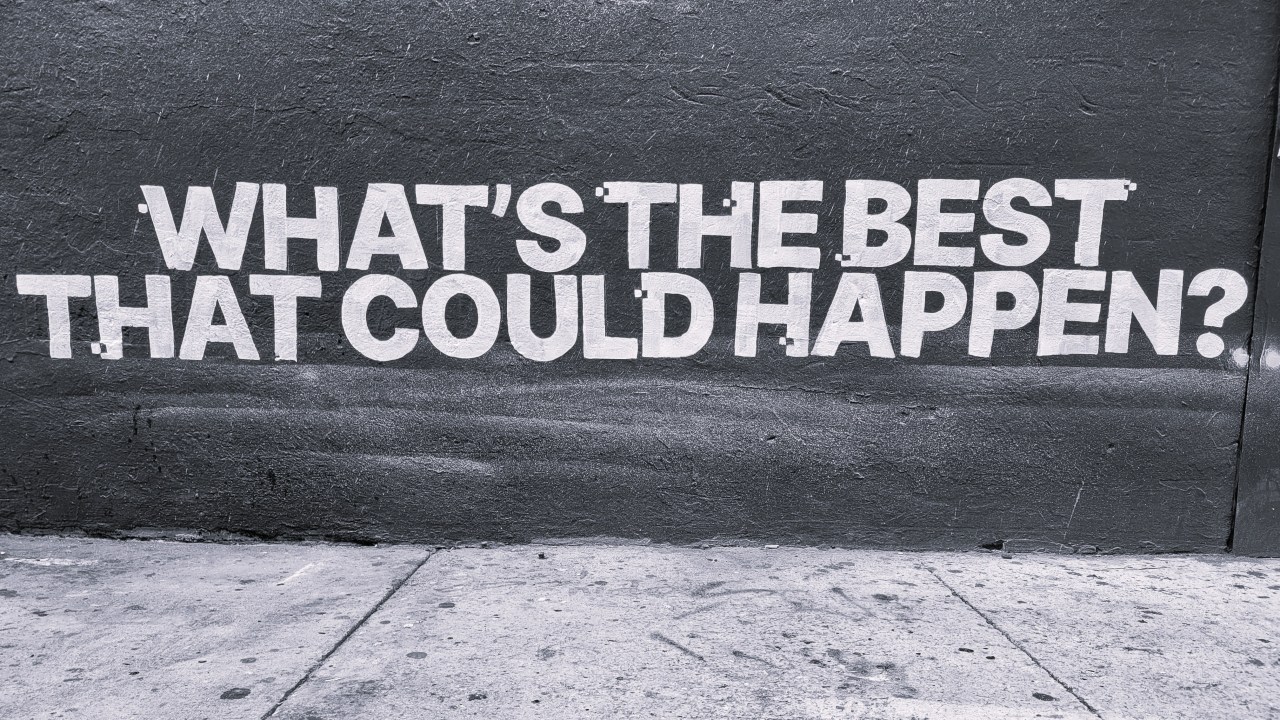
Examine What You Tolerate

I used to tolerate a lot.
From other people.
From myself.

I let things slide to avoid conflict.
I ignored red flags because I didn’t want to make waves—or because I was too emotionally and mentally exhausted to face the truth.
And so I allowed bad behavior to take up space in my life, even when it was actively hurting me.

But life isn’t meant to be tolerated.
It’s meant to be lived.
To be enjoyed.
To challenge us, to teach us, and to help us grow.

When we start making excuses for the people, places, and patterns in our lives just so we can “get through” them, we’re not being brave—we’re betraying ourselves.


Tolerating the Things That Keep Us Down

When I was living in the dark, I let most things go—unless I was looking for a fight.
And on the days I was angry at myself, I was often searching for someone else to blame.

I played the victim like it was my role in life.
I pointed fingers outward instead of inward.
And I tolerated behaviors in myself I knew deep down were harmful.

That was the first place I had to start when I began my recovery:
What was I tolerating in myself that was keeping me sick?


Justifying What Needs to Go

I had made excuse after excuse for the choices I was making.
One bad decision would snowball into another, and I would justify every one of them.

I ignored warning signs.
I surrounded myself with people and situations that reinforced my belief that I wasn’t worthy of more.
And I used those experiences as proof that I was a victim of life, rather than someone who had the power to change.

Even when good people showed up in my life, I didn’t know how to let them in.
I had grown more comfortable with pain than with peace.
And that realization was sobering.


From Tolerating to Choosing

As I got honest with myself, I began to see just how much of my pain I had been allowing.
And once I saw it, I couldn’t unsee it.

So I took a stand.

First with myself—by refusing to continue the behaviors that hurt me.
Then outward—by looking at every person, place, and pattern through the lens of self-love.

If it wasn’t helping me grow…
If it wasn’t rooted in respect, support, or truth…
It had to go.

Letting go wasn’t always easy.
But every goodbye made more space for peace.


The Practice of Daily Self-Respect

Even now, as life moves fast and new challenges arise, I have to keep checking in.
When I start tolerating things that don’t serve me, I feel it.
The darkness creeps back in.
The negative voices get louder.
And I know—it’s time to realign.

Self-love isn’t a one-time decision.
It’s a daily practice.
And part of that practice is examining what you’re tolerating—and having the courage to release what no longer honors you.


SLAY Reflection: What Are You Still Tolerating?

  1. What have you been tolerating in your life that feels heavy, harmful, or out of alignment?
    Why are you still holding onto it?
  2. How have your own actions contributed to the pain or frustration you feel?
    What patterns need to be disrupted?
  3. Are there people or relationships in your life that take more than they give?
    What would it feel like to set boundaries—or let them go?
  4. What excuses have you made for staying in situations that don’t serve you?
    Where did those excuses come from?
  5. What would change if you stopped tolerating what hurts you—and started choosing what heals you?
    What’s the first step?

Call to Action: Join the Conversation

I’d love to hear from you.
What’s one thing you’ve tolerated for too long—and how are you ready to honor yourself by letting it go?
Share your story in the comments. Let’s cheer each other on.

And if you know someone who’s carrying things they no longer have to, send this to them.
Sometimes, all we need is a nudge.
Today I Will Not Stress Over Things I Cannot Control

Easier said than done, right?
Especially now.
It feels like everything—from the world at large to our daily lives—is spiraling beyond our control.

And it’s true: most of life really is outside of our hands.
No matter how hard we try to will something into existence or change an outcome, some things just are.
But here’s the truth I’ve come to live by:
I may not be able to control what happens around me—but I can control how I respond to it.
And that’s where the power is.


The Illusion of Control

When I was living in the dark, I was consumed by control.
Trying to manage everything and everyone.
Manipulating, bargaining, obsessing—believing that if I could just control the situation, I could finally feel safe.

But no matter how hard I tried, life had other plans.
It didn’t care how hard I worked to bend it to my will.
And I exhausted myself trying.

The more I tried to control, the more unmanageable everything became.
It didn’t just wear me out—it wore me down.
My mental health suffered.
My self-worth took a hit.
And I lost myself in the process.


Letting Go Was the Turning Point

When I finally made the decision to change my life, I was told something that made me flinch:
You have to accept that you can’t control everything.”

That one sentence lit up every fear I had.
I didn’t want to hear it.
But I needed to.

Because as terrifying as letting go felt, holding on was doing more damage.

So I started small.
I worked on myself.
I practiced gratitude.
I focused on the good.
And I gave back where I could.

Slowly, the need to control started to loosen its grip.
And I began to feel something I hadn’t felt in a long time: peace.


The Freedom in Acceptance

Letting go doesn’t mean giving up.
It means accepting reality as it is—and choosing to move forward anyway.
It means doing what you can, where you are, with what you have.

It means focusing on your choices, your behavior, your energy—not the chaos around you.

And when you feel that old need for control creeping in?
Put the focus back on yourself.
Or do something kind for someone else.
It’s a powerful reset.

Because the truth is, trying to control what’s out of your hands only ends up controlling you.


What I Can Do Today

There are still plenty of things I can’t control—and many of them deeply disturb me.
But I’ve learned that obsessing over what I can’t change doesn’t help.

What does help?
Doing what I can.

I show up for myself.
I show up for others.
I make better choices.
And I leave the rest.

Because acceptance isn’t giving up—it’s breaking free.


SLAY Reflection: Where Are You Holding On Too Tight?

  1. Do you stress over things that are out of your control?
    What are they—and how do they affect your peace?

  2. How has your need for control shaped your relationships, habits, or mental health?
    What patterns do you see?

  3. What’s one area of your life where you could let go a little more today?
    How would that feel?

  4. What are you really afraid of when you try to control everything?
    Is it fear of failure? Rejection? Uncertainty?

  5. What would shift if you focused on your response, rather than the outcome?
    Where can you put your energy to use in a healthier way?


Call to Action: Join the Conversation

I’d love to hear from you.
What’s one thing you’re ready to stop stressing over because you’ve realized it’s out of your control?
Share your story in the comments. Let’s cheer each other on.

And if you know someone who’s stuck in the loop of control and frustration, send this to them.
Sometimes, all we need is a nudge.

Faith Is Hope With A Track Record

Some days, it’s harder to write than others.
Especially on the days when my light feels dim, when I’m tired, and when the fire that usually fuels me flickers a bit lower.

Today is one of those days.
And yet—these are often the days I most need to write.
To remind myself of what I know deep down:
This moment will pass.
This weight I’m feeling isn’t forever.
And no matter how disconnected or overwhelmed I feel, I’ve made it through harder days than this.
Faith reminds me of that.

Life may feel uncertain and unsteady at times, but faith is what brings me back to center.
Because faith isn’t just a feeling—it’s a belief rooted in evidence.
It’s hope that’s been tested. And proven.


From Hopelessness to Hope

Before I began this journey, I didn’t have much faith.
In fact, I didn’t even have much hope.
My mind always defaulted to the worst-case scenario.
And on the rare occasion I dared to hope, I quickly snuffed it out with a familiar voice in my head that told me I didn’t deserve good things.

But then someone shared their story with me.
Where they had been.
What they had come through.
And where they were now.

That single story sparked something.
A flicker of hope.
It was small, but it was enough to help me pick up the phone and ask for help.
And that call changed everything.


How Faith Is Built

Hope came first.
Faith came later.

Because faith doesn’t magically show up—it builds over time.
It’s earned through experience, through consistent effort, and through the proof that change is possible when we do the work.

As I began taking positive steps in my recovery, I started to notice shifts in my life.
Support showed up.
Healing began.
My mental health improved.
And slowly, I started to believe that I could feel better.
That I could build a different kind of life.

That belief—backed by action—became my faith.


Faith Isn’t Passive. It’s a Practice.

Faith isn’t just sitting back and hoping things will change.
It’s rolling up your sleeves and doing the work because you believe change is possible.

Faith can be rooted in something greater than ourselves.
In a higher power.
In the belief that we’re being guided or protected.

But it’s also in the way we show up every day—especially on the hard days.
When we take small, positive actions even when we don’t feel like it.
When we keep moving forward, even if we’re unsure of the destination.
That’s faith in motion.


Share the Flame

Today, if you’re in a low place, remind yourself of what you’ve already overcome.
Look back at the track record of your survival, your growth, your strength.

Faith is built on the moments you didn’t think you’d get through—but did.

And if you’re struggling to find your faith today, start with hope.
Hold onto that spark and trust that it will grow.

If your flame feels dim, share it anyway.
Because when we pass our light to someone else, it only gets brighter.


SLAY Reflection: Are You Holding Onto Faith or Reaching for Hope?

  1. Do you feel connected to your faith today?
    If yes, how does it support you? If not, what’s made you feel disconnected?

  2. Did you always have faith—or did you find it later in life?
    What helped you begin to believe again?

  3. When you think about hope, what comes up for you?
    Are you nurturing it—or avoiding it?

  4. What action helped you move from hope into faith?
    What did you do that built trust in your own journey?

  5. Who in your life might need a reminder that faith is possible?
    How can you be the light that helps spark theirs?


Call to Action: Join the Conversation

I’d love to hear from you.
What’s one moment in your life where hope turned into faith—and how did that change your path?
Share your story in the comments. Let’s cheer each other on.

And if you know someone who’s searching for that spark, send this to them.
Sometimes, all we need is a nudge.
When Nothing Goes Right, Go Left

We’ve all been there.
Those seasons when it feels like nothing is working.
Every door feels closed, every step feels heavy, and no matter how hard we try, it all seems to fall apart.

We hit wall after wall.
We get frustrated.
We start to wonder if it’s even worth the fight.

But maybe—just maybe—those walls are redirections.
Maybe those detours are trying to protect us, shift us, or move us toward something better.
Sometimes, when nothing is going right, it’s not about giving up… it’s about going left.


When I Refused to Pivot

Before I began walking the path I’m on now, I was stubborn.
I didn’t believe I deserved good things, so when something didn’t go as planned, it only reinforced the belief that I was a failure.
A part of me almost wanted things to go wrong—because that matched the internal narrative I had created.

I worked hard, but the second I met resistance, I would retreat.
I’d give up.
And then I’d use that failure as proof that life was against me.

I didn’t see roadblocks as opportunities to pivot.
I saw them as confirmation that I was doomed to fail.
I was stuck in a cycle of all-or-nothing thinking, ruled by ego, fear, and a refusal to try things a new way.


Recovery Taught Me to Turn

Recovery didn’t just teach me how to live—it taught me how to redirect.

I’ve learned that just because a path is blocked doesn’t mean the dream is wrong.
Sometimes we’re meant to pursue it another way.
Sometimes we’re meant to walk away.
And sometimes, we’re simply being taught patience and trust.

What changed for me was the realization that I don’t know everything.
There is a whole world of wisdom, experience, and guidance that exists beyond what I’ve lived or read.
And when I stopped trying to force life to bend to my will—and instead became open to its direction—everything started to shift.

Those dead ends?
They were saving me.
Those “no’s”?
They were leading me to something even better.


Redirection Isn’t Rejection

When we cling to one way, one plan, or one outcome, we miss out on the magic of life’s detours.
The universe might have something better in store—something we never could have imagined.
But to receive it, we have to be willing to loosen our grip.
To trust.
To be humbled.
And to follow the signs when they point in a new direction.

Today, when I hit a wall, I don’t panic.
I pause.
I regroup.
And I look for a new opening.

The goal might still be the same—but the route can change.


Don’t Stop—Just Shift

If you’re feeling discouraged, if you’re facing what feels like a dead end, don’t give up.
Go left.

Try a new approach.
Ask for help.
Take a risk.
Open your mind to the possibility that there’s another way—maybe even a better way.

You’re not being punished.
You’re being redirected.
And that redirection just might lead you to everything you’ve been working for… and more.


SLAY Reflection: How Do You Respond to Redirection?

  1. Do you tend to feel defeated when things don’t go your way?
    What’s your default reaction when you hit a wall?

  2. Can you think of a time when a dead end led you to something even better?
    What did that teach you?

  3. Are there goals you’ve abandoned that might just need a new approach?
    What could you try differently?

  4. How often does your ego get in the way of your progress?
    Where could you surrender a little more?

  5. What would it look like to trust life’s redirections instead of resisting them?
    Where is life possibly nudging you now?


Call to Action: Join the Conversation

I’d love to hear from you.
What’s one detour in your life that ended up being a blessing in disguise?
Share your story in the comments. Let’s cheer each other on.

And if you know someone who’s feeling stuck or defeated, send this to them.
Sometimes, all we need is a nudge.

What You Do When No One Is Watching

We all have moments where we wear different masks. There’s the version of us the world sees—and then there’s the version that shows up when no one else is around. Ideally, these two should be one and the same. We should move through life with consistency, acting with honor and integrity whether eyes are on us or not. But let’s be honest: that’s not always what happens.

For many years, I was someone who acted differently when I thought I could get away with it. I wore my victimhood like armor, and when life didn’t go my way, I convinced myself it owed me something in return.

I remember being at the grocery store once when the cashier forgot to ring up an item in my cart. I noticed—but I said nothing. Instead, I walked out with it and told myself it was a win. A moment of justice. But deep down, I knew better. I was raised to know right from wrong. And I knew I’d crossed a line.

That item may have been free, but the guilt wasn’t. I carried it around, letting it reinforce the story that I was a bad person. And the more I let myself slide in little ways when no one was watching, the harder it became to hold onto any sense of self-worth.

We think we’re slick. We think we’re getting away with something. But we’re not. Because even if no one else sees it, we do.


A Shift in Integrity

When I committed to recovery and started learning to love myself, I had to reckon with the person I was when no one was watching. I had to confront the choices I’d made in secret and the ways I’d let myself down. And I had to stop.

I made a promise to myself: I would always act as if someone was watching.

Because someone was. Me.

And that meant doing the right thing—even when it was hard, even when it was inconvenient, and even when no one would ever know. Especially then.

Today, doing the right thing fills me with peace. It lifts me up. It affirms the person I’m becoming. I no longer carry the weight of guilt for the sake of a cheap win. Instead, I carry the quiet confidence that comes from living in alignment with my values.

I was once told: if you do something kind and the person finds out, it doesn’t count. Because the good deed isn’t about credit. It’s about character.


The Power of Quiet Character

In a world that rewards appearances, doing the right thing quietly, consistently, and without applause is an act of rebellion. It’s also an act of self-love.

Every time you choose honesty over deception, compassion over ego, and integrity over the easy way out—you build a life rooted in trust.

The next time you find yourself in a moment of choice, ask: What would I do if someone I deeply respect were watching me right now?

Then act from that place.

Because the truth is, the person who matters most is watching. And they live inside of you.

SLAY on.


SLAY Reflection: Who Are You When It’s Just You?

  • Do you behave the same way when no one is watching? If not, why?
  • What’s the cost of getting away with something? How does it sit with you later?
  • What values matter most to you? Are you living in alignment with them?
  • What’s one recent moment where you could’ve acted differently—and chose integrity instead?
  • How do you feel when you do the right thing, even if no one notices? What does that say about the person you’re becoming?

Call to Action: Join the Conversation

I’d love to hear from you.
What does integrity look like in your everyday life—especially when no one else is watching?
Share your story in the comments. Let’s cheer each other on.

And if you know someone who’s trying to realign with their values, send this to them.
Sometimes, all we need is a quiet reminder of who we really are.

No One Ever Injured Their Eyesight Looking At The Brightside

There is always a bright side. Sometimes, it may feel impossible to find—but it’s there if we look for it. Often, we don’t see it until later, when hindsight reveals that not getting what we thought we wanted brought something even better.

But here’s the thing: when we actively choose to seek out the good, the positive, the light—it trains our minds to keep looking. And eventually, it becomes second nature.

We are bombarded by fear and negativity every day. So why not choose the opposite? Why not be intentional about focusing on what’s working, what’s good, and what’s worth celebrating?


How I Found the Bright Side

Before I began walking this path, I lived in a negative world—one fueled by fear, shame, and pain.

The light didn’t last long in those days. I had fleeting moments of brightness, but the clouds of my own mind would roll in and dim it. I always defaulted to the worst-case scenario, and even when something good happened, I’d immediately brace for when it would be taken away.

My hope lived in superficial things—external markers I clung to like a lifeline. If something bright appeared, it was often a distraction rather than a shift. And because it wasn’t rooted in anything lasting, it never stuck around.

Recovery changed that. It taught me to start with gratitude. To look for moments of light. And when I couldn’t feel it? To write it down anyway. Even on my darkest days, I could find one thing. A kind word. A warm cup of coffee. A song I loved. Those small sparks reminded me that light is always there—we just have to invite it in.


Train Your Eyes to See the Light

Every day, we’re given a choice: focus on the fear or look for the light.

And as someone who has lived in both places, I can tell you—choosing the light is where everything changes.

It’s not about pretending things are perfect. It’s about deciding not to let the darkness win. It’s choosing to see that yes, things may be hard—but they’re not only hard.

The more we practice gratitude and look for the good, the more it shows up. That’s not magic—that’s mindset. And it’s powerful.

Be someone who looks for the bright side. And even better? Be someone who becomes the bright side for someone else.

Our light shines the brightest when we share it.

SLAY on.


SLAY Reflection: What Are You Choosing to See?

  • Do you tend to focus on the negative or look for the light? What habits shape that tendency?
  • Was there a time in your life when you struggled to find anything good? How did that affect your day-to-day experience?
  • What small moments of light have shown up for you recently? Did you notice them?
  • Has something you once saw as a disappointment turned out to be a blessing?
  • What could shift in your life if you committed to seeing the bright side—just once a day?

Call to Action: Join the Conversation

I’d love to hear from you.
What’s one way you’re choosing the bright side today—even when it would be easier to stay in the dark?
Share your story in the comments. Let’s cheer each other on.

And if you know someone who needs a little light right now, send this to them.
Sometimes, all we need is a reminder that it’s still there—waiting to be seen.

The Stories From Our Past

Before I began my recovery journey, I lived by stories that weren’t mine. I believed I was different. Less-than. Unworthy of good things. And I made decisions from that place—choosing people and situations that reinforced the story I was already telling myself.

Even the small things stuck. A dismissive comment. A look. A joke that hit too close to home. I internalized those moments and built my identity around them. And as I kept repeating those stories to myself, I gave them power. I let them define me.

When I finally sought help for my mental health, one of the first exercises I was given was to write down all the things I believed about myself. Most were negative. Then came the harder part: asking if those things were actually true.

It turned out, most of them weren’t. They were stories I had inherited. And I had the power to release them.


Telling a New Story

Doing the work—challenging those false beliefs—wasn’t easy. But with time, support, and a lot of self-reflection, I began to rewrite the script.

I started telling myself the truth.

That I’m capable. That I’m worthy. That I’m more than enough.

The stories from my past didn’t disappear. But they no longer control me. Today, I use them as tools. When those old narratives resurface, I pause. I ask myself: Is this true? Is this helping me grow? Is this a story I want to keep?

And if the answer is no, I let it go.

Instead, I choose to tell stories of healing. Of courage. Of growth. I choose relationships that reflect the truth of who I am, not the lies I once believed.

You get to choose your story, too.

SLAY on.


SLAY Reflection: What Story Are You Living?

  • Are you holding onto any stories from childhood that no longer serve you?
  • Who or what shaped those beliefs—and are they actually true?
  • What have those stories cost you in your adult life?
  • What’s one belief you could rewrite today?
  • What story would you rather live—and what’s one small step you can take toward it?

Call to Action: Join the Conversation

I’d love to hear from you.
What’s one story from your past you’re ready to rewrite?
Share your story in the comments. Let’s cheer each other on.

And if you know someone who’s still living by an old story that isn’t serving them, send this to them.
Sometimes, all we need is a reminder that we’re the ones holding the pen.

Don’t Downsize Your Dreams To Fit Your Reality

We all have dreams—visions of a life we haven’t yet lived, of goals we haven’t yet reached. And yet, when reality feels limiting, we often shrink those dreams down to match it. We tell ourselves we’ll never get there, that we don’t have what it takes, that maybe we’re asking for too much.

But where you are now doesn’t dictate where you can go. That’s not how dreams work. They’re meant to stretch us. To pull us forward. To show us what’s possible.


The Power of Just Starting

Before I began walking this path, I talked myself out of every dream I had. I didn’t believe I was smart enough, capable enough, or worthy of the life I secretly longed for. I let fear stop me before I ever began. And when I did take a step, the first bit of resistance sent me retreating back to the safety of “what I know.”

But staying stuck didn’t make me feel safe—it made me feel miserable.

When I finally reached out for help, I set a goal: to save my own life. That was the first dream I dared to believe in again. And with every small step forward, I began to believe in more. I discovered new passions, found confidence in places I didn’t know existed, and most importantly, I learned that I didn’t need to know every step before I began.

Dreams grow as we grow.

I was told to start with what I had, do the work, and trust that the next right step would appear—and it did. Over and over again. Sometimes I found myself on a different path than I expected, but each detour brought something unexpected and beautiful. That’s the power of saying yes.


Faith, Footwork, and Forward Motion

I’ve accomplished things I once believed were impossible. And I know now that my reality didn’t change because I waited until I was ready. It changed because I started anyway.

You don’t need the perfect plan. You just need a spark of belief and the courage to begin.

When you commit to your growth, when you honor your dreams by taking action—even small steps—you become a magnet for what’s meant for you. The people, opportunities, and resources you need will show up. That’s not just faith. That’s evidence.

Don’t let your current situation trick you into believing it’s permanent. You are allowed to want more. To dream bigger. To build something entirely new.

Let your heart lead you. Trust the pull.

SLAY on.


SLAY Reflection: Are You Shrinking Your Dreams?

  • Do you find yourself downplaying your dreams to make them feel more realistic?
  • What would you pursue if you believed it was truly possible?
  • Have you ever taken a leap before? What did it teach you?
  • Who could you talk to or ask for support to help you take the next step?
  • What’s one small action you could take today that brings your dream closer?

Call to Action: Join the Conversation

I’d love to hear from you.
What’s one dream you’re ready to honor—no matter where you are right now?
Share your story in the comments. Let’s cheer each other on.

And if you know someone who’s holding back on their dreams, send this to them.
Sometimes, all we need is permission to start anyway.

Don’t Be Afraid To Be Great

Looking back, there were many times I was afraid to be great. In my heart, I wanted it. In my mind, I believed I did, too. But in the moment—when it counted—something inside me would pull back. I would stop myself, sometimes even sabotage myself, just so I wouldn’t fully step into my potential.

And I always knew. There was a split second where I could’ve chosen differently—but I didn’t. Then I’d beat myself up for it. I’d use it as proof that I wasn’t good enough. That I didn’t deserve good things. That old narrative was strong, and I was the one keeping it alive.


When Self-Doubt Creeps In

So where does that fear come from? Why do we shrink from our own greatness?

For me, it was years of undiagnosed mental illness and deeply rooted self-hate. I was at war with myself—wanting things to change, but getting in the way of any progress. Even when opportunities came my way, I’d question if I deserved them. I’d back down, stay small, and then carry the weight of disappointment.

It wasn’t until I began my recovery that I finally started to shift. I learned to love myself. I stopped backing down from the things I wanted. And slowly, I stopped fearing success. Because success started to feel like something I was allowed to have.

Greatness isn’t arrogance. Greatness is owning your light. It’s showing up fully, knowing your worth, and letting yourself shine.


You Don’t Need Permission

Sometimes, we wait for others to validate our greatness. To give us permission. But your power doesn’t come from someone else’s approval. It comes from you.

If someone is uncomfortable with your greatness, that’s their work to do—not yours. Your job is to honor your gifts, pursue your goals, and keep showing up for yourself. Greatness isn’t just about what you achieve—it’s about who you become as you rise.

Today, I don’t let that little voice in my head stop me the way it used to. And when I do hear it, I know it’s not the truth. I’ve worked too hard to believe in myself—and I’m not giving that up.


You Were Made for More

We all have dreams. We all have something inside us that longs to grow, to thrive, to become. Don’t let fear—or old patterns—steal that from you.

Start where you are. You don’t have to know every step—just take the first one. Say yes. Trust that the path will reveal itself as you go. The more you honor your potential, the more your life will expand.

Be great. And while you’re at it, help others see their greatness, too.

SLAY on.


SLAY Reflection: Step Into Your Greatness

  • Do you believe you are great? If not, what’s holding you back from seeing it?
  • Have you ever talked yourself out of something you really wanted? Why?
  • What is one thing you’re great at—and do you celebrate it or downplay it?
  • How does it feel when you celebrate someone else’s success? Can you offer that same energy to yourself?
  • What’s one step you can take this week to move closer to your greatness?

Call to Action: Join the Conversation

I’d love to hear from you.
What’s one way you’re ready to stop holding yourself back and fully own your greatness?
Share your story in the comments. Let’s cheer each other on.

And if you know someone who needs a reminder of their worth, send this to them.
Sometimes, all we need is permission to rise.

H.O.W.

Before I started this path, I wished for change daily. I hoped something—or someone—would swoop in and fix everything. But I wasn’t honest about what was really going on. I blamed others. I minimized my pain. I lived in denial.

What I didn’t realize was that my life wouldn’t get better just because I wanted it to. Wishing doesn’t work without action. And action requires honesty, openness, and willingness.

H.O.W. may sound simple, but when you’re living in darkness, it can feel impossible. Denial lies to you. It convinces you to bury the truth, avoid the mirror, and keep digging deeper into the hole.

But once I got desperate enough, I stopped digging. I looked up. I told the truth. And for the first time in a long time, I was willing to climb.


Change Starts with You

The day I got honest about the mess I’d made was the day everything started to shift.

I saw the wreckage I had caused—not just in my life, but in the lives of people who had tried to love me. I stopped blaming. I started owning. I opened myself to new ideas, new tools, new people who could guide me.

And I became willing—not just to admit my mistakes, but to fix them. That’s where real healing lives. That’s where the change I had longed for finally began to show up.

It wasn’t perfect. It wasn’t fast. But it was real.


Ask Yourself H.O.W.

When you’re ready to change but don’t know how, ask yourself:

  • Am I being honest about what’s really going on?
  • Am I open to doing things differently?
  • Am I willing to take uncomfortable—but necessary—action?

If the answer to any of those is no, you’re not stuck—you’re just not ready yet.

But if the answer is yes?

Get ready. Life is about to shift.

SLAY on.


SLAY Reflection: How Are You Showing Up for Change?

  • Do you wish for change in your life? What would it look like?
  • Are you being honest with yourself about where you are and what needs to shift?
  • How open are you to doing things in a new way?
  • What’s one thing you’re willing to try today—even if it’s uncomfortable?
  • Have you seen the power of H.O.W. in action before? What changed?

Call to Action: Join the Conversation

I’d love to hear from you.
What’s one way you can practice honesty, open-mindedness, or willingness this week?
Share your story in the comments. Let’s cheer each other on.

And if you know someone who’s ready for change but doesn’t know where to start, send this to them.
Sometimes, all we need is a roadmap—and a nudge.