
See It For What It Is Not What You Want To See

One of the hardest lessons I have ever had to learn is this:

Sometimes the truth is right in front of us, but we refuse to see it.

Not because we are unintelligent. Not because we are careless. But because we want the story to be different. We want the outcome to be different. We want the person to be different.

So we interpret reality through hope instead of honesty.

I have done this more times than I can count. In relationships. In friendships. In professional situations. Even in how I viewed myself.

And every time I ignored what was actually happening, the result was the same.

Disappointment.

Because when we see things as we wish they were instead of how they are, we build expectations on an illusion.


Prefer to listen? The Audio Blog version is available here.


Hope Is Beautiful But It Cannot Replace Reality

Hope is powerful. It keeps us moving forward when things are difficult. It allows us to believe in possibility and growth.

But hope becomes dangerous when it replaces truth.

When we hope someone will change without evidence of change. When we hope a situation will improve without action. When we hope circumstances will magically align without acknowledging what is actually unfolding.

Hope should inspire action, not replace awareness.

There is strength in optimism, but there is wisdom in clarity.


I Had To Learn This Through Experience

There were times in my life when I ignored warning signs because they did not fit the story I wanted.

I overlooked behaviors that made me uncomfortable. I rationalized actions that did not align with my values. I convinced myself that if I just waited long enough, the situation would turn into what I hoped it could be.

But reality always revealed itself eventually.

And each time I avoided that truth, the consequences felt heavier.

Eventually I understood something important.

Seeing reality clearly is not pessimism. It is self protection.


Clarity Creates Better Decisions

When we look at situations honestly, we gain information.

We see patterns instead of excuses. We notice consistency instead of promises. We understand where our energy is being returned and where it is not.

That clarity allows us to make better decisions.

Sometimes it means walking away. Sometimes it means setting stronger boundaries. Sometimes it means adjusting expectations.

But almost always, it brings relief.

Because living in truth removes the constant mental effort of trying to maintain an illusion.


Emotional Honesty Is A Form Of Self Respect

It takes courage to see things clearly.

Admitting that a relationship is not healthy. Accepting that a goal may need to change. Recognizing that someone cannot give us what we hoped they would.

Those moments can be painful.

But they are also powerful.

Because emotional honesty is an act of self respect. It means you trust yourself enough to face reality, even when it challenges your expectations.

And that trust builds resilience.


Seeing Clearly Does Not Mean Losing Compassion

Recognizing reality does not require becoming cold or cynical.

You can still care about people while acknowledging their limitations. You can still appreciate memories while accepting that circumstances have changed.

Compassion and clarity can exist together.

In fact, when we stop forcing situations to be something they are not, compassion often becomes easier. We stop trying to control outcomes and start accepting people and circumstances as they truly are.

Acceptance creates peace.


Truth Creates Freedom

There is something incredibly freeing about seeing things clearly.

When you stop negotiating with reality, your energy returns. Your decisions become more grounded. Your expectations become healthier.

You stop chasing what could be and start responding to what actually is.

And from that place, growth becomes easier.

Because your foundation is truth.


SLAY Reflection

Let’s reflect, SLAYER:

S: Is there a situation in your life where you may be seeing what you hope instead of what is actually happening?

L: What signs or patterns might you be overlooking because they are uncomfortable?

A: How could greater honesty with yourself change the decisions you make moving forward?

Y: What would choosing clarity over illusion bring into your life right now?


Call to Action: Join the Conversation

I’d love to hear from you.
Have you ever had a moment where seeing a situation clearly changed everything for you? What did you learn from it?
Share your story in the comments. Let’s cheer each other on.

And if you know someone who might be struggling to face a difficult truth, send this to them.
Sometimes, all we need is a nudge.

Never Expect More Than You Worked For

There was a season in my life when I expected results I had not earned.

I wanted growth without discomfort. Success without consistency. Connection without vulnerability. Peace without doing the internal work.

And when those things did not show up the way I imagined, I felt frustrated. Disappointed. Sometimes, even resentful.

But eventually I had to face a hard truth.

Expectation without effort breeds disappointment.

And that lesson changed how I approach almost everything.


Prefer to listen? The Audio Blog version is available here.


Effort Builds Alignment

We all have dreams. Goals. Desires. Vision boards full of possibility.

But wanting something is not the same as working toward it.

There is nothing wrong with ambition. In fact, ambition can be healthy and motivating. The problem begins when expectation outpaces action.

If we want deeper relationships, we have to practice communication and emotional honesty. If we want physical strength, we have to move our bodies. If we want career growth, we have to develop skills and consistency.

Alignment between effort and expectation creates peace.

Misalignment creates frustration.


I Had To Learn This Personally

There were moments when I wanted to be seen differently without changing my behavior. I wanted trust without rebuilding credibility. I wanted confidence without confronting insecurity.

It did not work.

Growth required effort. Honest reflection. Consistent action. Repetition.

The uncomfortable kind.

Once I accepted that, something shifted. Instead of feeling entitled to outcomes, I focused on earning them.

And that shift empowered me.

Because effort is something we control.


Discipline Creates Self-Respect

There is a quiet confidence that comes from knowing you showed up fully.

Not perfectly. Not flawlessly. But consistently.

Discipline is not punishment. It is commitment to your future self.

When you follow through on what you say you will do, trust builds internally. That internal trust strengthens resilience. It reduces anxiety. It increases clarity.

Self-respect grows from keeping promises to yourself.

And that foundation supports sustainable success.


Expectations Without Work Can Damage Relationships

This lesson extends beyond career and goals.

It applies deeply to relationships.

Expecting loyalty without offering it. Expecting communication without practicing it. Expecting emotional safety without creating it.

Relationships thrive on reciprocity.

When we expect more than we contribute, imbalance follows. Resentment builds. Connection weakens.

But when we invest effort intentionally, relationships strengthen naturally.

Contribution matters.


Patience Is Part Of The Process

One of the hardest parts of growth is timing.

We live in a culture that celebrates immediate results. Overnight success. Quick transformations.

But meaningful change rarely happens instantly.

Skill takes practice. Trust takes time. Confidence takes repetition. Healing takes consistency.

When we commit to the process instead of obsessing over outcomes, progress feels steadier.

And steadiness builds endurance.


Effort Is Empowering

There is something deeply empowering about knowing your results are connected to your effort.

It removes helplessness.

It reminds you that you are not waiting for luck. You are building momentum. You are shaping your future through action.

That mindset transforms disappointment into motivation.

Instead of asking, “Why is this not happening for me?” you begin asking, “What can I do differently?”

That question opens doors.


Grace Still Matters

This is important.

Working for something does not mean harsh self-criticism. It does not mean burnout. It does not mean perfectionism.

It means intention.

It means effort aligned with values.

It means understanding that growth requires participation.

Grace and accountability can coexist.

You can be patient with yourself while still showing up consistently.

That balance is powerful.


You Get What You Build

Results reflect patterns.

Daily habits. Repeated choices. Consistent action.

When we focus on building strong patterns, outcomes become more predictable. Not guaranteed. But aligned.

And when outcomes do not match effort, we adjust. We learn. We refine.

Growth becomes dynamic instead of discouraging.

That shift keeps momentum alive.


SLAY Reflection

Let’s reflect, SLAYER:

S: Where in your life are your expectations outpacing your effort?

L: What small daily action could bring your effort into alignment with your goals?

A: How does following through on commitments impact your self-trust?

Y: What would change if you focused more on building than expecting?


Call to Action: Join the Conversation

I’d love to hear from you.
What goal in your life shifted once you committed to matching your effort with your expectations?
Share your story in the comments. Let’s cheer each other on.

And if you know someone feeling discouraged about slow progress, send this to them.
Sometimes, all we need is a nudge.
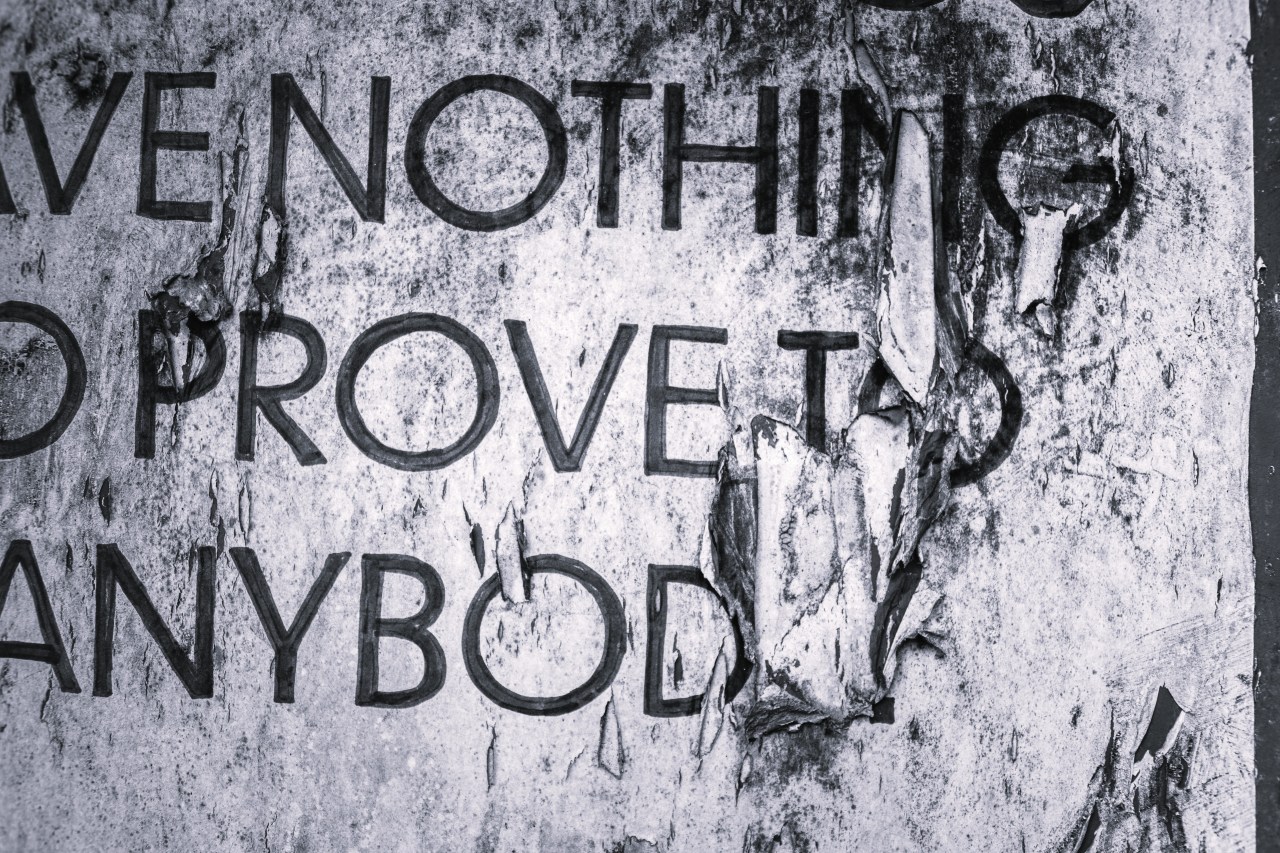
Never Explain Yourself To People Who Are Dedicated To Misunderstanding You

There was a time when I thought clarity would fix everything.

If someone misunderstood me, I explained more. If they questioned my motives, I justified them. If tension arose, I tried harder to communicate. I believed that if I just found the right words, the right tone, the right explanation, everything would resolve.

Sometimes it did.

But sometimes, no matter how clearly I spoke, the misunderstanding remained. And eventually I realized something uncomfortable but incredibly freeing.

Not everyone wants understanding.

Some people are committed to their version of you.

And explaining yourself endlessly does not change that.


Prefer to listen? The Audio Blog version is available here.


The Difference Between Confusion And Resistance

Healthy relationships allow space for clarification. Misunderstandings happen. Conversations help. Growth follows.

But there is a difference between someone seeking understanding and someone resisting it.

When someone genuinely wants clarity, they listen. They ask questions. They reflect. There is movement toward resolution.

When someone is dedicated to misunderstanding you, explanations become circular. Nothing shifts. Intentions get distorted. And you leave conversations feeling drained rather than connected.

Recognizing that difference protects your energy.


I Learned This The Hard Way

For years, I overexplained myself.

I thought it was a responsibility. I thought it showed maturity. I thought it prevented conflict.

Sometimes it was simply fear. Fear of rejection. Fear of being judged. Fear of being seen inaccurately.

So I tried to control perception through explanation.

But control is an illusion.

Eventually, I saw that constant explaining was not creating understanding. It was creating exhaustion.

And that realization changed how I approached communication.


You Are Allowed To Be Understood By The Right People

Not everyone is your audience.

That statement once felt harsh to me. Now it feels empowering.

The people meant to be in your life generally seek understanding, not ammunition. They listen with curiosity, not suspicion. They care about connection more than being right.

Those relationships feel different. Lighter. More stable.

And once you experience that, you realize how unnecessary constant self-justification really is.


Boundaries Protect Emotional Health

Boundaries are not walls. They are clarity.

Choosing not to overexplain is often a boundary. It does not mean you lack accountability. It means you recognize when further explanation will not lead to growth.

Boundaries say:

I will communicate clearly once.
I will answer sincere questions.
But I will not chase validation or exhaust myself trying to change fixed perceptions.

That boundary protects peace.

And peace supports mental wellness.


Silence Can Be A Form Of Strength

Silence used to scare me.

I worried it meant giving up. Losing ground. Appearing weak.

Now I understand silence differently.

Sometimes silence reflects confidence. Sometimes it reflects acceptance. Sometimes it reflects wisdom.

Not every misunderstanding requires correction. Not every opinion requires rebuttal. Not every assumption deserves energy.

Choosing when to speak is powerful.

Choosing when not to speak can be even more powerful.


Authentic Living Reduces The Need To Explain

The more aligned I became with my values, the less I felt the urge to justify myself.

When your actions match your beliefs, internal clarity replaces external validation. You still care about relationships. You still value communication. But you are less dependent on universal approval.

And that shift is freeing.

You begin living from authenticity rather than perception management.

That is where real confidence grows.


Let People Have Their Perspective

This was another difficult lesson.

You can present facts, intentions, and context. But you cannot control interpretation. Everyone filters information through their own experiences, fears, and expectations.

And that is human.

Allowing others their perspective does not mean you agree with it. It simply means you release the need to control it.

That release creates emotional space.

And emotional space creates peace.


SLAY Reflection

Let’s reflect, SLAYER:

S: Do you find yourself over-explaining to avoid misunderstanding or conflict?

L: How does that habit affect your energy and emotional well-being?

A: Where might a gentle boundary reduce the need for constant explanation?

Y: How would your life feel if you trusted that the right people will seek understanding naturally?


Call to Action: Join the Conversation

I’d love to hear from you.
Have you experienced a moment where you stopped over-explaining and chose peace instead? What changed for you?
Share your story in the comments. Let’s cheer each other on.

And if you know someone who needs permission to stop exhausting themselves explaining their intentions, send this to them.
Sometimes, all we need is a nudge.

If Their Absence Brings You Peace You Did Not Lose Them

There was a time when I believed every ending was a loss.

If a relationship faded, if someone stepped away, if a friendship dissolved, I assumed I had failed somehow. I replayed conversations. I questioned my worth. I wondered what I could have done differently.

And sometimes there were lessons to learn. Accountability matters. Growth matters. Self-reflection matters.

But there came a moment when I noticed something I could not ignore.

Peace.

Not immediately. Not dramatically. But gradually, quietly, consistently. The absence of certain people or situations brought calm instead of chaos.

And that realization shifted everything.

Because sometimes what we call loss is actually relief.


Prefer to listen? The Audio Blog version is available here.


Peace Is Powerful Information

Peace is data.

If someone’s absence lowers your anxiety, reduces tension, or allows you to feel more like yourself, that is worth paying attention to. It does not necessarily mean the other person is bad. It simply means the dynamic was not healthy for you.

Not every connection is meant to last forever.

Some people enter our lives to teach us boundaries. Some show us what we need. Some reveal what we deserve. And some simply outgrow alignment with who we are becoming.

That is not failure.

That is evolution.


Growth Changes Relationships

As we grow, our needs change. Our values sharpen. Our tolerance for certain behaviors shifts. What once felt normal may start to feel draining.

I experienced this firsthand.

As I committed more deeply to healing, honesty, and self-respect, some relationships no longer fit. Conversations felt forced. Energy felt mismatched. Peace felt compromised.

Letting go was uncomfortable at first.

But staying would have been more uncomfortable in the long run.

Growth often requires recalibration.

And that includes relationships.


Letting Go Is Not Always Rejection

It is easy to interpret distance as rejection. I certainly did.

But many times, distance is simply alignment adjusting.

Sometimes two people are both growing, just in different directions. Sometimes, timing changes compatibility. Sometimes healing requires space.

And sometimes peace requires distance.

Recognizing that helped me release resentment and guilt.

Because letting go can be an act of self-respect, not hostility.


You Are Allowed To Choose Peace

This was one of the hardest lessons for me.

I used to believe choosing peace was selfish. That maintaining relationships at any cost was the kinder choice. That discomfort was just part of connection.

But chronic tension is not connection.

Consistent anxiety is not intimacy.

Emotional exhaustion is not loyalty.

Peace is not something you earn by enduring discomfort. It is something you protect by making aligned choices.

And you are allowed to protect it.


Absence Can Clarify Value

When someone leaves your daily orbit, clarity often follows.

You see patterns more clearly. You notice emotional shifts. You understand what you were tolerating versus what you truly needed.

Sometimes that clarity leads to reconnection later in a healthier way. Sometimes it confirms the separation was necessary.

Both outcomes can be valid.

The goal is not permanence.

The goal is well-being.


Loss And Relief Can Coexist

It is important to acknowledge this nuance.

You can miss someone and still feel more peaceful without them. You can appreciate what was while accepting what is. You can hold gratitude and boundaries simultaneously.

Human emotions are layered.

Allowing that complexity creates emotional maturity.

And emotional maturity supports healthier future connections.


Choosing Peace Supports Growth

Peace creates space.

Space for clarity. Space for healing. Space for creativity. Space for joy.

When your nervous system is not constantly bracing for stress, your energy becomes available for growth instead of survival.

That shift changes everything.

And often, it begins by acknowledging that peace is not accidental.

It is intentional.


SLAY Reflection

Let’s reflect, SLAYER:

S: Have you ever felt more peaceful after a relationship or situation ended?

L: What did that peace reveal about your needs or boundaries?

A: Are there dynamics currently in your life that feel more draining than supportive?

Y: What step could you take to protect your peace while remaining compassionate?


Call to Action: Join the Conversation

I’d love to hear from you.
Have you experienced a situation where someone’s absence created unexpected peace, and what did you learn from it?
Share your story in the comments. Let’s cheer each other on.

And if you know someone navigating change in relationships, send this to them.
Sometimes, all we need is a nudge.

The Only Out Is Through

There was a time when I believed avoidance was survival.

If something hurt, I distracted myself. If something scared me, I delayed it. If something overwhelmed me, I convinced myself it would pass on its own.

Sometimes it did.

But most of the time, it waited.

And eventually, whatever I was avoiding showed up again. Usually louder. Usually heavier. Usually, at a time when I felt even less prepared to handle it.

That was when I finally understood something that has become a guiding truth in my life.

The only out is through.

Not around it. Not over it. Not pretending it is not there. Through it.

And while that realization was intimidating at first, it ultimately became freeing.


Prefer to listen? The Audio Blog version is available here.


Avoidance Feels Safer Until It Isn’t

Avoidance gives temporary relief. It lowers anxiety in the moment. It allows us to breathe for a second.

But unresolved emotions, difficult conversations, grief, fear, and truth do not disappear simply because we delay them.

They accumulate.

They surface in stress, burnout, irritability, anxiety, and even physical symptoms. And often, the longer we avoid something, the bigger it feels.

Facing something directly is rarely comfortable. But avoiding it usually costs more in the long run.

That was a hard lesson for me.

But a necessary one.


Growth Lives On The Other Side Of Discomfort

Every meaningful shift in my life required walking through discomfort.

Healing. Honest conversations. Setting boundaries. Admitting mistakes. Asking for help. Letting go of relationships that no longer served me. Even allowing joy again after loss.

None of that happened by bypassing difficult emotions.

It happened by moving through them.

And while the process was not always graceful, it was transformative.

Because growth rarely happens in comfort zones.

It happens when we face what we would rather avoid.


Emotional Courage Builds Emotional Strength

Courage is often misunderstood.

People assume it means fearlessness. But most of the courageous choices I have made happened while I was afraid.

Speaking honestly when silence felt easier. Showing vulnerability when hiding felt safer. Choosing healing when numbness felt familiar.

Courage is not the absence of fear.

It is movement despite fear.

And each time you move through something difficult, your emotional resilience grows.

That confidence compounds.


My Own Turning Point

There was a moment when I realized I could not keep outrunning myself.

Old patterns. Old pain. Old coping strategies. They were not working anymore. They were exhausting me.

So I made a choice.

Not to rush healing. Not to force perfection. Just to start walking through what I had been avoiding.

Therapy. Honest conversations. Self-reflection. Accountability. Forgiveness.

It was uncomfortable. Sometimes painful. Occasionally messy.

But it was also liberating.

Because each step forward reduced the weight I had been carrying.


Through Does Not Mean Alone

One important clarification.

Moving through something does not mean you have to do it alone.

Support matters. Friends. Family. Therapists. Mentors. Community. Shared experiences.

Connection often makes difficult processes more manageable. It provides perspective, encouragement, and accountability.

Strength is not isolation.

Strength is allowing support while doing the work.

And that combination is powerful.


Progress Is Not Linear

There were days I felt strong. Days I felt exhausted. Days I felt hopeful. Days I felt overwhelmed.

That fluctuation is normal.

Healing is rarely a straight line. It is often a spiral. You revisit themes at deeper levels. You grow gradually. You build resilience incrementally.

The key is movement.

Even slow movement counts.

Even uncertain movement counts.

Forward is forward.


Peace Comes From Processing, Not Avoiding

When you move through something instead of around it, something shifts internally.

Clarity replaces confusion. Acceptance replaces resistance. Peace replaces tension.

Not instantly.

But steadily.

And that peace becomes a foundation you carry forward into future challenges.

Which makes future obstacles feel less intimidating.

Because you already know you can move through them.


SLAY Reflection

Let’s reflect, SLAYER:

S: What situation or emotion have you been avoiding lately?

L: What feels most uncomfortable about facing it directly?

A: Who could support you as you move through this experience?

Y: What small step today would represent forward movement rather than avoidance?


Call to Action: Join the Conversation

I’d love to hear from you.
What challenge taught you that the only way forward was through, and what did you learn on the other side?
Share your story in the comments. Let’s cheer each other on.

And if you know someone navigating a difficult season, send this to them.
Sometimes, all we need is a nudge.

You Can’t Change The Past, But You Can Change How It Affects You

There is no going back.

No rewinding. No editing. No alternate ending where we made the perfect choice every time. The past is fixed. It happened. And for a long time, I let mine define me.

Before I began this healing journey, I used my past as proof that I was a victim. I told those stories in ways that supported that narrative. Sometimes I wanted sympathy. Sometimes I wanted validation. Sometimes I wanted an excuse for behavior I knew was not aligned with who I truly wanted to be.

And here is the truth I eventually had to face.

In many of those situations, I had a role. Sometimes a small one. Sometimes a big one. But denying that kept me stuck. It kept me repeating patterns. It kept me living in yesterday instead of building today.

The moment I committed to honesty, especially with myself, everything began to shift.


Owning Your Story Changes Its Power

Taking responsibility is not about blame. It is about freedom.

When I stopped pointing outward and started looking inward, I began to see patterns. Choices I had made. People I had allowed into my life. Boundaries I had not set. Truths I had ignored.

At first, that realization was uncomfortable. I had built an identity around being wronged. Letting go of that identity felt like losing something familiar.

But what I gained was far greater.

Clarity. Growth. Self respect. And the ability to change.

Once you see your patterns, you can interrupt them.

And that is where transformation begins.


The Past Only Has The Power You Give It

I used to carry shame, anger, and frustration everywhere I went. Those emotions colored how I saw myself and others. They influenced my reactions. They shaped my expectations.

But when I started living more honestly, those emotions began to loosen their grip.

I learned to ask different questions:

What did I learn?
What would I do differently now?
What boundaries do I need moving forward?
What forgiveness is necessary for peace?

Sometimes forgiveness was for someone else. Sometimes it was for myself. Often it was both.

And slowly, the past stopped feeling like a prison and started feeling like a teacher.


Patterns Become Signals Instead Of Traps

One of the biggest gifts of reflection is recognition.

When you understand your patterns, familiar situations begin to feel different. You notice warning signs earlier. You pause before reacting. You make decisions with awareness instead of autopilot.

Early on, I often did not know what the “right” response was. So I learned something important.

Pause.

Life is not a game show. There is no prize for responding fastest. Taking time to think, to ask questions, or to seek guidance is not weakness. It is wisdom.

And with practice, better decisions become more natural.

That is growth in action.


Changing Today Rewrites Tomorrow

You cannot rewrite the past, but you absolutely shape what comes next.

When we act with honesty, integrity, and awareness, the weight of past mistakes lightens. They stop defining us because we are no longer repeating them.

We admit when we are wrong. We make amends when possible. We learn. We adjust. We grow.

And suddenly, the past becomes context instead of identity.

That shift is powerful.

It creates space for self respect. Confidence. Peace.


Healing Requires Compassion Too

Responsibility does not mean harsh self judgment.

Some experiences truly were outside our control. Some situations were painful, unfair, or confusing. Acknowledging that is part of healing too.

The key is balance.

Accountability where we had choice. Compassion where we did not.

Both are necessary for emotional freedom.

And both allow us to move forward without dragging the past behind us.


You Are Allowed To Outgrow Who You Were

This might be the most important part.

You are not required to remain the person you were during your hardest seasons.

Growth means evolution. Awareness means change. Healing means forward movement.

Your past informs you.

It does not imprison you.

And every day offers a chance to choose differently.


SLAY Reflection

Let’s reflect, SLAYER:

S: When you think about your past, what emotions come up most strongly?

L: What patterns or choices do you now recognize that you could approach differently today?

A: Where might forgiveness, either for yourself or someone else, create more peace in your life?

Y: What is one small action you can take today that reflects who you are becoming rather than who you were?


Call to Action: Join the Conversation

I’d love to hear from you.
How have you learned to reinterpret your past so it supports your growth instead of holding you back?
Share your story in the comments. Let’s cheer each other on.

And if you know someone who needs permission to move forward without being defined by yesterday, send this to them.
Sometimes, all we need is a nudge.

Setting Them Free Frees You

There was a time in my life when I thought holding onto anger meant strength.
That if I stayed upset long enough, if I replayed what happened often enough, somehow justice would balance itself out.

But the truth I eventually had to face was much simpler and much harder:

Resentment does not bind the other person. It binds you.

And when I finally understood that, everything about forgiveness started to shift.

Because letting someone go was never about them.
It was always about me.

About my peace.
My energy.
My ability to move forward without dragging the past behind me like a heavy suitcase I never unpacked.

And maybe you have felt that too.


When Anger Becomes an Attachment

Holding resentment creates a strange connection.
Even if someone is no longer physically in your life, emotionally they still occupy space.

You think about them.
You replay conversations.
You imagine what you would say if given another chance.
You rehearse arguments in your head that may never happen.

I have done all of that.

And honestly, it was exhausting.

There is a saying that resentment is like drinking poison and waiting for the other person to die.
I resisted that idea at first because it felt too dramatic.

But over time I saw how accurate it was.

My sleep suffered.
My mood shifted.
My joy dimmed.
And none of it affected the other person at all.

That realization was sobering.

Because suddenly it was clear: I was not punishing them.
I was punishing myself.


Forgiveness Is Not About Letting Them Off the Hook

This part is important, and I wish someone had said it to me sooner.

Forgiveness does not mean:

  • What happened was acceptable

  • You have to reconnect with the person

  • You forget the experience

  • You stop having feelings about it

Forgiveness simply means you decide not to keep carrying the emotional weight anymore.

That is it.

You are not excusing behavior.
You are reclaiming your peace.

And honestly, that is one of the most self loving choices you can make.


My Turning Point

For me, the shift happened gradually, not all at once.

I realized that staying angry kept me anchored in moments I did not want to relive.
It kept my attention focused backward instead of forward.

And I had worked too hard on healing, growth, and self awareness to keep sacrificing my peace for someone else’s actions.

So I started asking myself a different question:

Does holding onto this help me become who I want to be?

The answer was always no.

Every single time.

That is when I began to understand that setting someone free emotionally was actually setting myself free.


What Letting Go Actually Looks Like

Forgiveness is rarely a dramatic moment.
It is often a quiet internal decision.

Sometimes it looks like:

Choosing not to revisit the story again
Deciding not to engage in conversations that reopen the wound
Redirecting your energy toward your own life
Allowing space for new experiences

And sometimes it is as simple as saying, internally:

“I release this. I deserve peace.”

You do not even have to tell the other person.

Often, forgiveness is an entirely private act.


Steps That Helped Me Move Forward

There was no single formula, but there were a few things that consistently helped.

Acceptance

I had to accept that the event happened exactly as it did.
Not how I wished it had happened.
Not how I thought it should have happened.

Just reality.

Acceptance removes the constant mental argument with the past.

And that alone can bring enormous relief.

Finding Growth

Even painful situations carry information.

Sometimes they teach us boundaries.
Sometimes they sharpen our intuition.
Sometimes they show us what we will never tolerate again.

Growth does not justify the hurt.
But it can transform it.

And transformation is powerful.

Perspective

Looking at situations from another angle does not excuse behavior.
It simply broadens understanding.

People act from their own wounds, fears, and limitations.

Recognizing that helped me detach emotionally without minimizing my experience.

Checking What Serves You

This was the biggest one for me.

Does holding onto anger improve your life?
Your health?
Your relationships?
Your happiness?

Usually, it does not.

Letting go often serves you far more than staying angry ever could.

Creating Closure Yourself

Sometimes, closure never comes externally.

No apology.
No explanation.
No final conversation.

Learning to create closure internally is a life skill.

Writing a letter you never send.
Talking it through with a trusted friend.
Praying, meditating, journaling.

Whatever works for you.

Closure is not always given.
Sometimes it is chosen.


Freedom Is the Real Goal

When I released resentments, I noticed something surprising:

I had more energy.
More creativity.
More patience.
More emotional bandwidth for the people who actually deserved it.

Forgiveness cleared space.

And that space allowed joy back in.

Not immediately.
But steadily.


Protecting Peace Going Forward

Forgiveness does not mean repeating patterns.

In fact, it often makes boundaries clearer.

You can forgive and still:

Limit contact
Change how you engage
Choose distance
Protect your emotional well-being

Forgiveness and boundaries are not opposites.
They often work together beautifully.


A Note From My Heart to Yours

If you are holding onto anger right now, I get it.

Truly.

There were times I thought I would never let certain things go.
Times I believed my anger was justified and permanent.

But I promise you this:

Peace feels better than being right.
Freedom feels better than holding a grudge.
Healing feels better than staying stuck.

You deserve that.

Not someday.
Now.


SLAY Reflection

Surrender
What resentment are you currently carrying?

Listen
How does holding onto it affect your emotional well-being?

Accept
Can you accept the reality of what happened without rewriting it?

Yield
What would letting go create space for in your life?


Call to Action: Join the Conversation

I would love to hear from you.
Have you ever experienced freedom after letting go of resentment or forgiving someone?

Share your story in the comments. Let’s cheer each other on.

And if you know someone who might need this reminder, send this to them.
Sometimes, all we need is a nudge.
You Are Not Alone

There was a time in my life when I felt deeply alone. Not occasionally lonely. Not just on a quiet evening. I mean profoundly alone. I could be surrounded by people, even in a crowded room or a packed stadium, and still feel like I was standing on an island no one else could reach.

At the time, I did not realize I was playing a major role in creating that feeling. I had family who loved me, friends I enjoyed spending time with, and colleagues I looked forward to seeing. On paper, I was anything but alone. But emotionally, I had built walls so thick that connection could not get through.

And those walls were built from fear.

Fear that if people saw the whole me, the imperfect parts, the struggling parts, the uncertain parts, they might not like what they saw. Fear that if I admitted I was not always OK, people might judge me, reject me, or quietly drift away. So I kept smiling. I kept performing. I kept everything that mattered most locked inside.

From the outside, everything looked fine. From the inside, it felt like isolation.


The Illusion of Being Alone

Here is something I learned that changed everything. Feeling alone is not always about who is around you. Often, it is about how much of yourself you allow to be seen.

I could sit with friends, laugh, share stories, and still feel disconnected because I was protecting myself rather than connecting. I was editing my truth in real time. I was maintaining an image rather than building a relationship.

That kind of distance adds up. Over time, it starts to feel like an ocean between you and everyone else. You watch others seem connected and supported while you stand on your own emotional shoreline, wondering why you cannot feel the same.

For me, the turning point came when the effort of hiding became more exhausting than the fear of being seen.


The Moment Everything Shifted

I remember the first time I truly opened up. I was terrified. My hands were shaking. I had never shared what I considered the messy or imperfect parts of my life. I honestly did not know how it would land.

But I also knew something important. Continuing to carry everything alone was not sustainable. Emotionally, mentally, and physically, it was taking a toll.

So I reached out to someone I trusted. I spoke honestly. Not polished. Not perfect. Just real.

And what came back was not judgment. It was understanding. It was compassion. It was love.

That moment cracked something open inside me. It showed me that vulnerability does not push the right people away. It often pulls them closer.


Connection Requires Courage

When I started sharing more openly with others in my life, something remarkable happened. People showed up. They listened. They supported me. They shared their own stories. And suddenly I saw something clearly.

Everyone is carrying something.

Some people hide it better than others. Some people have not yet found safe spaces to share. But the idea that you are the only one struggling is almost always an illusion created by silence.

Connection happens when honesty enters the room.

That does not mean oversharing with everyone. It means choosing safe people and allowing yourself to be known by them.

And yes, sometimes people will step back. That happened to me too. A few relationships changed. But I learned an important lesson. The people who stay when you are real are the people meant to walk alongside you.


Building Your Circle

We are living in a time when connection can happen in more ways than ever before. Geography is less of a barrier. Shared interests bring people together. Communities form around healing, growth, creativity, spirituality, mental health, and personal development.

Your people might already be in your life. Or they might be waiting for you to find them.

The key is willingness.

Willingness to open up. Willingness to risk being seen. Willingness to believe you deserve connection and support.

And if you are part of this State Of Slay community, know this. We are building that circle together. A space where growth, honesty, and support are not just encouraged but celebrated.

There is real strength in community. Individually, we can accomplish incredible things. Together, we become resilient in ways we never imagined.


You Get To Choose Connection

Today, I do not feel alone the way I once did. Not because life is perfect. Not because challenges disappeared. But because I no longer isolate myself emotionally.

I choose connection.

I choose honesty.

I choose to let people in.

And when you do that, you realize something powerful. You were never truly alone. You were just carrying more by yourself than you needed to.

You do not have to do that anymore.

You are not alone.


SLAY Reflection

S — See the Truth
When do you feel most alone? Is it actually about who is around you or what you are holding back?

L — Let Yourself Be Seen
Is there someone safe you could open up to this week? What stops you?

A — Allow Support
How does it feel when someone truly listens to you? Can you let yourself receive that?

Y — Your Next Step
What is one small action you can take today to build connection instead of isolation?


Call to Action: Join the Conversation

I would love to hear from you.
When have you felt alone, and what helped you reconnect with others?
Share your story in the comments. Let’s cheer each other on.

And if you know someone who might need this reminder, send this to them.
Sometimes, all we need is a nudge.