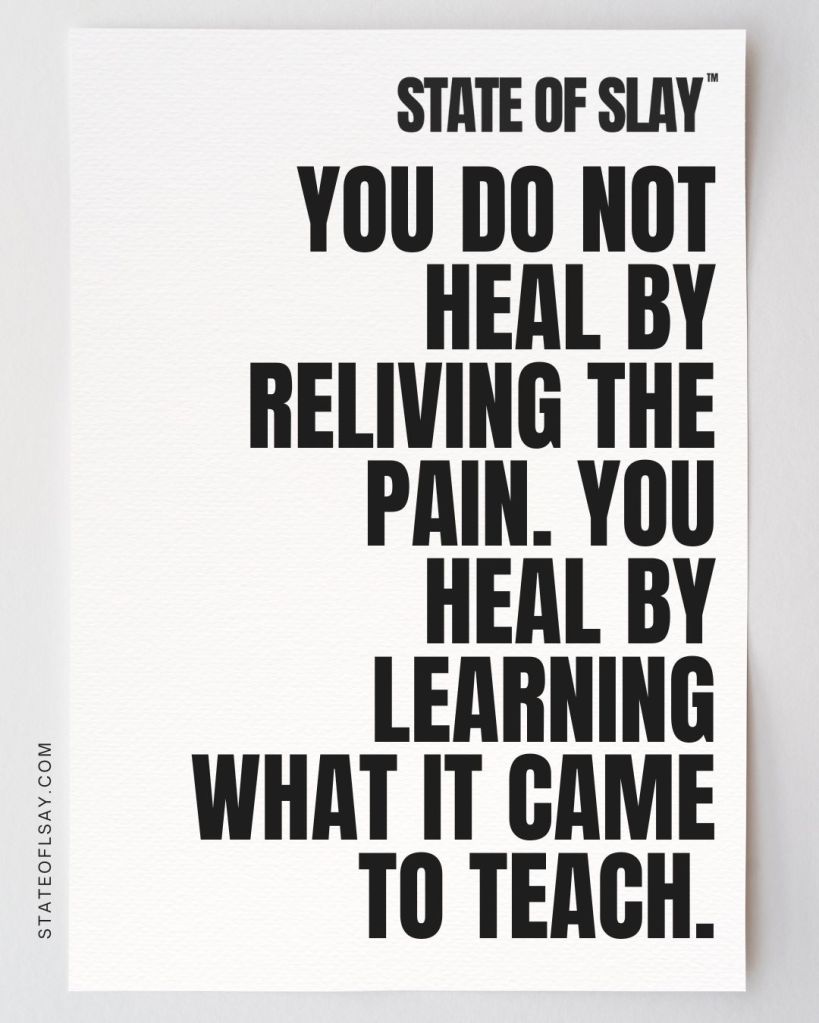
Learning to Love the Thing You Wish Hadn’t Happened

There are moments in life that split time in two.

There’s before it happened.
And there’s after it happened.

And sometimes, that “it” is something you would give anything to erase. A betrayal. A loss. A mistake. A failure. Something that shook you so deeply that, even years later, you still catch yourself saying, “If only that had never happened…”

I’ve been there. More than once.

For a long time, I believed the only way to be truly happy again was to go back—back to the way things were before the pain, before the fallout, before the day that changed everything. But the truth is, there is no going back. There’s only forward. And learning to move forward doesn’t mean pretending it didn’t hurt, or even pretending you’re glad it happened.

It means learning to love what it taught you.

It means finding peace in the fact that this unwanted thing—this thing you thought would break you—has also shaped you into the version of yourself you are now.


The Lie We Tell Ourselves About “If Only”

When something painful happens, our minds get stuck in loops. We replay conversations. We imagine different choices. We rewrite endings that never came.

It’s a way of bargaining with reality: If only it hadn’t happened, I’d be happier. If only it hadn’t happened, I’d be whole.

But here’s the truth no one wants to admit—those loops keep us chained to the very thing we want freedom from. Every time we run through the “if only” scenario, we hand over our present to a past we cannot change.

And if we’re not careful, we start defining ourselves by the wound instead of the healing.


What It Really Means to Love the Thing You Wish Hadn’t Happened

Loving what you wish hadn’t happened doesn’t mean excusing it, approving of it, or romanticizing pain. It’s not toxic positivity, and it’s not saying, “Everything happens for a reason” as a way to shut down your feelings.

It’s about recognizing that you did survive it. That it’s part of your story. And that by accepting it instead of resisting it, you can take back your power.

When you love what you wish hadn’t happened, you’re saying:

  • “I see what this taught me, even if I never wanted the lesson.”
  • “I won’t let this moment define my future in a way that keeps me small.”
  • “I can carry this with me without letting it weigh me down.”

That shift—acceptance over resistance—is where freedom begins.


Turning Pain Into Purpose

If I look back at my own life, the moments I once wished away have given me some of my greatest strengths.

The heartbreak that shattered me? It taught me how to listen to my intuition.

The loss that felt unbearable? It taught me to love harder and to cherish the present.

The mistake I swore I’d never recover from? It humbled me, made me more compassionate, and connected me to people I never would have met otherwise.

When you learn to love what you wish hadn’t happened, you’re essentially mining your pain for gold. You’re pulling the wisdom from the rubble. You’re saying, “If I have to carry this, I will make sure it makes me stronger.”


Choosing to See the Gift

This is the hardest part—seeing the gift in the thing you never wanted.

Sometimes the gift isn’t obvious. It’s not wrapped neatly with a bow. It might take years before you see how something awful set the stage for something better.

But I believe this: Every wound has the potential to be the very thing that builds your wings.

That doesn’t happen automatically. It happens when you choose to look for the lessons. When you decide that your story will not end in tragedy, but in transformation.


You Don’t Have to Like It to Learn From It

There’s a misconception that acceptance means approval. It doesn’t. You can still hate what happened. You can still grieve it, still wish it had been different.

Acceptance is simply saying, “It happened. I can’t change that. But I can choose how I live with it.”

And sometimes, “living with it” means integrating it into your story in a way that honors your growth instead of your grief.


From Scar to Strength

Your pain is not who you are.

It’s part of your story, but it’s not your identity. The thing you wish hadn’t happened might always sting a little, but with time, the sting fades, and the scar becomes proof—not of what hurt you, but of what couldn’t break you.

When you reach the point where you can love that scar, when you can look at it and think, That’s where I grew the most, you’ve taken back what was stolen from you.

That’s when the thing you once wished away becomes the thing that shaped you into the person you were always meant to be.


SLAY Reflection

  1. What’s one event in your life you still wish had never happened?
  2. How has holding onto resistance kept you tied to it?
  3. What’s one strength, lesson, or relationship you have today because of it?
  4. How would your life look if you could accept it fully?
  5. What’s one small step you can take this week toward making peace with it?

S – Stop replaying the “if only” loop
L – Look for the lessons, even if they’re small
A – Accept that it’s part of your story, not all of it
Y – Yield to the growth it’s given you


Call to Action: Join the Conversation

I’d love to hear from you.
What’s one thing you wish had never happened—and how has it unexpectedly shaped you for the better?
Share your story in the comments. Let’s cheer each other on.

And if you know someone who’s stuck wishing they could erase the past, send this to them.
Sometimes, all we need is a nudge.

It’s Not The Pain That Helps Us Grow, It’s Our Response To It

Before I stepped onto this path, I walked through a lot of pain.

Not gracefully.
Not reflectively.
More like a storm spinning out of control—reactive, destructive, and exhausting.

I told myself, and was often told by others, that the pain was making me stronger. That suffering was proof of growth. That endurance alone was somehow building character.

But looking back, I can see the truth much more clearly now:

The pain wasn’t strengthening me.
My response to it was weakening me.

And in many cases, I was the source of my own pain.

That realization wasn’t comfortable—but it was freeing. Because it showed me that growth was never about how much pain I endured. It was about what I did after the pain showed up.


Pain Is Inevitable Suffering Is Optional

Pain is part of being human.

We get hurt.
We get disappointed.
We get blindsided—sometimes by others, sometimes by life itself.

But pain alone doesn’t create growth.

Pain without awareness creates repetition.
Pain without reflection creates cycles.
Pain without honesty keeps us stuck.

What determines growth isn’t the pain itself—it’s whether we react from old wounds or respond with clarity.

And there is always a choice.


Reaction Keeps Us Stuck Response Moves Us Forward

There’s a difference between reacting and responding.

Reaction is impulsive.
It’s emotional.
It’s driven by fear, old stories, and survival patterns.

Response is intentional.
It’s grounded.
It’s guided by truth instead of triggers.

When I reacted to pain, I made choices that caused more pain—burning bridges, sabotaging myself, repeating patterns I swore I wanted to escape.

When pain wasn’t self-inflicted, that was where growth became possible—if I was willing to respond instead of explode.


The Myth That Pain Builds Strength

One of the most damaging stories we tell ourselves is that pain itself makes us stronger.

That belief often keeps us tolerating what we shouldn’t.
It keeps us in harmful relationships.
It keeps us justifying self-destructive behavior.

Pain doesn’t build strength.

Choices build strength.

The strength comes from what you learn.
From what you release.
From what you decide not to repeat.

The old narrative—that suffering proves worth or resilience—often keeps us returning to the same sources of harm, believing it’s “part of the process.”

It isn’t.


Getting the Facts Is How We Grow Safely

One of the core truths I return to again and again is this:
When we have the facts, we are safe.

Not the feelings.
Not the assumptions.
Not the stories shaped by past wounds.

The facts.

Looking at pain honestly—without embellishment, blame, or denial—allows us to understand its source. And once we understand the source, we gain power.

Power to choose differently.
Power to set boundaries.
Power to walk away instead of reenacting.

Pain becomes useful only when it’s investigated.


We Always Have More Control Than We Think

Here’s the part that changes everything:

We don’t control whether pain shows up—but we do control how much we let it stay.

We can:

  • Let it fester

  • Turn it into resentment

  • Use it for sympathy

  • Or learn from it and release it

Sometimes simply letting pain go is growth.

Not every wound needs a deep dive. Some lessons are learned by choosing not to engage again.

And when you’re living from self-love and honesty, destructive reactions stop feeling good. Self-sabotage loses its appeal.

Because why tear down something you’re finally learning to build?


Pain Is a Teacher Not a Home

Pain is meant to inform you—not define you.

It shows you where boundaries are needed.
It highlights what isn’t aligned.
It reveals patterns asking to be broken.

But pain is not meant to be lived in.

When you respond with curiosity instead of chaos, pain becomes data. And data leads to discernment. And discernment leads to peace.

That’s growth.


Turning Pain Into a Gift

You may have never paused to ask yourself how you typically respond to pain.

So the next time it shows up, try this:

Strip away the story.
Remove the emotional overlay.
Look at the facts.

What actually happened?
What role did you play?
What part was within your control?
What can you learn?

When you do this, pain stops being something that happens to you—and becomes something that works for you.

The greatest gift pain can offer is information.

And information, used wisely, changes everything.


SLAY Reflection

Let’s reflect, SLAYER:

S: What do you believe is the main source of pain in your life right now?
L: How much of that pain are you creating, allowing, or repeatedly engaging with?
A: When pain shows up, do you tend to react or respond—and how is that serving you?
Y: What could change if you chose to learn from pain instead of letting it control you?


Call to Action: Join the Conversation

I’d love to hear from you.
How has your response to pain shaped your growth—or where do you feel called to respond differently now?
Share your story in the comments. Let’s cheer each other on.

And if you know someone who’s stuck believing pain itself is the path, send this to them.
Sometimes, all we need is a nudge.