The Perceived Danger Of Loneliness

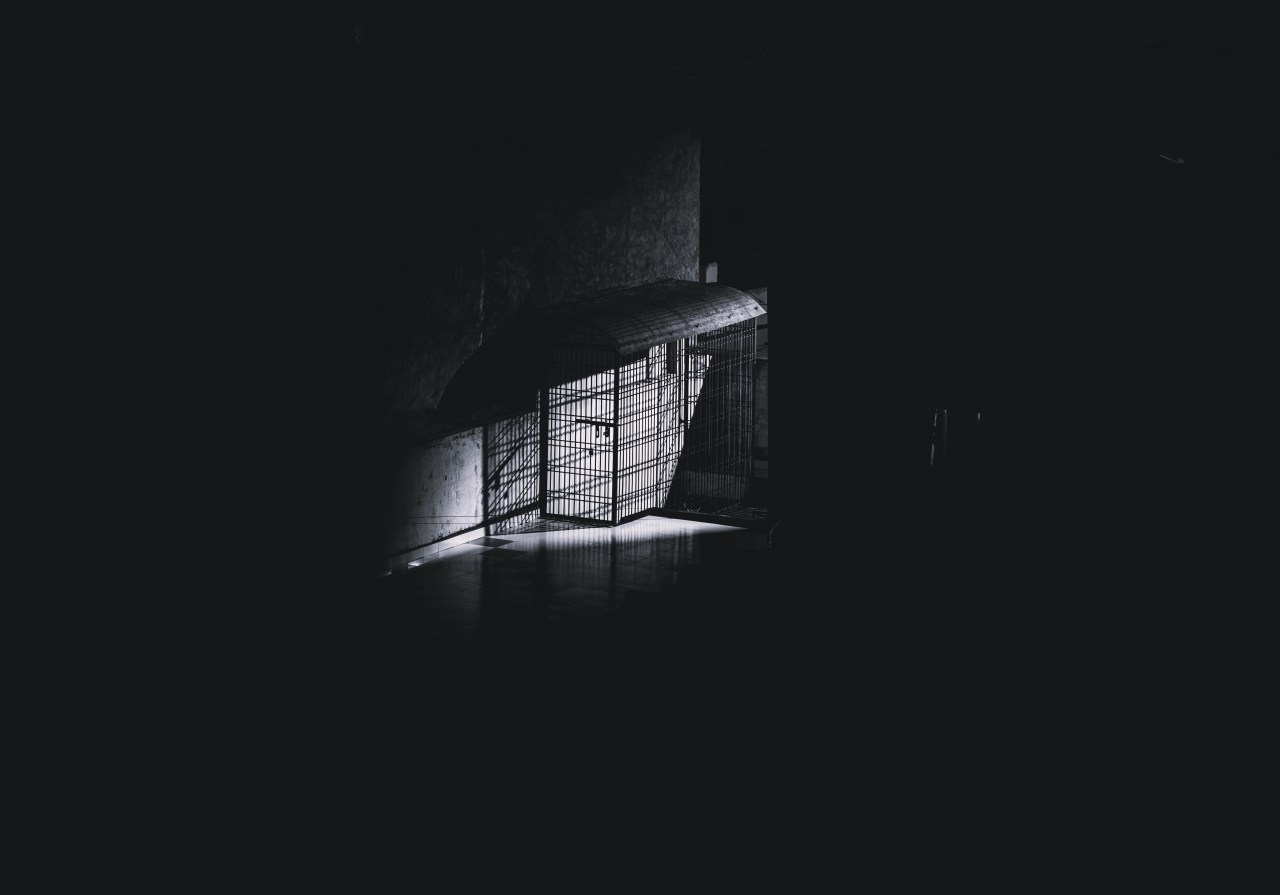
There’s a reason loneliness can feel like danger.

Centuries ago, being alone was a legitimate threat. If you were separated from your tribe, you were more vulnerable to predators and physical harm. That primal instinct still lives in us today—so when loneliness creeps in, it doesn’t always just feel sad. It can feel scary. Like we’re under attack. Like we’re in danger.

But the truth is, in most cases today, that danger is no longer external—it’s internal. And that’s why it can be so hard to recognize and even harder to break free from.


Loneliness Isn’t Just Isolation—It’s Fear

When I was living in the dark, I felt completely alone. And I did feel like I was in danger. The danger of being found out. The danger of being consumed by depression. The danger of not making it out alive. My thoughts became a battlefield, and my body was constantly in survival mode—tight, tense, panicked.

Some of that fear was justified. I was making choices that weren’t safe. But much of it was perceived—fed by my mindset and fueled by the lies I told myself about who I was and what I deserved.

And the lonelier I felt, the more danger I imagined. I convinced myself I was better off alone. That no one would understand. That I didn’t belong.
But that wasn’t true. That was just the fear talking.


The Way Out Is Connection

The moment things began to change was the moment I heard someone else’s story. Someone who had been where I was. Someone who understood the darkness. That tiny moment of connection cracked something open in me—and I found the courage to ask for help.

That help came in the form of community. Of people who weren’t perfect, but who were honest. Who shared their truths. Who didn’t try to fix me, but simply walked with me.

And that’s when the perceived danger began to dissolve. Because I wasn’t doing it alone anymore. I wasn’t in survival mode—I was in connection mode.
And connection, not isolation, is where healing begins.


You’re Not Alone (Even When It Feels Like You Are)

We are never as alone as we think we are. Even in our darkest moments. There is always someone out there who will understand—because they’ve been there too.

And when we share our truth, it connects us. It takes away the power of fear.
When we speak our loneliness out loud, we remind ourselves that we are human—and we give someone else permission to do the same.

You don’t have to suffer in silence. You don’t have to go it alone.
There is always a hand to reach for—and a voice waiting to say, “Me too.”

SLAY on.


SLAY OF THE DAY: Reflect & Rise

Do you associate loneliness with danger? And what does that danger feel like?

  • What thoughts or fears come up when you’re feeling lonely?

  • Do you tend to isolate or reach out?

  • Who can you confide in—right now, today?

  • Are you filling your loneliness with distractions or connection?

  • What’s one step you can take to reach out and remind yourself you are not alone?

Connection is the antidote to fear. And vulnerability is the path to healing.


Call to Action: Join the Conversation

I’d love to hear from you.
What has helped you move through loneliness into connection?
Share your story in the comments. Let’s cheer each other on.

And if you know someone who’s struggling in silence, send this to them.
Sometimes, the bravest thing we can do is remind someone they’re not alone.

How We Live Today Is What Will Determine Tomorrow

It’s a conversation I keep returning to—both personally and globally.

As the world continues to recalibrate, we’ve been given a rare invitation: to pause, reflect, and ask ourselves what do I want my life to look like on the other side of this? Many of us are eager to return to “normal,” but it’s worth asking—was normal really working?

When so many distractions fell away, we were left with the truth of our lives. The patterns we’d been avoiding. The cracks in our foundations. The parts we loved—and the parts we were merely surviving. Like any breakdown, there’s always a breakthrough waiting on the other side… if we’re willing to do the work.

Building a Better Tomorrow Starts Now

When I first stepped into recovery, I had to rebuild my life from the ground up. It was terrifying. The old ways—my habits, my thinking, the comforts I clung to—felt safer than the unknown. But I knew they were keeping me sick. I couldn’t build anything new while holding onto what was breaking me.

So I started small. I laid one brick at a time. I let go of what no longer served me, even when it was uncomfortable. I reminded myself that I wouldn’t get everything right—and that was okay. Each day was a step toward something stronger. Even my mistakes became blueprints for something better.

I began to understand that how I live today is what determines my tomorrow. And that realization changed everything.

This Is a Chance to Reimagine

This pause we’ve been given? It’s a gift. A chance to slow down and evaluate what truly matters. It’s not just about personal change—it’s about collective change. As we rebuild our lives, we have a powerful opportunity to decide who we want to be, how we want to live, and what kind of world we want to create.

The moments that have stood out to me most during this time aren’t the news updates or daily routines—they’re the simple acts of kindness, the community support, the honest conversations, and the reminders that we’re not alone.

We’ve seen what matters. Let’s not forget it.

Today Shapes Everything

What we choose today—how we love, how we show up, how we take care of ourselves and others—sets the tone for tomorrow. We get to decide what we keep, what we release, and what we build next.

Lay your foundation with care. Fill the cracks with truth. Strengthen your spirit with willingness and action. That’s how we grow something solid. Something beautiful. Something that lasts.

SLAY on.


SLAY OF THE DAY: Reflect & Rebuild

  • Have you used this time to evaluate your life with honesty?

  • What habits, people, or patterns do you want to leave behind?

  • What priorities have shifted for you—and why?

  • What healthy changes have felt good? What distractions are you ready to release?

  • What can you start doing today to lay a stronger foundation for the life you want tomorrow?

This moment is a powerful opportunity to build something new.
Lay it down with intention.


Call to Action: Join the Conversation
I’d love to hear from you.
What’s one change you’ve made—or are ready to make—to build a better tomorrow?
Share your story in the comments. Let’s cheer each other on.

And if you know someone who’s navigating change right now, send this their way.
Sometimes, we just need to know we’re not doing it alone.

Hope

Hope saved my life.
Not overnight, not all at once. But slowly—almost imperceptibly—it pulled me forward when I couldn’t move on my own.

It didn’t start with a grand epiphany or a lightning-bolt moment. It started with a story. Someone shared their truth with me, and in that moment, something shifted. Their honesty lit a tiny spark in the darkness I was drowning in. That spark became a lifeline.

The hope I felt wasn’t loud or bright. It was dim, shaky, barely enough to hold on to. But it was enough. Enough to make me take action. Enough to give me the belief—however fragile—that things could get better.


The Patience of Hope

We live in a world that worships instant results. We want everything now—answers, change, healing, clarity. But hope doesn’t follow a schedule. It’s not something we can demand.

Hope is about trust. Trusting that something better is possible, even when we can’t see it. It asks us to let go of the timeline we think we’re entitled to and surrender to the process of becoming.

And that’s hard. Really hard.

But hope and patience are deeply connected. When we trust in hope, we create space. We soften our grip. We stop trying to control outcomes that were never ours to dictate. Hope is not about sitting still—it’s about steady movement, one small act of faith at a time, guided by the belief that this season will not last forever.


Letting Hope Lead

There’s a difference between wishing and hoping. Wishing is passive. It keeps us stuck. Hope, on the other hand, moves us. It opens our hearts, sharpens our focus, and lifts our heads. It whispers, “Keep going.”

We’re not always asked to see the full path. Often, we’re only given the next step. Hope is what fuels us to take it. It teaches us that we don’t need to have everything figured out in order to move forward—we just need to be willing.

When we push and force, we strangle the very thing we’re hoping for. Life flows in ways we can’t always see. Hope allows us to be guided by something greater than our expectations. It gives us the strength to walk the path, even when we don’t know where it’s leading.


The Gift That Grows

Hope expands when it’s shared. That’s part of why I started this blog—to pass on the spark that was once passed on to me.

You never know who needs your light. You never know who’s one story, one smile, one reminder away from holding on just a little longer. Sharing hope doesn’t require answers or fixing someone’s pain. It only asks that we show up and say, “I see you. I’ve been there. And it can get better.”

If I hadn’t been given that kind of hope years ago, I don’t know where I’d be. But because someone shared it with me, I get to be here now, sharing it with you. That’s the cycle of healing. That’s the quiet power of hope.


Hold On to Hope—And Pass It On

Whatever you’re facing today, I want you to know that hope is still available. Even if it feels out of reach, even if all you can manage is a single breath of belief—start there.

Hope doesn’t require certainty. Just willingness. Just a little bit of faith that things can change. And when you feel it rise, even in the smallest way, share it. Hope grows when it’s given.

We’re all walking through something. We’re all holding pieces of each other’s healing. And we are never alone in that.


SLAY Reflection

Take some time to reflect and reconnect with hope:

  • S: Do you feel hopeful right now? If not, what might be dimming your light?

  • L: Who has shared hope with you in the past, and how did it impact your journey?

  • A: Have you shared hope with someone else? What did that look like, and how did it feel?

  • Y: What’s one small way you can nurture or share hope today, even if it’s just with yourself?


Call to Action: Join the Conversation

I’d love to hear from you.
What does hope look like in your life right now?
Share your story in the comments. Let’s cheer each other on.

And if you know someone who’s struggling to hold on, send this to them.
Sometimes, all we need is a nudge.

Self-Honesty

If we want to grow—really grow—there’s one non-negotiable step we can’t skip: self-honesty.
Not filtered. Not justified. Not softened for comfort. Just the raw, unfiltered truth.

For a long time, I didn’t even realize I wasn’t being honest with myself. I had an explanation for everything—why I did what I did, why it wasn’t my fault, and why I was still the one who got hurt. I wasn’t lying, I told myself—I was surviving. I genuinely believed that. I wasn’t aware of how deep my self-deception ran.

But here’s the thing about dishonesty: even when we fool others, we can never fully fool ourselves. Deep down, we know. And that knowing creates pain—a pain that grows louder the longer we run from it.


When the Lies Catch Up

Looking back, I realize how much effort it took to keep up the act. I was always spinning, justifying, defending, and denying. I wasn’t just lying to others—I was lying to myself. And even though I appeared to have control, my life was unraveling beneath the surface.

I had a story for everything, and in most versions, I was the victim. It worked—until it didn’t. Eventually, the weight of my own dishonesty caught up with me. I felt like I was being swallowed by guilt and shame, and I had to numb myself just to function.

But that small, persistent voice—the one that wouldn’t stay quiet—kept whispering the truth: You know better. You were meant for more than this.
And as much as I tried to silence that voice, it was the only part of me still fighting for the life I deserved.


The Moment That Changed Everything

The turning point came when I couldn’t run anymore. I hit a wall—a moment where the lies I’d told myself stopped working.

I was tired. I was broken. And for the first time, I was honest.

Not just with others, but with myself.

I admitted everything. The damage I’d caused. The pain I’d tried to outrun. The truth I’d buried under ego and fear. I reached out to the people I’d hurt. I owned my choices. And I made a plan to get help.

It wasn’t easy. But it was freeing.

Because the moment I took responsibility was the moment I took my power back.


The Truth Will Set You Free (But First, It’ll Break You Open)

Self-honesty is messy. It means looking at the parts of yourself you’ve tried to ignore. It means taking off the mask and seeing who’s really underneath.

And for many of us, it means accepting that we were the ones standing in our own way. That we made choices that hurt not just others, but ourselves.

But that’s also where freedom begins.

Once I saw how much of my pain was self-inflicted, I realized something powerful: If I created this mess, I can also create something better.

That truth was hard to swallow, but it was also hopeful. Because it meant I didn’t have to wait for anyone else to change. It was up to me. I had the power to break the cycle—and build something real in its place.


Self-Honesty is Self-Love in Action

We talk a lot about self-love. But the most loving thing we can do for ourselves is tell the truth—even when it’s hard. Especially when it’s hard.

Self-honesty isn’t about beating ourselves up. It’s about calling ourselves in, not calling ourselves out. It’s saying, “I know you made choices you’re not proud of. But you don’t have to keep living that story. You can change.”

And that’s what I did. I took ownership. I made amends. I learned from my mistakes. And I committed to a new way of living—one built on truth, not performance.

Was it easy? No.
Was it worth it? Absolutely.


You Can’t Heal What You Won’t Face

If something in your life isn’t working, ask yourself this:
Am I being honest about what’s really going on?

Not just honest with others. Honest with yourself.

Because if we want to live a life that feels good, not just good enough, we have to face the hard truths. We have to stop spinning stories and start taking responsibility.

It’s uncomfortable. It’s humbling. But it’s also the beginning of real change.

The life you want? It starts with telling the truth. To yourself. For yourself.


SLAY Reflection

Let’s reflect, SLAYER:

  • S: Where in your life have you been avoiding the truth?

  • L: What patterns or habits have you justified, even when you knew they were harmful?

  • A: What’s one honest conversation you need to have—with yourself or someone else?

  • Y: What would living in full self-honesty look like for you, and what would it free you to become?


Call to Action: Join the Conversation

I’d love to hear from you.
Where has self-honesty transformed your life—or where do you feel called to be more honest today?
Share your story in the comments. Let’s cheer each other on.

And if you know someone who’s struggling to face the truth, send this to them.
Sometimes, all we need is a nudge.

Adversity Shows Us Who We Are

In my journey, I’ve been through deep adversity before, and it has always shown me who I am. I haven’t always liked what I’ve seen, but I’ve come to understand that I have the power to change it.


Facing Ourselves

In our daily lives, we often fill our days with busyness—things that distract us from what we may not want to face about ourselves: our behaviors, our patterns, and the places we choose to live emotionally day after day. It’s easy to focus on other people, on places and things, and avoid the inner work that requires honesty. For much of my adult life, I did exactly that. I numbed, distracted, and ran from myself until I hit an emotional and spiritual bottom. Suddenly, I had no choice but to face who I truly was.

It wasn’t easy. I had spent so long running from my feelings and stuffing down the emotions I didn’t want to admit even existed. Looking at myself felt nearly impossible. But adversity leaves us with two choices: give up and sink deeper or choose to fight for our lives.


Surrender Is Strength

The adversity I faced with my mental health forced me into a corner. To survive, I had to surrender and ask for help. The word surrender used to feel like weakness to me. I thought it was something only people who weren’t strong did. But the moment I let go, the moment I admitted I couldn’t do it alone, was the strongest decision I ever made.

That act of surrender allowed me to take my power back. It was only the start—I had to continue to be honest about myself and my past. That honesty wasn’t always easy, but if I was ever going to build a life worth living, I had to stop hiding behind lies and half-truths. I had to commit to showing up for myself fully.


Looking in the Mirror

When the curtain is pulled back and all you’re left with is a mirror, there is no moment more humbling. I stood there and saw hate, sadness, and defeat staring back at me. But I was encouraged to find even one small good thing, one spark of light. It was hard at first, but even the smallest bit of goodness was a starting point. From there, I could begin to rebuild.

The journey from self-hatred to self-love wasn’t easy, but every step, every tear, and every hard truth was worth it. Today, I can look in the mirror with compassion and gratitude for how far I’ve come.


Adversity in the Present

Today, we face a new kind of adversity. It’s one that isn’t of our own making, but it affects every part of our lives. As we’re forced to slow down, to pause the busyness we’ve come to rely on, this adversity is holding up a mirror once again.

This time offers us the opportunity to see who we truly are. If we don’t like what we see, life is giving us a chance to change. Maybe that’s one of the greatest lessons from this pause: a reset, an opportunity to return to ourselves and realign with what really matters.

This is a time to shine—not only for ourselves but for those who need our light. It’s an invitation to reflect, to reset, and to emerge stronger and more grounded.

Are you liking what adversity is showing you? If not, it’s time to get to work.

SLAY on.


SLAY OF THE DAY

  • Have there been times in your life where adversity has shown you who you are?

  • Did you like what you saw?

  • What did you do to change that?

  • During this time of adversity, are you liking what you’re seeing?

  • What don’t you like? What can you do to change it?

  • Reflect and make some changes. Love yourself through them, and remember: we’re all walking through this together.


Call to Action: Join the Conversation

I’d love to hear from you.
What has adversity shown you about yourself, and how are you working to change or embrace that?
Share your story in the comments. Let’s cheer each other on.

And if you know someone who’s navigating their own adversity, send this to them.
Sometimes, all we need is a nudge.

Our Dark Past Is The Greatest Possession We Have

There was a time when I thought my pain would consume me. Now, I know—it shaped me. Our darkest moments hold the power to help others find light. The only question is: are you willing to share them?


The Unimaginable Becomes a Gift

When I was deep in my darkest season, I couldn’t imagine ever looking back and seeing value in it. Survival itself felt uncertain. There was no part of me that thought these experiences would one day be considered my greatest possession. But that changed.

It wasn’t until I found recovery that I started to understand. I saw firsthand how someone else’s story could offer hope. One man’s courage to speak his truth gave me the strength to try and heal mine. His vulnerability saved my life. That was the beginning of everything.


The Power of Sharing Our Story

Early on, I didn’t believe my story held any value. I thought I needed to be “further along” to help someone else. But then, someone newer than me on this path looked at my progress with awe—and I realized we all have something to offer, no matter where we are.

Whether you’re in the thick of healing or years into your journey, someone else needs to hear what you’ve lived through. You don’t need a polished narrative or a perfect ending. Just your truth. That truth might be the very thing that keeps someone else going.


Letting Go of Shame

For a long time, I only shared the highlight reel. The idea of speaking about my pain? Terrifying. I feared judgment, labels, being seen as broken. But the truth is—I was already saying worse things to myself in silence. And pretending was exhausting.

Letting go of that fear and finally sharing my truth didn’t just help others—it saved me. The freedom that came from owning my past, rather than hiding it, was life-changing. The more I opened up, the more I connected. The more I connected, the less alone I felt.


Reclaiming the Narrative

Looking back, it’s almost shocking how much has changed. My darkest chapters no longer control me—they empower me. I’ve taken responsibility, found forgiveness, and made new choices. That transformation gave me back my power.

And maybe the most beautiful part? It allowed me to receive the light of others, too. I no longer walk alone. None of us have to. We can walk together—on our own paths, side by side—with the courage to show up exactly as we are.

There’s no greater victory than turning your pain into purpose. And no greater connection than meeting someone else in theirs.

SLAY on.


SLAY Reflection

  1. Have you found meaning in your darkest moments? What did they teach you?
  2. Is there a part of your story you’re still afraid to share? Why?
  3. Has someone else’s vulnerability ever helped you heal? What impact did it have?
  4. How can you begin to turn your past into a source of light for others?
  5. What would it feel like to release shame and step fully into your truth?

S-L-A-Y:

  • Speak your truth, even if your voice shakes.
  • Let your past be a bridge, not a burden.
  • Acknowledge your growth—and honor it.
  • You can help someone else heal by being real.

Call to Action: Join the Conversation
I’d love to hear from you.
How has your dark past shaped your present strength?
Share your story in the comments. Let’s cheer each other on.

And if you know someone who’s ready to turn their pain into power, send this to them.
Sometimes, all we need is a nudge.

Nothing Fear-Based Is Real

Fear is a liar—but it’s a convincing one. I didn’t always know I was living in fear. In fact, for most of my life, I thought I was just being careful. But when I finally got honest with myself, I realized every decision I made was rooted in fear—fear of not being enough, fear of losing what I had, fear of being judged, fear of being alone.

And none of it was real.


Fear Doesn’t Live in the Present

Fear loves to play in the shadows of the past and the “what ifs” of the future. But when we ground ourselves in this moment, we realize that most of the things we’re afraid of? Aren’t actually happening.

When I finally started to live in the present, my fears—those loud, relentless voices—quieted down. They didn’t vanish overnight, but they lost their grip. Fear thrives on secrecy and silence. When I finally opened up about my truth, I wasn’t met with rejection. I was met with compassion. That was the moment I learned that fear’s power depended entirely on my willingness to believe it.


When You Speak the Truth, Fear Loses Its Voice

Fear told me that if I shared what I was going through, people would walk away. That I’d be labeled “crazy.” That no one would understand. And for a long time, I believed it.

But the moment I found the courage to speak up, something miraculous happened: no one ran. Instead, they leaned in. They listened. They helped. And in that moment, I realized: my fear had been lying to me all along.

Fear is cunning. It will dress up as protection. It will whisper old stories from the past and pretend they still apply. But when we act in contrary motion—when we move forward anyway—we take our power back.


Feel the Fear, Then Do It Anyway

Fear still shows up in my life, but now I know to ask:

  • Is this fear true right now?
  • Is this fear based on fact or just feeling?
  • Am I responding to reality or a recycled lie?

I’ve learned to breathe, to pause, and to stay present. And when fear tries to get loud again, I remind myself: “Fear kills more dreams than failure ever will.”

That’s not just a quote—it’s a truth I’ve lived.


The Power to Break Free Has Always Been Yours

There’s a difference between the fear that keeps us safe and the fear that keeps us small. The latter is what robs us of opportunity, connection, and joy. And here’s the truth: you are not powerless against it.

The more you speak your truth, the weaker fear becomes. And the more you move in spite of fear, the stronger you become. So today, choose truth over fear. Choose growth over comfort. Choose you.

Fear may knock, but it doesn’t get to live here anymore.

SLAY on.


SLAY Reflection

  1. Do you let fear control your life or stop you from going after what you want?
  2. What past situations did fear prevent you from experiencing fully?
  3. Can you identify a recent moment where fear held you back? How could you respond differently next time?
  4. When have you done something despite fear? How did that make you feel?
  5. If fear wasn’t in the driver’s seat, what would you pursue today?

S-L-A-Y:

  • See fear for what it is—a story, not a sentence.
  • Let yourself feel it, but don’t let it lead.
  • Act in spite of it.
  • You get to reclaim the pen and write a new ending.

Call to Action: Join the Conversation
I’d love to hear from you.
What’s one fear you’re ready to stop believing in today?
Share your story in the comments. Let’s cheer each other on.

And if you know someone who’s letting fear write their story, send this to them.
Sometimes, all we need is a nudge.

Guilt Is Trying To Control The Past, Fear Is Trying To Control The Future

All we have control over is the right here and now. And even then, really, we only have control over how we respond to it. Sure, we can take action to work toward a goal, or choose actions that align with our best selves, but control, in the way we often seek it, is an illusion.

When we try to control the uncontrollable, we send ourselves spinning off into a task we cannot complete. Many times, our need or want for control manifests itself in guilt and fear. We feel guilt over what we have done in the past, over words unspoken or actions not taken. We feel fear about what has yet to happen, worrying we won’t do what we should or won’t get what we want. Neither of these places is a healthy place to live.

Instead of pouring energy into trying to control what has already happened or what has yet to come, we should focus on what we can do in this given moment.


The Trap of Guilt and Fear

When I was living in the dark, I spent a lot of time in the past and the future. The present felt lonely and terrifying. Even though I found no real comfort in reliving the past or projecting into the future, it still seemed better than facing where I was.

I spent thousands of hours berating myself over past moments, decisions, and imagined better responses. I sat paralyzed with fear over what might come next. This cycle of guilt and fear kept me sick for years, until finally the present moment became too unbearable to ignore.


Learning to Stay in the Now

It took a lot of courage to sit in the present, to truly listen, to sit still, and to focus only on what was in front of me. It was deeply uncomfortable at first. My anxiety would spike. But I was told to breathe through it, to find some comfort there. It took a lot of breathing, but the breath was the key to walking through my anxious thoughts and learning to stay rooted in the here and now.

Like any new behavior, the more it is practiced, the easier it gets—leaving room for days when it still feels almost impossible. But with willingness, it’s a practice that can be strengthened.


Reflection and Awareness

Today, my mind still wanders back to the past or into the future, but I know I can’t control either. When it happens, I take note of why. Is there unfinished business? Is my mind leaping forward because I’m avoiding something in the present?

I’ve learned that I can’t control life—past, present, or future—but I can control how I respond to it. I can control the actions I take to prepare for what’s to come and the steps I take to stay true to my path today.


The Freedom of Presence

It’s easy to escape the present by dwelling on the past or fretting over the future. But doing so robs us of the moments right in front of us—the ones that deserve our respect and love.

We all have an abundance of choices each day. All we can do is the best we can in each moment. Yes, we may look back and wish we’d done things differently, but instead of guilt, we can use those lessons to guide us. When we implement those lessons in our present day, we free ourselves from unnecessary fear about the future.

All we truly have is right here, right now. The next move is yours to make—choose the one that keeps you grounded.

SLAY on.


SLAY OF THE DAY:

  • Do you tend to live in the past or future?

  • What is the result of that?

  • How does it help you? How does it harm you?

  • What keeps you from living in the present moment?

  • How can you change that?

  • What do you try to control in your life? Are you able to?

  • How does it affect you when you can’t?

  • Do you suffer from guilt or fear? How so?
    SLAYER, the action we can take is in this moment—everything else is out of our hands. Use this moment to do something your future self will thank you for.


Call to Action: Join the Conversation

I’d love to hear from you.
Do you find yourself stuck in guilt or fear? How do you bring yourself back to the present moment?
Share your story in the comments. Let’s cheer each other on.

And if you know someone who’s wrestling with guilt or fear, send this to them.
Sometimes, all we need is a nudge.

You Don’t Have To Be A Bully To Win

Choosing Strength Without Losing Yourself

There’s a moment many of us can point to — where we made ourselves smaller so someone else could feel bigger. Where we let a louder voice drown out our quieter truth. Where we convinced ourselves that the only way to keep peace, keep harmony, keep connection… was to let someone else take the spotlight or the power.

I’ve been there more times than I can count.

And for a long stretch of my life, I believed a dangerous lie:
That the only way to win was to push, dominate, or overpower.
That the world rewarded sharp edges, not steady hearts.
That kindness was weakness, and compassion was a liability.

Except… every time I tried to step into that version of “strength,” I felt like I was abandoning myself. Winning didn’t feel like winning if I had to step out of integrity to get there. It felt hollow. It felt false. It felt like I was playing a role someone else demanded of me.

It took years to understand what I know now:

The loudest person in the room isn’t the strongest — just the loudest.
Real power doesn’t need to humiliate anyone to stand tall.
And you never have to be a bully to win.


The Myth of “Hardness” as Power

So many of us grew up observing people who led with fear, not respect. Maybe it was in our home, our school, our workplace, or even our friendships. People who believed intimidation equaled leadership. People who measured their worth through dominance. People who confused cruelty with competence.

Maybe those were the people who seemed to get rewarded. They got attention. They got results. They got their way.

And somewhere along the line, we internalized the belief that:

  • If we wanted to succeed, we had to be more like them.

  • If we stayed soft, we’d get run over.

  • If we stayed compassionate, we’d get crushed.

But here’s the truth we weren’t taught:

Strength without empathy is insecurity.
Confidence without humility is ego.
Power without kindness is fear dressed as control.

None of that is leadership.
None of that is winning.
None of that is sustainable.

Power built on intimidation crumbles the moment someone refuses to be intimidated.


Kindness Is Not Weakness — It’s Precision

People often misunderstand compassion. They confuse it with people-pleasing. They mistake boundaries for cruelty and softness for passivity.

But kindness is not a lack of backbone.
Kindness is not the absence of truth.
Kindness is not silence in the face of harm.

Kindness is precision.
It’s the ability to see clearly when others act from fear.
It’s the ability to hold your shape instead of collapsing into theirs.
It’s the bravery to choose integrity even when someone else chooses force.

Kindness is strength with the volume turned down — and the clarity turned up.

Winning with kindness means:

  • You don’t betray yourself.

  • You don’t hurt others to lift yourself higher.

  • You don’t weaponize your voice or your power.

  • You don’t step outside your values to gain validation.

It means you succeed as yourself, not as a costume someone else taught you to wear.


Standing Strong Without Striking Back

There is a quiet moment — the moment between hurt and response — where we decide who we want to be.

When someone else raises their voice, throws their weight around, or tries to provoke a reaction, you get to choose:

Do you match their energy?
Or do you rise above it?

Do you let their behavior define the moment?
Or do you let your integrity define you?

Choosing not to bully back is not weakness.
Choosing not to belittle is not submission.
Choosing not to retaliate is not letting them win.

It’s choosing peace over chaos.
It’s choosing self-respect over reactivity.
It’s choosing your future over a moment of validation.

Strength isn’t proven through force — it’s proven through discipline.


Winning By Staying in Integrity

Here’s what no one tells you:

When you stop engaging in someone else’s game, they lose control of the scoreboard.

Winning without bullying looks like:

  • Setting a boundary and sticking to it.

  • Walking away from disrespect instead of debating it.

  • Saying “No” without explanation or apology.

  • Refusing to match someone else’s cruelty.

  • Choosing peace even when chaos tempts you.

  • Being confident enough not to dominate.

  • Leading by example, not intimidation.

When you choose integrity, you reclaim the power they hoped you’d abandon.

When you choose grounding, you interrupt the cycle.

When you choose compassion — for yourself and others — you create a new standard of strength.

And when you stop trying to outperform someone’s ego, you start outperforming your own past.


You Win Every Time You Don’t Become What Hurt You

What if winning isn’t about beating someone else?

What if winning is:

  • Becoming who you needed when you were younger

  • Responding instead of reacting

  • Growing instead of repeating patterns

  • Standing tall without stepping on anyone

  • Being the person who breaks generational cycles

  • Choosing softness in a world that worships hardness

What if the real victory is becoming someone you’re proud of?

Because every time you refuse to become what tried to break you, you win.

Every time you choose compassion over ego, you win.

Every time you stay rooted instead of rattled, you win.

Every time you lead with integrity, you win.

You don’t have to be a bully to win.
You just have to be brave enough to stay yourself.


SLAY Reflection

Take a moment and check in with yourself. Let these questions guide what comes next:

S — Sit With Your Truth

Where in your life have you believed you had to act harder, sharper, or louder just to be heard?

L — Look at the Pattern

Who taught you that compassion was weakness? And were they actually strong — or simply scared?

A — Align With Your Values

How can you choose strength with kindness in the next conflict or challenge?

Y — Yield to Growth

What becomes possible when you stop fighting battles that require you to betray yourself?


Call to Action: Join the Conversation

I’d love to hear from you.
When have you chosen integrity over intimidation, and how did it change the outcome?
Share your story in the comments. Let’s cheer each other on.

And if you know someone who’s trying to find their power without losing their kindness, send this to them.
Sometimes, all we need is a nudge.

Write A Letter Of Forgiveness To Your Younger Self

I was new on this path, grappling with the weight of my past—the realization of where I had ended up, the choices I had made, and the harm I had done to myself. It felt almost too much to bear.

Then someone suggested something I’ll never forget:

Write a letter of forgiveness to your younger self.


Facing the Hurt

That suggestion stopped me in my tracks. The thought of facing the harm I had done to that innocent, hopeful little girl inside me made my heart sink.

I could see her—vulnerable, full of dreams—and I had failed her. Time and time again, I had ignored her needs, tried to extinguish her light.

But I wasn’t at a point to resist anything that might help me heal. So, I picked up a pen.

I didn’t plan or overthink. I just started writing. I pictured her face and humbly asked for her forgiveness. I poured out all the ways I had let her down, all the times I ignored her worth.

The tears came, but the apology flowed.

I was told to leave nothing out—whatever I held back might keep me sick. So, I wrote it all. And then I read it aloud.

Hearing it, facing it, was hard. But that letter didn’t just end in apology. It ended in a promise: a vow to love her better, to make choices that nurtured her and honored her existence.

That letter became my compass.


Keeping the Promise

When the days were hard, when the negative self-talk got loud, it was easy to throw myself under the bus. But it was harder to throw that little girl under there with me after making her a promise.

Seeing her face in my mind pushed me to keep going. As I healed, I pictured her smiling, cheering me on.

Every milestone became a love letter back to her.

Later, I wrote another letter—to the version of me who didn’t know better, who lacked the tools or courage to navigate life in a healthy way. I apologized to her too. And in that apology, I made a commitment: to learn, to grow, to make amends by living in the light.

A Path to Freedom

These letters were powerful steps in my journey of forgiveness. They opened the door to forgiving not just myself, but others too.

But it all started with me.

We’ve all let our younger selves down. We’ve all made choices we regret, or harbored resentment for things we didn’t know or couldn’t handle at the time. Writing these letters, making those promises—they can set us free.

So get your pen, SLAYER. You may have a letter to write today.

SLAY on.


SLAY OF THE DAY: Reflect & Rise

  • Do you harbor resentment toward yourself for your past?

  • What do you resent?

  • Do you believe you knew better or should have done better? How?

  • Do you look back and feel like you failed your younger self? In what ways?

  • What can you do today to make amends for that?

  • How can you find forgiveness for yourself?

  • How can you protect and honor your younger self today?

Forgive yourself for what you didn’t know. Aim to do better today. And when the days get hard, fiercely protect that younger version of yourself—you deserve it.


Call to Action: Join the Conversation

I’d love to hear from you.
What would you say in a letter to your younger self today?
Share your story in the comments. Let’s support each other’s healing journey.

And if you know someone who’s been hard on themselves, send this to them.
Sometimes, all it takes is knowing we’re not alone.