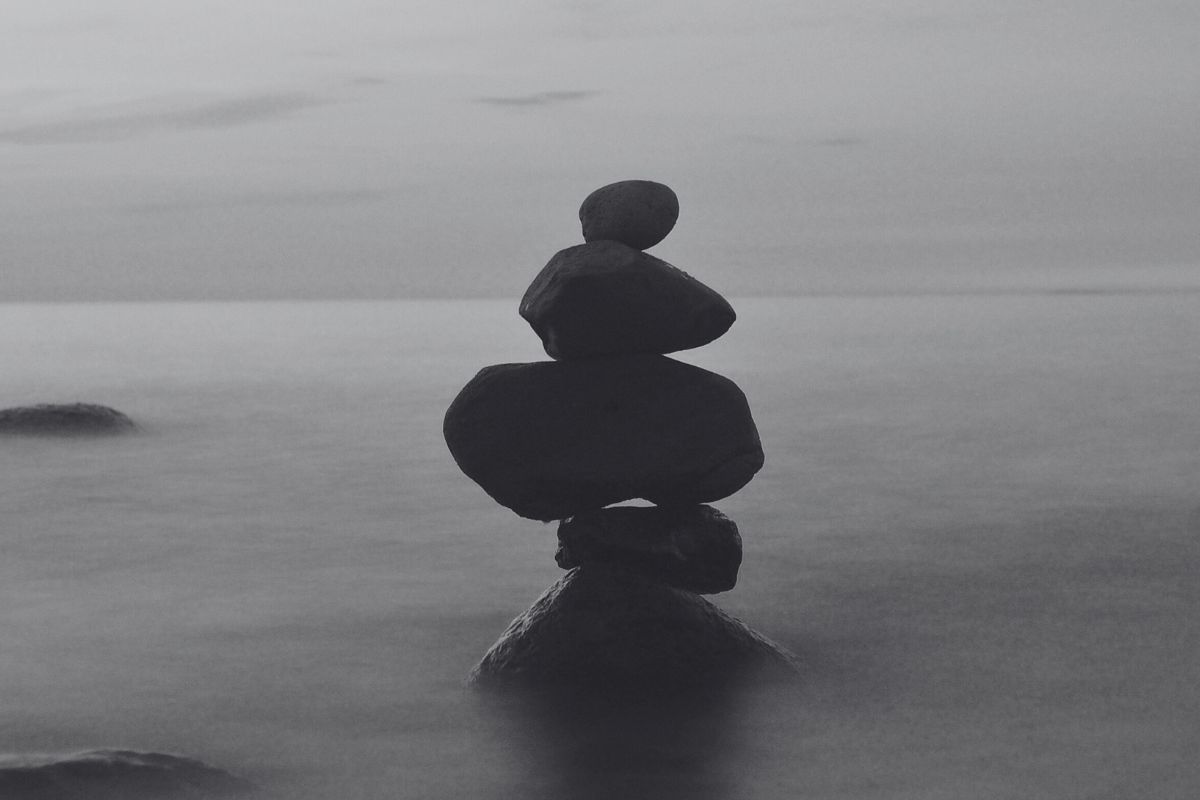
Perspective is a powerful thing. It shapes how we interpret events, understand other people, and navigate the world around us.
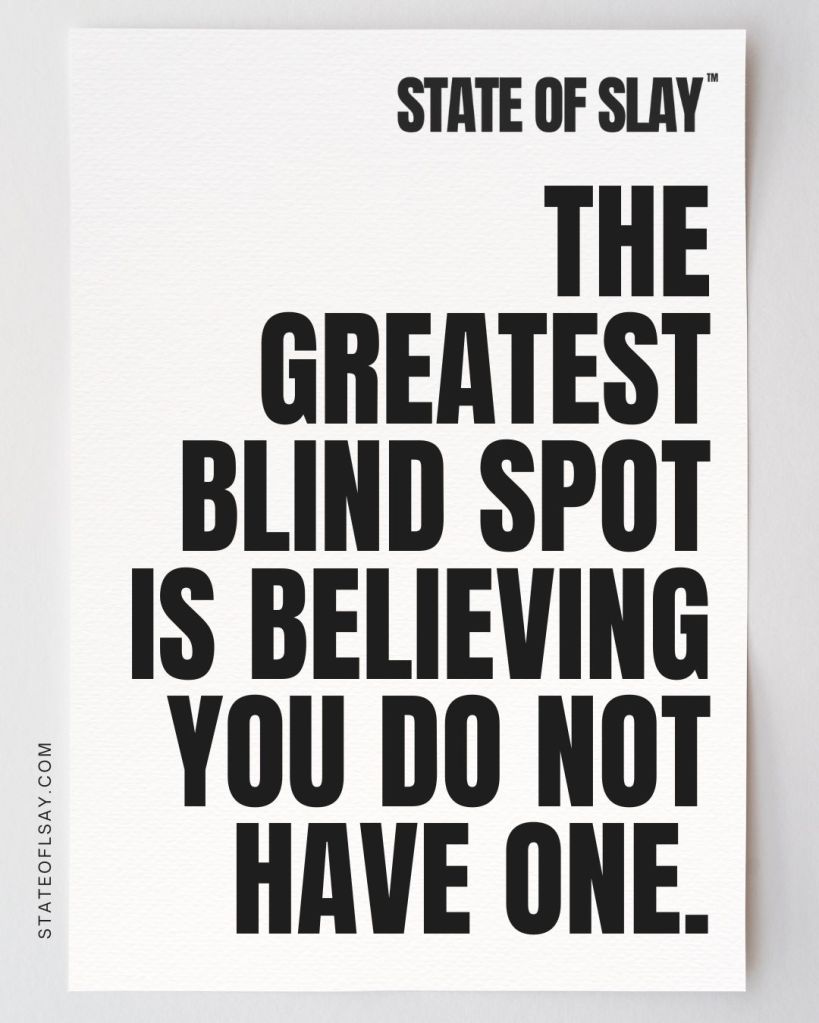
But perspective can also quietly become a limitation when we begin to treat it as the complete picture rather than just one angle of a much larger reality.
Every person carries experiences, assumptions, and beliefs that influence how they see the world. Those influences are not inherently wrong, but they can become dangerous when we stop questioning them or refuse to consider that someone else may see something we cannot.
Growth often begins with humility. The willingness to pause, listen, and recognize that our view may not capture the full truth can open the door to deeper understanding and stronger relationships.
This is your reminder that wisdom is not found in believing we see everything clearly, but in recognizing that our vision will always have edges.
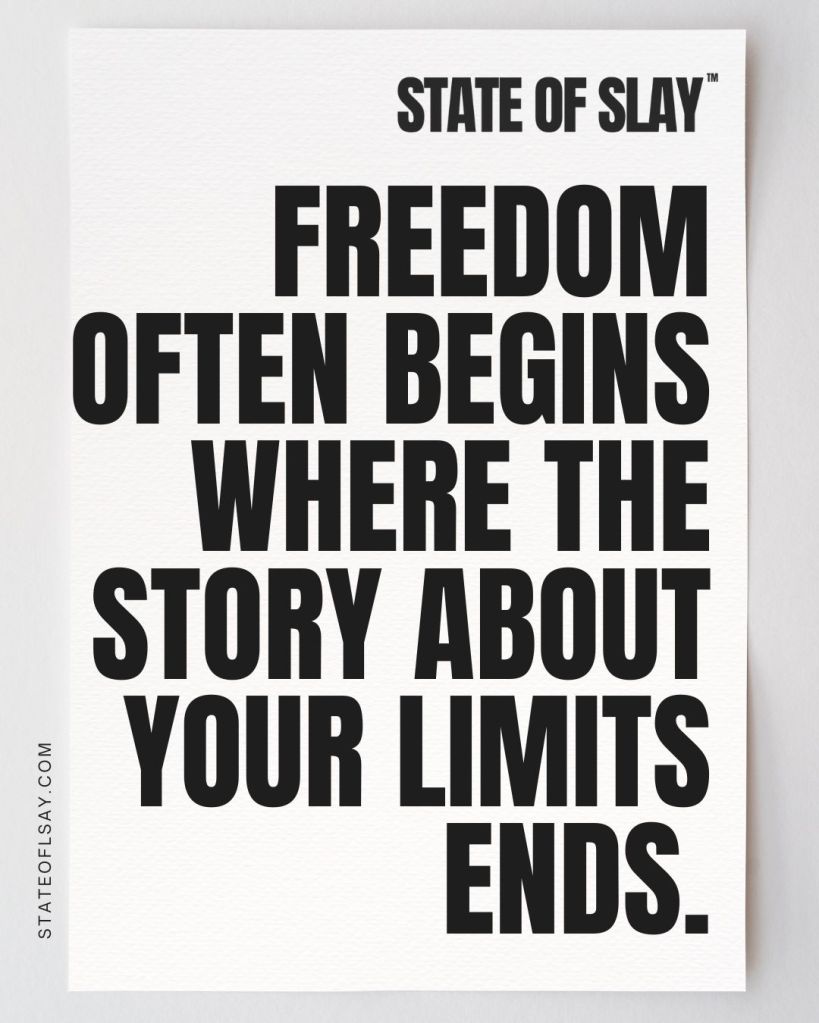
Sometimes what feels like a limitation is actually just a story we have been repeating for so long that it begins to feel permanent.
Many of the boundaries we believe in were shaped by old expectations, past experiences, or the voices of people who never imagined a different path for us. Over time, those ideas can quietly become rules we never agreed to but continue to live by.
Growth often begins the moment we question those assumptions. When we allow ourselves to look at life with a fresh perspective, we realize that what once looked like a fixed wall may have been a door we simply had not tried to open yet.
This is your reminder to reconsider the limits you may have accepted without question, and to explore what becomes possible when you give yourself permission to see beyond them.
So much of what weighs on you happens quietly, internally. The second-guessing. The overthinking. The fear that you’re being watched, measured, judged.
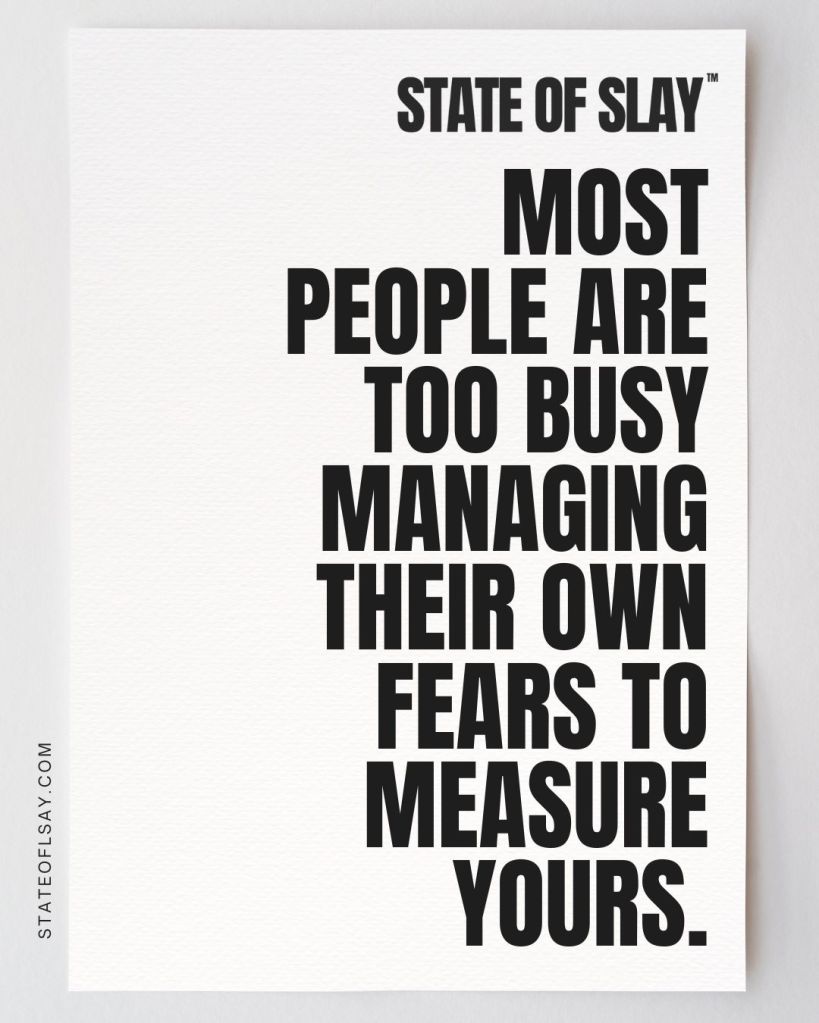
But most of that pressure isn’t real — it’s imagined. It’s the mind looping through worries that no one else is replaying. While you’re dissecting every move, most people are navigating their own uncertainties, carrying their own doubts, and trying to find their footing too.
You don’t need to be flawless to move forward. You don’t need to shrink to stay safe. You don’t need to carry a spotlight that isn’t actually on you.
Freedom begins when you stop living as if you’re being graded — and start living as if you’re allowed to learn.
This is your reminder to release the unnecessary weight you’re carrying and move with more ease, more grace, and far less fear.
Reality isn’t just one thing. It’s not all light. It’s not all dark. It lives in the in-between—where truth, growth, and resilience are found.
Sometimes, especially when the world feels heavy, we lean into one side more than the other. We might cling to the positive and avoid anything unpleasant. Or we might become so focused on the negative that we lose sight of anything good at all.
But true clarity comes from being able to hold both sides— To acknowledge what’s difficult while still seeking what’s beautiful.
When Reality Felt Like a Trap
When I was deep in my illness, the word “reality” felt like a punishment. I wanted to escape it as much as possible. So I did—by distraction, by denial, by diving into anything that gave me a quick fix of false peace.
Substances, shopping, friendships, exercise—whatever would pull me away from the darkness I was living in. But the darkness always found its way back in. Because I wasn’t looking at life clearly. I was stuck in a one-lens view of the world—and that view was grim.
Even when something good happened, I didn’t trust it. I expected it to be taken away. And in that fear, I would sabotage the very light I craved.
I thought life was cruel. But in truth, I was stuck in a loop of my own perspective.
The Shift Begins with Perspective
When I made the commitment to seek help, one of the biggest lessons I had to learn was this:
Life is both beautiful and brutal. It contains joy and pain. Peace and discomfort. Light and shadow.
If I wanted to heal, I couldn’t keep turning away from the parts I didn’t want to see. I had to look at life for what it was—and stop trying to control it through avoidance or fantasy.
One of my mentors compared life to the ocean—always ebbing and flowing. Sometimes calm, sometimes crashing, but never still. Even the moments that feel still are part of the movement.
That metaphor saved me. Because it reminded me that hard times do pass. And the good times don’t need to be clung to—they’re part of a rhythm.
I didn’t need to hide from reality. I needed to learn how to ride the waves.
Balance is Where Power Lives
It’s easy to fall into extremes. To live in denial and pretend everything is fine. Or to spiral into the darkness and believe everything is falling apart.
But when we live in one extreme, we lose our power. We stop making intentional choices. We stop growing.
Reality, in its most honest form, gives us space to do something. To help others. To show up for ourselves. To feel our feelings, without letting them control us. To face what’s hard and still reach for what’s good.
It’s not about pretending everything is fine. And it’s not about assuming it never will be.
It’s about finding the balance between the grim and the pleasant— and choosing to live with eyes open and a heart that stays willing.
SLAY Reflection: How Do You See the World?
Do you tend to view life through only one lens—either the positive or the negative? Which one do you default to?
How has that perspective affected your emotional or spiritual well-being? What have you gained—or lost—by living that way?
What makes it uncomfortable to see both sides of reality? Where do you feel resistance?
What would it look like to live in the in-between more often? How could that help you make more grounded decisions?
How can you honor both your challenges and your joy this week? What small shift could move you toward balance?
Call to Action: Join the Conversation
I’d love to hear from you. What’s one way you’ve learned to live in the balance between the difficult and the beautiful—and how has it changed your relationship with reality? Share your story in the comments. Let’s cheer each other on.
And if you know someone who’s struggling to stay centered in uncertain times, send this to them. Sometimes, all we need is a nudge.
On the hard days—when we feel lost, stuck, or like we’re not where we think we should be—it can be hard to see our own progress. We lose sight of the blessings. We downplay our growth. We focus on what’s missing instead of what’s already here.
But the truth is, someone out there is praying for what you have right now.
Even if it feels small to you. Even if you’re struggling. Even if today doesn’t feel like a victory.
To someone else, your “hard day” might look like a dream come true.
Prefer to listen? The Audio Blog version is available here.
Gratitude Lives in Perspective
Not long ago, I was sitting with a group of women I see regularly. One of them was sharing how far she’s come over the last three years, and she said something that stopped me in my tracks:
“On the days I feel low, I remind myself—there’s someone out there praying for what I have right now.”
That. That’s the perspective shift.
Even when we don’t feel our best. Even when things aren’t perfect. Even when we feel behind or broken or unsure—there’s someone out there who would give anything to be where we are.
Your Journey Is Worth Honoring
Everyone’s path is different. No two stories are the same. But most of us tend to minimize our own milestones, especially on the darker days. We often see our blessings last, long after others have already noticed the light within us.
But that doesn’t mean they’re not there. You’ve come a long way—even if today doesn’t feel like it.
There were times in my life when I would have given anything to have the life I have now… even on my hardest day. I know what it’s like to feel like every day is a worst day. But I also know what it’s like to come through the other side—and forget, for a moment, just how far I’ve traveled.
That’s why I share my story. That’s why I speak about mental health and addiction. Because it reminds me—and others—that our stories matter. That our journeys aren’t over. And that someone out there might be waiting to hear exactly what we’ve been through so they can find their way forward.
Your Bad Day Might Be Someone Else’s Breakthrough
We’re all allowed to have our feelings. We’re allowed to be frustrated, tired, or sad. But we can also hold those feelings alongside a deep awareness of how much good exists around us.
There are people out there who would give anything for what we might take for granted. And that’s not about guilt—it’s about gratitude.
Gratitude grounds us.
It reminds us that we’ve already come through so much.
It keeps us humble.
And it helps us serve others from a place of truth, not perfection.
So even on the days when it’s hard to see the light—know that you are the light. And someone is praying for the glow you don’t even realize you have.
SLAY OF THE DAY: Reflect & Rise
Are you focusing more on what you lack—or what you’ve already overcome?
Do you recognize the good in your life, or does your mind lean toward the negative?
What blessings do you have now that you once prayed for?
When was the last time you acknowledged how far you’ve come?
What steps have you taken to be where you are today?
How can you use gratitude to fuel your growth?
Your path has power. And your progress is worth celebrating—even on the hard days.
Call to Action: Join the Conversation
I’d love to hear from you. What’s something you have today that you once dreamed of having?
Share your story in the comments. Let’s cheer each other on.
And if you know someone who’s feeling stuck, send this to them.
Sometimes, all we need is a reminder of how far we’ve already come.
There’s a danger in looking inward too much—when your world becomes a mirror that shows only your problems, your pain, your fears. That’s what it means to be a navel gazer: constantly watching yourself, magnifying your flaws, and forgetting there’s a wider world that offers both perspective and relief.
But when we only gaze inward, we isolate ourselves from life, community, and meaning. We inflate our burdens and lose sight of the beauty around us. The antidote? Turn your gaze outward. Let your life breathe again in connection, contribution, and service.
Prefer to listen? The Audio Blog version is available here.
The Mirage of Self-Focus
When you’re stuck in your head, every error feels fatal. Every criticism feels crushing. Every setback feels permanent. You spin—overthinking, replaying, analyzing—until your problems look like monsters.
I’ve been there. Trying to figure everything out before I moved, second-guessing every emotion, judging myself for what I felt. The more I did that, the more stuck I became.
Here’s what I finally came to see: self-focus without action is just self-absorption. You can think harder, but unless your gaze shifts, nothing changes.
Looking In vs Looking Out
Looking inward has its place—it can deepen self-awareness, healing, and growth. But only when balanced with looking outward.
When we only look in, we:
Magnify small issues into crises
Drown in self-criticism
Lose touch with what really matters
Disconnect from community
When we turn outward, we:
Remember there are bigger stories than ours
Find wisdom in serving, contributing, listening
Lighten our own burdens by lifting others
Reconnect with purpose beyond ourselves
The world doesn’t need more perfect self-reflection—it needs your presence. Your light. Your gift.
From Inside Spirals to Outside Impact
The shift out of navel-gazing is not denial. It’s not pretending nothing hurts. It’s choosing when to look inward—and when to look outward.
Here’s what it looked like for me:
When pain surfaced, I wrote it out. Then I stepped outside my four walls and asked someone else how their day was.
When fear whispered, I visited someone I knew needed encouragement—and I encouraged them.
When shame rolled in, I shared a fragment of truth with a trusted friend—I turned inward language into outward connection.
I found that the more I did that, the less power my internal spirals had. The more I engaged in life, the smaller my worries seemed in comparison to what we could create together.
Step Outside Your Gaze
You don’t have to live life wrapped up in your own thoughts. Here are ways to shift your gaze outward, even when you feel pulled inward:
Serve Someone Every Day Small acts—listening, encouraging, volunteering—remind you that your struggles are not the whole world.
Ask Questions, Then Listen Ask someone else’s story, their fears, their joys. Let their story expand your soul.
Join a Cause or Community Be part of something bigger than yourself. Let your life connect with people, not isolate.
Practice Gratitude Scans Each day, list 3 things you see outside of you that bring joy—sunlight, a smile, a bird’s song.
Pause the Mirror Time When your thoughts spiral inward, pause and redirect—with kindness—to what’s outside: a walk, a view, a voice, a touch.
What Happens When You Look Out
When you step out of the spiral of navel gazing, something beautiful begins:
Problems shrink. They don’t disappear, but they feel less overwhelming.
You find solutions in unexpected places—through others, through service, through connection.
You reclaim your place in life’s big story. You aren’t just a spectator—you’re a participant.
You step into joy less burdened by the weight of your internal drama.
You begin to see that your life isn’t about solving every internal fault—it’s about living, with heart, with impact, with connection.
SLAY Reflection
How often do you find yourself trapped in your own thoughts or problems?
What costs you when you stay inward too long—peace? energy? relationships?
What is one small act you can do today to shift your gaze outward?
Who in your circle might need your presence, support, or listening?
How might your life change when you stop magnifying your worries and start magnifying your service?
S – Stop spiraling inward without purpose L – Look outward and engage with the world around you A – Act small, act kind, act beyond yourself Y – Yield your focus to meaning beyond your mind
Call to Action: Join the Conversation
I’d love to hear from you. Have you ever caught yourself overthinking or turning inward too much—and what helped you shift your focus outward again? Share your story in the comments. Let’s cheer each other on.
And if you know someone who’s feeling stuck in their own head, send this to them. Sometimes, all we need is a reminder to lift our gaze and reconnect with the world around us.