There are seasons when the world is quiet around you. When your progress goes unseen, your efforts go unrecognized, and the path you are on makes sense only to you.
In those moments, doubt grows loud. It whispers that if no one else understands the vision, maybe you should stop believing in it too.
But this is where inner strength is built— not in applause, not in validation, but in choosing to trust your direction even when you are walking it alone.
Your growth does not require recognition. Your purpose does not need an audience. Your next chapter is being shaped in silence long before anyone else notices the shift.
This is your reminder: The path is still leading you somewhere meaningful, even when only you can see it.
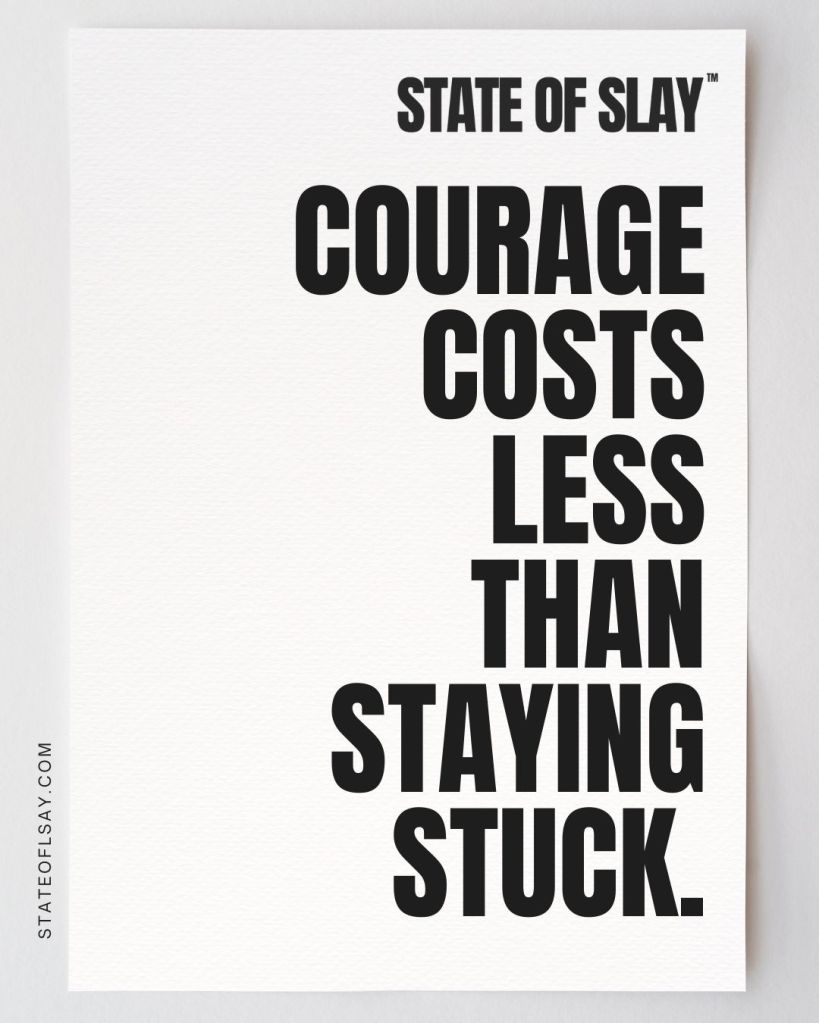
There’s a moment — quiet, subtle, easy to miss — when your life begins to shift. It’s the moment you finally stop pretending you already know. The moment you stop running from the truth. The moment you decide that not knowing is no longer scarier than staying stuck.
That moment is a question.
We don’t talk enough about how much courage it takes to ask one. Because asking a real, honest, soul-level question isn’t just seeking information — it’s opening a door you can’t close again. It’s admitting you want something different. It’s acknowledging that what you’ve been doing is no longer enough.
And for many of us, that is the hardest step of all.
Why We Fear the Questions We Need to Ask
We fear the answers, yes — but often, we fear the asking even more.
Because asking a question means:
I might hear something I don’t want to hear.
I might have to change.
I might be seen.
I might learn the truth.
So we avoid it. We distract ourselves. We pretend we’re fine. We convince ourselves we already know how it will go.
But avoidance is its own kind of prison. And silence is its own kind of answer.
When we refuse to ask the questions that could heal us, save us, free us, or grow us, we stay stuck in a life that feels too small for who we are becoming.
The Questions That Change Everything
Real transformation doesn’t come from having all the answers. It comes from being willing to ask the uncomfortable questions — the ones that scrape at the truth.
Questions like:
What am I afraid to admit?
What is this really about?
What am I pretending not to know?
What do I need?
What would I choose if I believed I deserved better?
These are the questions that crack things open. These are the questions that stop the cycle. These are the questions that begin your becoming.
And yes — they require courage. But courage isn’t the absence of fear. Courage is asking the question while your voice trembles.
Answers Don’t Arrive Without an Invitation
There’s a spiritual truth that I learned early in my healing journey:
You cannot receive answers to questions you’re too afraid to ask.
Life will not force clarity on you. Healing will not push its way in. Growth will not drag you forward.
You have to invite it.
You have to ask:
Why does this pattern keep repeating?
What part of me still needs to be healed?
What is this trying to teach me?
When you ask the question, the universe, your intuition, your higher self — whatever language you use — finally has somewhere to deliver the answer.
Asking the question is the knock on the door. The answer is what steps through.
Bravery Looks Like Curiosity, Not Certainty
We think bravery requires confidence. But most of the bravery in my life came in moments where I didn’t feel certain at all.
Bravery looked like:
sitting with someone and saying, “I don’t know how to fix this — can we talk?”
looking in the mirror and whispering, “Why do I keep hurting myself this way?”
asking for help long before I believed I deserved it
admitting I didn’t have control — and never really did
Questions are not weakness. Questions are self-respect. Questions are the beginning of wisdom.
The bravest people I know aren’t the ones with the answers — they’re the ones willing to keep asking.
You Deserve the Life That Lives Beyond the Question
There is a version of you waiting on the other side of one brave question.
A more grounded you. A more peaceful you. A more aligned, self-aware, self-honoring you.
But you cannot reach her — cannot step into her — if you’re unwilling to ask what needs to be asked.
Whether it’s a question about love, healing, boundaries, forgiveness, purpose, or truth, your life expands the moment you become brave enough to be curious.
Asking the question doesn’t guarantee the answer will be easy. But not asking guarantees nothing will change.
SLAYER, don’t let fear keep you from the clarity that could change your entire life.
Ask. Be curious. Be brave.
Your answers are waiting.
SLAY Reflection
What important question have you been avoiding — and why?
What fear shows up when you imagine asking it?
How might your life shift if you allowed yourself to seek clarity?
What question could help you break a repeating pattern in your life?
What small act of courage can you take this week to open the door to the answers you need?
S – Seek clarity instead of avoiding discomfort
L – Let curiosity lead you toward truth
A – Ask bravely, even when you’re afraid
Y – Yield to the wisdom that arrives when you open the door
Call to Action: Join the Conversation
I’d love to hear from you. What question are you finally brave enough to ask yourself? Share your story in the comments. Let’s cheer each other on.
And if you know someone who’s been afraid to seek the truth, send this to them. Sometimes, the right question is the beginning of a new life.
We all have goals that call us forward— dreams, changes, next chapters that ask more of us than staying where we feel safe.
But it’s impossible to move into what’s next while giving your energy to what’s already behind you. You can’t grow while tending to the comfort of what’s familiar. You can’t step into opportunity while replaying what held you back.
Progress doesn’t happen in the places where you stay small. It happens in the stretch— in the risks you take, in the habits you break, in the willingness to do the thing you’ve avoided because it feels big.
Your goals aren’t waiting for you to perfect your past. They’re waiting for you to stop living in it.
This is your reminder: You move forward the moment you choose growth over comfort.
There’s a moment we all face at some point in our lives — that split second where we know the truth, feel the truth, and can almost hear it knocking inside us… yet we swallow it, push it aside, or cover it with something easier. Something softer. Something far more convenient.
A convenient lie.
Convenient lies are seductive. They shield us from discomfort, delay accountability, and let us stay exactly where we are. They keep the peace — temporarily. They protect our reputation — superficially. They protect our ego — momentarily. But they never move us forward.
The inconvenient truth, on the other hand, doesn’t care about comfort. It doesn’t soften its edges to make the landing easier. It shows up as it is — raw, revealing, and sometimes painful. But it is always the doorway to freedom.
And this is the paradox: Lies keep us safe in the moment. Truth keeps us free in our lives.
Learning to choose the inconvenient truth over the convenient lie is one of the most defining acts of emotional maturity we will ever face.
Prefer to listen? The Audio Blog version is available here.
Why We Choose the Convenient Lie
Let’s be honest — most lies don’t come from cruelty. They come from fear.
Fear of hurting someone. Fear of looking bad. Fear of disappointing others. Fear of disappointing ourselves. Fear of consequences. Fear of change.
For years, I leaned on convenient lies because the truth felt overwhelming. It meant confronting who I had become. It meant taking responsibility. It meant letting go of people, habits, or patterns that once kept me afloat.
Convenient lies feel like cushions. Inconvenient truths feel like cliffs.
But here’s the thing: Cushions can suffocate you just as quickly as cliffs can scare you.
Convenient lies delay pain, but they guarantee suffering.
The High Cost of Avoiding the Truth
When you bend, blur, or bury the truth, you pay for it in ways you don’t always see right away.
The cost shows up later as:
anxiety you can’t explain
guilt that follows you into bed
shame that sticks to your skin
relationships built on uneven ground
resentment that grows each time you betray your own integrity
a life that doesn’t feel like yours
Convenient lies feel like relief… until they don’t.
Because every time you avoid the truth, you abandon a piece of yourself. And eventually, those pieces add up.
The Inconvenient Truth: A Pathway to Freedom
Telling the truth has consequences. That’s why it scares us.
But so does hiding it.
The difference is that truth gives you your life back.
The inconvenient truth does not destroy you — it reveals you. It strips away illusion, denial, fantasy, and projection. It brings you back into alignment with yourself. It allows you to grow.
It is inconvenient because it demands clarity, responsibility, ownership, and sometimes painful self-awareness. But it also gives you something no lie ever could:
Peace.
The kind of peace you don’t need to earn. The kind of peace you don’t need to protect. The kind of peace that only comes from living in integrity.
Truth Doesn’t Hurt as Much as Staying in What Isn’t True
We’ve all been taught that “the truth hurts.” But the truth doesn’t hurt nearly as much as living a lie — especially a lie you tell yourself.
The lie says: “If I tell the truth, I’ll lose them.” The truth says: “If you have to lie to keep someone, you’ve already lost them.”
The lie says: “If I ignore it, it will go away.” The truth says: “What you avoid controls you.”
The lie says: “It’s not the right time to face this.” The truth says: “There is no right time — only now.”
Truth invites you into reality — and reality, even when painful, is where healing lives.
Being Honest With Yourself Is the Hardest Part
You cannot offer truth to others if you refuse to sit with it yourself.
Some of the hardest truths I’ve ever faced were not the conversations I had with other people — but the ones I had alone at night, staring at my reflection and realizing:
I had lied to myself about what I could handle. I had lied to myself about who someone really was. I had lied to myself about what I deserved. I had lied to myself about my patterns and intentions. I had lied to myself to stay comfortable.
Those truths were inconvenient. They were painful. But they were transformational.
Self-honesty is the birthplace of self-respect.
How to Choose Truth When the Lie Feels Easier
Here are practices that help you step into honesty with courage:
1. Sit with discomfort instead of escaping it.
Discomfort isn’t danger — it’s data.
2. Notice when you rationalize.
Any sentence that starts with “It’s no big deal” or “It doesn’t matter” is a clue.
3. Ask yourself: “What am I afraid will happen if I tell the truth?”
Your answer is where the work begins.
4. Practice micro-honesty.
Small truths make room for bigger ones.
5. Let go of outcomes.
Your job is to tell the truth — not control what happens after.
Truth is not the burden. Carrying the lie is.
Choosing Truth Is Choosing Yourself
At the end of the day, choosing the inconvenient truth means choosing yourself — your integrity, your peace, your inner alignment.
When you tell the truth, you stop betraying yourself for temporary comfort.
You start building a life that can actually hold you.
A life that doesn’t require performance, pretending, or self-betrayal.
A life rooted in the most powerful thing of all:
Authenticity.
And that, SLAYER, is where your freedom lives.
SLAY Reflection
Where in your life are you choosing convenience over truth?
What are you afraid will happen if you tell the truth — and is that fear rooted in reality?
What truth have you been avoiding that feels heavy in your body?
How has hiding the truth kept you stuck or small?
What would choosing truth make possible for you?
S – See where you’ve been hiding behind convenience
L – Let truth guide your healing, even when it’s hard
A – Accept discomfort as part of growth
Y – Yield to honesty and reclaim your peace
Call to Action: Join the Conversation
I’d love to hear from you. What inconvenient truth did you finally face — and how did it change your life? Share your story in the comments. Let’s cheer each other on.
And if you know someone who’s stuck in a convenient lie, send this to them. Sometimes, the truth someone’s avoiding is the truth they most need to hear.
You discover who you are the moment you stop auditioning for acceptance.
We learn to shape-shift early. To fit the room. To earn approval. To become what makes others comfortable—even if it costs us pieces of ourselves.
But there comes a moment when the performance gets too heavy. When pretending feels louder than truth. When the mask you’ve been holding starts to slip… and underneath it is the version of you that’s been waiting for air.
Real identity isn’t found in perfection or presentation. It’s found in the quiet courage to show up as yourself—without shrinking, without apologizing, without molding your worth around someone else’s gaze.
Stepping out of the role others expect isn’t rebellion. It’s alignment. It’s freedom. It’s the first step toward a life that finally fits.
This is your reminder: You don’t need to audition for a role that was already yours.
There’s a moment in healing that feels like a crossroads. You’ve done the work. You’ve cried the tears. You’ve processed the pain. And you finally arrive at forgiveness — not to excuse what was done, but to release what it did to you.
But then comes the question that catches so many of us off guard:
Does forgiving someone mean they get to come back?
For years, I thought the answer was yes.
I believed forgiveness meant reconciliation. I believed healing meant returning to the way things were. I believed I had to reopen the door simply because I had released the hurt.
But with time, experience, heartbreak, boundary-setting, and a few painfully earned lessons, I learned the truth:
You can forgive someone and still deny them access to you. Forgiveness is a gift you give yourself. Access is a privilege they have to earn.
Those two things are not the same.
Forgiveness Isn’t a Free Pass
Forgiveness is often misunderstood. Many people think it means:
“We’re good now.”
“It wasn’t that bad.”
“Let’s forget it happened.”
“The relationship should go back to normal.”
But forgiveness does not rewrite history. It does not minimize harm. It does not pretend you weren’t hurt.
Forgiveness simply means: “I’m releasing the emotional hold this has on me.”
It’s internal. It’s personal. It’s sacred.
Forgiveness is about you finding peace — not about making someone else comfortable.
You can forgive someone and still say:
“I no longer trust you.”
“Your behavior hasn’t changed.”
“My boundaries matter.”
“This relationship is not safe for me.”
“I choose to love myself enough to step away.”
And every one of those statements can exist perfectly alongside forgiveness.
Access Requires Accountability
Here’s the part most people don’t understand:
Forgiveness is unconditional. Access is not.
Access requires:
Changed behavior
Accountability
Consistency
Respect
Emotional safety
Mutual effort
If someone wants a place in your life, their actions should reflect it. Their words should align with their behavior. Their presence should feel safe, not draining. Their energy should add, not take.
You don’t deny access out of spite. You deny access because your peace is non-negotiable.
It is not punishment. It is protection.
People who truly care about you will understand that. People who don’t will call it “overreacting” or “holding a grudge,” simply because they no longer benefit from your openness.
Forgiveness Without Reconciliation Is Still Forgiveness
A lot of people grew up being taught that forgiveness meant you had to:
rebuild relationships
pretend nothing happened
stay connected
be endlessly available
But that version of forgiveness keeps you trapped. It keeps you small. It keeps you in cycles of harm.
Forgiveness without reconciliation is still forgiveness. You can release resentment without reopening the door. You can wish someone well from a distance. You can send them love and keep them out of your life.
There is power in that duality:
“I forgive you. And you still don’t get access to me.”
Both can be true. Both can be healthy. Both can be healing.
Protecting Your Peace Is an Act of Self-Respect
There comes a point where you stop asking:
“Do they deserve another chance?”
And start asking:
“Does this support my peace, my growth, and my well-being?”
Sometimes the answer is yes. Sometimes it’s no. Sometimes it’s “not right now.”
And sometimes it’s “never again.”
Choosing distance is not bitterness. It’s clarity. It’s self-respect. It’s honoring the version of you who finally learned what they deserve.
There is nothing unkind about protecting your emotional, mental, or physical safety. There is nothing cruel about refusing to reenter the same cycle. There is nothing wrong with outgrowing people who continue to harm you — even if you love them.
Protecting your peace is not a betrayal of love — it’s a commitment to yourself.
Rebuilding Is a Choice, Not an Obligation
Some people will change. Some people will grow. Some people will show up differently.
And if that happens — and if you want to rebuild — that choice is yours.
But rebuilding should never come from guilt. Or pressure. Or obligation. Or fear of what other people will think.
A relationship can only be rebuilt on:
truth
accountability
honesty
change
mutual respect
time
consistency
Not empty promises or short-term effort.
You decide what access looks like. You decide what level of connection you’re open to. You decide whether the door is closed, cracked, or locked.
You don’t owe anyone an explanation. Your healing is not a group decision.
Forgiveness Sets You Free — Not Them
One of the most liberating things you’ll ever learn is this:
Forgiveness is not for them. It’s for you.
It frees your mind. It clears your heart. It releases the emotional weight tethering you to the past.
But it does not require:
returning
reconciling
reconnecting
reopening
reengaging
Your healing does not depend on the relationship surviving. Some chapters end so you can reclaim your peace. Some endings are the closure you’ve been searching for. Some boundaries are the doorway to your freedom.
Allowing someone access again is an entirely separate choice — one they must earn, not one automatically granted because you chose your own healing.
SLAY Reflection
S — Sit With Your Truth
What relationship in your life have you maintained out of obligation rather than genuine safety or connection?
L — Look at the Pattern
Have you confused forgiveness with permission in the past? What did that lead to?
A — Align With Your Values
What boundaries need to be honored for you to feel emotionally safe again?
Y — Yield to Growth
How can you release the hurt while still protecting your peace moving forward?
Call to Action: Join the Conversation
I’d love to hear from you. When have you forgiven someone but still chosen distance — and how did that decision support your healing? Share your story in the comments. Let’s cheer each other on.
And if you know someone who’s working on releasing hurt without reopening old wounds, send this to them. Sometimes, all we need is a nudge.

Not everything that blooms belongs in your garden.
We often try to nurture what no longer nourishes us—out of habit, hope, or the belief that letting go means we somehow failed. But your energy is sacred. Your peace is sacred. And anything that wilts at the first sign of your growth was never meant to stay.
Tending to your life means choosing what supports you, sustains you, and strengthens you. It means recognizing when something only grows at the expense of your well-being. And it means giving yourself permission to release what no longer deserves a place in your soil.
This is your reminder: You are allowed to protect your garden—even if that means pulling the things you once cared for.
There are people you meet who feel like they’re meant to stay forever. People you pour into, fight for, grow with, or dream alongside. And yet, despite all of that hope and history, they don’t stay. They can’t. They weren’t meant to.
It’s painful to admit that not every person who walks into your life is meant to stay in it. But there’s a deeper truth beneath that loss — some people come into your life to teach you how to let go.
Letting go is not something we’re taught. It’s something we learn the hard way. Through heartbreak. Through disappointment. Through the quiet ache of expectations that were never met. But letting go is also one of the greatest skills you will ever learn, because it frees you to live in alignment with your truth instead of your attachments.
This is a lesson that becomes clearer the farther you get from the moment you thought would break you. With time and healing, you realize: letting go wasn’t a punishment — it was preparation.
When Holding On Hurts More Than Letting Go
We often cling to people long after their role in our lives has ended. Maybe it’s because they once made us feel seen. Maybe it’s because we fear the emptiness they’ll leave behind. Maybe it’s because we’re trying to recreate a version of ourselves we once were.
But there is a cost to holding on past the expiration of a connection. It drains your energy. It blurs your boundaries. It keeps you anchored in a past that can’t move with you into your future.
Letting go doesn’t mean the relationship was meaningless. It means the chapter has closed.
Some people aren’t meant to walk your whole path with you — they are meant to walk you to the point where you learn to walk it on your own.
Every Person Is Either a Lesson or a Mirror
When someone enters your life, they bring something with them: A lesson. A mirror. A wound. A truth.
Some people remind you what you deserve. Others remind you what you should never accept again. Some teach you how to love. Others teach you when to leave. And some teach you the most transformative lesson of all — how to release something that is no longer aligned with who you are becoming.
No lesson is wasted. Even the painful ones refine you, shape you, strengthen you. They teach you what your heart can survive and what your spirit can rise from.
Letting Go Is an Act of Self-Love
We tend to think letting go is something that happens to us. But in truth, letting go is something we choose. It is an act of self-respect. A declaration of alignment. A bold reclaiming of your peace.
Letting go says: I deserve reciprocity. I deserve honesty. I deserve presence. I deserve the kind of connection that nurtures me, not drains me.
Letting go is not the closing of your heart — it is the opening of your life to what is meant for you.
When you hold on to someone who isn’t choosing you, you abandon yourself in the process. When you let go, you return to yourself.
Sometimes Letting Go Is the Lesson You Needed Most
Think of the people you’ve released — gently or painfully, slowly or suddenly. What did you learn from their presence? And what did you learn from their absence?
Maybe you learned the difference between attachment and connection. Maybe you learned how strong you can be by walking away. Maybe you learned to stop begging for the bare minimum. Or maybe you learned that losing them wasn’t losing yourself — it was finding yourself.
Some people leave because their lesson is complete. Some people leave because you’ve outgrown the version of yourself that once needed them. And some people leave because life has something far better waiting for you.
Letting go makes space for what your heart is truly calling in.
How to Let Go With Grace Instead of Guilt
Letting go doesn’t always come naturally — especially if you are someone who loves deeply, empathizes easily, or tries to fix what isn’t yours to fix. Here are ways to release with compassion:
1. Accept the truth instead of the potential.
You can’t love someone’s potential into reality. You can only love what is true today.
2. Stop rewriting their actions to protect your hope.
People show you who they are through their consistency. Believe what is being shown.
3. Let the goodbye be a boundary, not a punishment.
You’re not being cruel. You’re choosing peace.
4. Release the story you created about what this person was supposed to be.
The attachment often hurts more than the reality.
5. Trust that letting go won’t leave you empty — it will leave you open.
Everything you release creates space for what’s aligned.
The more you practice letting go, the more you learn that letting go is not a loss — it is liberation.
SLAY Reflection
Who taught you a lesson simply by leaving your life?
What relationship are you holding onto that no longer supports your growth?
What fear comes up when you think about letting go?
How would your life expand if you released what’s draining you?
What does honoring your future self look like in this situation?
S – Surrender what no longer aligns with your growth
L – Let the lesson guide you, not the loss
A – Allow your future to open, unburdened
Y – Yield to your peace and trust the release
Call to Action: Join the Conversation
I’d love to hear from you. Who came into your life to teach you the art of letting go — and what did that lesson reveal about you? Share your story in the comments. Let’s cheer each other on.
And if you know someone who’s holding on to something — or someone — that’s hurting them, send this to them. Sometimes, all we need is a reminder that letting go is not the end. It’s the beginning.
Life will always offer noise— opinions, distractions, expectations, the pull of things that look urgent but hold no real weight.
It’s easy to get swept up in it, to mistake the loudest voice for the truest one, or to drift toward what feels immediate instead of what feels aligned.
But when you know what anchors you— your values, your boundaries, your peace— the noise loses its power. You stop reacting to everything around you and start responding from the steadiness within you.
This is your reminder: Your grounding is your strength. Return to what roots you and let the rest fall away.
There comes a point in your life when you realize something deeply liberating — yet deeply uncomfortable:
You are not responsible for the version of you that someone else created in their mind.
Not the fantasy. Not the projection. Not the character they turned you into inside their own story. Not the hero. Not the villain. Not the fixer. Not the savior.
You are only responsible for the real you — the complex, changing, growing human being you actually are.
But for many of us, this truth feels like rebellion. We’ve spent so much of our lives trying to manage how others see us, bending ourselves into shapes that made them more comfortable, safer, happier, or less threatened.
We’ve apologized for things we didn’t do. We’ve shrunk to avoid being misunderstood. We’ve over-performed to be liked. We’ve stayed silent to stay accepted. We’ve carried blame that was never ours to carry.
But here’s the truth: You cannot control the story someone else tells about you. And you are no longer required to play a role you didn’t audition for.
Why People Create Versions of You
People build their own version of you for many reasons — none of which have anything to do with your worth.
Sometimes it’s because:
They need you to fill a role they’re afraid to fill themselves.
They see you through the lens of their own wounds.
They project their insecurities onto you.
They want you to stay the same so they don’t have to change.
They mistake your kindness for weakness.
They confuse your boundaries for rejection.
They prefer the idea of you over the reality of you.
But the version they create is theirs — not yours.
When someone builds a fantasy of you, it’s because they can’t face something in themselves. When someone builds a villain out of you, it’s because they need a place to direct their pain.
Either way, it’s not your job to fix their story.
The Burden of Carrying Someone Else’s Narrative
Trying to live up to someone else’s imagined version of you is exhausting.
You end up:
performing instead of living
defending instead of connecting
proving instead of being
apologizing instead of growing
You shrink yourself to fit their expectations. You become hyper-aware of their moods, their reactions, their interpretations. You start to question your own motives, your own truth, your own voice.
It is emotional labor that was never yours to do.
You don’t need to shape-shift to avoid disappointing someone who was never seeing you clearly in the first place. You don’t need to be responsible for the story they tell themselves.
You only need to be responsible for who you actually are.
When You Stop Carrying Their Story, Everything Shifts
The moment you stop trying to manage someone’s version of you, something miraculous happens:
You begin to breathe again.
You begin to stand taller. You speak with more clarity. You stop explaining yourself to people committed to misunderstanding you. You stop negotiating your worth. You stop shrinking so others feel bigger. You stop apologizing for existing as you are.
People who love the real you will move closer. People who only loved the idea of you will fall away.
And that’s how you know you’re finally aligned.
You Are Allowed to Change
One of the biggest reasons people hold you to an outdated version of yourself is because growth threatens the story they depend on.
You are allowed to evolve. You are allowed to outgrow behaviors. You are allowed to heal. You are allowed to set new boundaries. You are allowed to want better for yourself. You are allowed to walk away from the environments that hurt you.
Your evolution is not a betrayal — it’s your responsibility.
And if someone refuses to acknowledge who you are now because they’re attached to who you used to be? That’s their limitation, not yours.
The Freedom of Living as Your True Self
When you let go of the responsibility for other people’s perceptions, you reclaim your power.
That power sounds like:
“I’m not going to shrink to make you comfortable.” “I don’t owe you the version of me that benefits you.” “I won’t apologize for growing.” “I am not available for projections.” “My identity is not up for negotiation.”
This doesn’t make you harsh. It makes you whole.
Because living as your truest self isn’t about being defiant — it’s about being aligned. And when you are aligned, the right people will understand you intuitively.
What You Are Responsible For
Even though you are not responsible for the version of you people create, there are things you are responsible for.
You are responsible for:
your actions
your growth
your words
your boundaries
your healing
your truth
your intentions
You are not responsible for:
someone’s assumptions
someone’s projections
someone’s fantasies
someone’s insecurities
someone’s misinterpretations
someone’s made-up stories
someone’s expectations that deny your humanity
The distinction will set you free.
How to Release the Weight of Someone Else’s Version of You
This is the work:
1. Stop over-explaining yourself.
People committed to misunderstanding you aren’t looking for clarity — they’re looking for confirmation of their story.
2. Set boundaries around your energy.
If someone drains you because they only relate to the version of you in their head, you’re allowed to step back.
3. Stay grounded in your truth.
Write it down. Speak it. Live it. Your truth will anchor you while others spin their own narratives.
4. Give yourself permission to evolve.
You are not obligated to stay who someone remembers you to be.
5. Accept that not everyone gets access to the real you.
Your authenticity is sacred. Not everyone gets a front-row seat.
Releasing their version of you is a reclaiming. It’s choosing yourself over illusion. It’s choosing truth over performance. It’s choosing alignment over approval.
SLAY Reflection
Whose version of you have you been trying to live up to?
What parts of yourself have you hidden to fit someone else’s expectations?
What boundaries would protect your authentic self?
How do you act when you’re being the real you versus the projected you?
What would it feel like to stop performing entirely?
S – Stand in your truth without apology
L – Let go of the stories others create about you
A – Align with who you are today, not who you used to be
Y – Yield to your authentic self and release the rest
Call to Action: Join the Conversation
I’d love to hear from you. Whose imagined version of you are you finally ready to release? Share your story in the comments. Let’s cheer each other on.
And if you know someone who feels trapped inside someone else’s expectations, send this their way. Sometimes, all we need is permission to be who we actually are.