
Living In Limbo

Before I began walking this path, I knew limbo well.

When I was living in my illness, I felt stuck. Paralyzed. Like life was moving forward around me while I stayed frozen in place. I wanted to believe I had no control, but the truth was—I was holding the key to my own cell.

I wasn’t taking action. I wasn’t doing the work. And when nothing changes, nothing changes.

Eventually, I reached a breaking point—and instead of breaking down, I reached out. I asked for help. I found support. I took one step, then another. Slowly, my life started to inch forward. Hope returned. Light returned. And I started to feel alive again.


Navigating the Now

I think of that time a lot lately.

Because while the world may feel paused again, I know I don’t have to be. I focus on what I can do each day to move things forward—mentally, emotionally, creatively, and spiritually. I pour energy into meaningful connections, creative projects, and quiet rituals that keep me grounded. I say yes to what feels good and nourishing, even if it’s just a cozy moment in pajamas with a good book.

Limbo doesn’t have to mean lifeless. We get to choose how we respond—and where we put our energy.

Yes, some days feel heavier than others. And yes, I still feel the ache of what’s been lost or put on hold. But I’ve learned that in this stillness, we also have an opportunity. To pause. To reflect. To renew. And to rise.


Limbo Isn’t the End

This chapter may feel uncertain, but it isn’t forever.

We can move forward—internally, emotionally, spiritually—even when the outside world feels stalled. Our gifts, our growth, our goals—they’re still here. They’re still possible.

And when the world begins to move again, we’ll be ready. Because we didn’t just wait—we used the pause to prepare.

SLAY on.


SLAY Reflection: What’s Your Relationship with Limbo?

  • Do you feel like your life is in limbo right now? How does that affect your daily mindset?
  • What small actions can help shift you out of a holding pattern?
  • Have you found new ways to connect, create, or rest during this time?
  • What unexpected lessons or strengths have emerged in this space between?
  • How can you show up for yourself today—even from a place of pause?

Call to Action: Join the Conversation

I’d love to hear from you.
How are you moving forward—even in the waiting?
Share your story in the comments. Let’s cheer each other on.

And if you know someone who’s feeling stuck in the pause, send this to them.
Sometimes, all we need is a reminder that we’re not standing still alone.

Sometimes It’s Not The Light That Guides Us But The Darkness That Pushes Us

We often hear that we should follow the light—look for hope, positivity, and healing to guide us forward. But what happens when the light feels too far away? When we can’t see it, let alone follow it?

There was a time in my life when the darkness wasn’t just around me—it was in me. It wrapped itself around everything I was and everything I believed about myself. It suffocated every flicker of light I had left. And the scariest part? I accepted it. I thought I belonged there. I convinced myself that if I just waited long enough, it would somehow resolve itself. But darkness doesn’t heal. It deepens—until you forget what light even looks like.


The Fear That Became Fuel

I’ve shared before that it was someone else’s story—someone brave enough to speak their truth—that gave me a tiny sliver of hope. Just enough to cling to. That story became my lifeline. I wasn’t ready to see my own light yet, but the fear of sinking further into that darkness became the fuel I needed to ask for help.

Sometimes, it’s not inspiration that gets us moving. It’s desperation. It’s the pain of staying the same. It’s the crushing weight of knowing if you don’t do something—anything—you might not make it. That fear can become a gift. A push. A nudge in a direction you’re not sure of, but one that takes you somewhere new. Somewhere better.

I often talk about seeking the light. But I know all too well that sometimes, the light isn’t what gets us started. Sometimes, the darkness is what pushes us toward the light we didn’t even know we were searching for.


The Lies Darkness Tells Us

Darkness is cunning. It doesn’t always show up like the monster under the bed. Sometimes it sounds like safety. Familiarity. Comfort. It whispers, “Stay here. At least here you know what to expect.”

But here’s the truth: darkness may feel familiar, but it is not safe. It convinces us we’re unworthy. It tells us we’re too broken to be seen, too far gone to be helped. It keeps us stuck with stories we’ve outgrown but don’t know how to let go of.

I used to think there was only one “right” way to heal. One perfect path forward. But that belief only kept me stuck longer. It wasn’t until I realized that healing isn’t a straight line—and it doesn’t always begin with light—that I gave myself permission to find my own way. Whether it’s a flicker of inspiration or a fire lit by fear, what matters is that you start.


The Gift of Desperation

They say necessity is the mother of invention, but I believe desperation is the spark of transformation. For me, it was the fear of staying in that deep, dark place that finally opened me up to something new. I call it the gift of desperation.

When what I was doing stopped working, I had to be willing to try something different—even if it scared me. Especially if it scared me. And that willingness, however small, cracked the door open to a new path.

It didn’t look like anyone else’s journey. It was messy. Uneven. Sometimes I was crawling more than walking. But I kept moving. I kept showing up. And little by little, I found my way out of the dark and into something resembling light.


Your Path Doesn’t Have to Look Like Anyone Else’s

There’s no single right way to heal, grow, or change. No template. No “should.” The truth is, we all have different catalysts. For some, it’s hope. For others, it’s heartbreak. For many of us, it’s both.

What matters is direction. If you’re moving toward a better version of yourself—whether by chasing the light or running from the dark—you’re on the right path.

The key is to remain open. To trust that no matter what’s behind you, what’s ahead can be better. And that willingness to shift—even if just a little—can create space for something powerful.


You Don’t Have to Stay Where You Started

If you’re in a dark place right now, I want you to know: you don’t have to stay there. The fact that you’re reading this means there’s still a flicker of light in you. Hold onto that. Feed it.

And if you can’t find your own light just yet, borrow someone else’s. Let their story, their voice, or even their presence guide you until you find your own strength. Sometimes the push of darkness is the very thing that leads us to the path we were meant to walk.

Always look for the light. But if you can’t see it yet, let the darkness give you the push you need for a better view.


SLAY Reflection

Take a moment to reflect, SLAYER:

  • S: Do you make changes by moving toward the light—or away from the darkness?

  • L: What moments in your life were driven by fear, and where did they lead you?

  • A: How can you reframe your current struggles as a push toward something better?

  • Y: What small shift can you make today to move forward, even if the light isn’t visible yet?


Call to Action: Join the Conversation

I’d love to hear from you.
Have you ever been pushed by darkness toward a better place?
Share your story in the comments. Let’s cheer each other on.

And if you know someone who’s feeling stuck in the dark, send this to them.
Sometimes, all we need is a nudge.

It Starts In Our Thoughts

I used to believe my biggest problem was everything outside of me. The people. The situations. The pain I carried. But when I got still—really still—I realized something that rocked me to my core: my real issue was my thinking.

That truth was a hard pill to swallow. I saw myself as smart, self-sufficient, capable. So to admit that my own mind was the source of my suffering? That was humbling. But it was also the key to my healing.


When Your Mind Becomes the Battlefield

For years, I tried to fix my life with outside solutions. Food, alcohol, work, relationships—anything to distract or numb the noise in my head. But no matter what I used, the chaos always came back.

Because the problem wasn’t what was around me. The problem was what was going on inside me.

My thinking had become a bully, one that convinced me I was broken, unworthy, and doomed to stay that way. And the more I listened, the more I suffered.


Admitting the Truth (and Taking Back My Power)

The turning point came when I hit my emotional and spiritual bottom. I had to face the truth: My best thinking had gotten me here.

So I stopped trying to outthink the pain, and I started getting help. Recovery work. Support groups. Therapy. People who understood this path and weren’t afraid to tell the truth. The more I shared, the less power my thoughts had over me.

I began learning new tools—meditation, reframing, gratitude. I started asking for perspective instead of assuming my perspective was fact. And I promised myself I would stay teachable, because the moment I think I know it all? That’s when I’m in trouble.


Watch Your Thoughts—They Become Your Reality

Our thoughts shape our perception. And our perception shapes our choices. If your thoughts are rooted in shame, fear, or scarcity, your life will reflect that.

But when you begin to challenge those thoughts, you shift your reality.

Today, I ask myself:

  • Is this thought true, or just familiar?
  • Is it coming from love or fear?
  • Does this thought serve the version of me I’m becoming?

You don’t have to believe everything you think. And you don’t have to let your mind run the show.


You Can Rewrite the Story

If your thoughts have been taking you down, know this: you can take back the pen. You are not your thoughts. You are the one witnessing them.

With support, honesty, and consistency, you can rewire your mind. You can heal what once felt permanent. And you can choose thoughts that empower rather than destroy.

Don’t let your thoughts bully you out of the life you’re here to live. Shine a light on them. Bring them into the open. Then take one brave step in a new direction.

SLAY on.


SLAY Reflection

  1. When has your thinking gotten you into trouble?
  2. What are the recurring negative thoughts you notice most often?
  3. Have you ever challenged a thought and discovered it wasn’t true?
  4. What tools help you shift into a more positive mindset?
  5. What’s one belief you’re ready to release today?

S-L-A-Y:

  • See your thoughts clearly and call them out.
  • Let go of the need to control them all—just notice.
  • Ask for support and seek out truth-tellers.
  • You are not your thoughts—you are your healing.

Call to Action: Join the Conversation
I’d love to hear from you.
What thought are you ready to stop believing today?
Share your story in the comments. Let’s cheer each other on.

And if you know someone who’s stuck in a negative thought loop, send this to them.
Sometimes, all we need is a nudge.

I Will Not Kick Myself When I’m Down

There was a time when I didn’t just fall down—I helped push myself further. The moment I was down, I would pile on the blame, the guilt, the shame. I thought that was what I deserved. That somehow the worse I felt, the more I could atone for my failures. But the truth is: kicking ourselves when we’re down doesn’t build us back up. It keeps us buried.

The Trap of Unrealistic Expectations

I held impossible expectations for myself. If I didn’t meet them perfectly (and let’s be honest, they were designed to be unmeetable), I used that as proof that I was a failure. That cycle of aiming too high, falling short, and self-destructing was its own form of punishment. And it kept me stuck in the belief that I wasn’t good enough.

Even when good things did happen, I didn’t trust them. I feared they’d be taken away. I feared I would mess them up. I feared someone would find out I didn’t deserve them. That mindset didn’t protect me—it prevented me from ever feeling joy, ease, or peace.

Ground Zero and the Climb Back Up

When I found recovery, I was at rock bottom. Spiritually bankrupt. Emotionally drained. I couldn’t get any lower. And still, the instinct to blame and shame myself was there. But slowly, step by step, I started doing something different. Instead of kicking myself, I started caring for myself.

I had to rewire my brain to stop looking at every misstep as proof of failure. I had to learn that failure is part of learning. And more importantly, I had to love myself through it. I started asking: What can this moment teach me? That changed everything.

Reframing Failure as Growth

Because failure isn’t failure if it teaches you something.

That shift in perspective allowed me to see mistakes not as dead ends, but as detours with lessons. Sometimes they pointed me toward a better path. Sometimes they showed me where I still had growing to do. And sometimes they helped me realize I was never really off-track—I was just learning in real time.

Yes, there were disappointments. Yes, I still felt frustration. But instead of spiraling into shame, I started practicing self-reflection with compassion. That’s how we grow. That’s how we keep going.

A Better Way Forward

So if you’re in a tough season, be honest with yourself: Are you making it harder by turning on yourself?

You may have goals and dreams that didn’t unfold how you imagined. That doesn’t mean you’ve failed. It means you’re human. It means you’re on the journey. And maybe—just maybe—that so-called failure is actually pointing you toward what you were meant to do all along.

Let go of the punishment. Pick up the lesson. Love yourself when it’s hardest to do so. That’s where the real power lives.


SLAY Reflection

  1. Do you tend to beat yourself up when things don’t go your way?
  2. What expectations are you holding yourself to that may be unrealistic?
  3. Can you think of a recent mistake that actually taught you something important?
  4. How does self-compassion feel different from self-criticism?
  5. What’s one way you can support yourself today, even if it feels uncomfortable?

S-L-A-Y:

  • Show yourself grace when you fall
  • Learn from the lesson
  • Acknowledge your humanity
  • You get to choose how you respond

Call to Action: Join the Conversation
I’d love to hear from you.
What helps you break the cycle of beating yourself up? How do you practice self-love on your hardest days?
Share your story in the comments. Let’s cheer each other on.

And if you know someone who’s stuck in the shame spiral, send this to them.
Sometimes, all we need is a nudge.
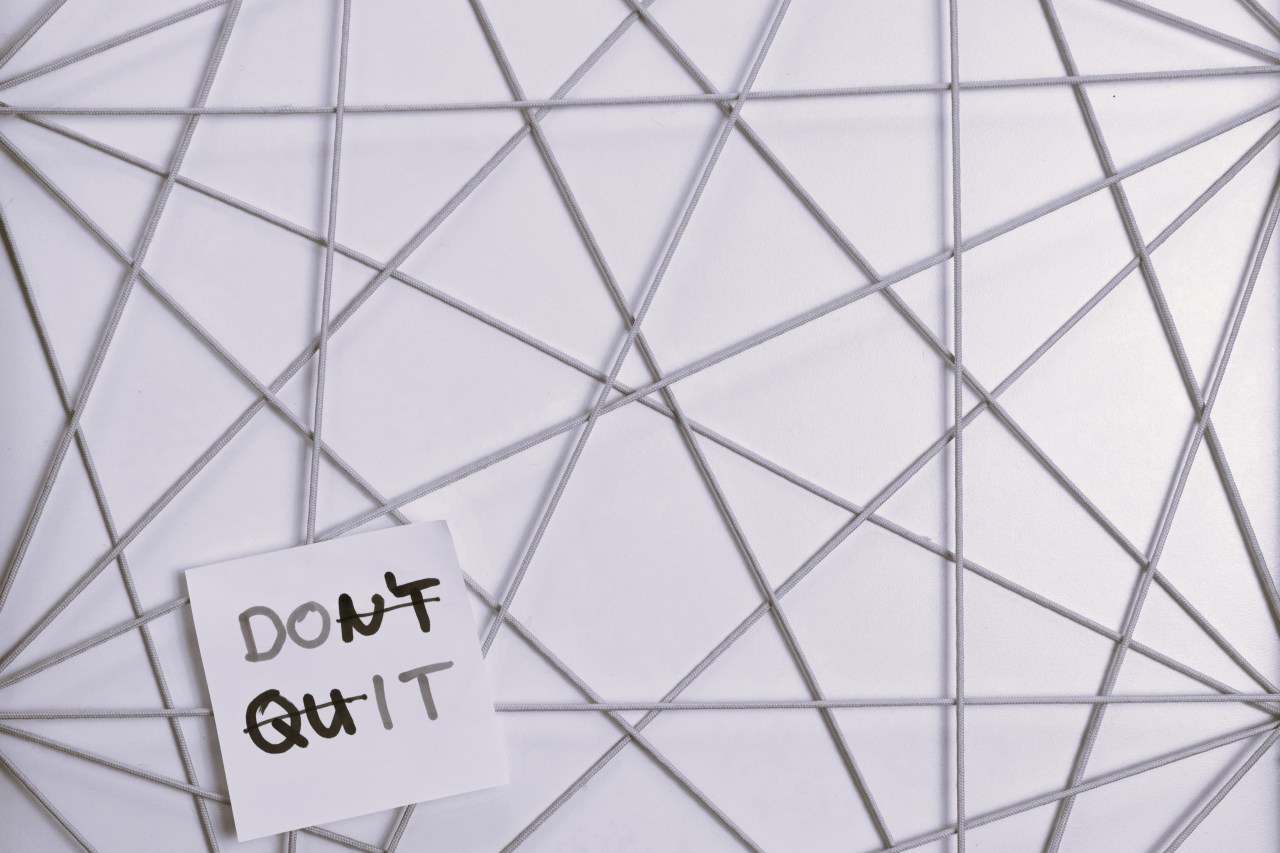
Laughter: A Sign Of Good Health

When I first stepped onto my healing path, laughter felt impossible.

There was nothing funny about where I found myself. Emotionally, physically, spiritually I was exhausted. My life felt fragile. Every moment felt heavy. I was focused on survival, not joy.

So when I began seeking support from others who had walked similar roads, one thing surprised me.

They laughed.

Not in denial. Not in avoidance. Real laughter. Honest laughter. Healing laughter.

At first, I did not understand it. How could someone laugh about struggles, mistakes, pain, or dark seasons? But slowly I began to realize something powerful.

Laughter was not dismissing the pain.

It was proof they had moved through it.

And that realization gave me hope.


The Healing Power Of Humor

My mom has always said, “If I lose my sense of humor, I lose everything.”

She said it through illness, discomfort, uncertainty, and some very difficult seasons. Watching her hold onto humor even in pain showed me that laughter is not about circumstances. It is about resilience.

When I began my own recovery, I held onto that wisdom. The work ahead of me was serious. I had to face truths, take responsibility, and learn new ways of living. But I did not have to take myself so seriously all the time.

That distinction changed everything.

Humor did not erase the work. It helped me carry it.

And sometimes, laughter was the only light available in an otherwise heavy day.


When Laughter Becomes A Bridge

Something unexpected happened as my healing progressed.

I began laughing with others who had similar experiences.

We laughed about things that once felt devastating. Not because they were trivial, but because we had survived them. Laughter became a shared language of understanding. It created connection, compassion, and perspective.

There is something incredibly bonding about laughing with someone who truly understands your journey. It reminds you that you are not alone. It transforms isolation into community.

And that connection is powerful medicine.

Laughter does not isolate. It invites.


The Difference Between Healing Humor And Hiding Humor

I also had to learn an important distinction.

For years I had used humor as armor. I deflected serious conversations. I made jokes instead of admitting pain. I laughed things off rather than facing them.

That kind of humor keeps healing at a distance.

True healing laughter feels different. It comes from humility, acceptance, and growth. It does not belittle yourself or others. It does not minimize reality. It simply allows joy to exist alongside truth.

Once I understood that, laughter stopped being a shield and became a source of strength.

And that shift made all the difference.


Perspective Changes Everything

Looking back now, some of the choices I made during difficult periods honestly make me laugh.

At the time, I justified everything. I believed I was coping, surviving, protecting myself. But hindsight brings clarity. And sometimes, clarity brings humor.

Not mocking. Not shame.

Perspective.

Being able to laugh at past versions of myself means I have grown. It means I am no longer stuck there. It means healing happened.

And that is something worth smiling about.


Why Laughter Supports Mental And Emotional Health

There is actual science behind this too.

Laughter reduces stress hormones, increases endorphins, supports immune function, and improves emotional regulation. It relaxes the body, shifts perspective, and enhances connection with others.

But beyond biology, laughter signals something deeper.

Hope.

When you can laugh again, even gently, it often means healing has begun.

It means you are reconnecting with life.

And that is powerful.


Finding Light In Dark Seasons

There were days when finding humor felt impossible. Those days happen to everyone. Healing is not linear, and laughter does not mean everything is perfect.

Sometimes it just means you found one small moment of light.

One memory. One conversation. One silly observation. One unexpected smile.

And sometimes that small moment is enough to carry you forward.

Laughter does not deny hardship.

It coexists with it.

And often, it helps transform it.


SLAY Reflection

Let’s reflect, SLAYER:

S: When was the last time you laughed freely, and how did it make you feel afterward?

L: Do you ever use humor to hide how you really feel instead of expressing it honestly?

A: What difficult moment from your past can you now look at with compassion or even gentle humor?

Y: How could inviting more lightness into your life support your healing and emotional health right now?


Call to Action: Join the Conversation

I’d love to hear from you.
How has laughter helped you heal, cope, or find perspective during a difficult season?
Share your story in the comments. Let’s cheer each other on.

And if you know someone who could use a reminder that joy can exist alongside struggle, send this to them.
Sometimes, all we need is a nudge.
If You Feel Like You’re Sliding, Ground Yourself In Gratitude

Because even the smallest anchor can save you from the storm

There are seasons in life when the ground beneath your feet doesn’t feel steady. You’re doing everything “right” — showing up, trying hard, taking care of what needs you — and yet somehow you still feel yourself slipping. Emotionally. Mentally. Spiritually. Energetically.

It starts quietly.

A missed step here.
A spiraling thought there.
A wave of heaviness that settles on your chest and won’t explain itself.

Before you know it, you’re sliding — away from your center, away from your peace, away from the version of you who feels grounded and clear.

I know that feeling well.
We all do.

And when life gets like this, it’s easy to panic.
It’s easy to think: What’s wrong with me? Why am I regressing? Why can’t I hold it together?

But here’s the truth most of us forget:

A slide isn’t a failure.
It’s a signal.
And gratitude is your handhold back to solid ground.


The Quiet Descent We Don’t Notice Until We’re Already Falling

Life rarely knocks us off balance with one big moment. Instead, it’s the slow accumulation of little things:

  • A slight disappointment

  • A broken routine

  • A lingering insecurity

  • A change in circumstance

  • A comment that hits us the wrong way

  • A feeling we don’t want to admit we’re feeling

The slide is subtle.

It begins when we stop listening to ourselves.
When we stop resting.
When we stop checking in on our heart.
When we slip into autopilot because being present feels too heavy.

Suddenly, we’re overwhelmed. Or discouraged. Or disconnected from the person we know we truly are.

The human instinct is to claw our way back through force — push harder, work more, suppress the feeling, pretend it’s not happening.

But the way back isn’t through force.

It’s through grounding.
It’s through presence.
It’s through gratitude.


Gratitude Doesn’t Erase the Hard — It Stabilizes You Inside It

Gratitude gets misunderstood as a way to bypass pain.
But real gratitude doesn’t ignore how you feel.

It simply gives you something to hold onto while you feel it.

Gratitude says:

  • “Yes, this is hard… and here is something still supporting you.”

  • “Yes, you’re tired… and here is something still holding you steady.”

  • “Yes, you’re overwhelmed… and here is something still working in your favor.”

It returns your mind to what is real — not imagined fear, not spiraling emotion, not worst-case scenarios.

Gratitude pulls you out of the fall and reorients you toward truth.

It doesn’t invalidate your struggle.
It anchors you through it.


A Small Gratitude Can Shift a Heavy Heart

When you feel yourself sliding, you don’t need a miracle.
You don’t need a life overhaul.
You don’t need everything to be perfect.

You just need one grounding thought — one spark of gratitude — to interrupt the descent.

It can be as simple as:

  • “I’m grateful for the breath that steadies me.”

  • “I’m grateful for one person who loves me.”

  • “I’m grateful for the strength I don’t always give myself credit for.”

  • “I’m grateful for the lessons that shaped me.”

  • “I’m grateful for this moment of awareness — it means I can choose again.”

Gratitude is not about pretending everything is wonderful.
It’s about remembering that not everything is falling apart.

It’s the shift that gives you back your footing.


Gratitude Helps You Regain Perspective — and Power

When we slide emotionally, our mind tries to convince us that everything is collapsing. Gratitude counters that narrative with something more grounded and true.

It:

  • Softens the panic

  • Brings the nervous system down

  • Helps you see the full picture instead of the distorted one

  • Reconnects you to what’s working, not just what feels wrong

  • Reminds you of your resilience

  • Guides you back to your inner stability

Gratitude says:
“You’ve survived every version of life you thought would break you. You can survive this, too.”

And when you remember that, the slide slows.
When you feel that, the ground steadies.
When you breathe into it, you begin to rise again.


You’re Not Failing — You’re Feeling

There is nothing wrong with you for having moments where your footing slips.
There is nothing wrong with you for needing support.
There is nothing wrong with you for losing your center and finding it again.

Strong people slide.
Resilient people slide.
Healing people slide.

But grounded people know how to climb back.

Gratitude is your rope.
Your anchor.
Your reminder that, even in the wobble, you are held.


SLAY Reflection

S — Sit With Your Truth

Where have you been feeling emotionally unsteady or overwhelmed lately?

L — Look at the Pattern

What small shifts or stressors may have contributed to your sense of “sliding”?

A — Align With Your Values

What gratitude practice — even a simple one — can help you feel grounded in this moment?

Y — Yield to Growth

What becomes possible when you anchor yourself in gratitude instead of fear?


Call to Action: Join the Conversation

I’d love to hear from you.
What gratitude has helped ground you when life feels unsteady?
Share your story in the comments. Let’s cheer each other on.

And if you know someone who’s struggling to find their footing right now, send this to them.
Sometimes, all we need is a nudge.

It’s Not The Pain That Helps Us Grow, It’s Our Response To It

Before I stepped onto this path, I walked through a lot of pain.

Not gracefully.
Not reflectively.
More like a storm spinning out of control—reactive, destructive, and exhausting.

I told myself, and was often told by others, that the pain was making me stronger. That suffering was proof of growth. That endurance alone was somehow building character.

But looking back, I can see the truth much more clearly now:

The pain wasn’t strengthening me.
My response to it was weakening me.

And in many cases, I was the source of my own pain.

That realization wasn’t comfortable—but it was freeing. Because it showed me that growth was never about how much pain I endured. It was about what I did after the pain showed up.


Pain Is Inevitable Suffering Is Optional

Pain is part of being human.

We get hurt.
We get disappointed.
We get blindsided—sometimes by others, sometimes by life itself.

But pain alone doesn’t create growth.

Pain without awareness creates repetition.
Pain without reflection creates cycles.
Pain without honesty keeps us stuck.

What determines growth isn’t the pain itself—it’s whether we react from old wounds or respond with clarity.

And there is always a choice.


Reaction Keeps Us Stuck Response Moves Us Forward

There’s a difference between reacting and responding.

Reaction is impulsive.
It’s emotional.
It’s driven by fear, old stories, and survival patterns.

Response is intentional.
It’s grounded.
It’s guided by truth instead of triggers.

When I reacted to pain, I made choices that caused more pain—burning bridges, sabotaging myself, repeating patterns I swore I wanted to escape.

When pain wasn’t self-inflicted, that was where growth became possible—if I was willing to respond instead of explode.


The Myth That Pain Builds Strength

One of the most damaging stories we tell ourselves is that pain itself makes us stronger.

That belief often keeps us tolerating what we shouldn’t.
It keeps us in harmful relationships.
It keeps us justifying self-destructive behavior.

Pain doesn’t build strength.

Choices build strength.

The strength comes from what you learn.
From what you release.
From what you decide not to repeat.

The old narrative—that suffering proves worth or resilience—often keeps us returning to the same sources of harm, believing it’s “part of the process.”

It isn’t.


Getting the Facts Is How We Grow Safely

One of the core truths I return to again and again is this:
When we have the facts, we are safe.

Not the feelings.
Not the assumptions.
Not the stories shaped by past wounds.

The facts.

Looking at pain honestly—without embellishment, blame, or denial—allows us to understand its source. And once we understand the source, we gain power.

Power to choose differently.
Power to set boundaries.
Power to walk away instead of reenacting.

Pain becomes useful only when it’s investigated.


We Always Have More Control Than We Think

Here’s the part that changes everything:

We don’t control whether pain shows up—but we do control how much we let it stay.

We can:

  • Let it fester

  • Turn it into resentment

  • Use it for sympathy

  • Or learn from it and release it

Sometimes simply letting pain go is growth.

Not every wound needs a deep dive. Some lessons are learned by choosing not to engage again.

And when you’re living from self-love and honesty, destructive reactions stop feeling good. Self-sabotage loses its appeal.

Because why tear down something you’re finally learning to build?


Pain Is a Teacher Not a Home

Pain is meant to inform you—not define you.

It shows you where boundaries are needed.
It highlights what isn’t aligned.
It reveals patterns asking to be broken.

But pain is not meant to be lived in.

When you respond with curiosity instead of chaos, pain becomes data. And data leads to discernment. And discernment leads to peace.

That’s growth.


Turning Pain Into a Gift

You may have never paused to ask yourself how you typically respond to pain.

So the next time it shows up, try this:

Strip away the story.
Remove the emotional overlay.
Look at the facts.

What actually happened?
What role did you play?
What part was within your control?
What can you learn?

When you do this, pain stops being something that happens to you—and becomes something that works for you.

The greatest gift pain can offer is information.

And information, used wisely, changes everything.


SLAY Reflection

Let’s reflect, SLAYER:

S: What do you believe is the main source of pain in your life right now?
L: How much of that pain are you creating, allowing, or repeatedly engaging with?
A: When pain shows up, do you tend to react or respond—and how is that serving you?
Y: What could change if you chose to learn from pain instead of letting it control you?


Call to Action: Join the Conversation

I’d love to hear from you.
How has your response to pain shaped your growth—or where do you feel called to respond differently now?
Share your story in the comments. Let’s cheer each other on.

And if you know someone who’s stuck believing pain itself is the path, send this to them.
Sometimes, all we need is a nudge.

Sometimes All Someone Wants To Hear Is, I’m Sorry

There are moments when nothing can be done—when there’s no way to fix a situation or make it better. And in those moments, sometimes all someone wants to hear is, “I’m sorry.” Even if we’re not responsible for what happened, acknowledging someone’s experience can mean the world.


A Simple Yet Powerful Gesture

I think back to my life before walking this path, and how much it would have meant to hear those words. The power of a heartfelt “I’m sorry” is incredible. It connects us, makes us feel seen and valued, and reminds us that our feelings matter.

I remember sharing my story with someone I trusted, and when she gently put her hand on mine and said, “I’m sorry,” it felt like a wave of warmth washed over me. She had nothing to do with the events that led me to that moment, but her simple words were the first real validation of my pain and struggle. It helped me exhale. It helped me start to let go.


Owning Our Part

When we do have something to apologize for, those words carry even more weight. Saying “I’m sorry” for something we did—whether intentionally or not—shows strength. It honors the other person and ourselves. It’s not about weakness or surrender, but about standing in our truth and striving to be better.

As SLAYERS, we’re constantly working on ourselves. Yes, we’ll slip. Yes, we’ll make mistakes. But admitting our wrongs and saying, “I’m sorry,” can mend broken relationships and open the door to healing.


A Path to Healing

There’s magic in those words. “I’m sorry” can be the start of a new chapter, whether it’s in a relationship scarred by past pain or for someone still carrying the weight of old wounds. Sometimes, the apology won’t come from the person who caused the hurt. But when it comes from someone who cares—someone willing to listen and extend compassion—it still holds power. It’s a first step toward healing.

SLAY on.


SLAY OF THE DAY: Reflect & Rise

  • Do you struggle to say “I’m sorry”? Why?

  • What do you think it says about you if you apologize?

  • Have you ever seen “I’m sorry” as a sign of weakness? Can you shift that perspective?

  • Do you appreciate hearing someone say they’re sorry, even if they weren’t directly involved? How does it make you feel?

  • Do you offer that same compassion to others when they’re hurting? Why or why not?


Call to Action: Join the Conversation
I’d love to hear from you.
When was the last time you heard—or said—“I’m sorry”? How did it change the moment?
Share your thoughts in the comments. Let’s build each other up with honesty and compassion.

And if you know someone who’s been holding on to pain, send this to them.
Sometimes, just hearing those words is a step toward healing.

People Can’t Always Be Who You Want Them To Be

We all want someone in our lives to just understand us—to show up when we need them, to read our silent pleas, to fill the gaps we feel inside. But here’s a hard truth: nobody is designed to be your everything.

When we expect someone to always be there, always know, always respond—without communication, without boundaries—we set both them and ourselves up for heartbreak.

We must learn the beauty and the burden of loving with grace and owning our own needs.


Prefer to listen? The Audio Blog version is available here.


Expectations vs. Reality

It’s natural to hope others will meet us where we are. We desire connection, validation, support. But expectations—especially unspoken ones—are traps.

When we expect another to always stay ready, even when they’re fighting their own war, we feel let down. When we expect consistent availability, we forget that everyone has their own life, struggles, and limitations.

And when reality falls short of those silent demands, we start to believe they don’t love us enough—when in truth, they might just be human like us.


Learning to Right-Size Our Expectations

The seeds of resentment often come from expecting others to be what we need without telling them. We assume they know. We assume they’ll show up.

But healthy relationships ask for clarity not mind-reading.

  • Let them know how you feel.
  • Ask for what you need.
  • Accept the answer, even if it doesn’t match what you hoped for.

This is how we protect ourselves from disappointment—not by becoming colder—but by learning truth, honest communication, and respect for boundaries.


When They Can’t Be Who You Want

Here’s what I discovered over time:

  • “Can’t” isn’t always about unwillingness—sometimes it’s about capacity.
  • Being unavailable doesn’t always mean they don’t care.
  • When someone can’t be who you want, sometimes they are doing the best they can within their own limits.

I used to take it personally when people couldn’t show up as I needed them to. I thought it meant something was wrong with me—or wrong with them. But I learned to see it differently: I learned to love them where they are, to protect my peace, and to find others with compatible strengths.


You, Not Others, Are Responsible for You

Expecting someone else to complete your emotional puzzle is heavy for both parties.

Your emotional survival is your job. You cannot force someone to be who they’re not. And when you try, you weaken your own foundation.

You deserve people who can be consistent. But until then, you can be your own constant. You can love others without relying on them. You can communicate your needs, accept imperfect love, and continue building your own inner strength.


Staying Open While Protecting Your Peace

How do you navigate this balance without becoming closed off or bitter?

  1. Stay open to love, even when disappointed.
  2. Keep your standards, but don’t demand perfection.
  3. Allow yourself to walk away when love becomes harmful.
  4. Find multiple sources of support, not just one person.
  5. Own your emotional state: don’t outsource it to others.

People Can’t Always Be Who You Want—but You Can Still Love Well

You don’t have to settle for being used, ignored, or repeatedly disappointed. You can adjust your expectations without shutting down your heart. You can ask for what you need, and learn to accept what people can give.

You don’t have to stop loving. You just have to love smarter.


SLAY Reflection

  1. What silent expectations are you placing on someone in your life?
  2. How often do you feel disappointed because someone couldn’t read your mind?
  3. What is a healthy boundary you can express to protect yourself and the relationship?
  4. Who in your life can you rely on without needing them to be everything to you?
  5. How can you practice self-reliance (emotionally) while still staying open?

S – Stop expecting people to read your heart
L – Let them care within their capacity
A – Ask for what you need—don’t demand it
Y – Yield your peace first before expecting someone else to


Call to Action: Join the Conversation

I’d love to hear from you.
Have you ever been hurt by expecting too much from someone—and what did that teach you?
Share your story in the comments. Let’s value honesty over perfection.

And if you know someone who struggles with unmet expectations or carrying disappointment, send this to them.
Sometimes, love begins with understanding limitation.