Most expansion does not feel smooth at first. It feels uncertain, uncomfortable, sometimes even intimidating. That does not mean you are unprepared. It usually means you are stretching into new capacity.
Confidence often follows experience, not the other way around. The moments that challenge you are frequently the ones that reveal what you are actually capable of.
This is your reminder to step toward what challenges you, not away from it.
There was a time when I thought clarity would fix everything.
If someone misunderstood me, I explained more. If they questioned my motives, I justified them. If tension arose, I tried harder to communicate. I believed that if I just found the right words, the right tone, the right explanation, everything would resolve.
Sometimes it did.
But sometimes, no matter how clearly I spoke, the misunderstanding remained. And eventually I realized something uncomfortable but incredibly freeing.
Not everyone wants understanding.
Some people are committed to their version of you.
And explaining yourself endlessly does not change that.
Prefer to listen? The Audio Blog version is available here.
The Difference Between Confusion And Resistance
Healthy relationships allow space for clarification. Misunderstandings happen. Conversations help. Growth follows.
But there is a difference between someone seeking understanding and someone resisting it.
When someone genuinely wants clarity, they listen. They ask questions. They reflect. There is movement toward resolution.
When someone is dedicated to misunderstanding you, explanations become circular. Nothing shifts. Intentions get distorted. And you leave conversations feeling drained rather than connected.
Recognizing that difference protects your energy.
I Learned This The Hard Way
For years, I overexplained myself.
I thought it was a responsibility. I thought it showed maturity. I thought it prevented conflict.
Sometimes it was simply fear. Fear of rejection. Fear of being judged. Fear of being seen inaccurately.
So I tried to control perception through explanation.
But control is an illusion.
Eventually, I saw that constant explaining was not creating understanding. It was creating exhaustion.
And that realization changed how I approached communication.
You Are Allowed To Be Understood By The Right People
Not everyone is your audience.
That statement once felt harsh to me. Now it feels empowering.
The people meant to be in your life generally seek understanding, not ammunition. They listen with curiosity, not suspicion. They care about connection more than being right.
Those relationships feel different. Lighter. More stable.
And once you experience that, you realize how unnecessary constant self-justification really is.
Boundaries Protect Emotional Health
Boundaries are not walls. They are clarity.
Choosing not to overexplain is often a boundary. It does not mean you lack accountability. It means you recognize when further explanation will not lead to growth.
Boundaries say:
I will communicate clearly once. I will answer sincere questions. But I will not chase validation or exhaust myself trying to change fixed perceptions.
That boundary protects peace.
And peace supports mental wellness.
Silence Can Be A Form Of Strength
Silence used to scare me.
I worried it meant giving up. Losing ground. Appearing weak.
Now I understand silence differently.
Sometimes silence reflects confidence. Sometimes it reflects acceptance. Sometimes it reflects wisdom.
Not every misunderstanding requires correction. Not every opinion requires rebuttal. Not every assumption deserves energy.
Choosing when to speak is powerful.
Choosing when not to speak can be even more powerful.
Authentic Living Reduces The Need To Explain
The more aligned I became with my values, the less I felt the urge to justify myself.
When your actions match your beliefs, internal clarity replaces external validation. You still care about relationships. You still value communication. But you are less dependent on universal approval.
And that shift is freeing.
You begin living from authenticity rather than perception management.
That is where real confidence grows.
Let People Have Their Perspective
This was another difficult lesson.
You can present facts, intentions, and context. But you cannot control interpretation. Everyone filters information through their own experiences, fears, and expectations.
And that is human.
Allowing others their perspective does not mean you agree with it. It simply means you release the need to control it.
That release creates emotional space.
And emotional space creates peace.
SLAY Reflection
Let’s reflect, SLAYER:
S: Do you find yourself over-explaining to avoid misunderstanding or conflict?
L: How does that habit affect your energy and emotional well-being?
A: Where might a gentle boundary reduce the need for constant explanation?
Y: How would your life feel if you trusted that the right people will seek understanding naturally?
Call to Action: Join the Conversation
I’d love to hear from you. Have you experienced a moment where you stopped over-explaining and chose peace instead? What changed for you? Share your story in the comments. Let’s cheer each other on.
And if you know someone who needs permission to stop exhausting themselves explaining their intentions, send this to them. Sometimes, all we need is a nudge.
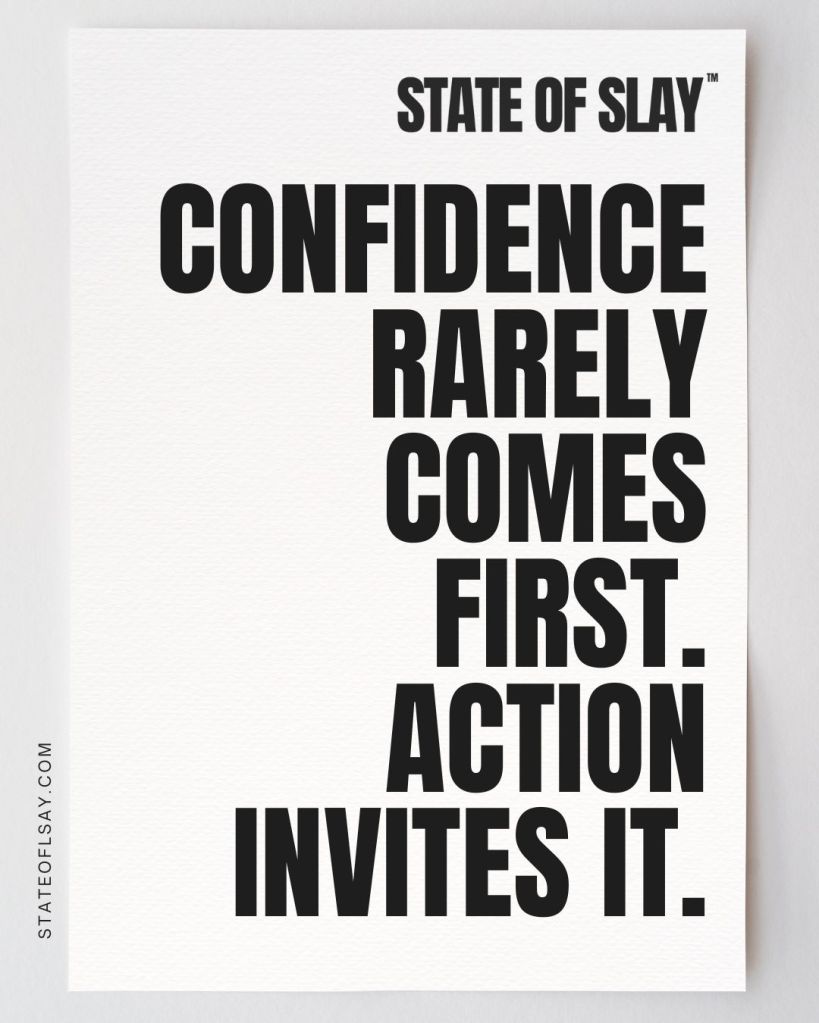
We often wait for confidence before taking action, believing readiness should come first. But growth rarely works that way. Momentum builds through experience, not hesitation.
The first step may feel uncertain. The early attempts may feel imperfect. That is not failure — it is part of becoming capable. Confidence tends to grow quietly alongside effort, not ahead of it.
This is your reminder to begin even when certainty is not fully there.
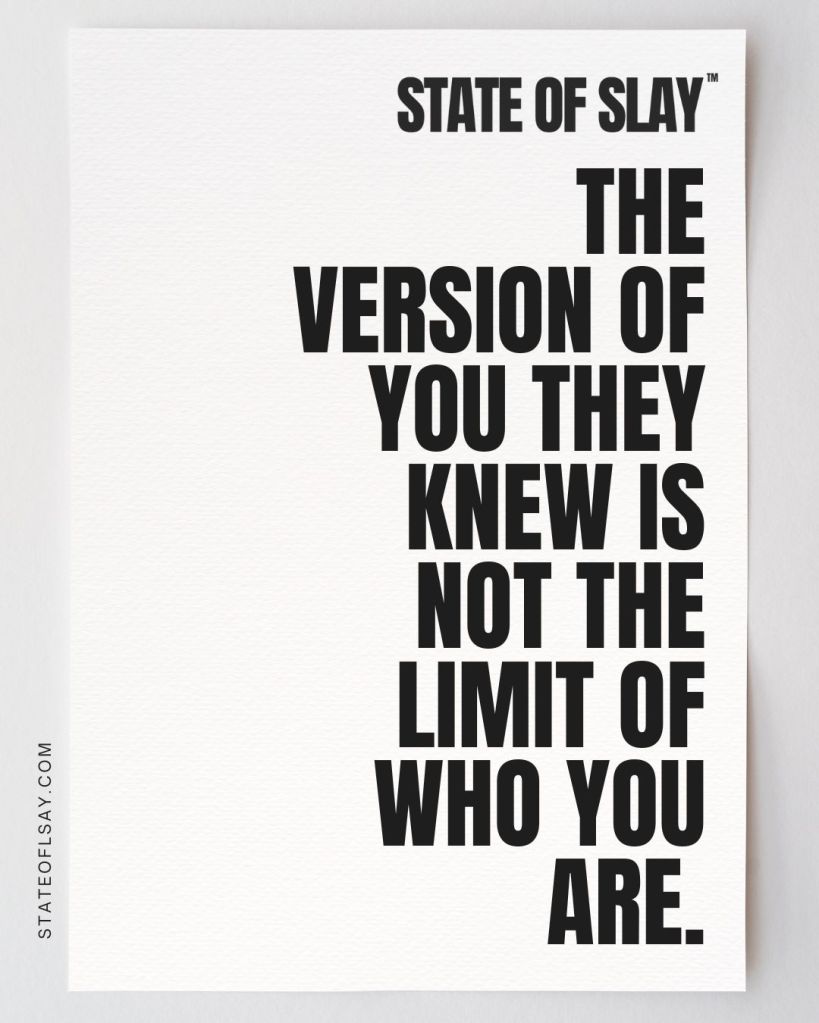
Growth does not always look dramatic. Sometimes it simply means stepping into a version of yourself that feels more honest, more aligned, and more grounded than before.
That shift can surprise people. Expectations adjust. Familiar dynamics change. And while that can feel uncomfortable at first, it is often a sign that you are moving closer to authenticity rather than further from connection.
This is your reminder to keep becoming who you are, even if it takes time for others to catch up.
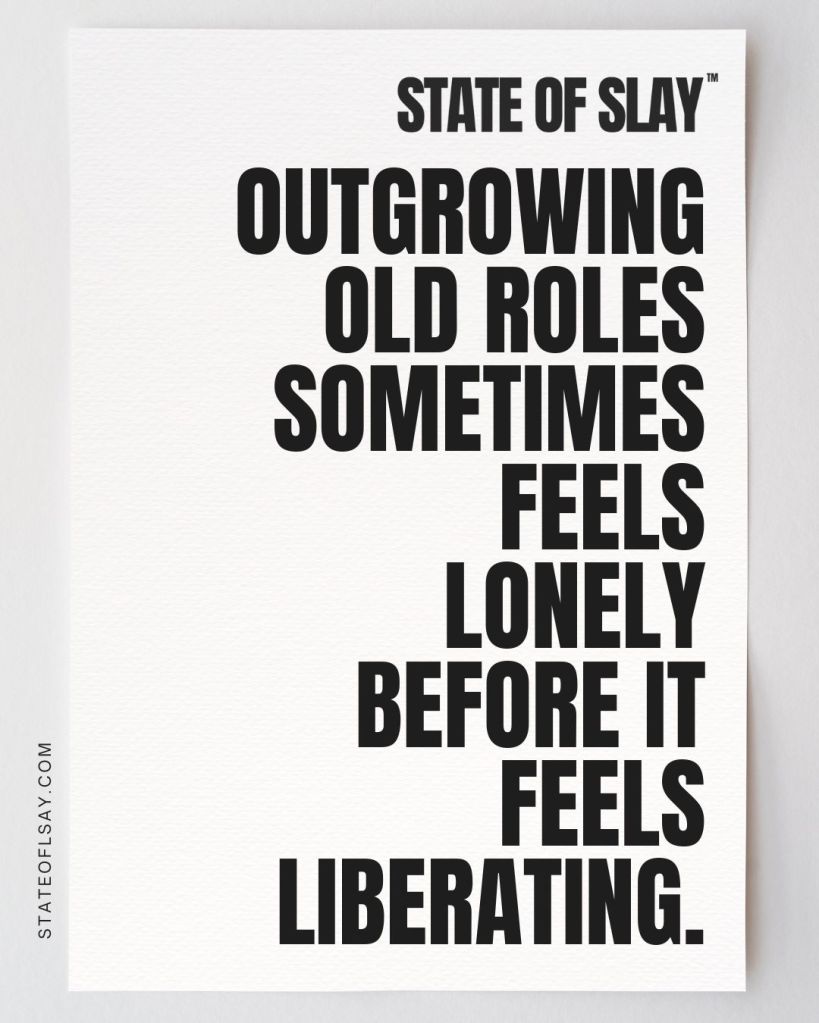
Sometimes personal growth shifts dynamics you did not expect. Roles evolve. Conversations change. Familiar patterns no longer fit the person you are becoming.
That adjustment period can feel isolating, even when the direction is right. Growth asks for courage before it offers comfort. But what feels unfamiliar today often becomes alignment tomorrow.
This is your reminder to trust growth even when it temporarily feels uncomfortable.
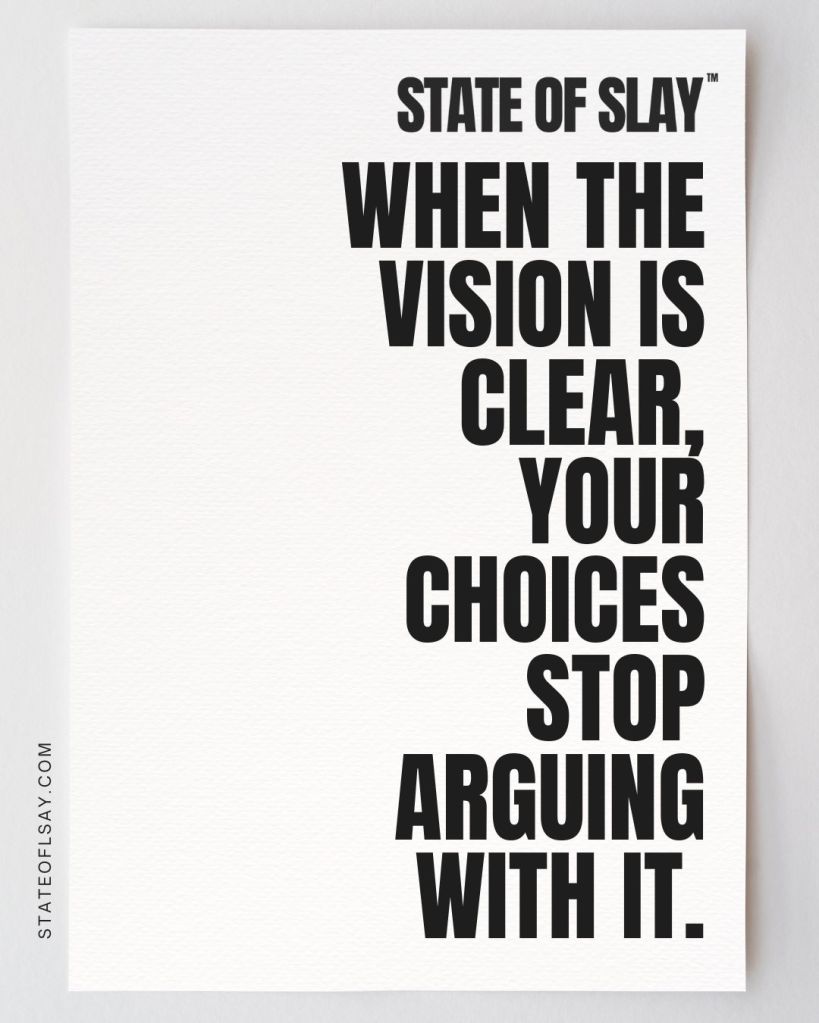
There is a shift that happens when you stop wishing vaguely and start seeing specifically. Direction becomes easier. Decisions feel lighter. Doubt has less room to negotiate.
When you know what you are moving toward, your energy stops scattering and starts aligning. Progress rarely begins with perfection. It begins with clarity.
This is your reminder to let your vision guide your choices instead of letting uncertainty lead.
Staying where you are can feel safe. Familiar. Predictable.
But over time, that stillness comes with a quiet cost — the weight of what you didn’t try, the ache of what you postponed, the version of yourself that never got the chance to step forward.
Courage doesn’t ask you to be fearless. It asks you to be willing. Willing to move before certainty arrives. Willing to choose growth over comfort.
Forward motion isn’t always loud or dramatic. Sometimes it’s one honest decision. One uncomfortable step. One moment where you stop waiting for permission.
This is your reminder: You don’t need to have it all figured out. You just need to stop standing still.
Growth doesn’t arrive gently. It asks you to move beyond what’s familiar, to stay present in moments that feel uncomfortable, to trust that expansion often begins where ease ends.
The stretch can feel awkward. Exposing. Even exhausting.
But it’s in those moments — when you’re challenged, uncertain, or asked to rise beyond what you’ve known — that resilience is formed. Strength isn’t built by staying the same. It’s built by meeting resistance with intention instead of retreat.
What feels demanding now is shaping the capacity you’ll rely on later. Not to harden you — but to steady you.
This is your reminder: Lean into the stretch. It’s not here to break you. It’s here to build you.
If I’m being honest, most of the time…I don’t feel ready.
Whether it’s a new opportunity, a big decision, or even sitting down to write something like this—I rarely feel 100% ready. If left to my own devices, I’d keep fine-tuning, researching, adjusting, and second-guessing. I’d wait until everything was “perfect.”
But what I’ve learned on this path is simple and powerful: ready isn’t a feeling—it’s a decision.
The Myth of “Feeling Ready”
We tell ourselves we’ll start when we feel more confident. We’ll speak up when we feel more prepared. We’ll leap when we feel less scared.
But the truth is, that feeling of readiness? It doesn’t always show up. And if it does, it usually comes after we’ve already taken action—not before.
The illusion of “readiness” keeps us stuck. We wait, thinking there’s some magical moment where we’ll feel different—bolder, braver, more equipped. But most opportunities don’t wait for us to feel ready.
They ask us to decide to be ready.
The Power of Deciding
In my life, there have been countless times I’ve had to make that decision.
Sometimes it was because of a deadline. Sometimes it was because an opportunity had an expiration date. Sometimes I just knew if I didn’t move forward, I’d stay stuck.
And every time, I’ve learned this: I didn’t need to know everything. I just needed to know enough to start.
Being ready doesn’t mean having every answer. It doesn’t mean knowing the full path. It means saying, “I’ve got what I need to take this step, and I’ll figure the next one out as I go.”
Do What’s In Front of Your Hands
One thing I’ve carried with me on my journey is this simple reminder: Do what’s in front of your hands.
That means staying grounded in the present step—even when your mind wants to jump five steps ahead. Yes, it’s wise to have a vision. I like to look a little ahead, to prepare for what’s coming. But the real growth? It happens in the now.
When you focus on what’s right in front of you—just the next task, the next decision, the next act of courage—you start to build momentum. And that momentum leads to clarity, confidence, and more opportunity.
Progress, Not Perfection
Waiting until you feel ready often comes from a deeper fear of making mistakes. But perfection isn’t the goal—progress is.
You’re allowed to make messy starts. You’re allowed to learn as you go. You’re allowed to pivot, evolve, and adjust your plan.
Because the truth is, the journey is the point. It’s not about getting it “right” the first time. It’s about moving forward, learning, and becoming.
You’re not behind. You’re not unqualified. You’re simply standing at the edge of the next thing. And all that’s left is to decide to begin.
Make the Decision Today
If you’ve been waiting for the perfect moment to start, here’s your sign: stop waiting.
Make the decision. Be willing to show up before you feel completely ready. Trust that you’ll grow into each next step—and that you already have everything you need to begin.
The truth is, you won’t always feel ready. But you can always choose to be.
SLAY Reflection
Let’s check in, SLAYER:
S: What are you currently putting off because you don’t feel “ready”?
L: What would change if you decided to start anyway?
A: Can you identify one small step you can take today, even if you don’t feel prepared?
Y: How can you reframe readiness as a mindset instead of a feeling?
Call to Action: Join the Conversation
I’d love to hear from you. What’s something you’ve been waiting to feel ready for—and how can you choose to begin today instead? Share your story in the comments. Let’s cheer each other on.
And if you know someone who’s stuck waiting for the “perfect moment,” send this to them. Sometimes, all we need is a nudge.
We hold ourselves to impossible standards, judge our every move, and then wonder why we feel stuck, small, and not good enough. We speak to ourselves in ways we’d never speak to someone else—calling ourselves idiots, failures, brain-dead, or worse.
And we may not even realize we’re doing it. That inner dialogue becomes so automatic, so embedded in our thinking, that the jabs feel normal. But they’re not. And worse—they’re harmful.
Those words don’t just disappear. They settle into our energy, into our nervous system, into the way we show up in the world. And over time, they become the very thing that holds us back from becoming who we are meant to be.
The Judgments That Keep Us Stuck
Before I began my journey in recovery, I judged myself constantly.
Nothing I did was ever “good enough.” Even when I succeeded, I’d discredit it—call it luck, minimize the achievement, or immediately nitpick what wasn’t perfect.
My expectations were so high, they were built to break me. And they did. Over and over.
The voice in my head wasn’t just critical—it was cruel. It kept me sick. It convinced me I’d never be enough. It told me to give up before I even tried. And I believed it. I lived inside that mental prison for years.
I’d get these little bursts of self-confidence, moments where I felt like maybe I could do something great. But the voice always returned—louder, meaner, and more persuasive. It was a cycle that drained me and kept me from healing.
The Turning Point: Choosing to Get Better
When I finally made the decision to seek help, one of the first things I had to face was my own thinking.
I had to get honest about the way I spoke to myself. And what I discovered? I had become my own worst bully.
If anyone else had said the things I said to myself, I never would have stood for it. So why was I allowing it to happen in my own mind?
That realization changed everything.
I began to:
Forgive myself for the judgment
Unlearn the habit of self-abuse
Practice self-compassion, even when it felt unfamiliar
Focus on progress, not perfection
And slowly, something started to shift. The voice got quieter. The harsh words faded. And I started to celebrate myself—for real.
Make Room for Grace
No one gets it right all the time. We all make mistakes. We all fall short sometimes.
But that doesn’t mean we’re failures. It means we’re human.
Mistakes are how we grow. They help us refine our goals, improve our preparation, and get clearer on what we really want.
And when you set realistic goals—ones that allow for learning, flexibility, and growth—you give yourself a chance to succeed. Even the smallest win becomes a reason to celebrate.
You Are a Work in Progress (And That’s a Good Thing)
You are not the voice in your head that tells you you’re not enough. You are not your mistakes. You are not your worst day.
You are a work in progress—a beautiful, evolving human being. And your job is not to be perfect. Your job is to keep going.
So speak to yourself with kindness. Encourage yourself like you would a best friend. Celebrate every step, every shift, every bit of progress.
You’re doing better than you think.
SLAY Reflection: How Do You Speak to You?
Do you judge yourself harshly? How does that show up in your thoughts or self-talk?
What do you tell yourself when you make a mistake or fall short? Would you say the same to someone you love?
How has your inner critic held you back? Where would you be if that voice got quieter?
What daily habit could help you be kinder to yourself? Affirmations, journaling, gratitude?
What can you do today to encourage and celebrate yourself? Start now—pick one thing you’re proud of and name it out loud.
Call to Action: Join the Conversation
I’d love to hear from you. What’s one negative thing you’ve told yourself that you’re ready to replace with kindness? Share your story in the comments. Let’s cheer each other on.
And if you know someone who’s struggling with self-judgment, send this to them. Sometimes, all we need is a nudge.