

Secrets Are Not A Replacement For Boundaries

We’ve all done it—told those “little white lies” to make things easier. Maybe to get out of a bind, avoid a confrontation, or dodge a situation we never felt comfortable with in the first place. We tell ourselves it’s harmless because we don’t want to hurt anyone’s feelings. But if we’re honest? Most of the time, we’re just trying to avoid the discomfort of setting a boundary and speaking our truth.

Boundaries aren’t about being difficult.
They’re about being clear—about our needs, our limits, and how we expect to be treated. They build self-respect and create space for healthier relationships. The truth is, once we get comfortable setting them, life tends to feel less chaotic and more aligned. Boundaries reduce stress because they make our expectations known—no guessing, no games.

But learning how to set boundaries—especially when we’ve spent most of our lives people-pleasing—takes intention, patience, and practice. Here’s how you start:


Prefer to listen? The Audio Blog version is available here.


1. Know Where You Stand

You can’t set a boundary if you’re unsure of how you feel. Check in with yourself. What makes you uncomfortable? What feels unsafe or triggering? Clarity is power.

2. Tap Into How You Feel

Resentment, anxiety, dread—these are often signs that a boundary needs to be set. What emotion is coming up, and why? Naming the feeling helps you respond with intention instead of reaction.

3. Be Clear

Once you know your truth, communicate it plainly. No over-explaining. No apologies. A boundary isn’t a debate—it’s a statement of self-respect.

4. Give Yourself Permission

Setting boundaries doesn’t make you selfish—it makes you self-aware. You are not “too much.” You are worthy of peace and respect.

5. Check In Often

Your needs evolve, and so will your boundaries. Stay aware. Reflect regularly on how situations or people make you feel, and adjust accordingly.

6. Look at Your Patterns

Do you default to caretaking? Do you shut down? Are you conflict avoidant? Recognizing these patterns gives you the power to shift them.

7. Prioritize Self-Care

Boundaries are a form of self-care. You can’t pour from an empty cup. Taking care of you is not a luxury—it’s a necessity.

8. Find Your People

Surround yourself with those who support your growth. Healthy people respect healthy boundaries. And don’t be afraid to reach out for help—it benefits both the giver and receiver.

9. Take Action

Thinking about setting a boundary is not the same as setting it. You have to follow through. Speak up. Be consistent. And don’t shrink when you feel resistance.

10. Start Small, Build Confidence

You don’t have to tackle the toughest boundary first. Practice with low-stakes situations. Build your voice. Build your confidence. Then level up.


Here’s the truth:
Keeping secrets or telling lies to avoid discomfort isn’t kindness—it’s avoidance. And the more you avoid, the more disconnected you become from your truth.

Boundaries are not about controlling others—they’re about honoring yourself.

The more you practice, the more you’ll feel grounded, clear, and connected. That’s the foundation of a life that SLAYS.


SLAY Reflection

Do you struggle to set boundaries? Why?
Have you ever used a “white lie” instead of speaking your truth? What did it cost you?
Do you believe you’re worthy of setting the terms for how you’re treated?
What patterns from your past still influence how you show up today?
What would it look like to protect your peace, unapologetically?


S – Stop hiding behind excuses or silence.
L – Listen to your gut—it’s telling you what you need.
A – Assert your truth with compassion and clarity.
Y – Yield only to what honors your worth.


Call to Action: Join the Conversation
I’d love to hear from you.
Do you struggle with setting boundaries—and if so, why?
Share your story in the comments. Let’s cheer each other on.

And if you know someone who’s learning to speak up for themselves, send this to them.
Sometimes, all we need is a nudge.
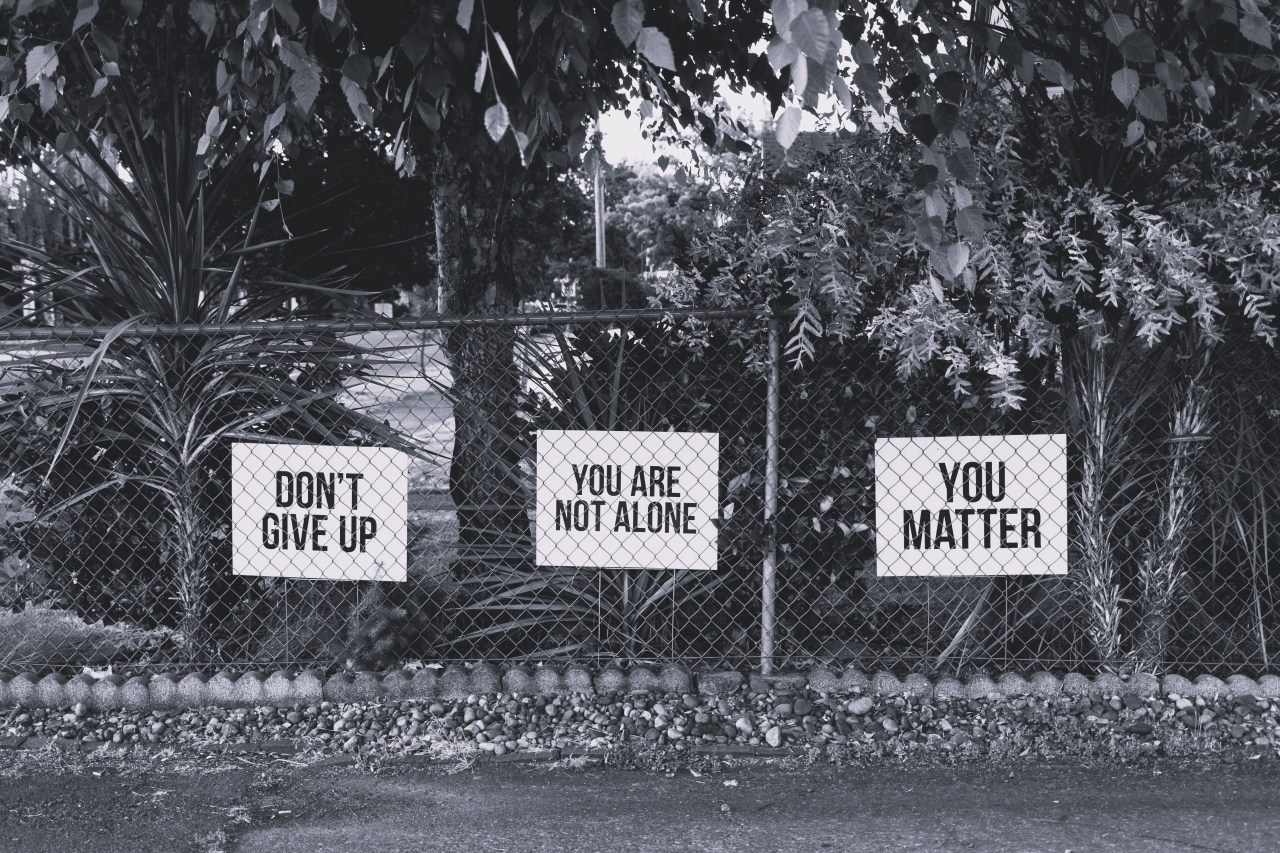
You Are Not Alone

There was a time in my life when I felt deeply alone. Not occasionally lonely. Not just on a quiet evening. I mean profoundly alone. I could be surrounded by people, even in a crowded room or a packed stadium, and still feel like I was standing on an island no one else could reach.

At the time, I did not realize I was playing a major role in creating that feeling. I had family who loved me, friends I enjoyed spending time with, and colleagues I looked forward to seeing. On paper, I was anything but alone. But emotionally, I had built walls so thick that connection could not get through.

And those walls were built from fear.

Fear that if people saw the whole me, the imperfect parts, the struggling parts, the uncertain parts, they might not like what they saw. Fear that if I admitted I was not always OK, people might judge me, reject me, or quietly drift away. So I kept smiling. I kept performing. I kept everything that mattered most locked inside.

From the outside, everything looked fine. From the inside, it felt like isolation.


The Illusion of Being Alone

Here is something I learned that changed everything. Feeling alone is not always about who is around you. Often, it is about how much of yourself you allow to be seen.

I could sit with friends, laugh, share stories, and still feel disconnected because I was protecting myself rather than connecting. I was editing my truth in real time. I was maintaining an image rather than building a relationship.

That kind of distance adds up. Over time, it starts to feel like an ocean between you and everyone else. You watch others seem connected and supported while you stand on your own emotional shoreline, wondering why you cannot feel the same.

For me, the turning point came when the effort of hiding became more exhausting than the fear of being seen.


The Moment Everything Shifted

I remember the first time I truly opened up. I was terrified. My hands were shaking. I had never shared what I considered the messy or imperfect parts of my life. I honestly did not know how it would land.

But I also knew something important. Continuing to carry everything alone was not sustainable. Emotionally, mentally, and physically, it was taking a toll.

So I reached out to someone I trusted. I spoke honestly. Not polished. Not perfect. Just real.

And what came back was not judgment. It was understanding. It was compassion. It was love.

That moment cracked something open inside me. It showed me that vulnerability does not push the right people away. It often pulls them closer.


Connection Requires Courage

When I started sharing more openly with others in my life, something remarkable happened. People showed up. They listened. They supported me. They shared their own stories. And suddenly I saw something clearly.

Everyone is carrying something.

Some people hide it better than others. Some people have not yet found safe spaces to share. But the idea that you are the only one struggling is almost always an illusion created by silence.

Connection happens when honesty enters the room.

That does not mean oversharing with everyone. It means choosing safe people and allowing yourself to be known by them.

And yes, sometimes people will step back. That happened to me too. A few relationships changed. But I learned an important lesson. The people who stay when you are real are the people meant to walk alongside you.


Building Your Circle

We are living in a time when connection can happen in more ways than ever before. Geography is less of a barrier. Shared interests bring people together. Communities form around healing, growth, creativity, spirituality, mental health, and personal development.

Your people might already be in your life. Or they might be waiting for you to find them.

The key is willingness.

Willingness to open up. Willingness to risk being seen. Willingness to believe you deserve connection and support.

And if you are part of this State Of Slay community, know this. We are building that circle together. A space where growth, honesty, and support are not just encouraged but celebrated.

There is real strength in community. Individually, we can accomplish incredible things. Together, we become resilient in ways we never imagined.


You Get To Choose Connection

Today, I do not feel alone the way I once did. Not because life is perfect. Not because challenges disappeared. But because I no longer isolate myself emotionally.

I choose connection.

I choose honesty.

I choose to let people in.

And when you do that, you realize something powerful. You were never truly alone. You were just carrying more by yourself than you needed to.

You do not have to do that anymore.

You are not alone.


SLAY Reflection

S — See the Truth
When do you feel most alone? Is it actually about who is around you or what you are holding back?

L — Let Yourself Be Seen
Is there someone safe you could open up to this week? What stops you?

A — Allow Support
How does it feel when someone truly listens to you? Can you let yourself receive that?

Y — Your Next Step
What is one small action you can take today to build connection instead of isolation?


Call to Action: Join the Conversation

I would love to hear from you.
When have you felt alone, and what helped you reconnect with others?
Share your story in the comments. Let’s cheer each other on.

And if you know someone who might need this reminder, send this to them.
Sometimes, all we need is a nudge.