Freedom: Outside Those Fences, We Build Ourselves

There was a time in my life when I was unraveling quietly.

On the outside, I was functioning. On the inside, I was doing everything I could to hide how lost I felt. During that season, a dear friend came to stay with me for a few days. We never talked about what I was going through. He didn’t ask questions. He didn’t call me out. He simply saw me.

Before he left, he handed me a movie and said he thought I should watch it.

The movie was Instinct. I had never seen it. I set it on my coffee table, where it sat for months — untouched. When I finally watched it, I remember thinking it was well done, thoughtfully acted… but I didn’t understand why he’d given it to me.

It wasn’t until years later, after I had begun my healing journey, that I understood exactly what he was trying to tell me.

In the film, a character struggling to find his place in the world writes a farewell letter that includes this line:

“Freedom is not just a dream. It’s there, on the other side of those fences we build all by ourselves.”

When that line finally landed, it hit me like a wave.

My friend wasn’t offering advice.
He was offering truth.


The Fences We Build to Feel Safe Often Keep Us Trapped

Every one of us builds fences.

We build them to protect ourselves from pain, disappointment, rejection, and loss. We tell ourselves they’re necessary — that they keep us safe.

But often, those fences don’t just keep people out.
They keep us in.

The longer we stay behind them, the louder the negative chatter in our minds becomes. Fear grows comfortable. Doubt feels familiar. And the idea of stepping beyond what we know — even if what we know is painful — starts to feel terrifying.

What we call a “safety zone” slowly becomes a cage.

And from inside it, we watch others live. Love. Risk. Grow.
While we tell ourselves stories about why we can’t.


The Illusion of Safety

Here’s the hard truth:
You are not actually safe behind emotional fences.

You’re not safe from your own thoughts.
You’re not safe from resentment.
You’re not safe from the slow erosion of joy.

Survival may feel like safety — but it isn’t freedom.

When we hide, we don’t stop pain from existing. We just stop ourselves from experiencing the fullness of life that exists alongside it.

And eventually, hiding costs more than risking ever could.


Tearing Down the Fence Doesn’t Have to Happen All at Once

The good news is this: you don’t have to demolish everything overnight.

If the idea of tearing down your fences sends anxiety through your body, start smaller. Tear a hole. Open a gate. Peek through the slats.

You don’t need a wrecking ball — you need willingness.

For me, though, I tore everything down at once.

It was terrifying.

I felt exposed. Raw. Vulnerable. Like I was standing naked in front of the world, waiting to be judged.

But something unexpected happened when the fences came down.

The world came in — because I invited it to.

And I learned something powerful: the world wasn’t nearly as dangerous as I believed. There were others like me. Others who were afraid. Others who were healing.

And when we stood together, we became stronger.
Braver.
More alive.


Freedom Comes From Discernment, Not Isolation

We often tell ourselves that walls keep us safe, but real safety comes from discernment.

From choosing the right people.
The right environments.
The right truths.

Freedom doesn’t mean recklessness. It means living authentically while making informed, conscious choices.

Yes, we’ve all been hurt before.
But that was the old us.

The SLAYER standing here today has learned.
Has grown.
Has wisdom.

We don’t move forward by closing our hearts — we move forward by opening them to what aligns with who we are now.


Boundaries Are Not Fences

This is where boundaries come in.

Boundaries are not walls meant to isolate you.
They are guidelines that protect your freedom.

They communicate what is and isn’t acceptable access to you.

For me, boundaries often sound like:

  • Honesty is required

  • My time is respected

  • I’m spoken to with kindness

  • Distance is allowed when something isn’t healthy

Boundaries shift depending on the relationship and the season — and that’s okay. We are constantly evolving, and clarity requires checking in with ourselves often.

When something doesn’t feel right, that’s information.

Ask yourself:
What do I need right now to feel safe and free?


Asking for What You Need Is an Act of Freedom

One of the most liberating things you can do is ask for what you want and need.

Not everyone will be able to give it to you — and that’s okay.

But as SLAYERS, we don’t hide our needs behind fences anymore. We speak them clearly. We honor ourselves openly.

And when we do that, walls become unnecessary.

Because freedom isn’t found in hiding.
It’s found in truth.


You Were Never Meant to Live Behind the Fence

Freedom lives outside the structures we built from fear.

It lives in courage.
In connection.
In choosing alignment over avoidance.

You are not your past.
You are not the fear that once protected you.
You are not meant to stay confined.

You are meant to run free.


SLAY Reflection

Let’s reflect, SLAYER:

S: Where in your life have you built fences instead of boundaries?
L: What fears are keeping you behind those walls?
A: What is one belief, habit, or relationship you could loosen your grip on to create more freedom?
Y: What would it look like to step outside the fence — even just a little?


Call to Action: Join the Conversation

I’d love to hear from you.
Where do you notice yourself hiding instead of living — and what would freedom look like for you right now?
Share your story in the comments. Let’s cheer each other on.

And if you know someone who’s ready to step beyond their fences, send this to them.
Sometimes, all we need is a nudge.

I’m Not Perfect, I’m Flawsome!

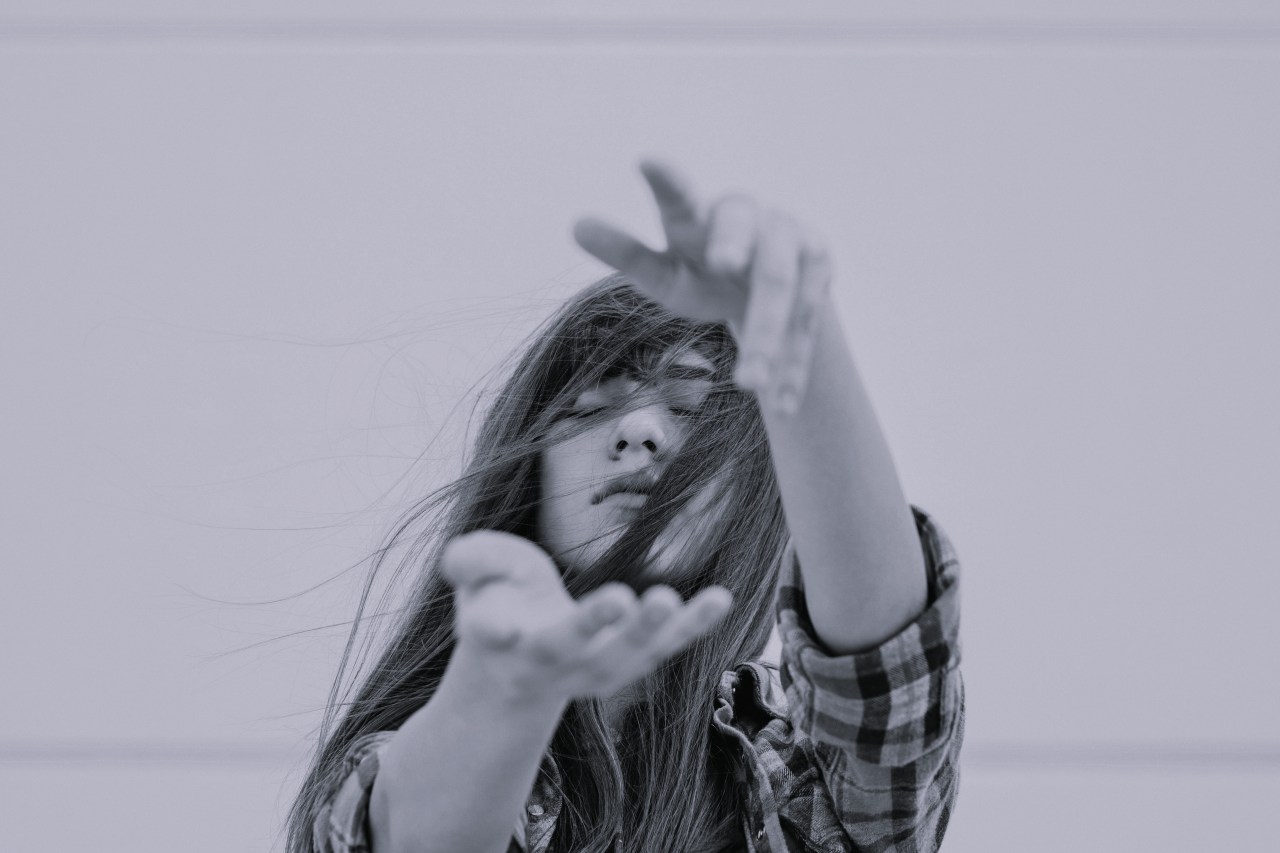
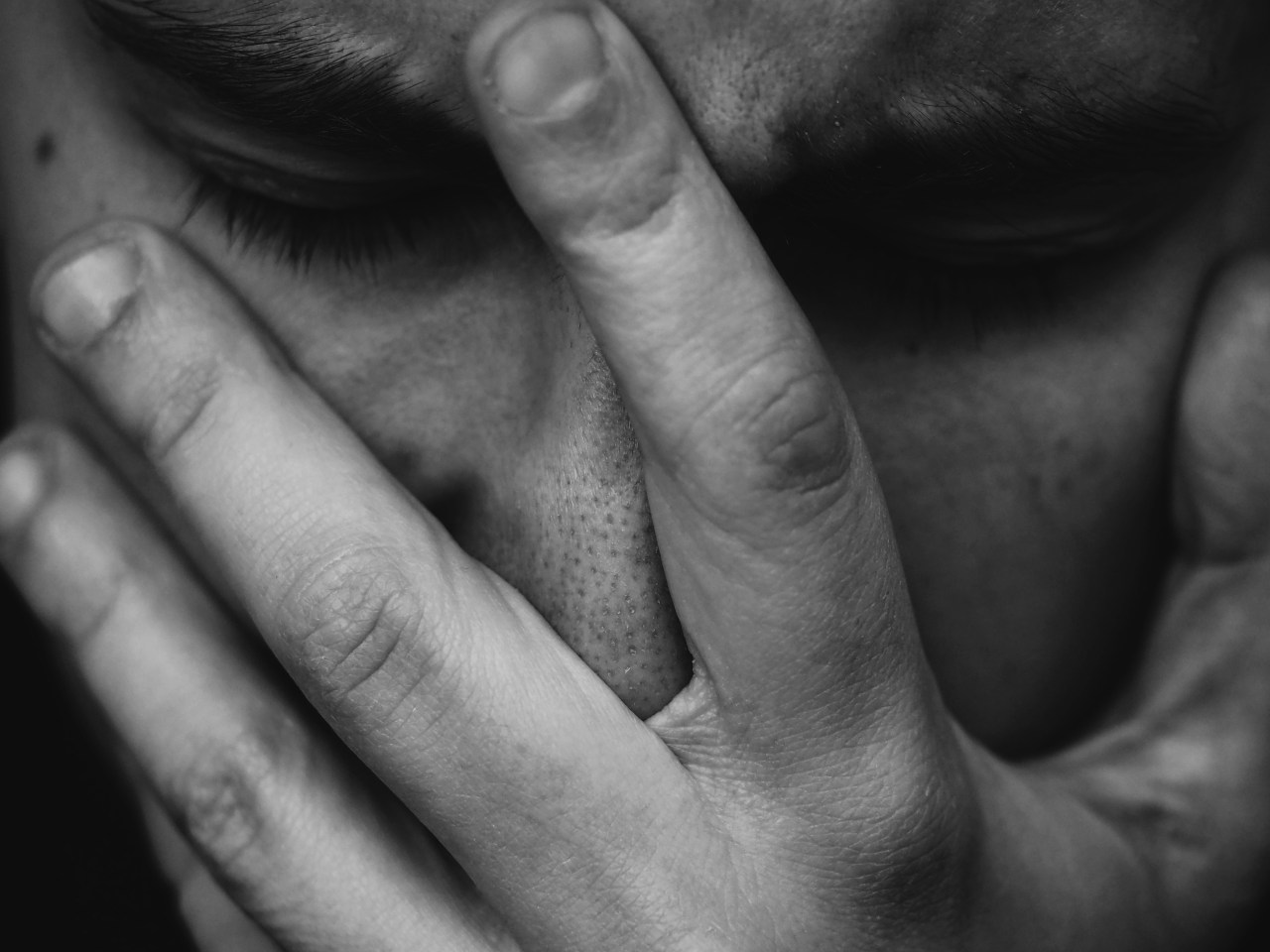
The photo that accompanies this post is one I never thought I’d share.

I’ve had it since 2003, and aside from the person who took it, I showed it to only one other person for years. Before I stepped onto this journey, there was no way I would have let anyone see it. In truth, it’s taken me more than a decade of healing to feel ready to share it at all.

That photo isn’t a picture of someone who had it together.
It isn’t the version of me I worked so hard to present to the world.

It’s a picture of a woman in pain.
In fear.
Holding on by a thread.

I look at her now and I recognize her immediately. She’s still inside me. But today, I feel compassion for her instead of shame. I understand what she was carrying. I understand why she was afraid. And I appreciate her—because she didn’t stay there.

She kept going.

And that’s what made her flawsome.


What Flawsome Really Means to Me

Flawsome isn’t pretending we don’t have flaws.
It’s not polishing them up or hiding them better.

Flawsome is learning to celebrate them.

It’s letting go of the impossible standard of perfection and choosing something real instead. Because perfection doesn’t exist—and chasing it only keeps us stuck in self-judgment.

Flawsome is turning the parts of yourself you once hated into sources of strength. It’s living authentically, loving yourself fully, and recognizing that who you are—right now—is already worthy.

Perfection isn’t attainable.
But flawsomeness is.


How I Learned to Become Flawsome

This didn’t happen overnight.

It came from learning who I actually am, not who I thought I needed to be. From loving myself unconditionally—even the parts I wanted to reject. From letting my freak flag fly instead of trying to tuck it away.

And yes, it came from forgiveness. Again.

Forgiving myself for the choices I made when I didn’t know better.
Forgiving myself for the years I spent believing I was unlovable.
Forgiving myself for thinking my flaws made me less-than.

Letting go of that judgment freed me in ways I never expected.


Loving Yourself Is the Work

I had to learn to look at myself with love—the same love I so easily offered to others.

To stop living in the past, replaying mistakes that couldn’t be undone.
To stop living in the future, chasing a version of myself I thought I had to become.

The only place healing actually happens is now.

I learned to focus on what I’m good at. To celebrate my strengths instead of obsessing over what I thought was broken. To build on my talents and share them with others.

One of the most powerful parts of being flawsome is letting other people see it. When we own who we are, we give others permission to do the same.


The Woman in That Photo Didn’t Stay There

There’s nothing flawsome about the woman in that photo—except this:

She didn’t give up.

With every bit of strength she had, she fought for herself. She started a journey toward healing and self-love. It wasn’t pretty. It wasn’t fast. And yes, she put herself through hell for years after that picture was taken.

But she got there.

And now, that woman is me—writing these words.

That’s flawsome.


If You’re Struggling Right Now

If you’re feeling lost, empty, beaten down, or hopeless—please hear this:

Today can be the first day of the rest of your life.

You don’t need to have it all figured out. You just need to decide that you’re worth fighting for. The journey won’t be easy, but I promise you—it’s worth every step.

And you don’t walk it alone.

You have all of us SLAYERS walking beside you.

So go out there today and be flawsome.


SLAY Reflection

Let’s reflect, SLAYER:

S: What parts of yourself have you labeled as flaws?
L: How have those “flaws” actually shaped your strength or resilience?
A: What would change if you looked at yourself with compassion instead of judgment?
Y: How can you begin turning what you’ve judged into something flawsome?

Make a commitment today to stop judging yourself. When something comes up that you usually criticize, pause. Smile. Ask yourself how you can respond with love instead.

You’re learning.
Be kind to yourself on the way to SLAYDOM.
And never forget—you are flawsome.