
Frustration Is an Invitation You Don’t Have to Accept

We all know the feeling—traffic that doesn’t move, a conversation that goes sideways, a plan that unravels in real time. Frustration builds, and before you know it, you’re simmering in anger, irritation, or resentment.

But here’s the truth that changed everything for me: frustration is always self-induced.

The outside world can invite us to be upset, yes—but we are the ones who accept the invitation.

When I first heard this idea, I bristled. Surely the rude driver, the unfair boss, the inattentive friend—they were the source of my frustration. But as I dug deeper, I realized the common denominator in every moment of anger was me. I was the one choosing to hold onto the irritation, the one letting it hijack my energy, the one letting the external world dictate my internal peace.

And that was the moment I understood: I can’t always control what happens, but I can always control whether or not I RSVP to frustration’s invitation.


The Hidden Cost of Accepting the Invitation

Frustration feels powerful in the moment. It gives us something to cling to, a sense of being “right,” or even righteous. But that power is fleeting, and the cost is high.

Every time we accept frustration’s invitation, we:

  • Drain our energy on things that don’t serve us.
  • Poison our mood, often for hours or days after the fact.
  • Damage relationships by reacting instead of responding.
  • Distract ourselves from solutions by obsessing over problems.

When I look back at my own life, I see how many days I lost this way—days spent stewing instead of living, days consumed by anger that did nothing but make me miserable. And all of it was preventable.

The truth? Frustration doesn’t come from what happened. It comes from the story we tell ourselves about what happened.


Pause Before You RSVP

The good news is that frustration is optional. Just because you’re invited doesn’t mean you have to attend.

Here’s what I practice today:

  1. Notice the rise. That heat in my chest, that quickening of my thoughts—I know frustration is knocking.
  2. Ask: Is this worth my peace? Nine times out of ten, the answer is no.
  3. Choose my response. Instead of spiraling, I take a breath. Sometimes I literally step away. Sometimes I laugh at how small the trigger really is. Sometimes I pray.
  4. Reframe. Instead of “Why is this happening to me?” I ask, “What is this showing me?” That shift turns frustration into information.

When I don’t RSVP to the invitation, I keep my power. I keep my peace. And I remember: the world doesn’t get to run my emotions—I do.


Frustration Reveals What We Value

Here’s the part most people miss: frustration isn’t all bad. It’s actually a teacher, if we’re willing to listen.

Frustration shows us what matters to us, what we expect, what boundaries may need adjusting. For example:

  • If traffic frustrates me, maybe it’s not about the cars—it’s about my lack of preparation or my need for control.
  • If someone interrupts me and I feel rage, maybe it’s pointing me to a wound around not feeling heard.
  • If I’m furious that a plan changed, maybe it’s about my deeper need for certainty and security.

When I stop blaming the outside world and start looking inward, frustration becomes less of a punishment and more of a flashlight.

It shines a light on the gap between my expectations and reality—and that’s where my work begins.


Choosing Peace Over Frustration

It’s not about denying your feelings. It’s about remembering that frustration is optional. You always have another choice:

  • You can let go. Not everything deserves a reaction.
  • You can laugh. Humor disarms frustration in a heartbeat.
  • You can learn. Ask what this moment is teaching you.
  • You can move on. Protect your energy by refusing to give it away.

When I practice this, I notice how much lighter my days feel. I have more energy for the things that actually matter. And maybe most importantly, I stop letting other people’s behavior write the story of my day.

Because at the end of the day, frustration is a story. And you get to decide whether or not you keep telling it.


Frustration Will Knock Again—Be Ready

Don’t get me wrong—I still get frustrated. I’m human. But now, instead of automatically reacting, I pause and ask myself:

Am I about to accept an invitation to frustration? Or am I going to choose peace instead?

That moment of awareness has changed my life. It’s not always easy, but it’s always worth it.

Frustration may knock, but peace is the one I let in.


SLAY Reflection

  1. What situations frustrate you most often?
  2. What expectations lie beneath that frustration?
  3. Can you trace your frustration back to an old story, wound, or belief?
  4. How does your day feel different when you choose not to engage with frustration?
  5. What’s one way you can practice pausing before accepting frustration’s “invitation” this week?

S – Stop and notice when frustration rises
L – Let go of the need to control what you can’t
A – Align your response with peace, not anger
Y – Yield to wisdom, not to the story frustration tells


Call to Action: Join the Conversation

I’d love to hear from you.
What’s one frustration you’ve learned to stop accepting—and how did it free you?
Share your story in the comments. Let’s cheer each other on.

And if you know someone who feels constantly hijacked by frustration, send this to them.
Sometimes, all we need is a reminder that peace is always a choice.

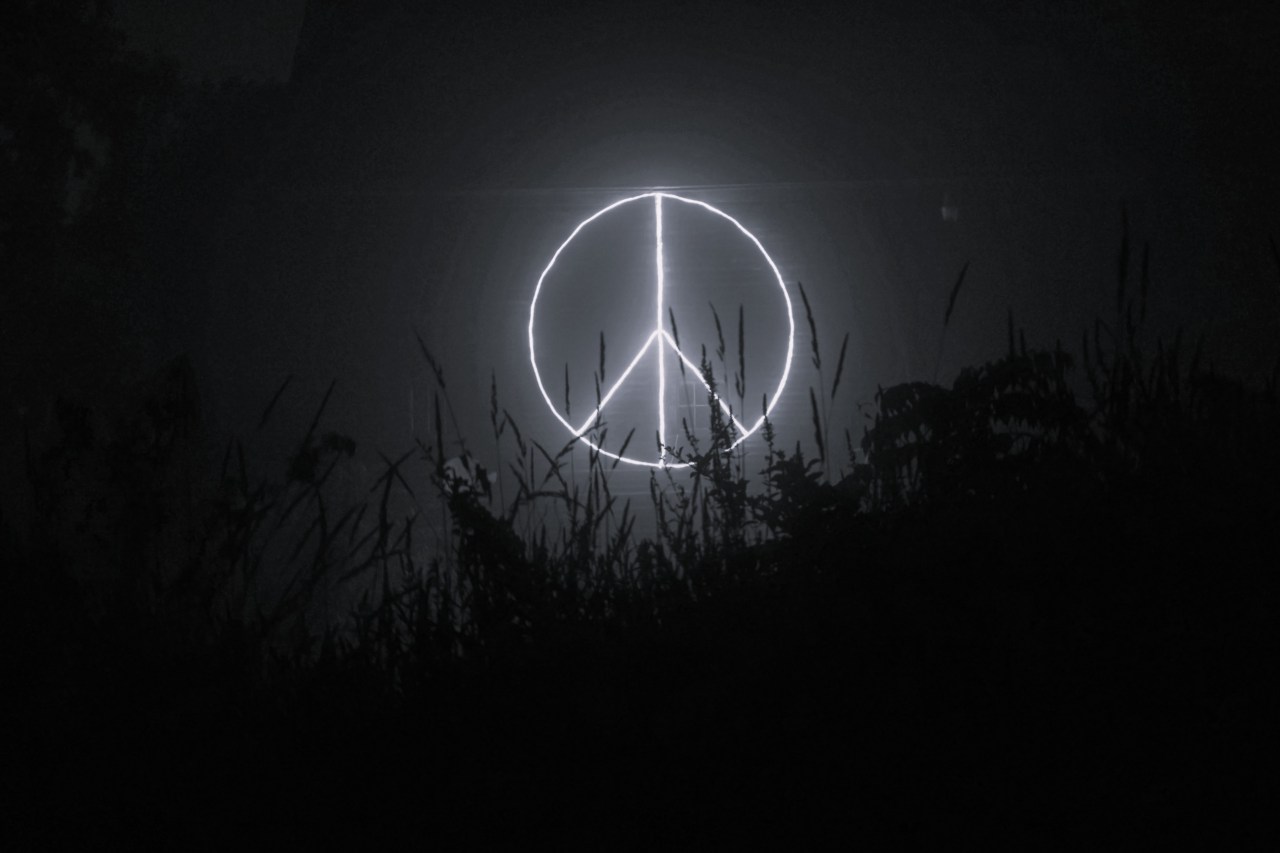
Today I Will Not Stress Over Things I Cannot Control

Easier said than done, right?
Especially now.
It feels like everything—from the world at large to our daily lives—is spiraling beyond our control.

And it’s true: most of life really is outside of our hands.
No matter how hard we try to will something into existence or change an outcome, some things just are.
But here’s the truth I’ve come to live by:
I may not be able to control what happens around me—but I can control how I respond to it.
And that’s where the power is.


The Illusion of Control

When I was living in the dark, I was consumed by control.
Trying to manage everything and everyone.
Manipulating, bargaining, obsessing—believing that if I could just control the situation, I could finally feel safe.

But no matter how hard I tried, life had other plans.
It didn’t care how hard I worked to bend it to my will.
And I exhausted myself trying.

The more I tried to control, the more unmanageable everything became.
It didn’t just wear me out—it wore me down.
My mental health suffered.
My self-worth took a hit.
And I lost myself in the process.


Letting Go Was the Turning Point

When I finally made the decision to change my life, I was told something that made me flinch:
You have to accept that you can’t control everything.”

That one sentence lit up every fear I had.
I didn’t want to hear it.
But I needed to.

Because as terrifying as letting go felt, holding on was doing more damage.

So I started small.
I worked on myself.
I practiced gratitude.
I focused on the good.
And I gave back where I could.

Slowly, the need to control started to loosen its grip.
And I began to feel something I hadn’t felt in a long time: peace.


The Freedom in Acceptance

Letting go doesn’t mean giving up.
It means accepting reality as it is—and choosing to move forward anyway.
It means doing what you can, where you are, with what you have.

It means focusing on your choices, your behavior, your energy—not the chaos around you.

And when you feel that old need for control creeping in?
Put the focus back on yourself.
Or do something kind for someone else.
It’s a powerful reset.

Because the truth is, trying to control what’s out of your hands only ends up controlling you.


What I Can Do Today

There are still plenty of things I can’t control—and many of them deeply disturb me.
But I’ve learned that obsessing over what I can’t change doesn’t help.

What does help?
Doing what I can.

I show up for myself.
I show up for others.
I make better choices.
And I leave the rest.

Because acceptance isn’t giving up—it’s breaking free.


SLAY Reflection: Where Are You Holding On Too Tight?

  1. Do you stress over things that are out of your control?
    What are they—and how do they affect your peace?

  2. How has your need for control shaped your relationships, habits, or mental health?
    What patterns do you see?

  3. What’s one area of your life where you could let go a little more today?
    How would that feel?

  4. What are you really afraid of when you try to control everything?
    Is it fear of failure? Rejection? Uncertainty?

  5. What would shift if you focused on your response, rather than the outcome?
    Where can you put your energy to use in a healthier way?


Call to Action: Join the Conversation

I’d love to hear from you.
What’s one thing you’re ready to stop stressing over because you’ve realized it’s out of your control?
Share your story in the comments. Let’s cheer each other on.

And if you know someone who’s stuck in the loop of control and frustration, send this to them.
Sometimes, all we need is a nudge.

If It Costs You Your Peace It’s Too Expensive

I used to let my stubbornness steal my peace.
If there was something I wanted, I was hellbent on making it happen—no matter the cost. I believed that pushing, forcing, and controlling the outcome was how you “won.” But all I really won was anxiety, burnout, and a whole lot of frustration.

Peace?
I didn’t even know what that looked like. And in my mind, if I had to sacrifice it to get what I wanted, so be it.

I also let relationships rob me of my peace. I gave them too much power, placed too much value on maintaining certain connections—whether or not they were good for me.
My life was one big internal tug-of-war between what I wanted and what was actually happening.

I was never at peace. And I didn’t realize just how much that was costing me.


Peace Is the New Priority

When I started this path, I was told something that stuck with me:
Your peace is more important than anything you’re chasing.

At first, I wasn’t sure how to take that. I thought it meant giving up. But it didn’t. It meant shifting my priorities—choosing myself.

It didn’t mean stop going after what I want. It meant not letting the pursuit of it wreck me in the process.

If what I’m chasing is costing me my peace?
It’s too expensive.

That became my new measuring stick.


When the Price Is Too High

When I feel anxiety start to build, when I feel myself getting defiant, angry, or obsessive—I know.
Whatever I’m chasing has tipped the scale.
It’s no longer about the goal—it’s about control.
And that’s when I have to step back.

This way of thinking was completely foreign to me at first.
I used to believe that pushing through the pain, sacrificing myself for the win, was what strength looked like.
I thought that was self-care—doing whatever it took to succeed.

But it wasn’t self-care. It was self-abandonment.
And I didn’t know the difference until I got honest about what peace actually meant.


Real Peace Is Rooted in Self-Love

Today, I know better.

True self-care doesn’t bulldoze you to the finish line.
It doesn’t demand you give up your mental, emotional, or spiritual well-being in the name of achievement or connection.

Real peace is quiet.
Gentle.
Steady.
And the more I protect it, the more clarity I have.

I no longer force things into being.
I no longer chase what isn’t meant for me.
I no longer need to prove I’m right or make something “work” when every sign tells me it’s not aligned.

That doesn’t mean I don’t work hard. I do.
It just means I work in a way that doesn’t betray myself in the process.


Peace Over Proving

Now when something feels “off,” I pause. I check in with myself.
Is this discomfort a sign I’m stepping out of my comfort zone—or is it warning me that my peace is at risk?

There’s a difference.

One is growth. The other is self-sacrifice.

Today, I choose peace. I protect it. I guard it like the sacred thing it is—because I’ve learned that nothing I want is worth losing it.

So when something feels forced or frantic, I ask myself:
Is it costing me my peace?
If the answer is yes, then it’s not worth it.


SLAY Reflection: Is It Worth Your Peace?

  1. What things or people are you allowing to steal your peace right now?
    What’s the result of that?
  2. Why do you continue to chase things at the cost of your well-being?
    Is it a habit, fear, or need for control?
  3. What does peace actually feel like for you?
    And when was the last time you truly felt it?
  4. What boundaries could you set to protect your peace more consistently?
    What might change if you did?
  5. What can you do today—right now—to honor your peace above all else?
    Because it is not replaceable.


    Call to Action: Join the Conversation

    I’d love to hear from you.
    What’s one thing you’ve had to walk away from in order to protect your peace?
    Share your story in the comments. Let’s cheer each other on.

    And if you know someone who’s struggling to choose peace over pressure, send this to them.
    Sometimes, all we need is a nudge.