
Just Because You Hit A Bottom Doesn’t Mean You Have To Stay There

For most of us, there’s been a time when we’ve hit bottom.
And for many of us, there have been many.

But just because you find yourself at a bottom doesn’t mean you have to stay there.
In fact, sometimes hitting bottom can be the very thing that propels you upward—it can be a turning point, a wake-up call, a catalyst for change.

What matters most is that you recognize it as a bottom.
And then decide you’re not going to live there.


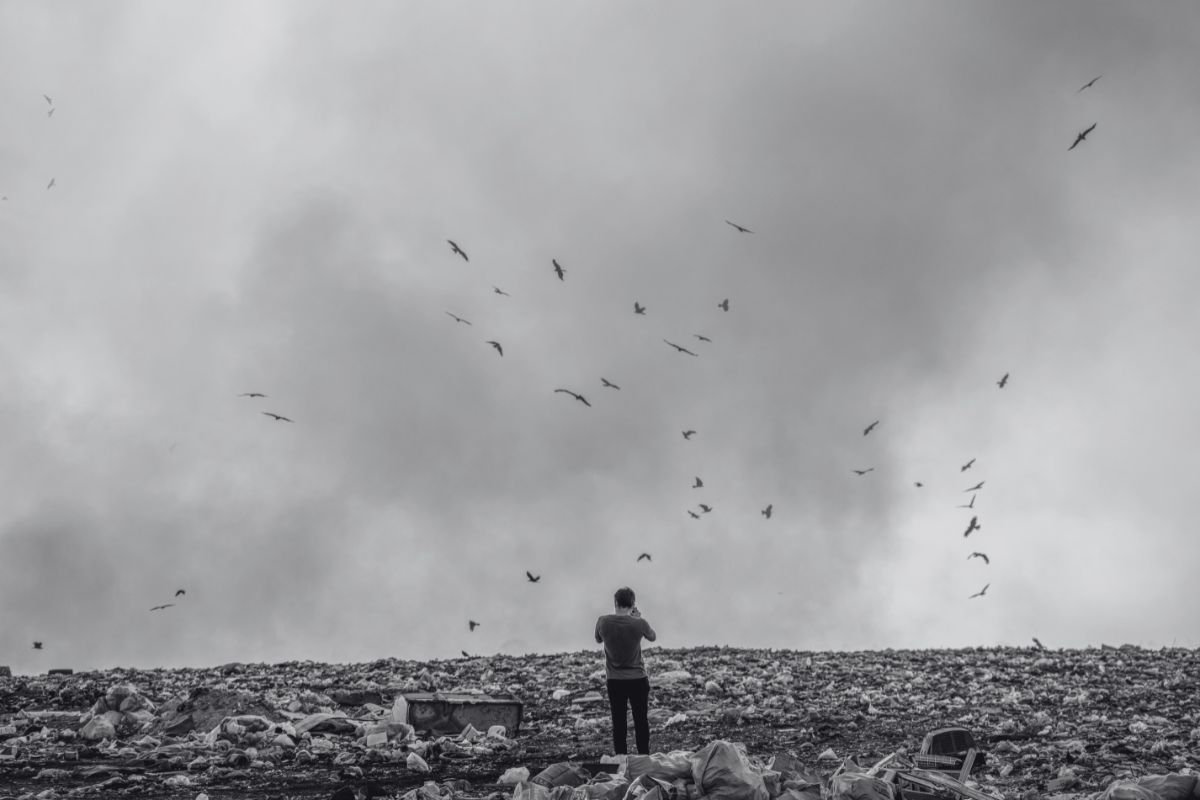
You Don’t Have to Ride It All the Way to the Dump

Looking back, I had many bottoms before I hit the one that finally brought me to my knees.

There were so many moments I should have asked for help…
So many warning signs I ignored…
So many nights I let myself spiral deeper into darkness.

But the truth is: we’re ready when we’re ready.

And if we’re lucky, we get that one moment—the one where something shifts, where the fear becomes too loud to ignore, and we finally ask for help.

For me, that moment came from fear.
Fear of where my mental illness had taken me.
Fear of where it might take me next.

I don’t know why that particular night was different.
There were many terrifying nights before it.
But that night, I got scared enough to pick up the phone.

And in doing so, I opened the door to my own recovery.


The Power of Saying “Enough”

There’s a saying I love:
“You don’t have to ride the truck all the way to the dump.”

You can get off at any time.

Even in the darkest place, even at your lowest, you have a choice.
You always have the option to get off the path that’s dragging you down.
But you have to believe that it’s possible.
And you have to take action.

When I was deep in my illness, I felt powerless.
Like I was strapped to a runaway train.
But that wasn’t true.

I always had a ticket off that train.
And the moment I picked up the phone and asked for help, I used it.

That one action—speaking my truth—shifted everything.

I didn’t have all the answers yet.
I still had work to do.
But the secret I had been carrying was out.
The weight I had been holding got lighter.
And for the first time, I realized I was in control of my recovery.


Recognizing the Bottom for What It Is

It’s so important to notice your bottoms.
To recognize when you’ve fallen harder than usual.
To acknowledge when you’re staying down longer than you want to.

Because that moment of awareness?
That’s the moment you can begin to rise.

We all fall.
We all struggle.
But no one has to stay in the pit.

Freedom starts with acceptance.
The willingness to see where you are—and the courage to choose something better.

A bottom doesn’t have to be the end of your story.
It can be the beginning of your comeback.


From Rock Bottom to Rise

A bottom might just be the biggest blessing in disguise.

It might be the one thing that finally gets your attention.
The one thing that cracks you open.
The one thing that forces you to stop, reflect, and change direction.

You don’t have to stay down.
You don’t have to prove anything to anyone by suffering longer.

Your story is still being written.
And a bottom can be the moment you choose a new chapter.

Use it to rise. Use it to SLAY.


SLAY Reflection: What Is Your Bottom Telling You?

Has a past bottom ever helped you grow or pivot in a new direction?
How can you use that lesson now?

Have you ever hit a bottom in your life?
What were the signs? What did it feel like?

Have you hit multiple bottoms?
What made the most recent one different?

Are you currently in a bottom?
If so, what are you doing about it—or avoiding?

What’s holding you back from asking for help or making a change?
What could shift if you took just one small step?


Call to Action: Join the Conversation

I’d love to hear from you.
What helped you recognize a bottom in your life—and what did you do to rise from it?
Share your story in the comments. Let’s cheer each other on.

And if you know someone who’s struggling to climb out of a hard place, send this to them.
Sometimes, all we need is a nudge.
Faith Is Hope With A Track Record

Some days, it’s harder to write than others.
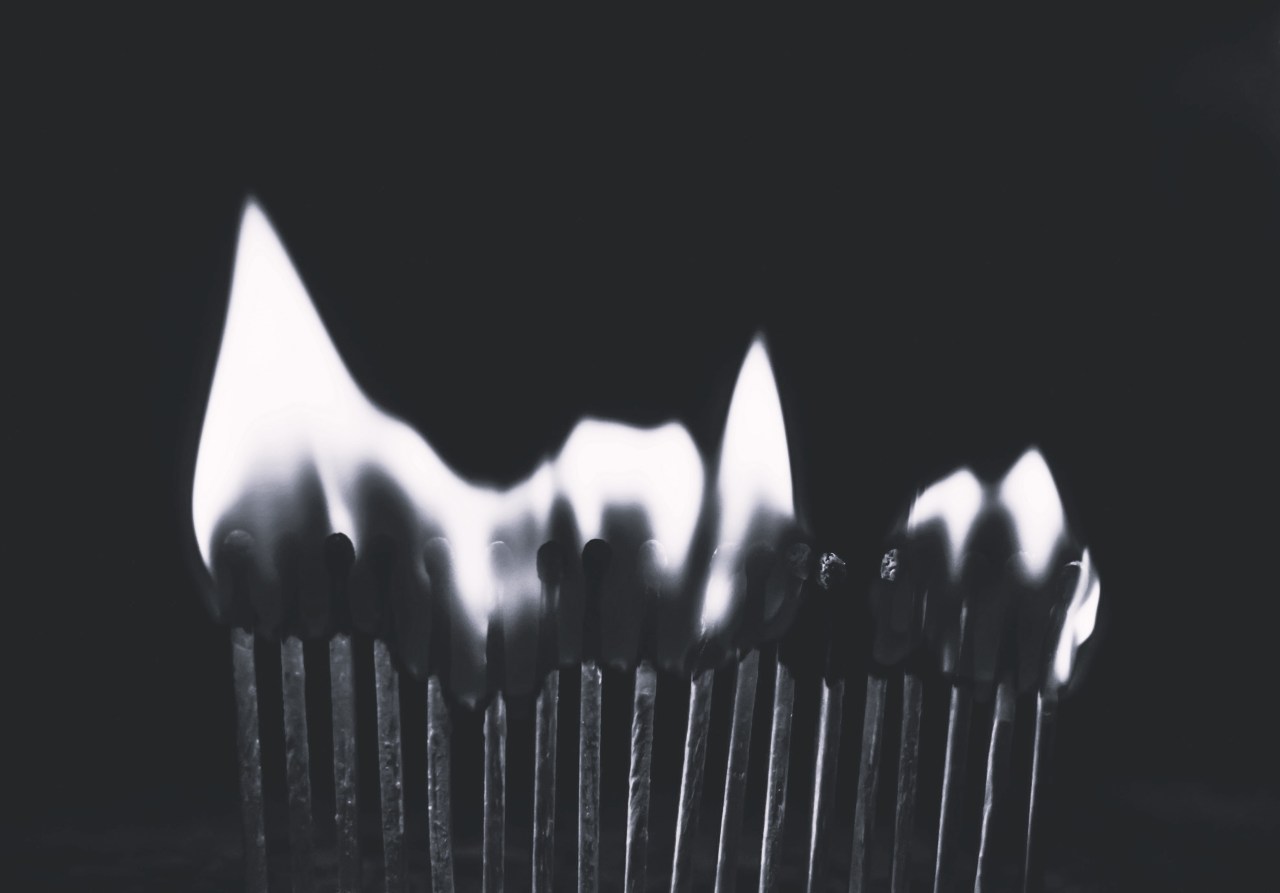
Especially on the days when my light feels dim, when I’m tired, and when the fire that usually fuels me flickers a bit lower.

Today is one of those days.
And yet—these are often the days I most need to write.
To remind myself of what I know deep down:
This moment will pass.
This weight I’m feeling isn’t forever.
And no matter how disconnected or overwhelmed I feel, I’ve made it through harder days than this.
Faith reminds me of that.

Life may feel uncertain and unsteady at times, but faith is what brings me back to center.
Because faith isn’t just a feeling—it’s a belief rooted in evidence.
It’s hope that’s been tested. And proven.


From Hopelessness to Hope

Before I began this journey, I didn’t have much faith.
In fact, I didn’t even have much hope.
My mind always defaulted to the worst-case scenario.
And on the rare occasion I dared to hope, I quickly snuffed it out with a familiar voice in my head that told me I didn’t deserve good things.

But then someone shared their story with me.
Where they had been.
What they had come through.
And where they were now.

That single story sparked something.
A flicker of hope.
It was small, but it was enough to help me pick up the phone and ask for help.
And that call changed everything.


How Faith Is Built

Hope came first.
Faith came later.

Because faith doesn’t magically show up—it builds over time.
It’s earned through experience, through consistent effort, and through the proof that change is possible when we do the work.

As I began taking positive steps in my recovery, I started to notice shifts in my life.
Support showed up.
Healing began.
My mental health improved.
And slowly, I started to believe that I could feel better.
That I could build a different kind of life.

That belief—backed by action—became my faith.


Faith Isn’t Passive. It’s a Practice.

Faith isn’t just sitting back and hoping things will change.
It’s rolling up your sleeves and doing the work because you believe change is possible.

Faith can be rooted in something greater than ourselves.
In a higher power.
In the belief that we’re being guided or protected.

But it’s also in the way we show up every day—especially on the hard days.
When we take small, positive actions even when we don’t feel like it.
When we keep moving forward, even if we’re unsure of the destination.
That’s faith in motion.


Share the Flame

Today, if you’re in a low place, remind yourself of what you’ve already overcome.
Look back at the track record of your survival, your growth, your strength.

Faith is built on the moments you didn’t think you’d get through—but did.

And if you’re struggling to find your faith today, start with hope.
Hold onto that spark and trust that it will grow.

If your flame feels dim, share it anyway.
Because when we pass our light to someone else, it only gets brighter.


SLAY Reflection: Are You Holding Onto Faith or Reaching for Hope?

  1. Do you feel connected to your faith today?
    If yes, how does it support you? If not, what’s made you feel disconnected?

  2. Did you always have faith—or did you find it later in life?
    What helped you begin to believe again?

  3. When you think about hope, what comes up for you?
    Are you nurturing it—or avoiding it?

  4. What action helped you move from hope into faith?
    What did you do that built trust in your own journey?

  5. Who in your life might need a reminder that faith is possible?
    How can you be the light that helps spark theirs?


Call to Action: Join the Conversation

I’d love to hear from you.
What’s one moment in your life where hope turned into faith—and how did that change your path?
Share your story in the comments. Let’s cheer each other on.

And if you know someone who’s searching for that spark, send this to them.
Sometimes, all we need is a nudge.
How Does This Make Us Better?

Every challenge carries a choice. It can break us—or it can shape us.

Some of the hardest moments in my life are also the ones that changed me the most. Even the night I nearly lost my life—by all accounts, a night I shouldn’t have survived—eventually became a turning point. That experience didn’t just shake me, it redefined me. Not instantly, and not without pain, but over time, it became the spark for something more.

At first, I didn’t feel lucky to be alive. I felt guilty. I questioned whether my life was worth saving. What had I done to deserve another chance? Was I doing enough with the life I had?

But as I worked through the survivor’s guilt, something shifted. I began to see the opportunity in front of me—not just to live, but to give back. To take stock of my life. To use my pain for purpose.

And that’s what ultimately inspired me to create this blog—to take the hardest parts of my journey and turn them into a light for someone else.


The Darkness Doesn’t Last Forever

When you’re in the middle of it—whatever it is—it’s hard to imagine things getting better.

I remember thinking the darkness was permanent. That I’d never see light again. I hid. I shut down. I told myself if I admitted how bad things were, people would think I was broken.

But that wasn’t true.

The truth is, it took someone else shining their light to help me find my own. One person shared their story. One person reached out. And that small gesture gave me just enough hope to believe that maybe—just maybe—things could change.

Fighting my way out took honesty, stamina, and support. And I didn’t do it alone. I still don’t. Fourteen years later, I still lean on the people in my corner. Because healing isn’t a one-time event—it’s a daily choice.


Turn the Pain Into Purpose

As I began to untangle my past, I started to see how it could be used for good.

The darkness I had once resented became a foundation for something bigger. A way to connect with others. A way to offer hope. A way to create change.

The truth is, we don’t just “get through” hard things. We grow through them.

Every difficult season gave me a tool—resilience, compassion, boundaries, forgiveness. And with each tool, life became a little more manageable.

I’ve learned to ask for help. I’ve learned how to stay in the light. And I’ve learned that even when I don’t have the answers, I can reach out to someone who does.

None of this happened in isolation. And it wasn’t meant to. We’re not built to walk this path alone.


We’re Always in This Together

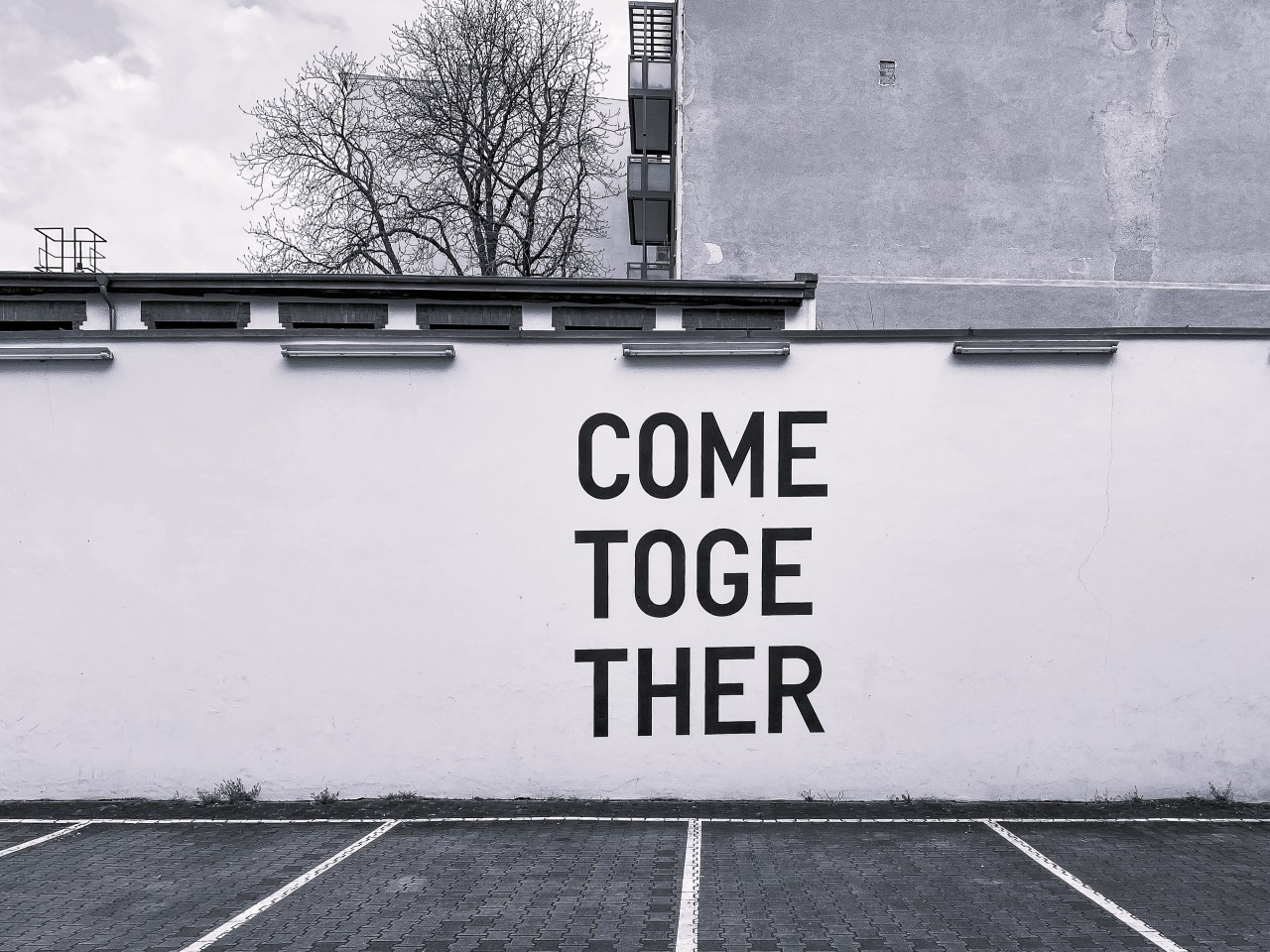
There’s a hashtag I see a lot: #WereInThisTogether. And while it’s been used to describe difficult global seasons, the truth is—it applies to all of life.

We are always in this together.
It’s easy to forget that when things are going well. But in moments of pain, we remember: we need each other.

And when we remember that, we grow stronger—not just as individuals, but as a collective.

When we rise, we lift others with us.
When we heal, we make space for others to do the same.


Choosing to Come Out Better

Right now, we all have a little more time to think. Life has slowed down, and in the pause, there’s a chance to reflect.

So here’s a question worth asking: How does this make me better?

Not how does this break me—but how can I use this to grow?
How can I take this struggle, this shift, this pause—and turn it into purpose?

That’s where real transformation happens. In the questions. In the actions. In the moments we choose light over darkness, connection over isolation, growth over fear.

We all have room to grow. We all have ways to get better. The choice is ours—every single day.

So what will you choose today?


SLAY Reflection

Take a moment, SLAYER, and reflect:

  • S: Have difficult times in your life led to personal growth? What did you learn?

  • L: Are there past challenges you now see as defining moments? What shifted?

  • A: What can you take from your current season and use to grow or help someone else?

  • Y: What’s one positive change you can commit to today that will lead you closer to your best self?


Call to Action: Join the Conversation

I’d love to hear from you.
What lessons have you taken from your darkest moments, and how did they shape who you are today?
Share your story in the comments. Let’s cheer each other on.

And if you know someone who’s still in the dark, send this to them.
Sometimes, all we need is a nudge.

Looking Through Your Own Tinted Glasses

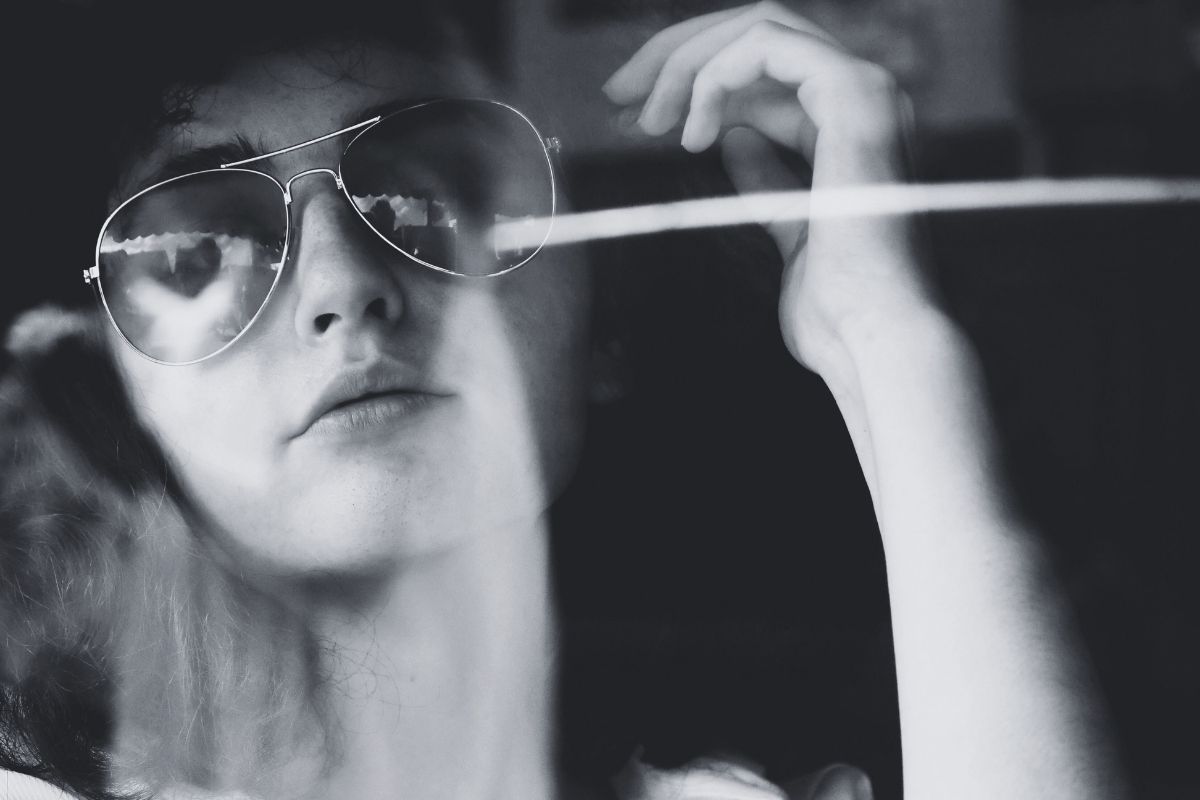
I’ve been thinking a lot lately about how we see life through our own lens. How easy it is to adjust the tint to suit the story we want to tell—or the one we’re trying to avoid.

Because the truth is, when we keep those glasses on, we keep ourselves from seeing what’s real.


The Comfortable Distortion

When I was living in the dark, I wore every shade of tinted glasses you can imagine. I’d change the lens to match my mood, my fears, or the lies I was telling myself.

Reality? I didn’t want to face it. It was too painful. Too overwhelming. Too raw.

So I hid. I convinced myself that my version of the story—my distorted, safer version—was enough. I ignored the cracks in my life, the hurt I was causing myself and others, and I justified it all with the filters I chose to wear.

But eventually, the truth caught up with me. And when it did, I realized how small and dark my world had become.


Taking Off the Glasses

It wasn’t easy. Seeing life without those filters meant facing the choices I’d made, the damage I’d done, and the lies I’d told. It meant admitting that I was the one holding myself back.

But in that hard truth, I found something I hadn’t expected: hope.

I discovered that even when the view was painful, it was honest. It was real. And it gave me a path forward.

As I began my journey of recovery, I learned to live in reality. To lean on others who were also learning to live in their truth. To reach out for help when my reality felt overwhelming.

And over time, I realized that reality—messy, uncomfortable, imperfect—is where life really happens.


Seeing Life Clearly

These days, I still feel the temptation to slip those tinted glasses back on when life gets hard. But I remind myself that hiding doesn’t solve anything. It just keeps me stuck.

Reality can be painful. But it’s also where growth lives. It’s where connections deepen, where healing begins, and where we finally get to see ourselves—truly see ourselves.

And the more I practice living in the clear, the more I realize how much beauty there is in truth.

SLAY on.


SLAY OF THE DAY: Reflect & Rise

Do you tend to hide behind tinted glasses to avoid facing your truth?
What fears or stories are you using those lenses to cover up?
What might your life look like if you took them off today?
How can you begin practicing honesty with yourself and those around you?
What’s one small step you can take today to start living in the clear?


Call to Action: Join the Conversation

I’d love to hear from you.
What’s one truth you’re ready to face today?
Share your story in the comments. Let’s cheer each other on.

And if you know someone who’s struggling to see reality, send this to them.
Sometimes, a small nudge is all it takes to lift the veil.