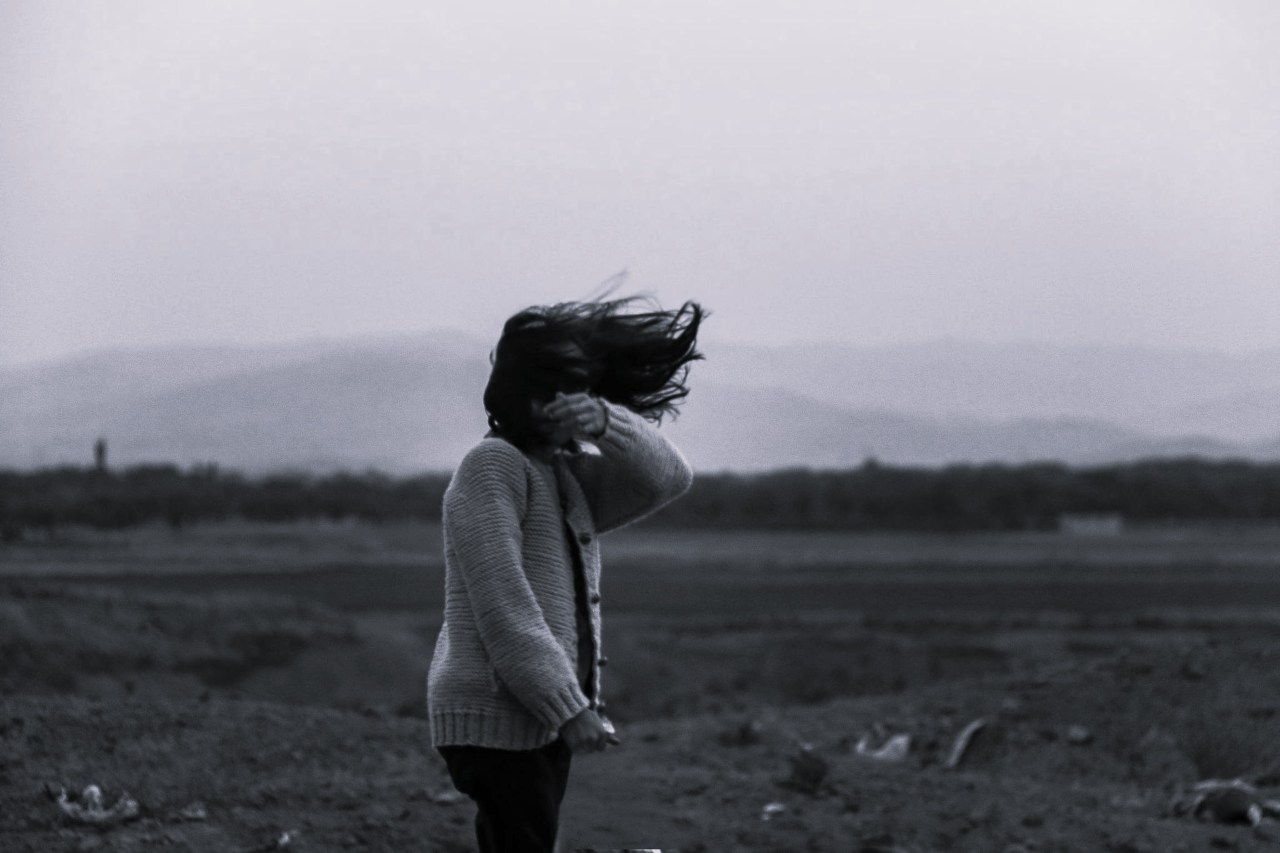
If Their Absence Brings You Peace You Did Not Lose Them

There was a time when I believed every ending was a loss.

If a relationship faded, if someone stepped away, if a friendship dissolved, I assumed I had failed somehow. I replayed conversations. I questioned my worth. I wondered what I could have done differently.

And sometimes there were lessons to learn. Accountability matters. Growth matters. Self-reflection matters.

But there came a moment when I noticed something I could not ignore.

Peace.

Not immediately. Not dramatically. But gradually, quietly, consistently. The absence of certain people or situations brought calm instead of chaos.

And that realization shifted everything.

Because sometimes what we call loss is actually relief.


Prefer to listen? The Audio Blog version is available here.


Peace Is Powerful Information

Peace is data.

If someone’s absence lowers your anxiety, reduces tension, or allows you to feel more like yourself, that is worth paying attention to. It does not necessarily mean the other person is bad. It simply means the dynamic was not healthy for you.

Not every connection is meant to last forever.

Some people enter our lives to teach us boundaries. Some show us what we need. Some reveal what we deserve. And some simply outgrow alignment with who we are becoming.

That is not failure.

That is evolution.


Growth Changes Relationships

As we grow, our needs change. Our values sharpen. Our tolerance for certain behaviors shifts. What once felt normal may start to feel draining.

I experienced this firsthand.

As I committed more deeply to healing, honesty, and self-respect, some relationships no longer fit. Conversations felt forced. Energy felt mismatched. Peace felt compromised.

Letting go was uncomfortable at first.

But staying would have been more uncomfortable in the long run.

Growth often requires recalibration.

And that includes relationships.


Letting Go Is Not Always Rejection

It is easy to interpret distance as rejection. I certainly did.

But many times, distance is simply alignment adjusting.

Sometimes two people are both growing, just in different directions. Sometimes, timing changes compatibility. Sometimes healing requires space.

And sometimes peace requires distance.

Recognizing that helped me release resentment and guilt.

Because letting go can be an act of self-respect, not hostility.


You Are Allowed To Choose Peace

This was one of the hardest lessons for me.

I used to believe choosing peace was selfish. That maintaining relationships at any cost was the kinder choice. That discomfort was just part of connection.

But chronic tension is not connection.

Consistent anxiety is not intimacy.

Emotional exhaustion is not loyalty.

Peace is not something you earn by enduring discomfort. It is something you protect by making aligned choices.

And you are allowed to protect it.


Absence Can Clarify Value

When someone leaves your daily orbit, clarity often follows.

You see patterns more clearly. You notice emotional shifts. You understand what you were tolerating versus what you truly needed.

Sometimes that clarity leads to reconnection later in a healthier way. Sometimes it confirms the separation was necessary.

Both outcomes can be valid.

The goal is not permanence.

The goal is well-being.


Loss And Relief Can Coexist

It is important to acknowledge this nuance.

You can miss someone and still feel more peaceful without them. You can appreciate what was while accepting what is. You can hold gratitude and boundaries simultaneously.

Human emotions are layered.

Allowing that complexity creates emotional maturity.

And emotional maturity supports healthier future connections.


Choosing Peace Supports Growth

Peace creates space.

Space for clarity. Space for healing. Space for creativity. Space for joy.

When your nervous system is not constantly bracing for stress, your energy becomes available for growth instead of survival.

That shift changes everything.

And often, it begins by acknowledging that peace is not accidental.

It is intentional.


SLAY Reflection

Let’s reflect, SLAYER:

S: Have you ever felt more peaceful after a relationship or situation ended?

L: What did that peace reveal about your needs or boundaries?

A: Are there dynamics currently in your life that feel more draining than supportive?

Y: What step could you take to protect your peace while remaining compassionate?


Call to Action: Join the Conversation

I’d love to hear from you.
Have you experienced a situation where someone’s absence created unexpected peace, and what did you learn from it?
Share your story in the comments. Let’s cheer each other on.

And if you know someone navigating change in relationships, send this to them.
Sometimes, all we need is a nudge.

The Only Out Is Through

There was a time when I believed avoidance was survival.

If something hurt, I distracted myself. If something scared me, I delayed it. If something overwhelmed me, I convinced myself it would pass on its own.

Sometimes it did.

But most of the time, it waited.

And eventually, whatever I was avoiding showed up again. Usually louder. Usually heavier. Usually, at a time when I felt even less prepared to handle it.

That was when I finally understood something that has become a guiding truth in my life.

The only out is through.

Not around it. Not over it. Not pretending it is not there. Through it.

And while that realization was intimidating at first, it ultimately became freeing.


Prefer to listen? The Audio Blog version is available here.


Avoidance Feels Safer Until It Isn’t

Avoidance gives temporary relief. It lowers anxiety in the moment. It allows us to breathe for a second.

But unresolved emotions, difficult conversations, grief, fear, and truth do not disappear simply because we delay them.

They accumulate.

They surface in stress, burnout, irritability, anxiety, and even physical symptoms. And often, the longer we avoid something, the bigger it feels.

Facing something directly is rarely comfortable. But avoiding it usually costs more in the long run.

That was a hard lesson for me.

But a necessary one.


Growth Lives On The Other Side Of Discomfort

Every meaningful shift in my life required walking through discomfort.

Healing. Honest conversations. Setting boundaries. Admitting mistakes. Asking for help. Letting go of relationships that no longer served me. Even allowing joy again after loss.

None of that happened by bypassing difficult emotions.

It happened by moving through them.

And while the process was not always graceful, it was transformative.

Because growth rarely happens in comfort zones.

It happens when we face what we would rather avoid.


Emotional Courage Builds Emotional Strength

Courage is often misunderstood.

People assume it means fearlessness. But most of the courageous choices I have made happened while I was afraid.

Speaking honestly when silence felt easier. Showing vulnerability when hiding felt safer. Choosing healing when numbness felt familiar.

Courage is not the absence of fear.

It is movement despite fear.

And each time you move through something difficult, your emotional resilience grows.

That confidence compounds.


My Own Turning Point

There was a moment when I realized I could not keep outrunning myself.

Old patterns. Old pain. Old coping strategies. They were not working anymore. They were exhausting me.

So I made a choice.

Not to rush healing. Not to force perfection. Just to start walking through what I had been avoiding.

Therapy. Honest conversations. Self-reflection. Accountability. Forgiveness.

It was uncomfortable. Sometimes painful. Occasionally messy.

But it was also liberating.

Because each step forward reduced the weight I had been carrying.


Through Does Not Mean Alone

One important clarification.

Moving through something does not mean you have to do it alone.

Support matters. Friends. Family. Therapists. Mentors. Community. Shared experiences.

Connection often makes difficult processes more manageable. It provides perspective, encouragement, and accountability.

Strength is not isolation.

Strength is allowing support while doing the work.

And that combination is powerful.


Progress Is Not Linear

There were days I felt strong. Days I felt exhausted. Days I felt hopeful. Days I felt overwhelmed.

That fluctuation is normal.

Healing is rarely a straight line. It is often a spiral. You revisit themes at deeper levels. You grow gradually. You build resilience incrementally.

The key is movement.

Even slow movement counts.

Even uncertain movement counts.

Forward is forward.


Peace Comes From Processing, Not Avoiding

When you move through something instead of around it, something shifts internally.

Clarity replaces confusion. Acceptance replaces resistance. Peace replaces tension.

Not instantly.

But steadily.

And that peace becomes a foundation you carry forward into future challenges.

Which makes future obstacles feel less intimidating.

Because you already know you can move through them.


SLAY Reflection

Let’s reflect, SLAYER:

S: What situation or emotion have you been avoiding lately?

L: What feels most uncomfortable about facing it directly?

A: Who could support you as you move through this experience?

Y: What small step today would represent forward movement rather than avoidance?


Call to Action: Join the Conversation

I’d love to hear from you.
What challenge taught you that the only way forward was through, and what did you learn on the other side?
Share your story in the comments. Let’s cheer each other on.

And if you know someone navigating a difficult season, send this to them.
Sometimes, all we need is a nudge.

I Am No Longer Available for People or Things That Make Me Feel Bad

There was a time in my life when I stayed available to everything.

People who drained me.
Situations that unsettled me.
Conversations that left me questioning myself.
Expectations that did not belong to me.

I told myself it was kindness. Loyalty. Patience. Love.

But if I am honest, much of it was fear.

Fear of disappointing others.
Fear of conflict.
Fear of being misunderstood.
Fear of not being liked.

And while I was busy protecting everyone else’s comfort, I was slowly abandoning my own.

That realization changed everything.


Prefer to listen? The Audio Blog version is available here.


Learning That Availability Is a Choice

For a long time, I believed being a good person meant always being accessible. Always accommodating. Always understanding. Always giving the benefit of the doubt, even when my intuition was quietly telling me something was off.

I thought boundaries made me difficult.
I thought saying no made me selfish.
I thought protecting my energy made me cold.

Now I see it differently.

Availability is not a personality trait. It is a choice. And I get to decide where my energy goes.


Not Everything Deserves Access to You

This was a hard truth for me.

Just because someone wants your time does not mean they deserve it.
Just because something once fit your life does not mean it still does.
Just because you can tolerate something does not mean you should.

Growth has taught me that protecting my peace is not selfish. It is necessary.

When something consistently makes me feel small, anxious, depleted, or unsettled, I pay attention now. I no longer override those signals.

My nervous system is wise.
My intuition is wise.
My emotional well-being matters.


Choosing Peace Over Approval

There was a version of me that wanted everyone to understand me.

To approve of me.
To agree with me.
To be comfortable with my choices.

That version of me worked very hard. And she was very tired.

Today, I am less concerned with approval and more committed to alignment.

Peace feels better than permission.
Clarity feels better than constant compromise.
Authenticity feels better than acceptance built on pretending.

And the people meant for me respect that shift.


Walking Away Is Not Failure

One of the biggest lessons I have learned is that leaving something that harms you is not failure. It is wisdom.

It does not mean you did not try.
It does not mean you did not care.
It does not mean you gave up too easily.

Sometimes it means you finally chose yourself.

I used to stay far longer than I should have. In relationships. In environments. In conversations. In expectations.

Now I listen sooner.
I trust myself sooner.
I choose peace sooner.

That is growth.


What This Looks Like in Real Life

Being unavailable for what harms you does not always mean dramatic exits.

Sometimes it looks quiet.

Less explaining.
Less engaging.
Less overextending.
Less tolerating what feels wrong.

Sometimes it is simply choosing not to participate.

That quiet shift can be powerful.


This Is Not About Becoming Hard

Choosing peace does not make you cold.
Having boundaries does not make you unkind.
Protecting your energy does not make you distant.

If anything, it allows you to show up more fully where it matters.

When I stopped pouring energy into what drained me, I had more to give to what nourishes me. More presence. More patience. More authenticity.

That feels like love, not withdrawal.


Your Peace Is Worth Protecting

You do not have to justify wanting to feel safe in your own life.

You do not have to explain why something does not feel right.

You do not have to keep proving your worth by enduring discomfort.

You are allowed to choose environments, relationships, and commitments that support your well-being.

That is not selfish.

That is self-respect.


I Am No Longer Available

I am no longer available for constant tension.
For unnecessary drama.
For energy that feels heavy.
For situations that make me doubt myself.

I am available for growth.
For peace.
For honesty.
For relationships rooted in respect.

And most importantly, I am available for myself.


SLAY Reflection

Let us reflect SLAYER:

S: Where in your life do you feel drained or unsettled
L: What signs has your body or intuition been giving you
A: What is one boundary you could gently introduce
Y: How might your life shift if you prioritized peace over approval


Call to Action: Join the Conversation

I would love to hear from you.
What is one thing you are no longer available for in your life
Share your story in the comments. Let us cheer each other on.

And if you know someone learning to protect their peace, send this to them.
Sometimes all we need is a reminder that we are allowed to choose ourselves.

Individually We Are a Drop, But Together We Are the Ocean

On our own, we can feel small.

One voice.
One story.
One person trying to make sense of a big world.

It’s easy to believe that what we do doesn’t matter.
That our pain is too personal.
That our growth is too private.
That our voice is too quiet.

But the truth is this:

Individually we are a drop. But together, we are the ocean.


Prefer to listen? The Audio Blog version is available here.


The Power of One Still Matters

A single drop doesn’t look powerful on its own.

But every ocean begins with one.

One act of courage.
One honest conversation.
One person choosing healing.
One decision to grow.
One moment of compassion.

No movement starts as a movement.
It starts as a choice.

Your choice.


Connection Is Where Strength Multiplies

Isolation weakens us.

Connection strengthens us.

When people heal alone, they survive.
When people heal together, they transform.

Community doesn’t just comfort — it multiplies impact.

Shared truth creates safety.
Shared growth creates momentum.
Shared courage creates change.

Together, we move faster.
Together, we move deeper.
Together, we create waves.


Why We’re Conditioned to Believe We’re Alone

So many of us were taught to handle things quietly.

Don’t burden others.
Don’t speak too loudly.
Don’t make waves.
Don’t need too much.

So we learned to carry things alone.

But healing was never meant to be a solo journey.

Strength isn’t isolation.
Resilience isn’t silence.
Growth isn’t loneliness.

We weren’t built to evolve in isolation — we were built to evolve in relationship.


Shared Stories Create Shared Healing

When one person speaks, it gives others permission to breathe.

When one person heals, it shows others what’s possible.

Your story doesn’t just belong to you.

It becomes a bridge.
A mirror.
A lifeline.
A lighthouse.

This is how oceans form — one drop at a time, moving in the same direction.


Unity Doesn’t Erase Individuality

Being part of something bigger doesn’t make you smaller.

It makes you stronger.

You don’t lose your identity in community — you bring it.

Every voice matters.
Every experience adds depth.
Every perspective adds current.

An ocean isn’t made of identical drops — it’s made of many.

Different paths.
Different stories.
Different struggles.
Same direction.


Collective Growth Creates Collective Change

Healing doesn’t just change individuals — it changes systems.

Families shift.
Communities evolve.
Cultures transform.

When people rise together, standards rise.
Boundaries rise.
Truth rises.
Compassion rises.

This is how generational patterns break — not through one person alone, but through many choosing differently.


You Are Not Too Small to Matter

If you’ve ever felt insignificant, remember this:

Oceans don’t come from force.
They come from accumulation.

Your kindness matters.
Your growth matters.
Your voice matters.
Your healing matters.

Not because it’s loud —
but because it’s added.


We Rise Faster Together

Growth is possible alone.

But it’s sustainable together.

Support creates endurance.
Community creates resilience.
Unity creates momentum.

We are stronger in alignment.
Braver in connection.
More powerful in unity.


SLAY Reflection

Let’s reflect, SLAYER:

S: Where in your life have you tried to grow alone instead of together?
L: Who feels safe for you to connect with in your healing or growth journey?
A: What part of your story could help someone else feel less alone?
Y: How would your life shift if you allowed yourself to be supported?


Call to Action: Join the Conversation

I’d love to hear from you.
Who has been part of your ocean — the people who helped you heal, grow, or rise?
Share your story in the comments. Let’s cheer each other on.

And if you know someone who feels alone in their journey, send this to them.
Sometimes, all we need is a nudge.

Self-Betrayal

Self betrayal rarely looks dramatic.

It doesn’t always arrive as a big, obvious choice.
It often shows up quietly — in the moments we go against ourselves just to keep the peace, to avoid conflict, or to feel chosen.

It’s the yes we give when our body is screaming no.
The truth we swallow because it feels inconvenient.
The boundary we erase because we’re afraid to be left.

And every time we do it, a small part of us learns that our needs are optional.


What Self Betrayal Really Is

Self betrayal is not about making mistakes.

It’s about abandoning your inner truth to make someone else comfortable.

It happens when you prioritize being liked over being honest.
When you ignore your intuition.
When you stay in situations that don’t respect who you are.

Over time, self betrayal doesn’t just create discomfort — it creates disconnection. You stop trusting yourself. You stop hearing your own voice. You start needing permission to feel what you feel.

And that’s where resentment and exhaustion are born.


Why We Learn to Betray Ourselves

Most of us didn’t wake up one day and decide to abandon ourselves.

We learned it.

We learned that love was conditional.
That approval came with a price.
That being easy was safer than being real.

So we adapted.

We became agreeable.
We minimized our needs.
We learned how to read the room instead of reading our own heart.

Those patterns might have protected us once — but they don’t serve the people we’re becoming.


The Cost of Self Betrayal

The cost isn’t just emotional.

It shows up as anxiety.
Burnout.
Chronic people pleasing.
A feeling that something is always off.

When you keep betraying yourself, your body knows — even when your mind tries to justify it.

That inner tension is the part of you that refuses to disappear.


Rebuilding Trust With Yourself

Healing from self betrayal begins with listening.

Not to everyone else — to you.

To your discomfort.
To your boundaries.
To the small quiet voice that says, “This doesn’t feel right.”

Every time you honor that voice, you rebuild trust.

You don’t have to get it perfect. You just have to stop ignoring yourself.


Boundaries Are Not Rejection They Are Self Respect

Saying no doesn’t mean you’re selfish.
Speaking up doesn’t mean you’re difficult.
Choosing yourself doesn’t mean you don’t care.

It means you do.

Boundaries are how you protect the relationship you have with yourself — and that relationship shapes every other one you have.


You Are Allowed to Change Your Mind

One of the most powerful ways to stop self betrayal is giving yourself permission to shift.

To grow.
To outgrow.
To choose differently.

You don’t owe anyone the old version of you.

You owe yourself the truth.


Integrity Begins on the Inside

Integrity isn’t just about what you do in public.

It’s about how you treat yourself when no one else is watching.

Are you listening to your needs?
Are you honoring your limits?
Are you telling yourself the truth?

That’s where self respect lives.


SLAY Reflection

Let’s reflect, SLAYER:

S: Where in your life have you been saying yes when you meant no?
L: What fears have kept you from being honest with yourself?
A: What boundary would bring you back into alignment?
Y: How would your life change if you stopped abandoning yourself?


Call to Action: Join the Conversation

I’d love to hear from you.
Where have you noticed self betrayal in your own life and what helped you start choosing yourself again?
Share your story in the comments. Let’s cheer each other on.

And if you know someone who keeps putting themselves last, send this to them.
Sometimes, all we need is a nudge.
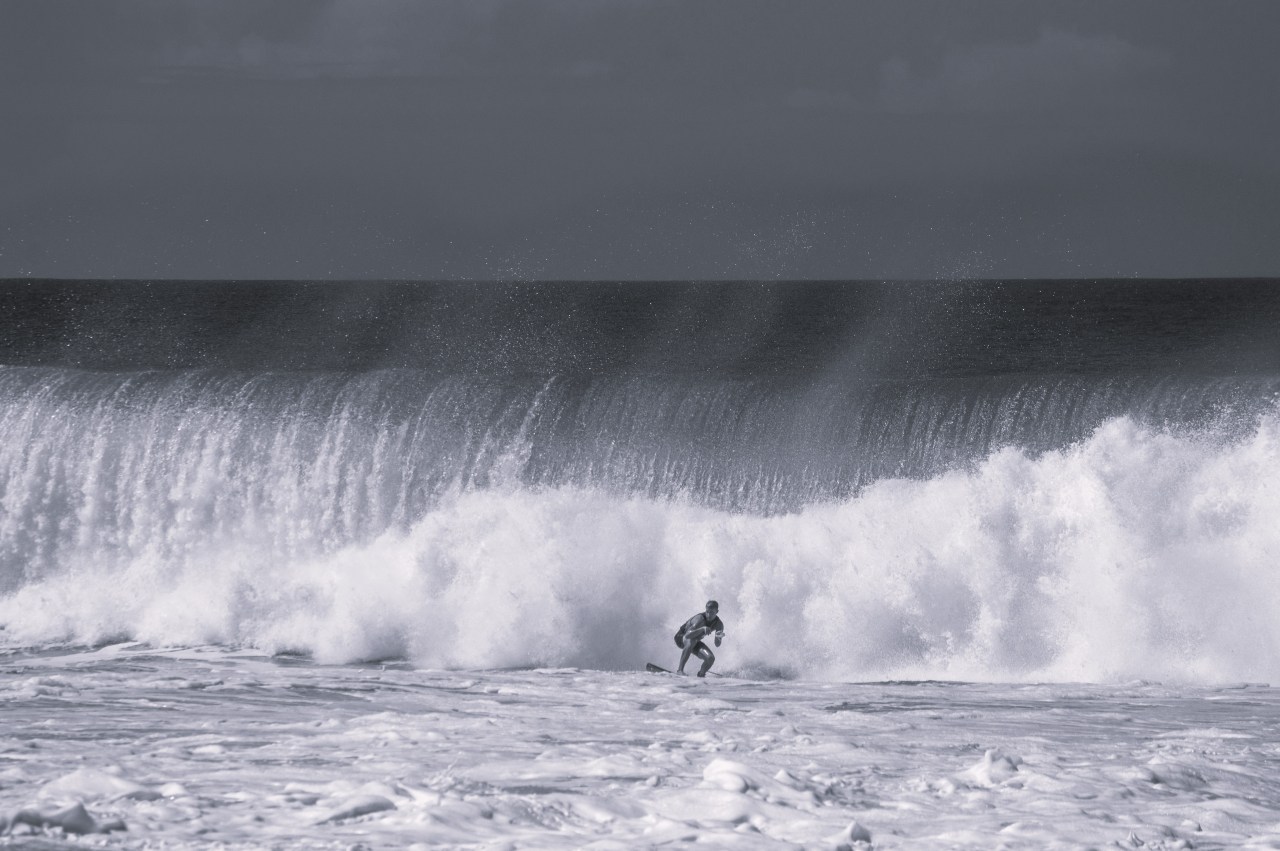
Life Is Full of Joy and Pain, Sometimes at the Same Time

We often think of life in opposites.

Good or bad.
Joy or pain.
Light or dark.

We tell ourselves that if something hurts, it must cancel out what’s good. That if we’re grieving, we’re not allowed to feel grateful. That if we’re struggling, joy must be on pause.

But life doesn’t work that way.

Life is full of joy and pain — sometimes at the very same time.

And learning to hold both is one of the most honest forms of growth there is.


Prefer to listen? The Audio Blog version is available here.


The Myth That We Have to Choose One Feeling

Somewhere along the way, we learned that emotions should be tidy.

That we should “focus on the positive.”
That pain means something is wrong.
That joy must wait until everything is resolved.

So when joy shows up during a painful season, we question it.
When pain appears during a happy moment, we feel guilty.

But emotions don’t operate in single lanes.
They overlap.
They coexist.
They tell a more complete truth together than they ever could apart.

You don’t have to edit your experience to make it acceptable.


Joy Doesn’t Disappear Because Pain Exists

Pain does not erase joy.

It doesn’t invalidate it.
It doesn’t cheapen it.
It doesn’t mean you’re “not healed enough.”

Joy can live in the same breath as heartbreak.
In the same season as loss.
In the same moment as uncertainty.

Sometimes joy is quieter in those moments. More tender. More fleeting.

But it’s still real.

And allowing yourself to feel joy while hurting isn’t betrayal — it’s resilience.


Pain Doesn’t Mean You’re Failing at Life

When pain shows up, many of us immediately ask, What did I do wrong?

We assume pain is proof that we missed something. That we made the wrong choice. That we’re behind.

But pain is not a moral failing.

Pain is part of loving deeply.
Of caring fully.
Of being awake to your life.

A heart that feels pain is a heart that has been open.

And openness is not weakness — it’s courage.


Holding Both Is a Skill We Learn Over Time

Learning to hold joy and pain at the same time doesn’t happen overnight.

At first, we swing between extremes. We either numb ourselves to survive or cling to positivity to avoid the weight of what hurts.

But eventually, with self-trust and honesty, we learn balance.

We learn that it’s okay to laugh and cry in the same day.
That gratitude doesn’t cancel grief.
That healing isn’t the absence of pain — it’s the ability to live alongside it without losing yourself.

That’s emotional maturity.


Presence Is Where Both Can Exist

Joy and pain coexist most clearly when we are present.

Not rushing to fix.
Not trying to escape.
Not demanding clarity before it arrives.

Just being here.

Presence allows us to notice the warmth of a moment even when our heart is heavy. It lets us experience connection, beauty, and meaning without needing life to be perfect first.

You don’t have to resolve everything to feel something good.


This Is What a Full Life Looks Like

A full life isn’t one that avoids pain.

It’s one that allows all of it.

It’s joy with depth.
Pain with purpose.
Love with risk.
Hope with honesty.

Trying to live without pain often shrinks our lives. But allowing both joy and pain expands them.

It makes us more compassionate.
More grounded.
More human.


You Don’t Have to Rush Through What You’re Feeling

If you’re in a season where joy and pain are showing up together, let yourself experience both without judgment.

You don’t need to explain it.
You don’t need to justify it.
You don’t need to choose.

You are allowed to hold complexity.

And in that complexity, you are not broken — you are alive.


SLAY Reflection

Let’s reflect, SLAYER:

S: Where in your life are joy and pain showing up at the same time right now?
L: Which emotion do you tend to judge or suppress?
A: How can you allow both feelings without trying to fix or rush them?
Y: What might change if you trusted that holding both is part of living fully?


Call to Action: Join the Conversation

I’d love to hear from you.
Have you ever experienced joy and pain at the same time — and what did that season teach you?
Share your story in the comments. Let’s cheer each other on.

And if you know someone struggling to make sense of mixed emotions, send this to them.
Sometimes, all we need is a nudge.

Sometimes You’re Not Getting Closure You Have to Close the Door Yourself

There’s a belief many of us hold onto longer than we should:
that closure comes from another person.

From an apology.
From an explanation.
From a final conversation that magically makes everything make sense.

But real life rarely works that way.

Sometimes the person who hurt you won’t take accountability.
Sometimes they won’t explain themselves.
Sometimes they won’t even acknowledge the damage they caused.

And waiting for closure that never comes can quietly keep you stuck.

Here’s the hard truth most healing journeys eventually teach us:
Sometimes you’re not getting closure — you have to close the door yourself.


The Myth of Closure From Other People

We’re taught that healing requires answers. That if we just understood why, we could finally move on.

So we replay conversations.
We analyze behavior.
We wait for messages that never arrive.
We imagine scenarios where they finally “get it.”

But closure that depends on someone else keeps your peace hostage.

Because when closure lives in their hands, your healing is delayed by their willingness — or lack of it — to show up differently.

And not everyone will.


Why Waiting for Closure Keeps You Stuck

Waiting for closure often looks like hope — but underneath it is attachment.

Attachment to a version of the story where things end neatly.
Attachment to the belief that their words could soothe your pain.
Attachment to the idea that you need their validation to move forward.

But here’s what waiting really does:

It keeps the door cracked open.
It keeps your nervous system braced.
It keeps you emotionally tethered to something that’s already over.

And every time you wait, you reopen the wound.

Not because you’re weak — but because you’re human.


Closure Is an Inside Job

True closure doesn’t come from understanding them.
It comes from understanding yourself.

It comes from accepting what happened without needing it to be justified.
From acknowledging that something hurt — even if it was never named as such.
From deciding that your peace matters more than their explanation.

Closure is the moment you stop asking, “Why did they do this?”
and start asking, “What do I need to feel whole again?”

That shift changes everything.


Closing the Door Doesn’t Mean You Didn’t Care

One of the hardest parts of closing the door yourself is the guilt.

We tell ourselves:

  • If I move on without closure, maybe I’m being dramatic
  • If I stop waiting, maybe I’m giving up too soon
  • If I close the door, maybe it means it didn’t matter

But closing the door doesn’t erase the meaning of what you shared.

It honors it.

It says: This mattered — which is why I won’t keep bleeding over it.

You can care deeply and still choose to walk away.
You can love someone and still choose yourself.
You can grieve what was and release what will never be.


Acceptance Is Not the Same as Approval

Closing the door doesn’t mean you agree with what happened.
It doesn’t mean you excuse harm.
It doesn’t mean you pretend it didn’t affect you.

Acceptance simply means you stop fighting reality.

You stop trying to rewrite the past.
You stop hoping someone becomes who they never were.
You stop giving energy to a story that has already reached its end.

Acceptance is choosing peace over explanation.
Freedom over familiarity.
Healing over waiting.


You Don’t Need the Final Word

Sometimes the most powerful ending is the one no one else hears.

No confrontation.
No dramatic exit.
No final paragraph explaining your pain.

Just clarity.
Just boundaries.
Just the quiet decision to close the door and lock it behind you.

You don’t owe everyone access to your healing.
You don’t owe anyone a front-row seat to your growth.
And you don’t need permission to move on.


Closing the Door Is an Act of Self-Respect

When you close the door yourself, you reclaim your power.

You stop outsourcing your peace.
You stop waiting to be chosen, understood, or validated.
You become the authority in your own life again.

And that choice — that moment — is where healing accelerates.

Because energy flows where attention goes.
And once you stop pouring attention into what ended, you create space for what’s next.


What Awaits You on the Other Side

On the other side of the door isn’t bitterness.
It’s relief.

It’s quiet.
It’s clarity.
It’s a nervous system that finally gets to rest.

You may still feel sadness.
You may still feel grief.
But you’ll also feel lighter — because you’re no longer carrying hope for something that cannot meet you.

Sometimes closure doesn’t arrive with answers.
It arrives with courage.

The courage to say: This chapter is over — and I’m choosing to move forward.


SLAY Reflection

Let’s reflect, SLAYER:

S: Where in your life are you waiting for closure that may never come?
L: What door have you kept open that’s costing you peace?
A: What would it look like to give yourself the closure you’ve been waiting for?
Y: How might your life shift if you chose peace over explanation?


Call to Action: Join the Conversation

I’d love to hear from you.
Have you ever had to close the door without getting the closure you hoped for — and what did that teach you?
Share your story in the comments. Let’s cheer each other on.

And if you know someone who’s waiting for answers that aren’t coming, send this to them.
Sometimes, all we need is a nudge.
Survival Mode Is Meant to Save Your Life Not Become Your Life

There are seasons in life where survival mode is necessary. Where getting through the day is an act of bravery. Where your nervous system is on high alert, your heart is guarded, and your only goal is to make it to tomorrow.

Survival mode isn’t weakness.
It’s instinct.
It’s protection.
It’s your body and mind stepping in when things feel unsafe, overwhelming, or unbearable.

But survival mode was never meant to be permanent.

It’s meant to save your life, not define it.

And yet, so many of us stay there far longer than we should — not because we want to, but because it becomes familiar. Predictable. Safer than the unknown.

The danger isn’t entering survival mode.
The danger is building a life inside it.


When Survival Mode Becomes Your Default

Survival mode doesn’t always look dramatic. Sometimes it’s quiet. Functional. Even impressive from the outside.

You’re productive but disconnected.
Independent but exhausted.
Strong but numb.
Capable but constantly bracing for impact.

You tell yourself you’re fine because you’re still standing. Still working. Still showing up. But inside, everything feels tight. Restricted. On edge.

You’re not living — you’re managing.

When survival mode becomes your baseline, your nervous system forgets what safety feels like. Rest feels foreign. Joy feels suspicious. Peace feels temporary.

You stay alert because letting your guard down once cost you something.
And your body remembers.

But living in survival mode long-term comes at a price — emotionally, mentally, physically, and spiritually.


Survival Mode Kept You Alive Honor That

Before we talk about leaving survival mode, let’s be clear about something important:

Survival mode served a purpose.

It helped you endure what you couldn’t escape.
It helped you function when you couldn’t fall apart.
It helped you stay alive when the alternative felt unbearable.

There is no shame in that.

But honoring survival mode doesn’t mean staying there forever. Gratitude doesn’t require permanence. You can thank the coping mechanisms that carried you — without allowing them to cage you.

What once protected you may now be limiting you.
What once kept you safe may now be keeping you small.

And that doesn’t mean you failed — it means you’ve grown.


You Can’t Heal While You’re Still Bracing for Impact

Healing requires safety.
Growth requires space.
Peace requires permission.

Survival mode doesn’t allow for any of those things.

When you’re constantly preparing for the next threat, your body stays tense. Your mind stays guarded. Your heart stays armored. There’s no room to soften — and without softness, healing can’t land.

You might notice this showing up as:

  • Difficulty relaxing even when things are good
  • Feeling guilty for resting
  • Expecting something bad to happen when things feel calm
  • Struggling to trust happiness or stability
  • Staying busy to avoid feeling

This isn’t because you’re broken.
It’s because your system learned that staying alert was safer than being open.

But what kept you alive is not what will help you thrive.


Leaving Survival Mode Can Feel Scarier Than Staying

Here’s the part no one talks about enough:
Leaving survival mode can feel terrifying.

When survival has been your identity, peace can feel unfamiliar. Stillness can feel unsafe. And healing can bring up emotions you didn’t have time to feel when you were just trying to survive.

Survival mode is exhausting — but it’s predictable.
Healing is freeing — but it’s unknown.

So you stay guarded.
You stay busy.
You stay “fine.”

Not because you don’t want more — but because more requires vulnerability.

And vulnerability feels risky when you’ve been hurt before.


You Are Allowed to Want More Than Survival

There comes a moment — sometimes quiet, sometimes loud — when something inside you says:
I don’t want to live like this anymore.

Not because life is falling apart.
But because you’re tired of holding it together.

That moment isn’t weakness.
It’s wisdom.

You are allowed to want ease.
You are allowed to want joy.
You are allowed to want a life that feels expansive instead of constricted.

Choosing to leave survival mode doesn’t mean you forget what you’ve been through. It means you refuse to let your past trauma dictate your future.

It means choosing regulation over reaction.
Presence over protection.
Living over enduring.


Healing Is Learning That You’re Safe Now

Leaving survival mode is a process — not a switch.

It looks like learning how to rest without guilt.
Learning how to feel without panicking.
Learning how to trust yourself again.

It means teaching your nervous system that the danger has passed — even when it doesn’t fully believe you yet.

You don’t rush it.
You don’t force it.
You gently remind yourself again and again:

I am safe now.
I don’t have to brace anymore.
I can exhale.

Healing is not about erasing what happened — it’s about expanding beyond it.


You Deserve a Life That Feels Like Living

Survival mode kept you breathing.
Healing lets you breathe deeply.

You weren’t meant to live clenched, guarded, and constantly on edge. You weren’t meant to mistake exhaustion for strength or numbness for stability.

You were meant to feel joy without fear.
To rest without apology.
To live without constantly scanning for danger.

Survival mode is a chapter — not the whole story.

And if you’re reading this, it might be time to turn the page.


SLAY Reflection

Let’s reflect, SLAYER:

S: Where in your life are you still operating from survival instead of safety?
L: What coping mechanisms once helped you survive but may now be limiting your growth?
A: What would it look like to give yourself permission to rest, soften, or receive support?
Y: How would your life feel if survival was no longer your default?


Call to Action: Join the Conversation

I’d love to hear from you.
Where do you notice survival mode showing up in your life and what would healing look like for you right now?
Share your story in the comments. Let’s cheer each other on.

And if you know someone who’s been surviving longer than they should have to, send this to them.
Sometimes, all we need is a nudge.

The First Step Toward Answers Is Being Brave Enough to Ask the Question

There’s a moment — quiet, subtle, easy to miss — when your life begins to shift.
It’s the moment you finally stop pretending you already know. The moment you stop running from the truth. The moment you decide that not knowing is no longer scarier than staying stuck.

That moment is a question.

We don’t talk enough about how much courage it takes to ask one. Because asking a real, honest, soul-level question isn’t just seeking information — it’s opening a door you can’t close again. It’s admitting you want something different. It’s acknowledging that what you’ve been doing is no longer enough.

And for many of us, that is the hardest step of all.


Why We Fear the Questions We Need to Ask

We fear the answers, yes — but often, we fear the asking even more.

Because asking a question means:

  • I might hear something I don’t want to hear.
  • I might have to change.
  • I might be seen.
  • I might learn the truth.

So we avoid it. We distract ourselves. We pretend we’re fine. We convince ourselves we already know how it will go.

But avoidance is its own kind of prison.
And silence is its own kind of answer.

When we refuse to ask the questions that could heal us, save us, free us, or grow us, we stay stuck in a life that feels too small for who we are becoming.


The Questions That Change Everything

Real transformation doesn’t come from having all the answers.
It comes from being willing to ask the uncomfortable questions — the ones that scrape at the truth.

Questions like:

  • What am I afraid to admit?
  • What is this really about?
  • What am I pretending not to know?
  • What do I need?
  • What would I choose if I believed I deserved better?

These are the questions that crack things open.
These are the questions that stop the cycle.
These are the questions that begin your becoming.

And yes — they require courage.
But courage isn’t the absence of fear. Courage is asking the question while your voice trembles.


Answers Don’t Arrive Without an Invitation

There’s a spiritual truth that I learned early in my healing journey:

You cannot receive answers to questions you’re too afraid to ask.

Life will not force clarity on you.
Healing will not push its way in.
Growth will not drag you forward.

You have to invite it.

You have to ask:

  • Why does this pattern keep repeating?
  • What part of me still needs to be healed?
  • What is this trying to teach me?

When you ask the question, the universe, your intuition, your higher self — whatever language you use — finally has somewhere to deliver the answer.

Asking the question is the knock on the door.
The answer is what steps through.


Bravery Looks Like Curiosity, Not Certainty

We think bravery requires confidence.
But most of the bravery in my life came in moments where I didn’t feel certain at all.

Bravery looked like:

  • sitting with someone and saying, “I don’t know how to fix this — can we talk?”
  • looking in the mirror and whispering, “Why do I keep hurting myself this way?”
  • asking for help long before I believed I deserved it
  • admitting I didn’t have control — and never really did

Questions are not weakness.
Questions are self-respect.
Questions are the beginning of wisdom.

The bravest people I know aren’t the ones with the answers — they’re the ones willing to keep asking.


You Deserve the Life That Lives Beyond the Question

There is a version of you waiting on the other side of one brave question.

A more grounded you.
A more peaceful you.
A more aligned, self-aware, self-honoring you.

But you cannot reach her — cannot step into her — if you’re unwilling to ask what needs to be asked.

Whether it’s a question about love, healing, boundaries, forgiveness, purpose, or truth, your life expands the moment you become brave enough to be curious.

Asking the question doesn’t guarantee the answer will be easy.
But not asking guarantees nothing will change.

SLAYER, don’t let fear keep you from the clarity that could change your entire life.

Ask.
Be curious.
Be brave.

Your answers are waiting.


SLAY Reflection

  1. What important question have you been avoiding — and why?
  2. What fear shows up when you imagine asking it?
  3. How might your life shift if you allowed yourself to seek clarity?
  4. What question could help you break a repeating pattern in your life?
  5. What small act of courage can you take this week to open the door to the answers you need?

  • S – Seek clarity instead of avoiding discomfort
  • L – Let curiosity lead you toward truth
  • A – Ask bravely, even when you’re afraid
  • Y – Yield to the wisdom that arrives when you open the door

Call to Action: Join the Conversation

I’d love to hear from you.
What question are you finally brave enough to ask yourself?
Share your story in the comments. Let’s cheer each other on.

And if you know someone who’s been afraid to seek the truth, send this to them.
Sometimes, the right question is the beginning of a new life.

The Convenient Lie vs. The Inconvenient Truth

There’s a moment we all face at some point in our lives — that split second where we know the truth, feel the truth, and can almost hear it knocking inside us… yet we swallow it, push it aside, or cover it with something easier. Something softer. Something far more convenient.

A convenient lie.

Convenient lies are seductive. They shield us from discomfort, delay accountability, and let us stay exactly where we are. They keep the peace — temporarily. They protect our reputation — superficially. They protect our ego — momentarily. But they never move us forward.

The inconvenient truth, on the other hand, doesn’t care about comfort. It doesn’t soften its edges to make the landing easier. It shows up as it is — raw, revealing, and sometimes painful. But it is always the doorway to freedom.

And this is the paradox:
Lies keep us safe in the moment. Truth keeps us free in our lives.

Learning to choose the inconvenient truth over the convenient lie is one of the most defining acts of emotional maturity we will ever face.


Prefer to listen? The Audio Blog version is available here.


Why We Choose the Convenient Lie

Let’s be honest — most lies don’t come from cruelty. They come from fear.

Fear of hurting someone.
Fear of looking bad.
Fear of disappointing others.
Fear of disappointing ourselves.
Fear of consequences.
Fear of change.

For years, I leaned on convenient lies because the truth felt overwhelming. It meant confronting who I had become. It meant taking responsibility. It meant letting go of people, habits, or patterns that once kept me afloat.

Convenient lies feel like cushions.
Inconvenient truths feel like cliffs.

But here’s the thing:
Cushions can suffocate you just as quickly as cliffs can scare you.

Convenient lies delay pain, but they guarantee suffering.


The High Cost of Avoiding the Truth

When you bend, blur, or bury the truth, you pay for it in ways you don’t always see right away.

The cost shows up later as:

  • anxiety you can’t explain
  • guilt that follows you into bed
  • shame that sticks to your skin
  • relationships built on uneven ground
  • resentment that grows each time you betray your own integrity
  • a life that doesn’t feel like yours

Convenient lies feel like relief… until they don’t.

Because every time you avoid the truth, you abandon a piece of yourself. And eventually, those pieces add up.


The Inconvenient Truth: A Pathway to Freedom

Telling the truth has consequences. That’s why it scares us.

But so does hiding it.

The difference is that truth gives you your life back.

The inconvenient truth does not destroy you — it reveals you. It strips away illusion, denial, fantasy, and projection. It brings you back into alignment with yourself. It allows you to grow.

It is inconvenient because it demands clarity, responsibility, ownership, and sometimes painful self-awareness. But it also gives you something no lie ever could:

Peace.

The kind of peace you don’t need to earn.
The kind of peace you don’t need to protect.
The kind of peace that only comes from living in integrity.


Truth Doesn’t Hurt as Much as Staying in What Isn’t True

We’ve all been taught that “the truth hurts.” But the truth doesn’t hurt nearly as much as living a lie — especially a lie you tell yourself.

The lie says: “If I tell the truth, I’ll lose them.”
The truth says: “If you have to lie to keep someone, you’ve already lost them.”

The lie says: “If I ignore it, it will go away.”
The truth says: “What you avoid controls you.”

The lie says: “It’s not the right time to face this.”
The truth says: “There is no right time — only now.”

Truth invites you into reality — and reality, even when painful, is where healing lives.


Being Honest With Yourself Is the Hardest Part

You cannot offer truth to others if you refuse to sit with it yourself.

Some of the hardest truths I’ve ever faced were not the conversations I had with other people — but the ones I had alone at night, staring at my reflection and realizing:

I had lied to myself about what I could handle.
I had lied to myself about who someone really was.
I had lied to myself about what I deserved.
I had lied to myself about my patterns and intentions.
I had lied to myself to stay comfortable.

Those truths were inconvenient.
They were painful.
But they were transformational.

Self-honesty is the birthplace of self-respect.


How to Choose Truth When the Lie Feels Easier

Here are practices that help you step into honesty with courage:

1. Sit with discomfort instead of escaping it.

Discomfort isn’t danger — it’s data.

2. Notice when you rationalize.

Any sentence that starts with “It’s no big deal” or “It doesn’t matter” is a clue.

3. Ask yourself: “What am I afraid will happen if I tell the truth?”

Your answer is where the work begins.

4. Practice micro-honesty.

Small truths make room for bigger ones.

5. Let go of outcomes.

Your job is to tell the truth — not control what happens after.

Truth is not the burden.
Carrying the lie is.


Choosing Truth Is Choosing Yourself

At the end of the day, choosing the inconvenient truth means choosing yourself — your integrity, your peace, your inner alignment.

When you tell the truth, you stop betraying yourself for temporary comfort.

You start building a life that can actually hold you.

A life that doesn’t require performance, pretending, or self-betrayal.

A life rooted in the most powerful thing of all:

Authenticity.

And that, SLAYER, is where your freedom lives.


SLAY Reflection

  1. Where in your life are you choosing convenience over truth?
  2. What are you afraid will happen if you tell the truth — and is that fear rooted in reality?
  3. What truth have you been avoiding that feels heavy in your body?
  4. How has hiding the truth kept you stuck or small?
  5. What would choosing truth make possible for you?

  • S – See where you’ve been hiding behind convenience
  • L – Let truth guide your healing, even when it’s hard
  • A – Accept discomfort as part of growth
  • Y – Yield to honesty and reclaim your peace

Call to Action: Join the Conversation

I’d love to hear from you.
What inconvenient truth did you finally face — and how did it change your life?
Share your story in the comments. Let’s cheer each other on.

And if you know someone who’s stuck in a convenient lie, send this to them.
Sometimes, the truth someone’s avoiding is the truth they most need to hear.