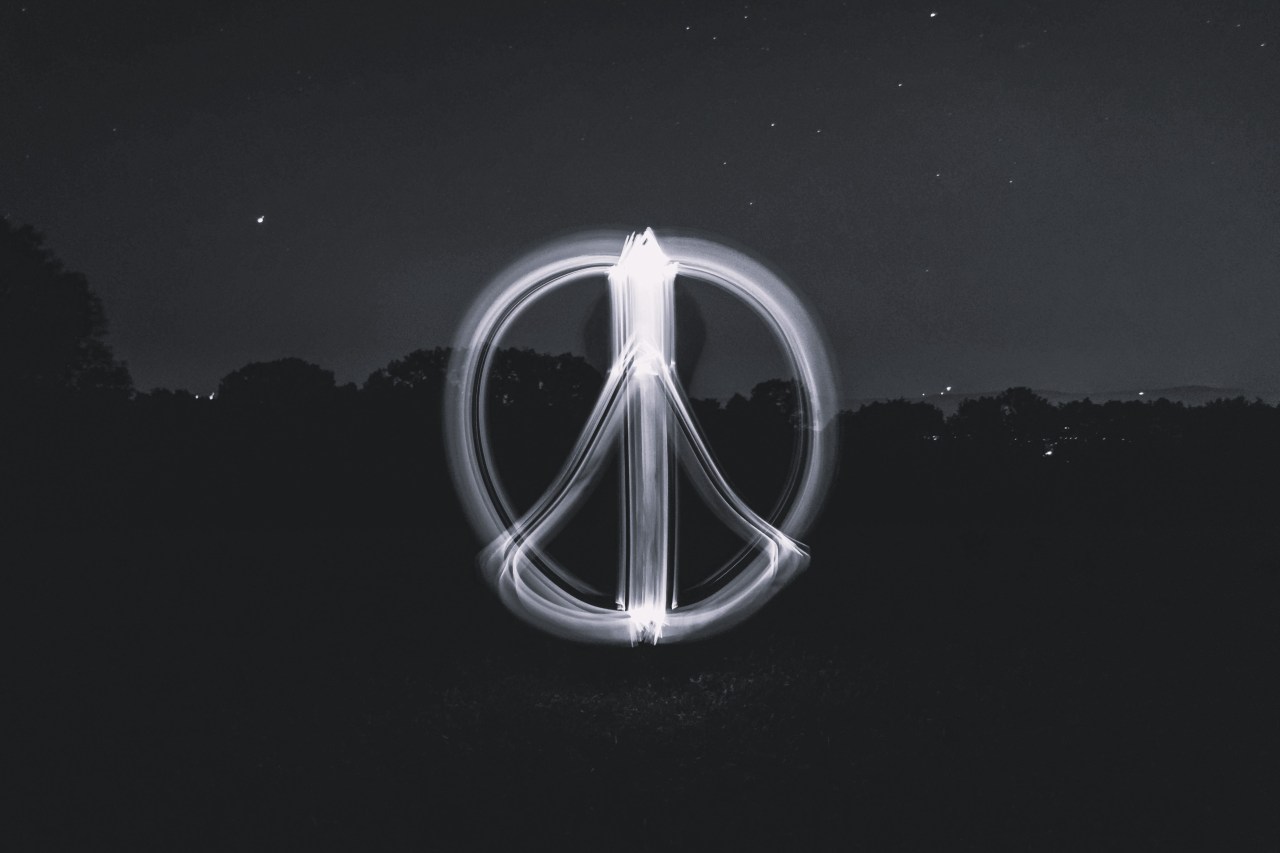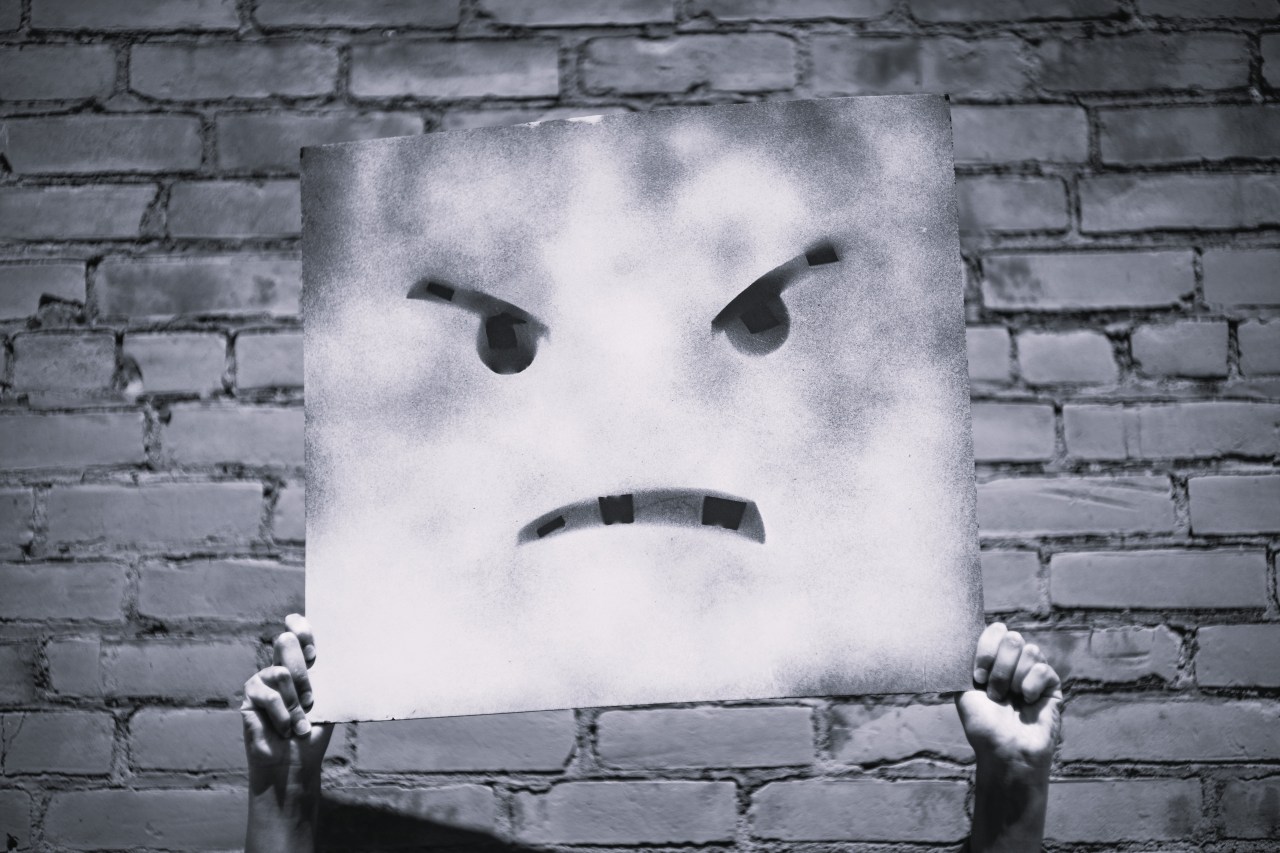
You Can Choose Peace

I didn’t know I could choose peace.

When I was living in the dark, peace wasn’t even a concept I believed in. My mind was in constant chaos—racing with thoughts, shame, regret, and fear. I felt like a prisoner in my own head. The noise never stopped. And because I believed I was broken, I thought I deserved the torment.

I wore the label of “victim” like it was a fact, not realizing that the most painful parts of my story were being written by the choices I was making every day. But here’s the truth I wish I’d known sooner:
Peace isn’t something that just shows up one day. Peace is something we choose.


Peace Starts with a Choice

When I finally admitted I needed help, it was like the door cracked open just enough to let in a sliver of light. That sliver? It was peace. Just a little. Just enough. But it was mine. And it showed me what was possible.

I began to see others who had found peace after chaos. People who had lived in the dark and come out the other side. People who had chosen peace—and in doing so, had chosen themselves. That became my inspiration. And from that moment on, I made a commitment to do the work to find my own.


Rebuilding a Life Around Peace

It wasn’t instant. Peace takes practice. It took a lot of honesty. A lot of humility. I had to stop pretending I was fine and get real about how I felt and what I needed. I had to clear out the chaos—the people, patterns, and beliefs that kept me in turmoil—and make room for something better.

I said yes to new things. I kept my heart open. I focused on love, support, and self-care. And as I leaned more into peace, I started to want it. Crave it. Protect it. That’s the thing about peace—once you taste it, you start building your life around it.

Today, I find peace in many ways—through nature, through connection, through honesty, through stillness. I don’t wait for peace to find me anymore. I go and get it. Every single day.


You Are Worth the Work

Peace is possible. But peace requires effort. It asks us to let go of the lies, face the truth, and show up for ourselves—even when it’s uncomfortable. That’s how we earn it. That’s how we grow into it. And that’s how we become it.

Peace is not perfection. Peace is knowing you’re doing your best. Peace is forgiving yourself.
Peace is choosing love over shame—and presence over panic.

You may not feel it right now. But I promise you, it’s within reach.
You have more power than you think. And you are allowed to use that power to choose peace today.

SLAY on.


SLAY OF THE DAY: Reflect & Rise

Do you believe you’re allowed to have peace—or are you still punishing yourself?

  • Where do you currently find peace, even in small ways?

  • What’s blocking you from feeling peace more often?

  • Are you still surrounding yourself with things (or people) that fuel your chaos?

  • What is one thing you can remove from your life today that is stealing your peace?

  • And what’s one thing you can add to cultivate more of it?

You are not your past.
You are your progress.
And you are worthy of peace.


Call to Action: Join the Conversation

I’d love to hear from you.
What’s one way you’ve created peace in your life—even when it felt impossible?
Share your story in the comments. Let’s cheer each other on.

And if you know someone who feels stuck in the chaos, send this to them.
Sometimes, we all need a reminder that peace is possible—and that we’re allowed to choose it.

Your Problem Isn’t The Problem, It’s Your Reaction To The Problem

There are so many things in life we have no control over.
But one thing we always have control over is how we react.

Before I started this journey, I didn’t believe that. I saw life as something that was constantly happening to me. I felt like I was always on the wrong side of good—piled under problems that felt too big, too unfair, and way too overwhelming to change.

What I couldn’t see at the time was that many of those problems were the result of my own choices.
And even when I wasn’t in control of what happened, I had still made a choice somewhere along the line—choosing the person, the situation, or the behavior that led me there.

It was easier to blame someone else.
But the truth? The finger I was pointing should’ve been aimed right back at me.


The Power of Radical Responsibility

When I finally got honest with myself—rigorously honestI had to take a hard look at my role in the chaos.
And it was tough.
It’s not easy to admit that you’ve been the architect of your own pain.

But with that realization came something surprising: freedom.
Because if I was the one who got myself into it…
I could be the one to get myself out.

Owning my choices gave me power.
And from there, I could start making better ones.


Every Situation Is a Choice Point

We don’t get to control what life throws at us.
But we do get to choose how we respond.

Sometimes the best reaction is not reacting at all.
Sometimes it’s walking away.
Sometimes it’s taking a breath and choosing to show up in a way that honors your values—not your emotions in the moment.

That’s how we reclaim our power.
Even in the hardest moments, we are not powerless when we’re clear on what’s best for us—mentally, emotionally, and spiritually.

We always have a choice.
And that choice becomes the difference between staying in the problem and moving toward the solution.


The Problem vs. The Solution

When I started to shift my mindset this way, life got easier.
That’s not to say I never get frustrated or upset—of course I do. But now I ask myself:

  • Did I invite this in?
  • Can I disinvite it now?
  • What choice will move me forward instead of keeping me stuck?

That’s what it means to get into the solution.

Because staying in the problem only creates more problems.
But the solution?
That’s where problems go to die.


Clearing the Path Forward

I’ve learned that when I make decisions from a place that aligns with who I am—and who I’m becoming—I stop visiting the places that pull me back into chaos.

I stop letting problems define me.
I stop reacting from fear or ego.
And I start creating space for new energy, new opportunities, and new peace to enter my life.

So when the next problem pops up—and it will—ask yourself:

What’s the right reaction… for me?

That answer will always lead you toward your highest good.


SLAY Reflection: What’s Your Reaction Telling You?

  1. Do you let problems define your mood or your day?
    How often are you reacting instead of responding?
  2. How many of your current problems are tied to past choices?
    What patterns can you begin to shift?
  3. What small choices can you make today to create fewer problems tomorrow?
    Where can you be more intentional?
  4. How can you take your power back in difficult situations?
    What boundaries or truths are you avoiding?
  5. What does the “right reaction” look like for you?
    Is it silence, compassion, honesty, or stepping away?


    Call to Action: Join the Conversation

    I’d love to hear from you.
    What’s one situation or relationship where choosing not to engage helped you protect your energy?
    Share your story in the comments. Let’s cheer each other on.

    And if you know someone who’s caught in a cycle of reacting or proving their point, send this to them.
    Sometimes, all we need is a nudge.
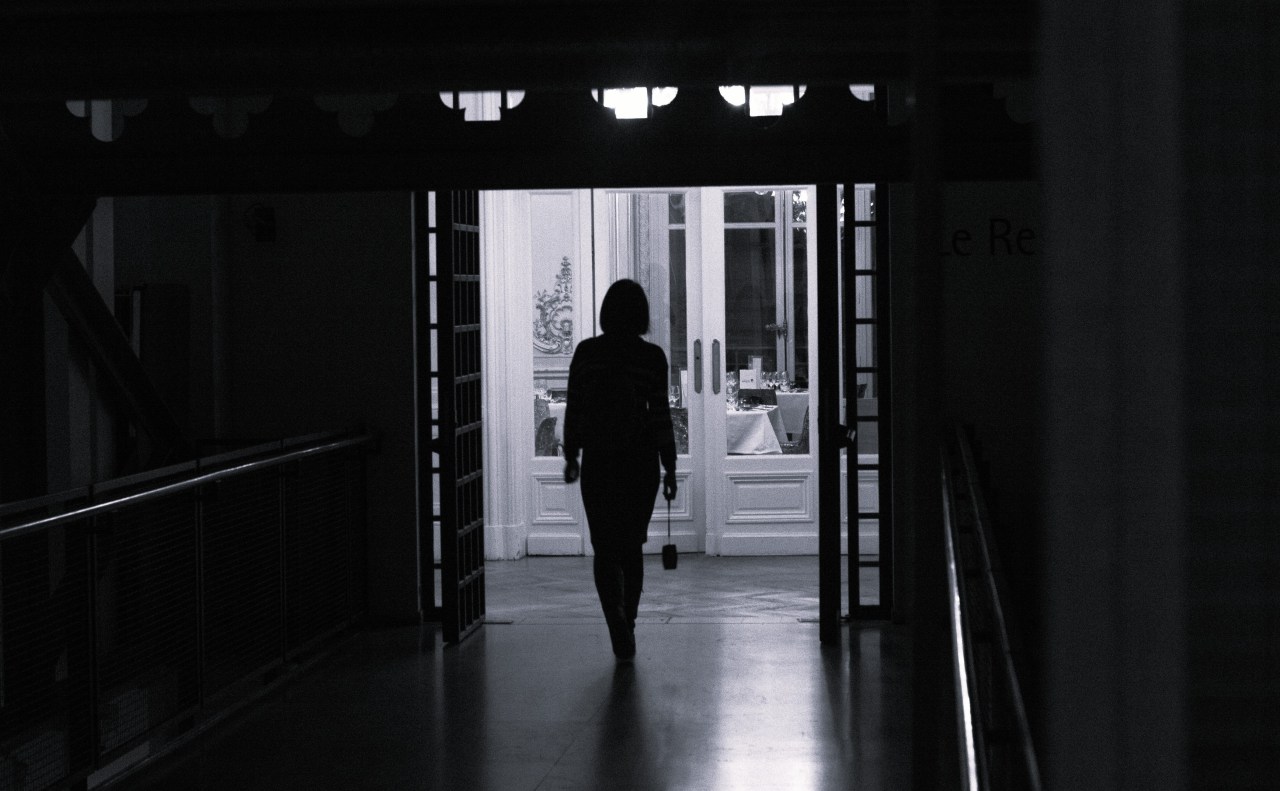
Self-Righteous Anger

We’ve all been there.

That moment when you feel completely justified.
You warned them. You told them what would happen. And now—here you are, furious, ready to let loose with every ounce of frustration you’ve stored up.

You’re 100% right…
And still, something feels 100% wrong.

That’s the tricky thing about anger.
It might feel powerful in the moment—but often, it leaves you feeling more hollow than healed.


Our Reactions Are Our Responsibility

If you have a problem with someone, the truth is: that problem is yours to manage.

You decide:

  • Who you engage with

  • How far you let them in

  • What boundaries you set

There will always be people we have to interact with—coworkers, family members, even acquaintances we didn’t choose. But even in those cases, we are still the ones who determine how much access they have to our energy.

This blog connects back to so many past entries:

  • People Pickerchoosing aligned connections

  • Ask For What You Wantclearly stating your needs

  • Intentions: The Truthseekerstaying honest about your “why”

  • Finding Grace in the Gray Areaslearning to live in nuance

It all comes back to this: we are in charge of how we engage.


When We Engage to Feel Superior

Sometimes we step into situations knowing they won’t end well.

Why?
Because deep down, we’re looking for a reason to get angry.
To say “I told you so.”
To feel superior, righteous—even if it’s just for a moment.

Anger, in this form, is seductive.
It gives us a temporary hit of control, of power.
But it fades.
And once it does, we’re left with the truth: we used that anger to fill something inside us.
A need. A hurt. A void.

And it didn’t work.


Lashing Out Isn’t Leadership

When you feel like lashing out, when you feel morally superior, when you want to “teach someone a lesson”—pause.

Ask yourself:

  • Could I have avoided this situation?

  • Did I knowingly enter this dynamic?

  • Am I trying to justify my anger by proving someone wrong?

A lot of self-righteous anger comes from the need to control.
But here’s the hard truth: we can’t control anyone else.
We only control ourselves.

Trying to control others will always lead to the same outcome:

  • Disappointment

  • Resentment

  • Frustration

  • Anger

That’s not power.
That’s a cycle.


Break the Cycle with Compassion

The way out is through awareness, compassion, and boundaries.

We avoid self-righteous anger by:

  • Engaging with people who align with us

  • Setting boundaries with those who don’t

  • Letting go of the illusion that anger makes us strong

  • Staying open, flexible, and willing to grow

  • Being clear with others—and honest with ourselves

And most importantly: not exploding when someone behaves exactly as they always have.

Wishful thinking won’t change a pattern.
Anger won’t either.
But self-awareness will.


Anger Is a Signal, Not a Strategy

Righteous anger might feel satisfying in the moment.
But if the goal is to belittle someone, to control them, or to make yourself feel bigger—it’s not righteous. It’s a reaction.

And reactions are usually about us, not them.

As SLAYERS, we take responsibility for that.
We engage with kindness.
We communicate with clarity.
We protect our energy by refusing to get pulled into battles we don’t need to fight.

So if you’re angry—own it.
Sit with it.
Figure out where it’s coming from.

Then SLAY that dragon—and walk forward in peace.


SLAY Reflection: Are You Fueling the Fire?

  1. Do you knowingly get involved with people or situations that you expect will upset you?
    Why do you think you do that?

  2. Does your anger give you a sense of control or superiority?
    What do you think it’s really covering up?

  3. How does this behavior affect your relationships and your self-esteem?
    What’s the cost?

  4. What would change if you chose not to engage the next time anger arises?
    How could you protect your peace instead?

  5. What would your life look like if you honored your boundaries instead of your ego?
    Can you write down the benefits of releasing the need to be right?


Call to Action: Join the Conversation

I’d love to hear from you.
When was a time you caught yourself reacting from anger instead of truth—and what did you learn from it?
Share your story in the comments. Let’s cheer each other on.

And if you know someone who’s working on letting go of the need to be right, send this to them.
Sometimes, all we need is a nudge.