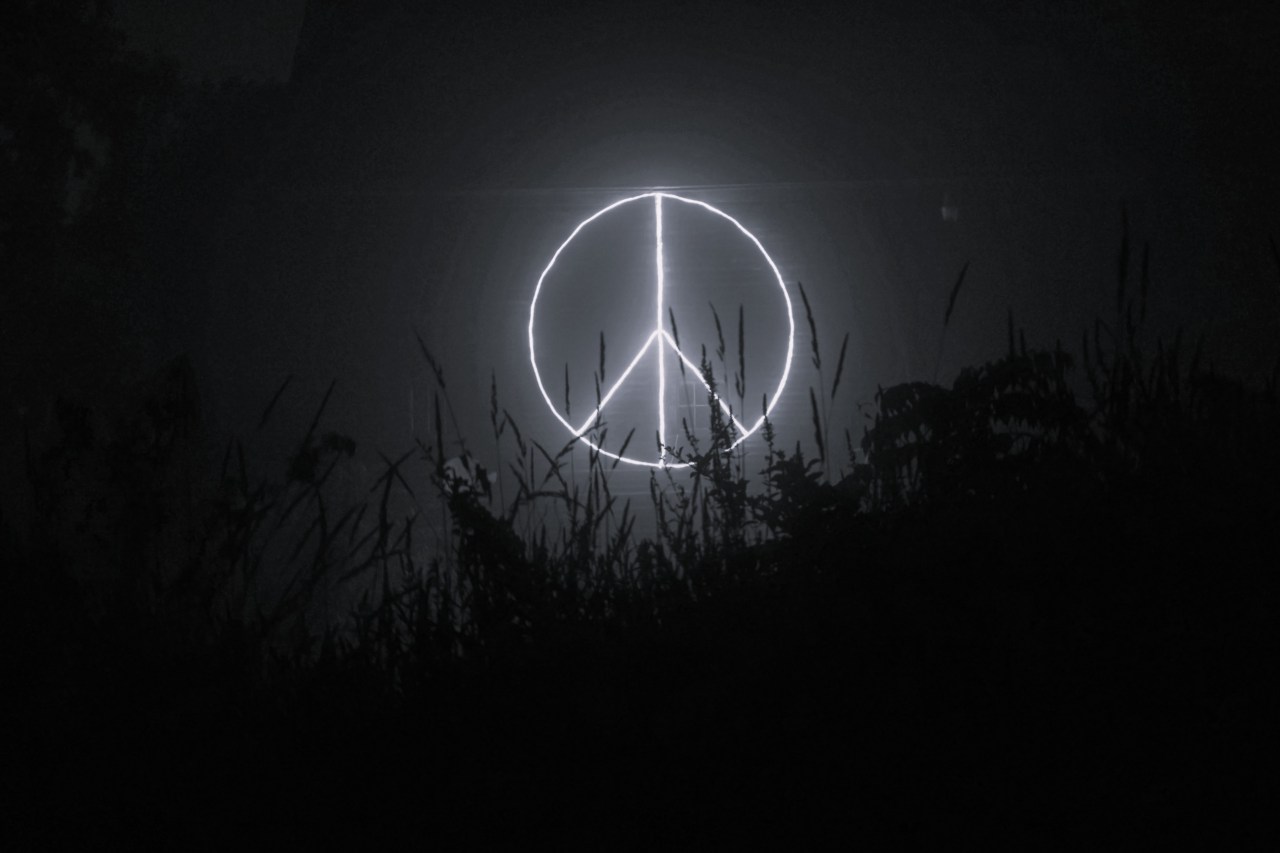
If It Costs You Your Peace It’s Too Expensive

I used to let my stubbornness steal my peace.
If there was something I wanted, I was hellbent on making it happen—no matter the cost. I believed that pushing, forcing, and controlling the outcome was how you “won.” But all I really won was anxiety, burnout, and a whole lot of frustration.

Peace?
I didn’t even know what that looked like. And in my mind, if I had to sacrifice it to get what I wanted, so be it.

I also let relationships rob me of my peace. I gave them too much power, placed too much value on maintaining certain connections—whether or not they were good for me.
My life was one big internal tug-of-war between what I wanted and what was actually happening.

I was never at peace. And I didn’t realize just how much that was costing me.


Peace Is the New Priority

When I started this path, I was told something that stuck with me:
Your peace is more important than anything you’re chasing.

At first, I wasn’t sure how to take that. I thought it meant giving up. But it didn’t. It meant shifting my priorities—choosing myself.

It didn’t mean stop going after what I want. It meant not letting the pursuit of it wreck me in the process.

If what I’m chasing is costing me my peace?
It’s too expensive.

That became my new measuring stick.


When the Price Is Too High

When I feel anxiety start to build, when I feel myself getting defiant, angry, or obsessive—I know.
Whatever I’m chasing has tipped the scale.
It’s no longer about the goal—it’s about control.
And that’s when I have to step back.

This way of thinking was completely foreign to me at first.
I used to believe that pushing through the pain, sacrificing myself for the win, was what strength looked like.
I thought that was self-care—doing whatever it took to succeed.

But it wasn’t self-care. It was self-abandonment.
And I didn’t know the difference until I got honest about what peace actually meant.


Real Peace Is Rooted in Self-Love

Today, I know better.

True self-care doesn’t bulldoze you to the finish line.
It doesn’t demand you give up your mental, emotional, or spiritual well-being in the name of achievement or connection.

Real peace is quiet.
Gentle.
Steady.
And the more I protect it, the more clarity I have.

I no longer force things into being.
I no longer chase what isn’t meant for me.
I no longer need to prove I’m right or make something “work” when every sign tells me it’s not aligned.

That doesn’t mean I don’t work hard. I do.
It just means I work in a way that doesn’t betray myself in the process.


Peace Over Proving

Now when something feels “off,” I pause. I check in with myself.
Is this discomfort a sign I’m stepping out of my comfort zone—or is it warning me that my peace is at risk?

There’s a difference.

One is growth. The other is self-sacrifice.

Today, I choose peace. I protect it. I guard it like the sacred thing it is—because I’ve learned that nothing I want is worth losing it.

So when something feels forced or frantic, I ask myself:
Is it costing me my peace?
If the answer is yes, then it’s not worth it.


SLAY Reflection: Is It Worth Your Peace?

  1. What things or people are you allowing to steal your peace right now?
    What’s the result of that?
  2. Why do you continue to chase things at the cost of your well-being?
    Is it a habit, fear, or need for control?
  3. What does peace actually feel like for you?
    And when was the last time you truly felt it?
  4. What boundaries could you set to protect your peace more consistently?
    What might change if you did?
  5. What can you do today—right now—to honor your peace above all else?
    Because it is not replaceable.


    Call to Action: Join the Conversation

    I’d love to hear from you.
    What’s one thing you’ve had to walk away from in order to protect your peace?
    Share your story in the comments. Let’s cheer each other on.

    And if you know someone who’s struggling to choose peace over pressure, send this to them.
    Sometimes, all we need is a nudge.

Your Problem Isn’t The Problem, It’s Your Reaction To The Problem

There are so many things in life we have no control over.
But one thing we always have control over is how we react.

Before I started this journey, I didn’t believe that. I saw life as something that was constantly happening to me. I felt like I was always on the wrong side of good—piled under problems that felt too big, too unfair, and way too overwhelming to change.

What I couldn’t see at the time was that many of those problems were the result of my own choices.
And even when I wasn’t in control of what happened, I had still made a choice somewhere along the line—choosing the person, the situation, or the behavior that led me there.

It was easier to blame someone else.
But the truth? The finger I was pointing should’ve been aimed right back at me.


The Power of Radical Responsibility

When I finally got honest with myself—rigorously honestI had to take a hard look at my role in the chaos.
And it was tough.
It’s not easy to admit that you’ve been the architect of your own pain.

But with that realization came something surprising: freedom.
Because if I was the one who got myself into it…
I could be the one to get myself out.

Owning my choices gave me power.
And from there, I could start making better ones.


Every Situation Is a Choice Point

We don’t get to control what life throws at us.
But we do get to choose how we respond.

Sometimes the best reaction is not reacting at all.
Sometimes it’s walking away.
Sometimes it’s taking a breath and choosing to show up in a way that honors your values—not your emotions in the moment.

That’s how we reclaim our power.
Even in the hardest moments, we are not powerless when we’re clear on what’s best for us—mentally, emotionally, and spiritually.

We always have a choice.
And that choice becomes the difference between staying in the problem and moving toward the solution.


The Problem vs. The Solution

When I started to shift my mindset this way, life got easier.
That’s not to say I never get frustrated or upset—of course I do. But now I ask myself:

  • Did I invite this in?
  • Can I disinvite it now?
  • What choice will move me forward instead of keeping me stuck?

That’s what it means to get into the solution.

Because staying in the problem only creates more problems.
But the solution?
That’s where problems go to die.


Clearing the Path Forward

I’ve learned that when I make decisions from a place that aligns with who I am—and who I’m becoming—I stop visiting the places that pull me back into chaos.

I stop letting problems define me.
I stop reacting from fear or ego.
And I start creating space for new energy, new opportunities, and new peace to enter my life.

So when the next problem pops up—and it will—ask yourself:

What’s the right reaction… for me?

That answer will always lead you toward your highest good.


SLAY Reflection: What’s Your Reaction Telling You?

  1. Do you let problems define your mood or your day?
    How often are you reacting instead of responding?
  2. How many of your current problems are tied to past choices?
    What patterns can you begin to shift?
  3. What small choices can you make today to create fewer problems tomorrow?
    Where can you be more intentional?
  4. How can you take your power back in difficult situations?
    What boundaries or truths are you avoiding?
  5. What does the “right reaction” look like for you?
    Is it silence, compassion, honesty, or stepping away?


    Call to Action: Join the Conversation

    I’d love to hear from you.
    What’s one situation or relationship where choosing not to engage helped you protect your energy?
    Share your story in the comments. Let’s cheer each other on.

    And if you know someone who’s caught in a cycle of reacting or proving their point, send this to them.
    Sometimes, all we need is a nudge.