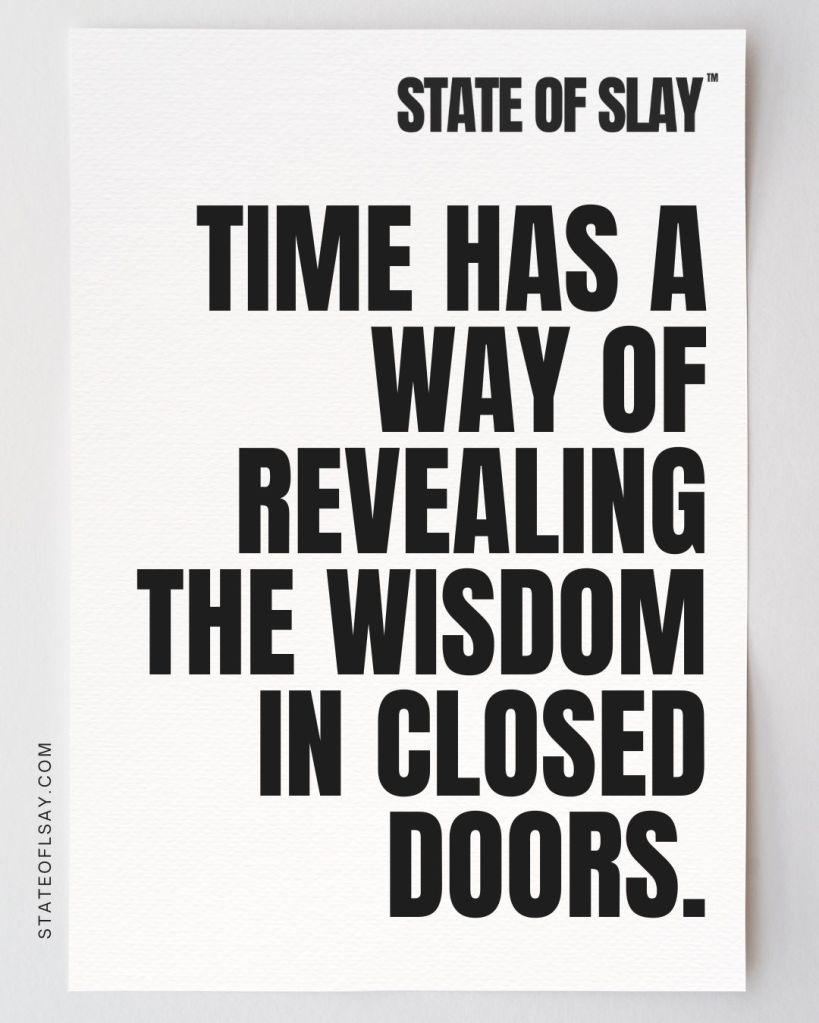
In the moment, closed doors can feel frustrating, confusing, or even unfair. We often see them as interruptions to the path we carefully planned.
But time has a way of widening perspective. What once felt like rejection can later reveal itself as protection. What looked like a setback can quietly redirect you toward something more aligned with your growth, values, or well-being.
Some lessons are only visible in hindsight.
This is your reminder to trust that clarity often arrives after the door closes.
There was a season in my life when I expected results I had not earned.
I wanted growth without discomfort. Success without consistency. Connection without vulnerability. Peace without doing the internal work.
And when those things did not show up the way I imagined, I felt frustrated. Disappointed. Sometimes, even resentful.
But eventually I had to face a hard truth.
Expectation without effort breeds disappointment.
And that lesson changed how I approach almost everything.
Prefer to listen? The Audio Blog version is available here.
Effort Builds Alignment
We all have dreams. Goals. Desires. Vision boards full of possibility.
But wanting something is not the same as working toward it.
There is nothing wrong with ambition. In fact, ambition can be healthy and motivating. The problem begins when expectation outpaces action.
If we want deeper relationships, we have to practice communication and emotional honesty. If we want physical strength, we have to move our bodies. If we want career growth, we have to develop skills and consistency.
Alignment between effort and expectation creates peace.
Misalignment creates frustration.
I Had To Learn This Personally
There were moments when I wanted to be seen differently without changing my behavior. I wanted trust without rebuilding credibility. I wanted confidence without confronting insecurity.
Once I accepted that, something shifted. Instead of feeling entitled to outcomes, I focused on earning them.
And that shift empowered me.
Because effort is something we control.
Discipline Creates Self-Respect
There is a quiet confidence that comes from knowing you showed up fully.
Not perfectly. Not flawlessly. But consistently.
Discipline is not punishment. It is commitment to your future self.
When you follow through on what you say you will do, trust builds internally. That internal trust strengthens resilience. It reduces anxiety. It increases clarity.
Self-respect grows from keeping promises to yourself.
And that foundation supports sustainable success.
Expectations Without Work Can Damage Relationships
This lesson extends beyond career and goals.
It applies deeply to relationships.
Expecting loyalty without offering it. Expecting communication without practicing it. Expecting emotional safety without creating it.
Relationships thrive on reciprocity.
When we expect more than we contribute, imbalance follows. Resentment builds. Connection weakens.
But when we invest effort intentionally, relationships strengthen naturally.
Contribution matters.
Patience Is Part Of The Process
One of the hardest parts of growth is timing.
We live in a culture that celebrates immediate results. Overnight success. Quick transformations.
When we focus on building strong patterns, outcomes become more predictable. Not guaranteed. But aligned.
And when outcomes do not match effort, we adjust. We learn. We refine.
Growth becomes dynamic instead of discouraging.
That shift keeps momentum alive.
SLAY Reflection
Let’s reflect, SLAYER:
S: Where in your life are your expectations outpacing your effort?
L: What small daily action could bring your effort into alignment with your goals?
A: How does following through on commitments impact your self-trust?
Y: What would change if you focused more on building than expecting?
Call to Action: Join the Conversation
I’d love to hear from you. What goal in your life shifted once you committed to matching your effort with your expectations? Share your story in the comments. Let’s cheer each other on.
And if you know someone feeling discouraged about slow progress, send this to them. Sometimes, all we need is a nudge.
Most expansion does not feel smooth at first. It feels uncertain, uncomfortable, sometimes even intimidating. That does not mean you are unprepared. It usually means you are stretching into new capacity.
Confidence often follows experience, not the other way around. The moments that challenge you are frequently the ones that reveal what you are actually capable of.
This is your reminder to step toward what challenges you, not away from it.
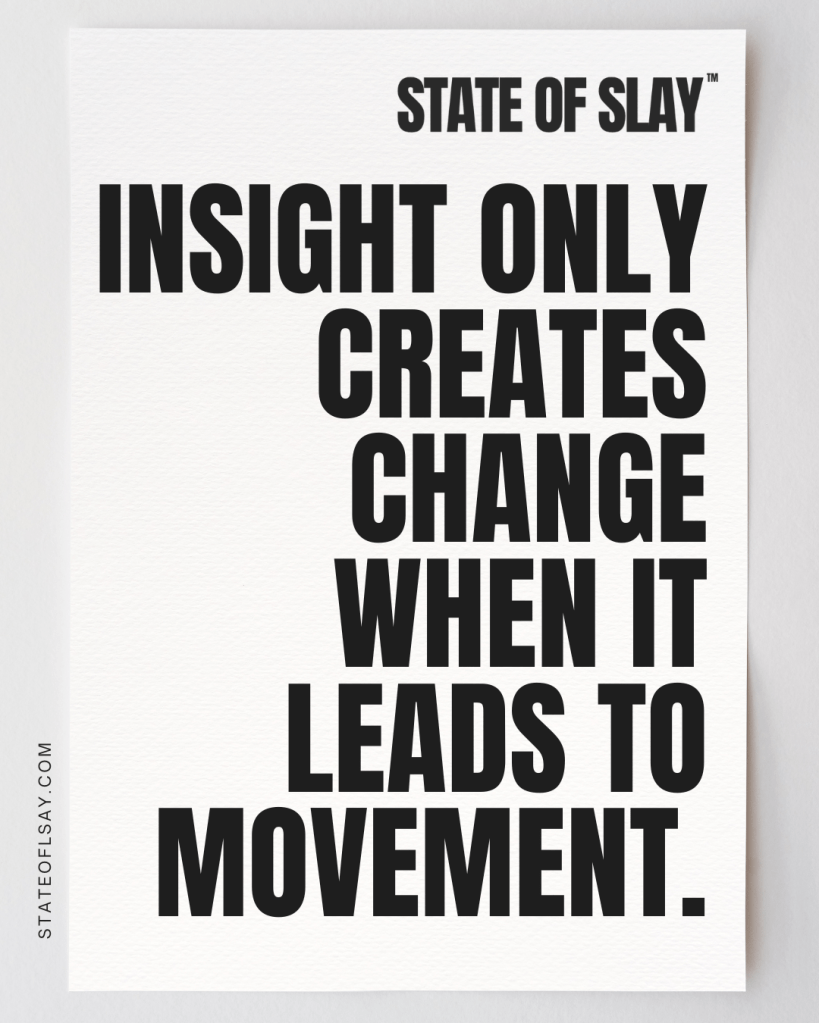
Awareness is powerful. It helps you recognize patterns, understand triggers, and see yourself more clearly. But awareness alone does not create transformation. Movement does.
Growth often happens when insight turns into small, consistent choices. When understanding becomes behavior. When intention becomes practice.
This is your reminder to let what you learn guide what you do.
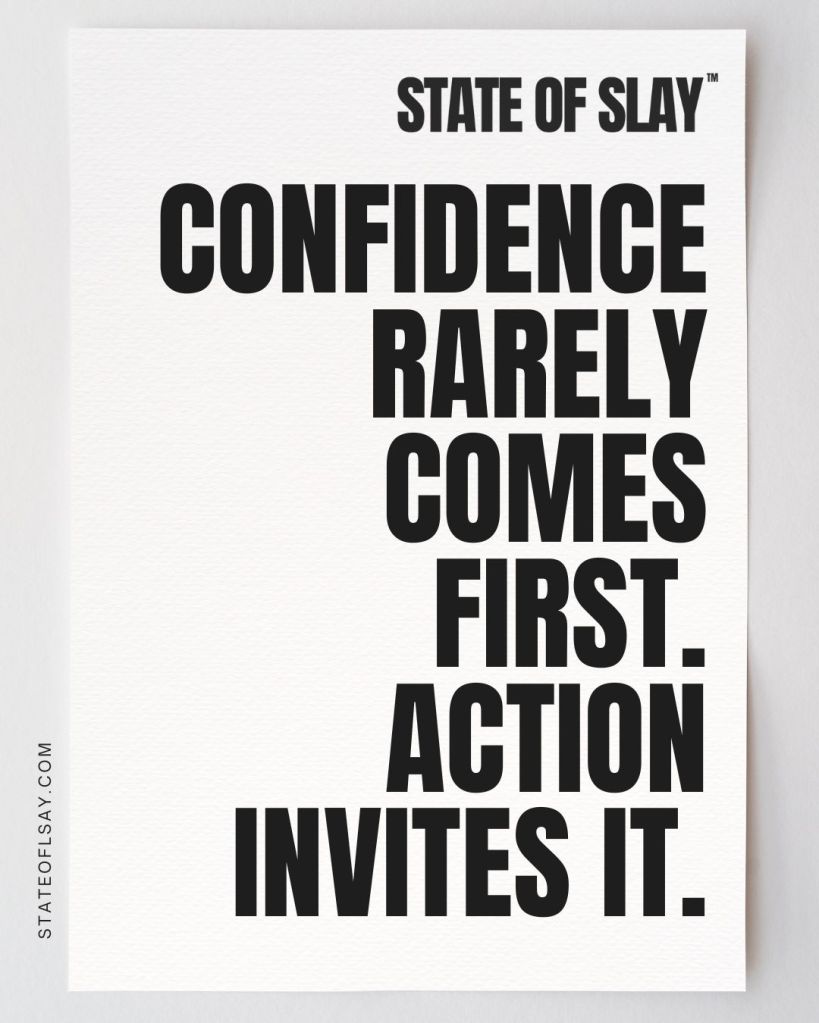
We often wait for confidence before taking action, believing readiness should come first. But growth rarely works that way. Momentum builds through experience, not hesitation.
The first step may feel uncertain. The early attempts may feel imperfect. That is not failure — it is part of becoming capable. Confidence tends to grow quietly alongside effort, not ahead of it.
This is your reminder to begin even when certainty is not fully there.
Growth does not always look dramatic. Sometimes it simply means stepping into a version of yourself that feels more honest, more aligned, and more grounded than before.
That shift can surprise people. Expectations adjust. Familiar dynamics change. And while that can feel uncomfortable at first, it is often a sign that you are moving closer to authenticity rather than further from connection.
This is your reminder to keep becoming who you are, even if it takes time for others to catch up.
For years, I believed something was wrong with me.
Every setback, every difficult emotion, every repeated mistake became evidence in my mind that I was flawed. That I needed fixing. That I was somehow broken.
That belief kept me stuck longer than anything else ever did.
Because when you think you are the problem, change feels impossible. But when you realize a pattern is the problem, suddenly there is room for growth.
And that shift changes everything.
Prefer to listen? The Audio Blog version is available here.
The Difference Between Identity And Behavior
There is a profound psychological difference between saying “I am broken” and saying “I have a pattern that is not serving me.”
One attacks identity. The other addresses behavior.
When I began to separate who I was from what I did, I experienced relief. I was not defective. I was human. I had learned coping strategies, habits, and reactions that made sense at one point but no longer supported my well-being.
And habits can be retrained.
That realization gave me hope.
Why The Brain Responds Better To Patterns
Our brains are incredibly adaptive. Neuroscience tells us they reorganize based on repeated thoughts and actions. What we practice becomes familiar. What is familiar becomes automatic.
So when we say “I need to fix myself,” the brain often interprets that as shame. And shame tends to shut down growth. It triggers defense, avoidance, and self-criticism.
But when we say “I need to retrain this pattern,” the brain shifts into problem-solving mode. It looks for solutions instead of assigning blame.
That subtle language shift can influence emotional resilience, motivation, and actual behavioral change.
Words matter.
Especially the ones we use with ourselves.
My Own Experience With This Shift
There was a time when I blamed myself for everything. If something went wrong, I assumed it confirmed my inadequacy. That mindset fueled anxiety, perfectionism, and exhaustion.
Eventually, I started noticing recurring patterns. Over-committing. Avoiding difficult conversations. Seeking validation. Ignoring my own needs.
Instead of labeling myself as flawed, I began asking different questions.
What triggered this reaction? What need was I trying to meet? What would a healthier response look like?
That curiosity replaced criticism. And progress became possible.
Not instant. Not perfect. But real.
Patterns Are Learned, And They Can Be Relearned
Most of our emotional patterns formed early. Family dynamics, cultural expectations, past relationships, trauma, success, failure, all of it shapes how we respond to life.
But learned does not mean permanent.
Awareness is the first step. Compassion is the second. Consistent action is the third.
Change rarely happens overnight. It happens through repetition. Through gentle correction. Through patience with ourselves.
And every time we choose a healthier response, we strengthen a new pathway in the brain.
That is growth in action.
Self-Compassion Accelerates Change
Criticism rarely produces lasting transformation.
Compassion does.
When we treat ourselves with kindness, we reduce fear. When fear decreases, openness increases. And openness allows learning.
It may sound counterintuitive, but being gentler with yourself often leads to stronger accountability. Because you are not operating from shame. You are operating from intention.
That makes change sustainable.
And sustainable change is what we want.
You Are Not A Project, You Are A Person
One of the biggest lessons on my journey has been this:
I am not something to fix.
I am someone to understand.
There is a big difference.
When we stop treating ourselves like broken projects and start treating ourselves like evolving humans, growth becomes less stressful. It becomes more natural.
You are allowed to grow without condemning where you started.
You are allowed to improve without rejecting who you were.
That perspective creates emotional freedom.
Language Shapes Healing
Try this simple experiment.
Instead of saying: “I am the problem.”
Say: “This is a pattern I am learning to change.”
Feel the difference.
One closes the door. The other opens it.
One creates shame. The other creates possibility.
And possibility is where healing begins.
SLAY Reflection
Let’s reflect, SLAYER:
S: What recurring emotional or behavioral pattern have you labeled as a personal flaw?
L: How might your mindset shift if you saw that pattern as learned instead of permanent?
A: What is one small adjustment you can practice today to retrain that pattern?
Y: How could self-compassion help you sustain growth instead of pushing yourself through criticism?
Call to Action: Join the Conversation
I’d love to hear from you. What pattern have you started to see differently, and how has that perspective changed your growth? Share your story in the comments. Let’s cheer each other on.
And if you know someone who needs the reminder that they do not need fixing, just understanding, send this to them. Sometimes, all we need is a nudge.
Sometimes personal growth shifts dynamics you did not expect. Roles evolve. Conversations change. Familiar patterns no longer fit the person you are becoming.
That adjustment period can feel isolating, even when the direction is right. Growth asks for courage before it offers comfort. But what feels unfamiliar today often becomes alignment tomorrow.
This is your reminder to trust growth even when it temporarily feels uncomfortable.
Big plans. Big promises. Big visions. Big intentions.
People talk about healing. Talk about change. Talk about growth. Talk about becoming better versions of themselves.
But here’s the truth:
Talk doesn’t cook rice.
Words alone don’t transform lives. Intentions alone don’t create change. Awareness alone doesn’t produce growth.
Action does.
Prefer to listen? The Audio Blog version is available here.
Why We Mistake Intention for Transformation
It feels productive to talk about change.
It gives us the illusion of movement. The comfort of progress. The sense that we’re “doing something.”
But talking about healing isn’t the same as doing the work. Planning growth isn’t the same as practicing it. Wanting change isn’t the same as choosing it.
Intentions are powerful — but they are not enough.
Without action, they stay ideas.
Growth Is Built in the Doing
Real change happens quietly.
In daily choices. In uncomfortable conversations. In boundaries that are enforced. In habits that are practiced. In consistency that no one applauds.
Growth isn’t dramatic — it’s disciplined.
It’s choosing differently when no one is watching. It’s doing the hard thing instead of the easy thing. It’s showing up even when motivation fades.
This is where transformation lives.
Why Action Feels Harder Than Talk
Because action requires accountability.
It requires discomfort. Consistency. Commitment. Ownership.
Talking keeps us safe. Doing makes us vulnerable.
Talk lets us imagine change. Action forces us to embody it.
And embodiment is always more demanding than intention.
Alignment Is Action, Not Language
People often say they want peace — but live in chaos.
They say they want healing — but avoid truth.
They say they want growth — but resist change.
Alignment isn’t what you say you value. It’s what you practice daily.
Your life reflects your actions, not your affirmations.
Small Actions Create Big Shifts
Change doesn’t require perfection.
It requires participation.
One boundary. One honest conversation. One healthy choice. One brave decision. One consistent habit.
You don’t need to overhaul your life overnight — you need to start moving.
Progress compounds.
Discipline Is a Form of Self-Love
Choosing action over talk is not punishment.
It’s care.
It’s choosing the future over comfort. The long-term over the short-term. The truth over the story.
Discipline isn’t harsh — it’s protective.
It keeps you aligned when motivation fades.
You Don’t Become Different by Declaring It
You become different by living differently.
Not by announcing change. Not by explaining it. Not by justifying it.
But by practicing it.
Transformation is quiet. Consistency is powerful. Movement creates momentum.
If You Want Change, Start Moving
Ask yourself:
Where am I talking instead of doing? Where am I planning instead of acting? Where am I waiting instead of choosing?
Because nothing changes until something changes.
And talk doesn’t cook rice.
SLAY Reflection
Let’s reflect, SLAYER:
S: Where in your life have you been talking about change instead of acting on it? L: What fear has been keeping you in planning mode? A: What is one small action you can take today instead of waiting? Y: How would your life shift if you committed to movement over conversation?
Call to Action: Join the Conversation
I’d love to hear from you. Where in your life do you know it’s time to stop talking and start moving? Share your story in the comments. Let’s cheer each other on.
And if you know someone who keeps waiting for the “right time,” send this to them. Sometimes, all we need is a nudge.