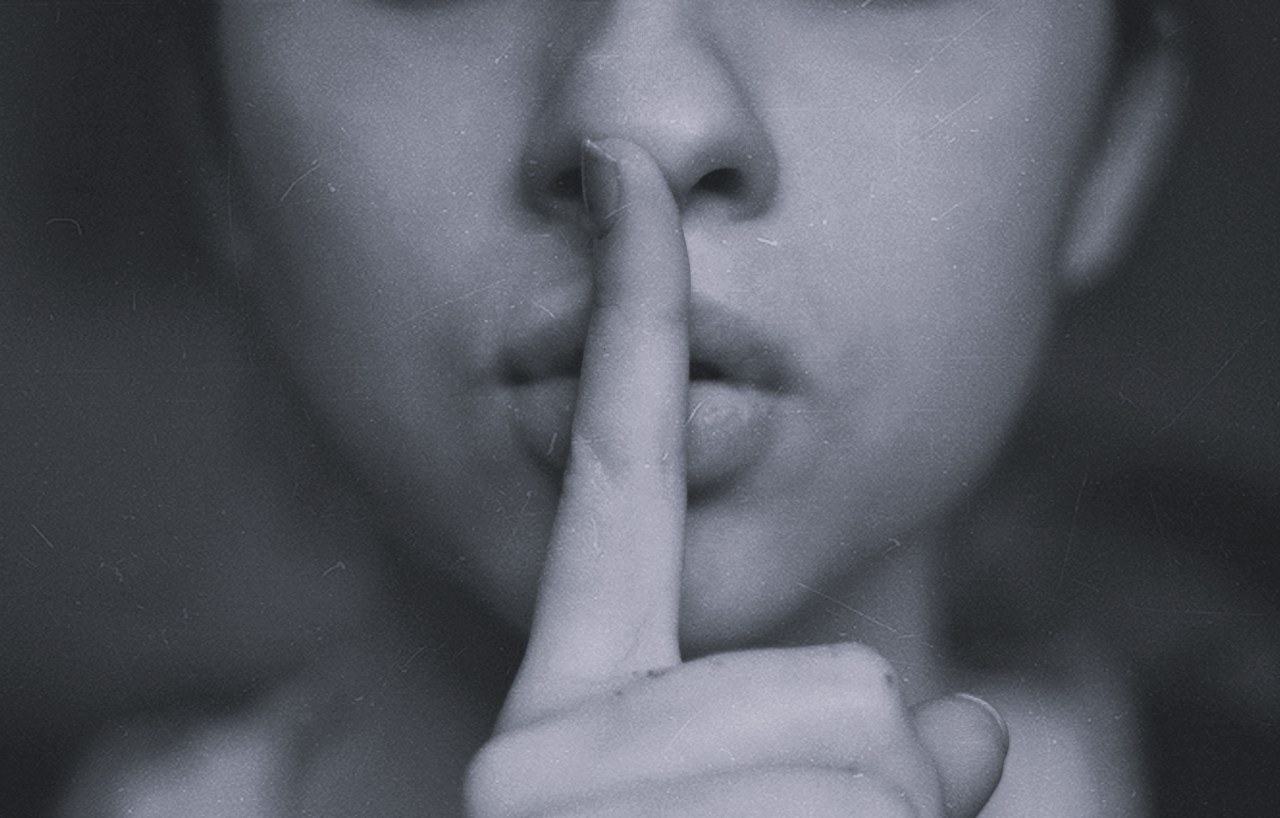
Silence almost killed me.
For years, I bottled everything inside—pain, fear, shame, grief, anger—because I thought speaking it out loud would make me weak, unworthy, or too much. I believed that my feelings were a burden, that no one wanted to hear the truth, and that the safest way to exist was behind a mask.
But here’s the thing about silence: it doesn’t protect you—it suffocates you.
When we swallow our pain instead of releasing it, it eats away at us. The secrets, the shame, the unspoken words—they pile up until they feel unbearable. And for me, they almost were.
That’s why today, I heal out loud. Because staying silent nearly cost me everything.
Prefer to listen? The Audio Blog version is available here.
The Danger of Silent Suffering
We live in a culture that often rewards keeping it together. Smile when you’re breaking inside. Say you’re fine when you’re anything but. Push through no matter how heavy the weight.
I wore that mask for years. I said yes when I wanted to say no. I smiled when I wanted to scream. I denied myself the very human right to feel, because I thought silence kept me safe.
But silence didn’t keep me safe—it made me sick. It fed my depression, deepened my shame, and convinced me that I was alone. And when you believe you’re alone, hopelessness creeps in. That’s a dangerous place to live.
Unspoken pain doesn’t disappear—it festers. And the more we bury it, the more it convinces us we don’t deserve light.
Why Healing Out Loud Matters
Healing out loud doesn’t mean sharing every detail of your life with the world. It doesn’t mean turning your pain into a performance.
It means refusing to carry it alone anymore. It means telling the truth—to yourself, to someone you trust, to a community that understands.
For me, healing out loud started with small steps: admitting to a friend that I wasn’t okay, reaching out for help, speaking the words I had locked away for so long. Each time I spoke, the silence lost some of its power.
When you voice your truth, you cut shame off at the knees. Shame can’t survive in the light.
And as I began to heal out loud, something unexpected happened: people leaned in. They said, “Me too.” They shared their own stories. They told me I wasn’t alone.
The Power of Vulnerability
We think silence makes us strong, but real strength comes from vulnerability.
It takes courage to say: I’m hurting. I’m scared. I need help.
And yet, that’s where transformation begins. Vulnerability is not weakness—it’s the bridge to connection, compassion, and healing.
I learned that my silence kept people out, but my vulnerability drew them close. It built trust. It created bonds rooted in honesty instead of performance. And it allowed me to step into the fullness of who I am—messy, imperfect, human, but alive.
Healing out loud is how we reclaim our power from the very things that tried to silence us.
From Surviving to Thriving
The shift from silent suffering to speaking my truth didn’t happen overnight. It was clumsy, scary, and uncomfortable. But every time I let the words out, I felt a little lighter.
And slowly, my healing turned into living.
I stopped existing just to survive the day. I started building a life rooted in truth, love, and connection. I surrounded myself with people who could hold space for my story without judgment. And I realized that sharing my voice not only saved me—it helped others too.
Because when you heal out loud, you give others permission to do the same. You become a mirror that reflects back courage, honesty, and hope.
Practical Ways to Heal Out Loud
If you’ve been living in silence, here are a few ways to begin:
- Name it. Write down what hurts, what scares you, what you’ve been carrying. Naming it is the first step to releasing it.
- Speak it to someone safe. Choose a trusted friend, mentor, therapist, or support group. Let your truth be heard by someone who can hold it with care.
- Create a ritual of release. Journaling, prayer, meditation, or even saying your truth out loud in private can help shift it from inside to outside.
- Set boundaries with silence. You don’t owe your story to everyone. Healing out loud means choosing where and when to share, with intention.
- Celebrate your courage. Every time you speak instead of stuffing it down, acknowledge your strength. Healing is a practice, not a performance.
A New Way to Live
I heal out loud now, not because it’s easy, but because I know what silence nearly cost me. I know the danger of secrets. I know the weight of carrying pain alone.
Healing out loud doesn’t erase the scars. It transforms them into reminders of resilience, proof that you can walk through the fire and come out stronger.
Your voice matters. Your truth matters. You matter.
So, if you’ve been silenced by shame, fear, or judgment—let today be the day you begin to speak. Whisper if you have to. Write it if you can’t yet say it. Share it with one safe person.
Because silence takes life, but truth gives it back.
SLAY Reflection
- Where in your life have you been silencing your truth?
- How has that silence affected your health, relationships, or self-worth?
- Who is one safe person you could begin sharing your truth with?
- What fears come up when you imagine speaking out loud?
- What freedom might you find if you allowed yourself to heal out loud?
S – Speak your truth instead of burying it
L – Let others in who can hold space for your story
A – Acknowledge the courage it takes to be vulnerable
Y – Yield to healing by bringing light to your silence
Call to Action: Join the Conversation
I’d love to hear from you.
Have you ever found freedom in sharing what you once kept silent?
Share your story in the comments. Let’s cheer each other on.
And if you know someone who’s struggling in silence, send this to them.
Sometimes, hearing “me too” is what saves us.