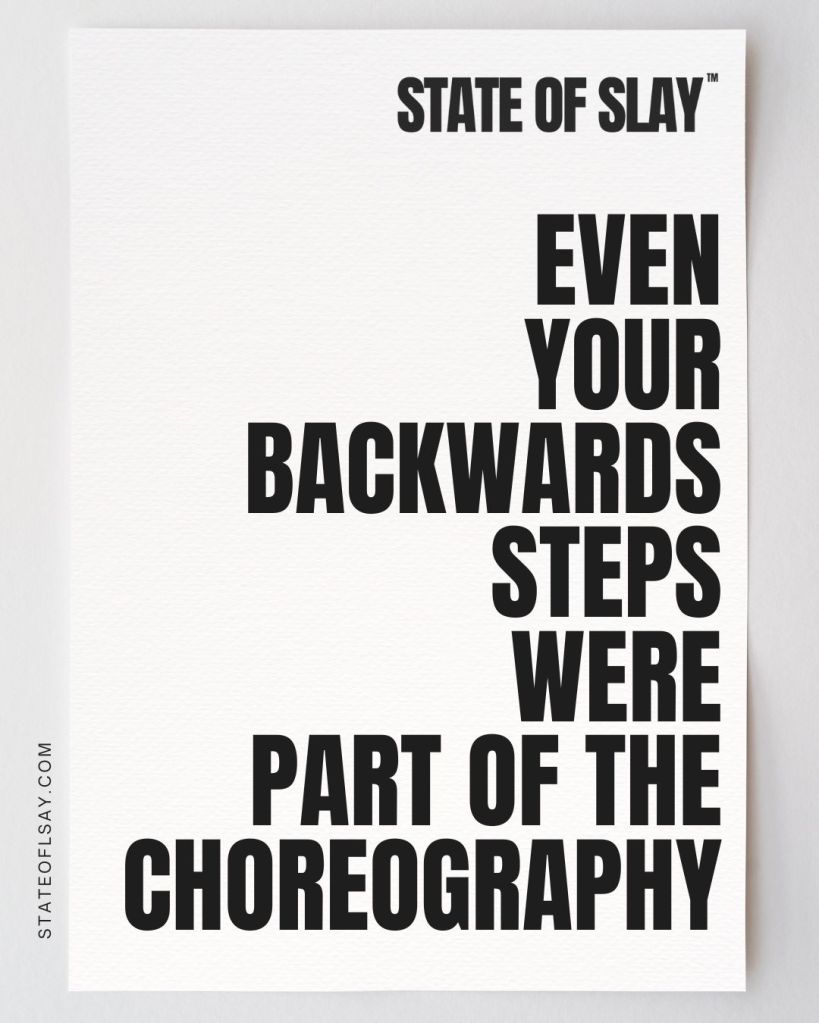
Why are we always so hard on ourselves?
We hold ourselves to impossible standards, judge our every move, and then wonder why we feel stuck, small, and not good enough.
We speak to ourselves in ways we’d never speak to someone else—calling ourselves idiots, failures, brain-dead, or worse.
And we may not even realize we’re doing it.
That inner dialogue becomes so automatic, so embedded in our thinking, that the jabs feel normal.
But they’re not.
And worse—they’re harmful.
Those words don’t just disappear.
They settle into our energy, into our nervous system, into the way we show up in the world.
And over time, they become the very thing that holds us back from becoming who we are meant to be.
The Judgments That Keep Us Stuck
Before I began my journey in recovery, I judged myself constantly.
Nothing I did was ever “good enough.”
Even when I succeeded, I’d discredit it—call it luck, minimize the achievement, or immediately nitpick what wasn’t perfect.
My expectations were so high, they were built to break me.
And they did. Over and over.
The voice in my head wasn’t just critical—it was cruel.
It kept me sick. It convinced me I’d never be enough. It told me to give up before I even tried.
And I believed it.
I lived inside that mental prison for years.
I’d get these little bursts of self-confidence, moments where I felt like maybe I could do something great.
But the voice always returned—louder, meaner, and more persuasive.
It was a cycle that drained me and kept me from healing.
The Turning Point: Choosing to Get Better
When I finally made the decision to seek help, one of the first things I had to face was my own thinking.
I had to get honest about the way I spoke to myself.
And what I discovered?
I had become my own worst bully.
If anyone else had said the things I said to myself, I never would have stood for it.
So why was I allowing it to happen in my own mind?
That realization changed everything.
I began to:
- Forgive myself for the judgment
- Unlearn the habit of self-abuse
- Practice self-compassion, even when it felt unfamiliar
- Focus on progress, not perfection
And slowly, something started to shift.
The voice got quieter.
The harsh words faded.
And I started to celebrate myself—for real.
Make Room for Grace
No one gets it right all the time.
We all make mistakes.
We all fall short sometimes.
But that doesn’t mean we’re failures.
It means we’re human.
Mistakes are how we grow.
They help us refine our goals, improve our preparation, and get clearer on what we really want.
And when you set realistic goals—ones that allow for learning, flexibility, and growth—you give yourself a chance to succeed.
Even the smallest win becomes a reason to celebrate.
You Are a Work in Progress (And That’s a Good Thing)
You are not the voice in your head that tells you you’re not enough.
You are not your mistakes.
You are not your worst day.
You are a work in progress—a beautiful, evolving human being.
And your job is not to be perfect.
Your job is to keep going.
So speak to yourself with kindness.
Encourage yourself like you would a best friend.
Celebrate every step, every shift, every bit of progress.
You’re doing better than you think.
SLAY Reflection: How Do You Speak to You?
- Do you judge yourself harshly?
How does that show up in your thoughts or self-talk?
- What do you tell yourself when you make a mistake or fall short?
Would you say the same to someone you love?
- How has your inner critic held you back?
Where would you be if that voice got quieter?
- What daily habit could help you be kinder to yourself?
Affirmations, journaling, gratitude?
- What can you do today to encourage and celebrate yourself?
Start now—pick one thing you’re proud of and name it out loud.
Call to Action: Join the Conversation
I’d love to hear from you.
What’s one negative thing you’ve told yourself that you’re ready to replace with kindness?
Share your story in the comments. Let’s cheer each other on.
And if you know someone who’s struggling with self-judgment, send this to them.
Sometimes, all we need is a nudge.