
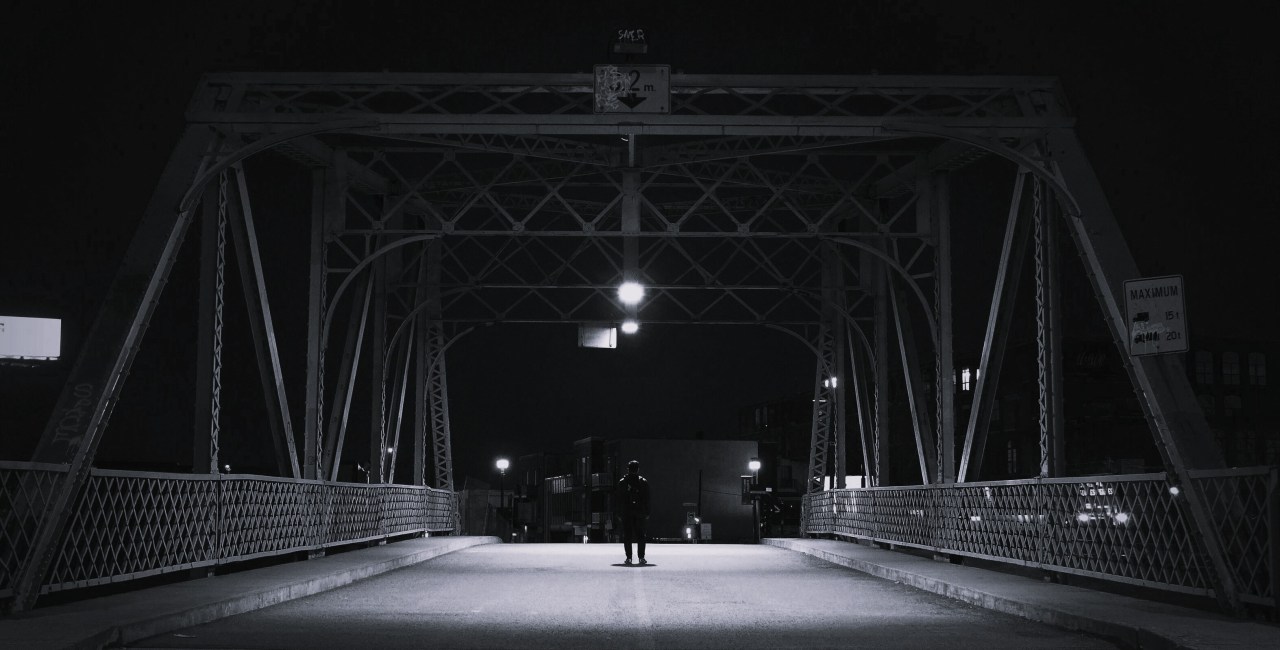
Our Dark Past Is The Greatest Possession We Have

There was a time when I thought my pain would consume me. Now, I know—it shaped me. Our darkest moments hold the power to help others find light. The only question is: are you willing to share them?


The Unimaginable Becomes a Gift

When I was deep in my darkest season, I couldn’t imagine ever looking back and seeing value in it. Survival itself felt uncertain. There was no part of me that thought these experiences would one day be considered my greatest possession. But that changed.

It wasn’t until I found recovery that I started to understand. I saw firsthand how someone else’s story could offer hope. One man’s courage to speak his truth gave me the strength to try and heal mine. His vulnerability saved my life. That was the beginning of everything.


The Power of Sharing Our Story

Early on, I didn’t believe my story held any value. I thought I needed to be “further along” to help someone else. But then, someone newer than me on this path looked at my progress with awe—and I realized we all have something to offer, no matter where we are.

Whether you’re in the thick of healing or years into your journey, someone else needs to hear what you’ve lived through. You don’t need a polished narrative or a perfect ending. Just your truth. That truth might be the very thing that keeps someone else going.


Letting Go of Shame

For a long time, I only shared the highlight reel. The idea of speaking about my pain? Terrifying. I feared judgment, labels, being seen as broken. But the truth is—I was already saying worse things to myself in silence. And pretending was exhausting.

Letting go of that fear and finally sharing my truth didn’t just help others—it saved me. The freedom that came from owning my past, rather than hiding it, was life-changing. The more I opened up, the more I connected. The more I connected, the less alone I felt.


Reclaiming the Narrative

Looking back, it’s almost shocking how much has changed. My darkest chapters no longer control me—they empower me. I’ve taken responsibility, found forgiveness, and made new choices. That transformation gave me back my power.

And maybe the most beautiful part? It allowed me to receive the light of others, too. I no longer walk alone. None of us have to. We can walk together—on our own paths, side by side—with the courage to show up exactly as we are.

There’s no greater victory than turning your pain into purpose. And no greater connection than meeting someone else in theirs.

SLAY on.


SLAY Reflection

  1. Have you found meaning in your darkest moments? What did they teach you?
  2. Is there a part of your story you’re still afraid to share? Why?
  3. Has someone else’s vulnerability ever helped you heal? What impact did it have?
  4. How can you begin to turn your past into a source of light for others?
  5. What would it feel like to release shame and step fully into your truth?

S-L-A-Y:

  • Speak your truth, even if your voice shakes.
  • Let your past be a bridge, not a burden.
  • Acknowledge your growth—and honor it.
  • You can help someone else heal by being real.

Call to Action: Join the Conversation
I’d love to hear from you.
How has your dark past shaped your present strength?
Share your story in the comments. Let’s cheer each other on.

And if you know someone who’s ready to turn their pain into power, send this to them.
Sometimes, all we need is a nudge.
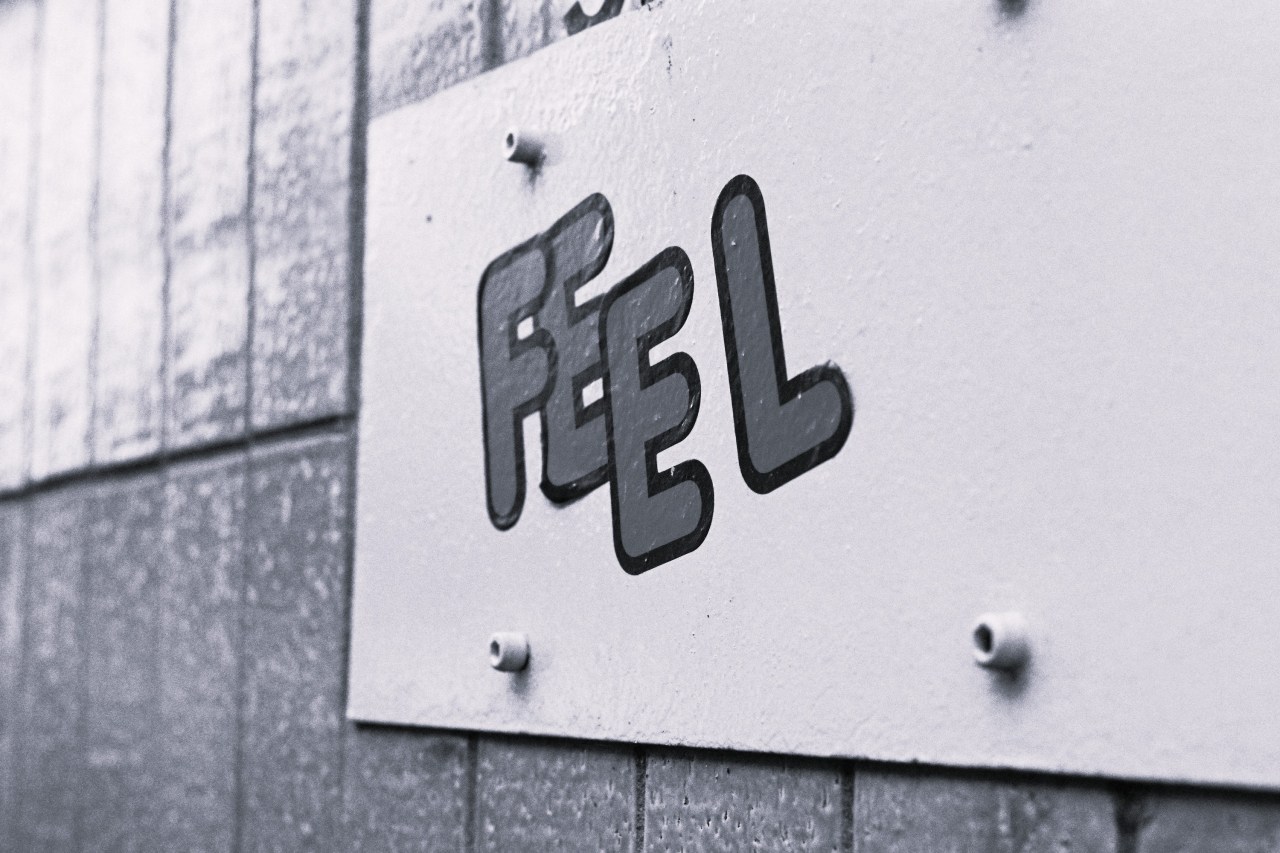
Feelings Can’t Kill You, But Avoiding Them Can

We can’t outrun our feelings forever. We try. We bury them, numb them, distract ourselves from them. But in the end, what we avoid will eventually rise. And for some of us, like it was for me, it can become a matter of life and death. This is a story about learning to feel again—and finding freedom on the other side.


The Fear of Feeling

Before I started walking the path of recovery, I did everything I could to not feel. I didn’t care if the feeling was good or bad—I just didn’t want it. I got so good at pretending everything was fine that I started to believe it myself, until all that was left was the heaviness I’d shoved deep down. The more I numbed, the more detached I became—from others, from joy, from myself.

I turned to anything I could: food, shopping, relationships, alcohol, travel. And it worked, temporarily. But the feelings always bubbled back up. The older I got, the harder it became to keep them down. I was a pressure cooker on the brink of exploding. And when I couldn’t keep the lid on anymore, it nearly destroyed me.


What I Didn’t Know Then

I thought the only way to escape the pain was to end the struggle altogether. I believed no one would understand, that I was alone in what I was feeling. But that wasn’t true. I was just hiding so well that no one had the chance to see me. Luckily, someone did. Someone who had been where I was bravely shared their story with me—and gave me just enough hope to reach out.

It didn’t happen overnight. It took time, more suffering, and finally a breaking point. But I reached out. And that changed everything.


The Tsunami of Emotion

When I began my recovery, I was told I’d have to learn to feel again—and that it would be OK. That idea terrified me. I hadn’t felt my feelings since I was a kid, and those childhood wounds were exactly what I’d been running from. But I couldn’t keep running anymore.

And when I stopped, it hit like a tsunami. Decades of anger, shame, fear, resentment, grief, and heartbreak came crashing in. There were days I could barely get out of bed. Days I clung to my mattress or curled in the bathtub, afraid I’d drown in it all. But you know what? I didn’t drown. I survived. And each time I allowed myself to feel, the intensity lessened. With the support of others, therapy, and time—I began to heal.


Feeling Doesn’t Mean Failing

What I’ve learned is that feelings are just information. They’re not good or bad—they just are. They tell us what we care about, what hurts, what needs our attention. Feeling them doesn’t make us weak. Avoiding them is what breaks us down.

It took time, but I began to see that not only was it safe to feel my feelings—it was necessary. And it was also OK to feel good. That was a big one. After so much pain, it took work to believe I deserved to feel joy. But I did. And so do you.


Choose to Feel

Today, I still check in with myself often. Some feelings are harder than others. Some still scare me. But I know I can face them now. And I know I don’t have to face them alone.

Your feelings can’t kill you—but avoiding them can. They are part of your story, and they deserve to be heard. You deserve to feel, to process, to heal. Take your time. Ask for help. Let the emotions teach you something. Let them show you who you are.

Because when you stop running, that’s when the real journey begins.

SLAY on.


SLAY Reflection

  1. Do you avoid certain feelings? What are they?
  2. How do you typically numb or distract yourself when emotions get hard?
  3. What’s one feeling you’re afraid to face—and why?
  4. Who in your life could support you in feeling safely?
  5. What might change if you let yourself fully feel, without judgment?

S-L-A-Y:

  • Stop numbing and start noticing.
  • Let your emotions rise without shame.
  • Ask for support when you need it.
  • You are allowed to feel—and to heal.

Call to Action: Join the Conversation
I’d love to hear from you.
What’s one feeling you’ve been avoiding—and what’s one small way you could start feeling it today?
Share your story in the comments. Let’s cheer each other on.

And if you know someone who’s struggling to feel, send this to them.
Sometimes, all we need is a nudge.