
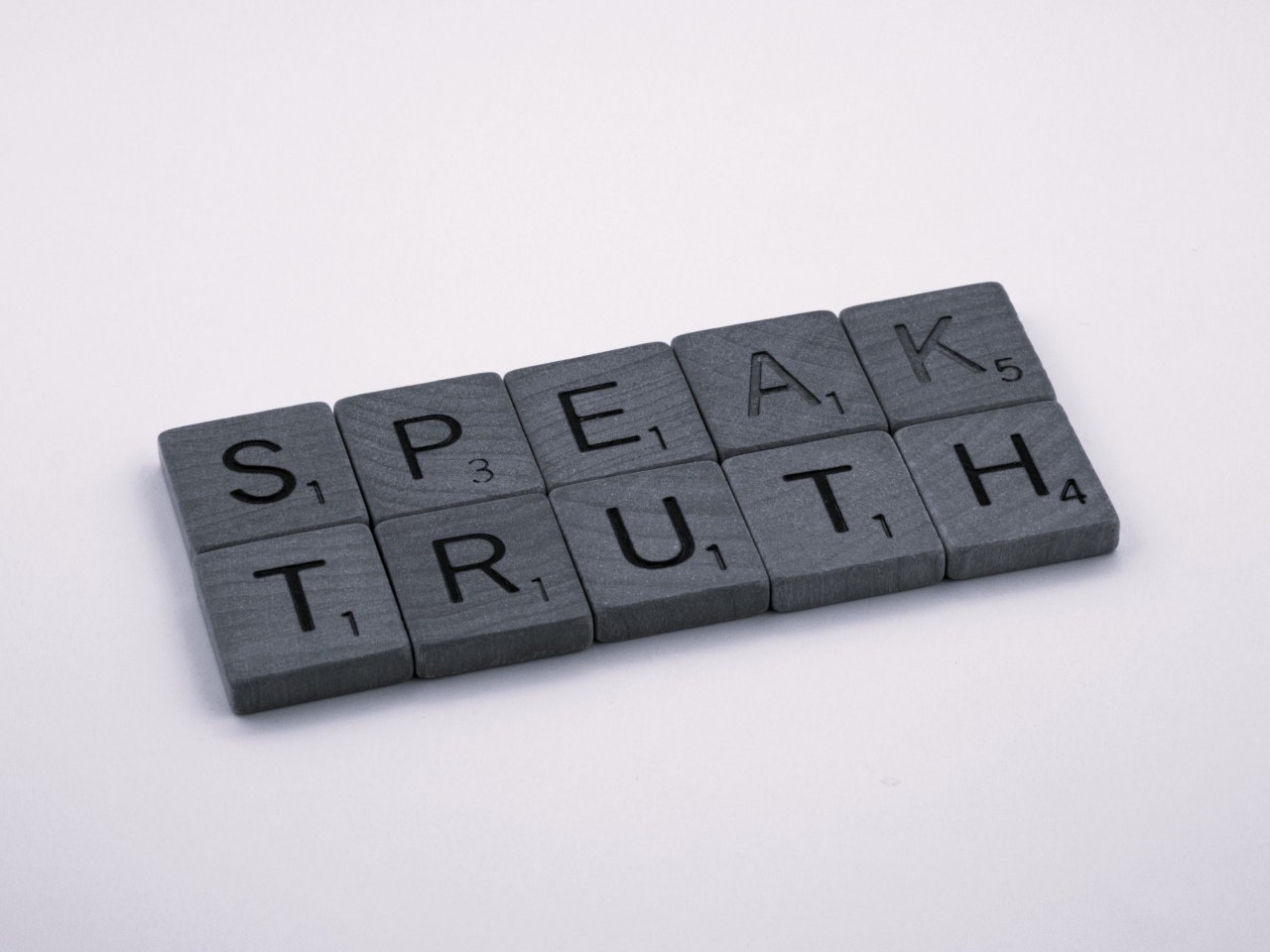
You Can’t Mend If You Bend The Truth

There was a moment in my life when the truth became a matter of survival. I had finally found the courage to ask for help, and the first thing I was told was this: “You’re going to have to get rigorously honest with yourself if you want to get well.”

That word—rigorous—felt terrifying. But I was so low, so broken, that I was willing to try anything. So I said yes.

What I didn’t realize at the time was that living in truth wasn’t just about not lying—it was about letting go of every version of myself I had created to survive. I was terrified of being judged. What if they knew the real me? Would they leave? Would they hate me? Even among people whose stories mirrored mine, I still feared I was the worst of us all.

But the truth was the key to my healing.


You’re Only as Sick as Your Secrets

I’d spent so many years twisting the truth that I didn’t even know what was real anymore. I had lied to others, yes—but more dangerously, I had lied to myself. Especially about the parts of me that hurt the most.

I started small. I shared only what I could in the moment. It wasn’t perfect. But it was honest. And with every truth I spoke, I felt lighter. Less alone. More connected.

I learned that almost anything can be forgiven—as long as we’re willing to be honest about it. People aren’t looking for perfection. They’re looking for sincerity. Most of the time, just saying, “I messed up, and I’m sorry,” is enough. But when we bend or dance around the truth, that connection is lost. The wound remains open.

Half-truths don’t set you free. They keep you locked in a pattern of shame.

The truth might be uncomfortable—but it’s nothing compared to the weight of carrying secrets. When we hide behind lies, we stay sick. We stay small. We stay stuck.


Truth Is the Path to Healing

Before I asked for help, my entire life was a tangled web of excuses and justifications. I bent the truth to protect myself, but it only made things worse. The more I lied, the sicker I became.

The day I began telling the truth—to myself, to others, and to the people I had hurt—was the day I started to get well. It was messy. It was raw. But it was real.

And real is where the healing lives.

It’s easy to tell ourselves that we lie to keep others safe. That we hide things to avoid hurting people. But those are just more lies dressed as protection. The truth is, we lie because we’re afraid.

But if we want to grow, we have to get honest—not just in part, but fully. Healing requires the whole truth. That’s how we clean the wound. That’s how we rebuild trust. That’s how we find peace.

You can’t mend what you won’t face.

Let your purpose lead. It knows the way.


SLAY Reflection

  1. Are there places in your life where you bend the truth? Why?
  2. What would change if you told the full truth—first to yourself, then to others?
  3. Have you experienced healing from being honest, even when it was hard?
  4. Are there secrets you’ve been carrying that are weighing you down?
  5. What’s one small truth you can speak today that might set you free?

S – Speak honestly, even when it’s hard
L – Let go of the stories that keep you stuck
A – Acknowledge the pain, then face it with courage
Y – Yield to truth—it’s the only path to healing


Call to Action: Join the Conversation

I’d love to hear from you.
What’s a truth you were once afraid to share, but feel proud for having told?
Share your story in the comments. Let’s cheer each other on.

And if you know someone who’s been carrying a heavy secret, send this to them.
Sometimes, all we need is a nudge.

Sometimes You Just Need A Good Cry

We’re often taught to hold it together, to keep a straight face, to brush it off. For years, I believed that crying meant I was weak—that I wasn’t strong enough, brave enough, or resilient enough. So I did what many of us do: I stuffed it down. I distracted myself. I numbed out. I pretended I was fine.

Until I couldn’t anymore.

Eventually, the pain started leaking through the cracks. It came out in moments I couldn’t control—late at night, alone on the floor, sobbing into the silence. I was breaking down in private because I didn’t feel safe enough to break open in front of anyone else.


Permission to Feel

In my June SLAY TALK LIVE livestream, I shared how someone once gave me a gift I didn’t know I needed: permission to feel sad.

It was such a simple moment. I was fighting back tears in front of a friend, terrified they’d think less of me. I had built this perfectly polished image, and I wasn’t about to let a few tears ruin it.

But then, they looked at me and said gently, “It’s okay to cry.” And just like that, the dam broke.

What followed wasn’t pretty. It was messy. Emotional. Overwhelming. Years of grief, heartbreak, disappointment, and pain all rose to the surface. But instead of pushing it back down, I let it out—in front of someone else. I stopped hiding.

And the most surprising thing? It didn’t push them away. It brought us closer.


Crying Isn’t Weakness—It’s Release

No, I wasn’t crying on cue or sobbing through every meeting. But when I felt the tears come, I didn’t edit myself. I let them roll. And each time, I reminded myself: this is healthy, this is human.

It turns out, crying didn’t make me less lovable. It made me real. And it connected me to others who had felt the same pain—or were still working through it.

Unexpressed pain doesn’t just disappear. It stores itself in your body, in your mind, and in your relationships.

When we don’t let ourselves feel, we carry that weight in unhealthy ways. It shows up as anxiety, illness, irritability, or disconnection. There is no strength in pretending it’s not there. But there is deep, quiet power in releasing it.

Of course, timing matters. There are appropriate spaces to let it all out—and when the tears come unexpectedly, you can still honor them. I’ve excused myself from meetings, slipped into a restroom, cried it out, washed my face, and come back lighter. There’s nothing wrong with needing a moment.


Let Your Truth Show

The people who deserve a place in your life won’t shame you for being emotional. They’ll hold space. They’ll nod in understanding. They might even cry with you.

You don’t have to go through life with your emotions locked behind a wall. Vulnerability invites connection. And connection brings healing.

There’s always a reason we feel what we feel. Sometimes it’s grief. Sometimes it’s anger. Sometimes, it’s the echo of something unhealed. If we ignore it, we stay stuck. But if we honor it, we grow.

Tears can be a sign. That a person or situation isn’t right for you. Or that something buried deep inside is asking to be seen. Sometimes, it’s just that you’re finally safe enough to feel.

So let yourself feel. Get sloppy. Get snotty. Get real. Sometimes, a good cry is the most powerful thing you can do.

Let the healing begin.


SLAY Reflection

  1. Do you let people see your emotions? Why or why not?
  2. What’s your relationship with crying—do you see it as strength or weakness?
  3. When was the last time you gave yourself permission to cry?
  4. Is there something you’ve been holding in that needs to be released?
  5. Who in your life can hold space for your tears without judgment?

S – Sit with what’s rising instead of stuffing it down
L – Let the tears come, even if they feel uncomfortable
A – Accept that feeling doesn’t make you fragile—it makes you whole
Y – Yield to healing by letting yourself release what hurts


Call to Action: Join the Conversation

I’d love to hear from you.
What emotions have you been holding in that might be ready to be released?
Share your story in the comments. Let’s cheer each other on.

And if you know someone who’s afraid to cry, send this to them.
Sometimes, all we need is a nudge.