Falling Down Is Part Of The Process

When we step into a new chapter—filled with intention, purpose, and growth—we often expect things to go smoothly. We’re showing up, doing the work, making better choices… shouldn’t that mean we’re past the hard parts?

Not quite.

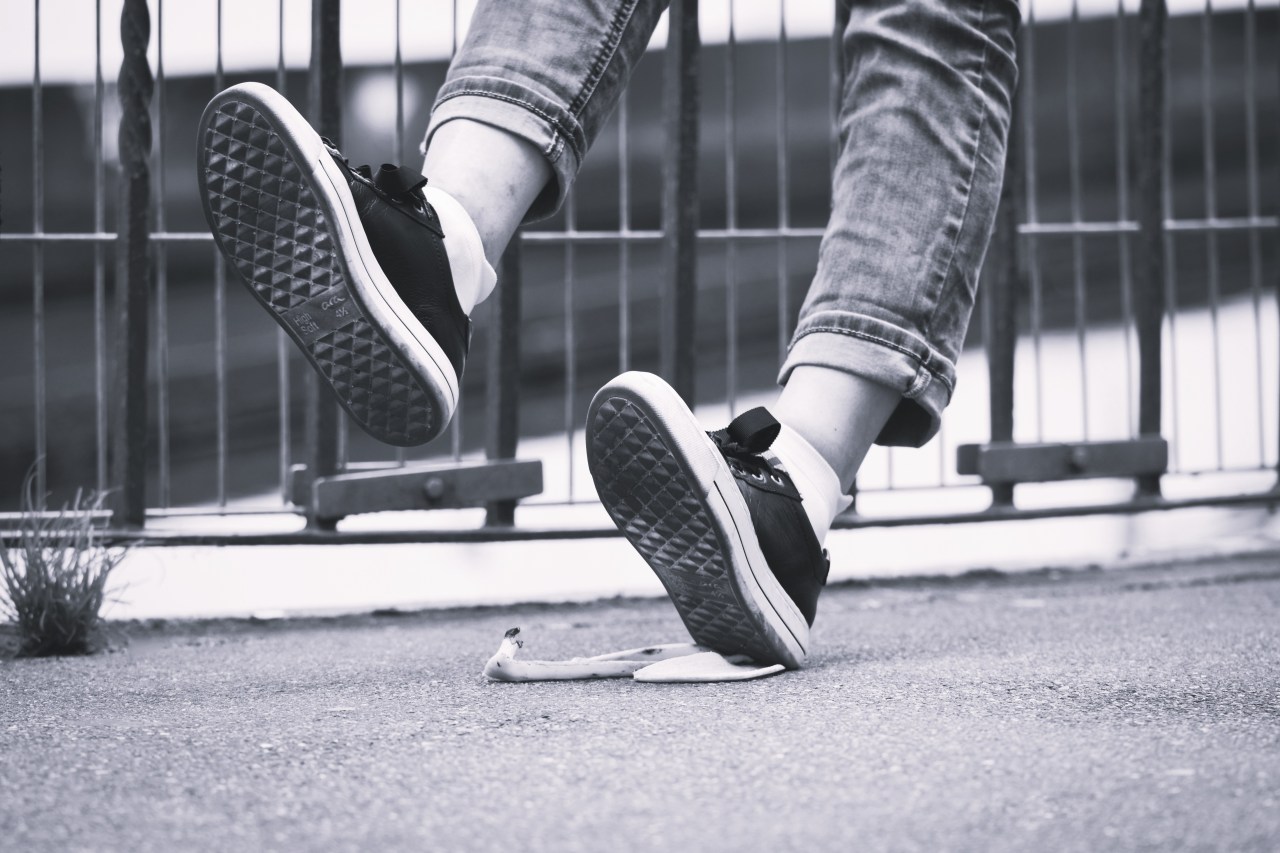
Falling down is part of the process. Always has been. Always will be.

I’ve learned more from my falls than I ever have from my wins. Those stumbles gave me new tools, revealed blind spots, and taught me that even when there isn’t a clear solution, I’m strong enough to get back up again.

Falling isn’t failure—it’s feedback.


Setbacks Aren’t Stop Signs

It’s easy to feel discouraged when things don’t go the way we hoped.

When you’re working so hard to be better, live authentically, and move forward, setbacks can feel personal. It’s frustrating. It’s deflating. But here’s the truth: setbacks don’t mean you’re off track—they mean you’re on it.

Every fall is an opportunity to pause, reflect, and ask:

  • What did this moment teach me?

  • What was my part in it?

  • What new tool or insight can I take forward from here?

If everything went perfectly all the time, we wouldn’t learn much. We wouldn’t build strength. And we definitely wouldn’t develop the resilience we need for long-term growth.


Every Fall Is Just Information

Let’s take the drama out of the fall.

Not every stumble is a crisis. Not every setback is a disaster. Sometimes it’s just a signpost that says: Not this way. Try another.

When we start to look at our missteps as information—not identity—we take back our power.

A fall doesn’t mean you’re broken. It means something needed your attention.

Maybe you weren’t doing what you needed to do.
Maybe you missed a red flag.
Maybe the lesson was simply about learning how to stand back up.

Whatever the reason, the fall isn’t the end. It’s just part of the path.


Falling Forward with Intention

Some of the most painful moments in my life were the result of my own choices—or lack of action. But with each one, I had a decision to make: let the fall define me, or let it refine me.

If we ignore what the fall is trying to teach us, it’s likely we’ll end up back in that same spot—only this time it’ll hurt more, because we’ll know better.

But if we take the time to reflect, gather what we need, and move forward differently, we turn what was once a painful experience into a stepping stone toward something better.


Keep Showing Up

The key isn’t avoiding every fall. That’s impossible. The key is learning how to rise, gather the lesson, and keep moving.

No matter how hard you fall, you can get back up.
No matter how lost you feel, you can find your way again.

Eventually, you’ll recognize the patterns. You’ll learn where the pitfalls are. And you’ll start to navigate the path with more confidence.

Falling doesn’t mean you’re failing. It means you’re growing.
And growth is never a straight line—it’s a beautifully messy journey.


SLAY Reflection

Let’s reflect together, SLAYER:

  • S: What’s your usual reaction when you fall—do you give up or get curious?

  • L: Can you recall a setback that led to growth or a better decision later on?

  • A: How can you start viewing setbacks as information rather than personal failure?

  • Y: What’s one fall you can reframe today as a stepping stone instead of a stopping point?


Call to Action: Join the Conversation

I’d love to hear from you.
When was the last time you fell, and what did it teach you?
Share your story in the comments. Let’s cheer each other on.

And if you know someone who feels defeated by a recent fall, send this to them.
Sometimes, all we need is a nudge.

Are You Addicted To Excitement?

Does the thought of your life being calm, quiet, and drama-free make your skin crawl? Does it send a chill down your spine? Does a stress-free existence sound like a four-letter word?
You may be addicted to excitement.

For many people, the idea of living a peaceful life is so repelling or frightening they create problems and chaos to feel alive—but at what cost?

It’s common for those who have lived in an unpredictable environment to continue creating unpredictability after they’ve left it. They mimic the feelings of their past and link them to the feeling of being alive because that’s what they’ve known. It can also stem from low self-esteem and ego running wild—that nasty combo I know all too well from my own past.

That feeling of not deserving the good, of the good never being enough. A vicious cycle of damage, adding unnecessary wreckage, and a constant desire to find the next big thing worthy of unrealistic expectations. But here’s the truth: it’s doing ourselves harm, or putting a band-aid over a wound that can’t be healed by outside things. That wound will never heal because we never allow it to—it’s what we’ve chosen to give us purpose. And without it, what would our purpose be?


Redefining Purpose

What if we made our purpose living a life full of love and beautiful, healthy things? And by beautiful, healthy things, I mean those that are right for us—not what our family, friends, or colleagues think they should be. We get to decide.

It took work for me to find a way to be comfortable without drama or a “big” adrenaline rush. I thought I needed it to feel alive—an event, shopping spree, a night out, or just being part of something. But what I didn’t realize was I needed to feel a part of my own life, and I didn’t.

I felt like life was a runaway train, and I didn’t even have a ticket. Even when it slowed enough for me to catch up, I was left standing on the platform, suitcase in hand, watching it leave again. I didn’t know where the train was going—I just wanted to escape myself and the messes I’d created trying to feel purpose or that rush of excitement.


Linking Fear to Excitement

Many of us link fear to excitement. Creating circumstances that trigger fear gives us that same rush, that jolt we associate with being alive.
We procrastinate to feel stress, pick unhealthy relationships, lie, cheat, or steal—not because of poor decisions but because we’re looking for that “hit” of excitement. Some even put themselves in dangerous situations to feed this addiction.

But it doesn’t serve us. It doesn’t help us. Ultimately, it damages our lives.

The first step to finding a healthier way to live is to identify what we’re doing—and why. Often it’s rooted in abandonment issues, growing up in chaotic homes, or our own past struggles. Whatever the source, once you’ve named it, you can start making healthier choices.


Practicing Contrary Action

For me, it took a lot of contrary action. Doing the opposite of what I wanted—or had been doing. Learning to be comfortable in the discomfort of not feeding off drama. Breathing through the moments when I wanted to stir things up, create trouble, or plan an escape. Learning just to be.

And to trust and love myself, accepting that I was enough.

Yes, it’s wonderful to have things to look forward to. But not when they replace living your life or fill a void that’s really an inside job. Only you can fill that void—and it won’t come from outside things.


SLAY OF THE DAY:

  • Do you feel like your life has no meaning without drama or excitement?

  • If you removed those things, what would you be left with?

  • How could you fill your life up without using those distractions?

  • What are more loving ways you could nourish yourself?

  • What can you work on within yourself to feel less alone, abandoned, or left out?

  • Really look at your life—what do you have, and who are you?

  • What do you know to be true?

Start building from there. If there are things you don’t like, change them—but change them for you. Make changes that honor and show yourself that you love yourself. That you will never abandon you.

SLAY on.


Call to Action: Join the Conversation

I’d love to hear from you.
Have you ever caught yourself creating drama or chasing excitement just to feel alive?
Share your story in the comments. Let’s cheer each other on.
And if you know someone who’s ready to embrace calm and break free from chaos, send this to them.
Sometimes, all we need is a nudge.

Breathe Louder Than Your Thoughts

Breath is the one thing we all have access to—and yet, it’s the first thing we forget when life gets loud. But here’s the truth: your breath is more powerful than your panic. More steady than your stress. More faithful than your fear.

It was yoga that first taught me to really breathe. To use my inhale as an anchor and my exhale as a release. Over time, I realized something deeper: the sound of my breath could drown out the noise in my head.


Silence Isn’t Empty—It’s Full of Truth

I used to run from silence. I filled every quiet space with background noise—TV, music, podcasts—because when things got quiet, my thoughts got louder. And let me tell you, those thoughts weren’t kind.

But here’s what I didn’t know back then: avoiding the silence meant avoiding myself. I couldn’t hear my needs, my pain, or my intuition because I was drowning them out. It took time, intention, and practice to sit in silence and just breathe.

Now? Silence is my sanctuary. It reminds me I’m here. I’m alive. I’m present. My breath is the proof.


Shallow Breath, Shaky Ground

When I’m stressed, scared, or angry, I don’t always notice my breath at first. But then the chaos comes rushing in—racing thoughts, old triggers, worst-case scenarios. Shallow breathing invites old versions of me back in: the reactive one, the revengeful one, the version I’ve worked hard to outgrow.

That woman lives in my short breath. So I take a deep inhale and send her packing. I breathe in the present. I exhale the past. Because the woman I am today lives in my deep breath.


Let Breath Lead the Way

When things feel hard, when fear gets loud, when you’re tempted to run or lash out—pause. Breathe.

Your thoughts may scream. Your fears may shout. But your breath? Your breath will always whisper, “You’re safe. You’re here. You’ve got this.”

As SLAYERS, we don’t run. We breathe. We root down. We move forward with intention. Even when we’re scared. Especially when we’re scared.


Breath Is Power. Use It.

Next time you find yourself spiraling, check in with your breath. Are you breathing shallow and fast? If so, pause. Place your hand on your belly. Breathe in for four counts. Hold for two. Breathe out for four.

Do it again.

And again.

Let your breath get louder than your thoughts. Let it lead you back to the truth. You are not your fear. You are not your panic. You are not your past.

You are here. You are present. And you are powerful.

So breathe in, power up, and SLAY on.


SLAY Reflection

  1. Do you notice your breath change when you’re stressed or overwhelmed?
  2. What happens to your thoughts when you take deep, intentional breaths?
  3. How do you typically react when fear gets loud?
  4. What calming practices help bring you back to yourself?
  5. What would it look like to let your breath guide your next step?

S-L-A-Y:

  • Stop and notice your breath.
  • Listen to what it’s telling you.
  • Act with intention from a grounded place.
  • You hold the power to shift your state with a single inhale.

Call to Action: Join the Conversation
I’d love to hear from you.
What helps you breathe through the noise when life gets loud?
Share your story in the comments. Let’s cheer each other on.

And if you know someone who’s been feeling overwhelmed lately, send this to them.
Sometimes, all we need is a breath—and a reminder.