
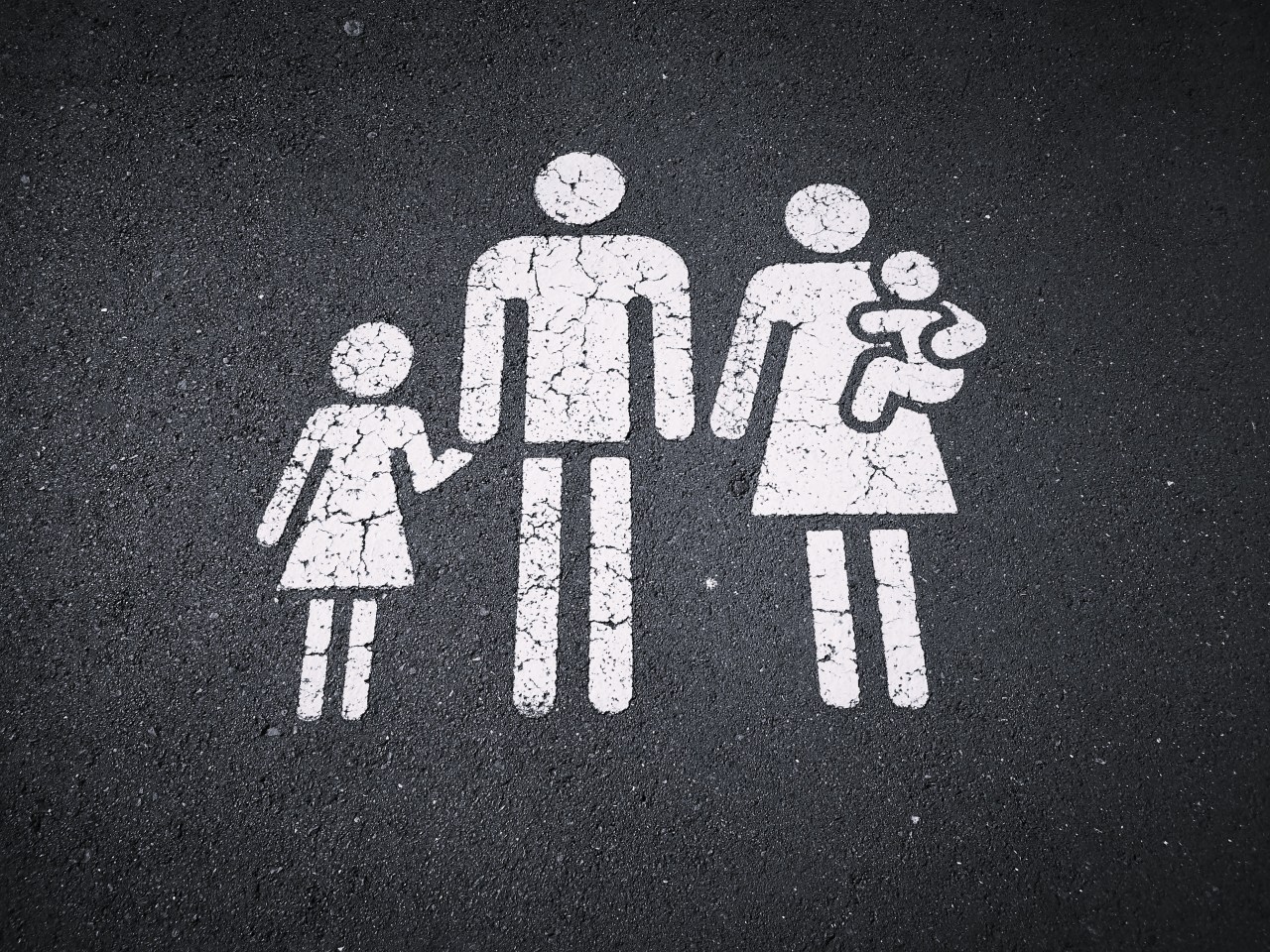
Generational trauma doesn’t start with you, but healing it can.
It’s the invisible thread that ties generations together — a quiet inheritance of pain, shame, and survival patterns passed down like heirlooms. You may not have been there for the original wound, but its effects can still live in your body, your beliefs, and the way you love.
It shows up in how you react under pressure, how you handle conflict, how you view yourself, and even how you parent or partner.
It’s the anger that comes from nowhere. The fear that feels too big for the situation. The exhaustion that no amount of rest seems to fix.
Generational trauma teaches us to survive, not to thrive.
But survival isn’t the same as living.
The Inheritance You Didn’t Ask For
Many of us were born into families that did their best with what they had — but what they had wasn’t always enough. They carried their own unhealed wounds: poverty, addiction, loss, war, oppression, or abuse. Instead of processing those experiences, they buried them, and the patterns took root.
Maybe your family believed that talking about emotions was weakness.
Maybe affection was rare, or love was conditional.
Maybe silence became the language of safety.
Even if the trauma wasn’t spoken about, it was felt. Children absorb what isn’t said — the tension in the room, the fear behind the laughter, the energy that says something is wrong even when the words say otherwise.
And over time, those unspoken wounds become part of our identity.
We mistake survival patterns for personality traits.
We call anxiety “being responsible.”
We call hypervigilance “being careful.”
We call people-pleasing “being kind.”
But beneath all of that is a nervous system that has learned to live on alert — waiting for something that may never come.
The Body Keeps the Score
Generational trauma isn’t just emotional — it’s biological.
Science shows that trauma can change gene expression through a process called epigenetics. That means the stress responses your grandparents experienced can influence how your body responds to stress today.
It’s not just in your head — it’s in your DNA.
That’s why certain family patterns repeat: the same type of relationships, the same self-sabotage, the same fear of failure or intimacy. These patterns aren’t coincidences; they’re learned responses to survival.
But here’s the good news: what’s learned can be unlearned.
Your body and mind can heal. Your story can change.
You Are the Pattern Breaker
When you start doing the work — therapy, mindfulness, self-reflection, boundaries — you’re not just healing yourself. You’re healing everyone who came before you and everyone who will come after.
That’s the weight and beauty of being the first.
You may be the first in your family to go to therapy.
The first to apologize instead of explode.
The first to say, “I need help.”
The first to choose love over fear.
And that can feel lonely. Because when you stop participating in dysfunction, it can look like betrayal to those still trapped in it.
But what you’re really doing is freeing everyone — even the ones who don’t understand it yet.
Healing is not rebellion. It’s reclamation.
Breaking Patterns Takes Courage
Healing generational trauma means facing what your ancestors couldn’t. It’s looking at the pain that’s been avoided for decades and saying, It ends with me.
That takes courage — and compassion.
You can honor your family without repeating their patterns. You can love them and still create distance when you need safety. You can forgive them without pretending what happened was okay.
Forgiveness doesn’t mean forgetting — it means freeing yourself from carrying what isn’t yours to hold.
The truth is, many of the people who hurt you were hurting too. They passed down what they knew. And maybe what they knew was pain.
By choosing healing, you’re rewriting that story.
How to Begin Healing Generational Trauma
1. Acknowledge What Was Passed Down
You can’t heal what you refuse to name. Start by identifying the patterns that repeat: emotional suppression, perfectionism, codependency, control, or addiction. Awareness is the first act of liberation.
2. Separate What’s Yours from What’s Theirs
Ask yourself: Is this reaction mine, or does it belong to someone else’s pain? Many of our fears are inherited — they were once protective, but now they’re limiting. You don’t have to carry them anymore.
3. Allow Yourself to Feel
What your parents or grandparents couldn’t express, you can. Crying, grieving, and expressing anger are not weakness — they are releases. Feeling is not failure. It’s freedom.
4. Create New Patterns
Set boundaries. Speak your truth. Rest when your ancestors couldn’t.
Every time you do something different, you’re reprogramming your nervous system and teaching future generations a new way to live.
5. Seek Support
You don’t have to heal alone. Therapy, somatic work, journaling, and community all help rewire the mind and body. Support gives your healing structure.
You Are the Bridge Between What Was and What Can Be
Generational trauma may have shaped you — but it doesn’t define you.
You are the living proof that the story can change.
You are the bridge between what was and what will be.
And when you choose healing, that bridge leads to peace.
You are not broken. You are breaking free.
SLAY Reflection
- What family patterns have you noticed repeating in your life?
- How have those patterns shaped the way you see yourself or others?
- What’s one survival behavior you’re ready to release?
- How can you show compassion for your past without living in it?
- What new pattern do you want to create for the generations after you?
- S – See the inherited patterns clearly
- L – Let go of what isn’t yours to carry
- A – Actively choose healing over repetition
- Y – Yield to transformation and break the cycle
Call to Action: Join the Conversation
I’d love to hear from you.
What generational pattern have you broken — or are working to break?
Share your story in the comments. Let’s cheer each other on.
And if you know someone who’s ready to heal their family story, send this to them.
Sometimes, the first step toward freedom is realizing you’re not alone.
#SlayOn
Discover more from State Of Slay™
Subscribe to get the latest posts sent to your email.
