
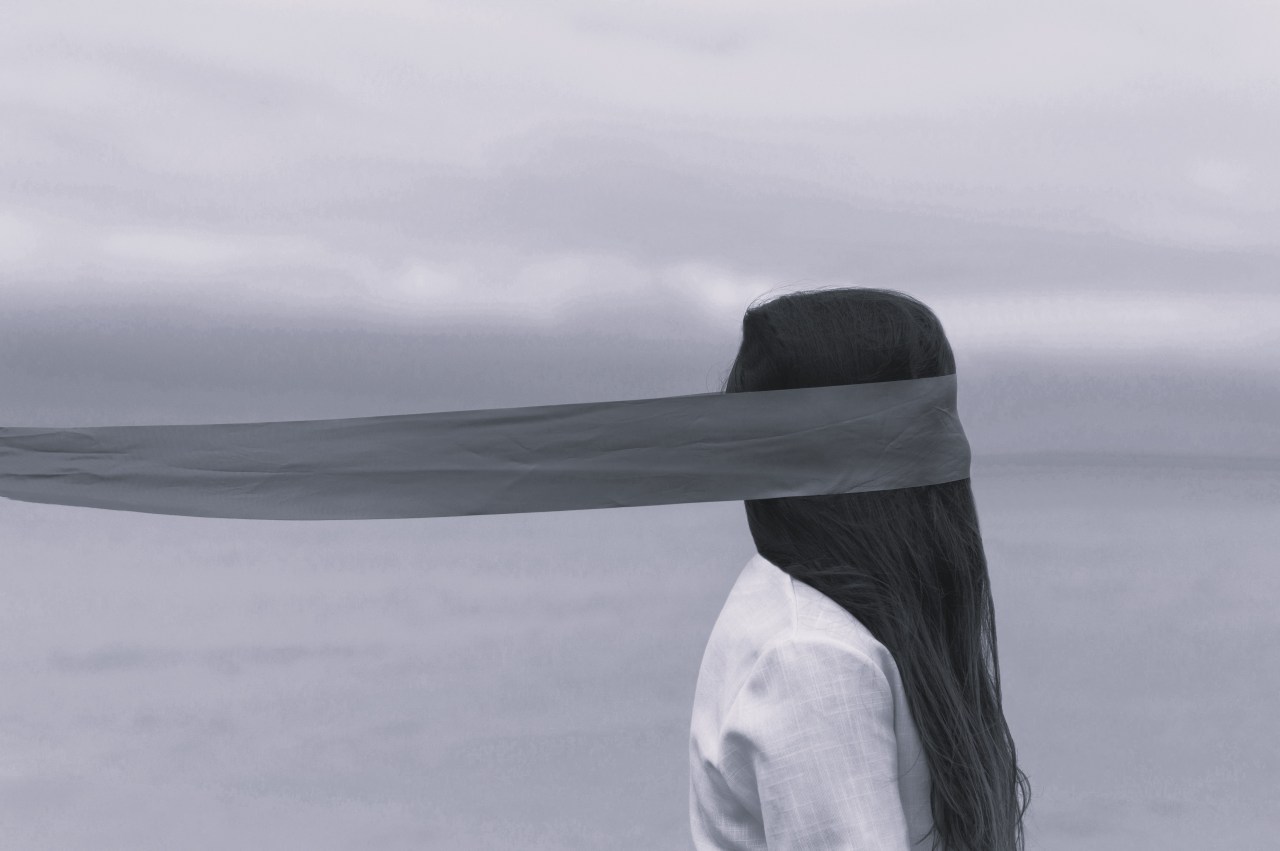
I was listening to Andrea Bocelli’s moving performance of “Amazing Grace” recently at the Duomo cathedral in Milan. As I heard the words “I was blind but now I see,” it struck me deeply. I hadn’t really thought about that line before—just the song as a whole and what it meant—but it reminded me of the years I spent struggling.
There was a time when I didn’t believe I was worth saving, a time when I had lost hope. Back then, I was blind. I was blind to myself, my life, my behavior—thinking I was someone I wasn’t, living a life I wasn’t. I saw only what my mind told me to see, not the truth of what was really going on.
I was living in the darkness of my mind, while the real me—the person I truly was—slowly slipped away under the layers of garbage I kept piling on.
Seeing the Truth for What It Is
We tend to see what we want to see, don’t we? Whether it’s good or bad, we often paint ourselves a picture we choose to believe. Some of us hide behind a picture-perfect fantasy; others choose to cloak everything in doom and gloom.
But the truth is, life usually falls somewhere in the middle—often not as extreme as our minds want us to believe.
I used to use distractions and numbing behaviors to avoid the truth. Even during this time of isolation and home seclusion, those distractions are still available. Facing the truth is uncomfortable. It’s so much easier to stay behind the veil of the story we tell ourselves.
For me, the truth was standing right in front of me, and I could no longer hide. It took realizing that continuing to hide from my truth would ultimately destroy me. When I finally sought help, that veil was lifted. And while seeing the truth was painful at first, it was also freeing.
Freedom in Truth
The truth was my chance to make changes. To see the mess my life had become. To recognize the lies my head had been feeding me.
At first, it was easier to hide and live in a world of my own choosing, but things were never going to get better in that place. I was lucky to have seen the truth when I did, and that I was still able to do something about it. Not everyone gets that chance.
When we are willing to face the truth, we give ourselves the opportunity to change what we don’t like. Or at least, to improve things. Truth gives us clarity to make better choices and to see how those choices affect not just us, but those around us.
It’s within truth that real change is possible. It’s where we find the opportunity to become someone we are proud of—someone who lives a life we want, not one we’re pretending to live.
So take off the glasses that may be clouding your vision. Look at your life for what it truly is, and use that vision to build a life you are proud to see.
SLAY on.
SLAY OF THE DAY: Reflect & Rise
-
Do you typically see things as they are, or do you see them as you choose to see them?
-
What do you see? Do you like it?
-
How much of what you don’t like is a result of your own choices?
-
What can you change to improve what you see?
-
Write an example of something you chose not to see and how it became a bigger problem.
-
Do you tend to overlook the good in your life? Why?
-
What good can you see if you look for it? How can you find and create more good?
When we face our truth, we gain clarity. And clarity gives us the opportunity to make changes—big or small—that can lead us to a better life.
Call to Action: Join the Conversation
I’d love to hear from you.
What truth are you ready to face in your life?
Share your story in the comments. Let’s support each other in seeing things clearly.
And if you know someone who might need this reminder, send it to them. Sometimes, the first step is simply acknowledging we’re ready to see.
