
There’s a belief many of us hold onto longer than we should:
that closure comes from another person.
From an apology.
From an explanation.
From a final conversation that magically makes everything make sense.
But real life rarely works that way.
Sometimes the person who hurt you won’t take accountability.
Sometimes they won’t explain themselves.
Sometimes they won’t even acknowledge the damage they caused.
And waiting for closure that never comes can quietly keep you stuck.
Here’s the hard truth most healing journeys eventually teach us:
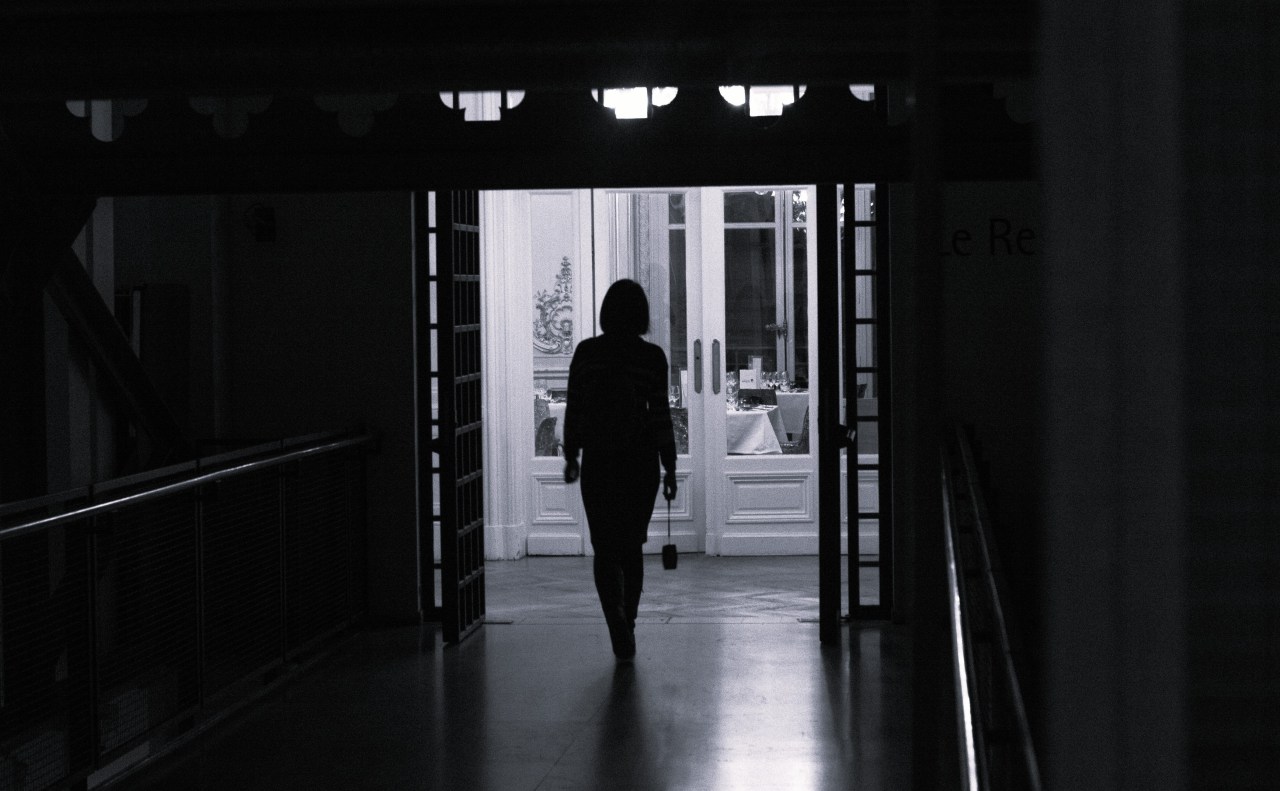
Sometimes you’re not getting closure — you have to close the door yourself.
The Myth of Closure From Other People
We’re taught that healing requires answers. That if we just understood why, we could finally move on.
So we replay conversations.
We analyze behavior.
We wait for messages that never arrive.
We imagine scenarios where they finally “get it.”
But closure that depends on someone else keeps your peace hostage.
Because when closure lives in their hands, your healing is delayed by their willingness — or lack of it — to show up differently.
And not everyone will.
Why Waiting for Closure Keeps You Stuck
Waiting for closure often looks like hope — but underneath it is attachment.
Attachment to a version of the story where things end neatly.
Attachment to the belief that their words could soothe your pain.
Attachment to the idea that you need their validation to move forward.
But here’s what waiting really does:
It keeps the door cracked open.
It keeps your nervous system braced.
It keeps you emotionally tethered to something that’s already over.
And every time you wait, you reopen the wound.
Not because you’re weak — but because you’re human.
Closure Is an Inside Job
True closure doesn’t come from understanding them.
It comes from understanding yourself.
It comes from accepting what happened without needing it to be justified.
From acknowledging that something hurt — even if it was never named as such.
From deciding that your peace matters more than their explanation.
Closure is the moment you stop asking, “Why did they do this?”
and start asking, “What do I need to feel whole again?”
That shift changes everything.
Closing the Door Doesn’t Mean You Didn’t Care
One of the hardest parts of closing the door yourself is the guilt.
We tell ourselves:
- If I move on without closure, maybe I’m being dramatic
- If I stop waiting, maybe I’m giving up too soon
- If I close the door, maybe it means it didn’t matter
But closing the door doesn’t erase the meaning of what you shared.
It honors it.
It says: This mattered — which is why I won’t keep bleeding over it.
You can care deeply and still choose to walk away.
You can love someone and still choose yourself.
You can grieve what was and release what will never be.
Acceptance Is Not the Same as Approval
Closing the door doesn’t mean you agree with what happened.
It doesn’t mean you excuse harm.
It doesn’t mean you pretend it didn’t affect you.
Acceptance simply means you stop fighting reality.
You stop trying to rewrite the past.
You stop hoping someone becomes who they never were.
You stop giving energy to a story that has already reached its end.
Acceptance is choosing peace over explanation.
Freedom over familiarity.
Healing over waiting.
You Don’t Need the Final Word
Sometimes the most powerful ending is the one no one else hears.
No confrontation.
No dramatic exit.
No final paragraph explaining your pain.
Just clarity.
Just boundaries.
Just the quiet decision to close the door and lock it behind you.
You don’t owe everyone access to your healing.
You don’t owe anyone a front-row seat to your growth.
And you don’t need permission to move on.
Closing the Door Is an Act of Self-Respect
When you close the door yourself, you reclaim your power.
You stop outsourcing your peace.
You stop waiting to be chosen, understood, or validated.
You become the authority in your own life again.
And that choice — that moment — is where healing accelerates.
Because energy flows where attention goes.
And once you stop pouring attention into what ended, you create space for what’s next.
What Awaits You on the Other Side
On the other side of the door isn’t bitterness.
It’s relief.
It’s quiet.
It’s clarity.
It’s a nervous system that finally gets to rest.
You may still feel sadness.
You may still feel grief.
But you’ll also feel lighter — because you’re no longer carrying hope for something that cannot meet you.
Sometimes closure doesn’t arrive with answers.
It arrives with courage.
The courage to say: This chapter is over — and I’m choosing to move forward.
SLAY Reflection
Let’s reflect, SLAYER:
S: Where in your life are you waiting for closure that may never come?
L: What door have you kept open that’s costing you peace?
A: What would it look like to give yourself the closure you’ve been waiting for?
Y: How might your life shift if you chose peace over explanation?
Call to Action: Join the Conversation
I’d love to hear from you.
Have you ever had to close the door without getting the closure you hoped for — and what did that teach you?
Share your story in the comments. Let’s cheer each other on.
And if you know someone who’s waiting for answers that aren’t coming, send this to them.
Sometimes, all we need is a nudge.
Discover more from State Of Slay™
Subscribe to get the latest posts sent to your email.
