
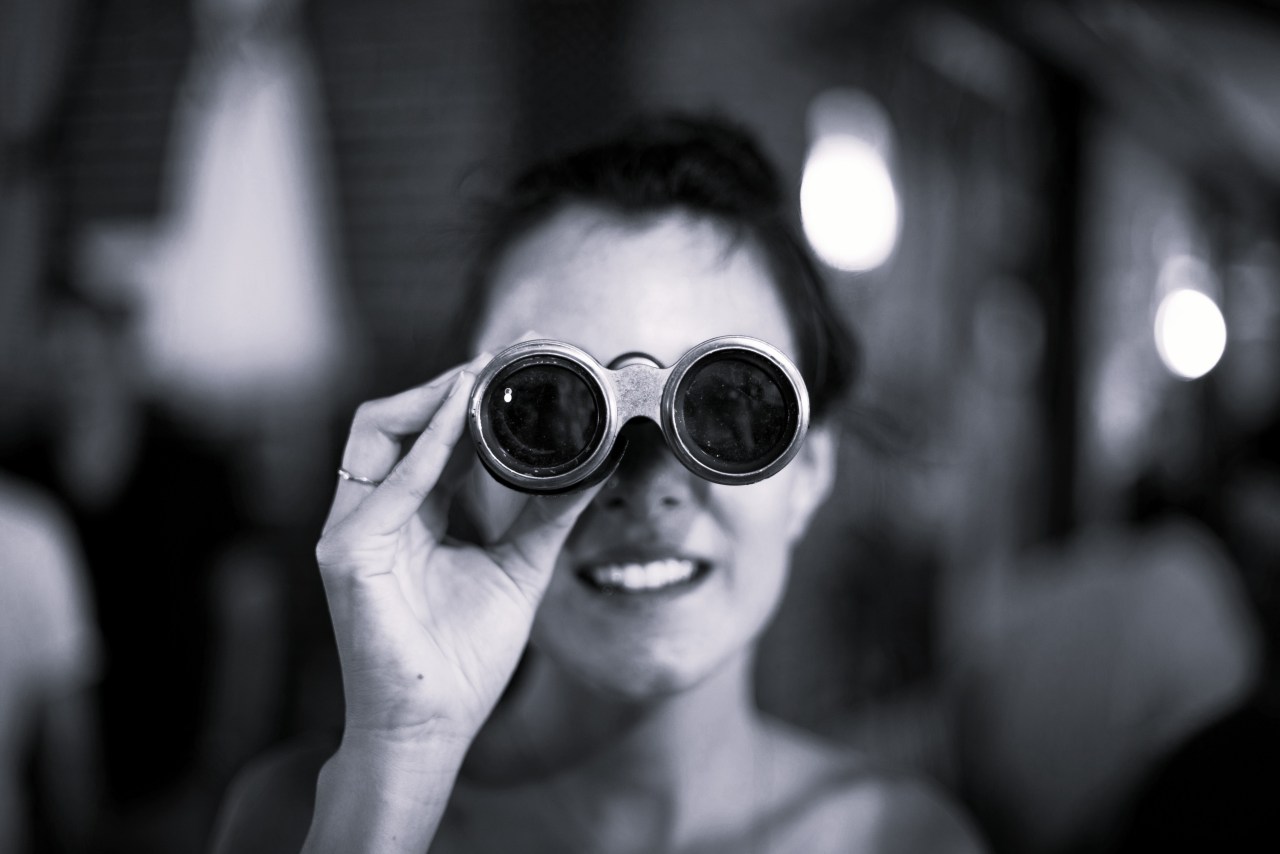
We all want to believe we’re right. That the thoughts we have are the truth. That what we fear is valid. That what we suspect about others is accurate. And so, often without realizing it, we go looking for proof. Not for the truth—but for what we already believe.
That’s confirmation bias.
And it can quietly wreck everything from our relationships to our self-worth.
What Are You Trying to Prove?
Here’s the thing about the human brain: it’s not always looking for truth. It’s looking for evidence that confirms what it already believes.
If your brain believes you’re not good enough, it will dismiss compliments and zero in on criticism.
If your brain thinks no one can be trusted, it will interpret a delayed text or a short tone as betrayal.
If you believe someone doesn’t like you, you’ll search their face and their actions for the tiniest piece of proof—and you’ll find it, even if it isn’t real.
We all do it. It’s human.
But when we act on that bias instead of reality, we reinforce the story we already believe—and miss the opportunity for connection, growth, and healing.
When I Believed the Worst
For a long time, I believed I was unworthy. That no matter how hard I tried, it was never enough. That I would always be the one left behind.
So I looked for proof.
I clung to any sign of rejection. I dismissed care or kindness because I assumed it wouldn’t last. I assumed I was being judged, even when no one was paying attention to me.
I thought I was being self-aware. I thought I was protecting myself.
But what I was really doing was building a case against myself, collecting data that wasn’t even true. And every time I gave weight to a moment of perceived rejection, I was closing a door. I was missing a chance to see that maybe the story I was telling myself wasn’t the whole truth.
And if it wasn’t the truth? Maybe I wasn’t broken after all.
How to Break the Bias
Awareness is everything.
Next time you find yourself thinking, “See? I knew it,” pause.
Ask yourself:
What am I trying to prove right now? And is this actually true—or just familiar?
Confirmation bias feels like safety. It feels like control. But really, it’s just an old loop. One you can break.
Try asking someone you trust for a reality check. Or write down your belief and then list the evidence for and against it.
Better yet, ask yourself: Would I talk to someone I love the way I’m talking to myself right now?
SLAY Reflection
Ask yourself:
- What beliefs do I keep trying to prove?
- Where did those beliefs come from?
- How is confirmation bias limiting my relationships?
- Do I trust my thoughts more than I trust what’s real?
- What would it feel like to look for evidence of the opposite being true?
S – L – A – Y
S: Spot the belief that keeps repeating.
L: Listen for the moment you start searching for proof.
A: Ask yourself what else could be true.
Y: Yield to possibility. It’s where healing begins.
Call to Action: Join the Conversation
I’d love to hear from you.
What’s a belief you’ve spent a long time trying to prove—and what happened when you questioned it?
Share your story in the comments. Let’s cheer each other on.
And if you know someone who’s stuck in a loop of self-doubt, send this to them.
Sometimes, all we need is a nudge.
